Artwork
Robert Devereux, Second Earl of Essex
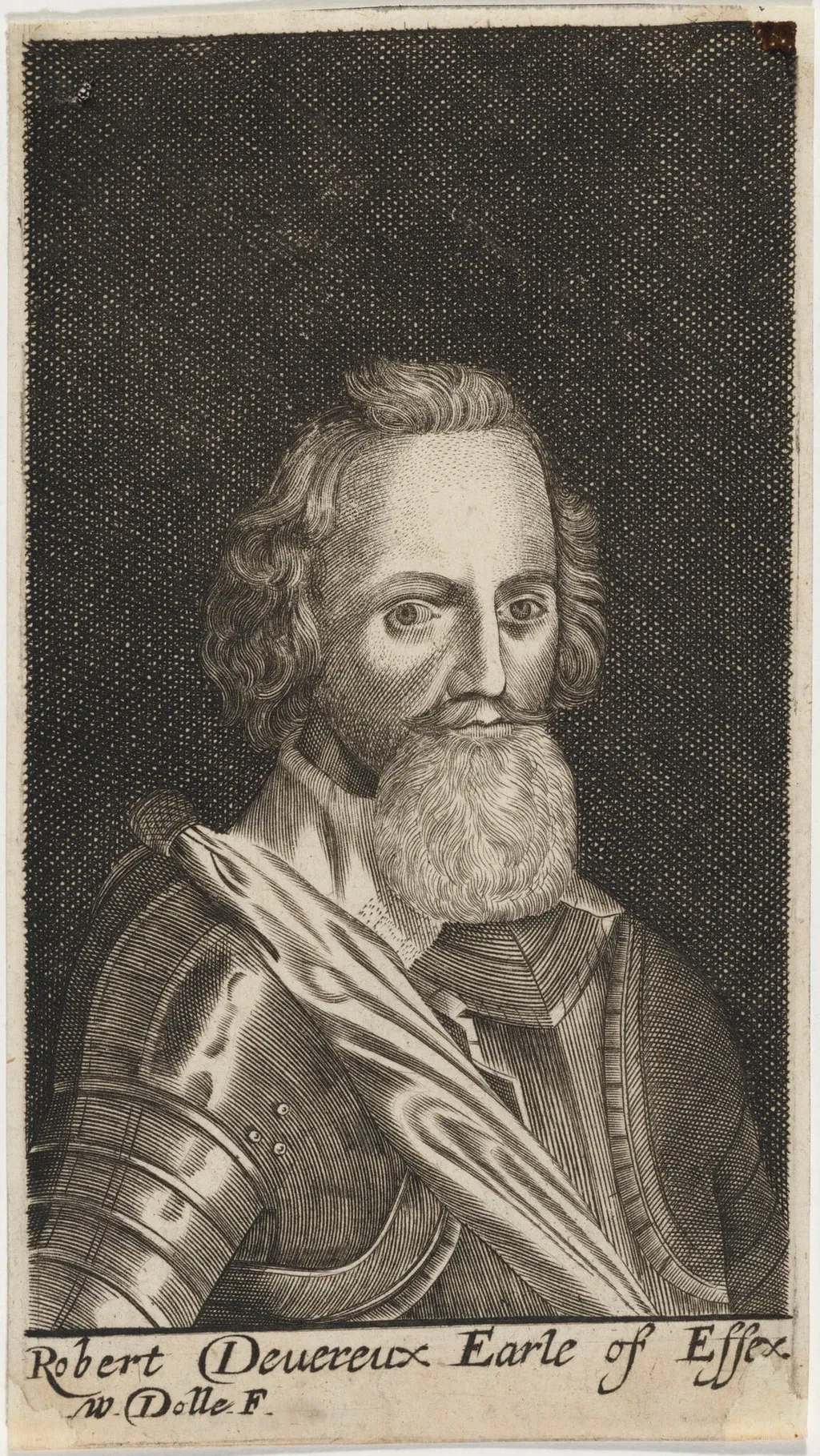
Robert Devereux, Second Earl of Essex is an ink print by the Baroque artist William Dolle. It dates from 1660 and is held in the collection of the National Gallery of Art.
About this work
Overview
Dolle’s technique reflects the precision typical of mid-17th-century English engraving, where detail served both documentation and commemoration.
This 1660 engraving by William Dolle depicts Robert Devereux, the Second Earl of Essex, in formal military attire. Executed in fine line work, the portrait emphasizes texture and volume through meticulous cross-hatching. The dark, neutral background isolates the figure, focusing attention on his facial features and armor. Dolle’s technique reflects the precision typical of mid-17th-century English engraving, where detail served both documentation and commemoration.
Subject & Meaning
Robert Devereux, a prominent figure in Elizabethan and Jacobean politics, was executed in 1601 for treason. This posthumous portrait, made nearly six decades after his death, presents him not as a condemned rebel but as a noble warrior. The armor and cloak suggest dignity and martial status, aligning with the era’s tendency to rehabilitate historical figures through idealized imagery, distancing the subject from his controversial legacy.
Technique & Style
Dolle employed fine, controlled lines and dense cross-hatching to model form and convey the sheen of metal, the texture of fabric, and the softness of facial hair. The contrast between the light-toned face and the dark background enhances three-dimensionality. The style is rooted in the Baroque tradition of portraiture, where technical mastery was used to evoke presence and authority, rather than emotional expression.
History & Provenance
Created in 1660, during the Restoration period, the engraving likely served to reinforce aristocratic lineage and historical continuity after the English Civil War. Dolle, a Dutch-born engraver active in England, specialized in reproducing portraits of notable figures. This print may have been part of a series intended for collectors or used in printed biographies, reflecting renewed interest in Tudor and Stuart nobility.
Context
In the decades following the Restoration, there was a resurgence of interest in the visual culture of the earlier Tudor and Stuart courts. Engravings like this one helped reconstruct a sense of historical order. The choice to depict Essex in armor, rather than in court dress, aligns with contemporary narratives that emphasized his military role over his political failures, catering to a public seeking stable symbols of nobility.
Legacy
Dolle’s engraving of Essex survives as a representative example of 17th-century reproductive portraiture. It demonstrates how print media preserved and reshaped historical memory, transforming a controversial figure into a timeless icon of aristocratic bearing. While not widely known today, such works formed part of the visual archive through which later generations understood early modern English elites.
Artist & collection

 Maurice, Prince of Orange
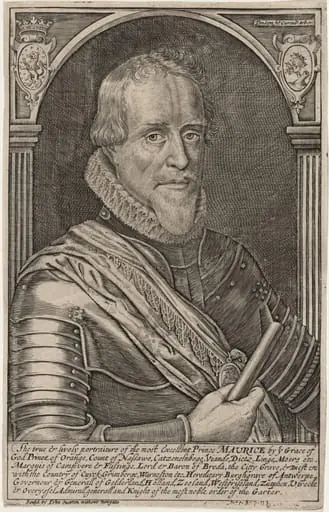 Maurice, Prince of Orange
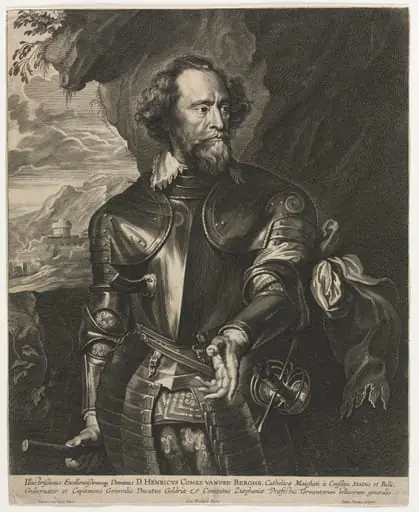 Portrait of Henry, Count van den Berghe
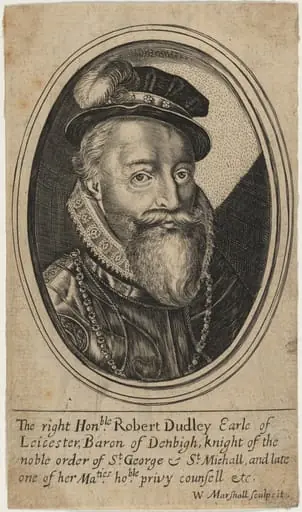 Robert Dudley, Earl of Leicester
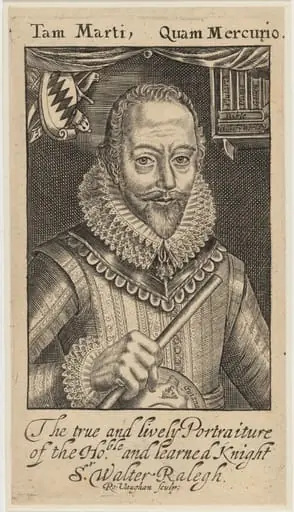 Sir Walter Raleigh
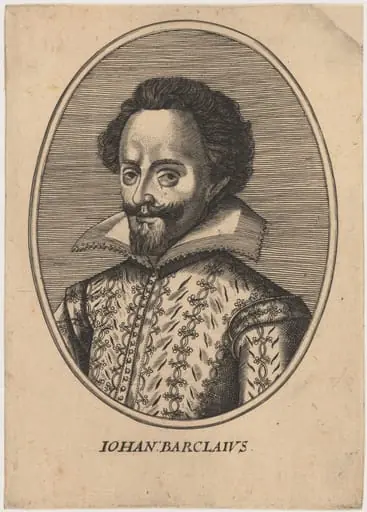 John Barclay
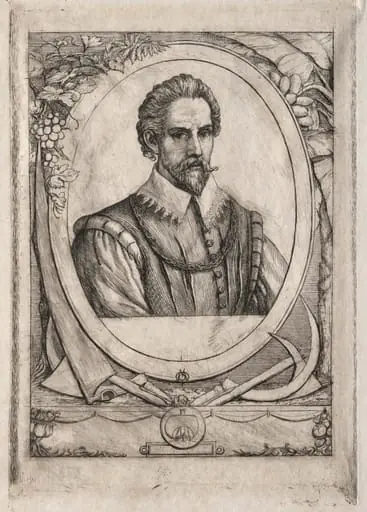 Rene de Laudonniere Sablais (de Burdingale)
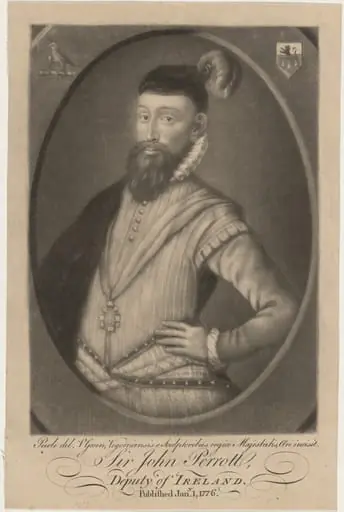 Sir John Perrot, Deputy of Ireland
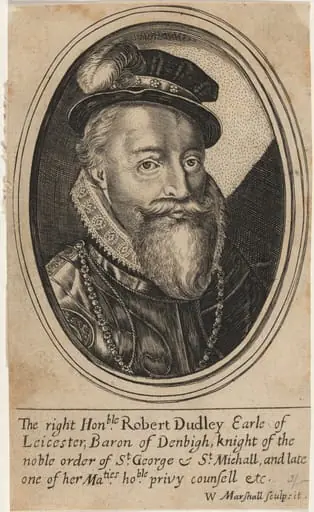 Robert Dudley, Earl of Leicester
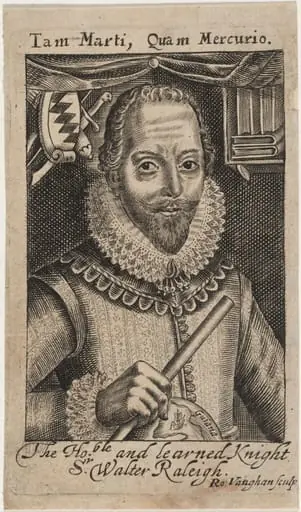 Sir Walter Raleigh
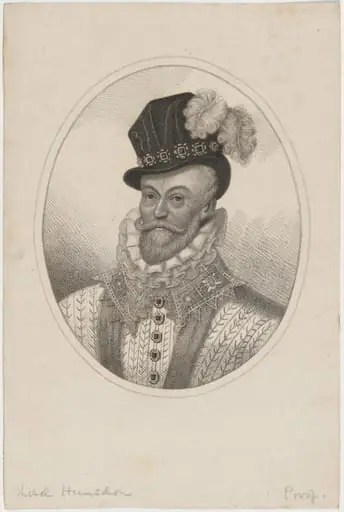 Lord Hundson, Henry Carey
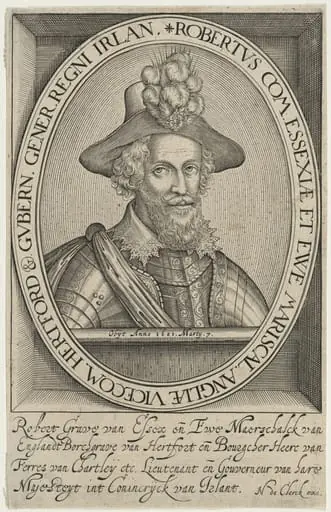 Robert Devereux, Second Earl of Essex