Artwork
Portrait of Henry, Count van den Berghe
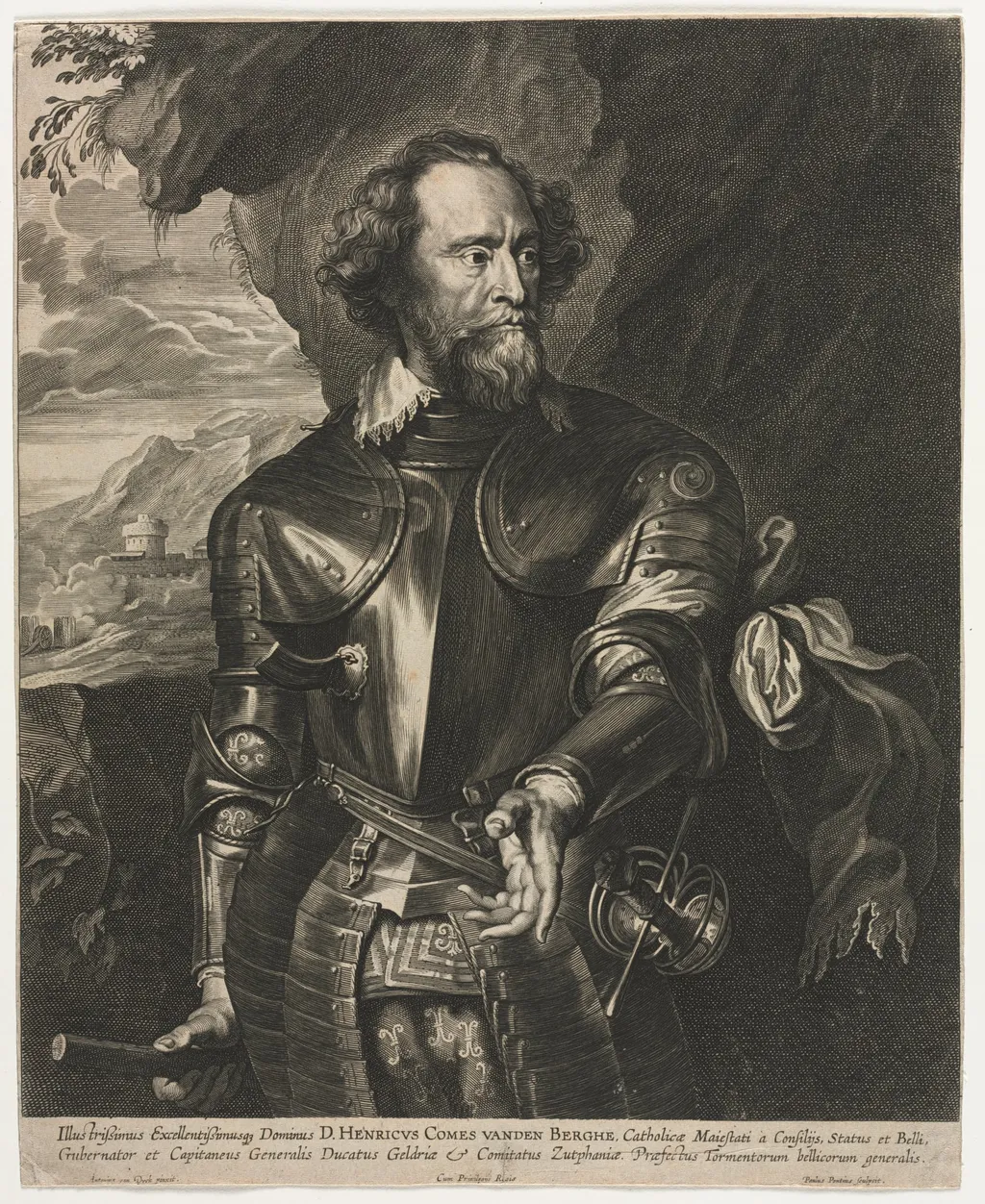
Portrait of Henry, Count van den Berghe is a print by Paulus Pontius. It dates from 1604 and is held in the collection of the Cleveland Museum of Art.
About this work
Overview
Executed with precise line work and subtle tonal gradations, the portrait reflects the technical refinement of early 17th-century Northern European printmaking.
Created around 1604 by Flemish engraver Paulus Pontius, this black-and-white print captures Henry, Count van den Berghe, in full armor. Executed with precise line work and subtle tonal gradations, the portrait reflects the technical refinement of early 17th-century Northern European printmaking. Pontius, known for his collaborations with leading Antwerp artists, translated a painted likeness into a detailed engraved image, preserving the subject’s dignified presence for wider circulation.
Subject & Meaning
Henry, Count van den Berghe, is depicted as a nobleman of military bearing, clad in heavy plate armor with a ruffled collar suggesting both martial status and aristocratic refinement. His grip on a sword and a gauntlet conveys authority and readiness, while his weathered face and full beard imply experience and gravitas. The composition avoids overt symbolism, instead emphasizing personal dignity and social rank through posture and attire.
Technique & Style
Pontius employed fine, controlled engraving lines to render the texture of armor, fabric folds, and facial wrinkles with remarkable clarity. Shading is achieved through cross-hatching and delicate stippling, enhancing the three-dimensionality of the figure without color. The background, minimally suggested with distant hills and a town, directs focus to the subject. The print’s precision reflects the influence of Rubens’s compositional discipline and the Flemish tradition of detailed portraiture.
History & Provenance
The print entered the collection of The Cleveland Museum of Art through documented acquisition, though its earlier ownership history remains largely unrecorded. As a work by Pontius, it likely circulated among elite collectors in the Southern Netherlands and beyond during the early 1600s. Its survival in good condition suggests careful preservation, consistent with the value placed on engraved portraits of nobility during this period.
Context
In early 17th-century Flanders, engraved portraits served as tools of status and memory, often commissioned by nobility or used to disseminate likenesses across regions. Pontius, working within Rubens’s circle, contributed to a flourishing print culture that bridged painting and printmaking. This portrait aligns with broader trends in Northern European art, where realism, social hierarchy, and technical mastery were interwoven in portraiture.
Legacy
Though not widely reproduced in modern scholarship, the print stands as a representative example of Pontius’s skill as an engraver and his role in the Antwerp artistic network. It preserves a visual record of a minor noble figure and exemplifies how printmaking extended the reach of portraiture beyond commissioned paintings, influencing how identity and authority were visually communicated in the early modern era.
Artist & collection
Artist
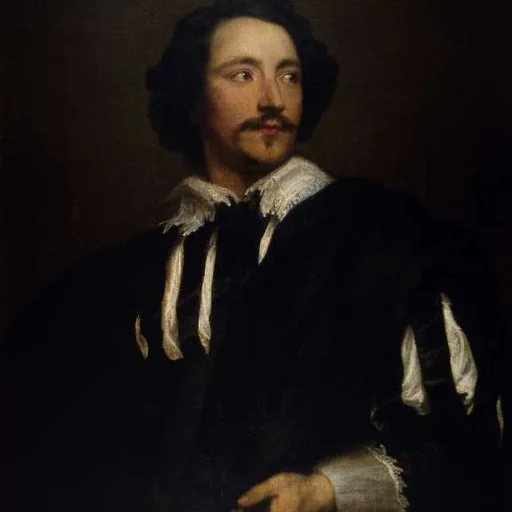
Paulus Pontius (27 May 1603 – 16 January 1658) was a Flemish engraver and painter.

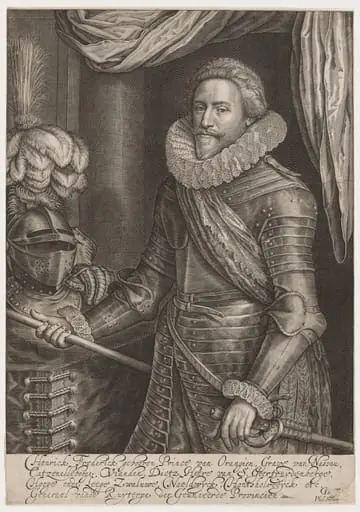 Frederick Henry, Prince of Orange
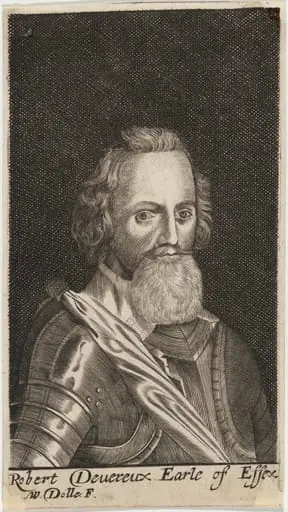 Robert Devereux, Second Earl of Essex
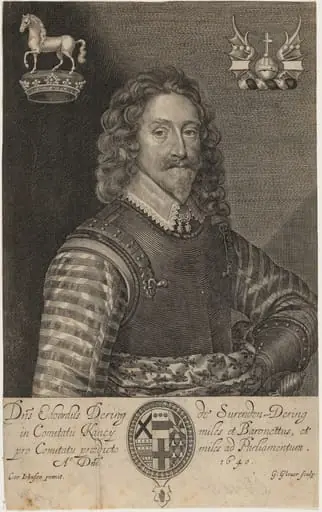 Sir Edward Dering
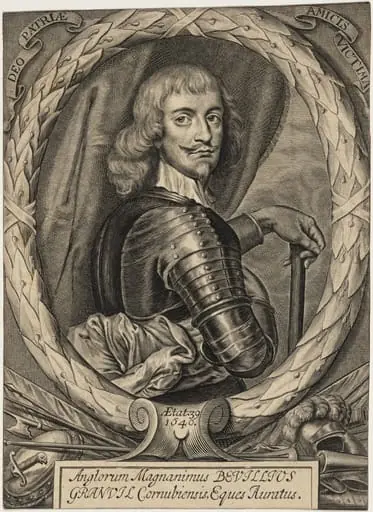 Sir Bevil Grenville
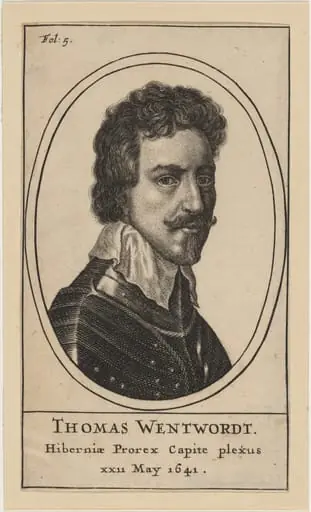 Thomas Wentworth, Earl of Strafford
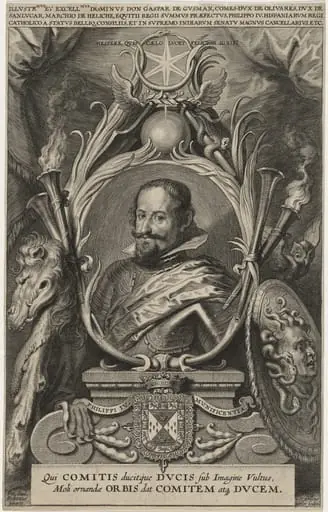 Gaspar de Guzman, Count of Olivares and Duke of San Lucas
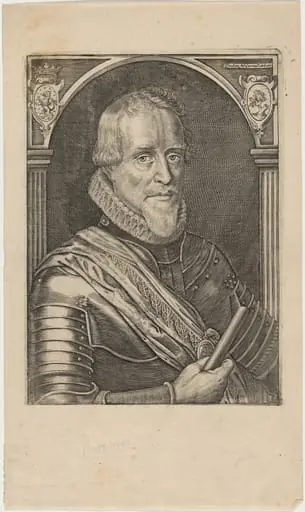 Maurice, Prince of Orange
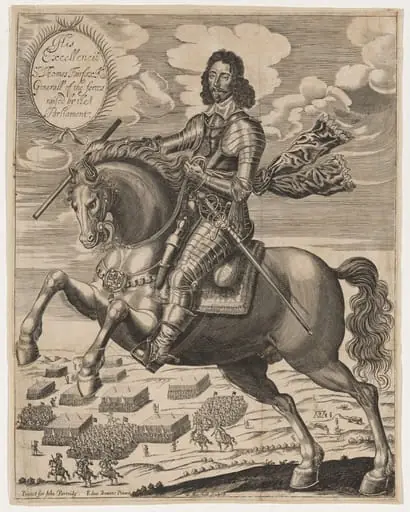 Sir Thomas Fairfax, General of the Forces Raised by Parliament
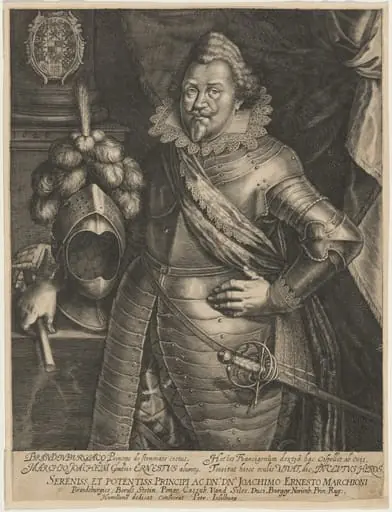 Joachim Ernest, Elector of Brandenburg
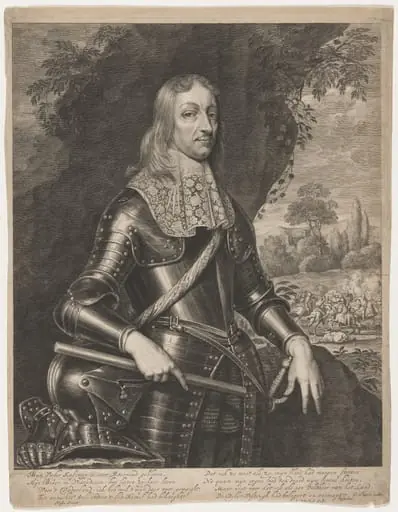 William Frederick of Nassau