Artwork
Portret de aristocrat cu pelerină roșie
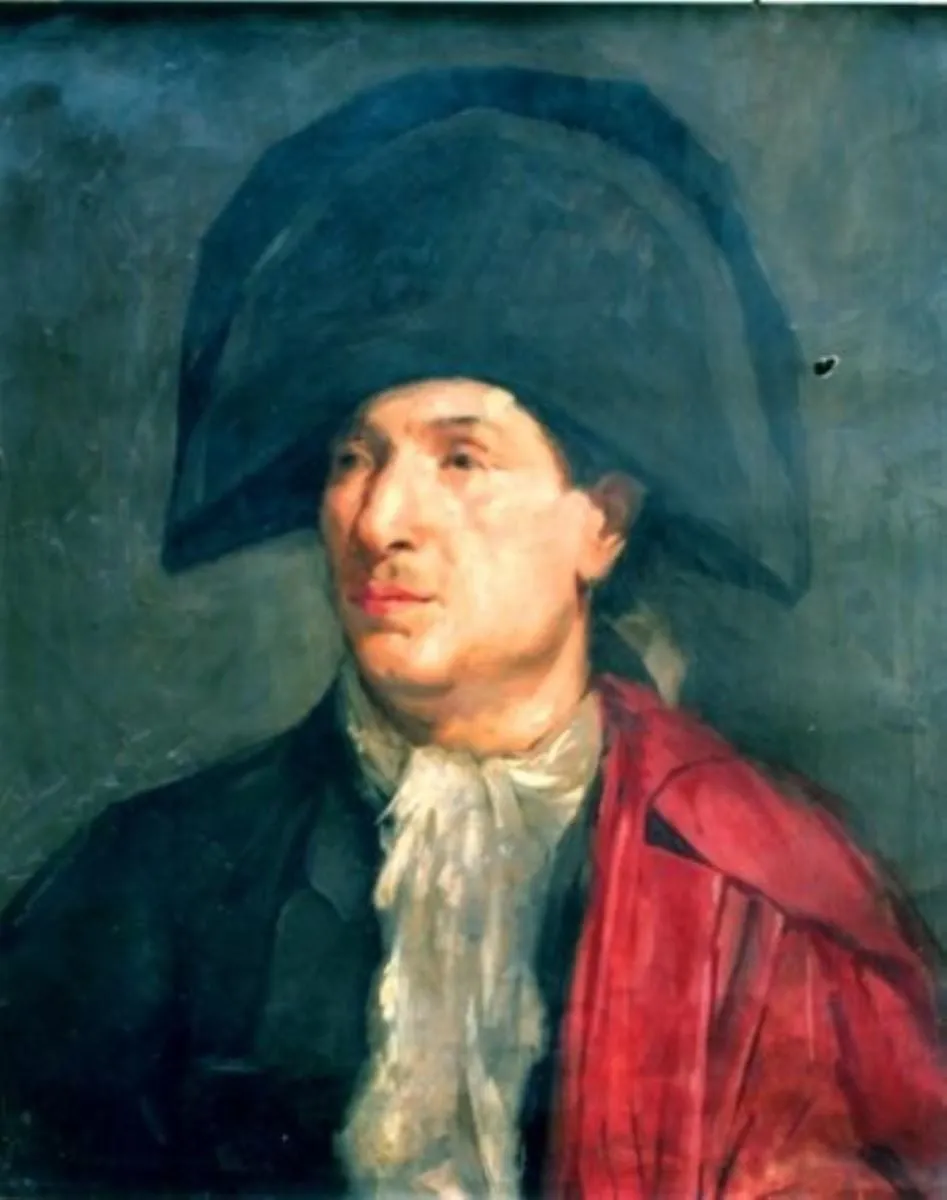
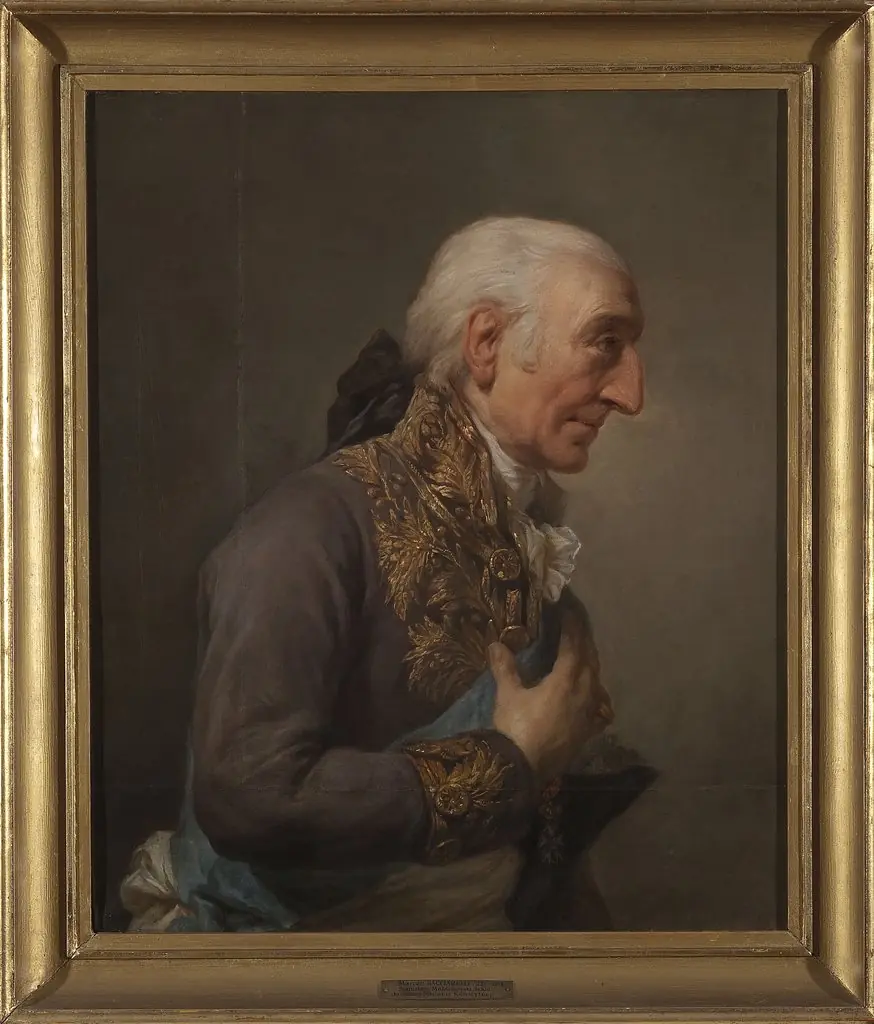
Portret de aristocrat cu pelerină roșie is an unspecified painting by Francisco Domingo. It dates from 1850 and is held in the collection of the Romanian Academy in Bucharest.
About this work
Overview
Painted around 1850 by Francisco Domingo, this portrait portrays a nobleman in formal attire, rendered with careful attention to texture and tone.
Painted around 1850 by Francisco Domingo, this portrait portrays a nobleman in formal attire, rendered with careful attention to texture and tone. The work resides in the Museum of Ethnography, where it is cataloged as part of a collection documenting 19th-century European portraiture. Though the subject’s identity remains unconfirmed, the composition reflects conventions of aristocratic representation from the preceding century.
Subject & Meaning
The sitter, dressed in a red cloak over a white ruffled shirt and black hat, embodies the visual language of European nobility. His stern gaze and restrained posture convey dignity and social standing rather than personal emotion. The red cloak, a symbol of status in earlier centuries, may reference inherited privilege or ceremonial dress, though its exact significance in this context is not documented.
Technique & Style
Domingo employs subtle gradations of light and shadow to model the figure’s form, suggesting an awareness of chiaroscuro traditions. The muted grey background isolates the subject, enhancing the three-dimensionality of his clothing and face. Brushwork is controlled, with attention to fabric folds and the sheen of silk or wool, reflecting a conservative academic approach to portraiture.
History & Provenance
The painting entered the Museum of Ethnography’s collection in the late 19th or early 20th century, likely through acquisition or donation. Its attribution to Francisco Domingo is based on stylistic analysis and archival records, though little is known about the artist’s life or other works. The portrait’s journey from private ownership to institutional care remains undocumented.
Context
Created during a period when photographic portraiture was emerging, this painting adheres to older conventions of aristocratic representation. The red cloak and ruffled collar evoke 17th- and 18th-century fashions, suggesting the sitter’s identity was tied to lineage rather than contemporary trends. The work reflects a lingering idealization of nobility in an era of social transformation.
Legacy
The portrait serves as a quiet example of how traditional portraiture persisted into the mid-19th century, even as artistic movements evolved. It offers insight into how institutions preserved visual codes of class and identity. While not widely studied, it contributes to broader understandings of regional painting practices in Spain and their transmission across collections.
Artist & collection
Artist
Francisco Domingo painted portraits in a realist style popular in the late 19th to early 20th century.
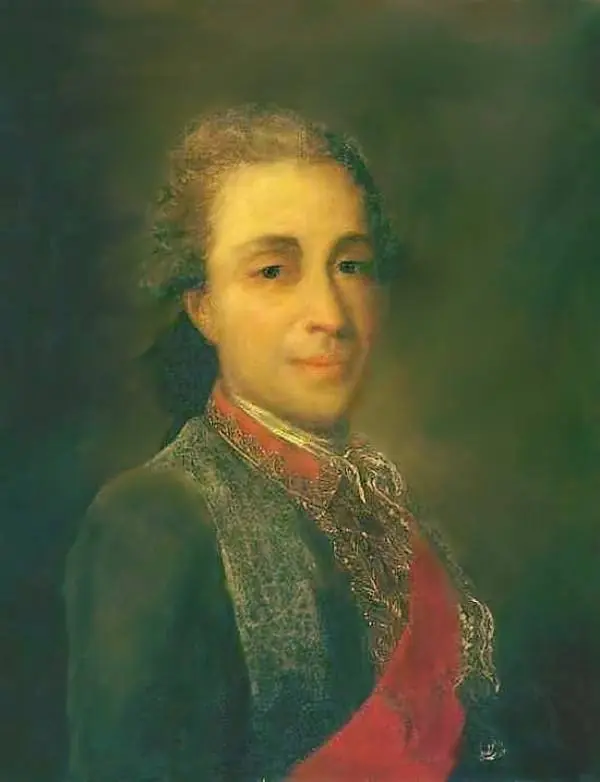 Портрет неизвестного в зелёном кафтане
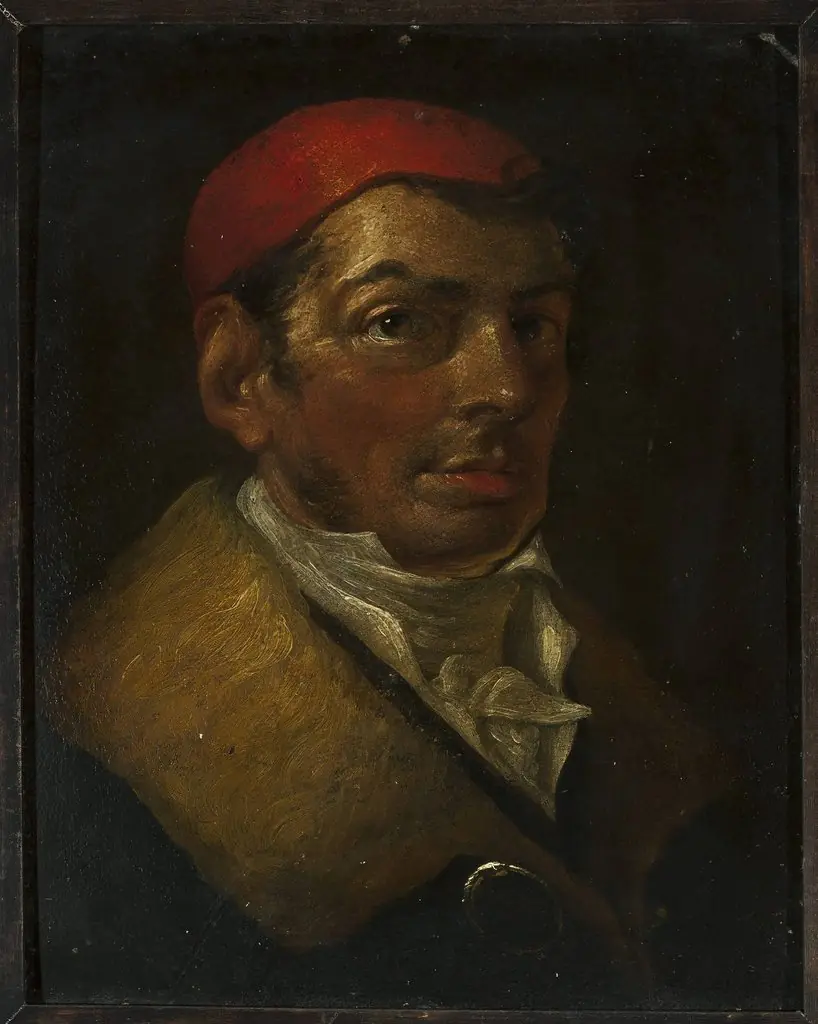 Self-portrait
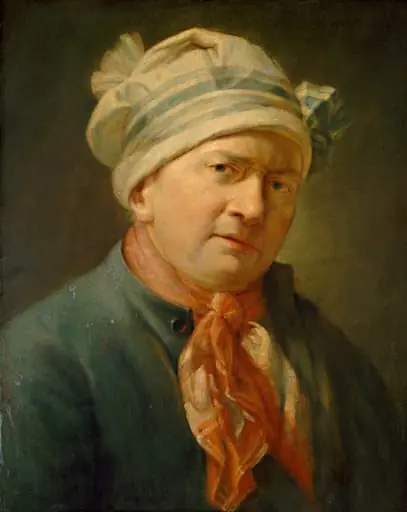 Portrait of a Man
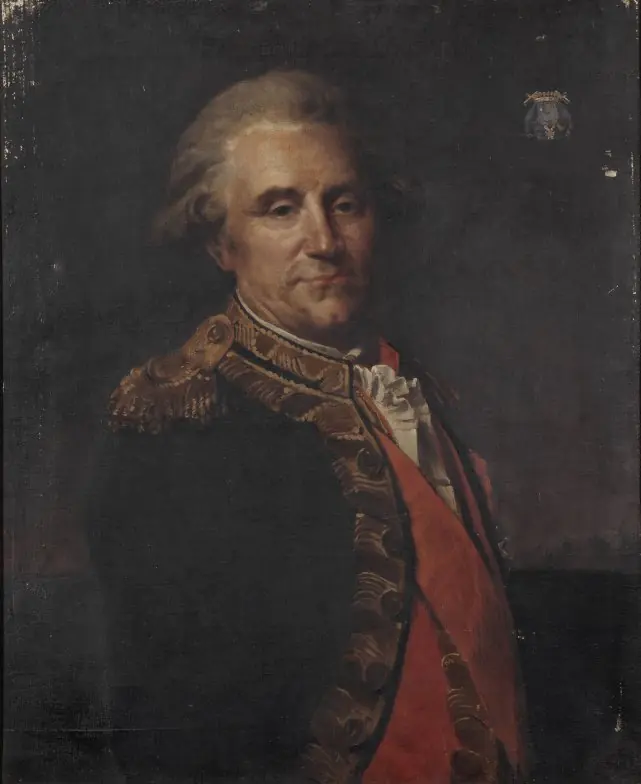 L'amiral Antoine-Jean-Marie Thévenard (1733-1815)
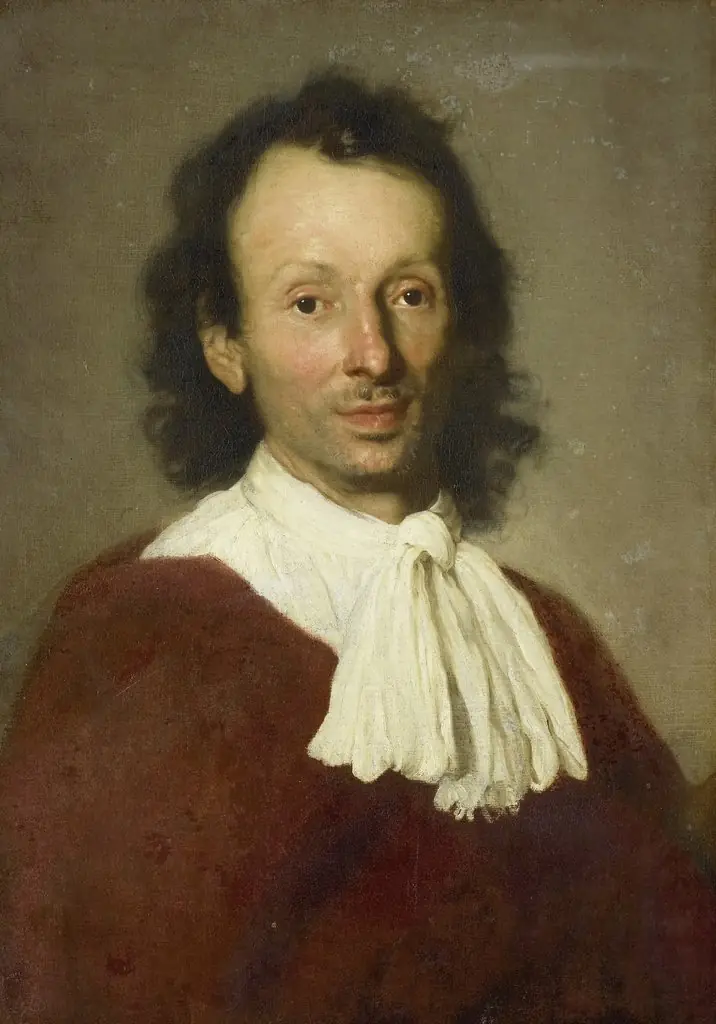 Portrait of a Man
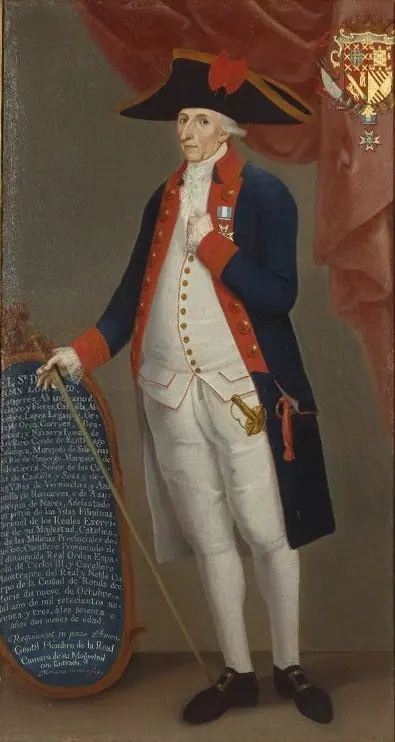 Don Juan Lorenzo Gutiérrez Altamirano de Velasco y Flores
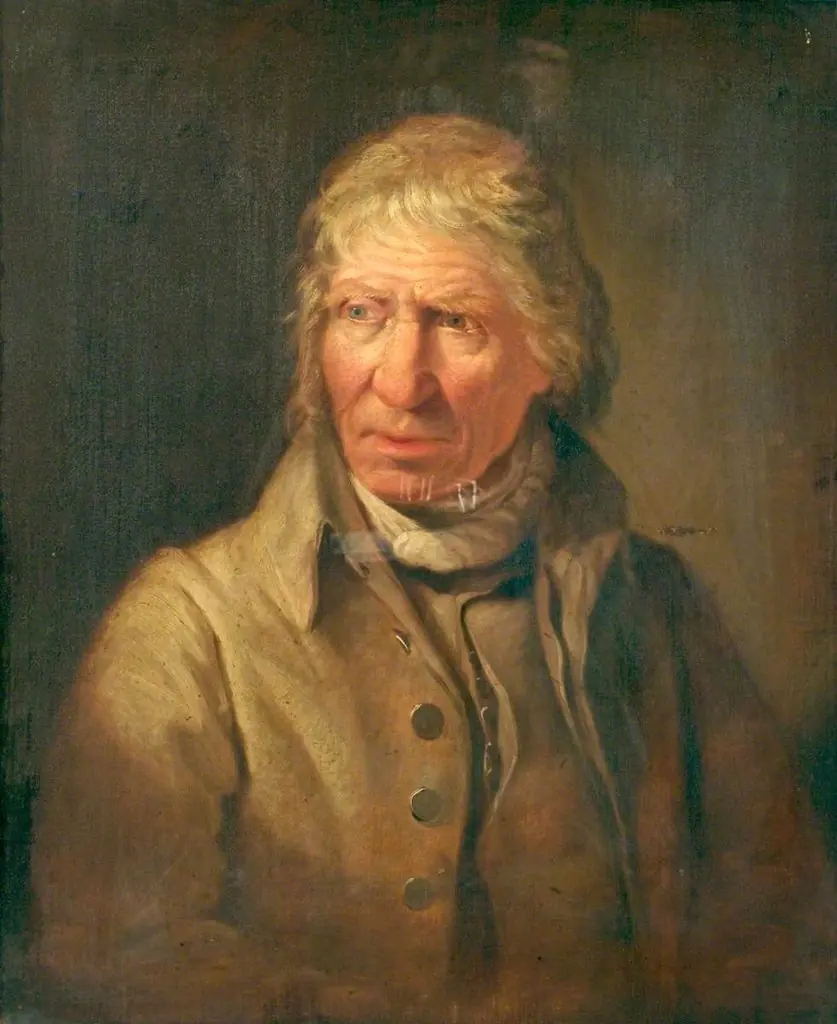 John Hallam
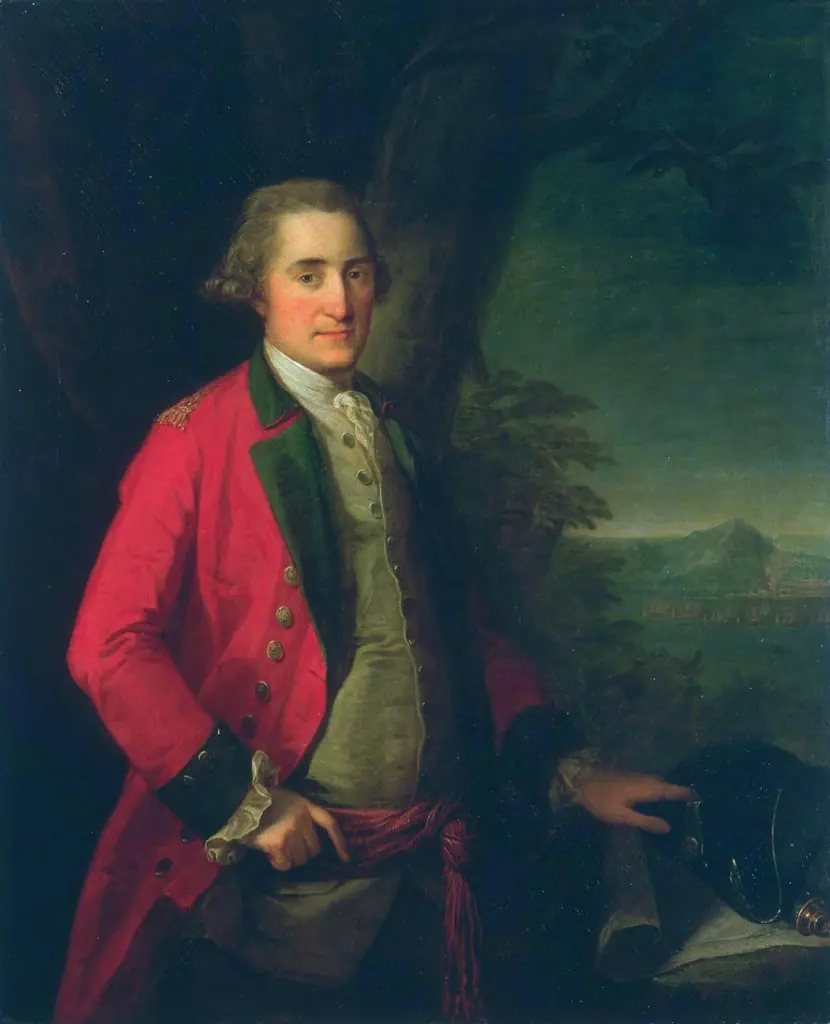 Portrait of Lieutenant General James Cuninghame
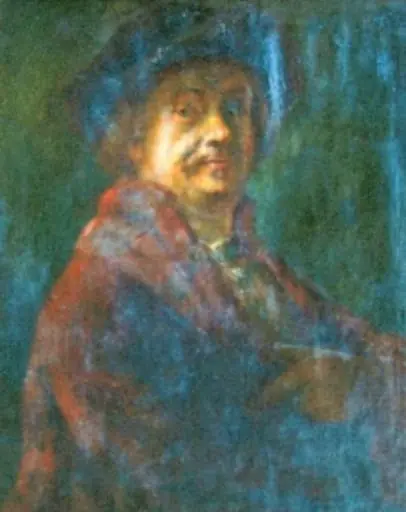 Autoportret cu beretă
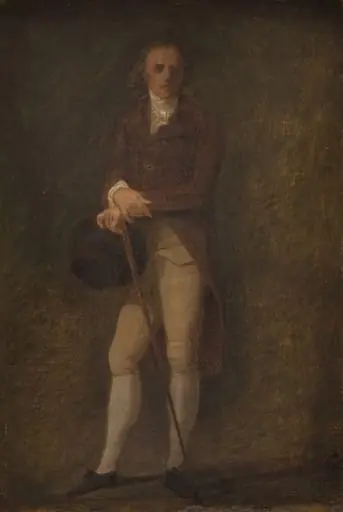 Portrætskitse. Maleren N.A. Abildgaard (?).
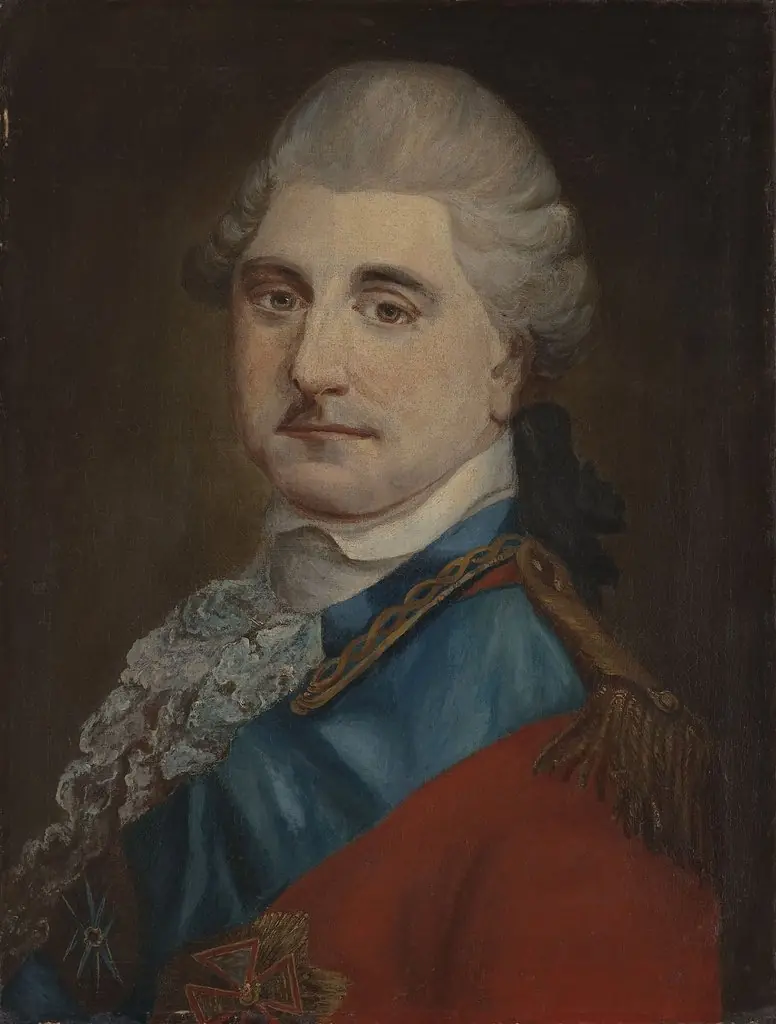 Portrait of Stanisław August Poniatowski in the uniform of the head of the Corps of Cadets
 Portrait of Stanisław Małachowski (1736–1809), Marshal of the Seym