Artwork
Pine and Rock
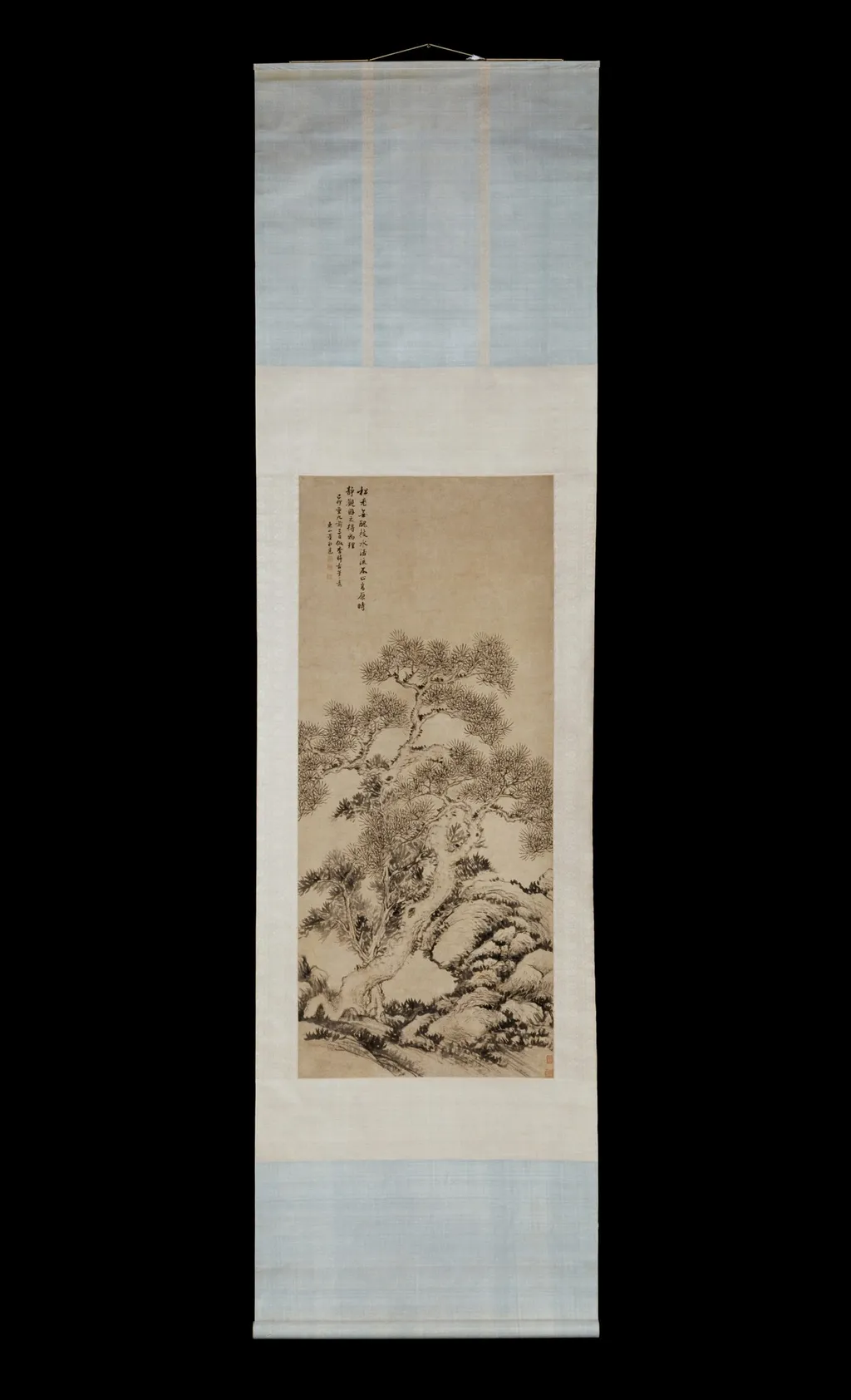
Pine and Rock is an unspecified painting by Dong Bangda. It dates from 1744 and is held in the collection of the Museum of Fine Arts, Houston.
About this work
Overview
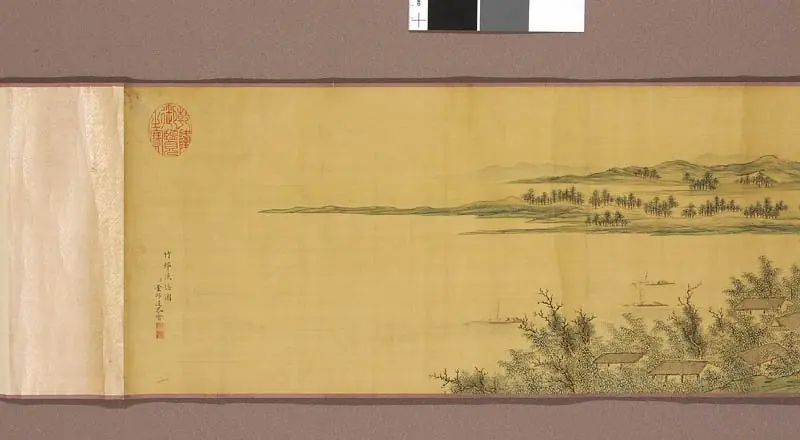
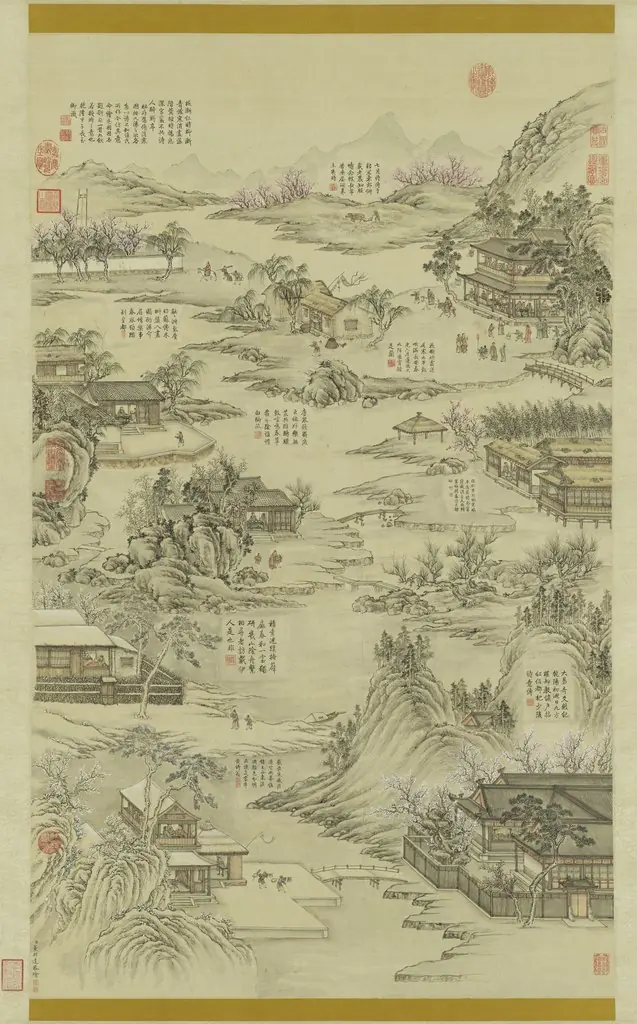
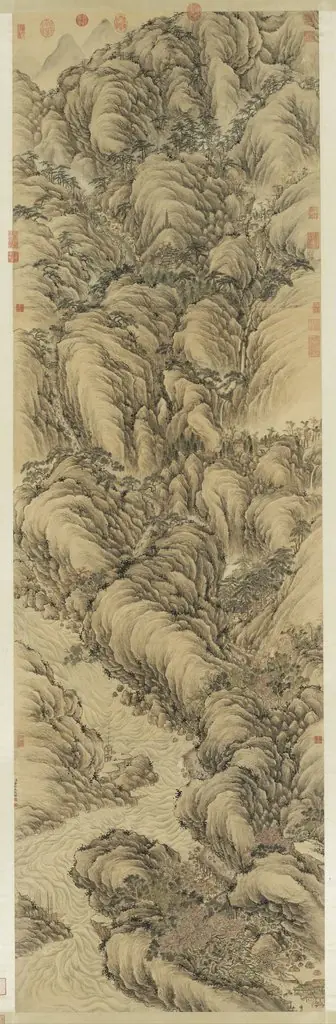
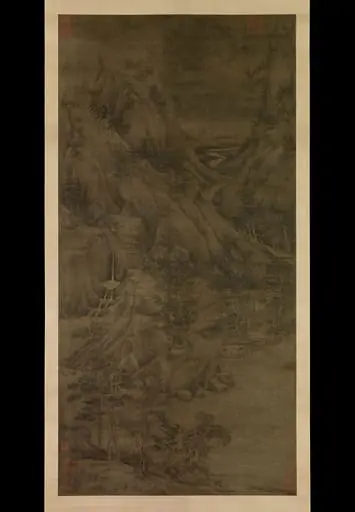
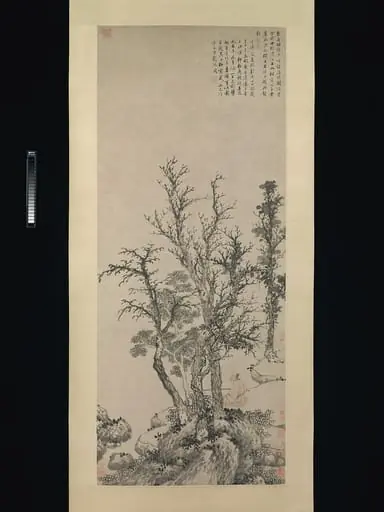
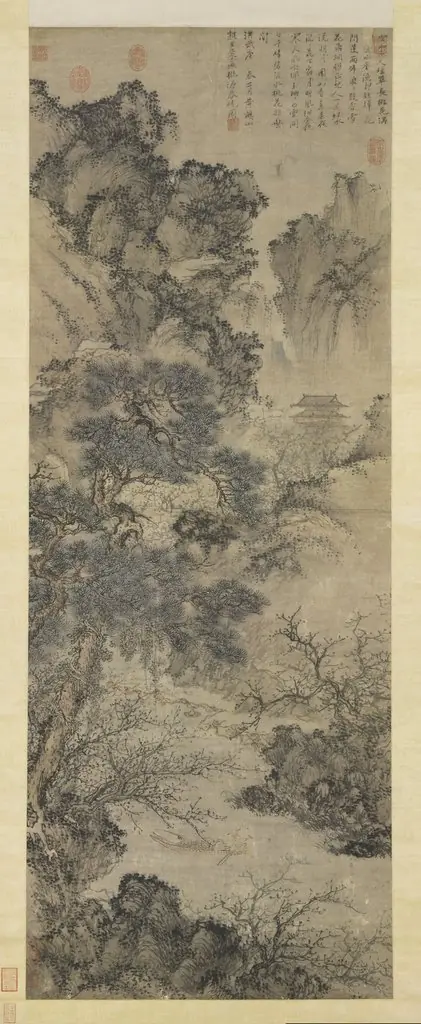
Pine and Rock, painted around 1744 by Dong Bangda, is a landscape work in ink and color on paper. It depicts a solitary pine tree rooted firmly in a rugged stone formation, set against a softly washed background. The composition emphasizes stillness and endurance, characteristic of scholarly painting traditions in East Asia. The piece is part of the collection at the Museum of Fine Arts, Houston.
Subject & Meaning
The pine tree, a symbol of resilience and longevity in East Asian culture, is shown thriving amid harsh, unyielding rock. Its upward-reaching branches and deep-rooted structure suggest steadfastness in adversity. The absence of human figures or narrative elements focuses attention on nature’s quiet persistence, reflecting Confucian and Daoist ideals of harmony and inner strength.
Technique & Style
Dong Bangda employed fine, controlled brushwork to render the pine’s needles and the rock’s fractured surfaces with subtle texture. Ink washes create atmospheric depth in the background, while delicate tonal variations define form without heavy outlines. The restrained palette and soft transitions reflect the literati aesthetic, prioritizing expressive simplicity over ornate detail.
History & Provenance
Created during the mid-18th century, the painting likely originated in Korea, where Dong Bangda was active as a court painter. It entered the Museum of Fine Arts, Houston’s collection through documented acquisition, though its earlier ownership history remains partially undocumented. Its preservation reflects continued appreciation for Korean ink painting beyond its time of creation.
Context
Dong Bangda worked within the Korean literati tradition, influenced by Chinese Song and Yuan dynasty painting but adapted to local sensibilities. Pine and Rock aligns with a broader trend among scholar-artists who used nature as a vehicle for moral and philosophical expression. The painting’s quiet intensity contrasts with more decorative court styles of the period.
Legacy
The work stands as an example of Korean ink painting’s capacity for emotional restraint and naturalistic observation. While Dong Bangda is not widely known outside specialist circles, his paintings contribute to the understanding of 18th-century Korean artistic identity. Pine and Rock continues to be studied for its technical precision and meditative composition.
Artist & collection