Artwork
Summer Bamboo by a Waterfall
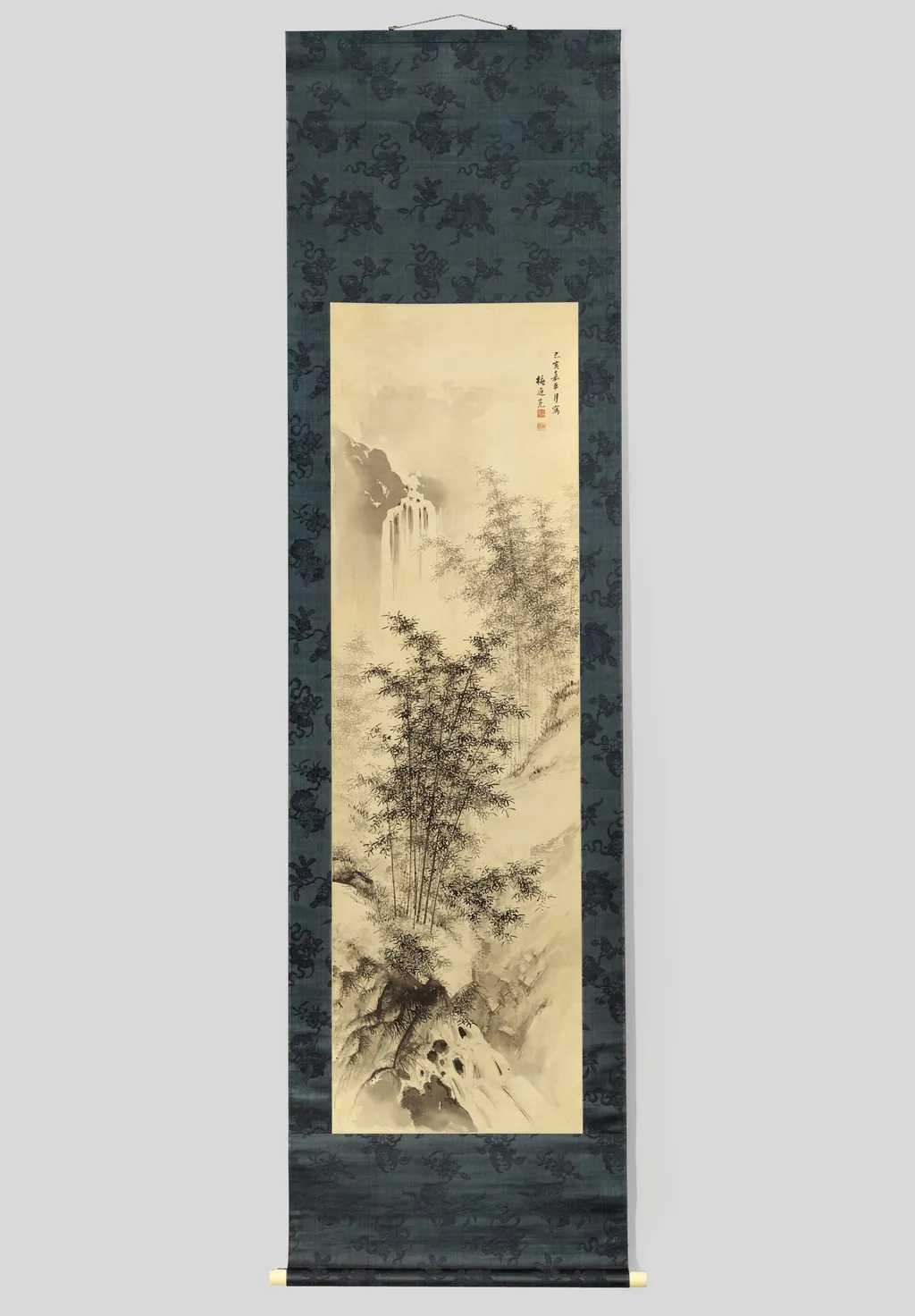
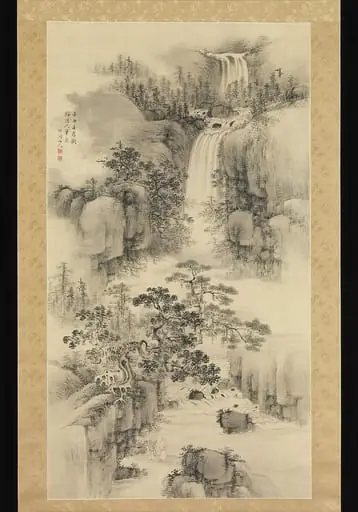
Summer Bamboo by a Waterfall is an unspecified painting by the Nihonga artist Yamamoto Baiitsu. It dates from 1829 and is held in the collection of the Museum of Fine Arts, Houston.
About this work
Overview
Created around 1829, this hanging scroll by Yamamoto Baiitsu presents a quiet natural scene. A waterfall recedes into misty distance while bamboo shoots and weathered rocks occupy the foreground, establishing a balanced composition that invites contemplation.
Subject & Meaning
The work focuses on bamboo—a symbol of resilience—and a cascading stream, both traditional motifs in Japanese ink painting that convey harmony between humanity and the natural world. The tranquil atmosphere suggests an idealized retreat, emphasizing calmness and the fleeting beauty of summer.
Technique & Style
Rendered with a restrained palette of muted greens and earthy browns, the brushwork is fine and controlled, employing subtle gradations of ink to suggest depth. Light and shadow are delicately modulated, creating a sense of three‑dimensional space while preserving the painting’s overall softness.
History & Provenance
The scroll entered the collection of the Museum of Fine Arts, Houston, where it is currently displayed. Its attribution to Baiitsu, a noted Edo‑period painter, is based on stylistic analysis and documented provenance records dating from the early 20th century.
Context
Bamboo and waterfall scenes were popular subjects among literati painters of the Edo era, reflecting both aesthetic preferences and philosophical ideas about impermanence. Baiitsu’s rendition aligns with this tradition, yet his nuanced handling of tone distinguishes the piece within the broader canon of Japanese ink landscapes.
Artist & collection


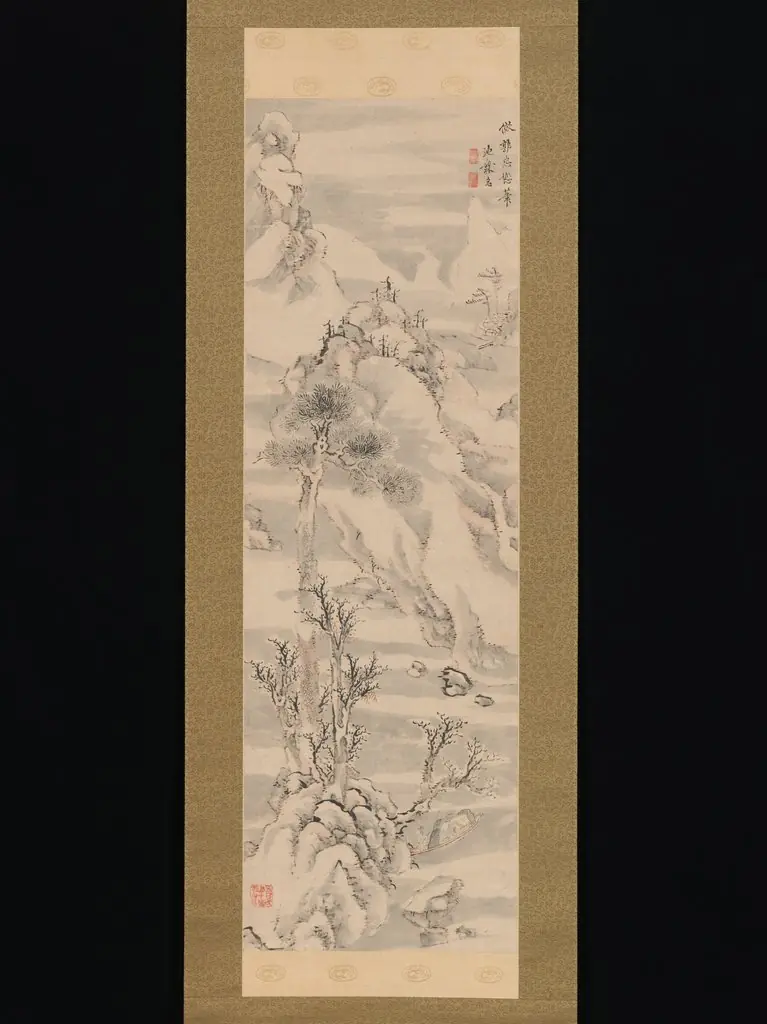 Wintry Landscape, in the Style of Guo Zhongshu
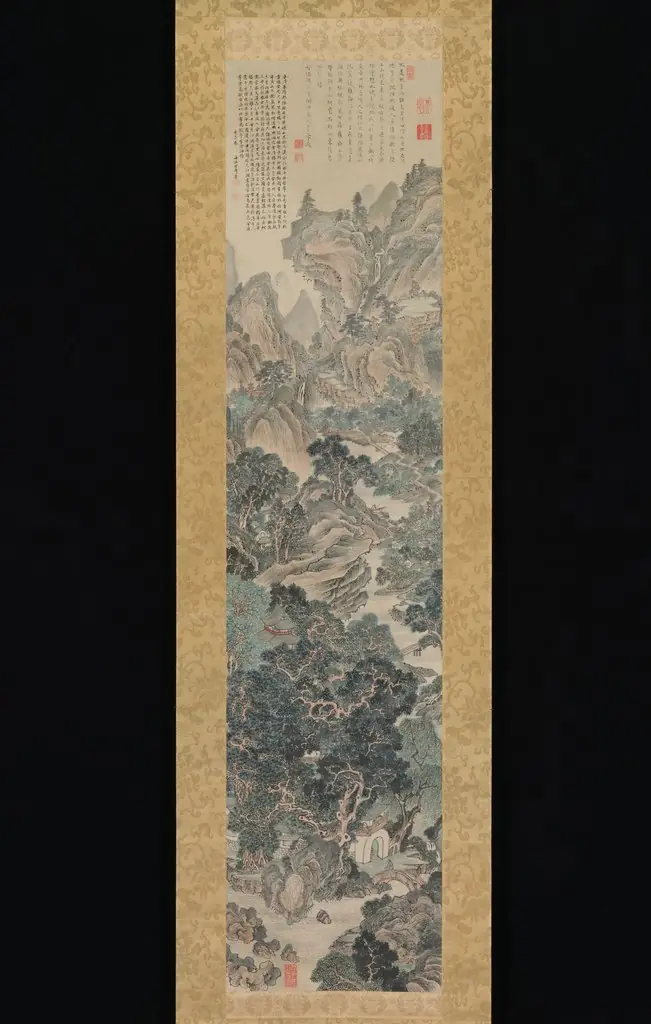 Landscape in the Blue-and-Green Manner
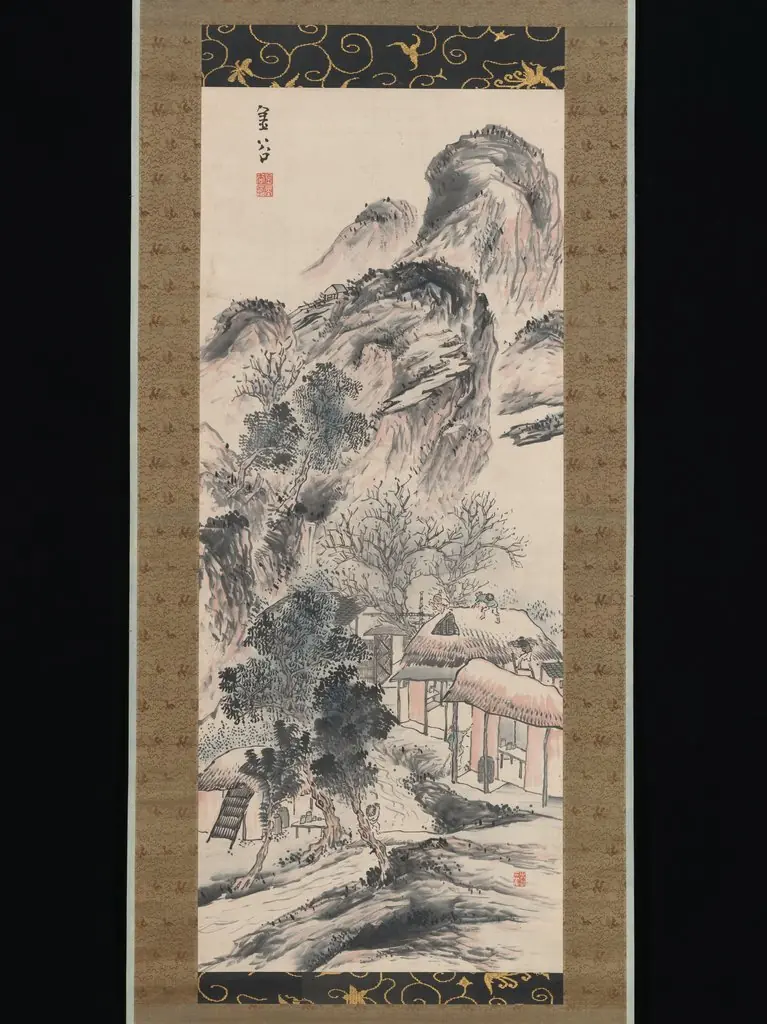 Spring Cleaning
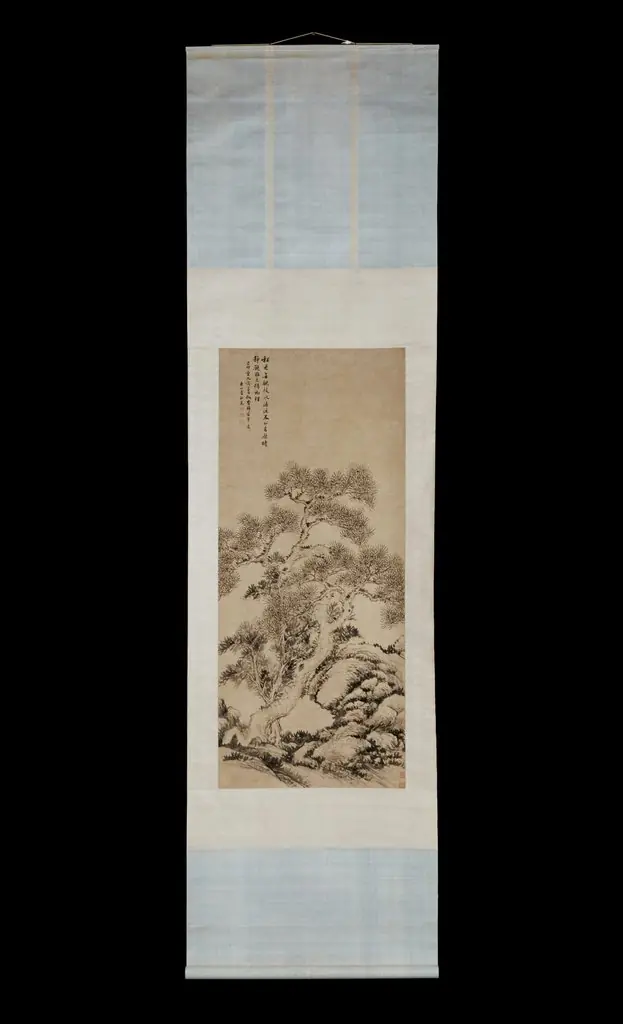 Pine and Rock
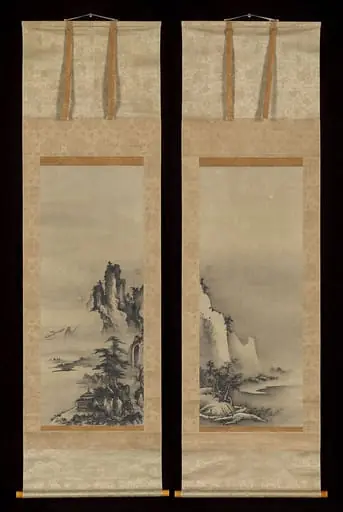 秋冬景山水図|Landscapes of Autumn and Winter
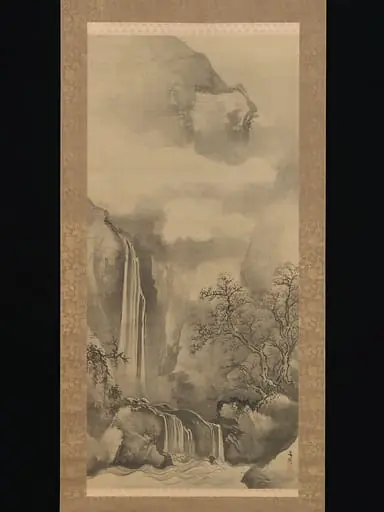 Untitled
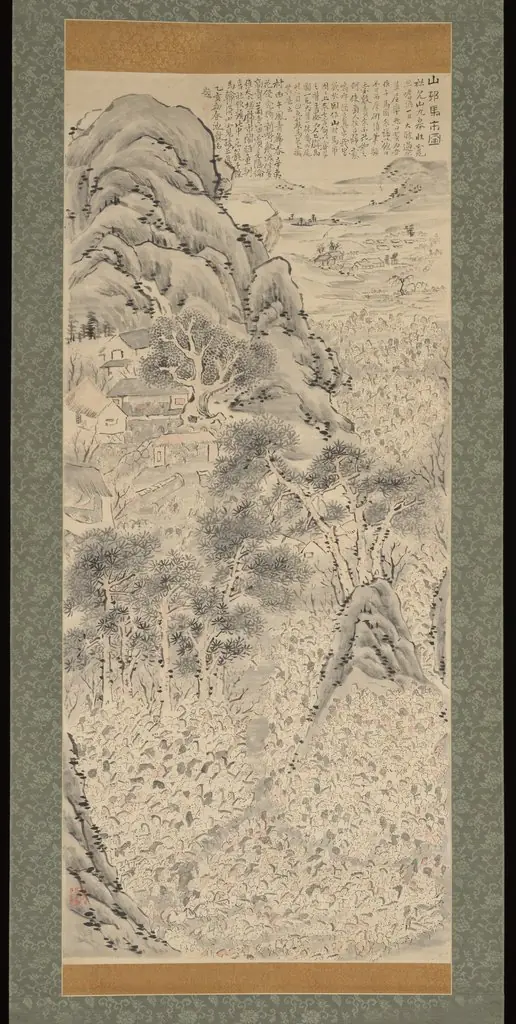 After Ike Taiga’s “Horse Market in a Mountain Village”
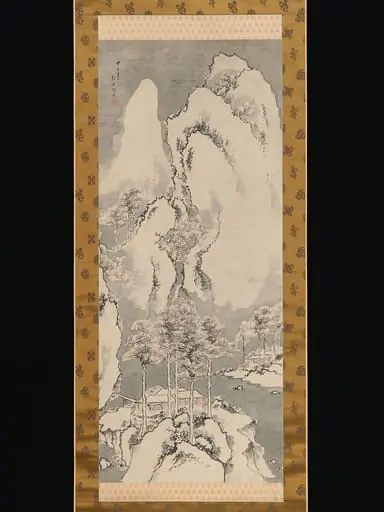 Untitled
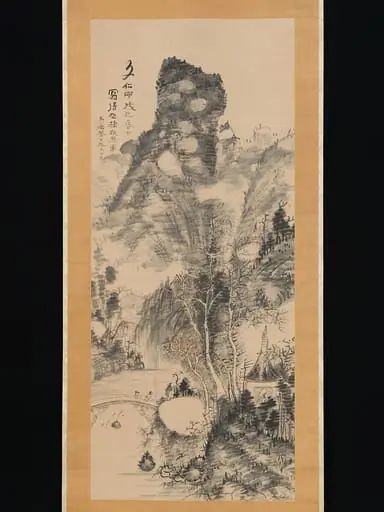 Untitled
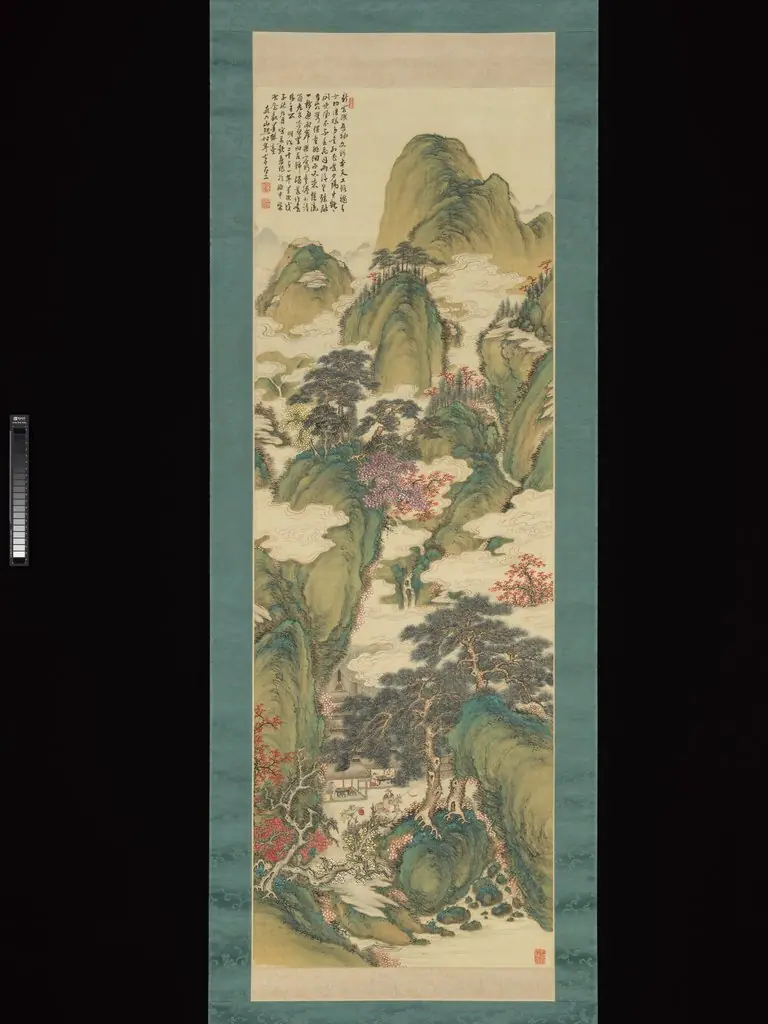 White Clouds and Crimson Trees
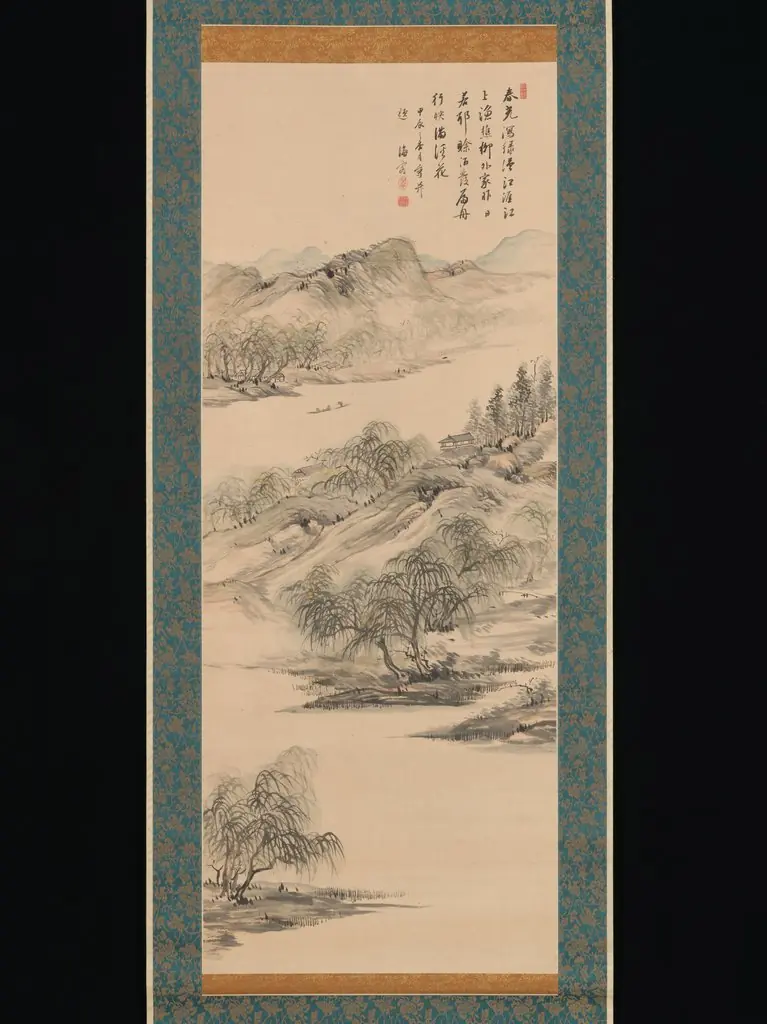 Spring Landscape
 観瀑山水図|Landscape with Waterfall