Artwork
A Garden Nook at Bellevue
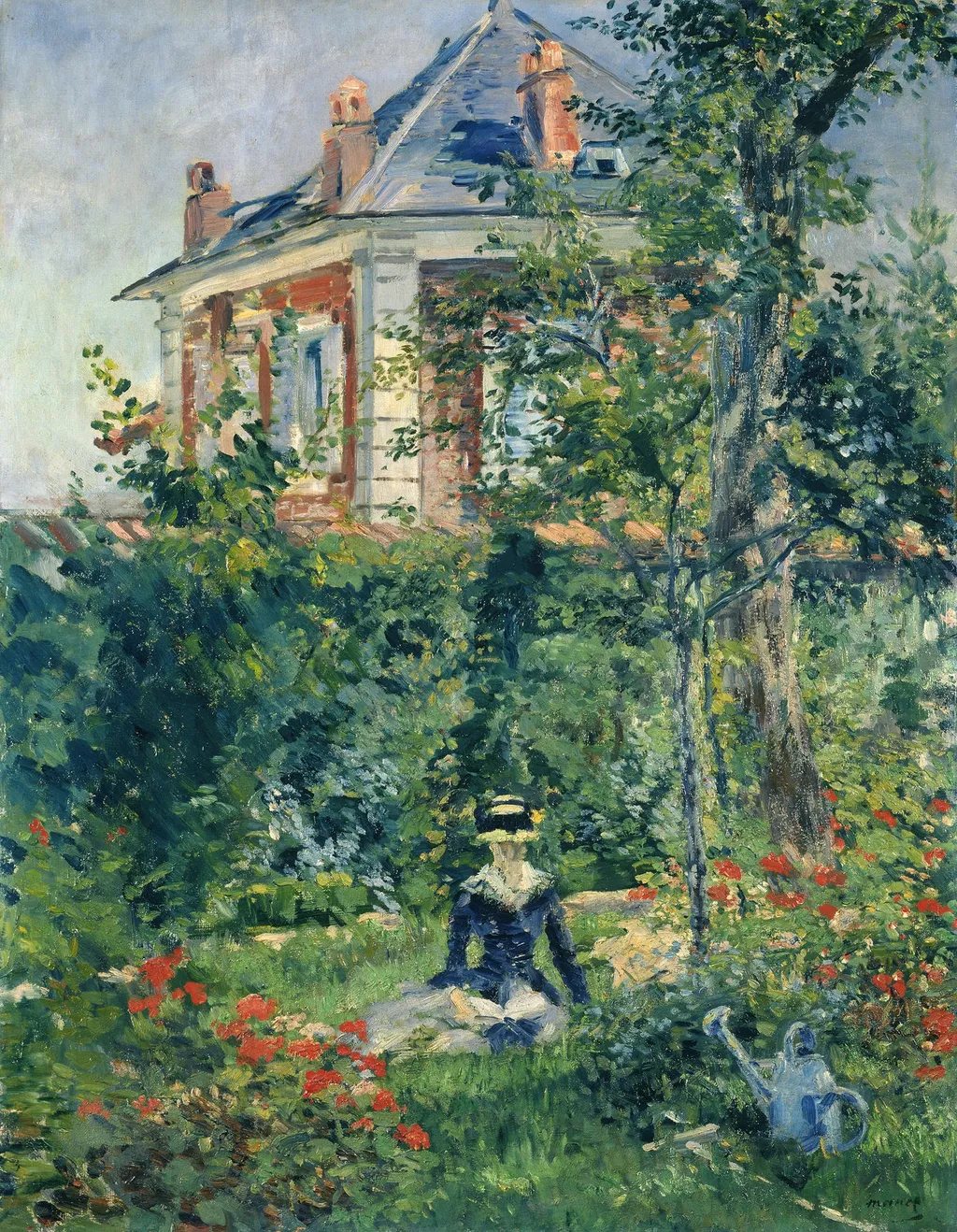
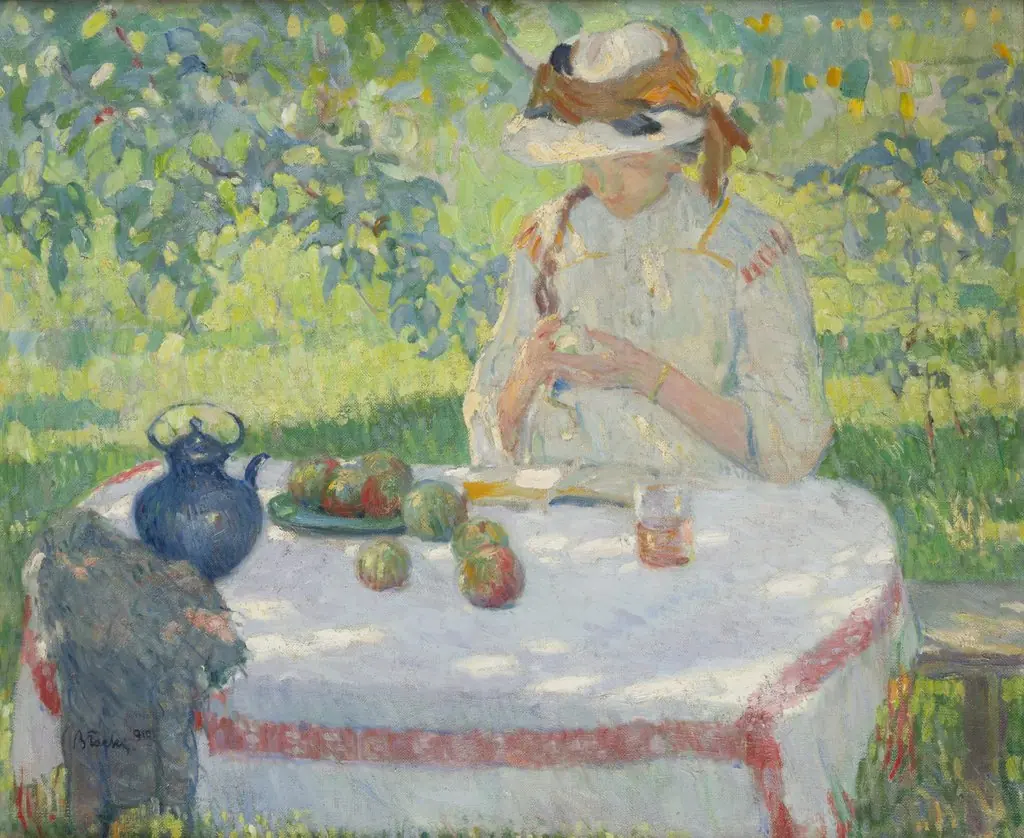
A Garden Nook at Bellevue is an oil painting by the Impressionist artist Edouard Manet. It is held in the collection of the Foundation E.G. Bührle Collection.
About this work
Overview
Édouard Manet’s oil work titled *A Garden Nook at Bellevue* was executed in 1890 and is presently part of the collection of the Kunsthaus Zürich. The canvas presents a quiet outdoor setting where a solitary figure rests amid cultivated foliage, creating a scene of measured repose.
Subject & Meaning
At the foreground a woman seated on the grass wears a dark blue jacket and a white skirt, her posture relaxed beside a small watering can. Lush greenery and bright red blossoms frame her, while a towering tree and a modest house with a blue roof and red brick walls emerge through the surrounding plants, suggesting a private, contemplative retreat.
Technique & Style
Manet employs the oil medium to render delicate variations of light across the grass and foliage, allowing the reds of the flowers to pulse against the cooler blues of the figure’s attire. The brushwork balances fine detail in the botanical elements with broader, more fluid strokes for the background architecture, typical of his late‑period approach to atmospheric composition.
History & Provenance
Created in the final year of Manet’s life, the painting entered the Kunsthaus Zürich’s holdings at an unspecified date, where it has remained on display. Its provenance traces directly to the artist’s estate, with no recorded intermediate owners, underscoring its relatively straightforward acquisition by the Swiss museum.
Context
The work reflects Manet’s late interest in domestic and garden scenes, a departure from his earlier urban subjects. Set in the Bellevue area, the composition captures a moment of leisure typical of the French bourgeois lifestyle of the 1880s, aligning with contemporary trends that favored intimate, everyday settings over grand historical narratives.
Own this work as a print
Artist & collection

Artist
Édouard Manet didn’t have much time to make his mark—he died at 51—but he used every year.

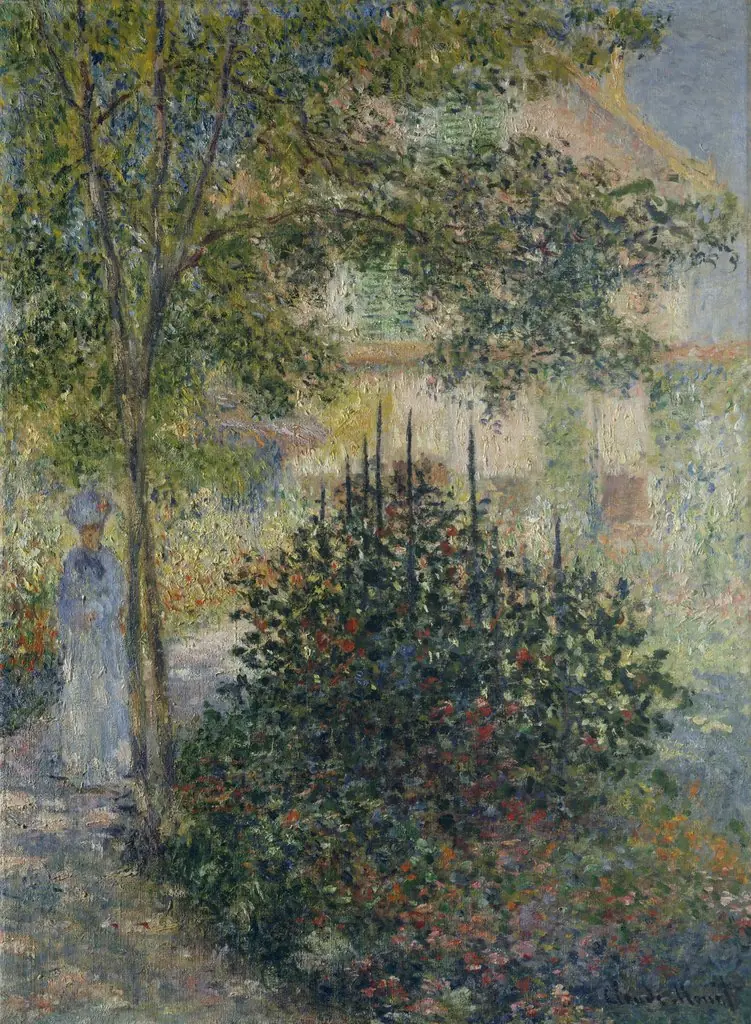 Camille Monet (1847–1879) in the Garden at Argenteuil
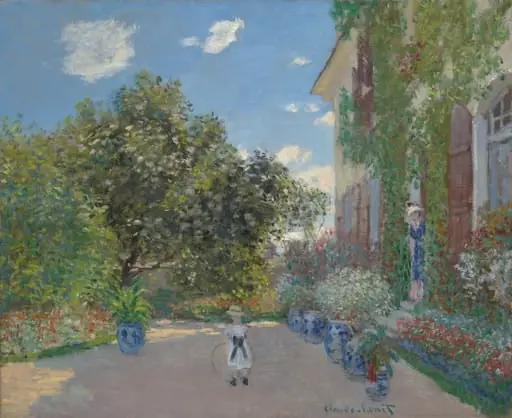 The Artist's House at Argenteuil
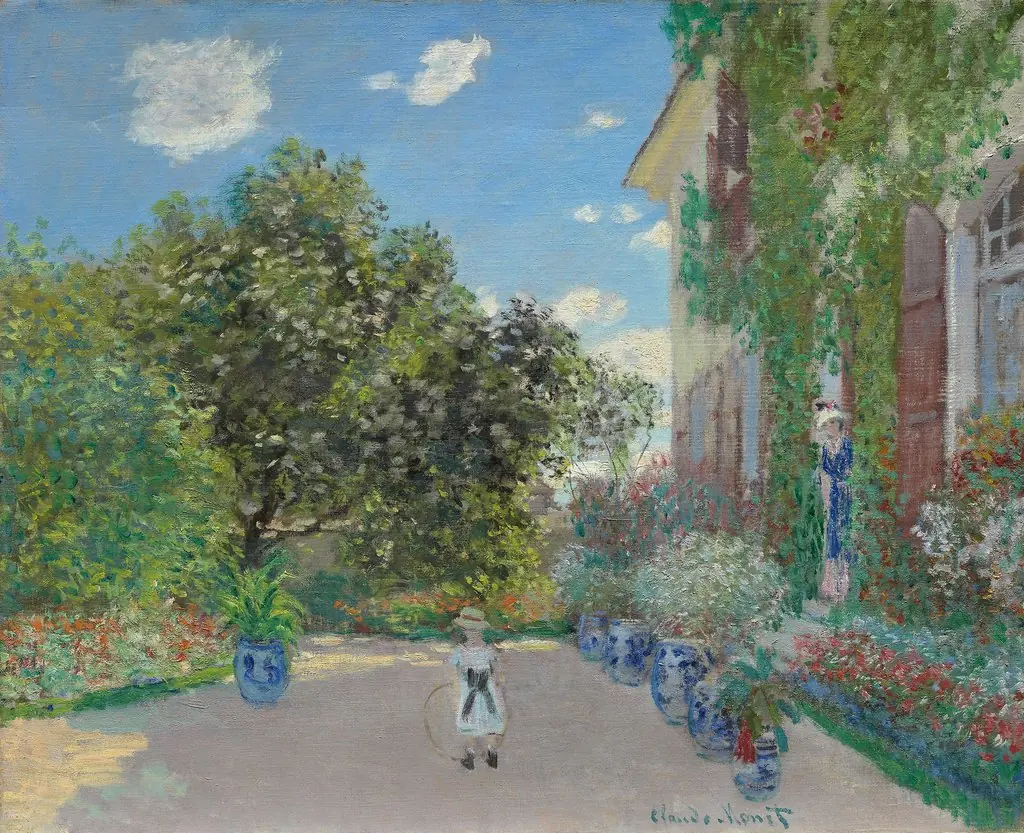 The Artist's House at Argenteuil
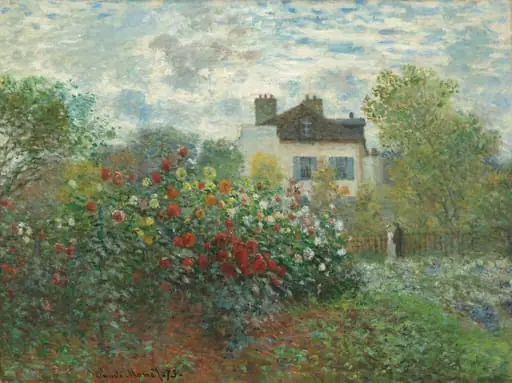 The Artist's Garden in Argenteuil (A Corner of the Garden with Dahlias)
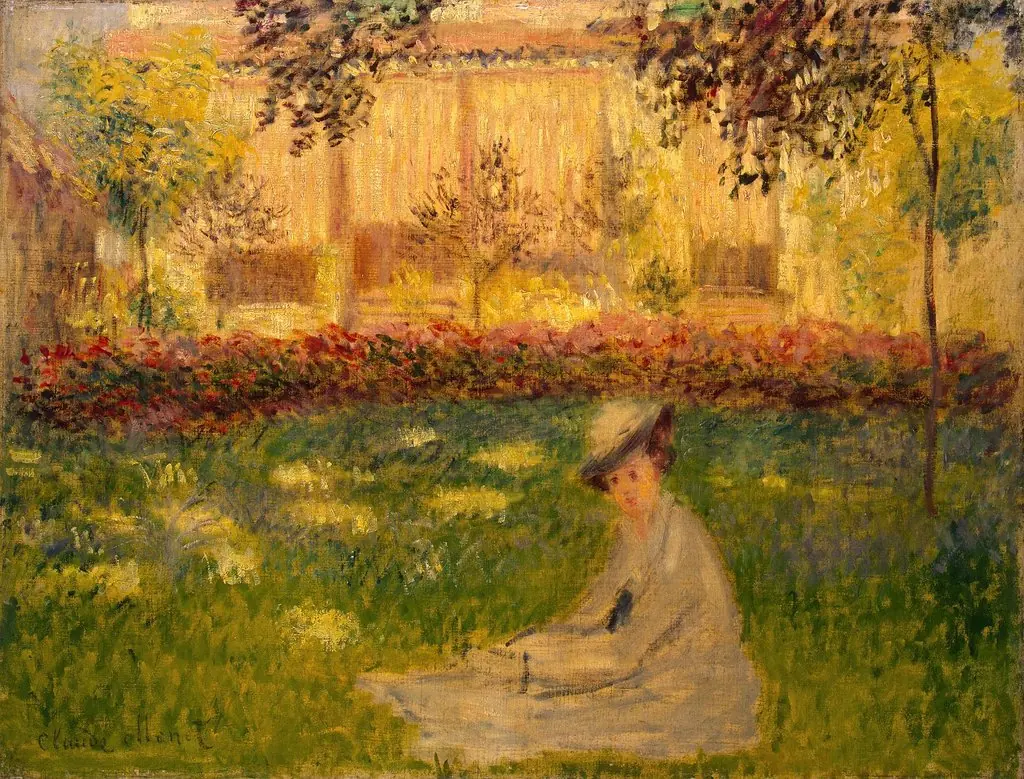 Woman in the Garden
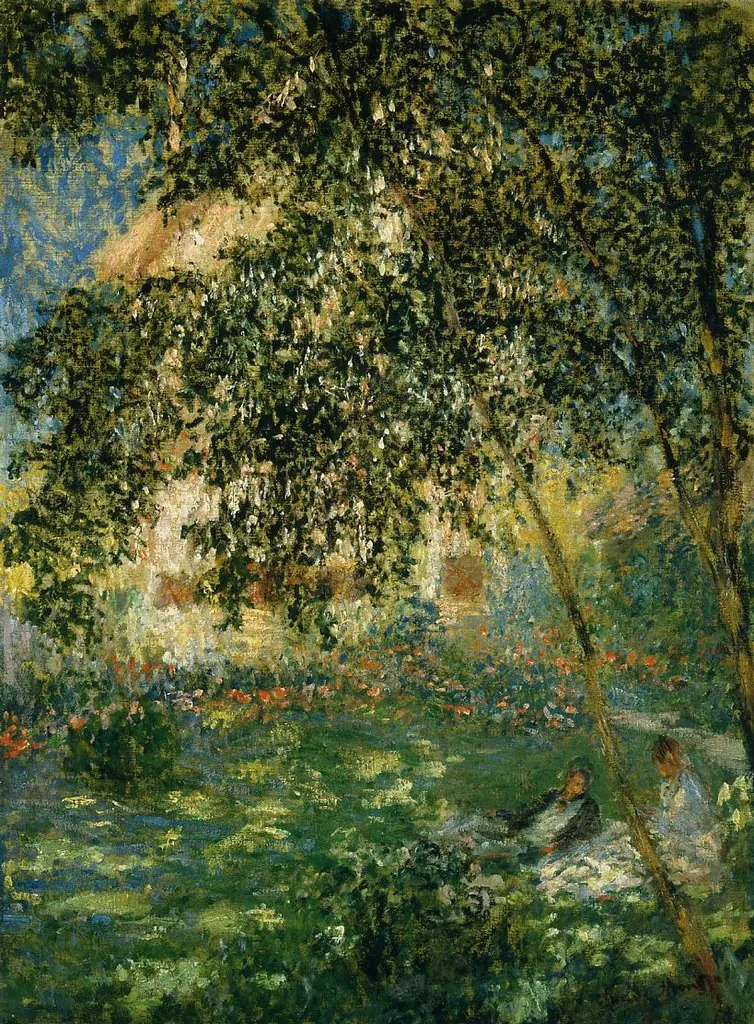 Rest in the garden, Argenteuil
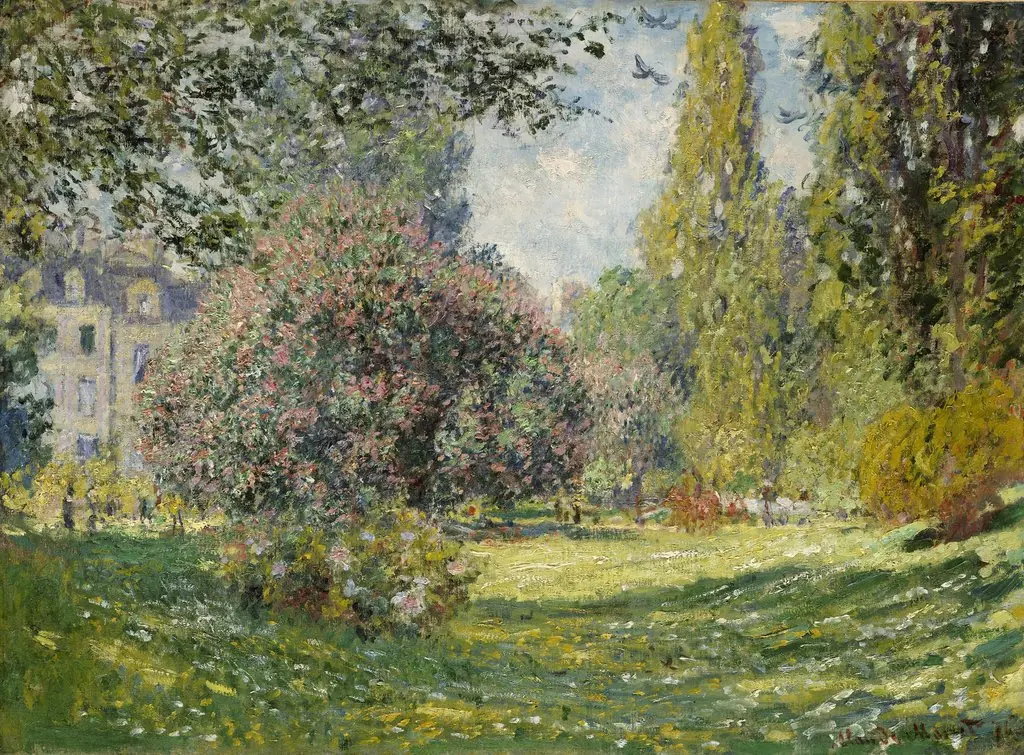 Landscape: The Parc Monceau
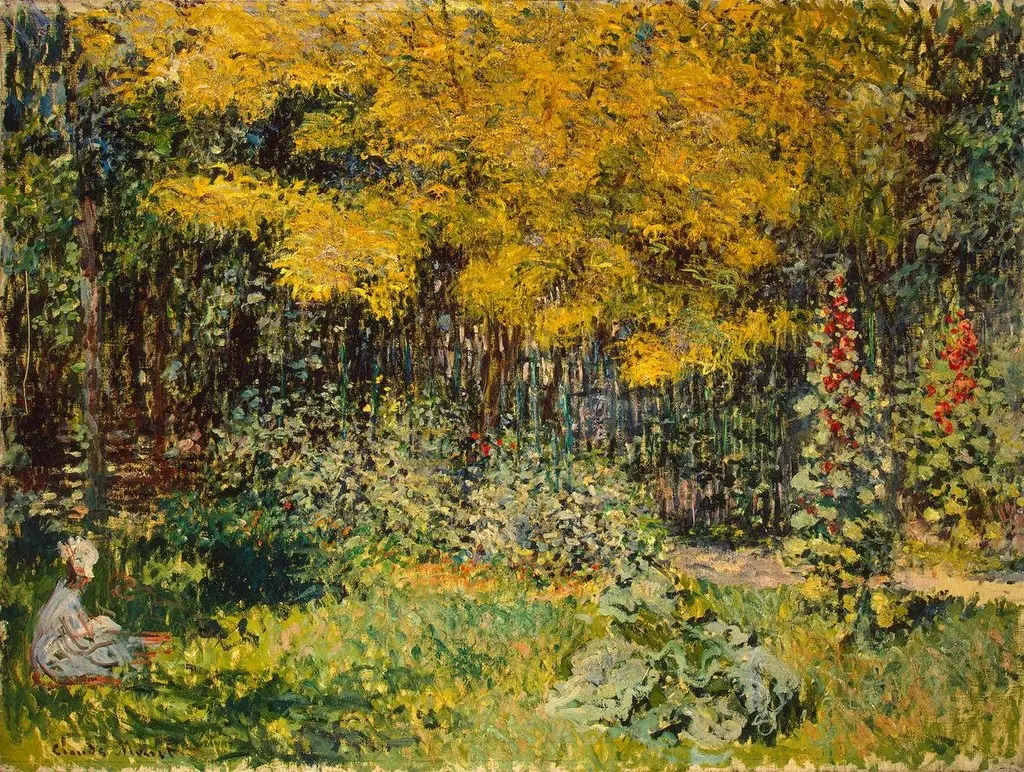 Garden
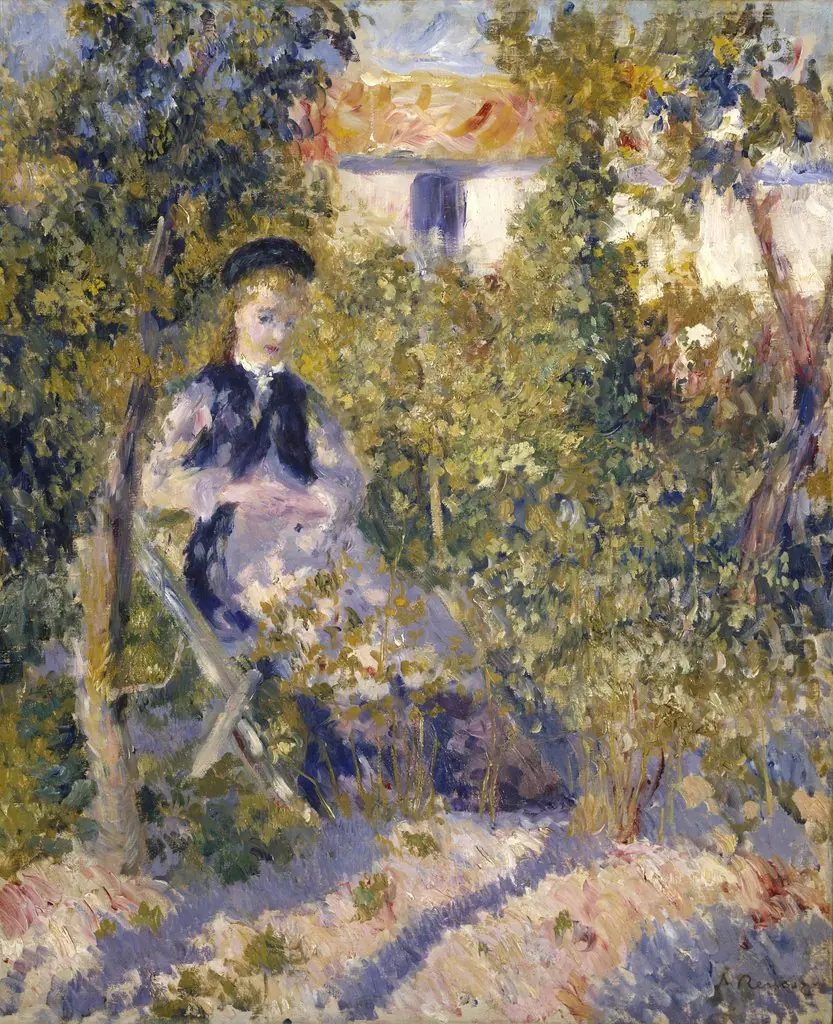 Nini in the Garden (Nini Lopez)
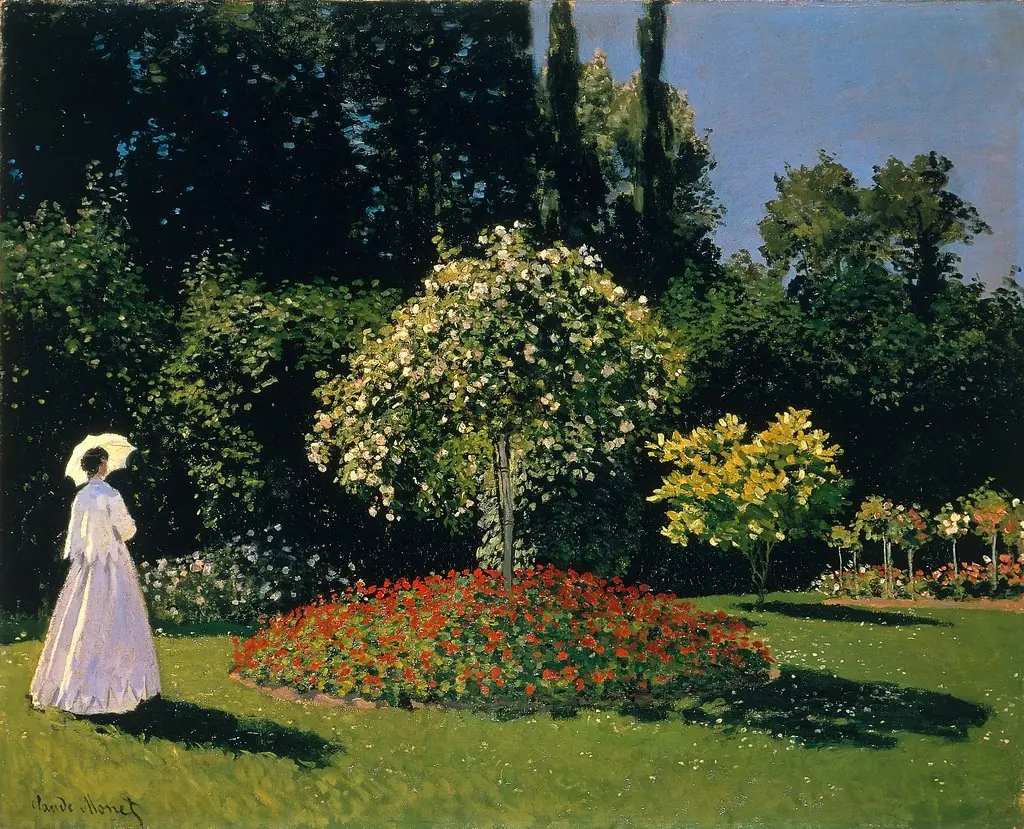 Woman in the Garden
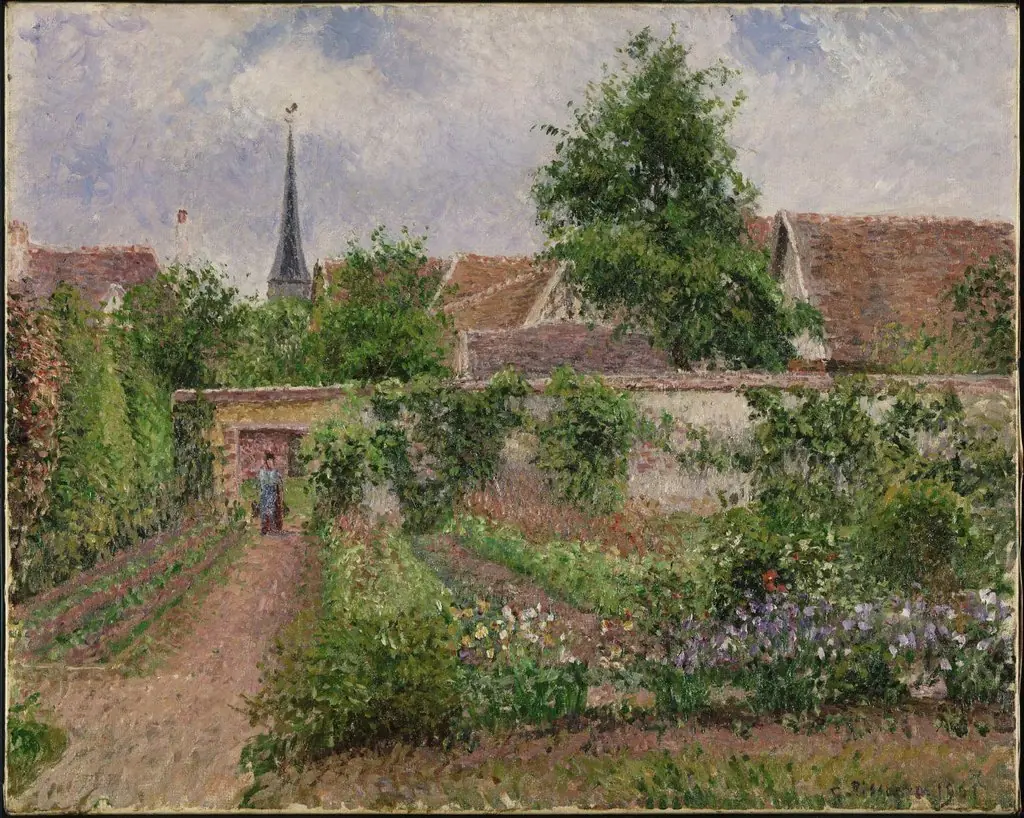 Vegetable Garden, Overcast Morning, Eragny
 In the Garden