Artwork
Woman in the Garden
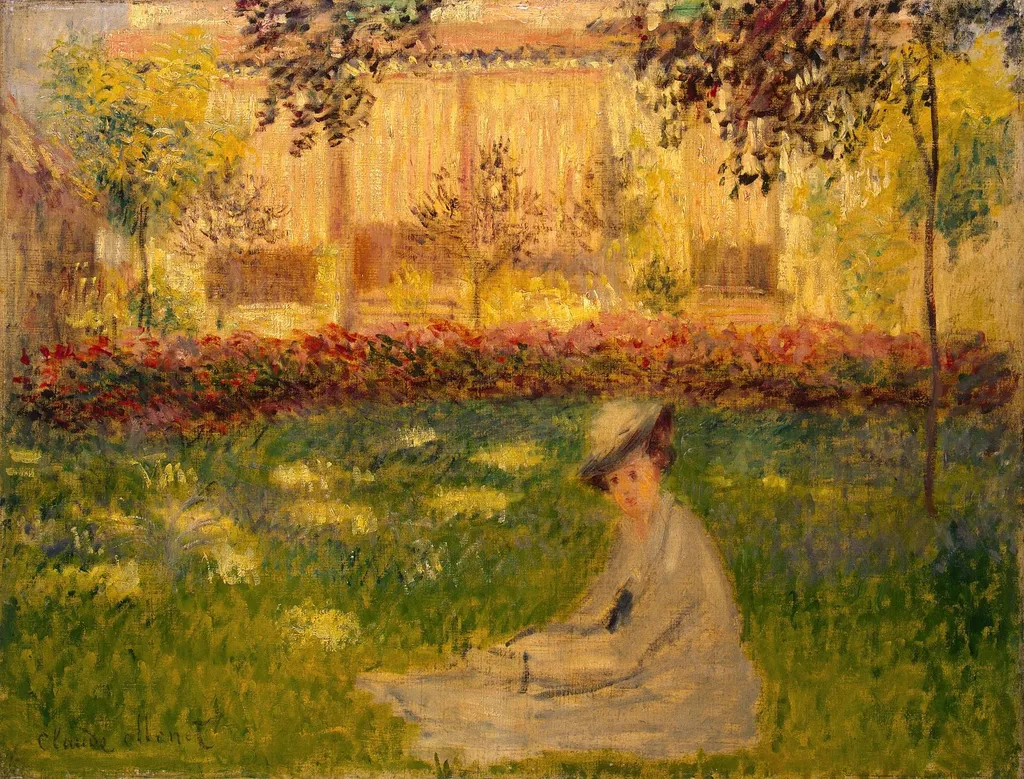
Woman in the Garden is an oil painting by the Impressionist artist Claude Monet. It dates from 1888 and is held in the collection of the Hermitage Museum.
About this work
Overview
Painted in 1888, Woman in the Garden is an oil on canvas work by Claude Monet, currently housed in the State Hermitage Museum in Saint Petersburg.
Painted in 1888, Woman in the Garden is an oil on canvas work by Claude Monet, currently housed in the State Hermitage Museum in Saint Petersburg. The piece captures a quiet moment in a private outdoor space, reflecting Monet’s sustained interest in domestic scenes bathed in natural light. Its composition centers on a solitary figure within an overgrown garden, rendered with the fluid brushwork characteristic of his later period.
Subject & Meaning
The figure, a woman seated amid dense foliage, is depicted without narrative detail, inviting contemplation rather than storytelling. Her presence is integrated into the landscape rather than dominating it, suggesting harmony between human and natural environments. The absence of facial features and the focus on light and color shift attention from identity to atmosphere, emphasizing sensory experience over biography.
Technique & Style
Monet employs loose, broken brushstrokes to convey the movement of light through leaves and the texture of foliage. Colors are applied in pure, unblended tones—vivid greens, soft whites, and dappled yellows—that blend optically when viewed from a distance. The painting avoids sharp outlines, instead relying on chromatic contrast to define form, a hallmark of Impressionist technique refined in his Giverny years.
History & Provenance
The painting entered the Hermitage collection in the early 20th century, likely through acquisitions by Russian patrons or state purchases during a period of increased interest in French Impressionism. Its journey from Monet’s studio to a major Russian institution reflects broader cultural exchanges between Western Europe and imperial Russia before the Revolution.
Context
Created during Monet’s mature phase, the work aligns with his growing preoccupation with private gardens as subjects. By the late 1880s, he had moved beyond urban and coastal scenes, turning inward to the cultivated spaces of his home in Giverny. This shift mirrored a broader artistic trend toward intimate, personal landscapes as vessels for optical and emotional exploration.
Legacy
Woman in the Garden exemplifies Monet’s enduring investigation of light and perception in controlled natural settings. While less widely exhibited than his water lilies or haystacks, it contributes to the understanding of his quieter, domestic works. Its presence in the Hermitage underscores the international reach of Impressionism and its resonance beyond France.
Own this work as a print
Artist & collection
Artist
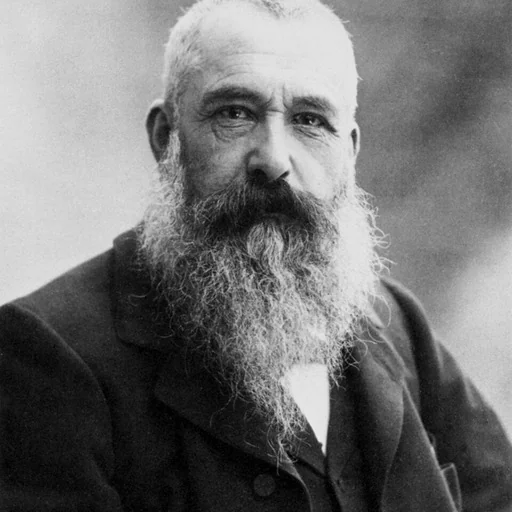
Oscar-Claude Monet was born in Paris on November 14, 1840, and raised from the age of five in Le Havre, where he began selling charcoal caricatures as a teenager.

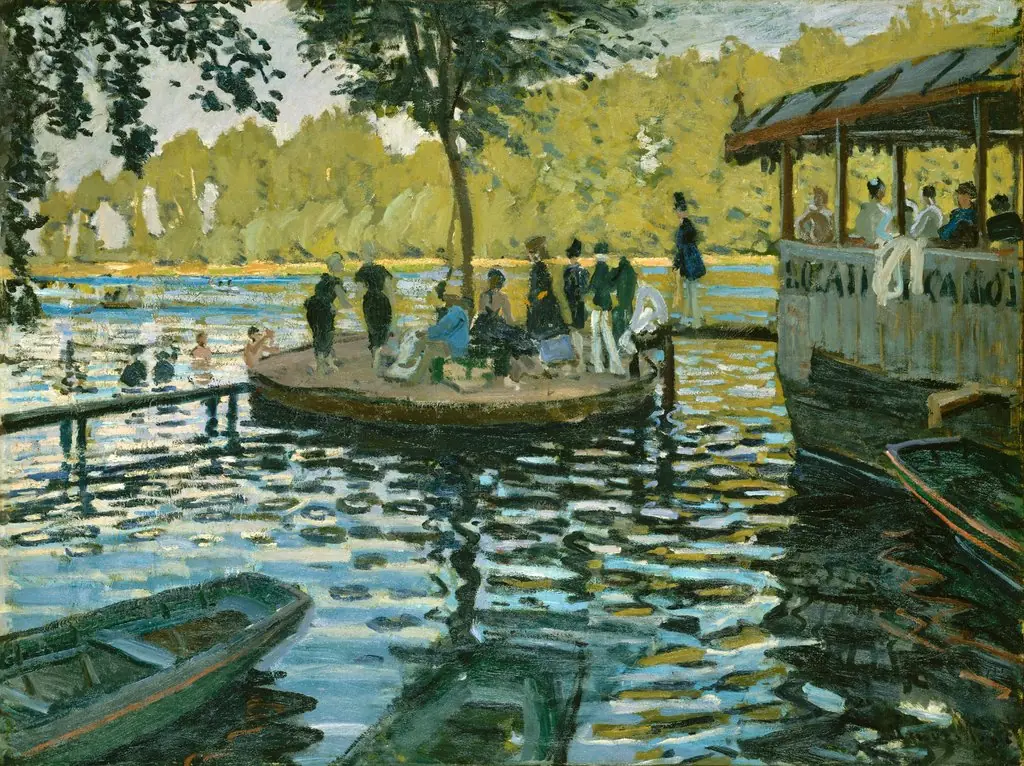
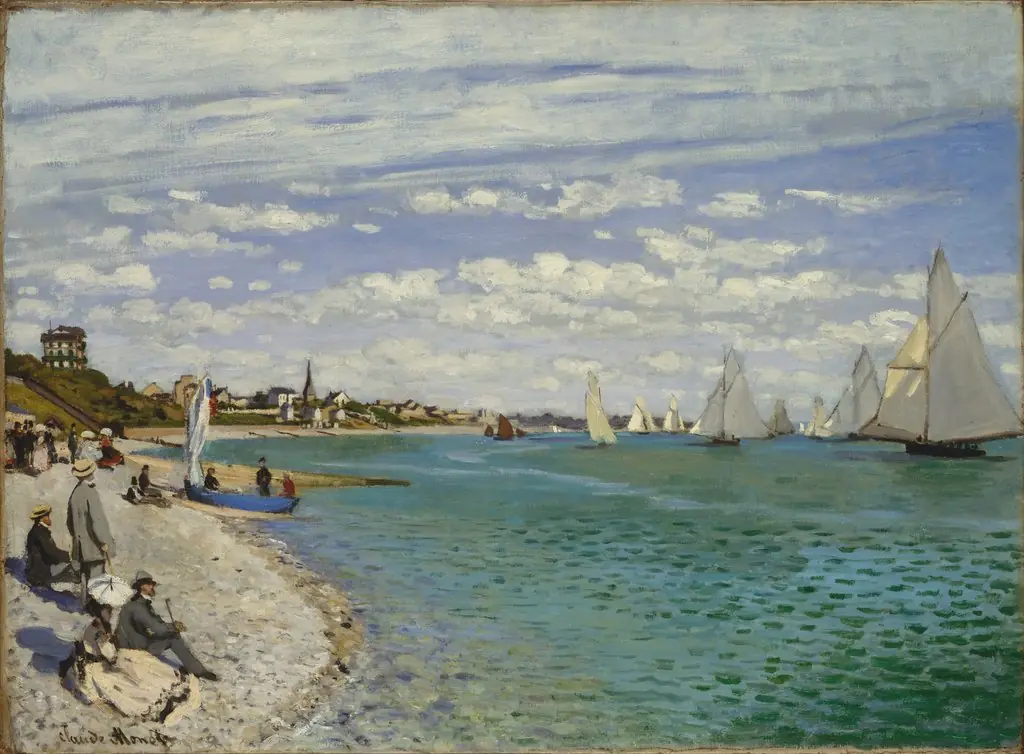
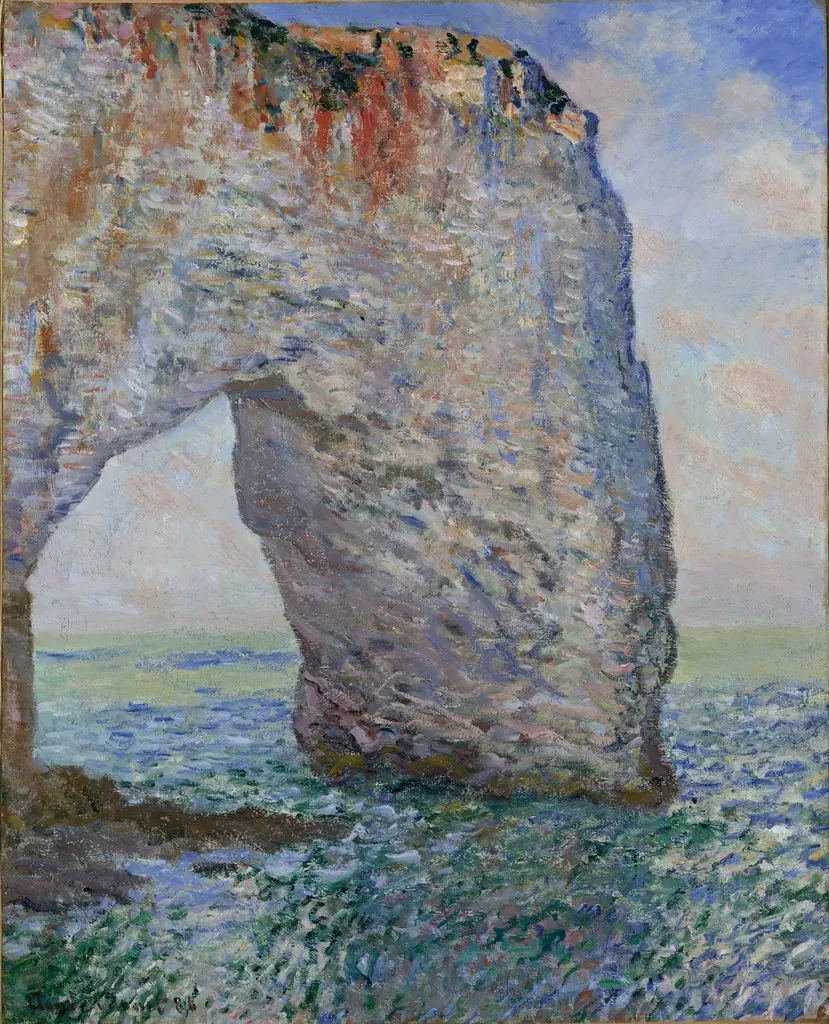
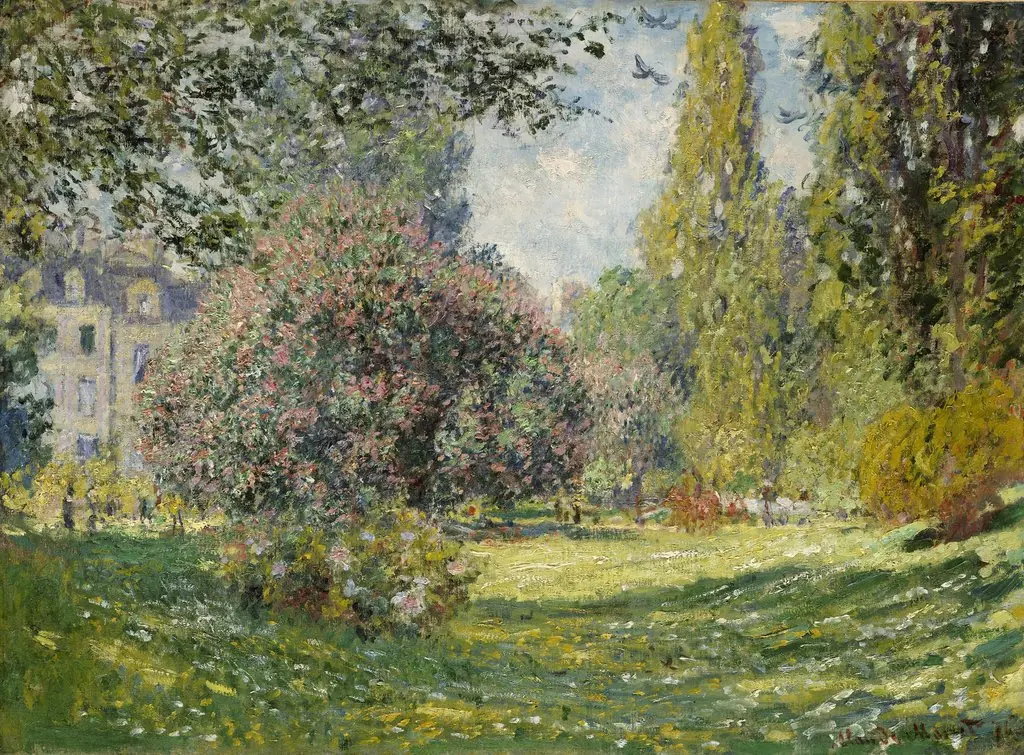
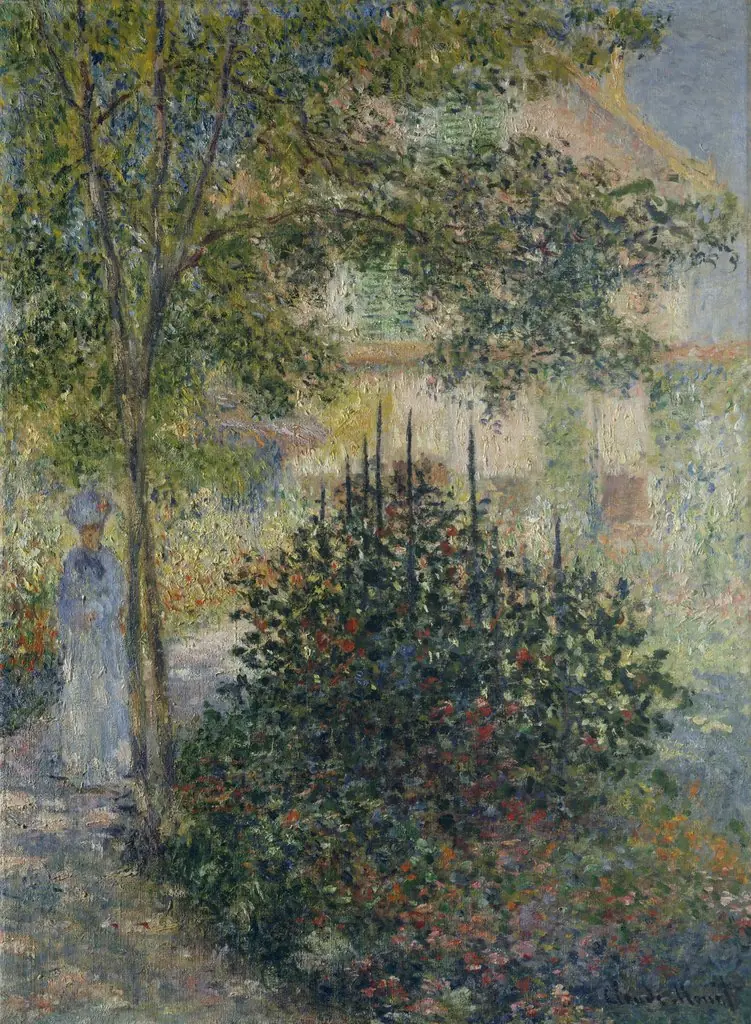 Camille Monet (1847–1879) in the Garden at Argenteuil
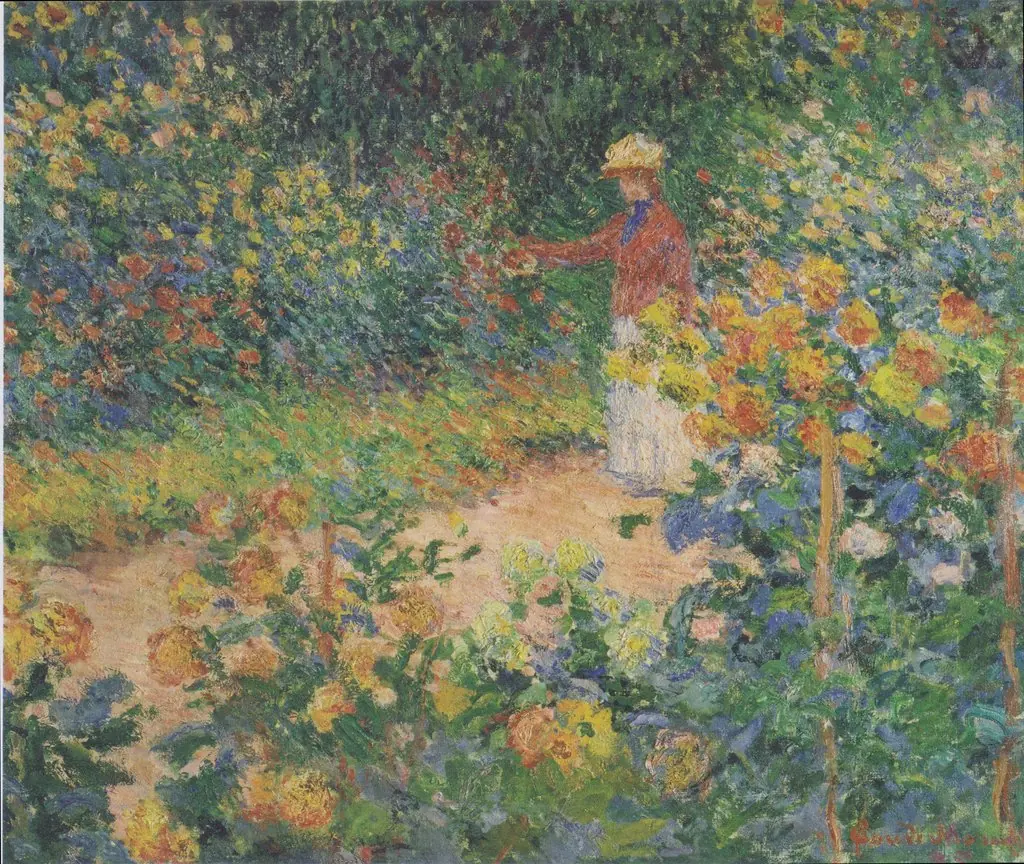 Monet's Garden at Giverny
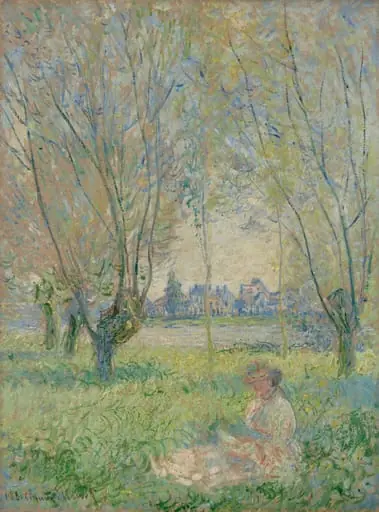 Woman Seated under the Willows
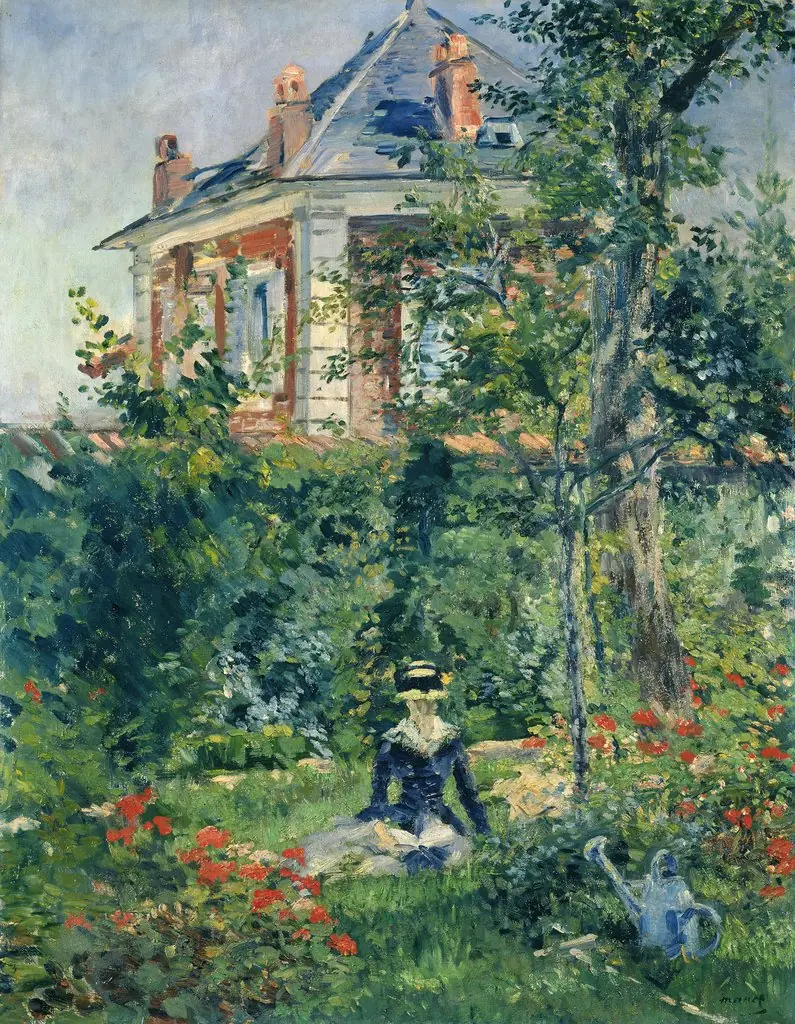 A Garden Nook at Bellevue
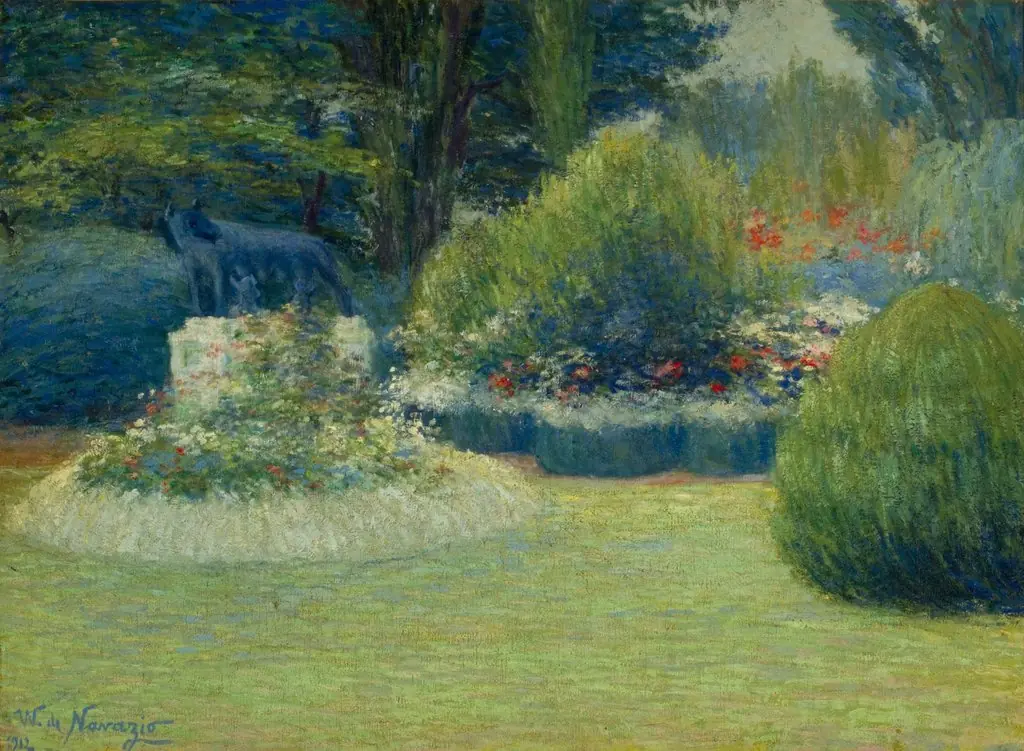 Gray day
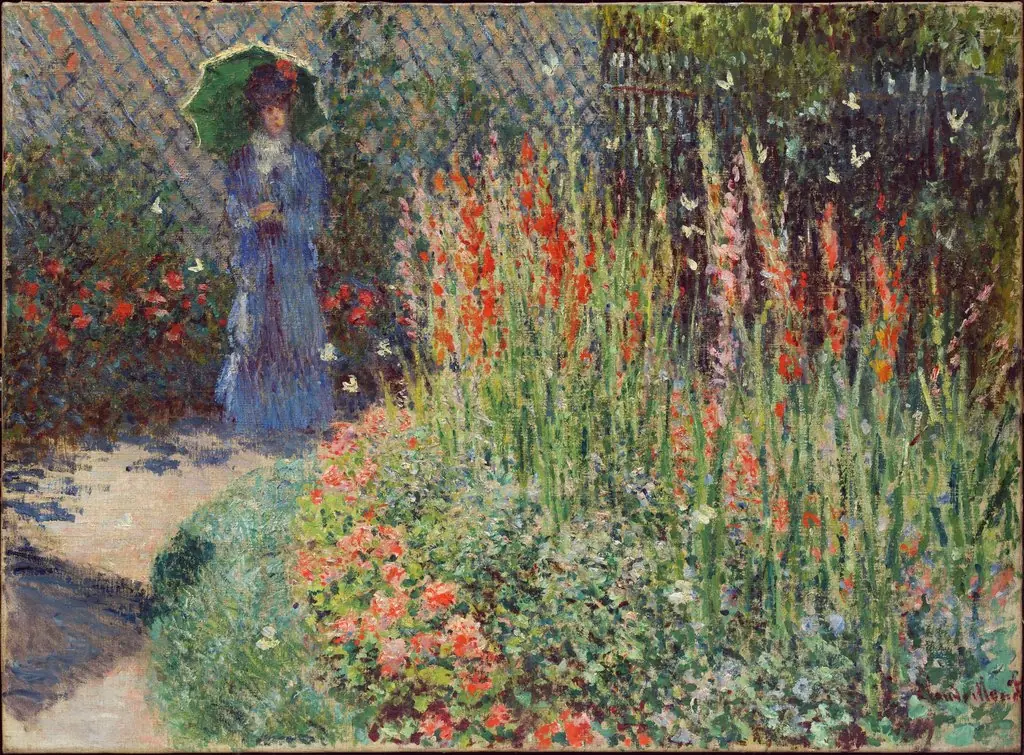 Rounded Flower Bed (Corbeille de fleurs)
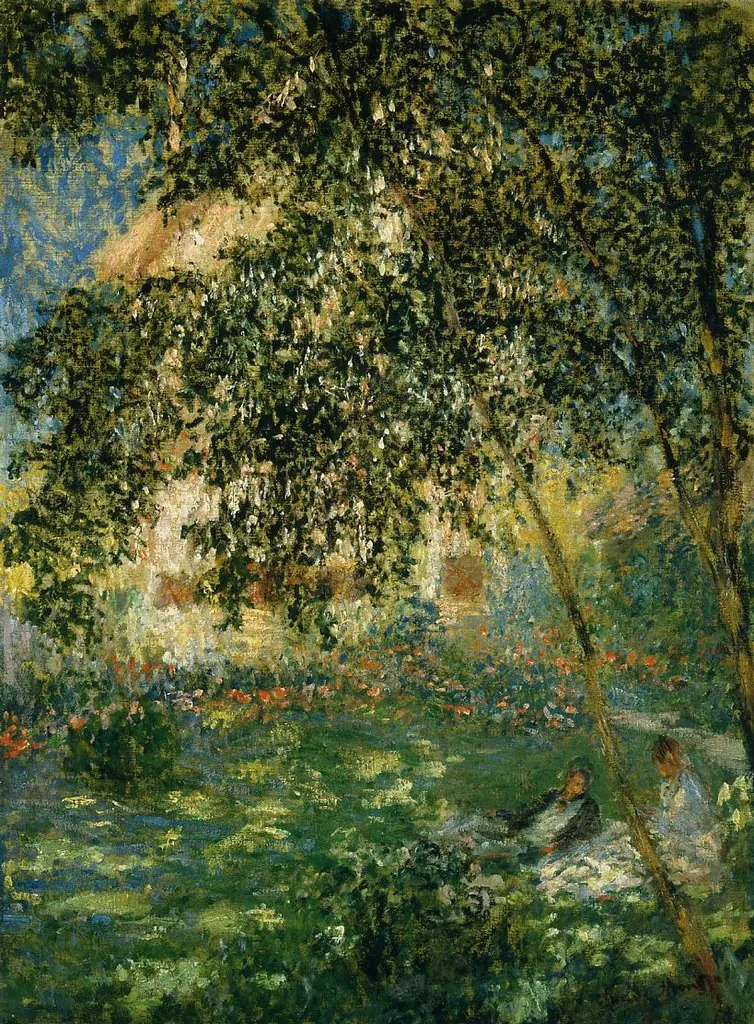 Rest in the garden, Argenteuil
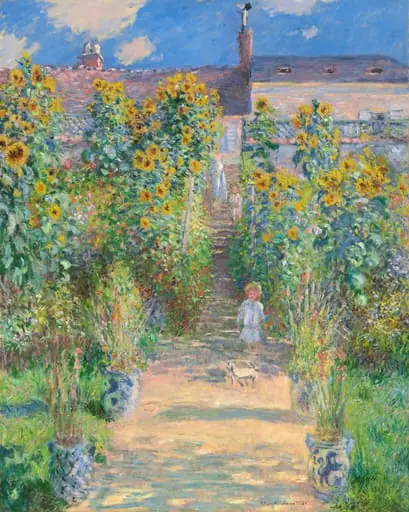 The Artist's Garden at Vétheuil
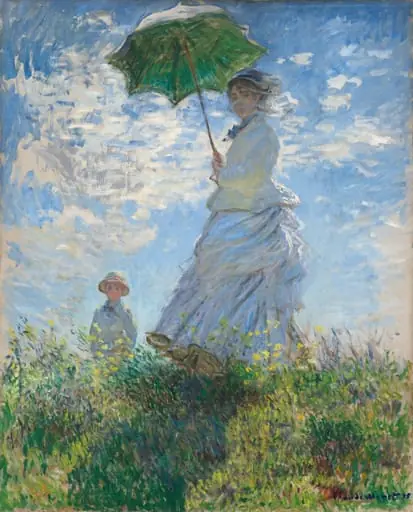
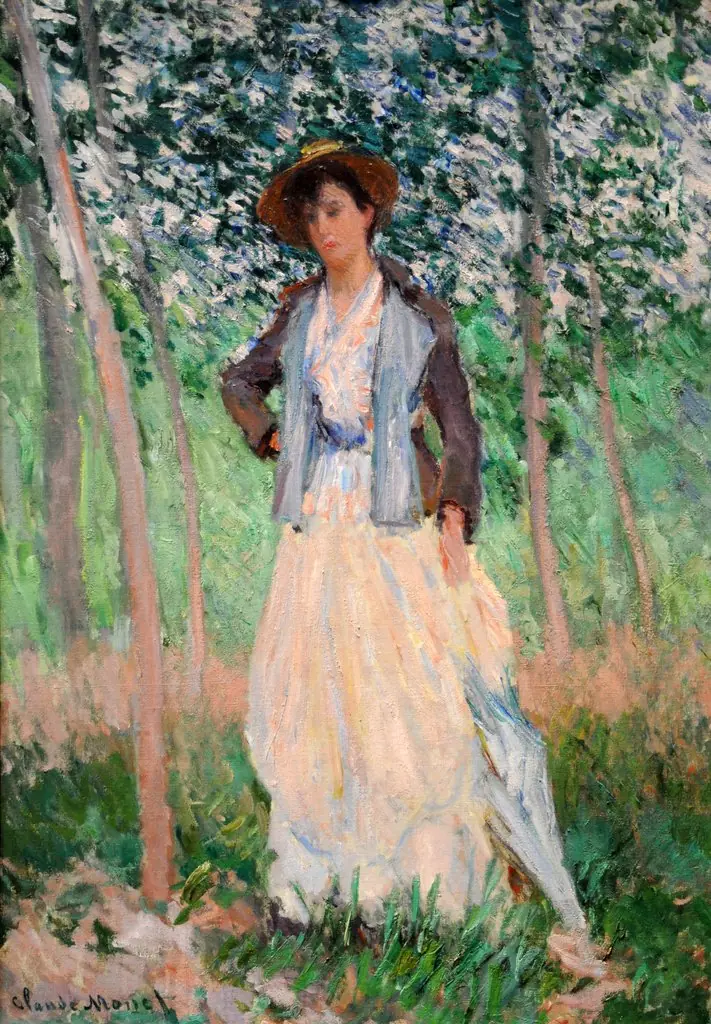 The Stroller (Suzanne Hoschedé, later Mrs. Theodore Earl Butler, 1868–1899)