Artwork
Boy in Flowers (Jacques Hoschedé)
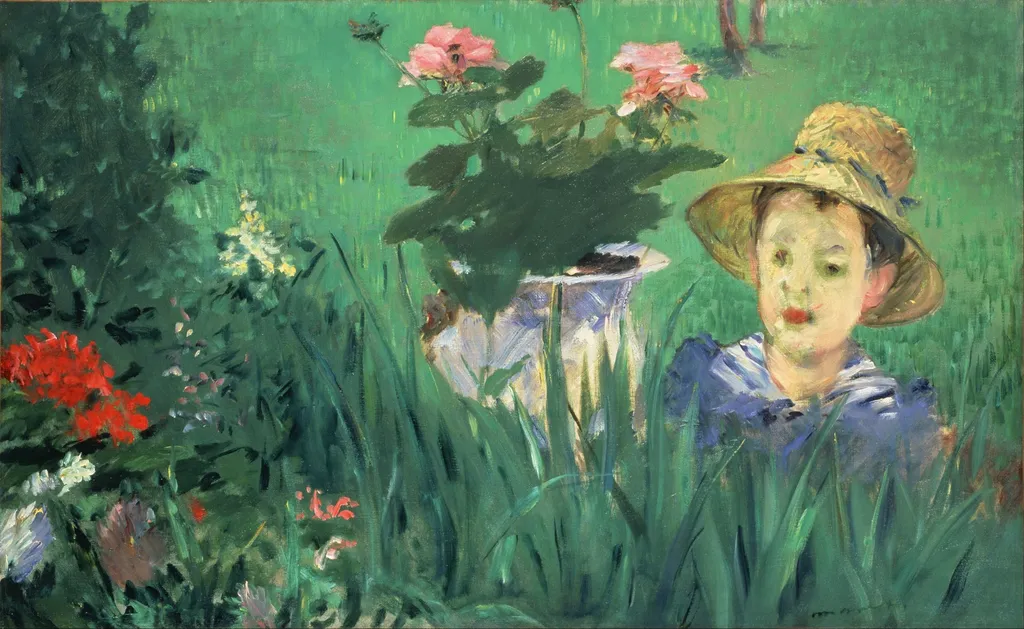
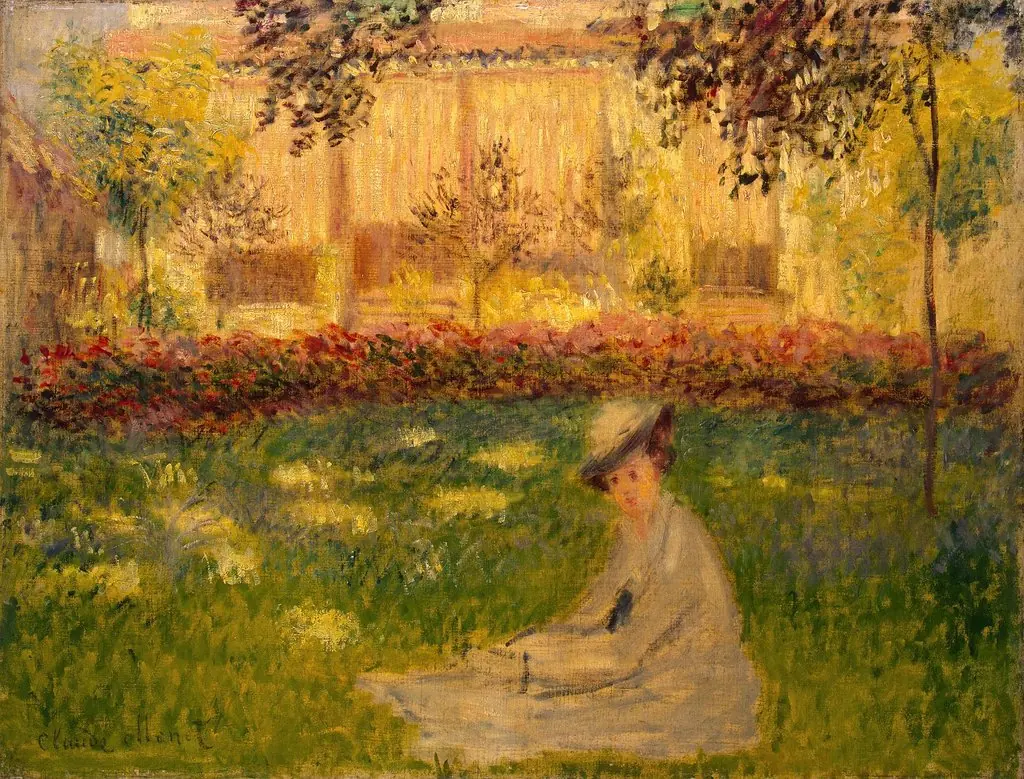
Boy in Flowers (Jacques Hoschedé) is an oil painting by the Impressionist artist Edouard Manet. It is held in the collection of the National Museum of Western Art. Painted in 1888 by Édouard Manet, this oil work portrays Jacques Hoschedé, the stepson of his wife, seated amid a sunlit meadow.
About this work
Overview
Painted in 1888 by Édouard Manet, this oil work portrays Jacques Hoschedé, the stepson of his wife, seated amid a sunlit meadow. The painting is part of the collection at the National Museum of Western Art in Tokyo. It reflects Manet’s late interest in outdoor portraiture and the quiet intimacy of domestic life, rendered with loose brushwork and a restrained palette.
Subject & Meaning
Jacques Hoschedé, a teenager at the time, is depicted in a moment of stillness, gazing to the side with an unguarded demeanor. The setting—a field of blooming flowers and tall grass—suggests a private, contemplative interlude rather than a formal portrait. The absence of narrative or symbolic elements emphasizes the simplicity of the moment, inviting quiet observation over interpretation.
Technique & Style
The bright greens and muted pinks create a harmonious tonal field, reinforcing the painting’s tranquil mood through color rather than definition.
Manet employed broad, fluid brushstrokes to capture the texture of grass and petals, blending colors directly on the canvas without fine detail. The boy’s face is softly modeled, with edges dissolving into the surrounding light, a technique that conveys atmosphere over precision. The bright greens and muted pinks create a harmonious tonal field, reinforcing the painting’s tranquil mood through color rather than definition.
History & Provenance
The painting remained in the Hoschedé family after its completion and was later acquired by the Japanese collector Kojiro Matsukata. It entered the National Museum of Western Art’s collection in 1959, following the transfer of Matsukata’s holdings to the Japanese government. Its journey from a private domestic scene to a public museum piece reflects its quiet significance in Manet’s late oeuvre.
Context
Created near the end of Manet’s life, this work aligns with his increasing focus on plein air subjects and intimate family scenes. While his earlier works challenged academic norms, this painting reflects a more personal, reflective mode. It shares affinities with Impressionist landscapes but retains Manet’s distinctive economy of form and emphasis on light over detail.
Legacy
Though not among Manet’s most widely recognized works, Boy in Flowers exemplifies his ability to convey emotional resonance through understated composition. Its presence in a major international museum underscores its role as a quiet bridge between his urban scenes and the more lyrical tendencies of later Impressionist portraiture.
Own this work as a print
Artist & collection

Artist
Édouard Manet didn’t have much time to make his mark—he died at 51—but he used every year.

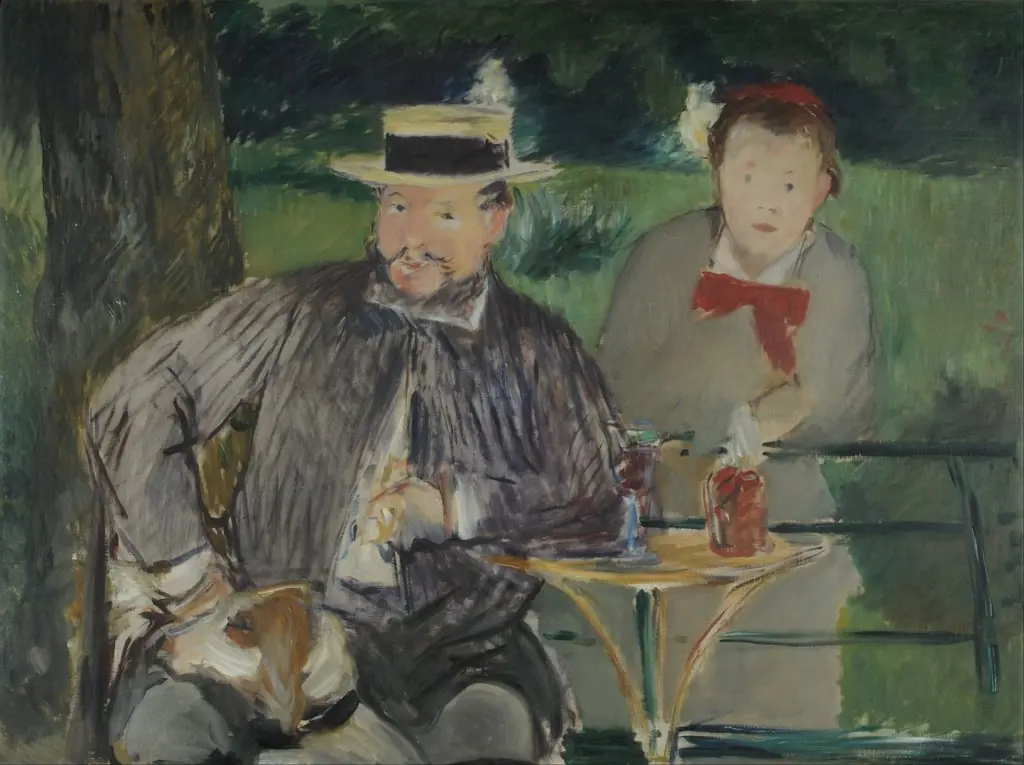 Portrait d'Ernest Hoschedé et sa fille Marthe
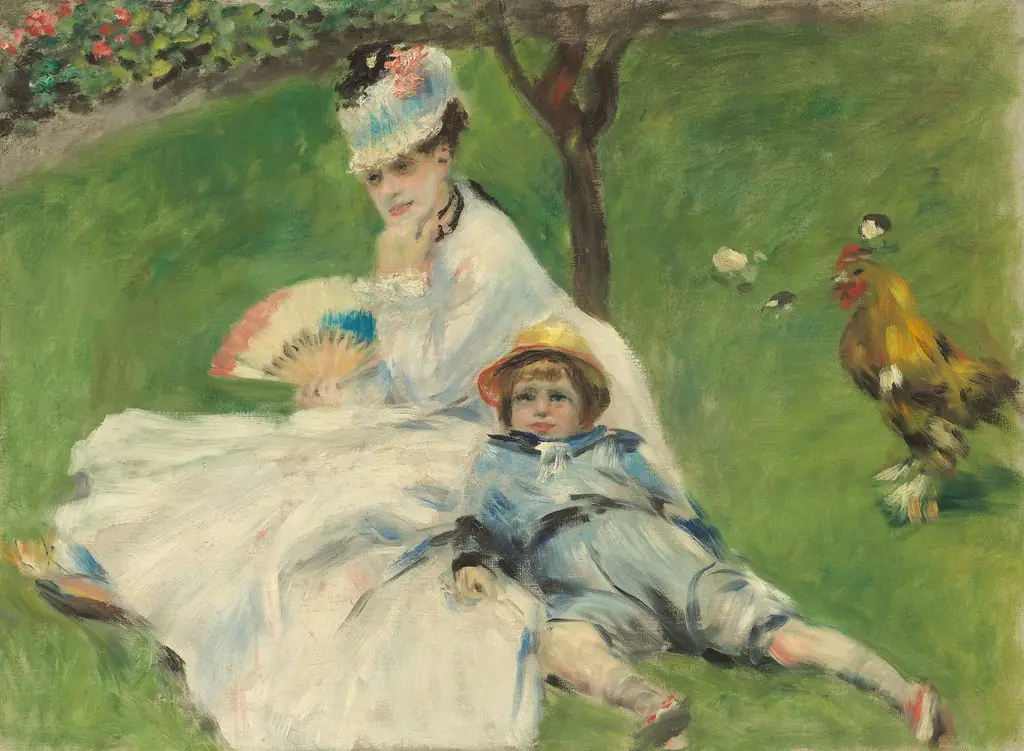 Camille Monet und ihr Sohn Jean in Argenteuil
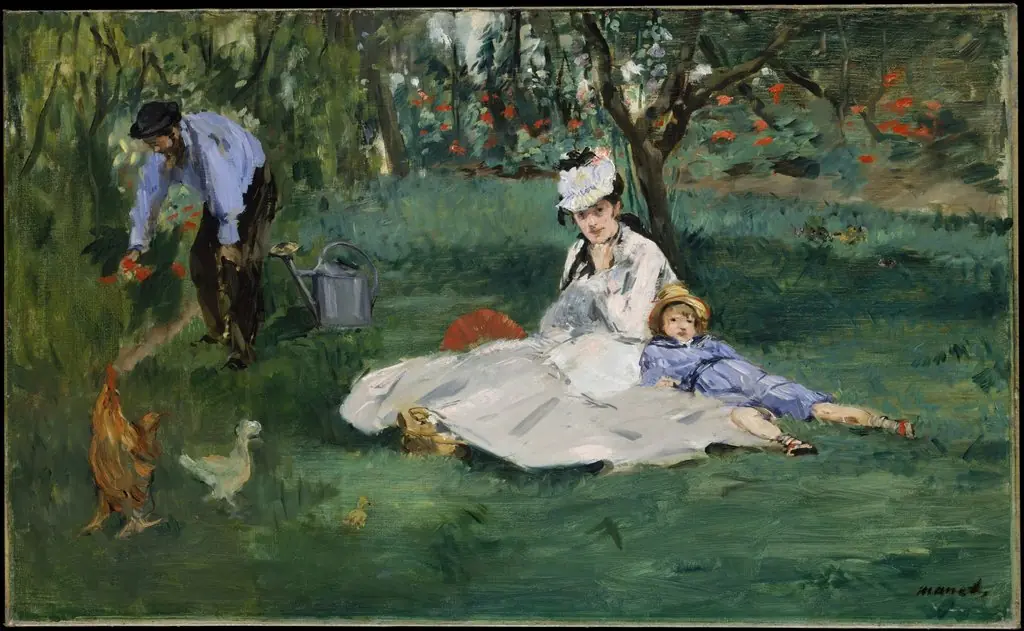 The Monet Family in Their Garden at Argenteuil
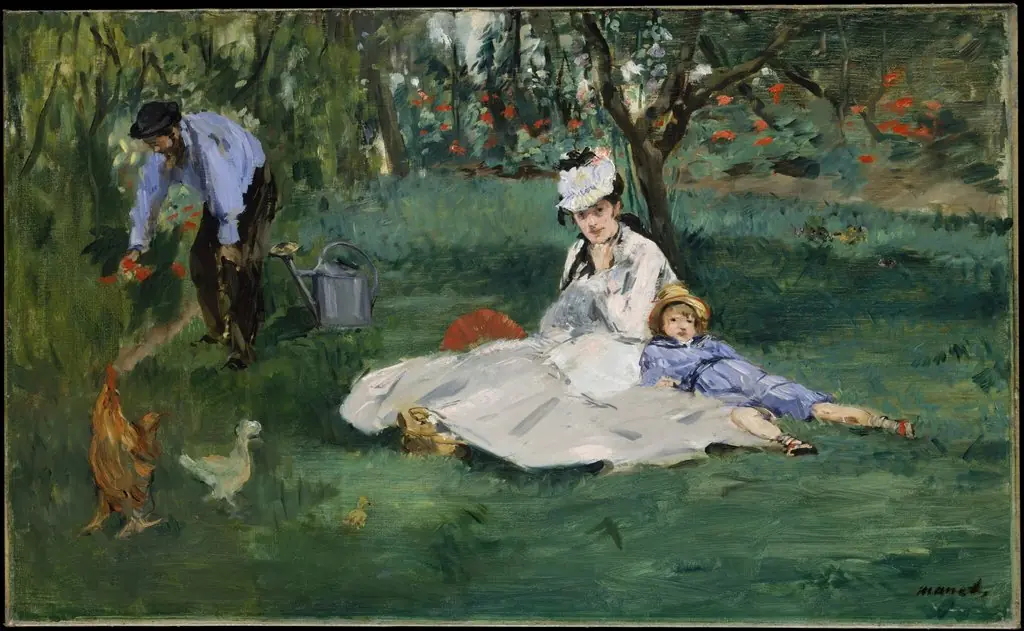 The Monet Family in Their Garden at Argenteuil
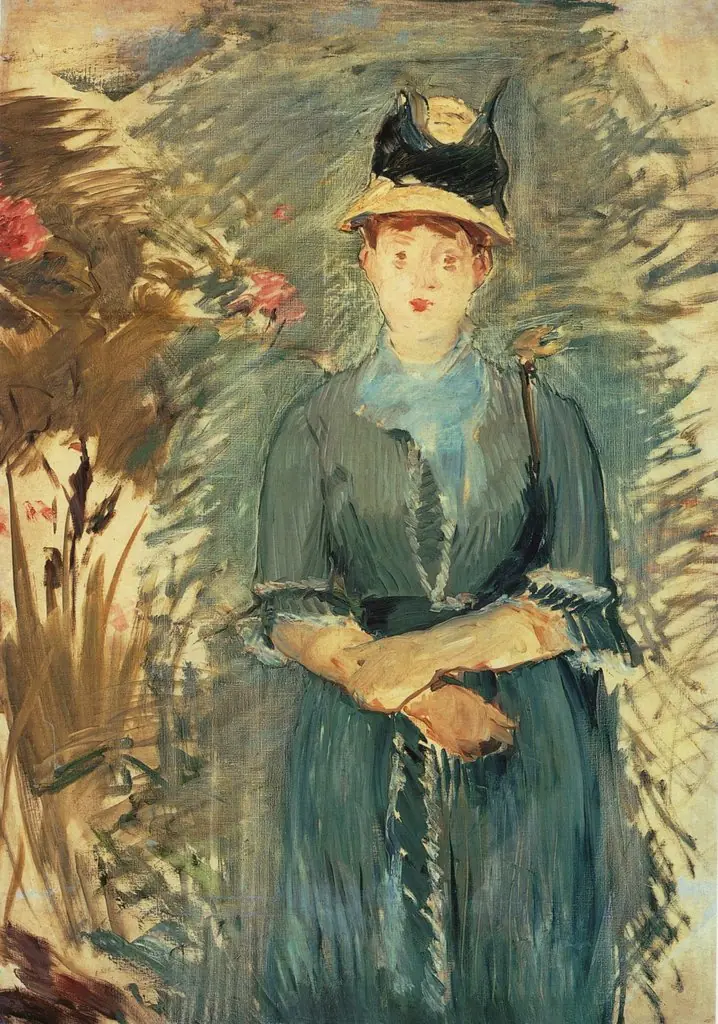 Stehende Dame zwischen Blumen
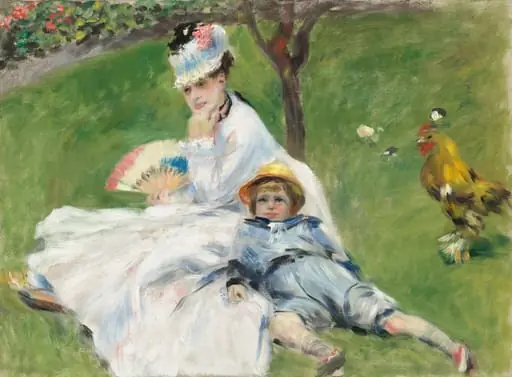 Madame Monet and Her Son
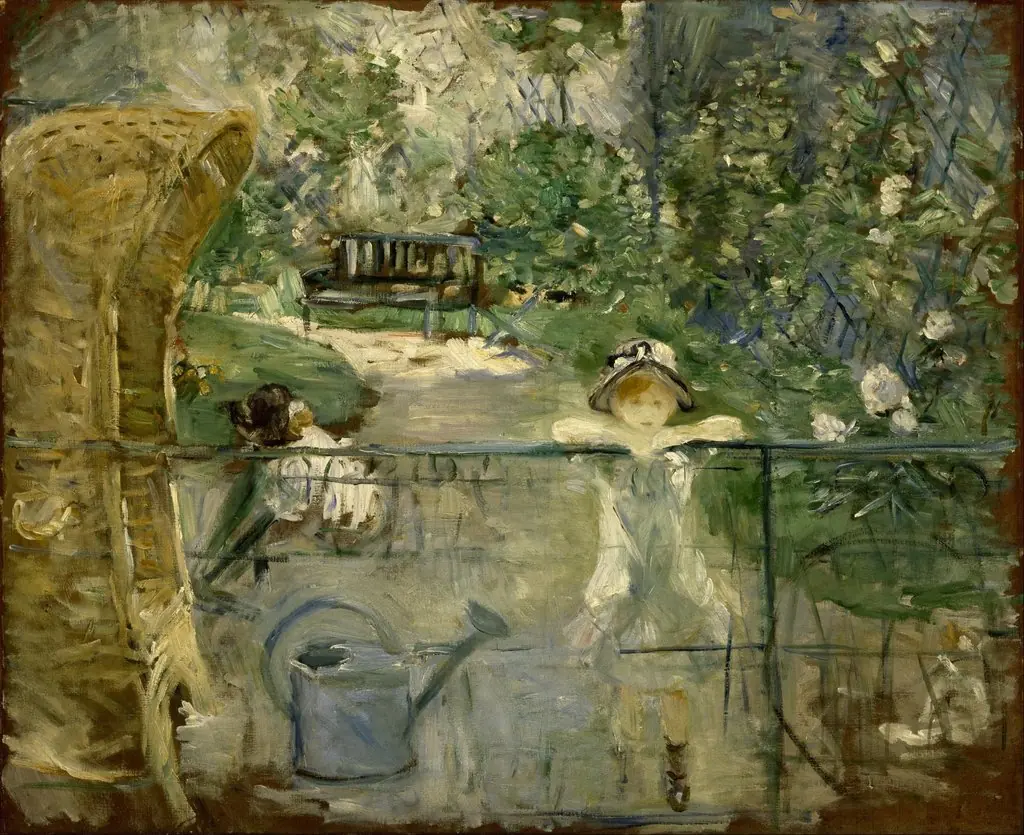 The Basket Chair
 Portrait of a Young Girl
 Spring
 Woman in a Park
 Woman in the Garden
 Woman in the Garden