Artwork
Pet and Hobby (Showing that china-maniacs have their affections like other people)
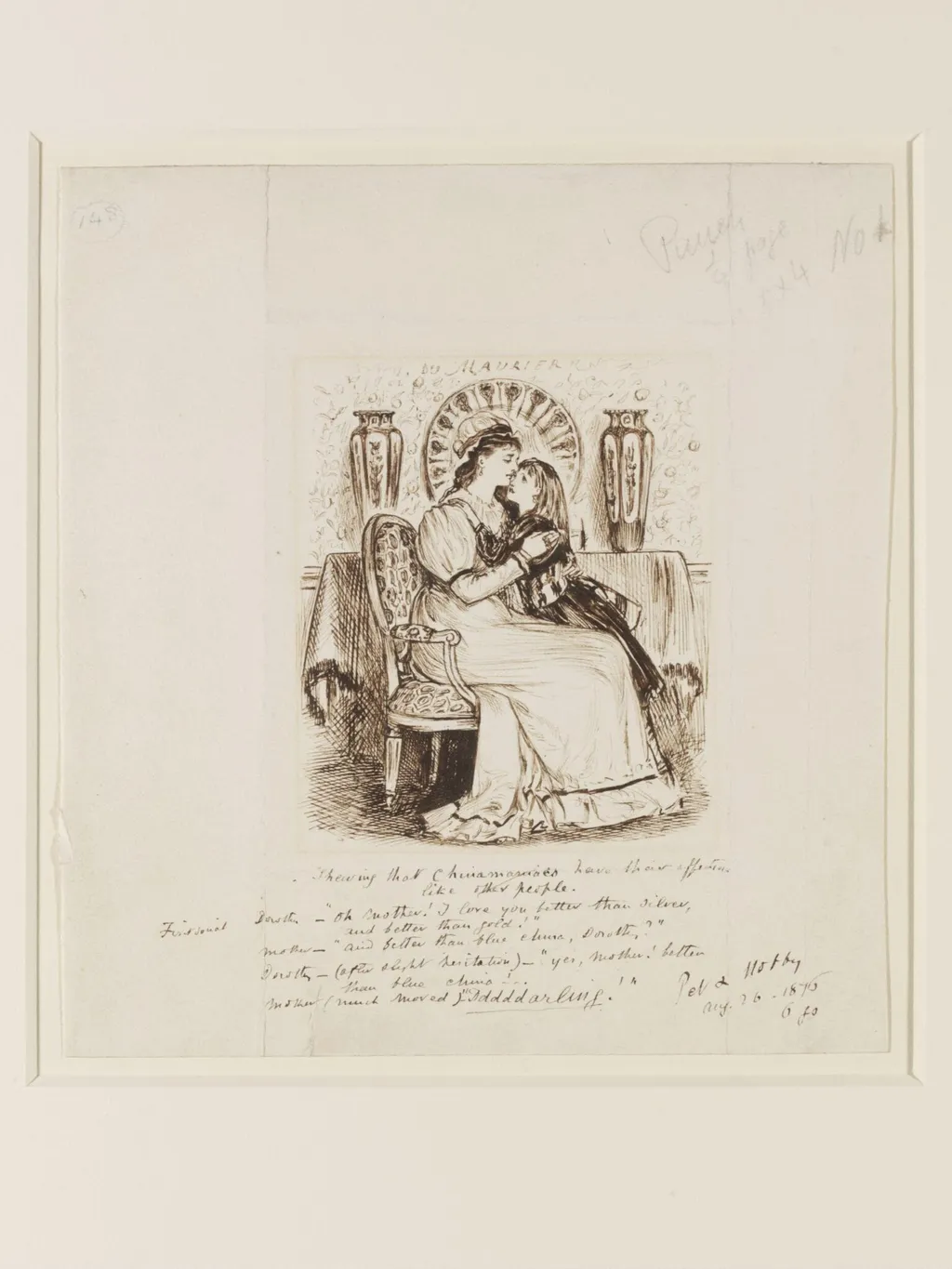
Pet and Hobby (Showing that china-maniacs have their affections like other people) is a drawing by the Impressionist artist George Louis Palmella Busson Du Maurier. It dates from 1876 and is held in the collection of the Victoria and Albert Museum.
About this work
Overview
This 1876 drawing by George Du Maurier was originally published in *Punch* magazine as a satirical commentary on Victorian collecting habits.
This 1876 drawing by George Du Maurier was originally published in *Punch* magazine as a satirical commentary on Victorian collecting habits. It depicts a quiet domestic moment between a woman and a child, framed within the context of china obsession. Though presented with gentle irony, the image centers on emotional connection rather than materialism, using the setting to suggest deeper human ties beneath surface eccentricities.
Subject & Meaning
The scene portrays a woman cradling a young girl in a gesture of tenderness, their intimacy contrasting with the porcelain objects on the table behind them. The title hints at the absurdity of treating ceramics as emotional substitutes, yet the drawing itself emphasizes genuine affection. The girl’s posture, slightly apart yet held close, suggests a bond that transcends the objects surrounding them, subtly questioning the value placed on collections over human connection.
Technique & Style
Du Maurier rendered the figures in delicate ink lines with soft tonal shading, emphasizing texture in fabric and hair without heavy detail. The background features a stylized wall pattern, framing the figures without distraction. The composition is intimate and contained, focusing attention on the physical closeness of the two subjects. The restrained use of line and absence of color align with *Punch*’s illustrative conventions, balancing wit with emotional nuance.
History & Provenance
The drawing first appeared in the 26 August 1876 issue of *Punch*, volume 71, on page 87. It was part of a series of illustrations commenting on middle-class social behaviors of the era. As a regular contributor, Du Maurier often used domestic scenes to critique cultural obsessions. The work remained within the magazine’s archive until later inclusion in collections of his published illustrations, with no known private ownership prior to institutional acquisition.
Context
In late 19th-century Britain, collecting fine china was a widespread middle-class pursuit, often tied to displays of status and refinement. Du Maurier’s illustration responds to this trend by juxtaposing emotional warmth with material obsession. The scene reflects broader societal tensions between genuine relationships and performative consumption, a theme recurrent in his work for *Punch*, which frequently satirized Victorian propriety through subtle, human-centered vignettes.
Legacy
Though not widely exhibited today, the drawing exemplifies Du Maurier’s skill in blending social critique with emotional resonance. His ability to humanize satire influenced later illustrators and cartoonists who sought to explore domestic life with nuance. The piece remains a reference point in studies of Victorian visual culture, illustrating how illustrated periodicals shaped public perception of social norms through understated, psychologically rich imagery.
Artist & collection
Artist
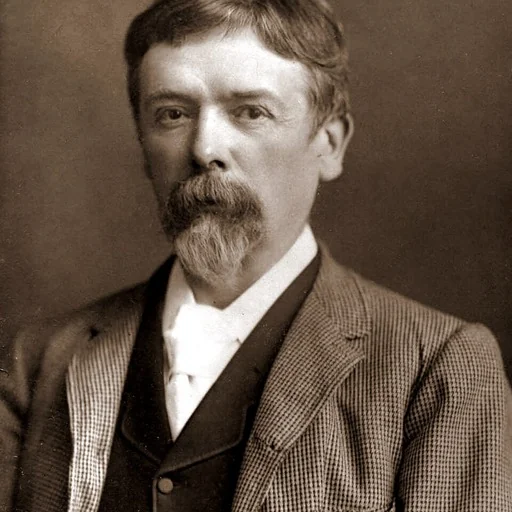
George Louis Palmella Busson Du Maurier
George Louis Palmella Busson du Maurier (French: ; 6 March 1834 – 8 October 1896) was a French-British cartoonist, illustrator, and novelist.

 Les Adieux
 Duet of the Trojans
 Un Thé Douairières
 The Flemish Mother
 Ο Βυζάντιος ποζάρει στον δάσκαλό του Δ. Γαλάνη
 H Beard Print Collection
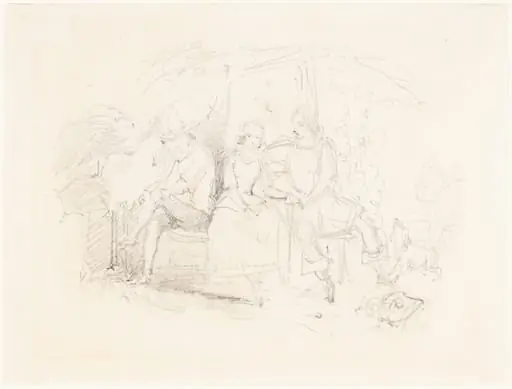 Lovers under a Tree
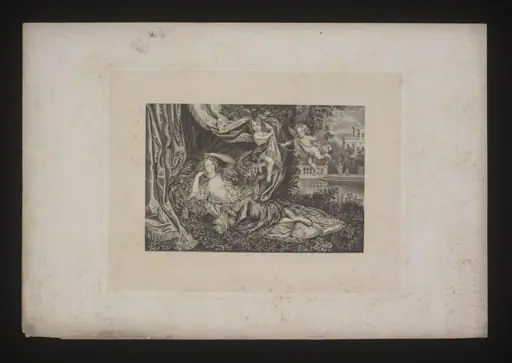 Print showing Nell Gwyn and her sons
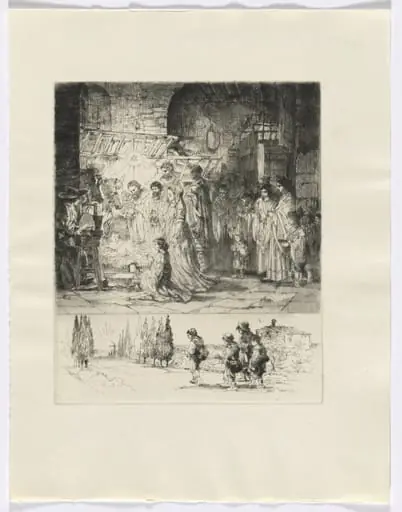 Frédéric Mistral: Mémoires et Recits by Frédéric Mistral: nativity/ figures walking on a road (insert after p. 32)
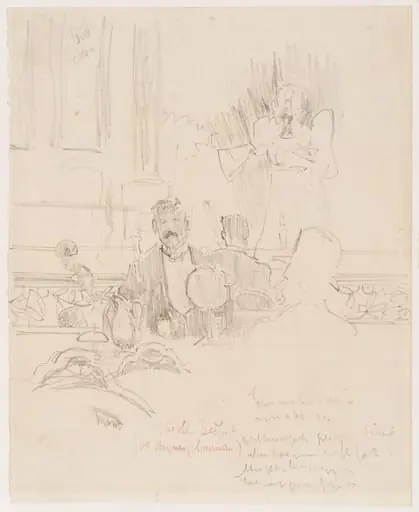 The Old Bedford
 Untitled
 Untitled