Artwork
Portrait of Antonio van Diemen (1593-1645)
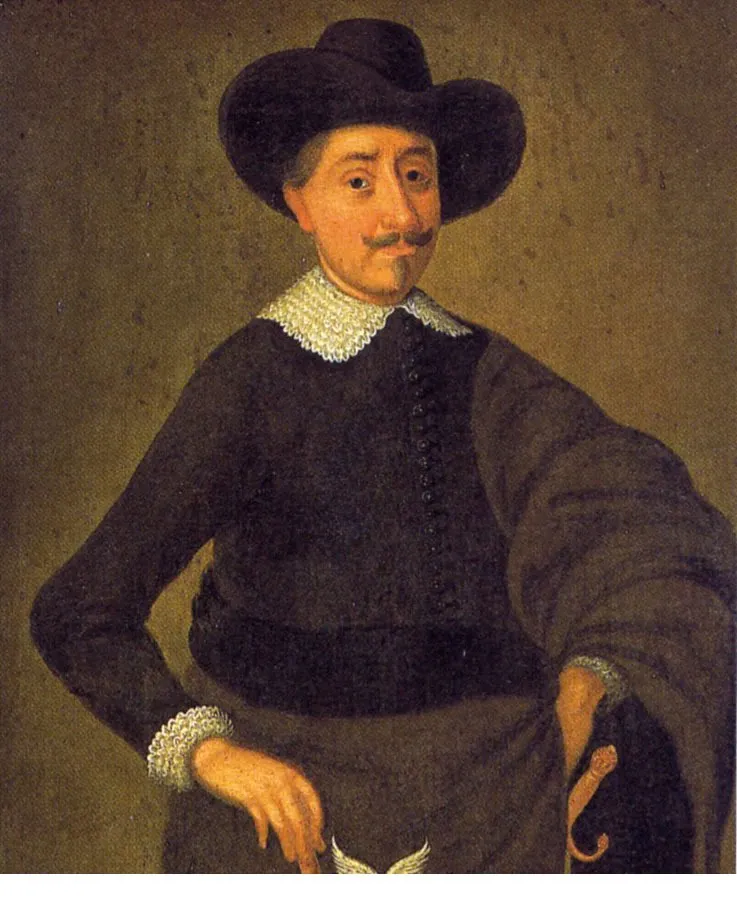
Portrait of Antonio van Diemen (1593-1645) is an oil painting. It dates from 1775 and is held in the collection of the Rijksmuseum. The work is an oil painting portraying a 17th‑century gentleman.
About this work
Overview
The work is an oil painting portraying a 17th‑century gentleman. He wears a black hat, a black shirt trimmed with a white lace collar, and a dark cloak draped over his left arm, while his right hand rests on a sword hilt. The figure looks to his right with a solemn expression, set against a muted brown backdrop that emphasizes his presence.
Subject & Meaning
The sitter is identified as Antonio van Diemen (1593‑1645), a figure from the Dutch Golden Age. His attire and the inclusion of a sword suggest a status of authority or military involvement, while the restrained pose and serious gaze convey a dignified, perhaps official, representation.
Technique & Style
Executed in a classical portrait manner, the painting displays careful modeling of flesh and fabric through subtle chiaroscuro, creating depth without dramatic contrast. The brushwork is smooth, with fine glazing that builds luminous layers, and the surface shows modest impasto on the lace and cloak, enhancing texture while maintaining overall realism.
History & Provenance
No specific details about the work’s commission, ownership history, or exhibition record are provided in the source material, limiting the ability to trace its provenance beyond the identification of the sitter.
Context
Portraits of this period often served to affirm social rank and personal virtue. The combination of formal dress, weaponry, and a restrained compositional setting aligns with contemporary Dutch practices of presenting civic leaders or military officers in a dignified, approachable manner.
Artist & collection

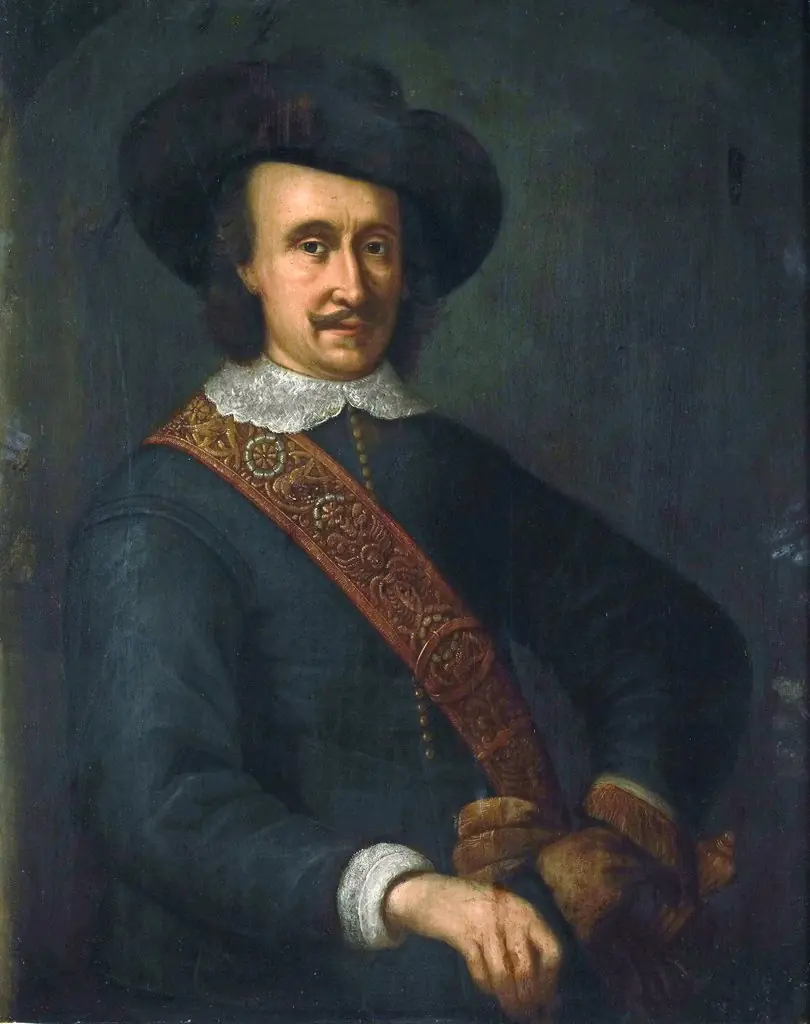 Portrait of Cornelis van der Lijn, Governor-General of the Dutch East Indies
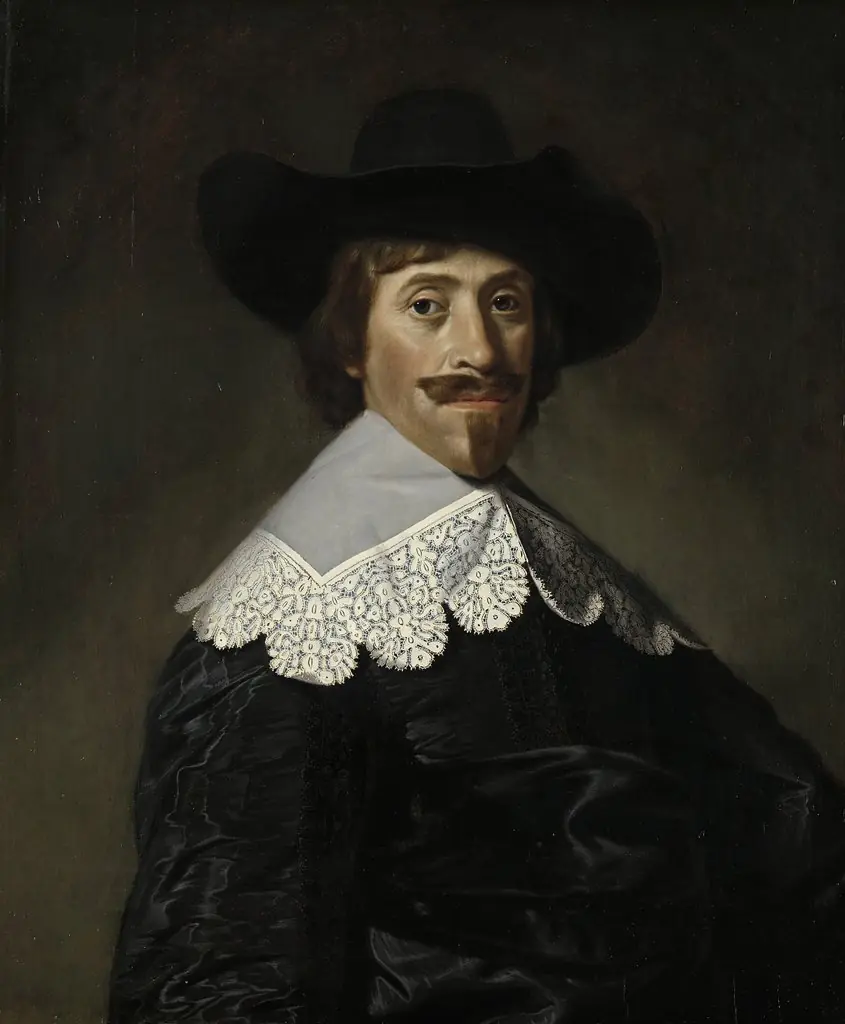 Frederik Dircksz Alewijn (1603-65). Alderman and councillor of Amsterdam
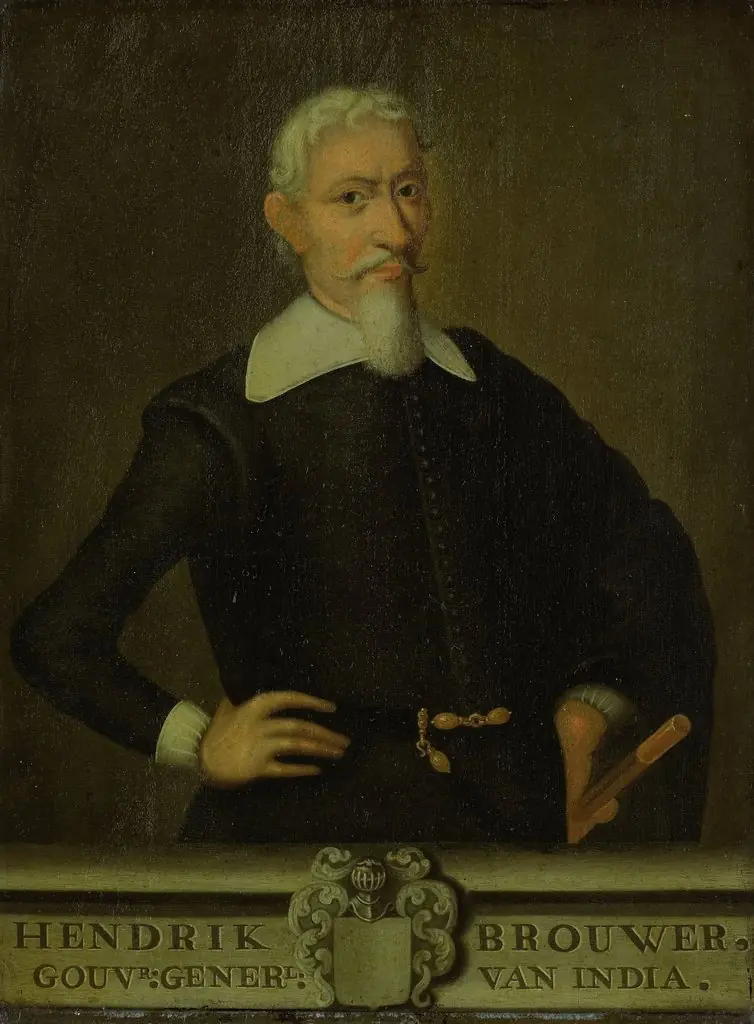 Copy after portrait of Hendrik Brouwer (1581-1643)
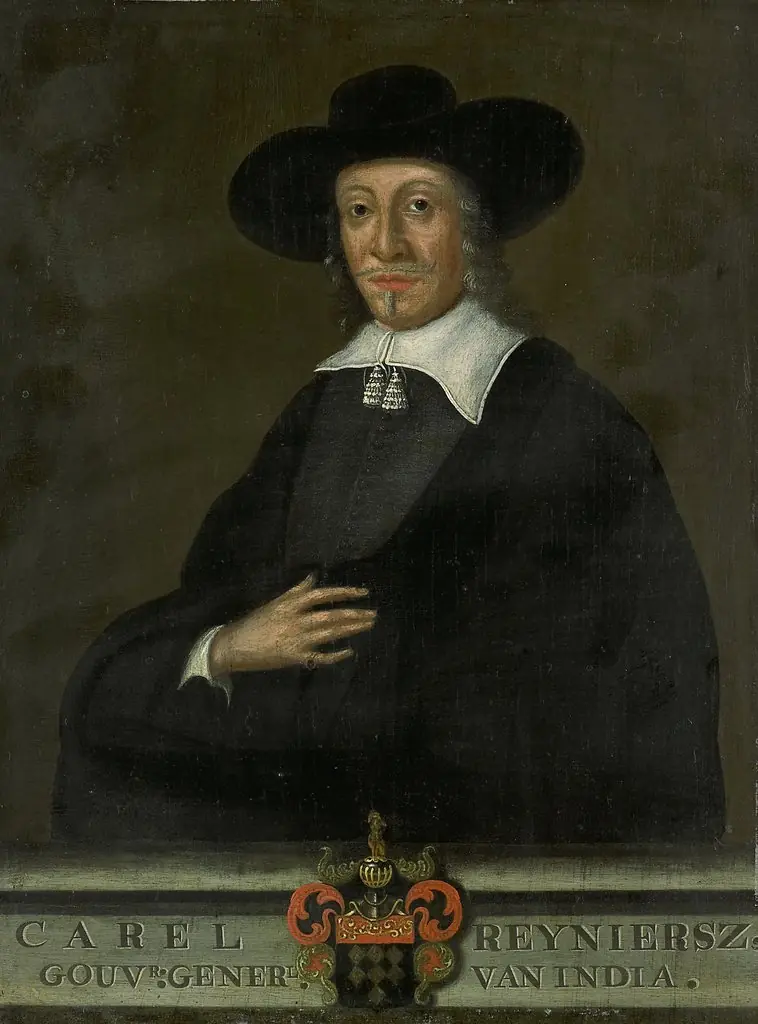 Copy after portrait of Karel Reyniersz (1604-1653), Governor-General of the Dutch East Indies
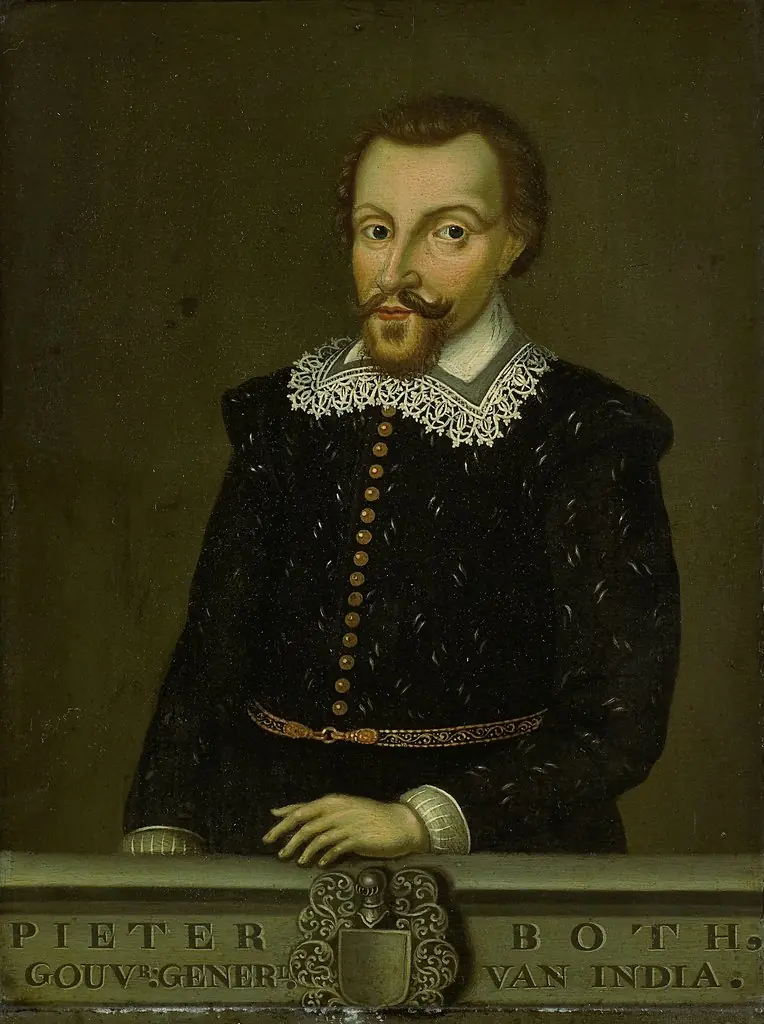 Portrait of Pieter Both (....-1615)
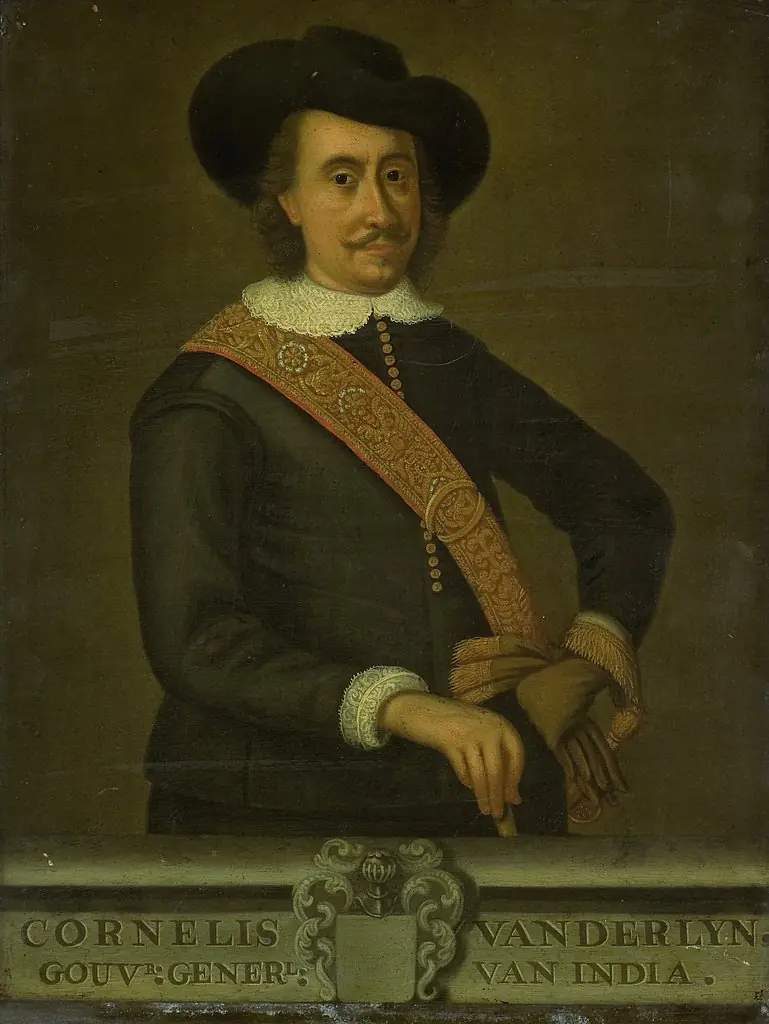 Portrait of Cornelis van der Lijn (1608-1679)