Artwork
Landscape (Sheep in the Valley)
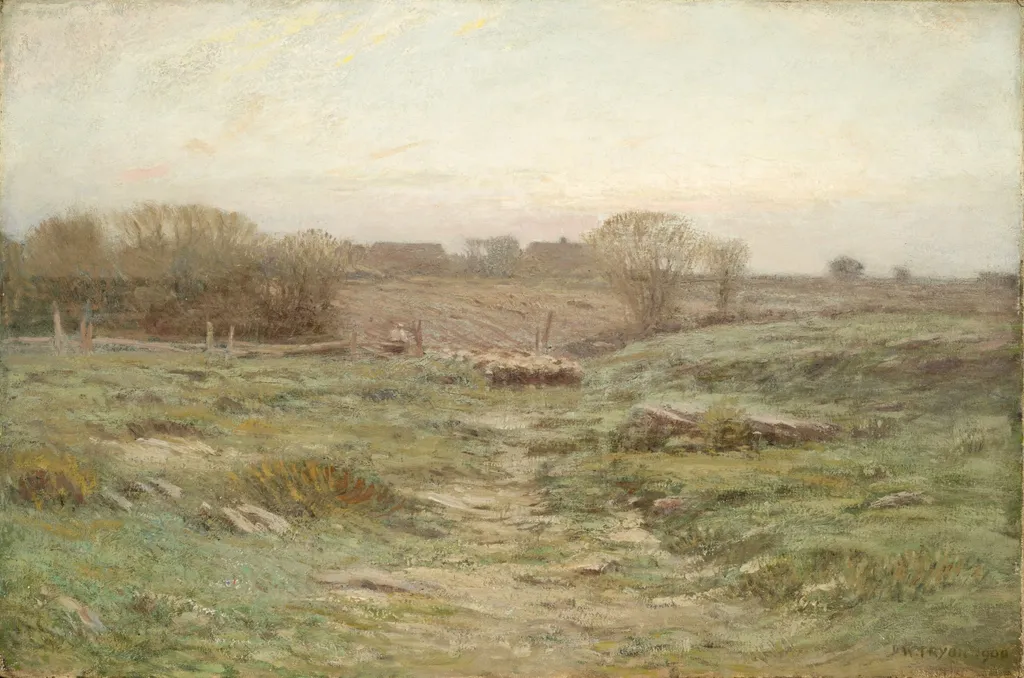
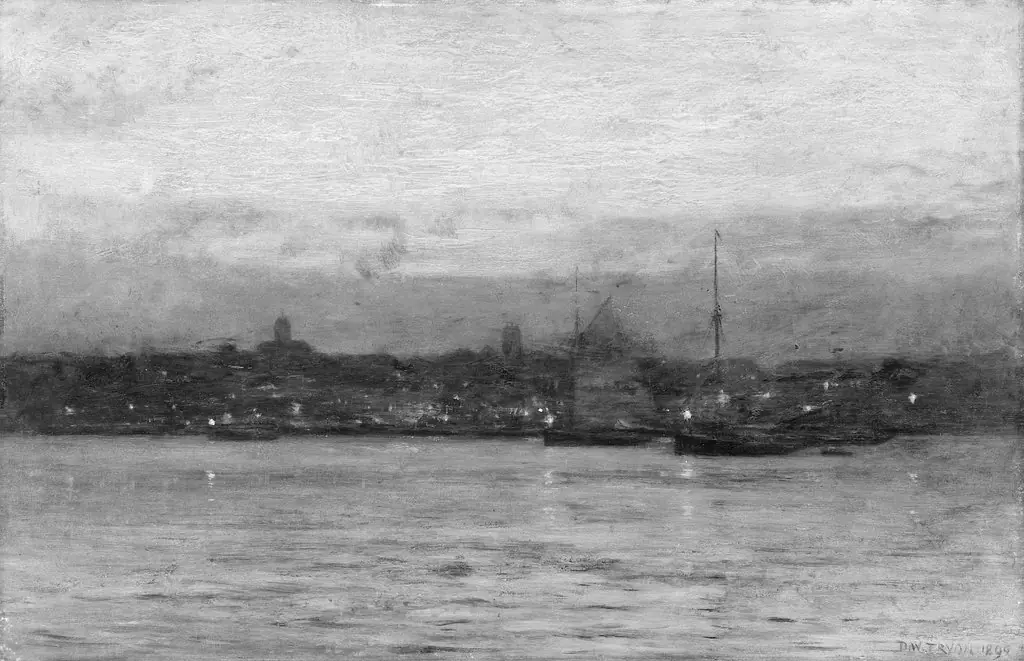
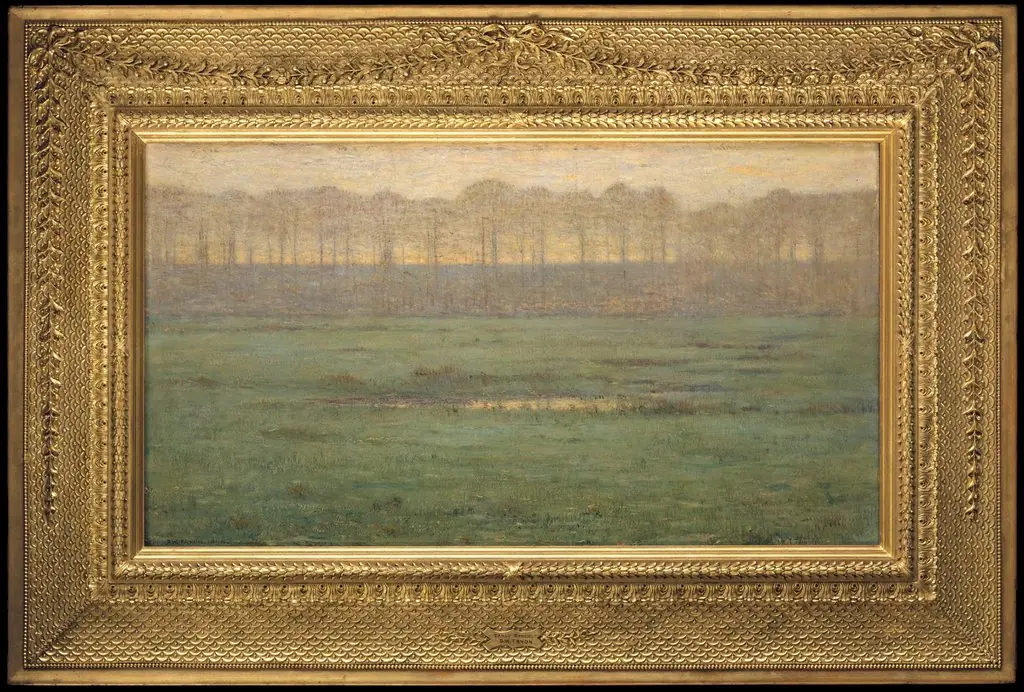
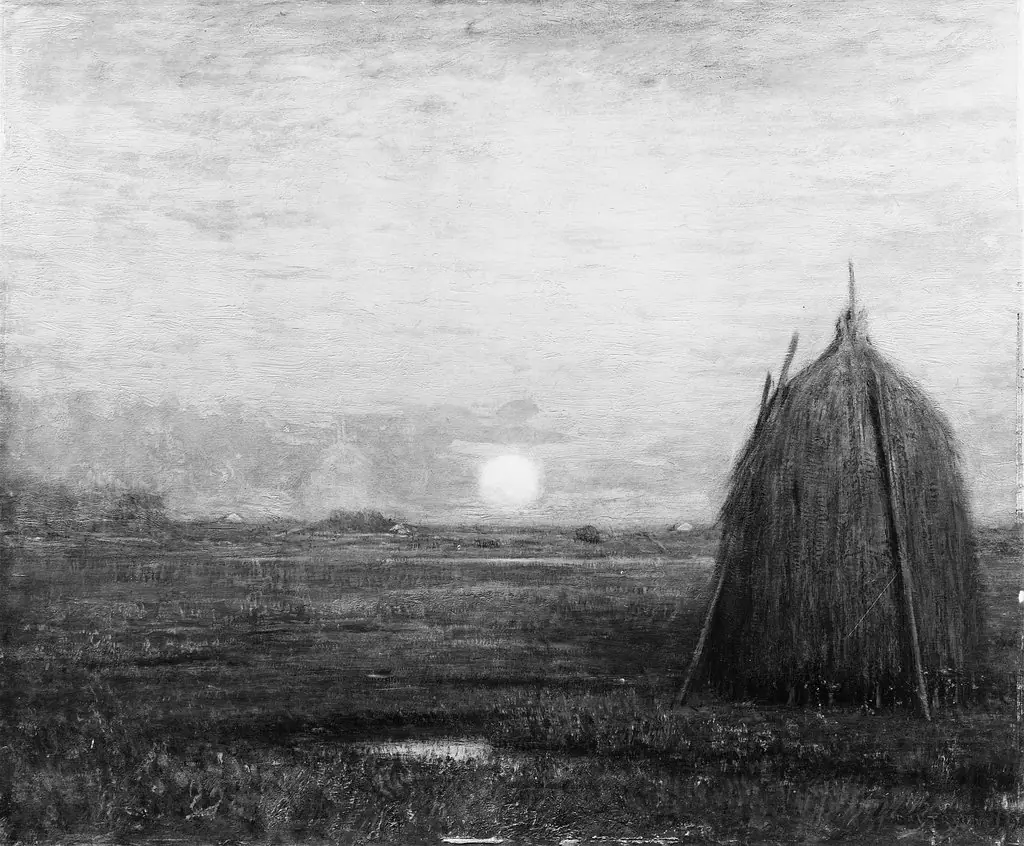
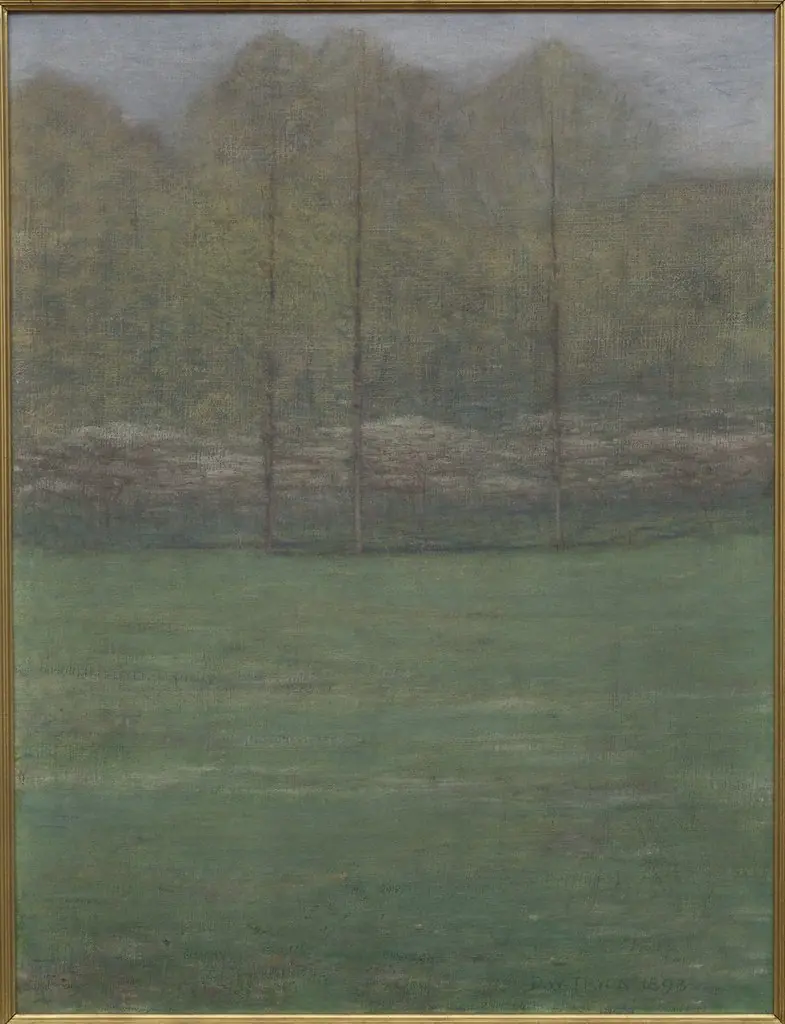
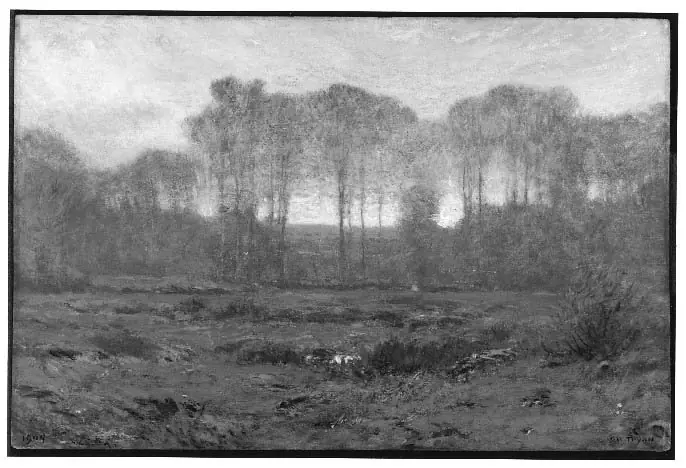
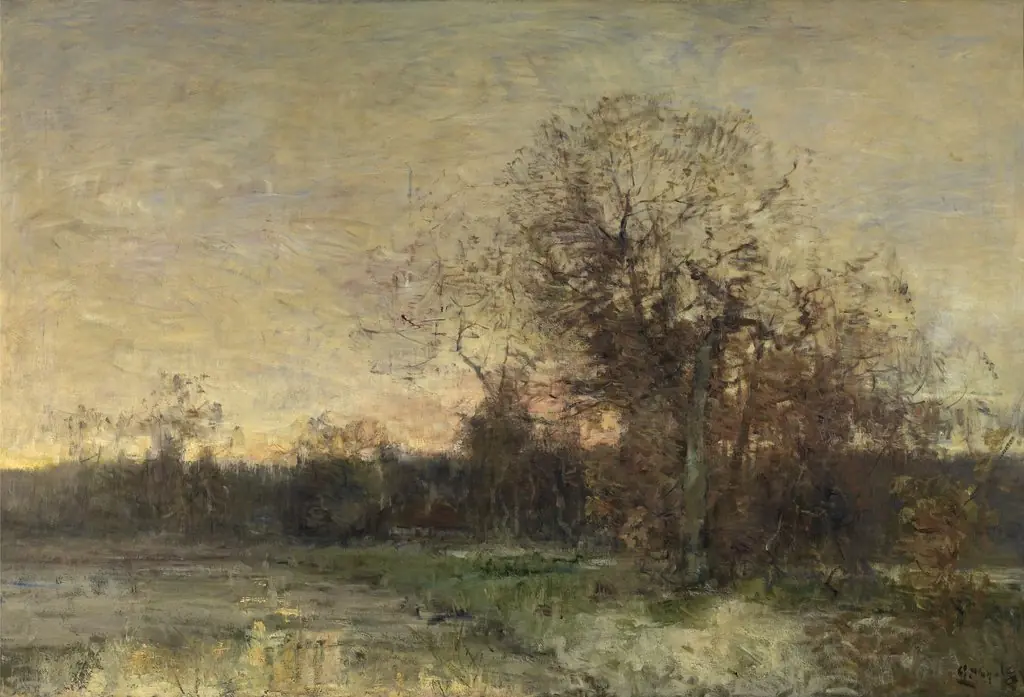
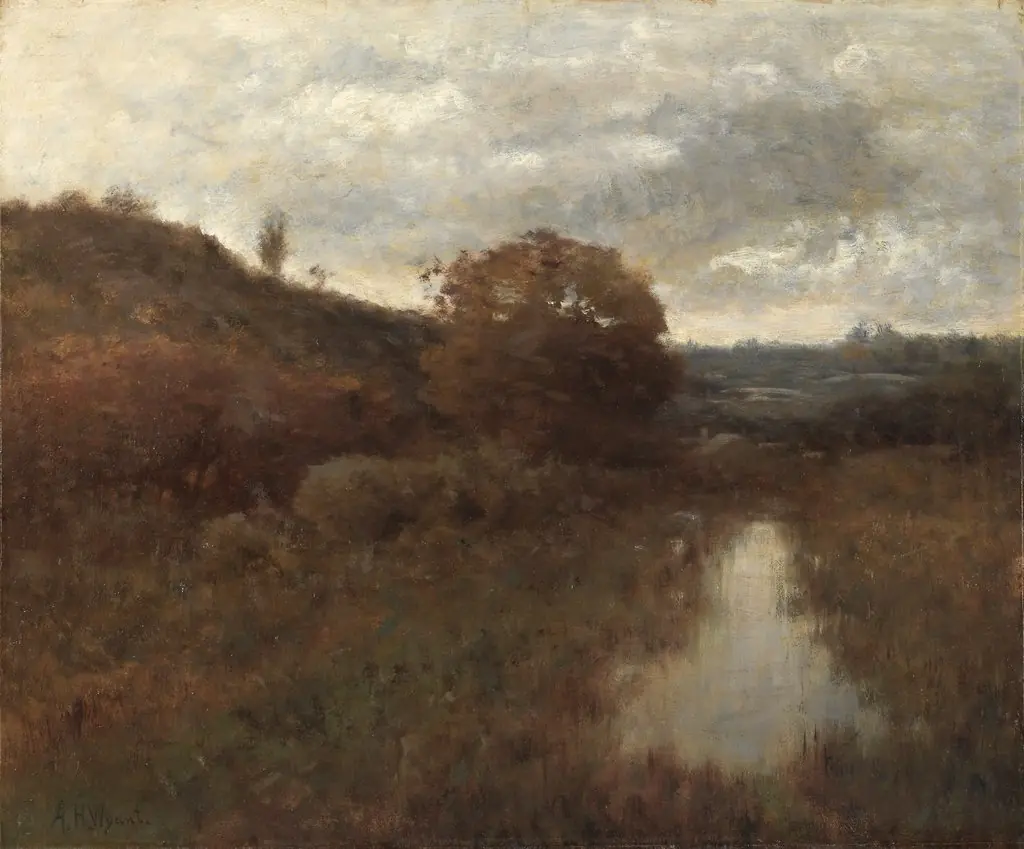
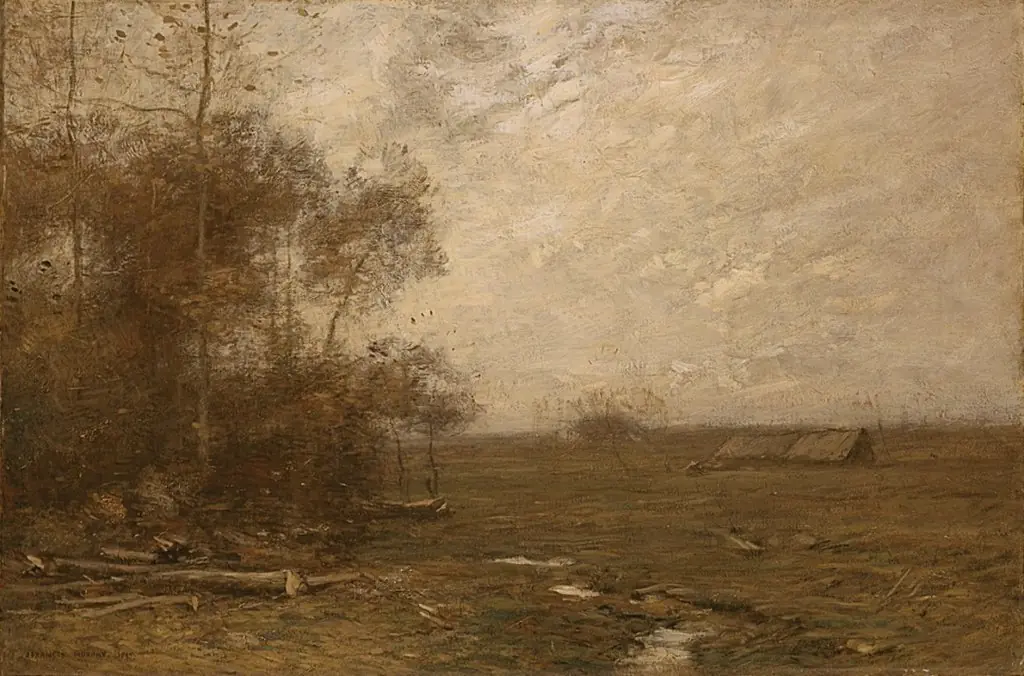
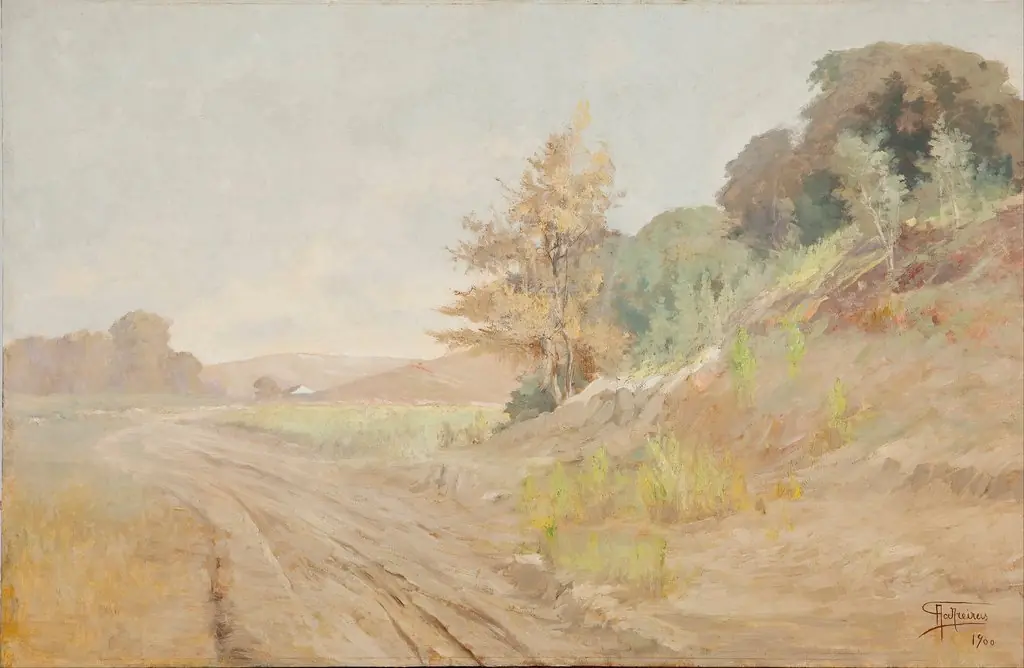
Landscape (Sheep in the Valley) is an unspecified painting by Dwight William Tryon. It dates from 1900 and is held in the collection of the Los Angeles County Museum of Art. Created in 1900, this oil painting presents a quiet valley scene where a few sheep graze beneath a solitary tree.
About this work
Overview
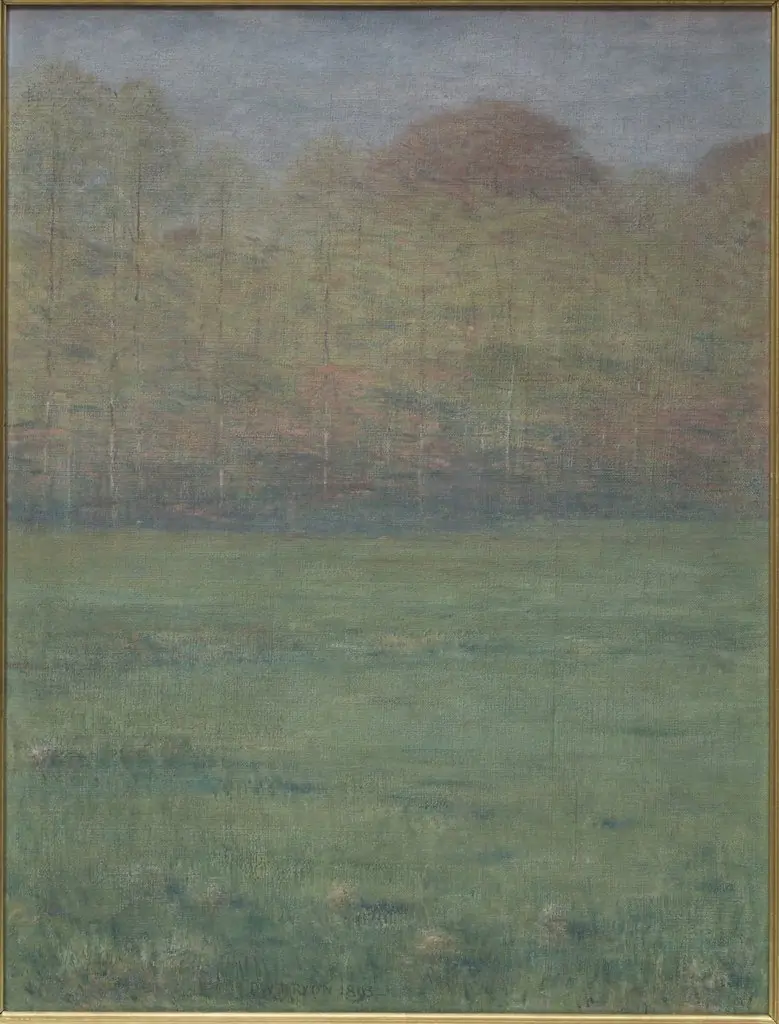
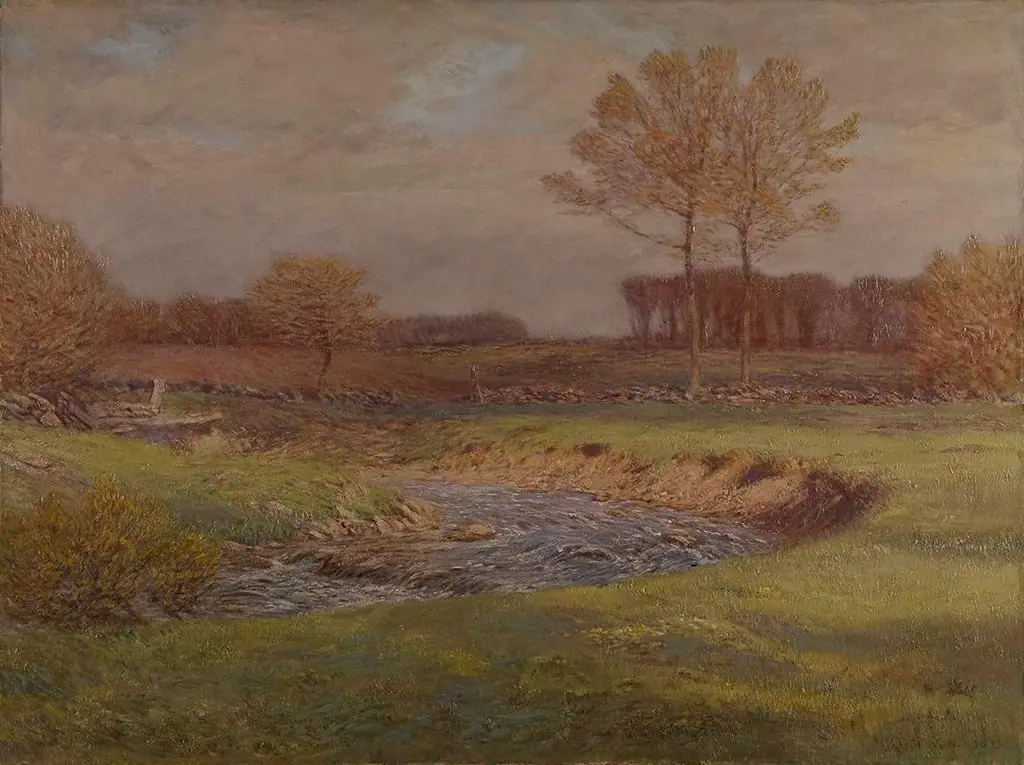
Created in 1900, this oil painting presents a quiet valley scene where a few sheep graze beneath a solitary tree. The composition is dominated by soft, muted tones that blend sky and land, giving the work a tranquil, almost misty atmosphere. The piece belongs to the collection of the Los Angeles County Museum of Art and exemplifies the artist’s focus on serene natural settings.
Subject & Meaning
The canvas captures a pastoral landscape, emphasizing the gentle rhythm of rural life. A lone tree rises amid the valley, framing the grazing sheep and suggesting a quiet guardianship over the countryside. The subdued palette and stillness of the scene convey a contemplative mood, inviting viewers to reflect on the harmony between land and modest human activity.
Technique & Style
Executed in a tonal approach, the work employs a limited color range of grays, whites, and earth tones to unify sky, foliage, and ground. Brushwork is soft and blended, creating a veil of atmosphere that softens edges and enhances depth. This method reflects the influence of James McNeill Whistler and aligns with the American Tonalist tradition, prioritizing mood over precise detail.
History & Provenance
Dwight William Tryon, an American landscape painter active around the turn of the twentieth century, produced the painting during a period when he was deeply engaged with tonalism. After changing hands among private collectors, the artwork entered the Los Angeles County Museum of Art’s holdings, where it remains on view as part of the museum’s American art collection.
Own this work as a print
Artist & collection
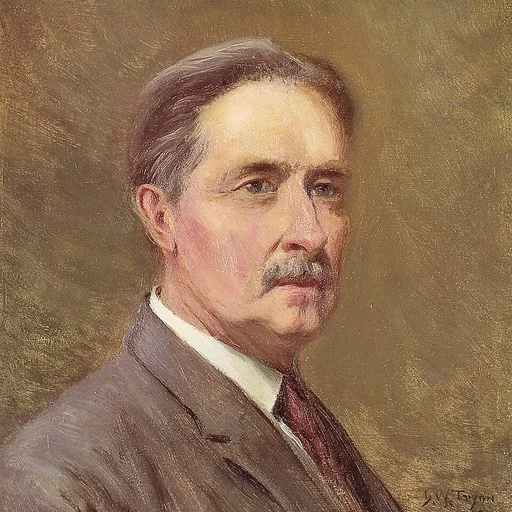
Artist
Dwight William Tryon (August 13, 1849 – July 1, 1925) was an American landscape painter in the late 19th and early 20th centuries.