Artwork
Fredrika Snyggin muotokuva (Tajta)
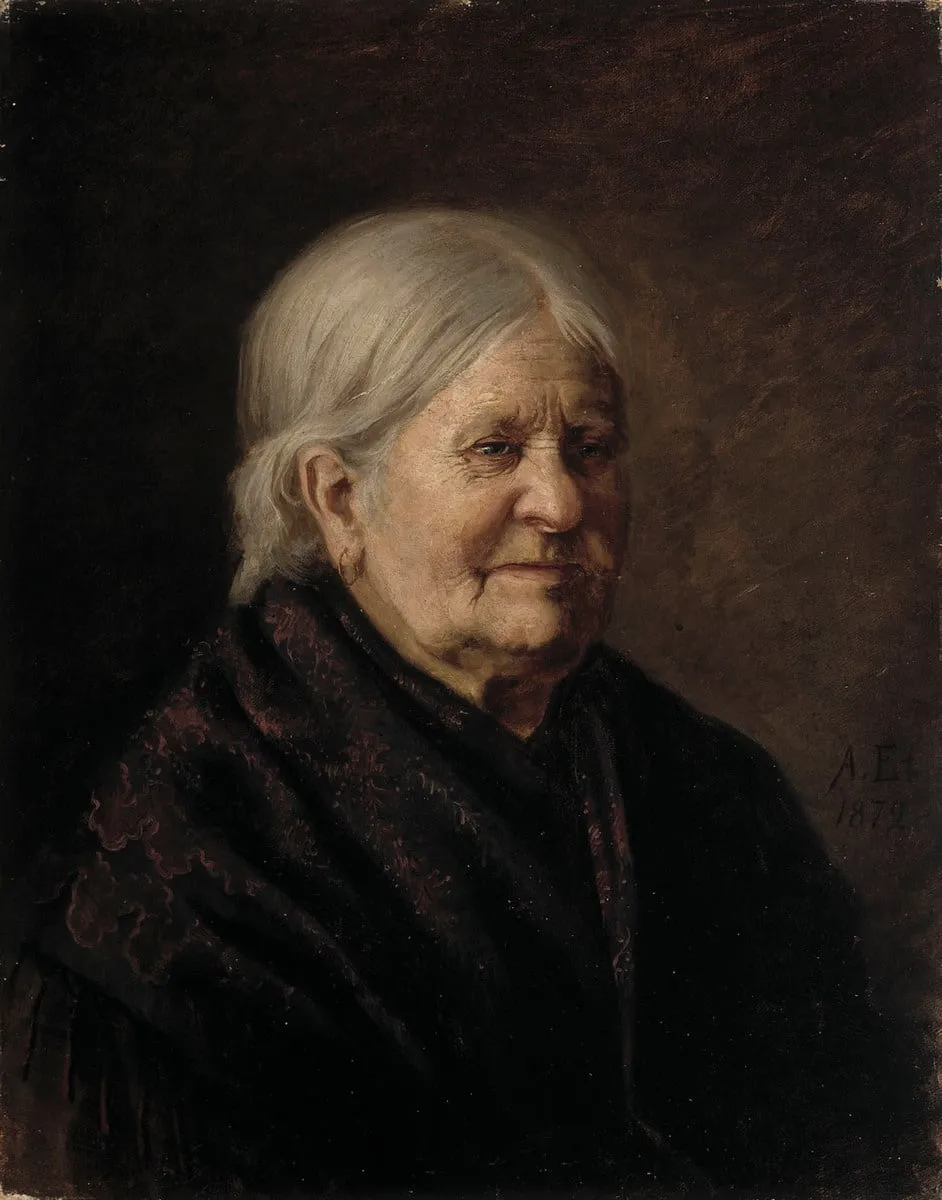
Fredrika Snyggin muotokuva (Tajta) is an unspecified painting by Albert Edelfelt. It dates from 1889 and is held in the collection of the Finnish National Gallery.
About this work
Overview
Painted around 1889 by Albert Edelfelt, this portrait depicts an elderly woman identified as Fredrika Snygg, known locally as Tajta.
Painted around 1889 by Albert Edelfelt, this portrait depicts an elderly woman identified as Fredrika Snygg, known locally as Tajta. The composition focuses tightly on her face and upper torso, set against a deep, unbroken background. Light falls gently from the right, modeling her features with quiet precision. The work belongs to a series of intimate studies Edelfelt made of Finnish rural figures during this period.
Subject & Meaning
The sitter, Fredrika Snygg, is portrayed without idealization, her age and lived experience evident in the texture of her skin and the quiet gravity of her gaze. Her downward-turned eyes and neutral expression suggest introspection rather than narrative. The absence of context or symbolic elements directs attention to her presence alone, emphasizing dignity in ordinary aging and the quiet resilience of rural life in late 19th-century Finland.
Technique & Style
Edelfelt employs chiaroscuro to define the contours of the face and shawl, using subtle gradations of light and shadow to create volume without harsh contrast. The brushwork is restrained yet deliberate, particularly in the rendering of the shawl’s faint pattern and the fine strands of white hair. The dark background isolates the figure, enhancing the three-dimensionality of her form and concentrating the viewer’s attention on her expression and texture.
History & Provenance
The portrait was likely painted during Edelfelt’s stays in Finland, where he frequently visited family and documented local inhabitants. It remained in private Finnish collections for much of the 20th century before entering a public museum’s holdings. Documentation from the artist’s correspondence confirms the sitter’s identity and the approximate date, situating the work within his broader interest in ethnographic portraiture.
Context
In the late 1880s, Edelfelt was transitioning from grand historical scenes to more personal, observational works. This portrait reflects a wider European trend toward naturalism and the dignified portrayal of common people. In Finland, such images contributed to a growing cultural identity rooted in rural life, distinct from urban or imperial narratives dominant in other parts of the continent.
Legacy
Though not widely exhibited outside Finland, the portrait is recognized for its emotional restraint and technical clarity. It exemplifies Edelfelt’s ability to convey humanity through minimal means, influencing later Finnish realist painters. Its quiet intensity continues to be studied as a model of psychological depth achieved through light, texture, and compositional focus.
Artist & collection
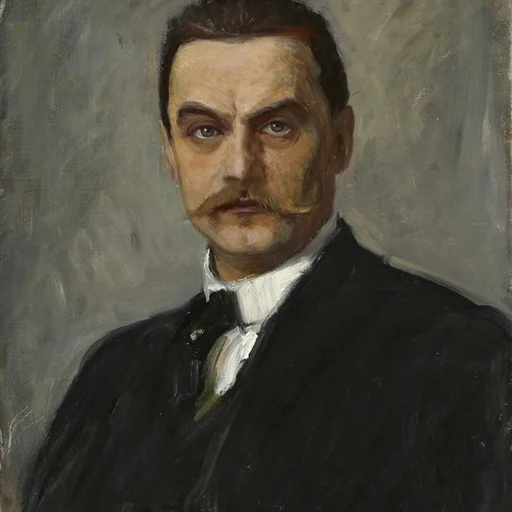
Artist
Albert Gustaf Aristides Edelfelt (21 July 1854 – 18 August 1905) was a Finnish painter noted for his naturalistic style and Realist approach to art.

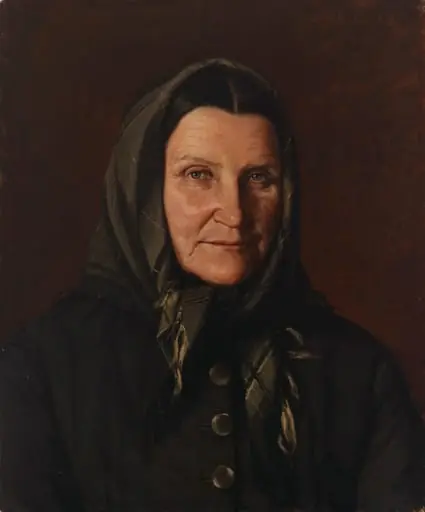 Naisen muotokuva
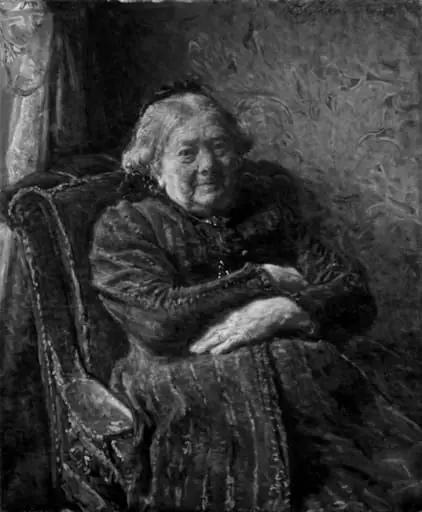 Portræt af fru Bella Philipsen, f. Natanson
 Brustbild einer alten Bäuerin
 Portrait of Doña Ignacia Martinez de Hoz de Casares
 Bejahrte Frau mit weißer Haube
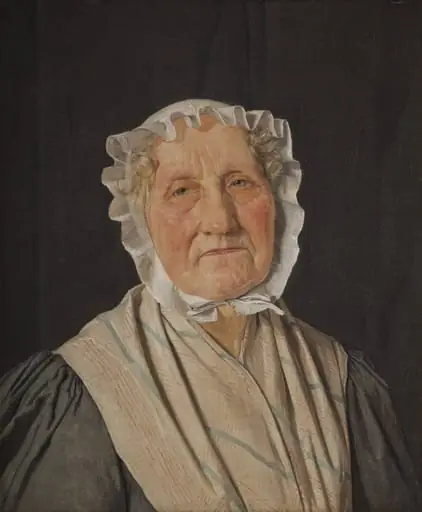 Portrait of Inger Margrethe Høyen, née Schrøder, the Mother of the Art Historian N.L. Høyen
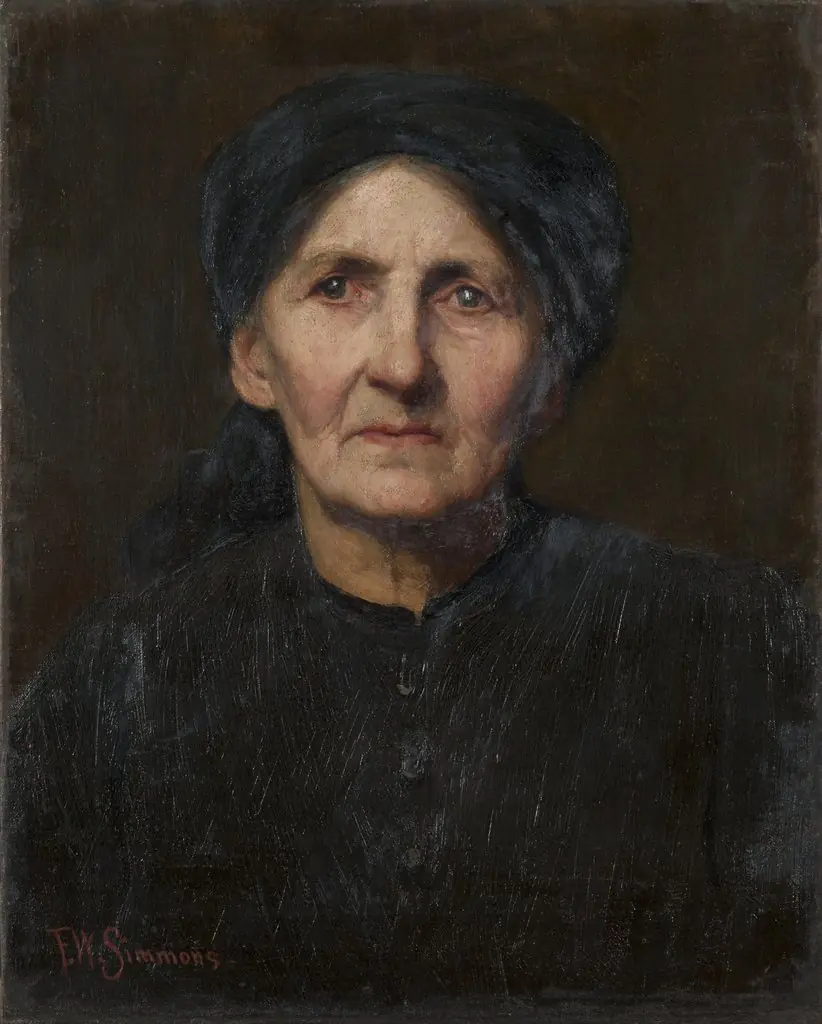 Old Peasant
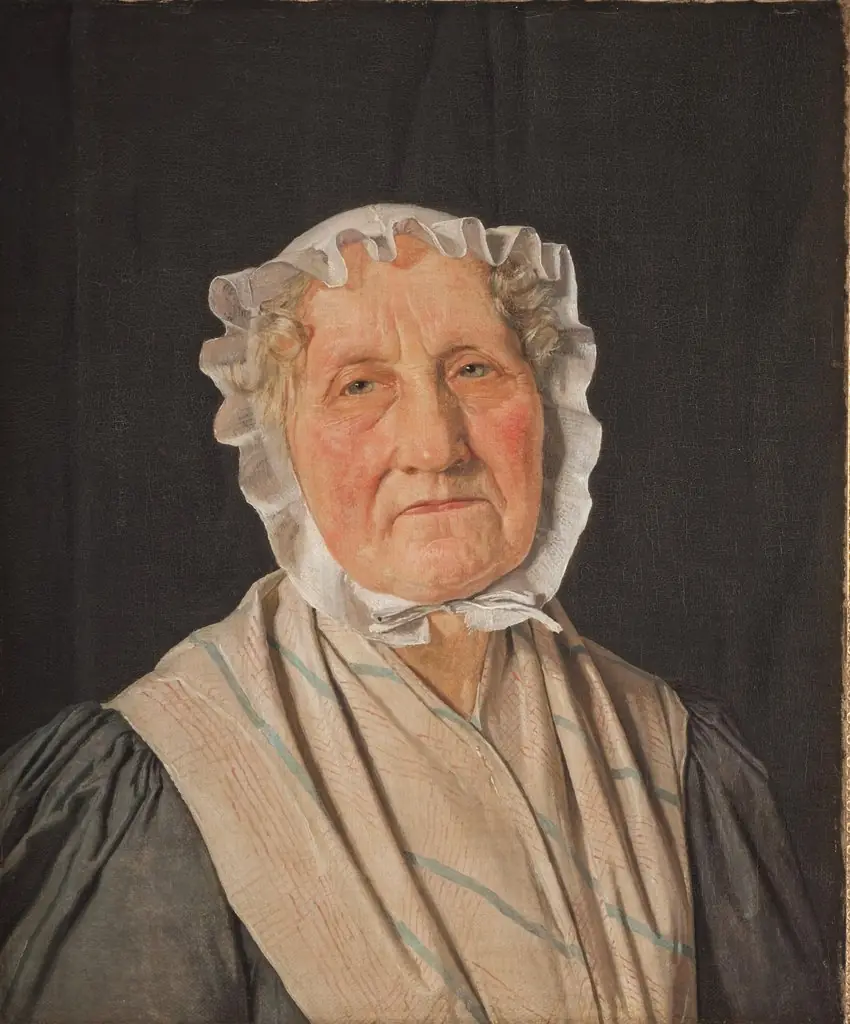 Portrait of Inger Margrethe Høyen, née Schrøder, the Mother of the Art Historian N.L. Høyen
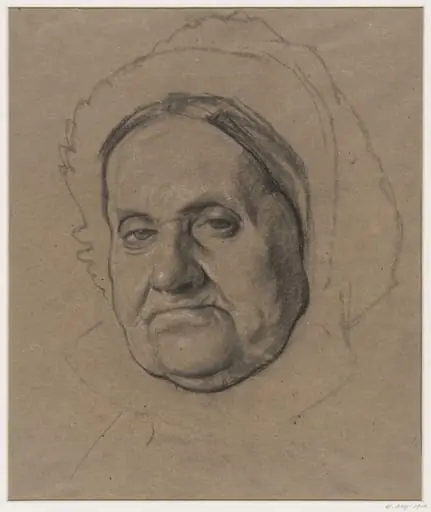 An old market woman.