Artwork
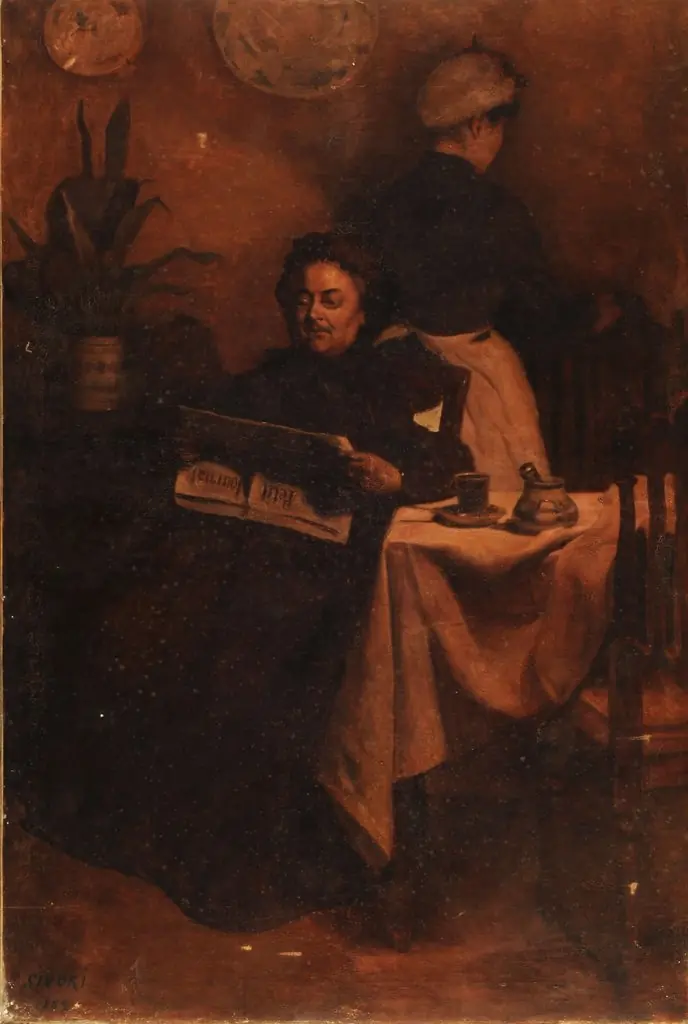
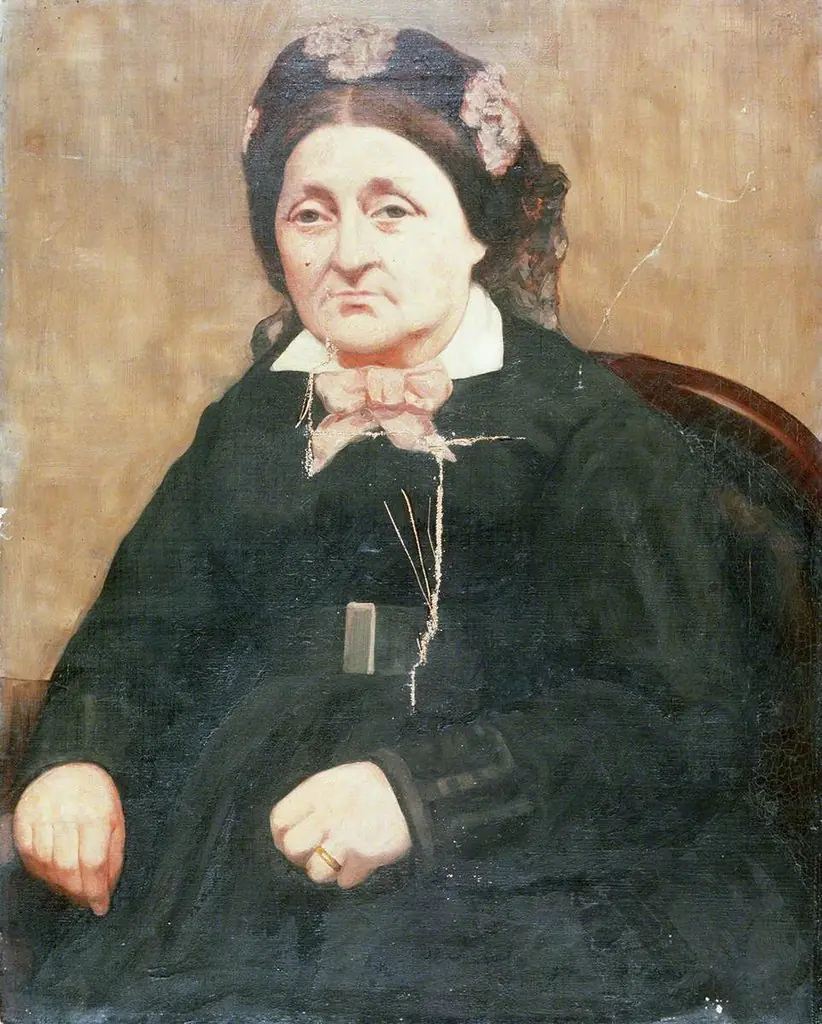
Portrait of Doña Ignacia Martinez de Hoz de Casares
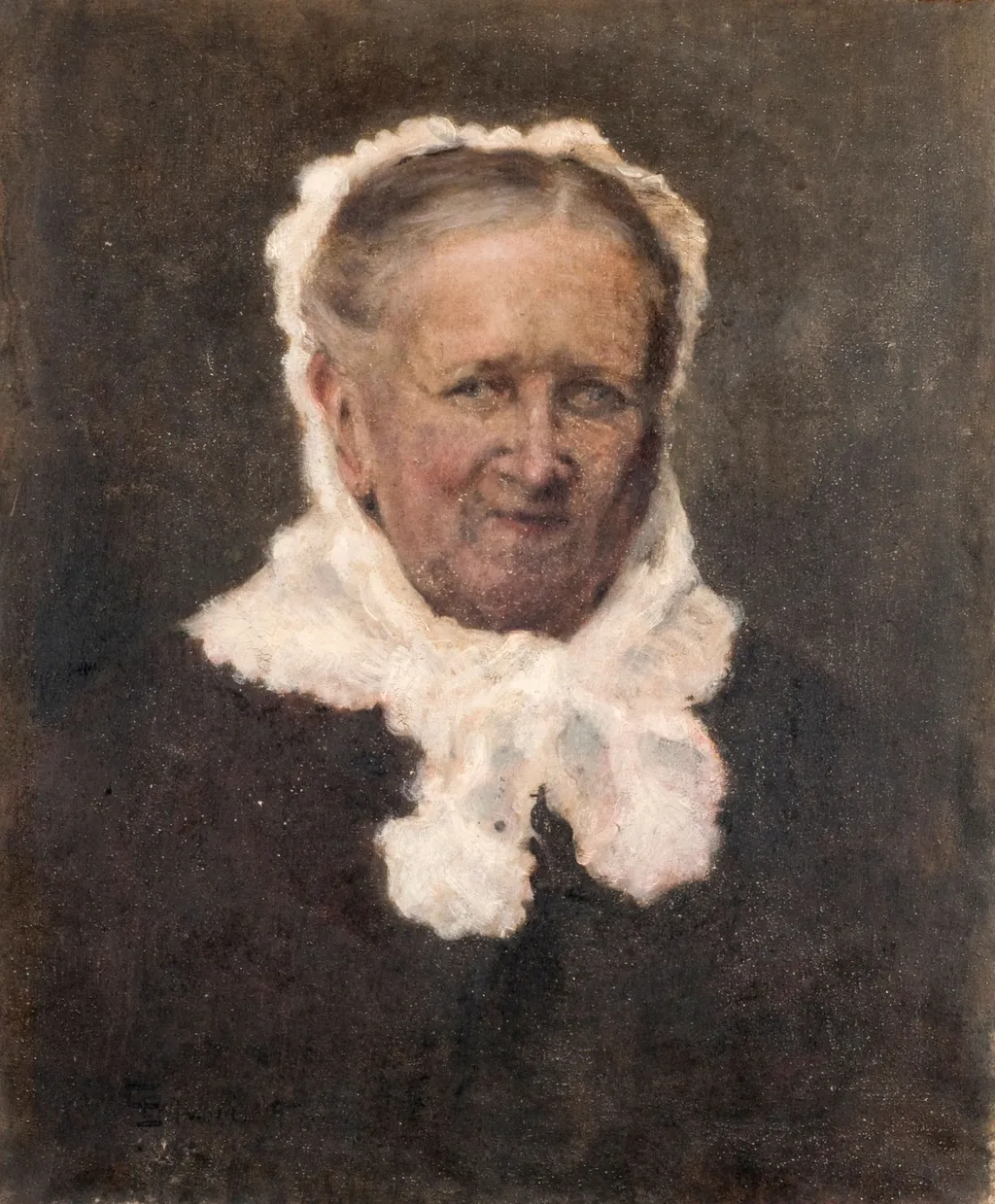
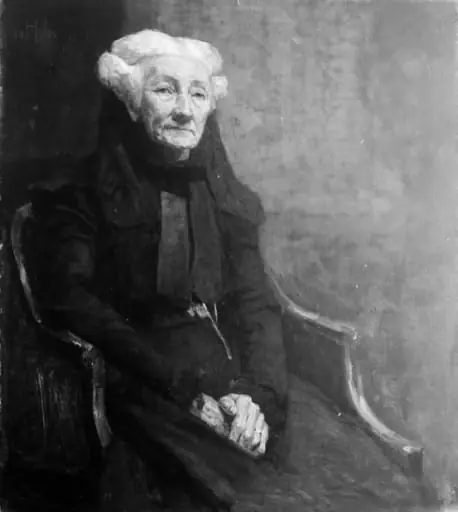
Portrait of Doña Ignacia Martinez de Hoz de Casares is an oil painting by the Impressionist artist Eduardo Sívori. It dates from 1899 and is held in the collection of the National Museum of Fine Arts, Argentina.
About this work
Overview
Painted in 1899 by Argentine artist Eduardo Sívori, this oil portrait captures Doña Ignacia Martinez de Hoz de Casares, a woman of established social standing.
Painted in 1899 by Argentine artist Eduardo Sívori, this oil portrait captures Doña Ignacia Martinez de Hoz de Casares, a woman of established social standing. Sívori, recognized for introducing realism to Argentine art, blended its attention to detail with the softer brushwork and tonal subtleties associated with impressionism. The work resides in the National Museum of Fine Arts in Buenos Aires, where it stands as a quiet example of late 19th-century Argentine portraiture.
Subject & Meaning
The sitter, an elderly woman, is portrayed with restrained composure and a calm gaze. Her white head covering and dark attire suggest modesty and traditional values, possibly reflecting her role within a conservative elite family. The absence of ornate accessories or symbolic objects shifts focus to her presence alone, emphasizing dignity through stillness rather than status markers. The painting conveys introspection, inviting contemplation of inner life over external display.
Technique & Style
Sívori employed a muted palette of grays, browns, and off-whites to create a somber, intimate atmosphere. Brushwork is delicate around the face, where soft transitions model the features without harsh lines, while the background remains loosely rendered and dark, enhancing the figure’s presence. The technique merges realist precision with impressionist sensitivity to light and texture, avoiding theatricality in favor of quiet observation.
History & Provenance
The portrait was completed in 1899 and entered the collection of the National Museum of Fine Arts in Buenos Aires shortly thereafter. It remained largely unremarked upon in public discourse until later 20th-century reassessments of Argentine realism. Its provenance is unbroken, with no documented changes in ownership since its acquisition by the museum, reflecting its status as a stable part of the national artistic record.
Context
In late 19th-century Argentina, portraiture served both personal and social functions, often affirming familial lineage and cultural identity among the landowning class. Sívori’s work emerged amid broader shifts in Latin American art, as local artists moved away from European academic models toward more personal, nationally inflected styles. This portrait reflects that transition, grounding aristocratic subject matter in a distinctly Argentine visual language.
Legacy
Though not widely exhibited outside Argentina, the portrait remains a key reference in studies of Sívori’s evolution from strict realism toward more atmospheric approaches. It exemplifies how Argentine artists of the period negotiated tradition and modernity, using restrained technique to convey psychological depth. The work continues to inform contemporary understandings of gender, class, and representation in 19th-century Argentine society.
Own this work as a print
Artist & collection
Artist
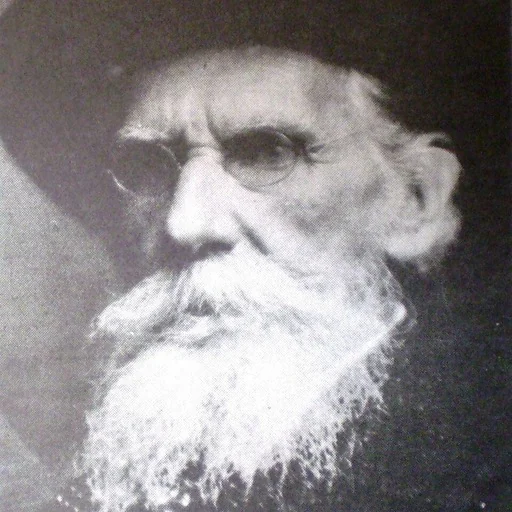
Eduardo Sívori (October 13, 1847 – June 5, 1918) was an Argentine artist widely regarded as his country's first realist painter.

Museum
National Museum of Fine Arts, Argentina
Continue through works from the same source collection.
 Mary Williams
 Retrato de Señora
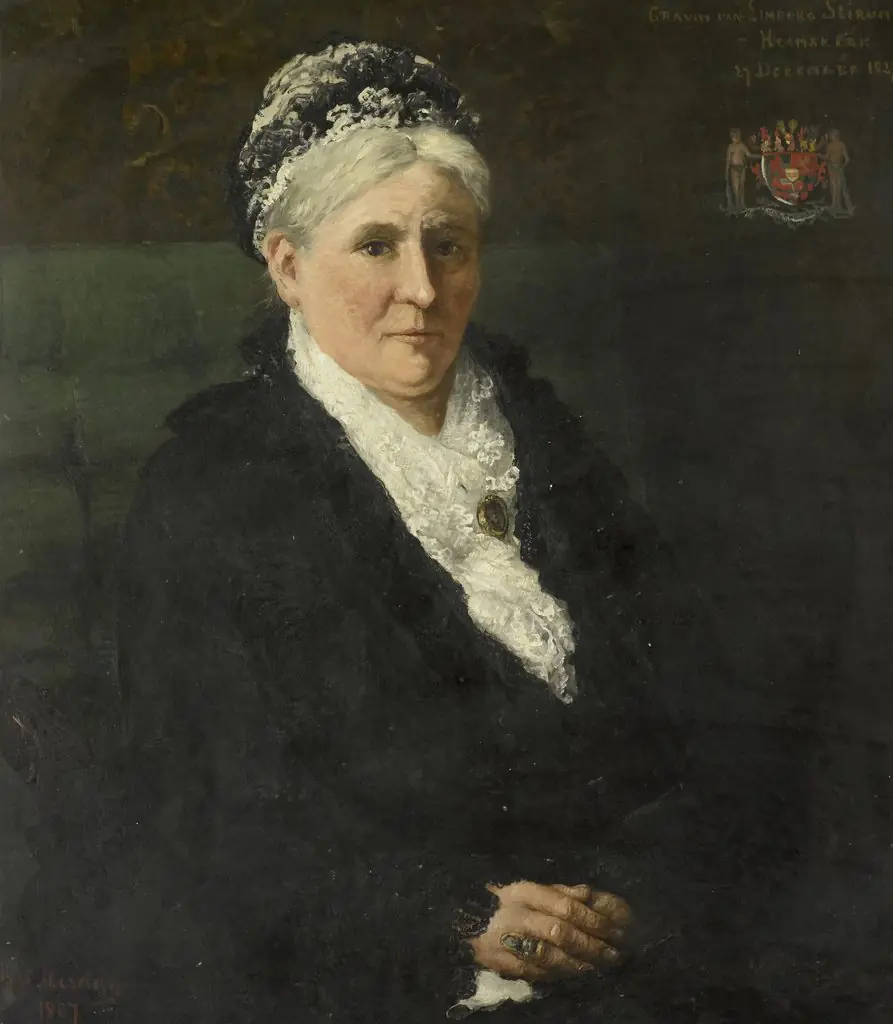 Maria Hermina Heemskerk (1827–1908). Echtgenote van Menno David Graaf van Limburg Stirum
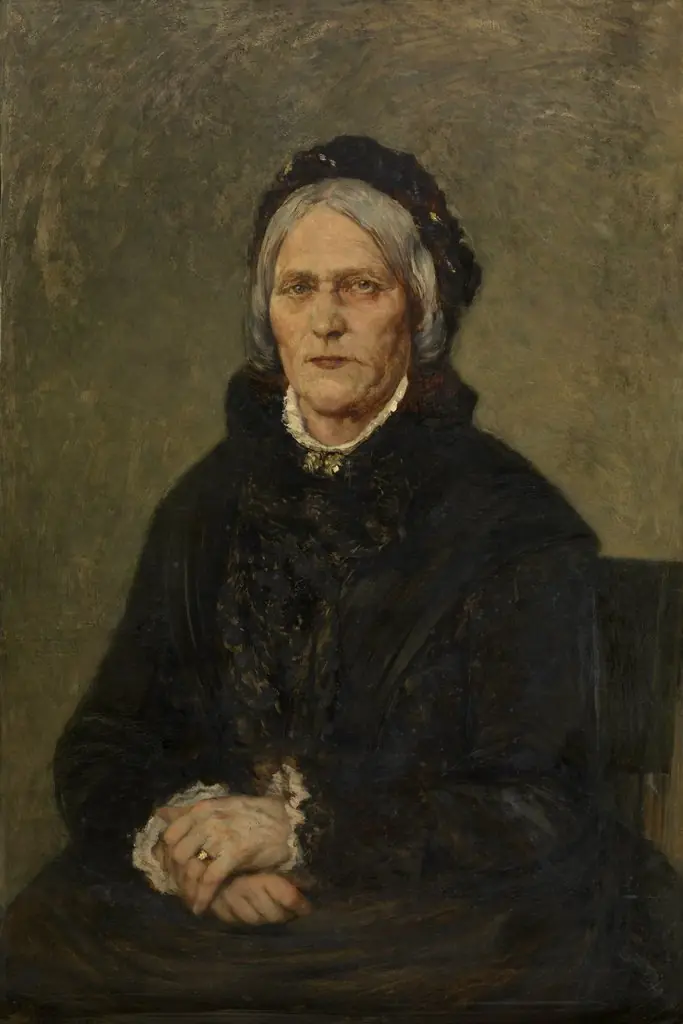 Madame Van Camp, the Artist's Mother
 Portret de familie vârstnică
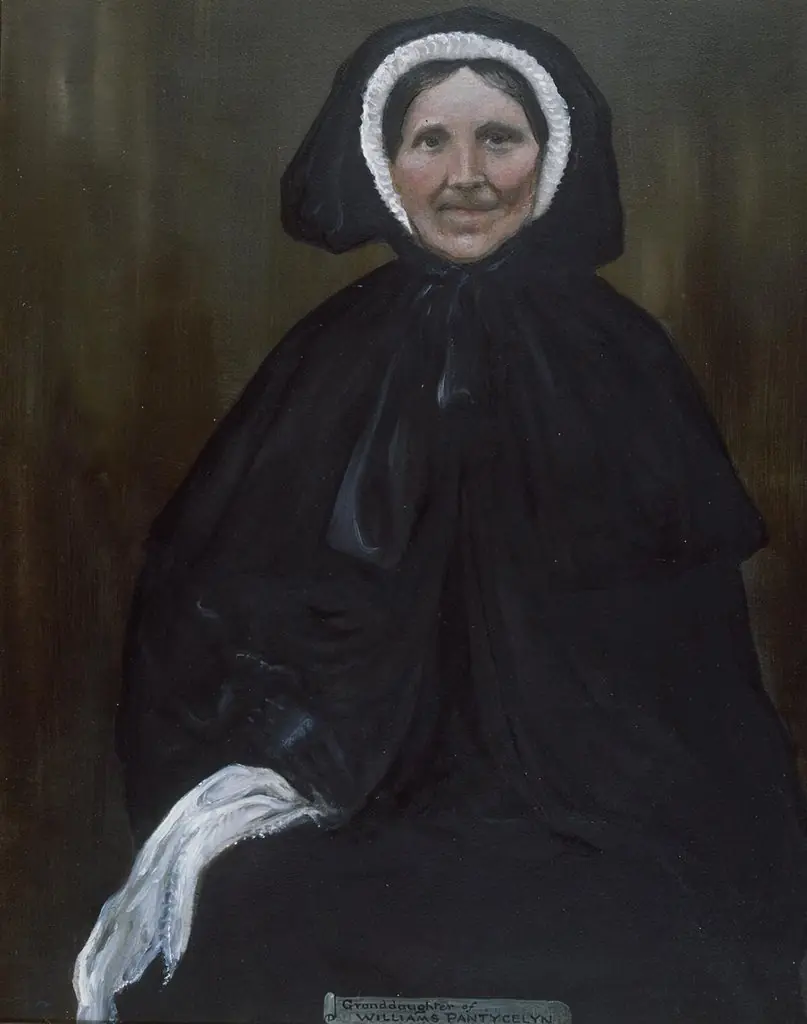 Mary Griffiths of Llandovery
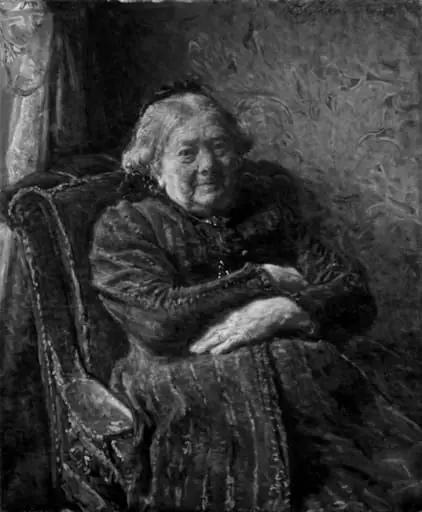 Portræt af fru Bella Philipsen, f. Natanson
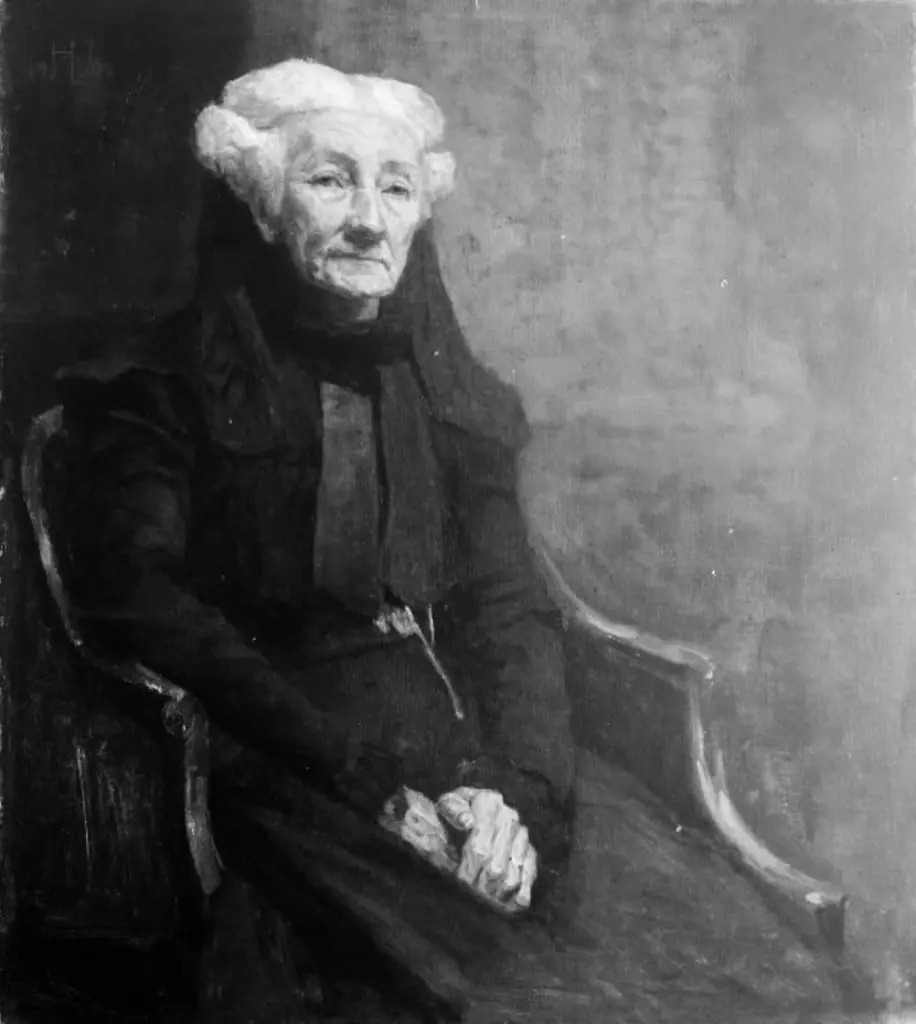 Dameportræt. Frøken Schmiegelow
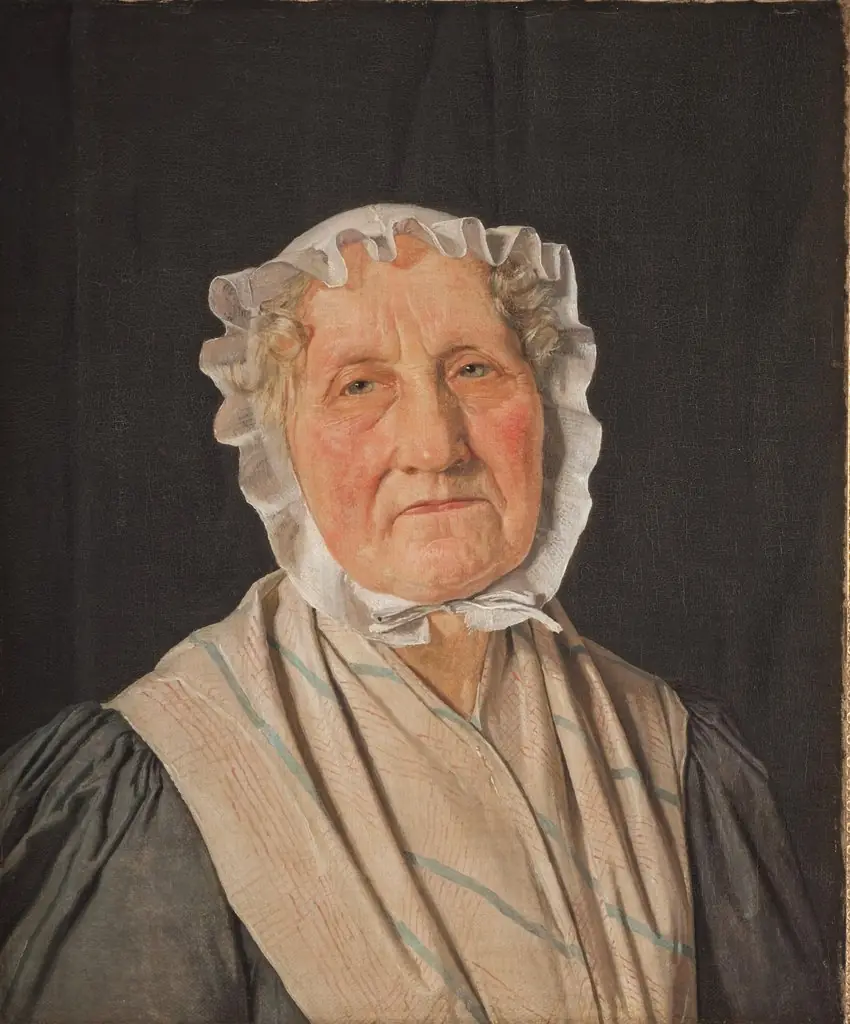 Portrait of Inger Margrethe Høyen, née Schrøder, the Mother of the Art Historian N.L. Høyen
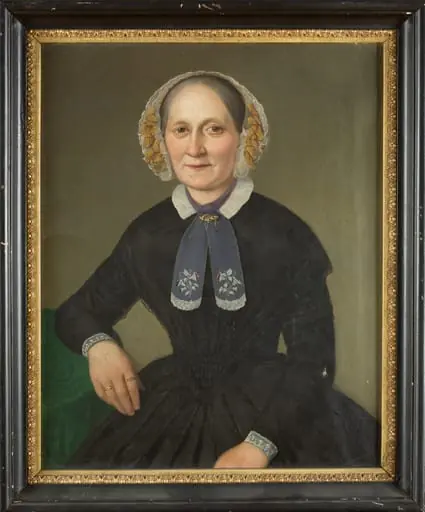 Frauenportrait
 Dameportræt. Frøken Schmiegelow
 Portrait of Inger Margrethe Høyen, née Schrøder, the Mother of the Art Historian N.L. Høyen