Artwork
Larin Paraske 1893
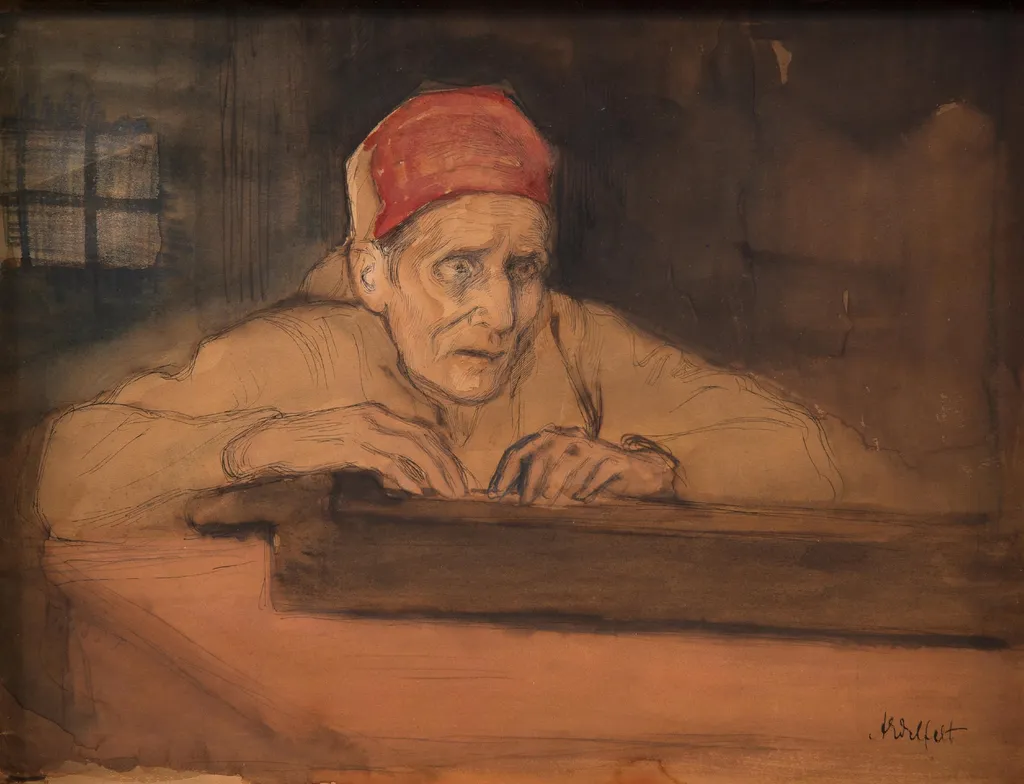
Larin Paraske 1893 is a photography by Albert Edelfelt. It dates from 1889 and is held in the collection of the Järvenpää Art Museum.
About this work
Overview
The work is rendered in oil on canvas, emphasizing texture and subtle tonal shifts rather than narrative detail.
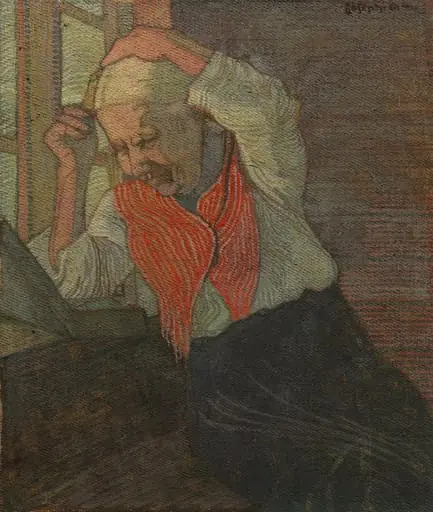
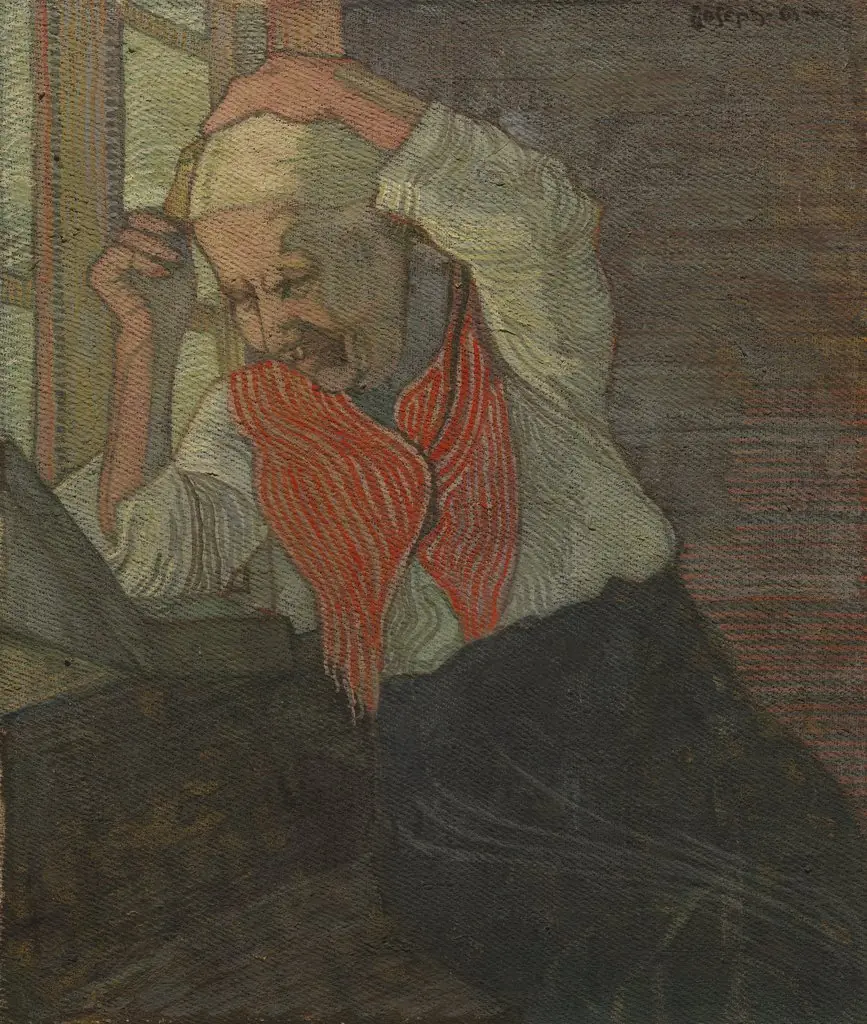
Painted around 1889 by Albert Edelfelt, this portrait depicts a woman in a moment of stillness. She sits at a table, head resting on her folded arms, her posture suggesting weariness or deep thought. The composition is tightly focused, with minimal background detail, isolating her presence. The work is rendered in oil on canvas, emphasizing texture and subtle tonal shifts rather than narrative detail.
Subject & Meaning
The figure, identified as Larin Paraske, is portrayed without overt context, inviting interpretation rather than storytelling. Her tilted head and closed expression suggest inner reflection, possibly exhaustion or solitude. The absence of identifying objects or setting removes her from a specific moment, allowing her emotional state to become the central subject. The quietude of the scene resists dramatic interpretation, favoring psychological nuance.
Technique & Style
Edelfelt employs chiaroscuro to model the figure with soft, naturalistic light, illuminating her face and hands while the surrounding space recedes into shadow. The red headscarf and white dress contrast subtly against the dark background, enhancing focus on her form. Brushwork is restrained yet precise, with delicate transitions between tones that convey texture without overt detail. The style aligns with late 19th-century realism, prioritizing emotional resonance over theatricality.
History & Provenance
The painting was created during Edelfelt’s time in Finland, where he frequently depicted local figures with empathy and attention to daily life. Larin Paraske, a Finnish Romani woman, was one of several individuals he portrayed in intimate settings. The work remained in private collections for decades before entering a public museum, where it is now preserved as part of Finland’s national art heritage.
Context
In the late 1880s, Edelfelt shifted from grand historical subjects to quieter, domestic scenes, influenced by French realism and his own interest in ordinary people. His portrayals of Romani individuals were uncommon in Finnish art at the time, offering a rare glimpse into marginalized lives without exoticization. This work reflects broader European trends toward psychological portraiture and social observation.
Legacy
The painting endures as a quiet testament to Edelfelt’s ability to convey dignity in stillness. It is studied for its restrained emotional power and technical control, standing apart from more dramatic contemporaries. While not widely exhibited, it holds significance in Finnish art history for its humanistic approach and its contribution to the representation of Romani individuals in visual culture.
Artist & collection
Artist
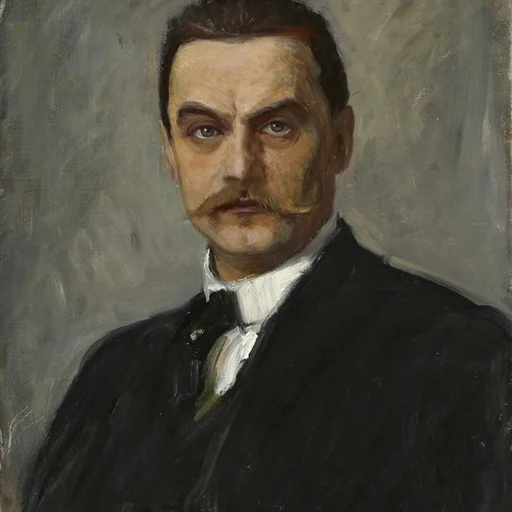
Albert Gustaf Aristides Edelfelt (21 July 1854 – 18 August 1905) was a Finnish painter noted for his naturalistic style and Realist approach to art.