Artwork
Trois danseuses, jupes jaunes
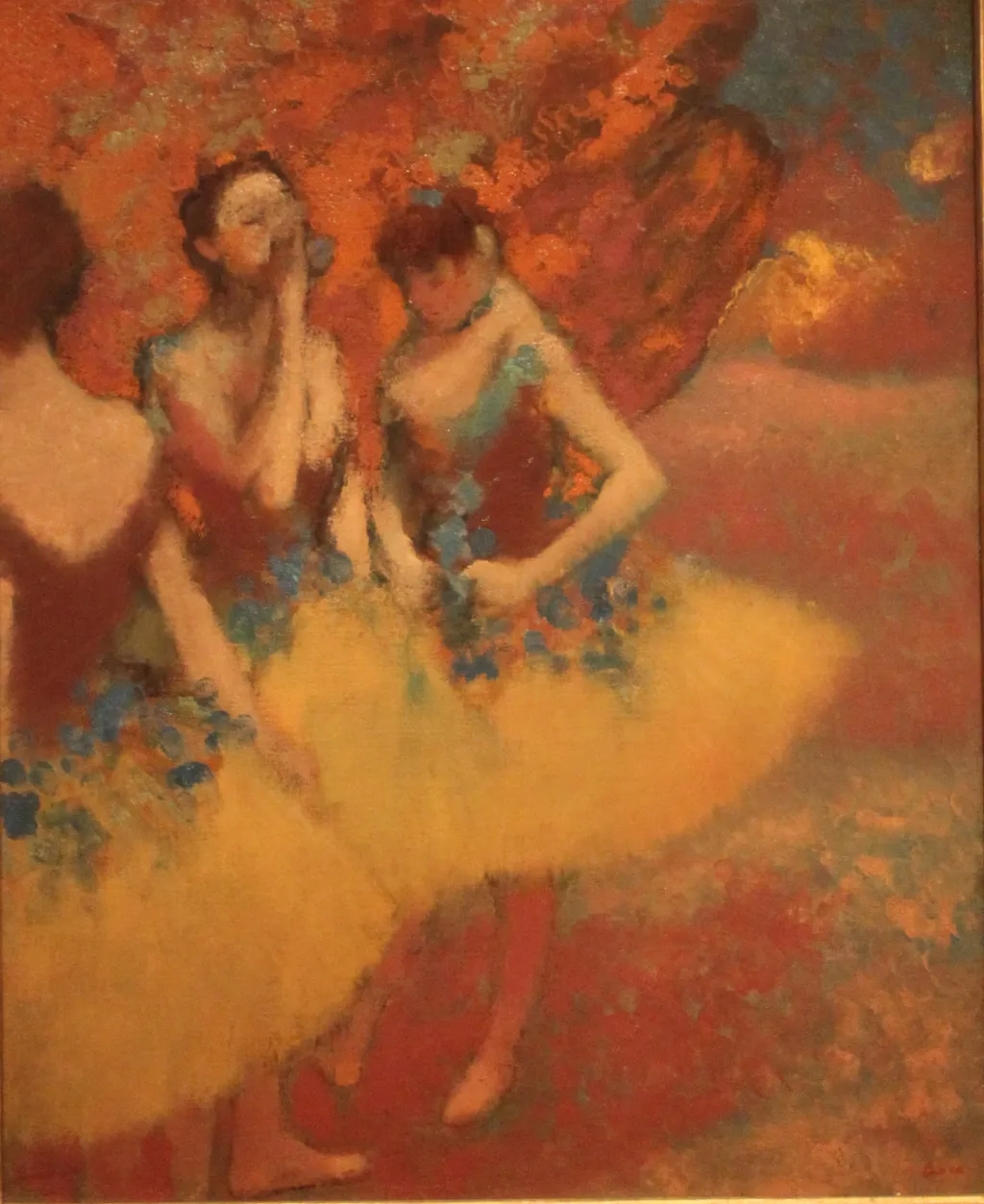
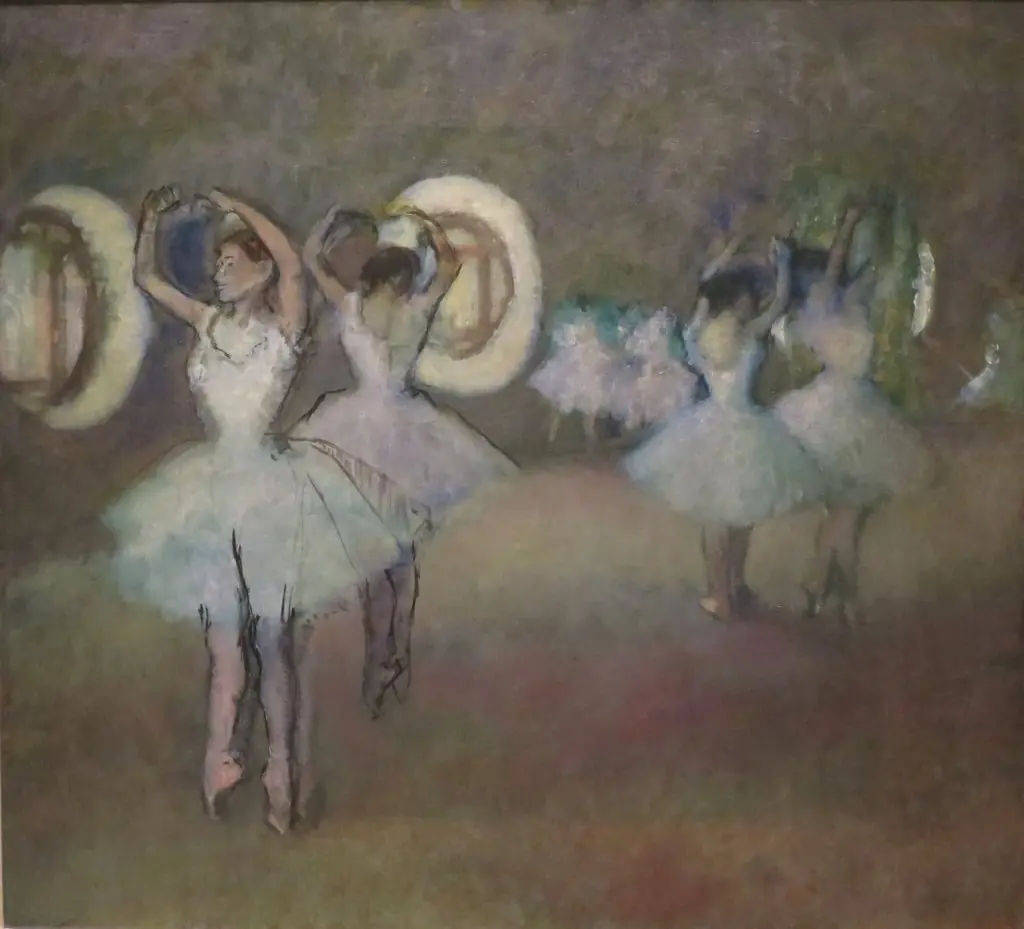
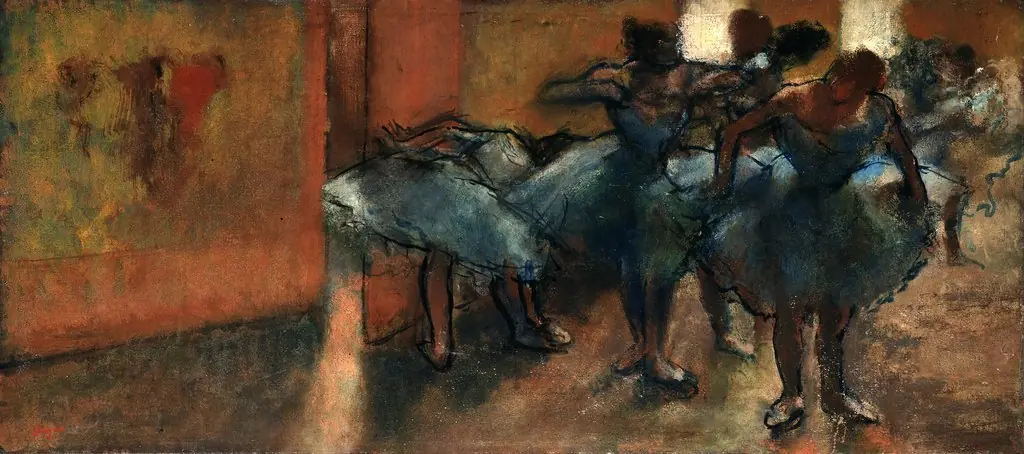
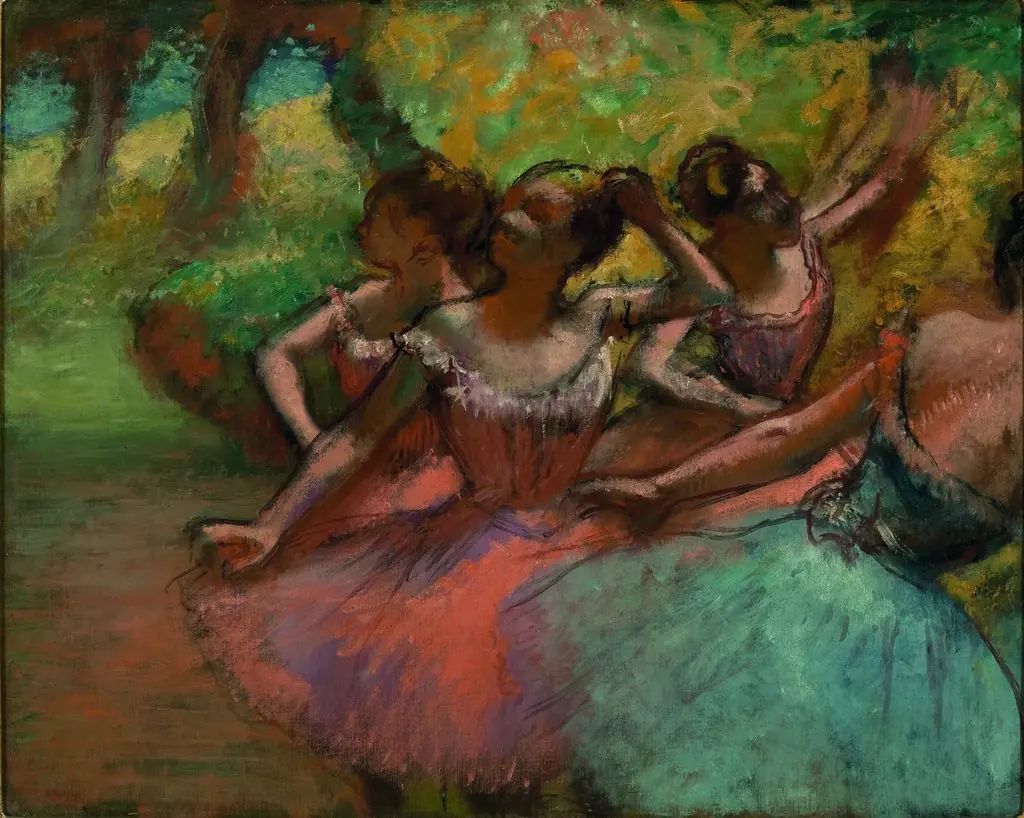
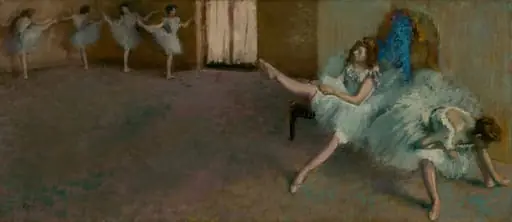
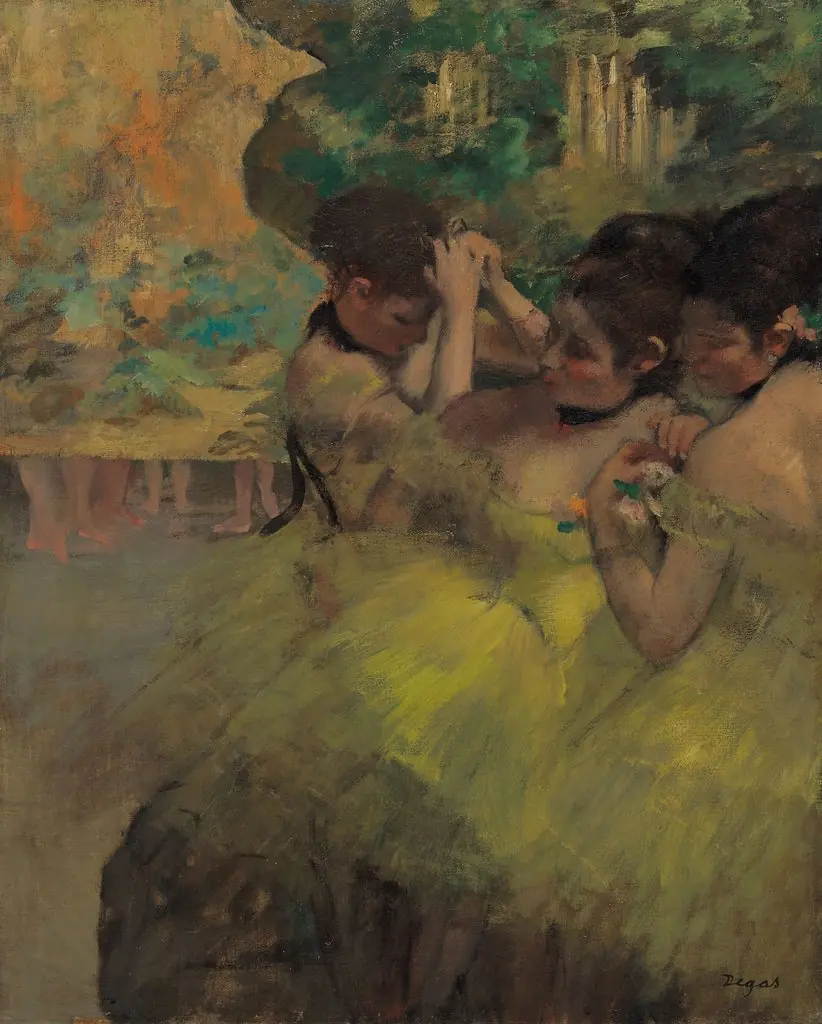
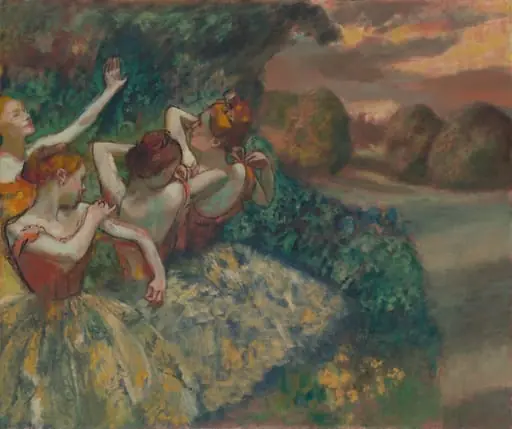
Trois danseuses, jupes jaunes is an oil painting by the Impressionist artist Edgar Degas. It dates from 1896 and is held in the collection of the Hammer Museum.
About this work
Overview
Painted in 1896 by Edgar Degas, Trois danseuses, jupes jaunes is an oil-on-canvas work depicting three ballet dancers in an interior setting.
Painted in 1896 by Edgar Degas, Trois danseuses, jupes jaunes is an oil-on-canvas work depicting three ballet dancers in an interior setting. It resides in the collection of the Hammer Museum in Los Angeles. The composition captures a quiet, unguarded moment among performers, rendered with loose brushwork and a muted, atmospheric palette that suggests movement and transience rather than formal pose.
Subject & Meaning
The three figures, each in distinct poses, convey a sense of individual introspection amid the shared space of rehearsal. One gazes downward, another upward, and the third adjusts her skirt, suggesting fatigue or quiet preparation. The absence of theatrical grandeur shifts focus to the private, physical reality of dancers—moments between performance, emphasizing routine over spectacle.
Technique & Style
Degas employs a fluid, almost impressionistic brushwork, with colors softly blended and edges deliberately softened. The background’s warm reds and oranges merge with the figures’ costumes, creating a sense of spatial ambiguity. The apparent unfinished quality reflects his interest in capturing fleeting motion and light, prioritizing sensory impression over polished detail.
History & Provenance
The painting was completed in 1896 during a period when Degas increasingly focused on dancers in informal settings. It entered the Hammer Museum’s collection through the collection of Armand Hammer, who acquired numerous works by 19th-century French artists. Its provenance remains relatively straightforward, with no major documented transfers prior to its museum acquisition.
Context
In the 1890s, Degas turned away from public performances toward intimate backstage scenes, reflecting broader shifts in his artistic concerns. His interest in movement, posture, and the physical toll of dance aligned with contemporary studies of the human body and modern urban life. This work fits within a series exploring dancers’ private moments, distinct from the idealized ballet imagery of the time.
Legacy
Trois danseuses, jupes jaunes exemplifies Degas’s late style—less concerned with narrative clarity than with texture, light, and psychological nuance. It influenced later artists interested in the ambiguity of form and the emotional weight of everyday gestures. The painting remains a quiet testament to his evolving vision of modernity through the lens of the dancer’s world.
Artist & collection
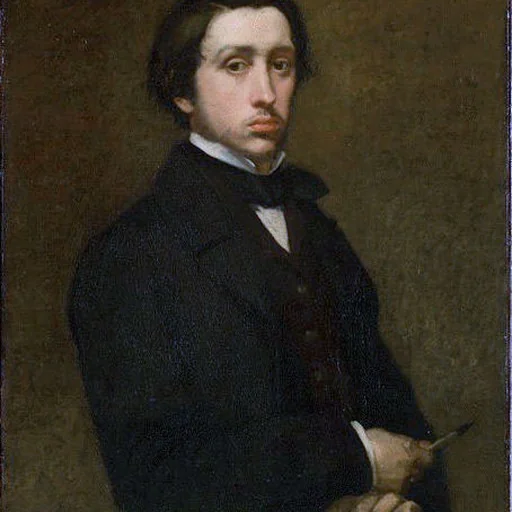
Artist
Born Hilaire-Germain-Edgar De Gas on 19 July 1834 in Paris, Edgar Degas came from an affluent banking family with aristocratic roots and spent his childhood among the cultivated circles of the French capital.