Artwork
Self-portrait
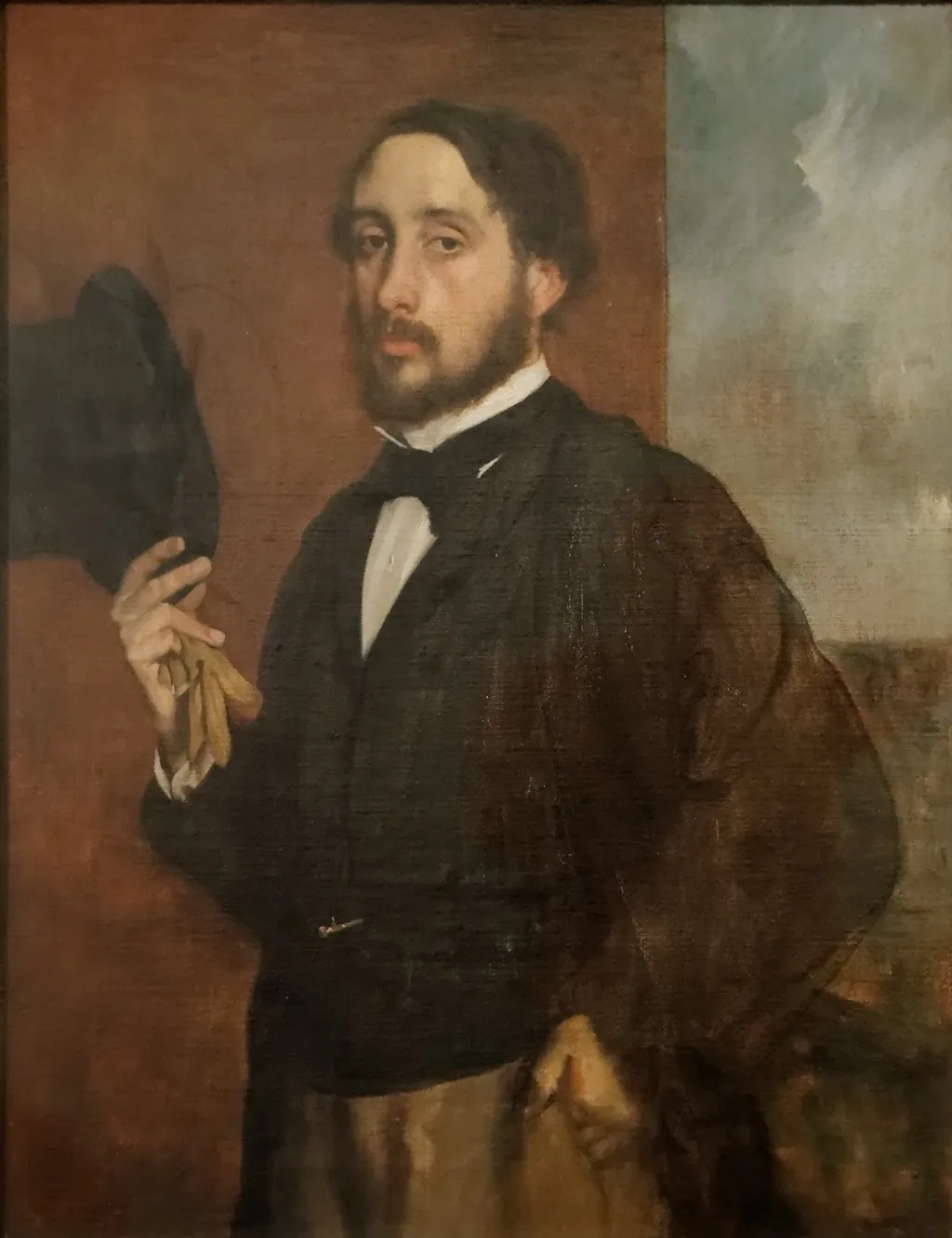
Self-portrait is an oil painting by the Realist artist Edgar Degas. It dates from 1863 and is held in the collection of the Calouste Gulbenkian Museum.
About this work
Overview
The painting reflects a moment of quiet self-scrutiny, typical of Degas’s early explorations of identity through portraiture.
Painted in 1863, this oil on canvas work is a self-portrait by Edgar Degas. It presents the artist in formal attire—black jacket, white shirt, and black bow tie—holding a hat in his right hand. The warm brown background frames his figure without distraction, emphasizing his direct gaze and composed posture. The painting reflects a moment of quiet self-scrutiny, typical of Degas’s early explorations of identity through portraiture.
Subject & Meaning
Degas portrays himself with a solemn, inward-focused expression, avoiding theatricality or idealization. His dark beard and neatly styled hair convey a sense of personal dignity, while the hat held loosely suggests pause or transition. The direct eye contact with the viewer invites reflection rather than engagement, positioning the portrait as an act of personal reckoning rather than public presentation.
Technique & Style
Degas employs a restrained palette and controlled brushwork, favoring subtle tonal shifts over dramatic contrast. The texture of the fabric is rendered with precision, particularly in the crispness of the shirt and the soft sheen of the hat. The background’s muted warmth grounds the figure without competing, allowing the psychological weight of the face to dominate. His approach aligns with 19th-century academic portraiture but with a distinct emotional reserve.
History & Provenance
The painting entered the collection of the Calouste Gulbenkian Museum in Lisbon through the bequest of the Armenian oil magnate and art collector Calouste Gulbenkian. It has remained in the museum’s permanent holdings since the institution’s founding in the 1960s. Its provenance traces back to Degas’s personal archive, indicating it was retained by the artist or his close circle after completion.
Context
Created during Degas’s formative years, this portrait predates his famous ballet and horse subjects. At the time, he was deeply engaged with Old Master traditions and the psychological depth of portraiture, influenced by Ingres and Delacroix. The work reflects his early commitment to capturing character through stillness and observation, before his later focus on movement and modern life.
Legacy
Though less known than his later works, this self-portrait offers insight into Degas’s evolving self-perception and artistic discipline. It stands as a rare, unadorned image of the artist in his youth, revealing a contemplative side often overshadowed by his dynamic compositions. Its presence in a major European museum underscores its role as a key document of 19th-century artist self-representation.
Own this work as a print
Artist & collection
Artist
Born Hilaire-Germain-Edgar De Gas on 19 July 1834 in Paris, Edgar Degas came from an affluent banking family with aristocratic roots and spent his childhood among the cultivated circles of the French capital.

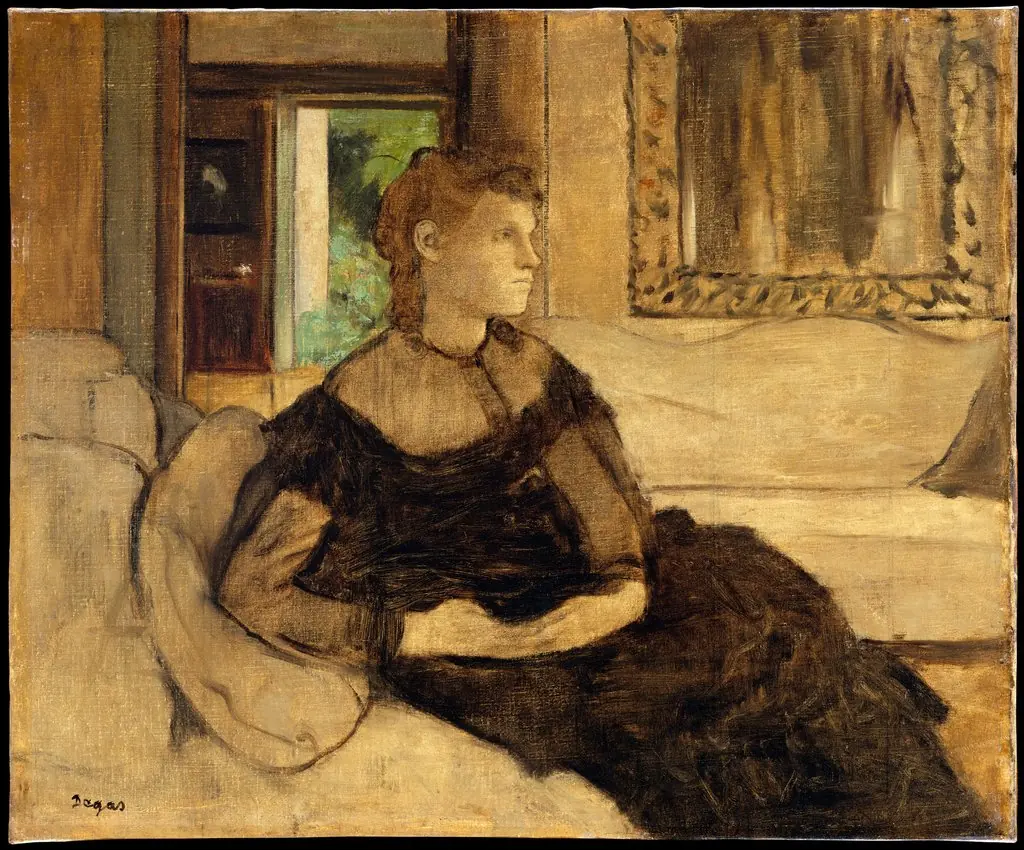
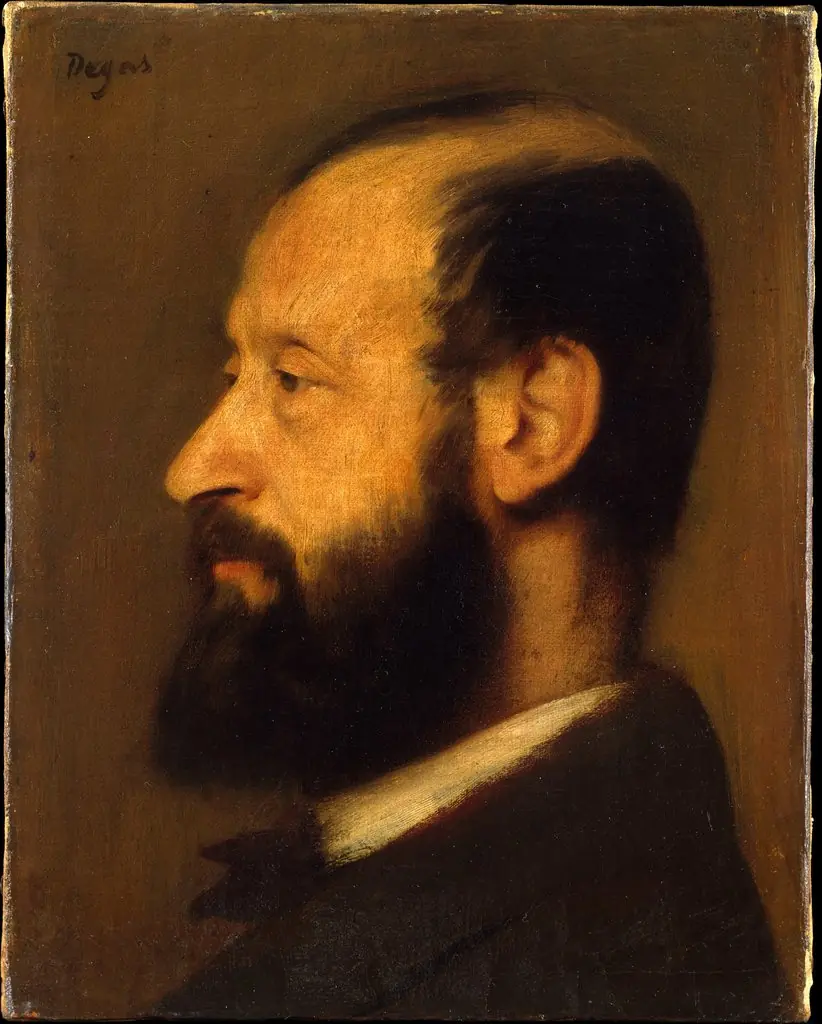
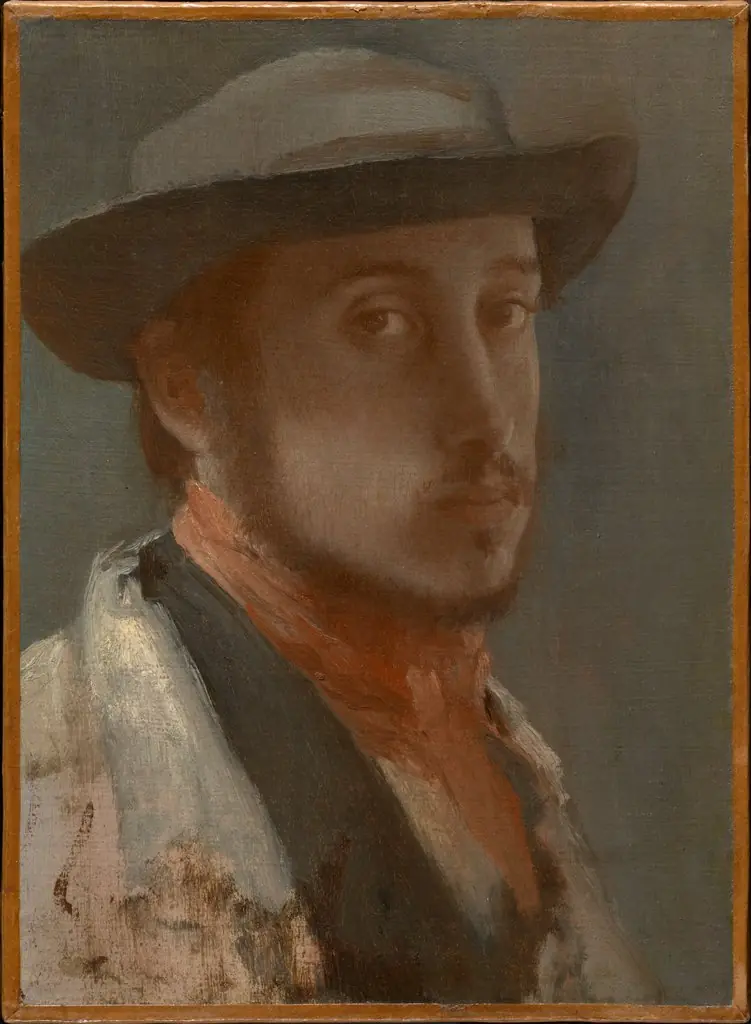 Self-Portrait
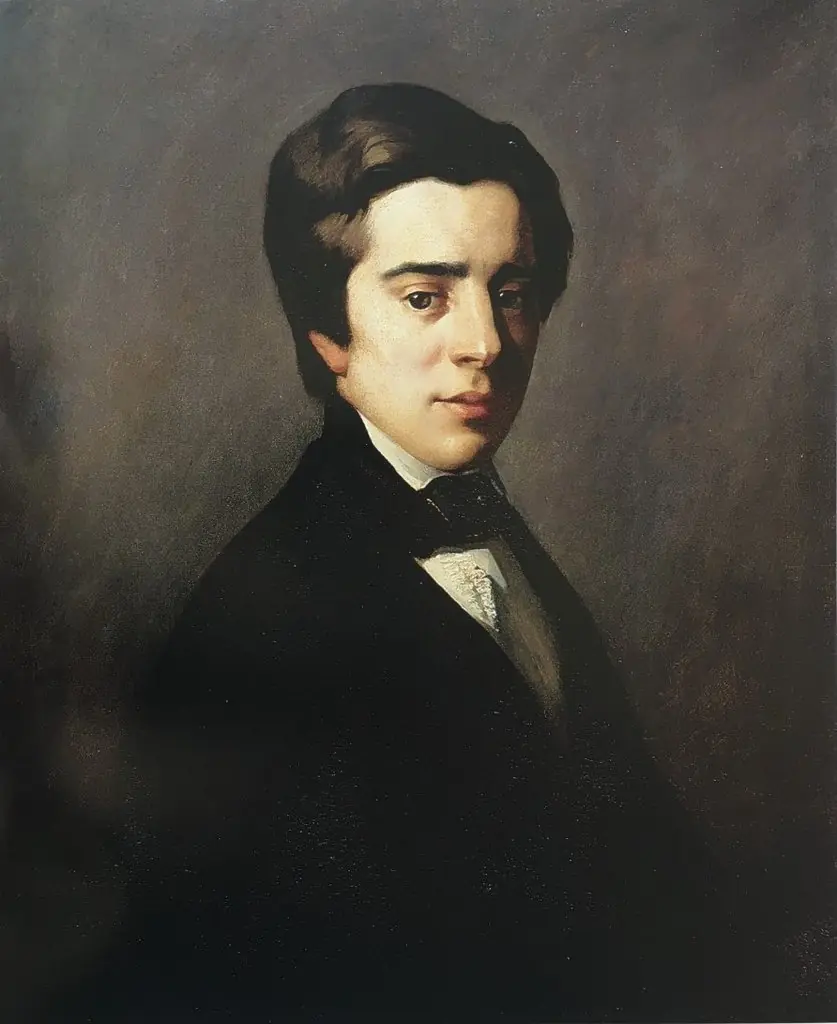 Portrait of Félix-Bienaimé Feuardent
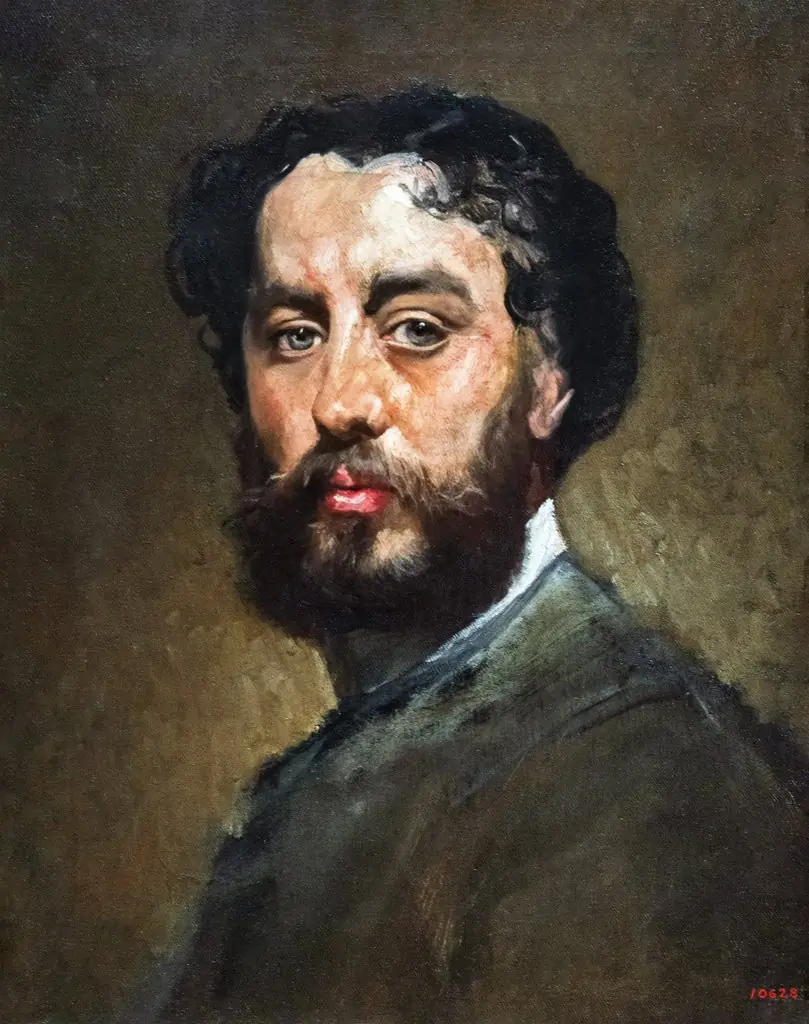 Self-portrait
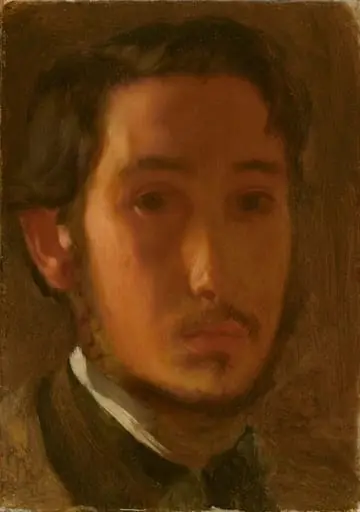 Self-Portrait with White Collar
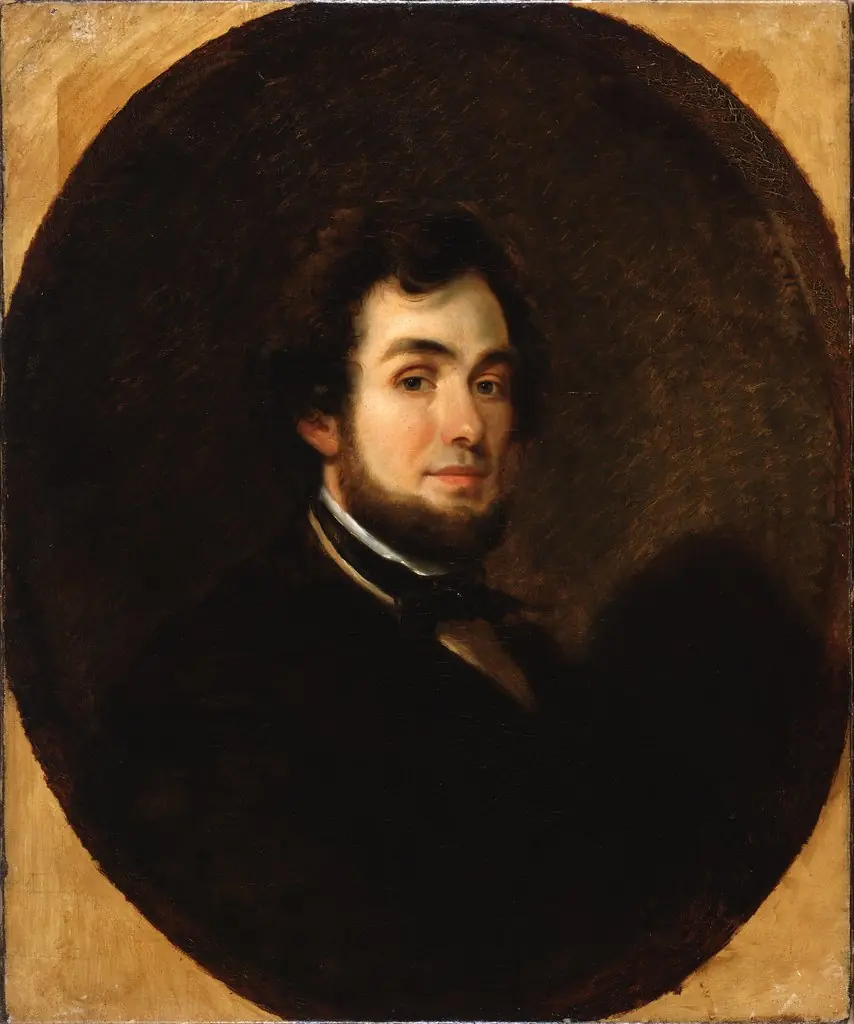 Self-Portrait
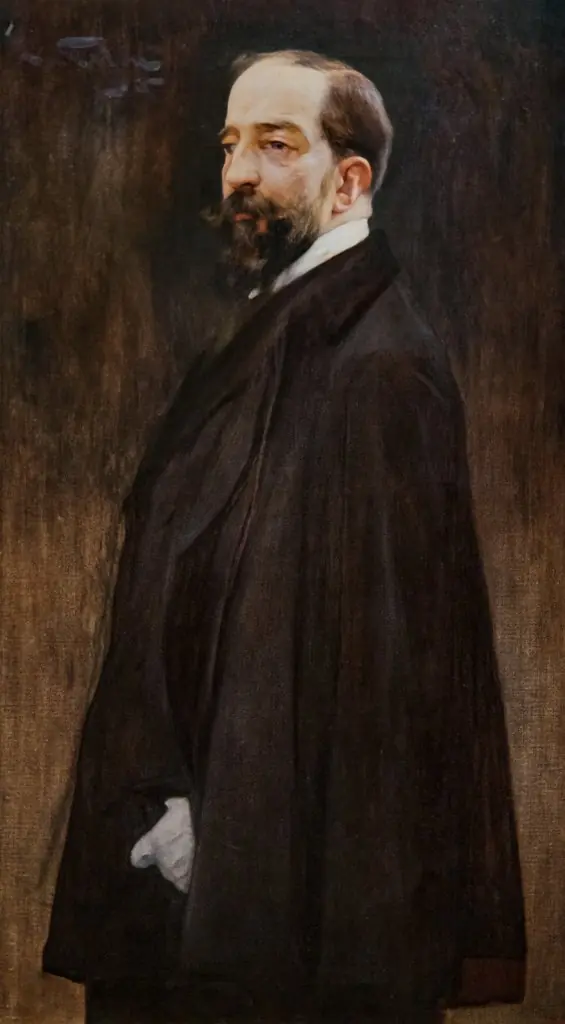 Retrat de Joan Baptista Parés (1847-1926) (Museu Nacional d'Art de Catalunya, inv 010150-000)
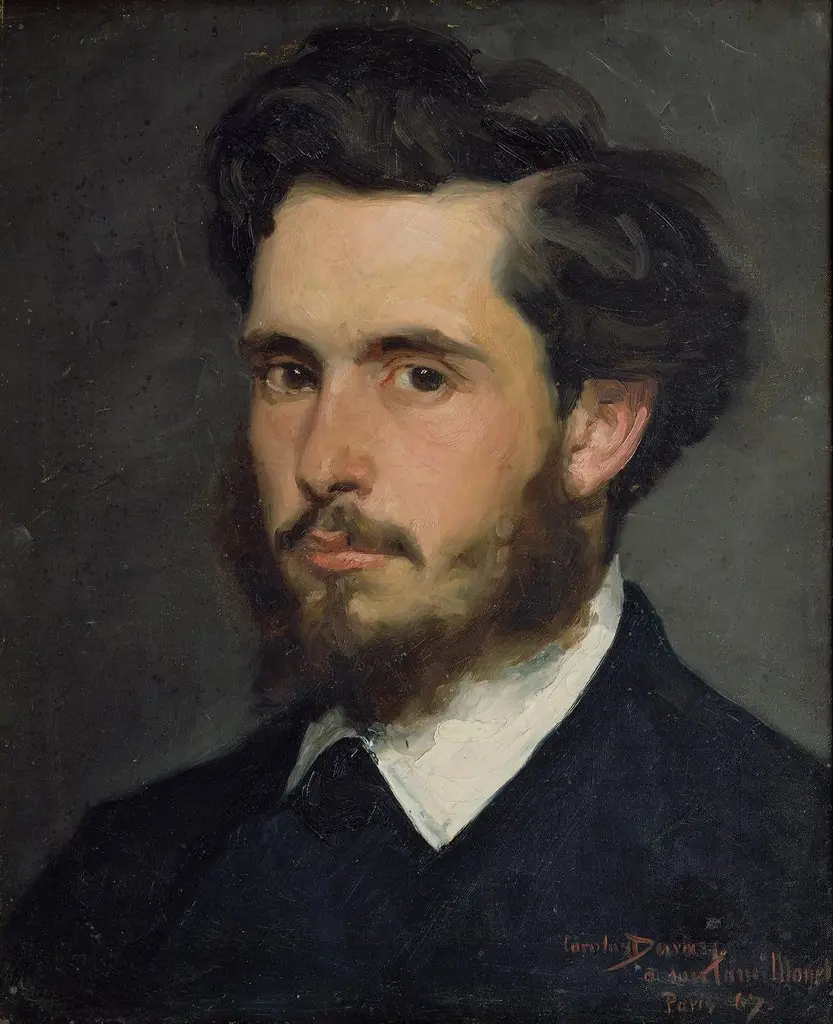 Portrait de Claude Monet
 Portrait of a Man
 Selbstporträt
 Jaime Girona y Agrafel
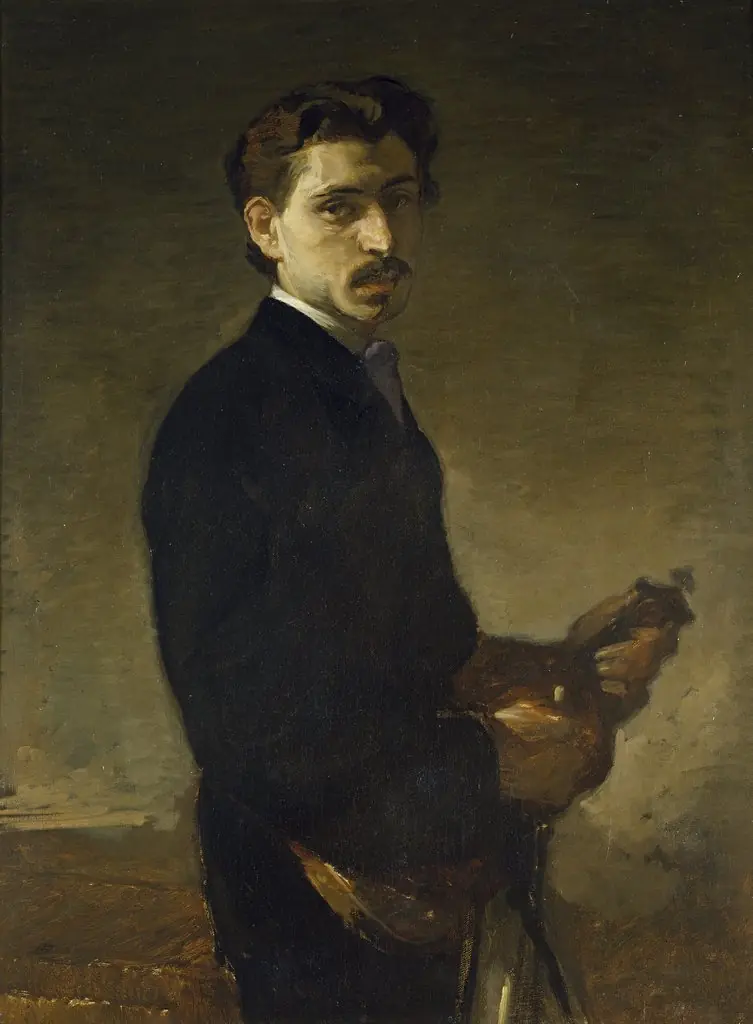 Ettore Pinelli, the Violinist
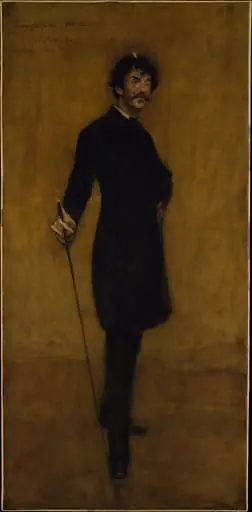 James Abbott McNeill Whistler