Artwork
Self-Portrait
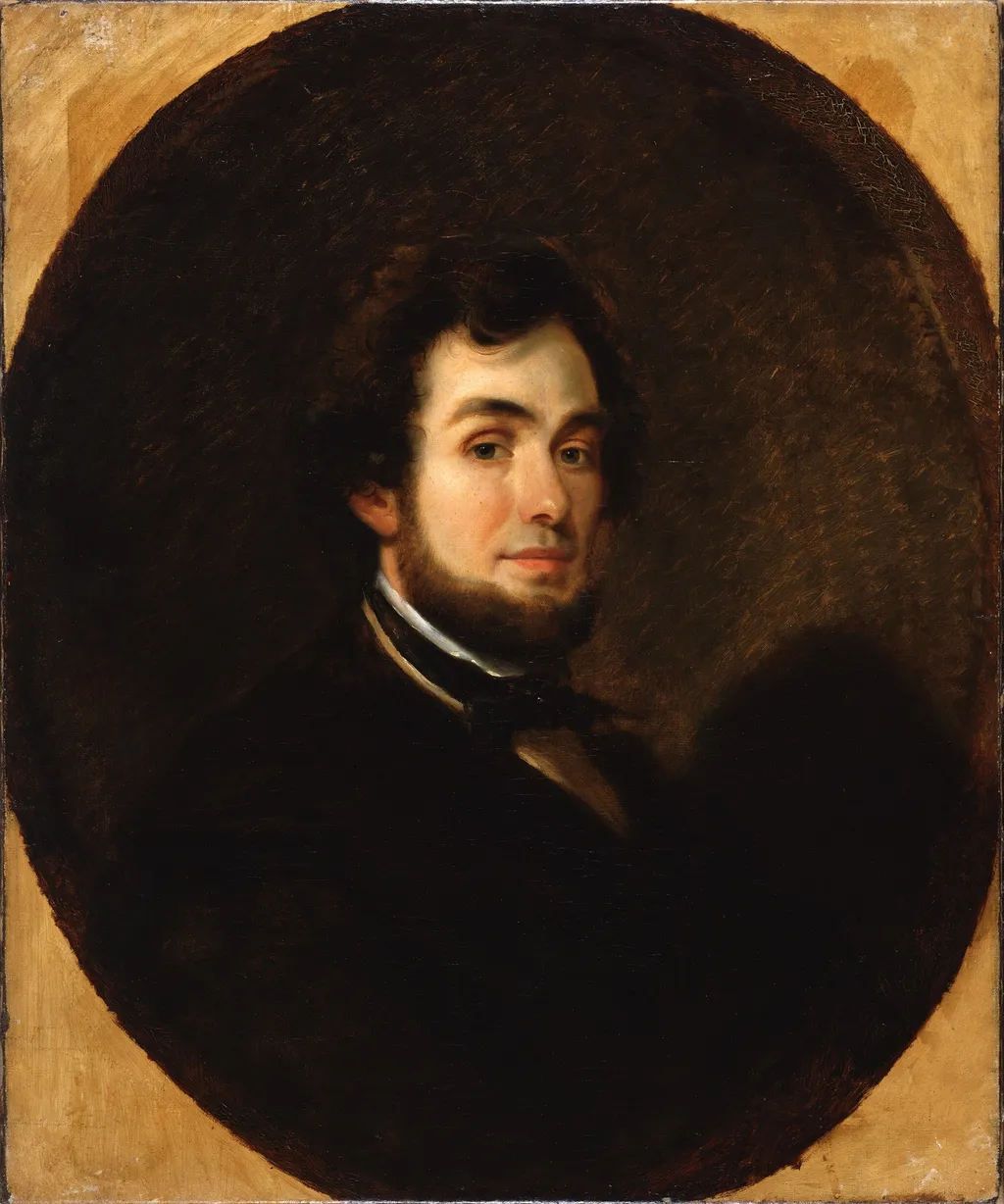
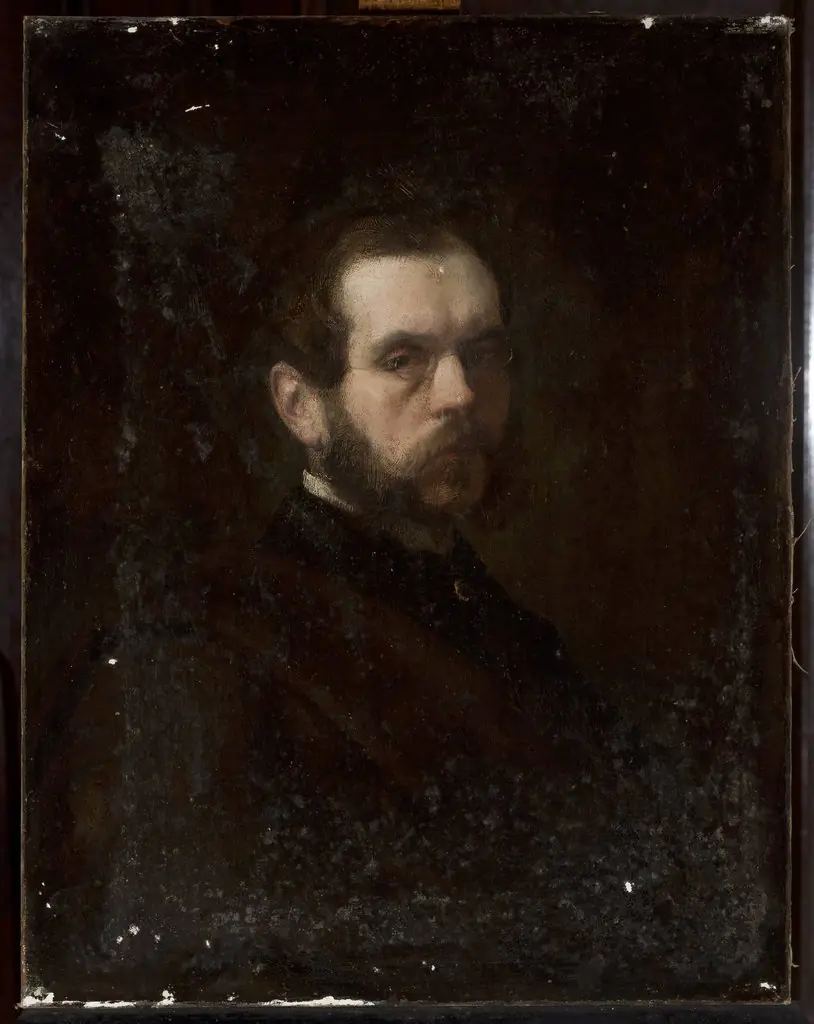
Self-Portrait is an oil painting by Alfred Jacob Miller. It dates from 1850 and is held in the collection of the Walters Art Museum. Created circa 1850, this oil on canvas presents the artist’s own likeness in a restrained portrait format.
About this work
Overview
Created circa 1850, this oil on canvas presents the artist’s own likeness in a restrained portrait format. The figure is set against a warm, earthy backdrop that frames the composition with a subtle lighter border. The work resides in the collection of the Walters Art Museum, offering a glimpse into the personal side of a painter better known for his western scenes.
Subject & Meaning
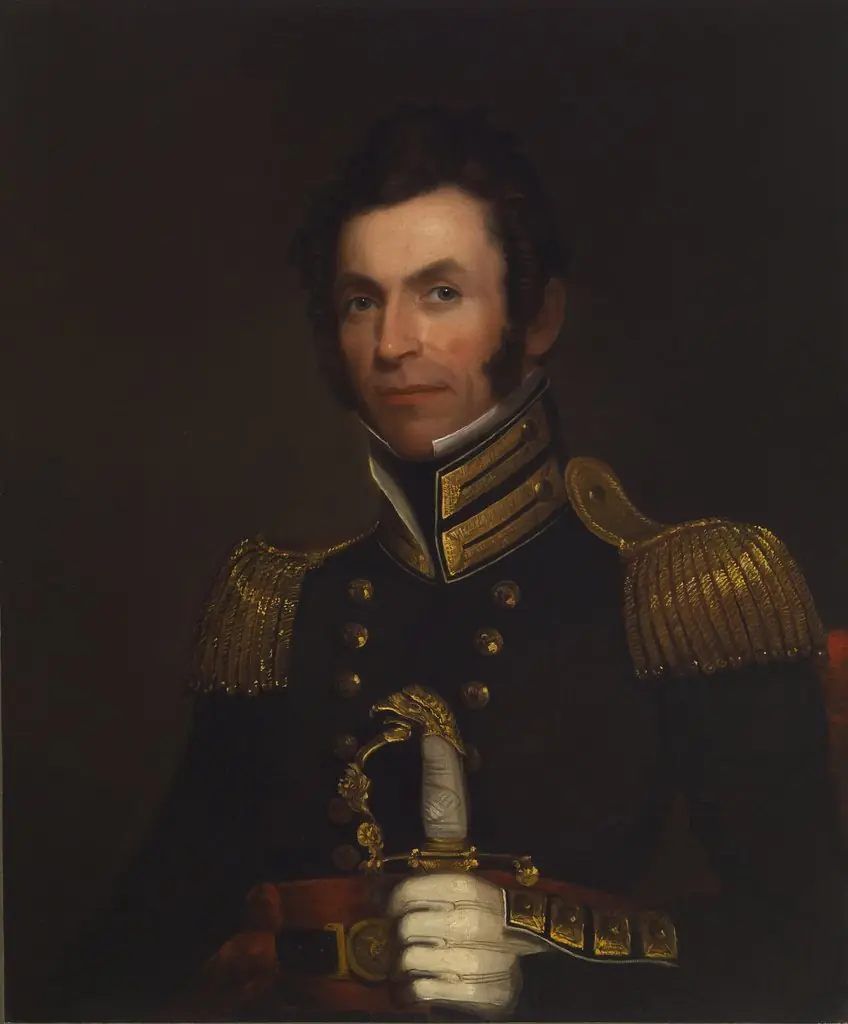
The sitter is a middle‑aged man with dark, curly hair and a neatly trimmed beard, dressed in a black coat over a white shirt and dark tie. His gaze is turned to the right, and his expression remains neutral, suggesting a moment of quiet introspection rather than overt self‑assertion. The portrait functions as a modest record of the artist’s identity.
Technique & Style
Miller employs chiaroscuro to model the face and garments, allowing the illuminated features to emerge from the deep brown background. The contrast between light and shadow creates a three‑dimensional presence, while the restrained palette of blacks, whites, and earth tones underscores the work’s sober tone. Brushwork is smooth, emphasizing form over texture.
History & Provenance
Alfred Jacob Miller, noted for his depictions of trappers and Native American life, produced this self‑portrait during his active period in Baltimore in the mid‑nineteenth century. After changing hands through private collections, the painting entered the Walters Art Museum, where it remains on view as part of the institution’s American art holdings.
Artist & collection
Artist
Alfred Jacob Miller (January 2, 1810 – June 26, 1874) was an American artist best known for his paintings of trappers and Native Americans in the fur trade of the western United States.

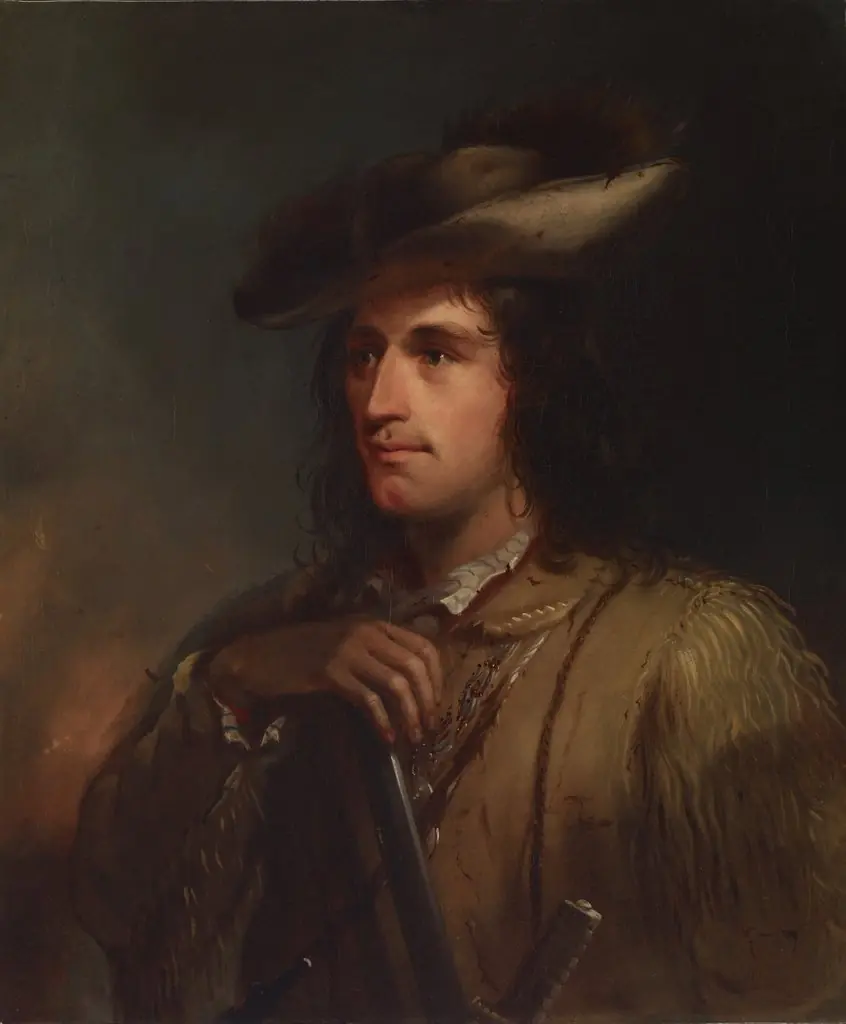
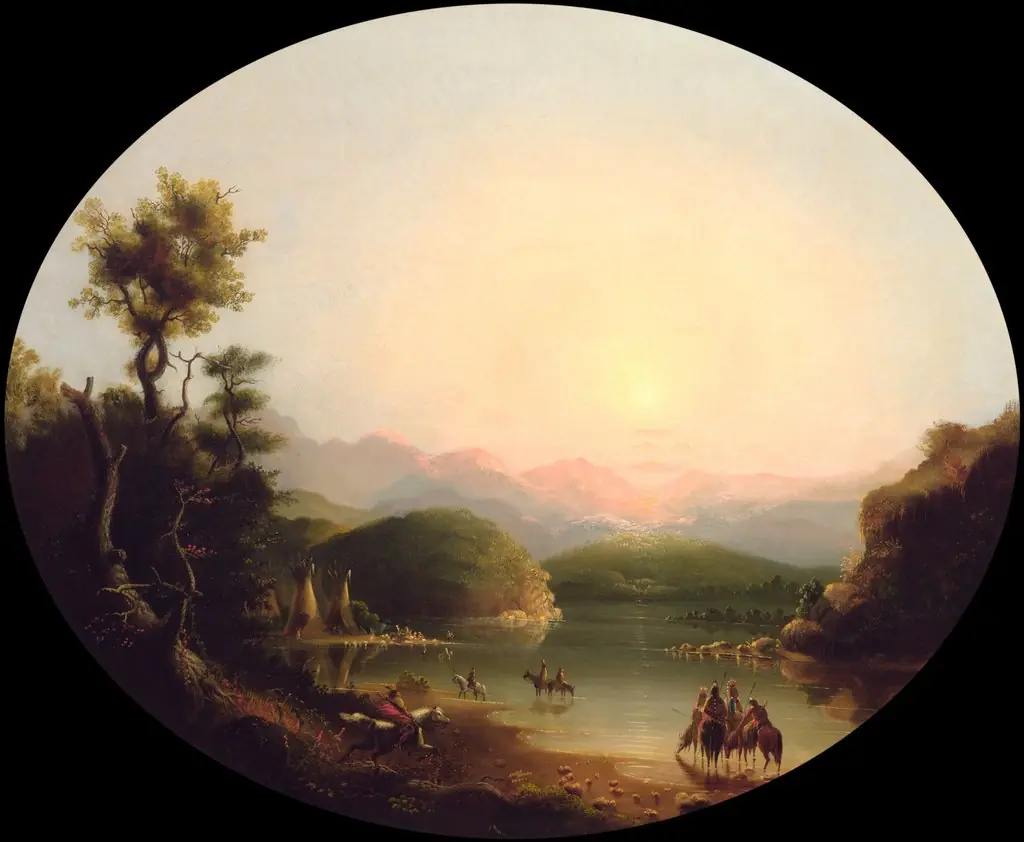
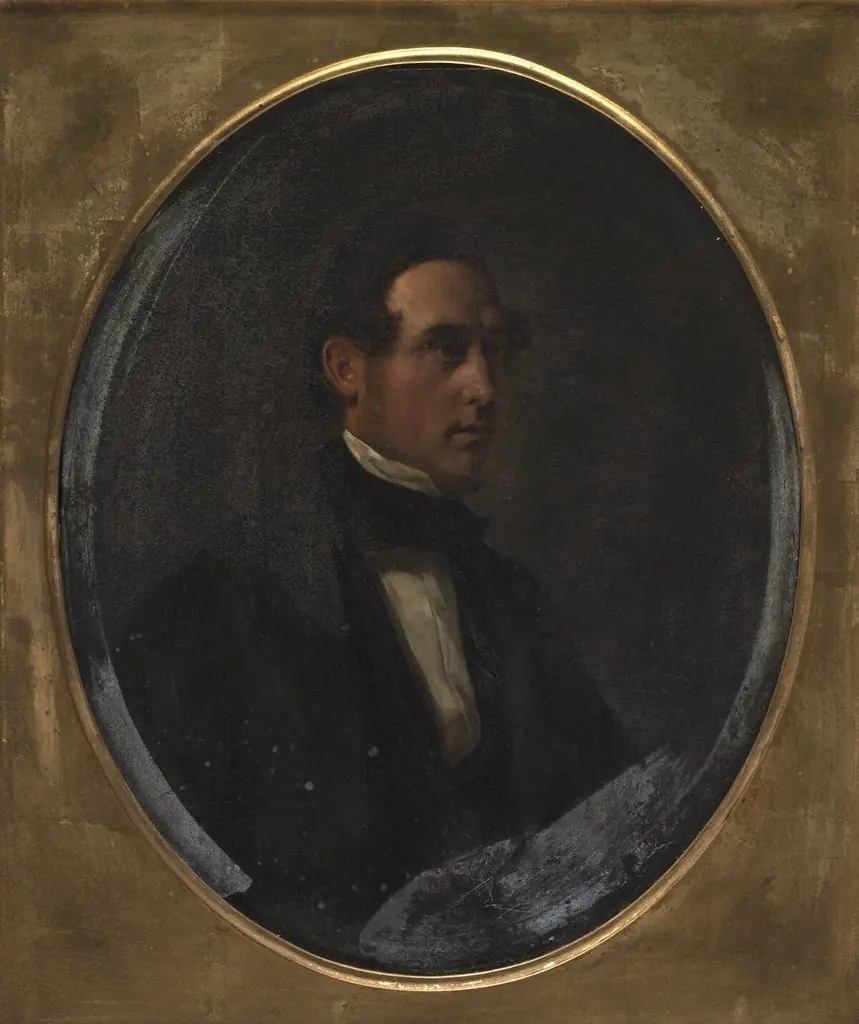 Portrait of a gentleman, aged 34
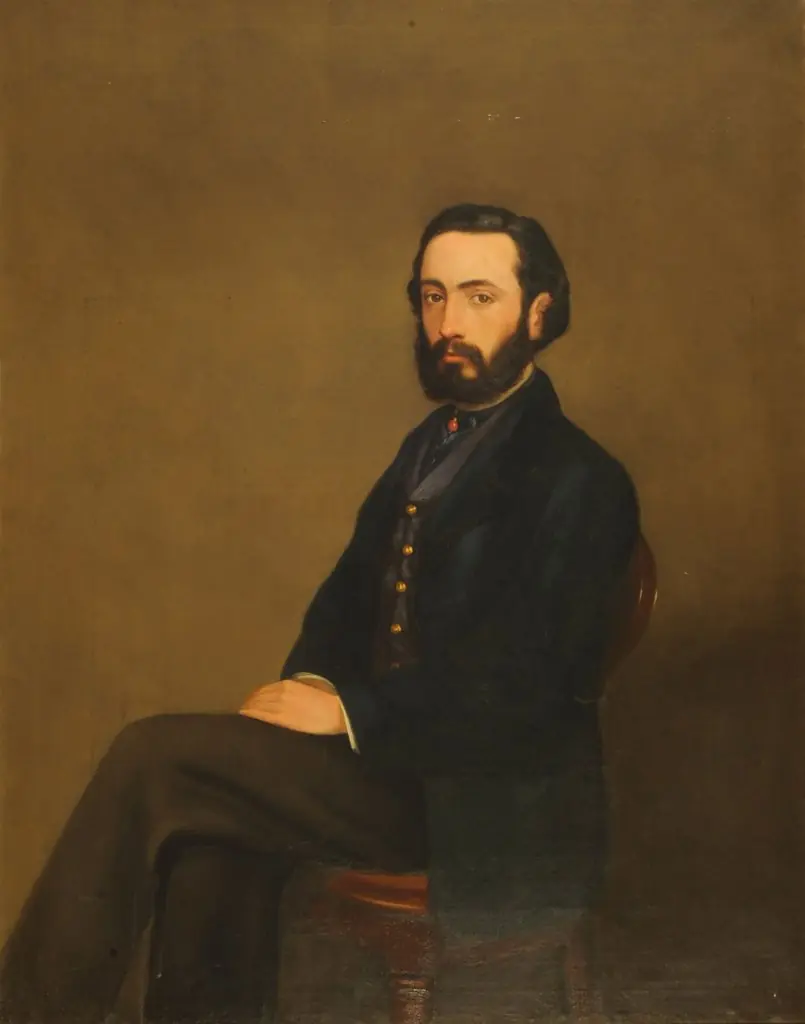 Selbstporträt
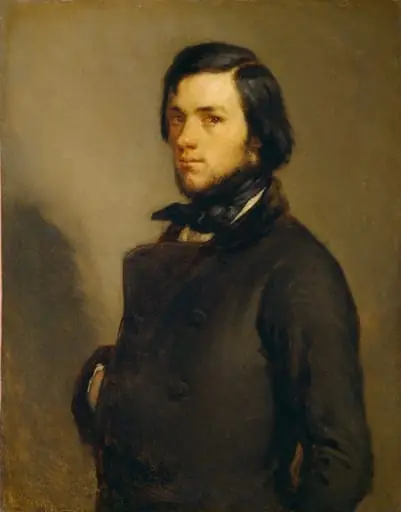 Portrait of a Man
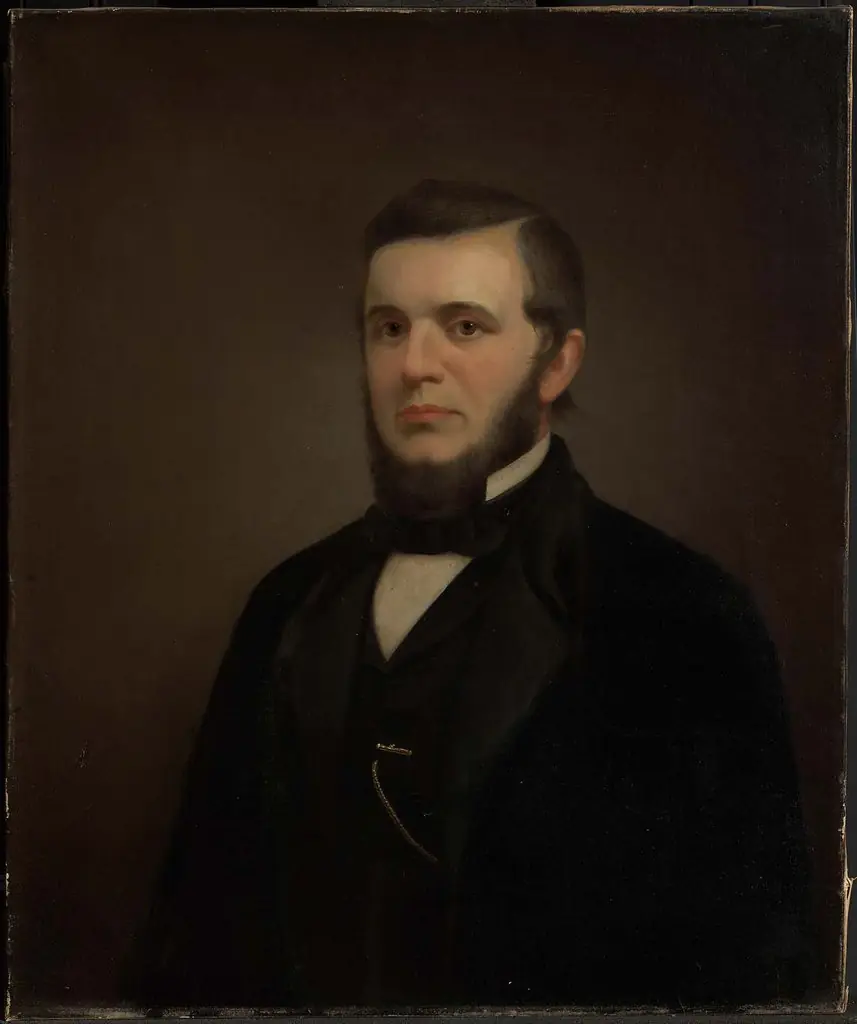 Portrait of Edward Gleason
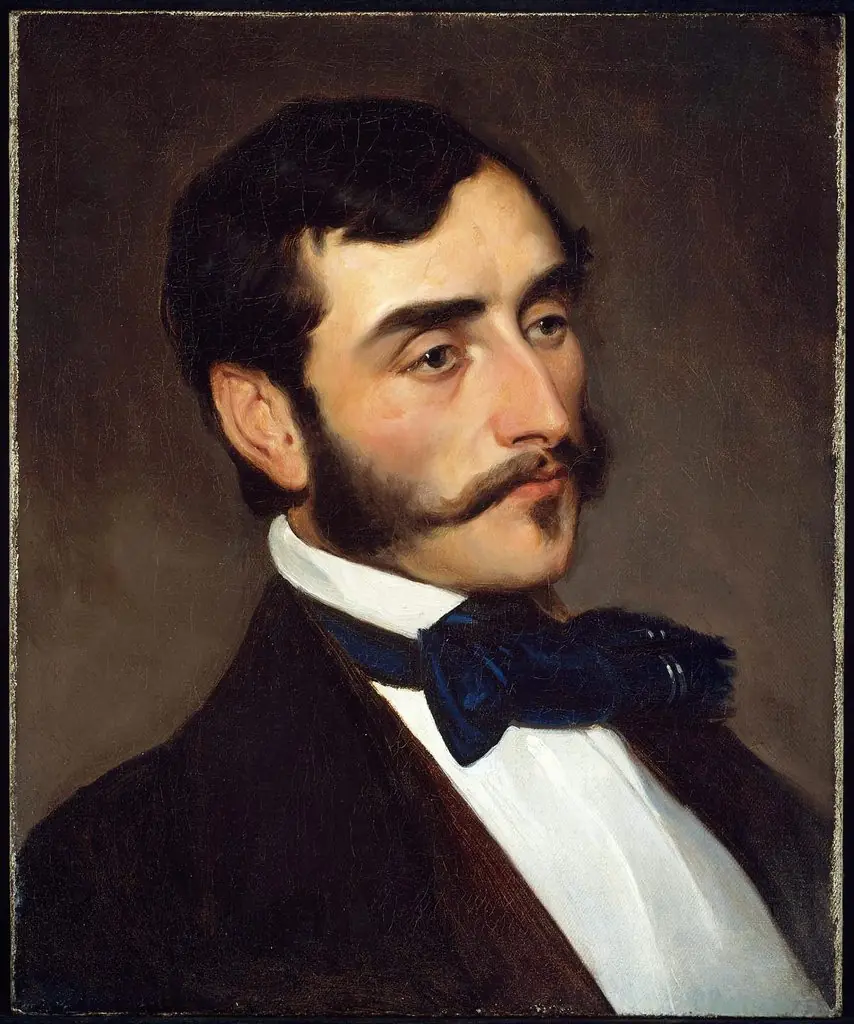 William Morris Hunt
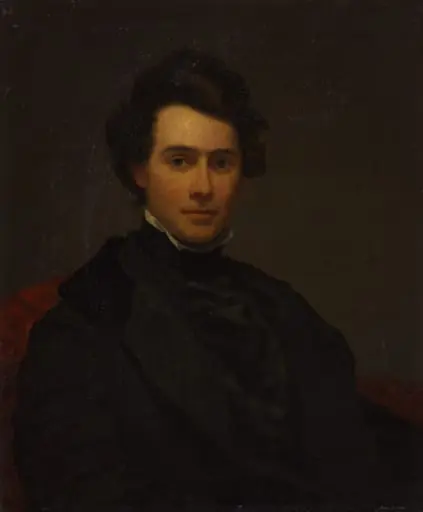 Tompkins Matteson
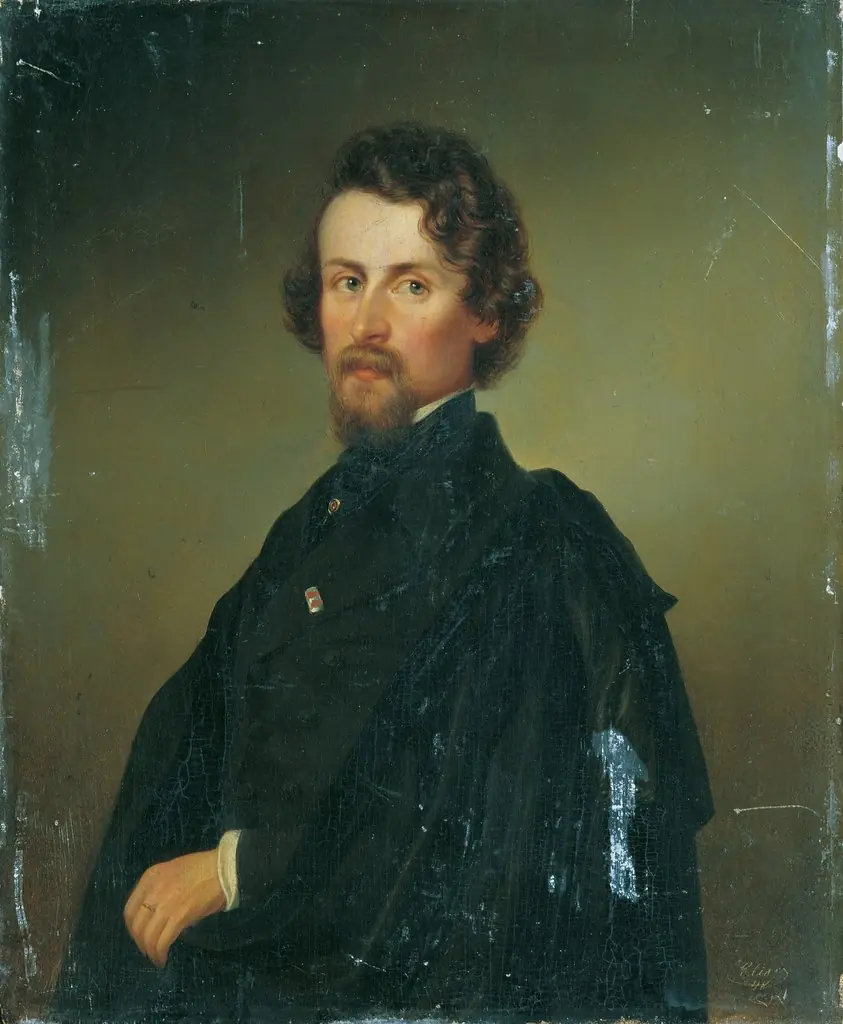 The Painter Joseph Carl Berthold Püttner
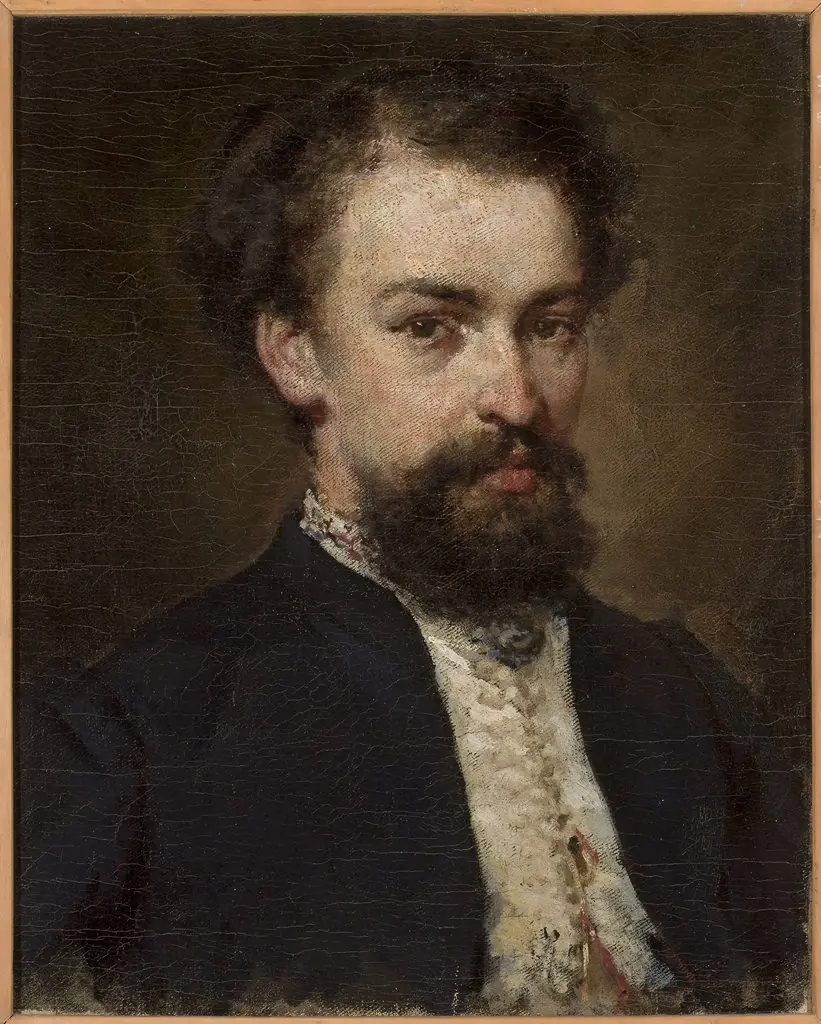 Portrait of Włodzimierz de Rosenwerth Rużycki
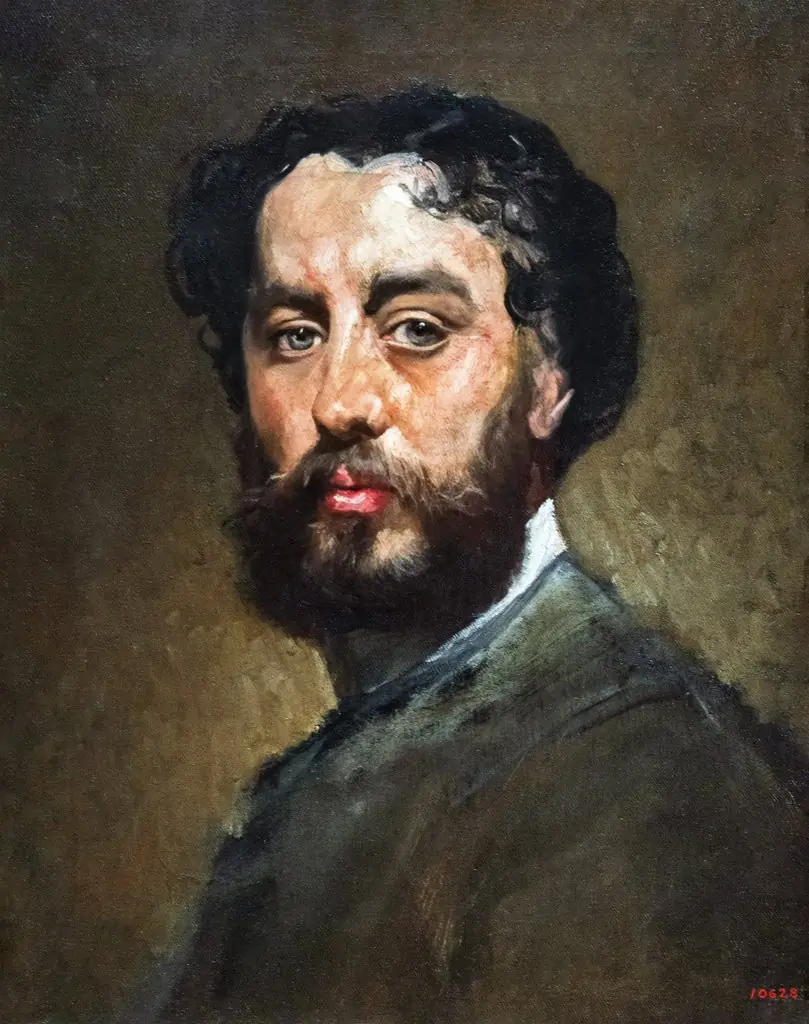 Self-portrait
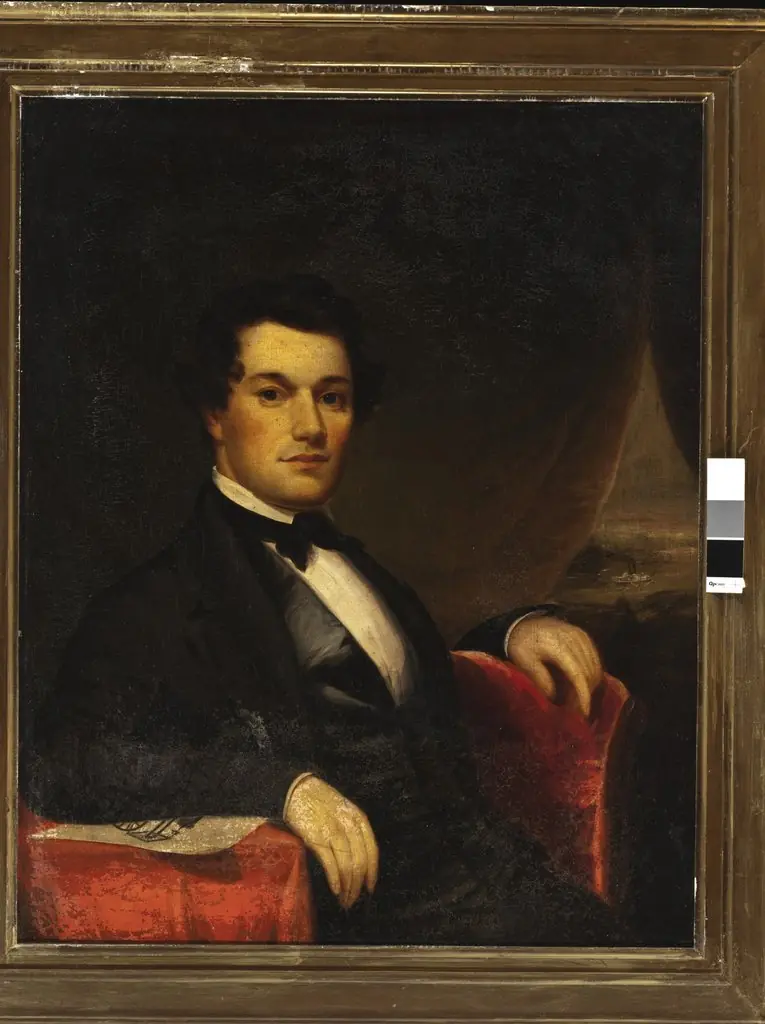 Portrait of Captain William J. Ferrell
 Portrait of a man
 Gentleman in black coat