Artwork
Samuel H. Russell
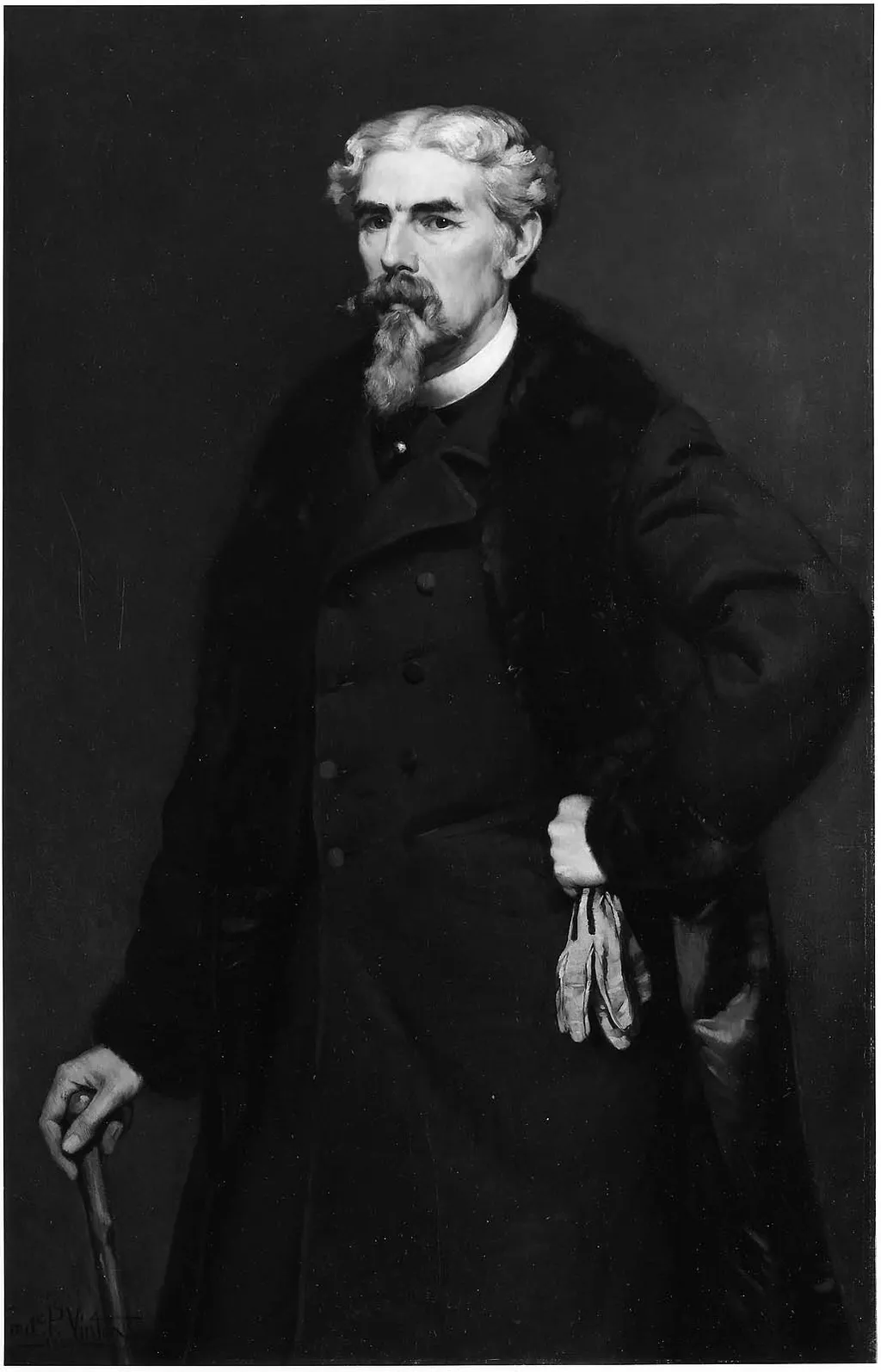
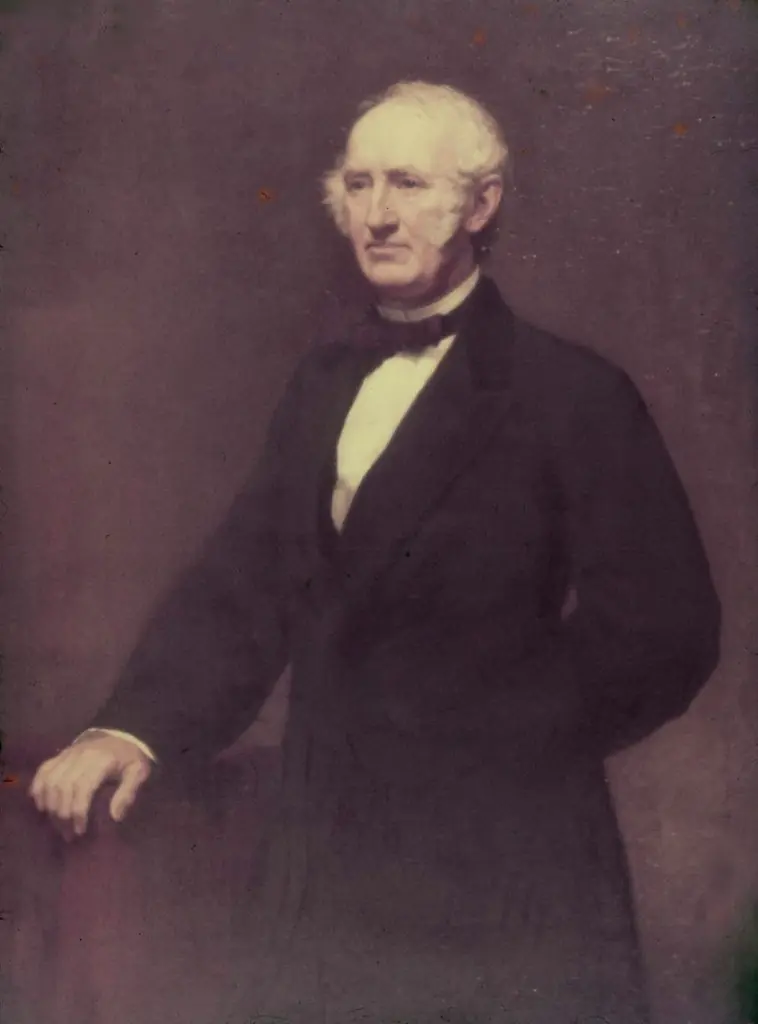
Samuel H. Russell is an oil painting by the Impressionist artist Frederic Porter Vinton. It dates from 1890 and is held in the collection of the Museum of Fine Arts Boston.
About this work
The level of detail and realism in the painting indicate that the artist was skilled in capturing the subtleties of human expression.
The painting features a man with white hair and a beard, dressed in a dark coat with a fur collar. He holds a cane in his right hand and a pair of gloves in his left. The background is dark, which helps to highlight the subject's features.
The man's attire and the style of the painting suggest that it is a formal portrait from the late 19th century. The level of detail and realism in the painting indicate that the artist was skilled in capturing the subtleties of human expression.
To learn more about the artist's use of chiaroscuro, a technique that uses strong contrasts between light and dark to create a sense of volume and depth, look up the artist: Frederic Porter Vinton.
Overview
Painted in 1890 by Frederic Porter Vinton, this oil portrait depicts Samuel H. Russell, a prominent Bostonian of the era. The work resides in the Museum of Fine Arts, Boston, as part of its American art collection. Rendered with precision and restraint, the painting exemplifies late 19th-century portraiture, emphasizing the subject’s dignity through careful observation and controlled composition.
Subject & Meaning
Samuel H. Russell is portrayed as a man of established social standing, his white hair and beard suggesting age and experience. His formal attire—dark coat with fur collar, cane, and gloves—conveys both refinement and authority. The direct gaze and composed posture imply quiet confidence, typical of portraits commissioned to affirm personal and civic identity during a period of industrial growth in New England.
Technique & Style
Vinton employs a restrained palette and deliberate chiaroscuro to model the subject’s face and hands, drawing attention to texture and expression. The dark, unbroken background isolates Russell, enhancing the three-dimensionality of his form. Brushwork is smooth and controlled, with fine attention to fabric folds and the sheen of leather gloves, reflecting academic training and a commitment to lifelike representation.
History & Provenance
The portrait was commissioned by or for Samuel H. Russell during his lifetime and remained in family hands until its acquisition by the Museum of Fine Arts, Boston. Its documented history aligns with the museum’s efforts in the early 20th century to build a comprehensive collection of American portraiture, particularly works by Boston-based artists active in the Gilded Age.
Context
Created during a time when Boston’s elite commissioned portraits to assert cultural legitimacy, the painting reflects the city’s artistic traditions rooted in realism. Vinton, trained in Europe and active in Boston’s art circles, contributed to a generation of painters who balanced European technique with distinctly American subjects, bridging academic conventions and local identity.
Legacy
Though not widely exhibited beyond regional collections, the portrait remains a representative example of Vinton’s portraiture and the conventions of late 19th-century American realism. It continues to serve as a reference for studying the visual language of status and character in Gilded Age Boston, preserving the likeness of a figure whose influence extended beyond the canvas.
Artist & collection


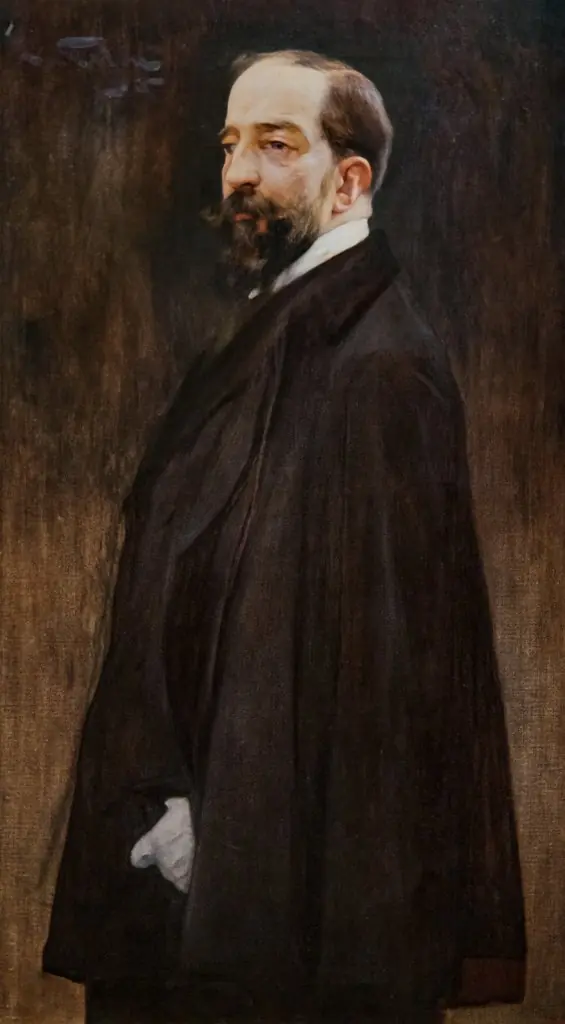 Retrat de Joan Baptista Parés (1847-1926) (Museu Nacional d'Art de Catalunya, inv 010150-000)
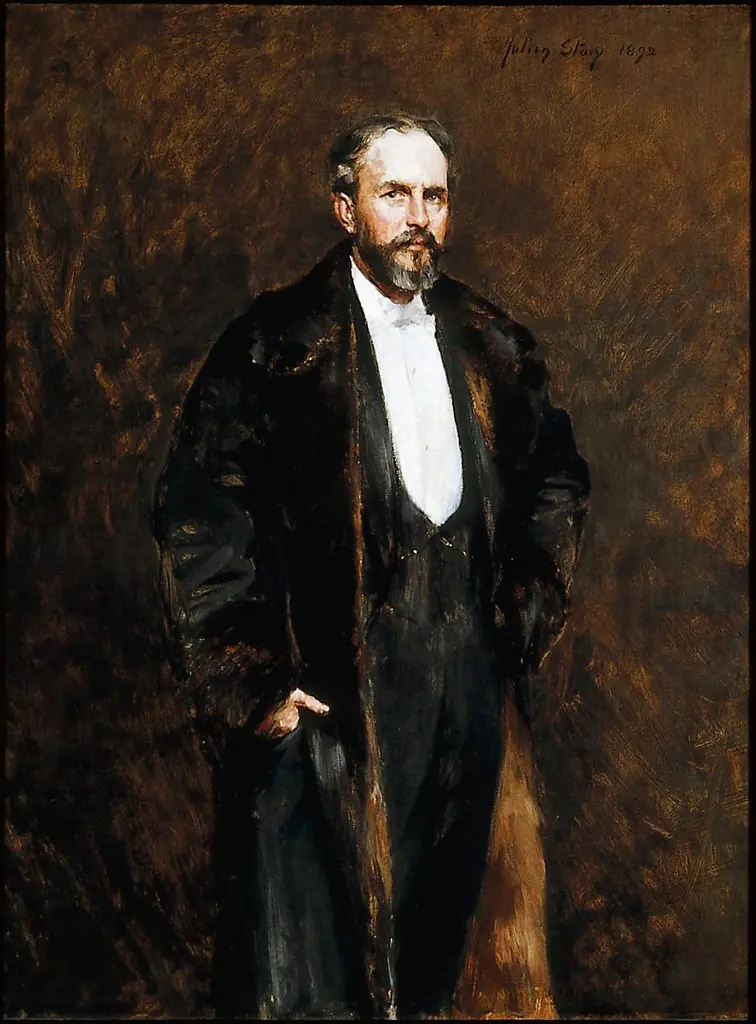 Ernest Wadsworth Longfellow
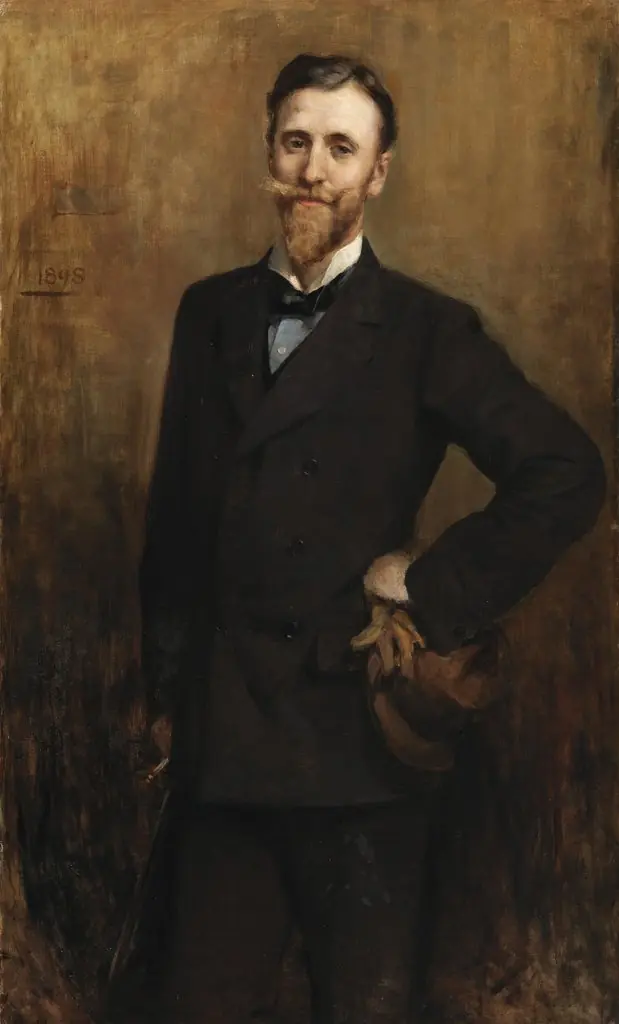 Portrait of T.P. Gill, Journalist, Secretary, Department of Agriculture and Technical Instruction
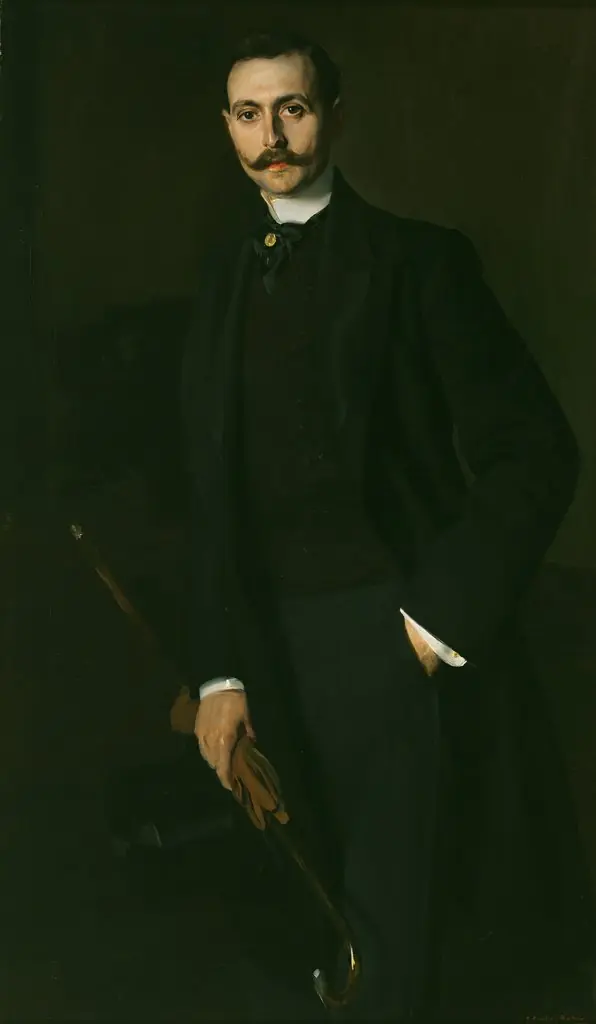 Aureliano de Beruete y Moret, Jr.
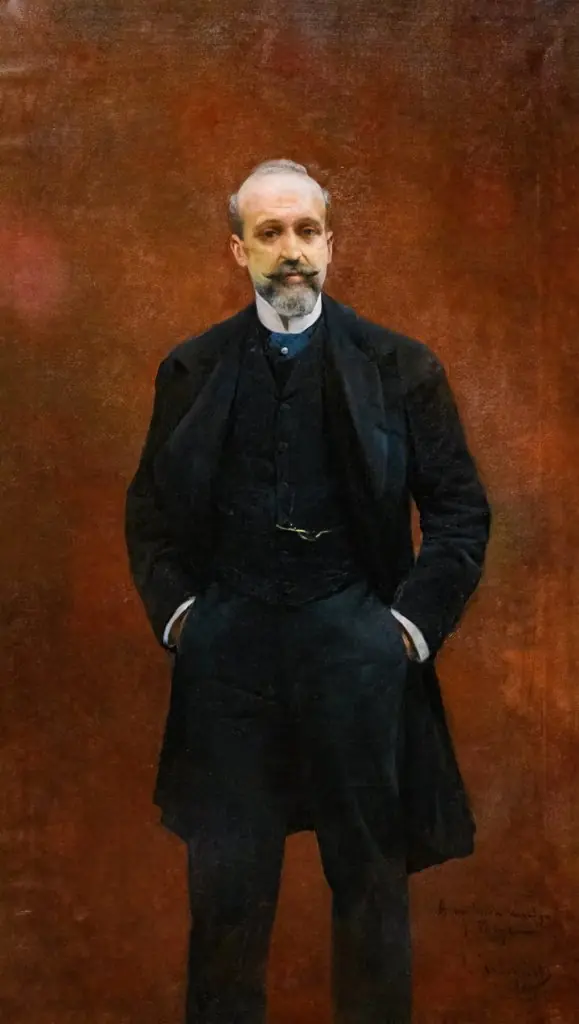 Portrait of Josep Puigcarbó
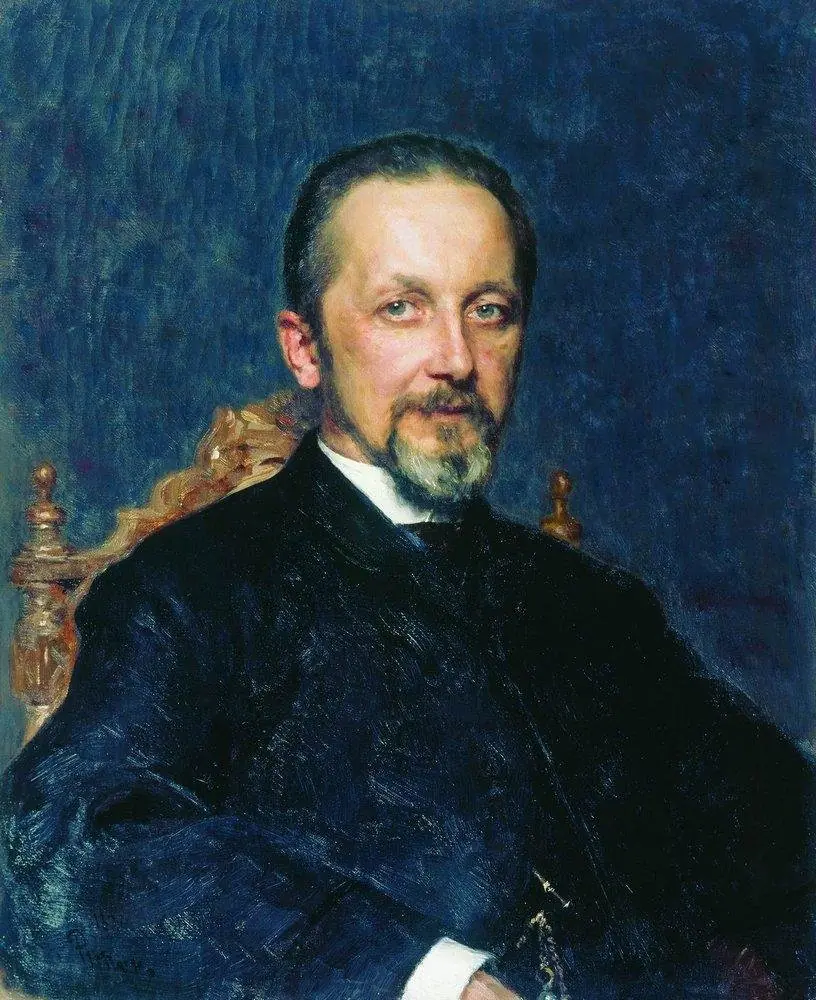 Alexey Antipov
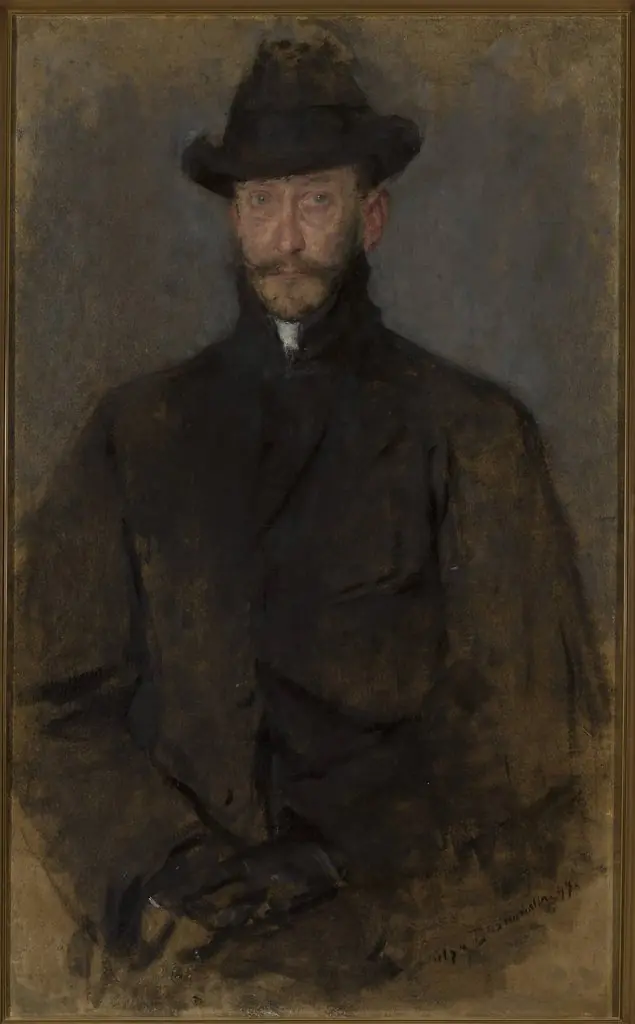 Portrait of Antoni Kamieński (1860/1861–1933), painter
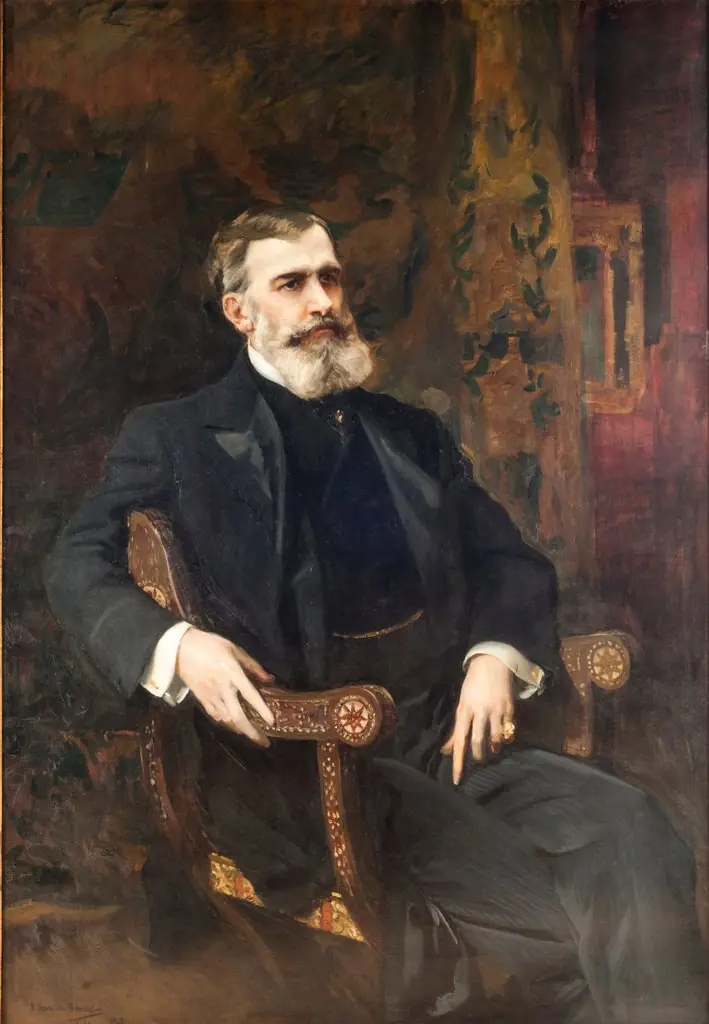 Portrait of José Prudencio Guerrico
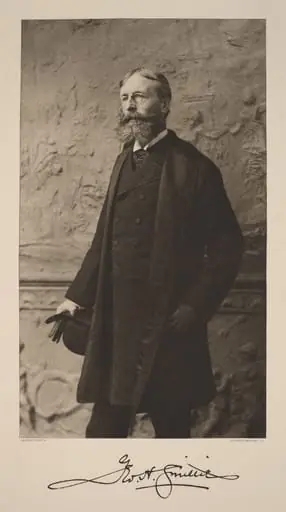 George Henry Smillie (1840-1921)
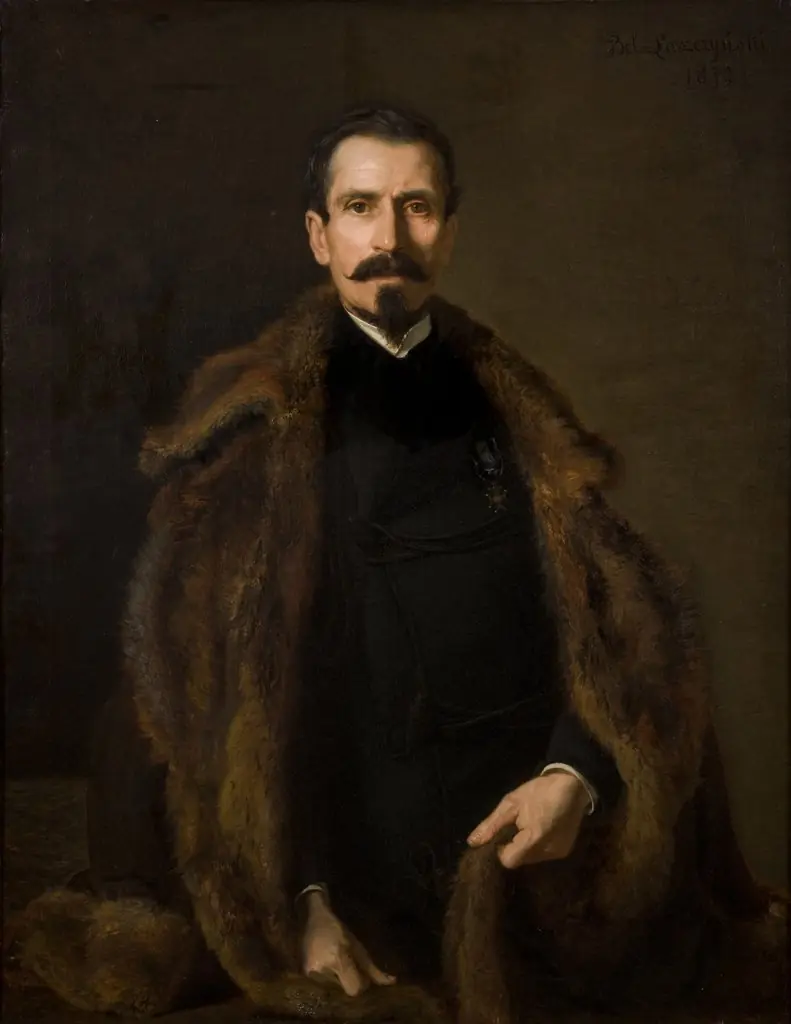 Portrait of Julian Konstanty Ordon
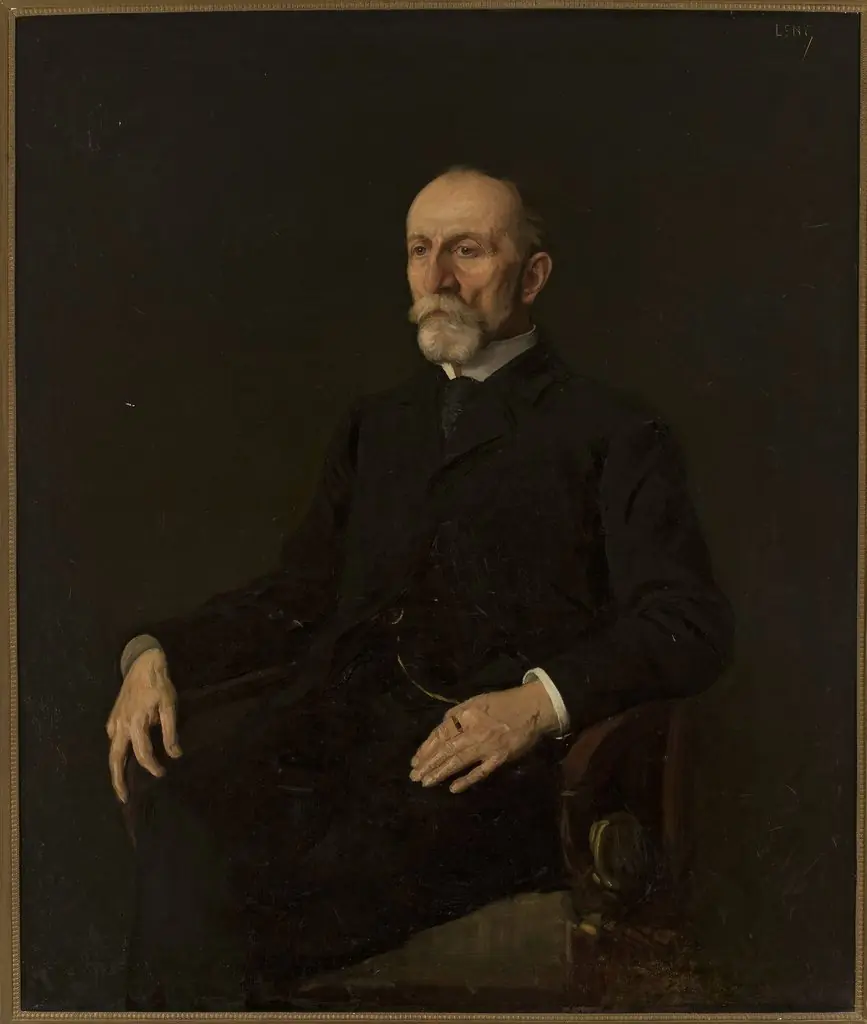 Portrait of Władysław Bogusławski
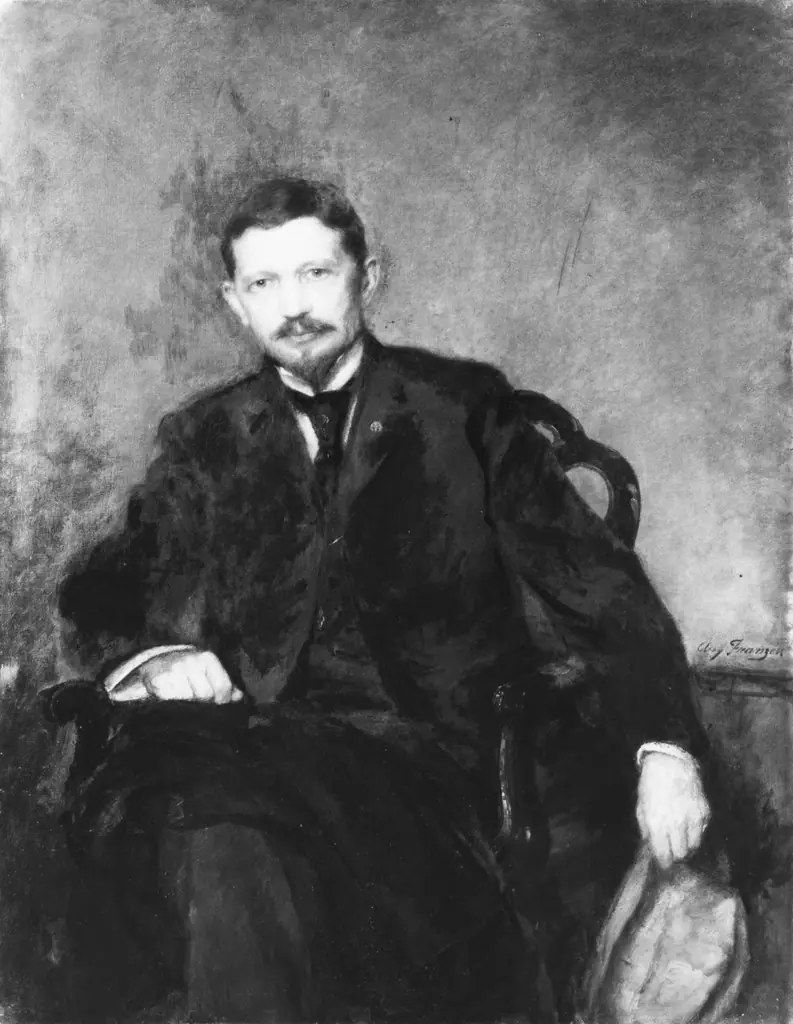 Alphonso T. Clearwater