Artwork
Reclining Male Nude (verso)
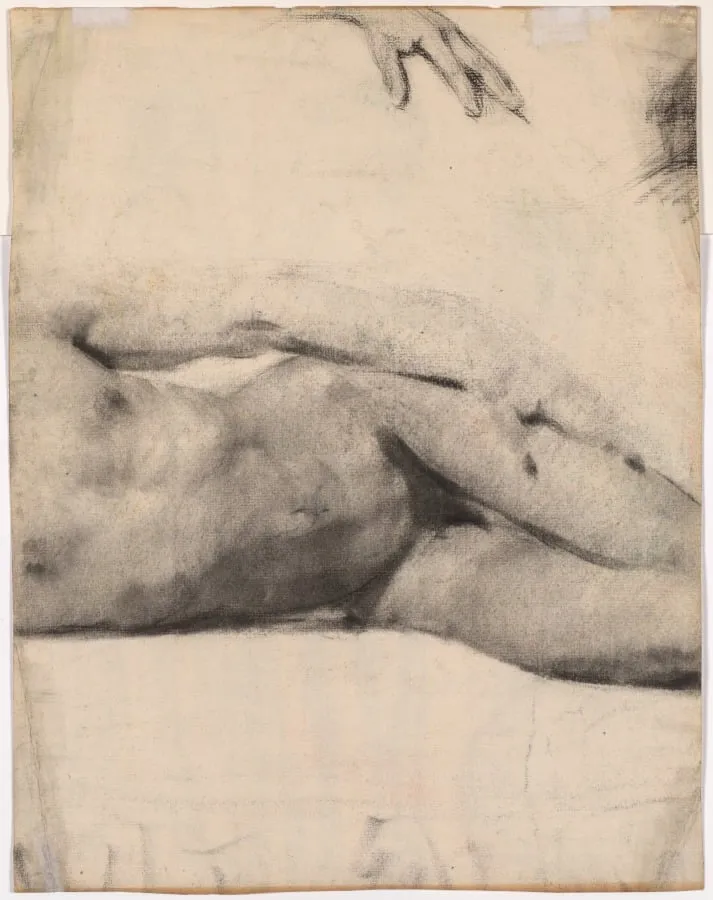
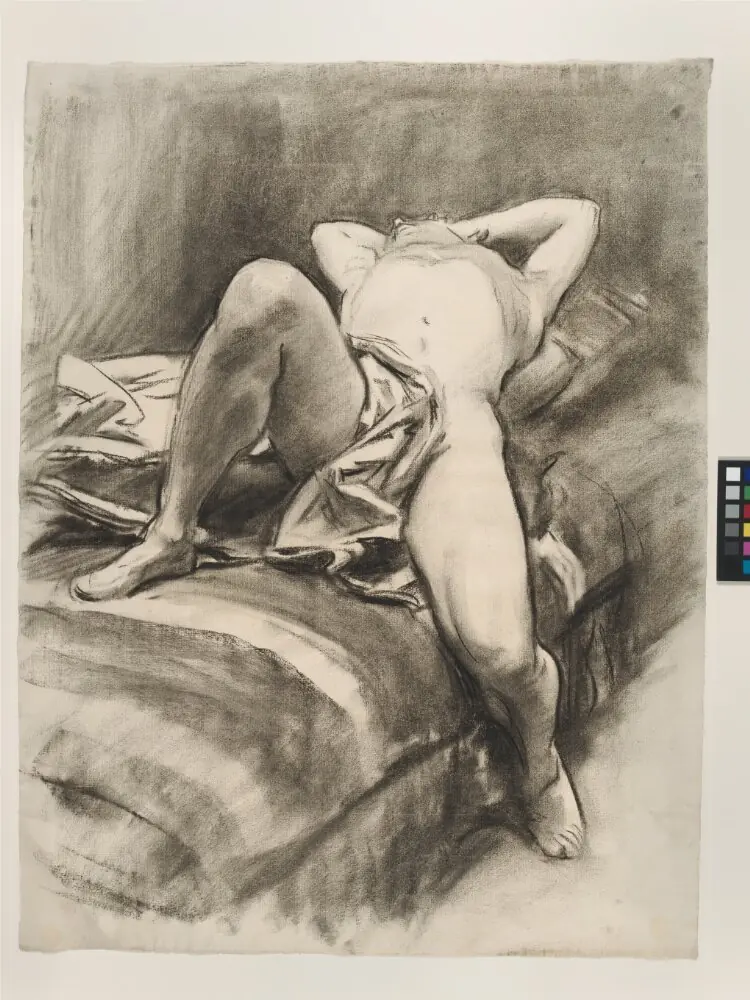
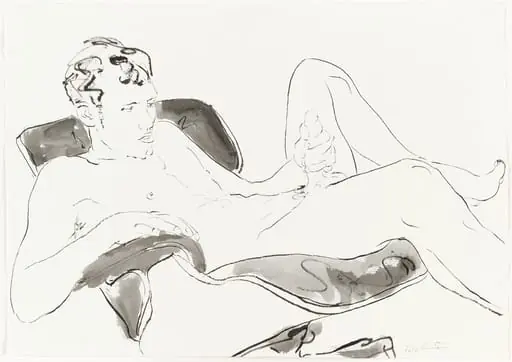
Reclining Male Nude (verso) is a drawing by the Impressionist artist Édouard Vuillard. It dates from 1888 and is held in the collection of the Cleveland Museum of Art.
About this work
Look up more works by Edouard Vuillard (French, 1868–1940) to see how he turned everyday moments into art.
A man lies on his side, back turned, one arm bent under his head. The lines are quick, almost scribbled, like a private sketch.
Vuillard drew this on the back of a sheet he’d already used for a portrait of his sister. Artists often flipped paper to save money—this quiet nude feels like a secret, not meant for the public. The same pose appears in a pastel and painting, but here, it’s just charcoal and shadow.
Look up more works by Edouard Vuillard (French, 1868–1940) to see how he turned everyday moments into art.
Overview
This drawing is a charcoal sketch on the reverse side of a sheet previously used for a portrait of Édouard Vuillard’s sister. Created in the early 1890s, it depicts a reclining male figure in a relaxed, private pose. The reuse of the paper reflects common artistic practice of the time, where materials were conserved. The figure’s anonymity and informal execution suggest it was not intended for public display, but rather as a personal study.
Subject & Meaning
The nude figure lies on his side, back turned, with one arm curled beneath his head—a posture of quiet repose. Unlike the public-facing portraits of Vuillard’s family, this figure lacks identity or context, evoking introspection rather than narrative. Its presence on the reverse side implies a momentary observation, perhaps a fleeting thought or anatomical exercise, detached from the domestic scenes that dominated his public work.
Technique & Style
Rendered in loose, rapid charcoal strokes, the drawing emphasizes tone and silhouette over detail. The lines are fluid and economical, suggesting spontaneity rather than polished finish. Shadows dominate, defining form through gradation rather than outline. This approach aligns with Vuillard’s broader interest in capturing subtle, unposed moments, even in studies meant for private use.
History & Provenance
The drawing was created during a period when Vuillard frequently depicted his mother and sister in intimate interiors. The recto side bears a portrait of his sister Marie, likely from the same session. The reuse of the paper indicates practical constraints, but also reveals the artist’s habit of layering ideas across surfaces. Its survival as a separate work speaks to later recognition of its artistic value beyond utility.
Context
In late 19th-century France, artists often repurposed paper to manage costs and maintain creative flow. Vuillard’s practice of working on both sides of a sheet reflects this norm, but also his tendency to blur boundaries between public and private imagery. While his finished works celebrated domestic life, these hidden sketches reveal a quieter, more solitary engagement with the human form.
Legacy
This drawing offers insight into Vuillard’s working process, illustrating how private studies informed his more polished compositions. Though unassuming, it reveals his sensitivity to posture and shadow, qualities that define his mature style. Its survival as a standalone piece underscores the value now placed on the ephemeral, unpolished moments of an artist’s studio life.
Artist & collection
Artist
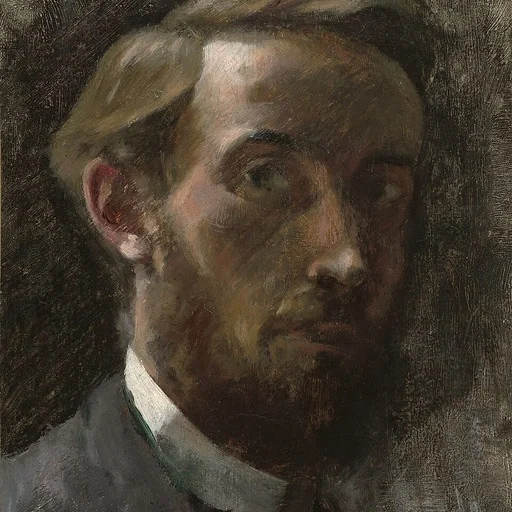
Jean-Édouard Vuillard (French: ; 11 November 1868 – 21 June 1940) was a French painter, decorative artist, and printmaker.