Artwork
Bartholomäus Denk
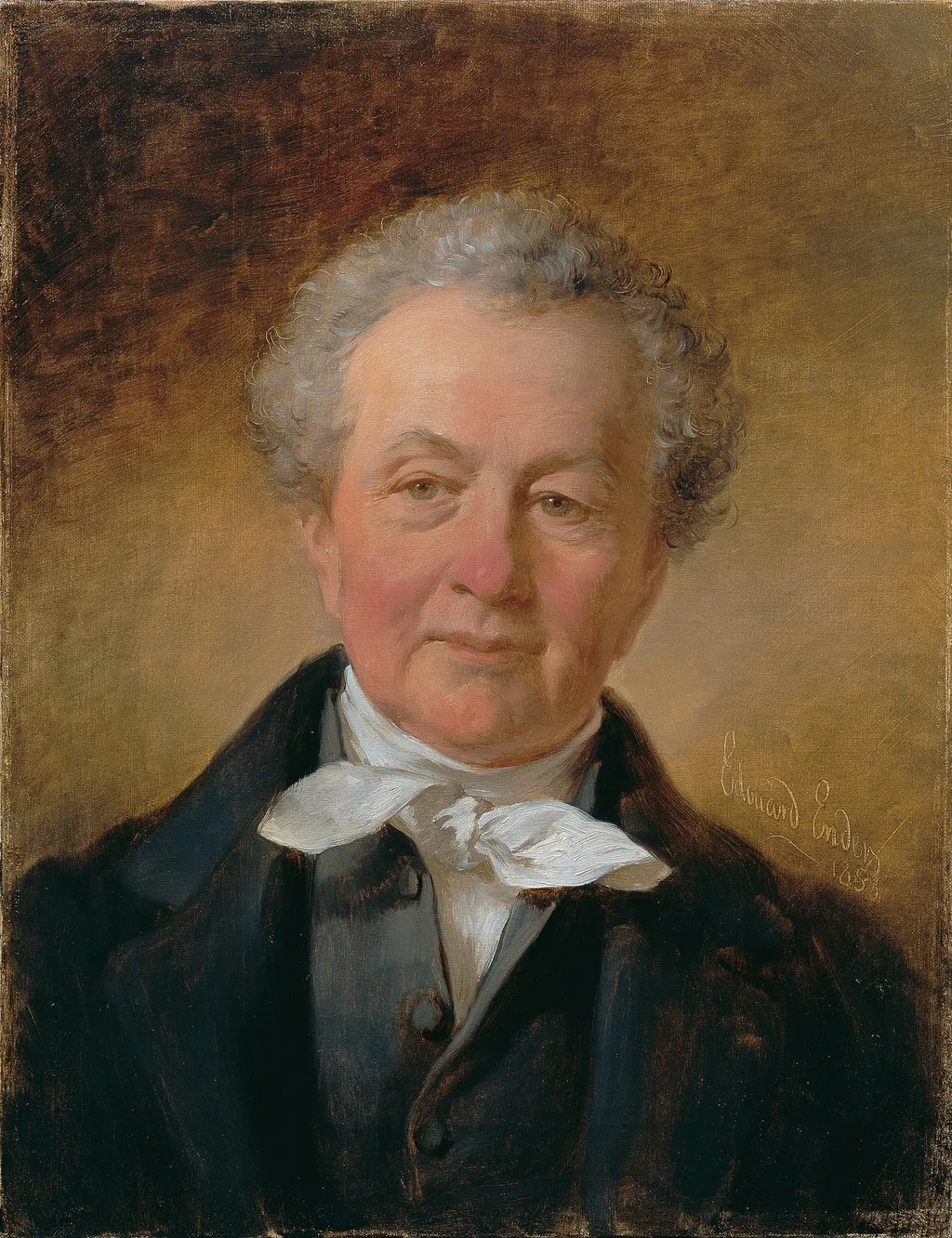
Bartholomäus Denk is an oil painting by the Biedermeier artist Eduard Ender. It dates from 1858 and is held in the collection of the Kunsthistorisches Museum.
About this work
This painting is a portrait titled Bartholomäus Denk.
It was created by Eduard Ender in 1858 using oil paint.
The painting is held at the Kunsthistorisches Museum, which suggests it has some historical or artistic significance, and this might be why it's notable - it's part of a collection that's worth exploring.
You can learn more about this style by looking into the technique of glazing.
Overview
The painting is part of the permanent collection at the Kunsthistorisches Museum in Vienna, reflecting its recognition within Austrian art of the period.
Eduard Ender painted Bartholomäus Denk in 1858 using oil on canvas. The work is a portrait of an individual, rendered with quiet precision. It belongs to the Biedermeier tradition, which favored restrained, intimate subjects over grand narratives. The painting is part of the permanent collection at the Kunsthistorisches Museum in Vienna, reflecting its recognition within Austrian art of the period.
Subject & Meaning
The portrait depicts Bartholomäus Denk, likely a local figure of modest standing, presented without theatricality. His expression is calm, his posture composed, suggesting introspection rather than public persona. The absence of symbolic props or elaborate setting aligns with Biedermeier values, emphasizing personal dignity over social status or historical narrative.
Technique & Style
Ender employed oil paint with a controlled, smooth finish, characteristic of Biedermeier portraiture. Subtle glazing techniques enhance the depth of skin tones and fabric textures without drawing attention to brushwork. The lighting is even and naturalistic, avoiding dramatic contrasts. This restrained approach prioritizes clarity and emotional stillness over expressive flourish.
History & Provenance
Painted in 1858, the portrait entered the Kunsthistorisches Museum’s collection shortly after its creation. Ender, trained under his father Johann Ender, was active in Vienna’s artistic circles during the mid-19th century. The painting’s preservation in a major public institution indicates its early acceptance as representative of contemporary Austrian portraiture.
Context
In the decades following the 1848 revolutions, Austrian society turned toward domestic tranquility and private virtue. The Biedermeier style emerged as a cultural response, favoring quiet realism over political or romantic idealism. Ender’s portrait of Denk reflects this shift, capturing an individual within a world that valued order, modesty, and personal integrity.
Legacy
Bartholomäus Denk remains a quiet example of mid-19th-century Austrian portraiture. While not widely exhibited outside Vienna, its presence in the Kunsthistorisches Museum ensures its role as a reference for understanding Biedermeier aesthetics. It contributes to the broader record of how ordinary individuals were rendered with dignity during a period of social consolidation.
Artist & collection
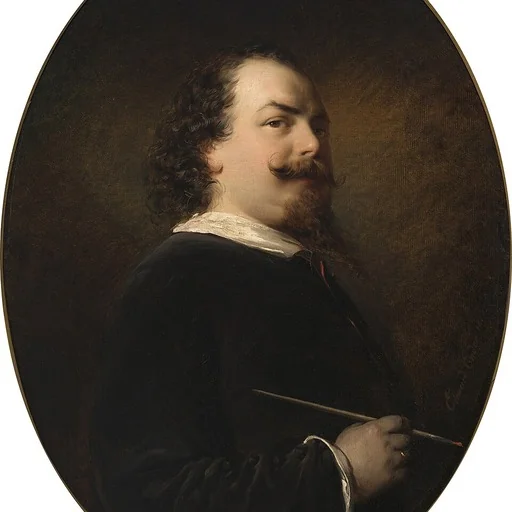
Artist
Eduard Ender (3 March 1822, Rome – 28 December 1883, London) was an Austrian painter.

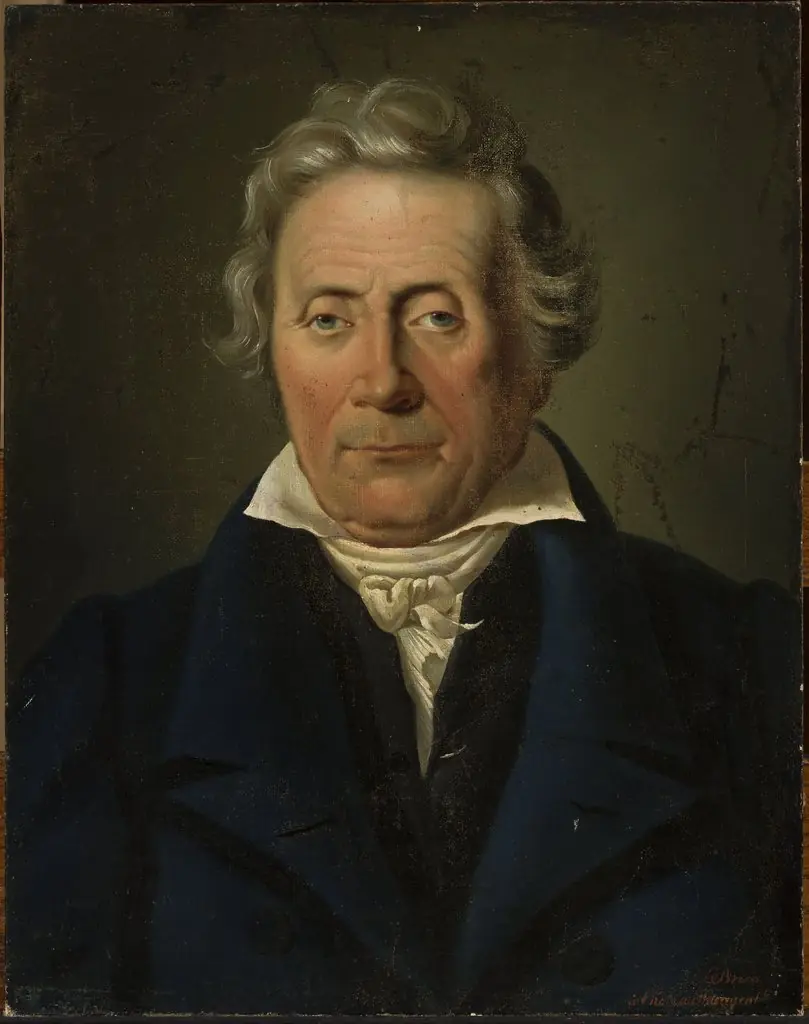 Portrait of Nicolas Demimuid
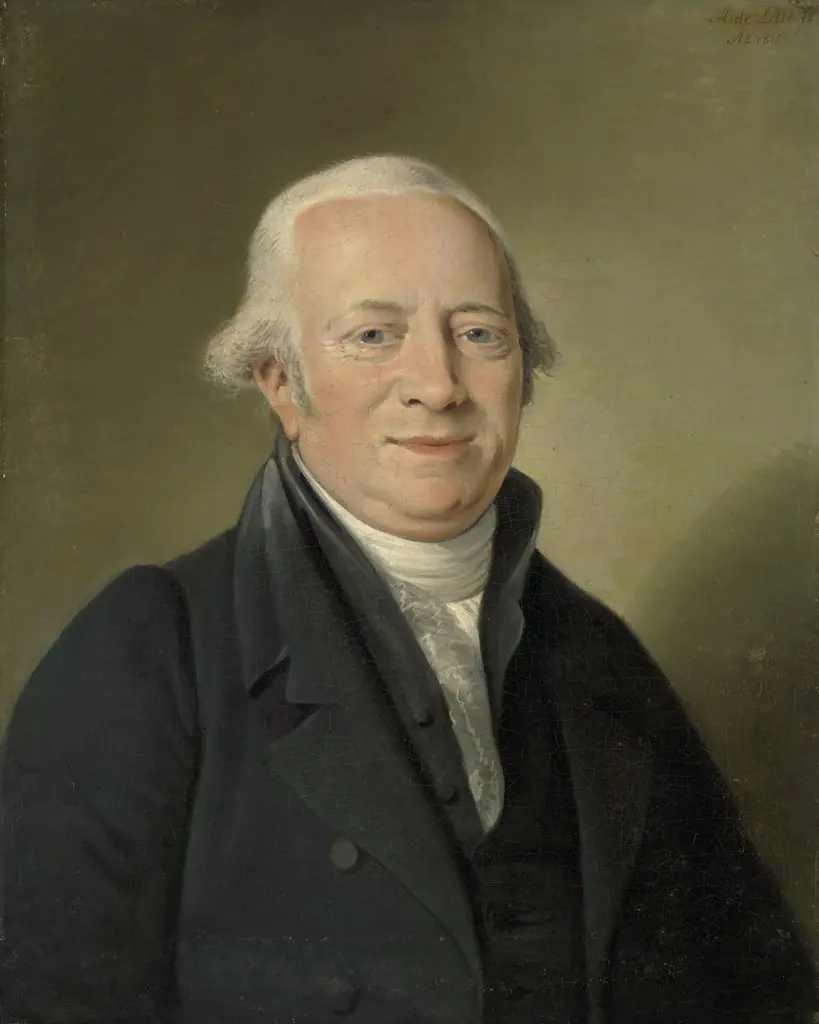 Portrait of Cornelis Sebille Roos, Art Dealer in Amsterdam and Inspector of the National Konst-Gallery and the Huis ten Bosch in The Hague
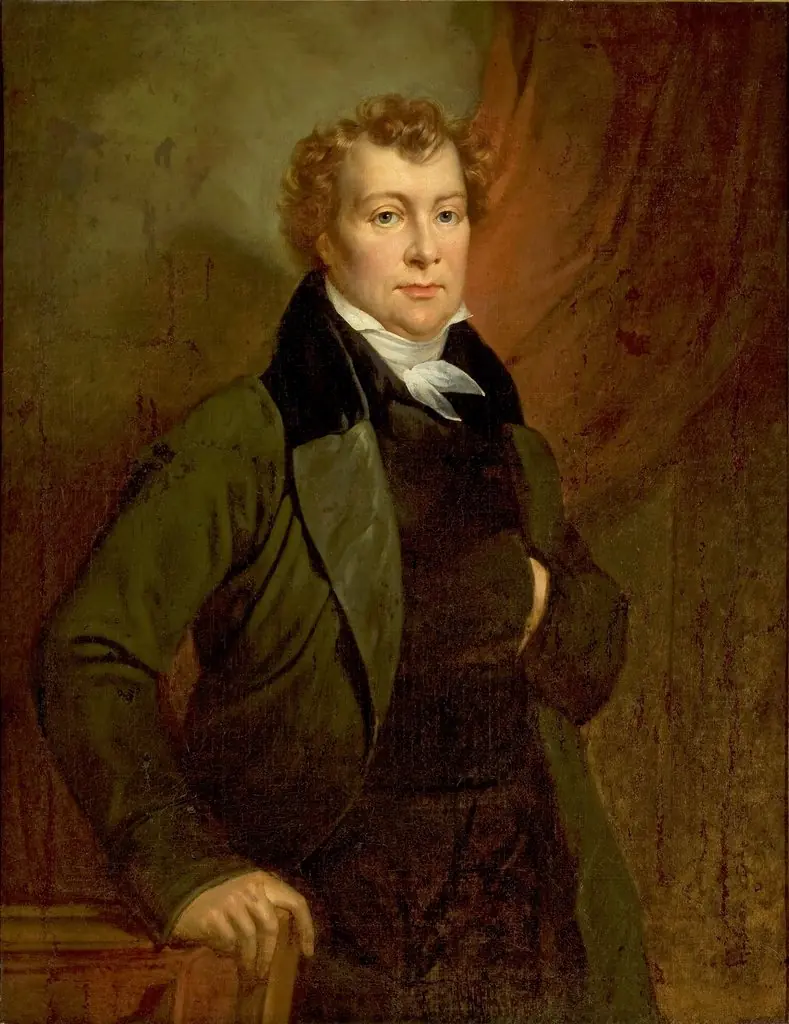 Portrait of Ludwik Osiński
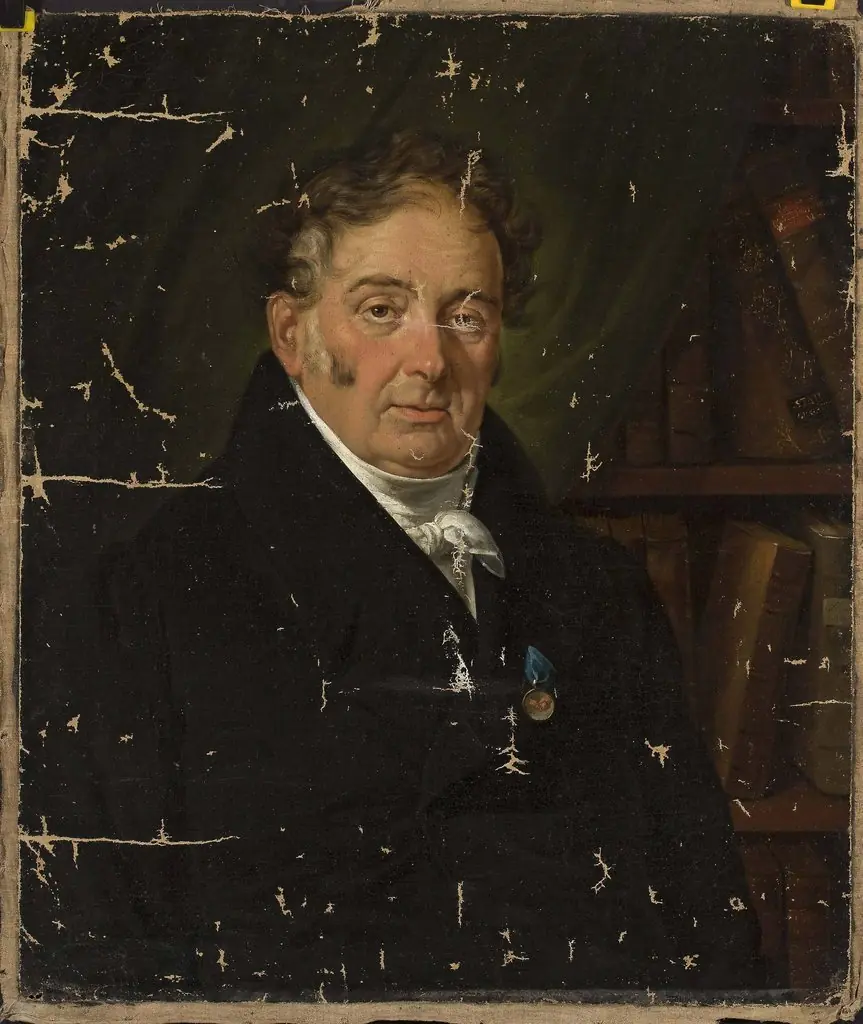 Portrait of a man with a medal
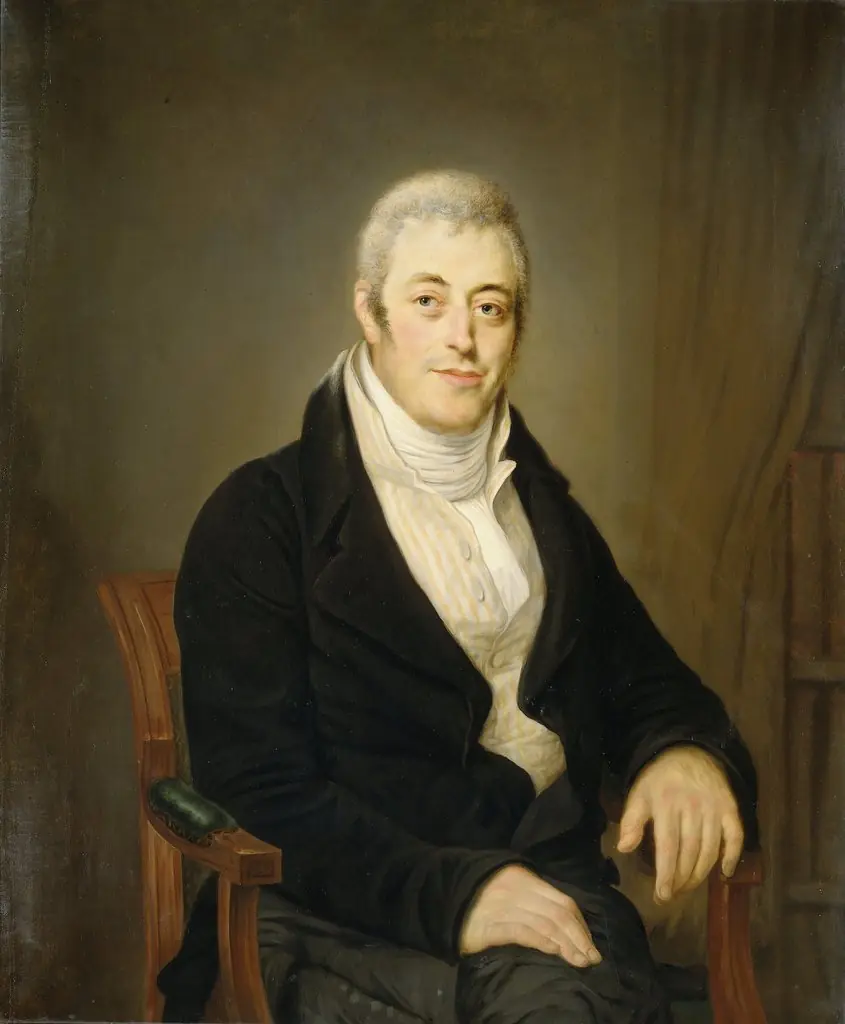 Portrait of Jonas Daniel Meijer, Lawyer
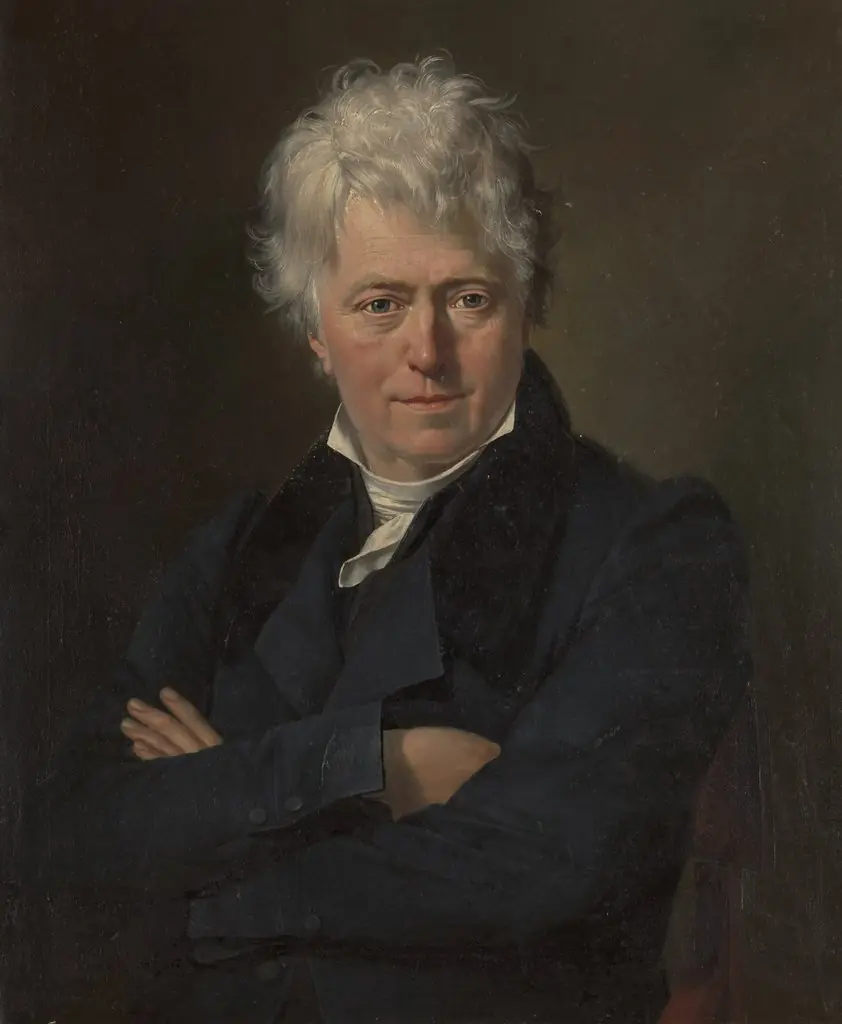 The Lawyer Jean Louis Bourceret
 Konsistorialråd J. Ernst Wegener
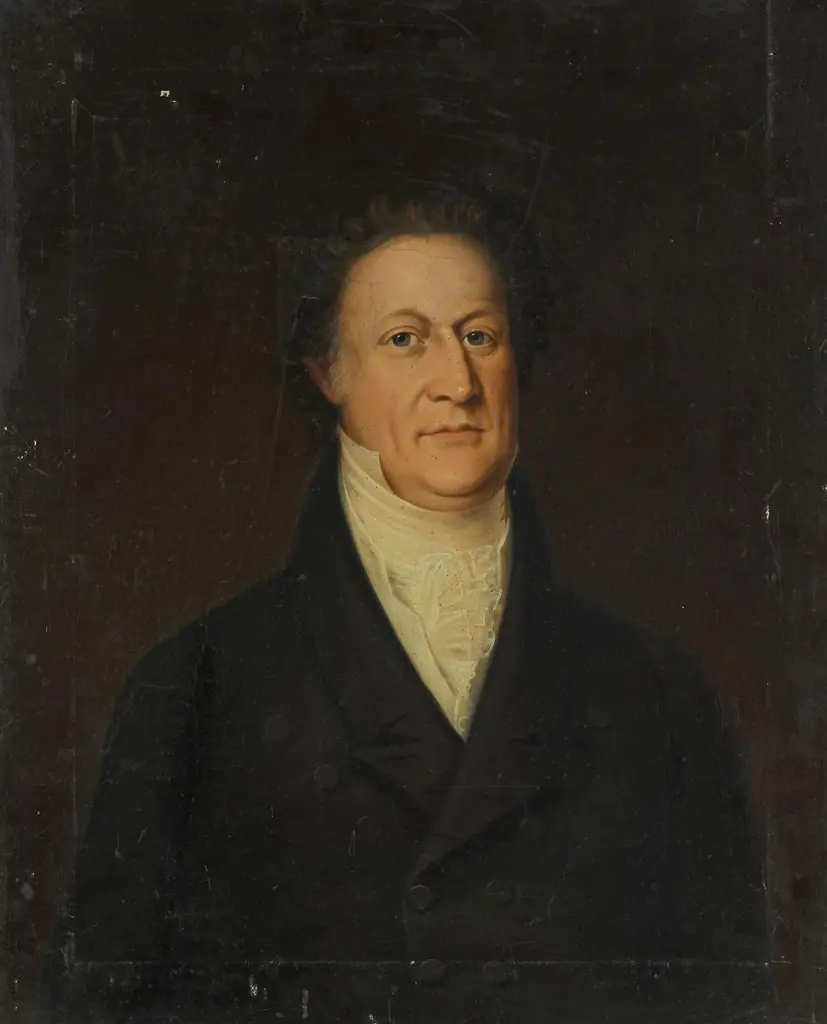 Portrait of Walter Petersen
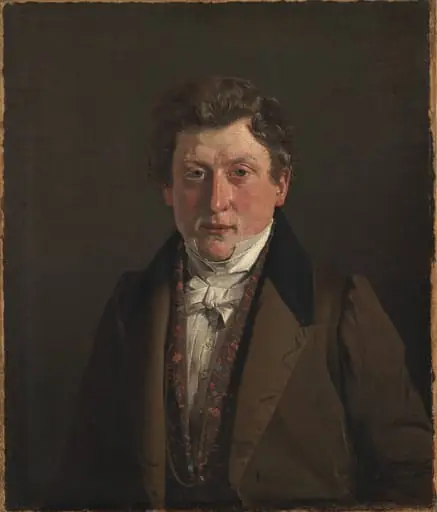 Portrait of the Artist´s Cousin and Brother-in-Law, the Grocer Christian Petersen
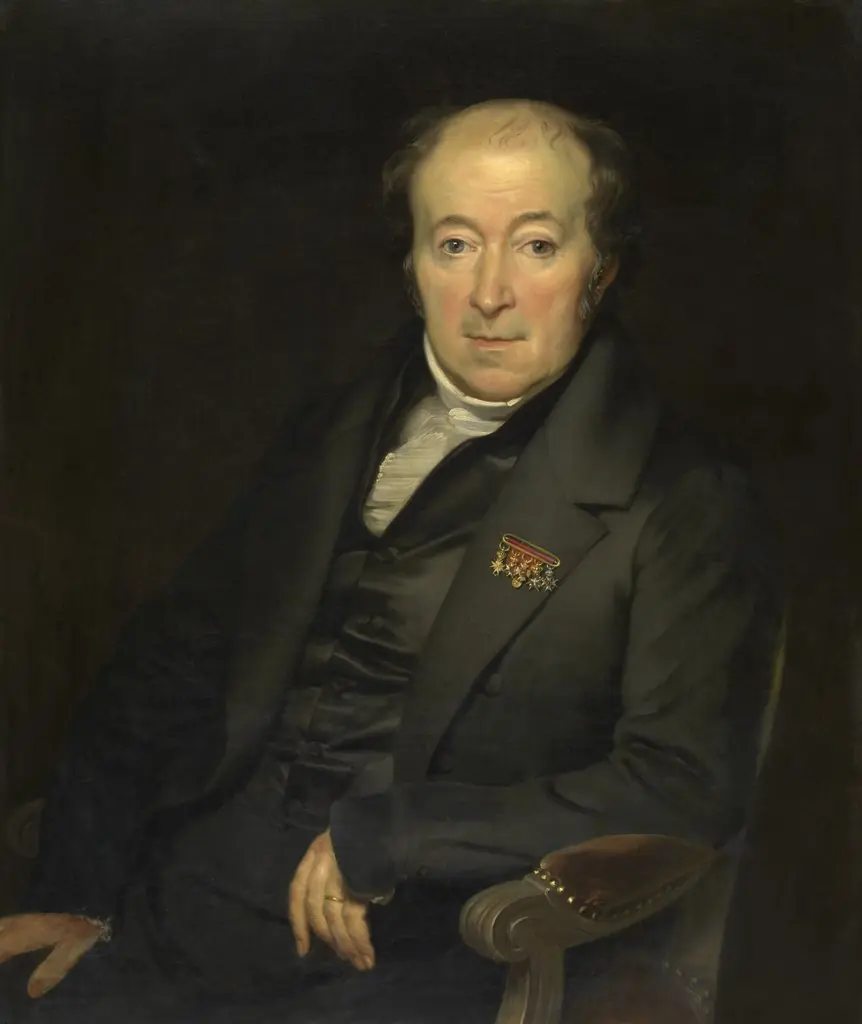 The Painter Mattheus Ignatius van Bree
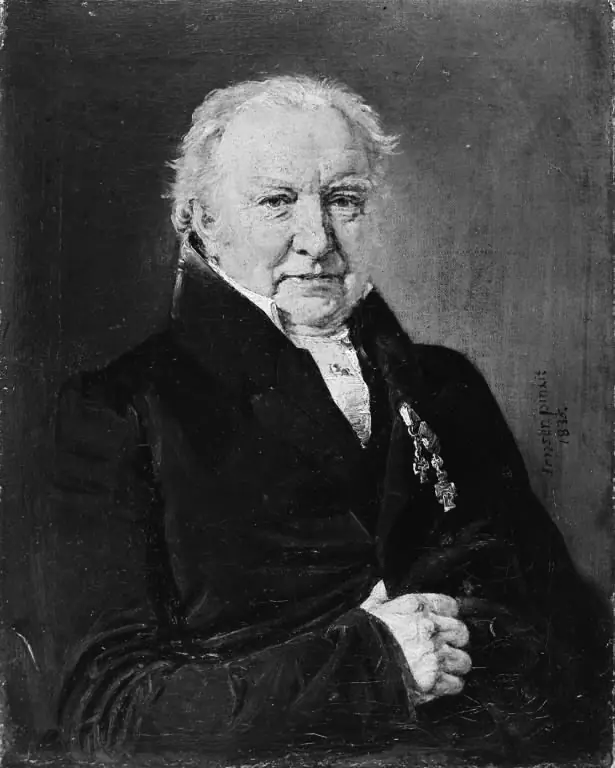 Professor dr. med. J.D. Herholdt
 Alexander Contee Hanson