Artwork
Andreas Singdahlsen
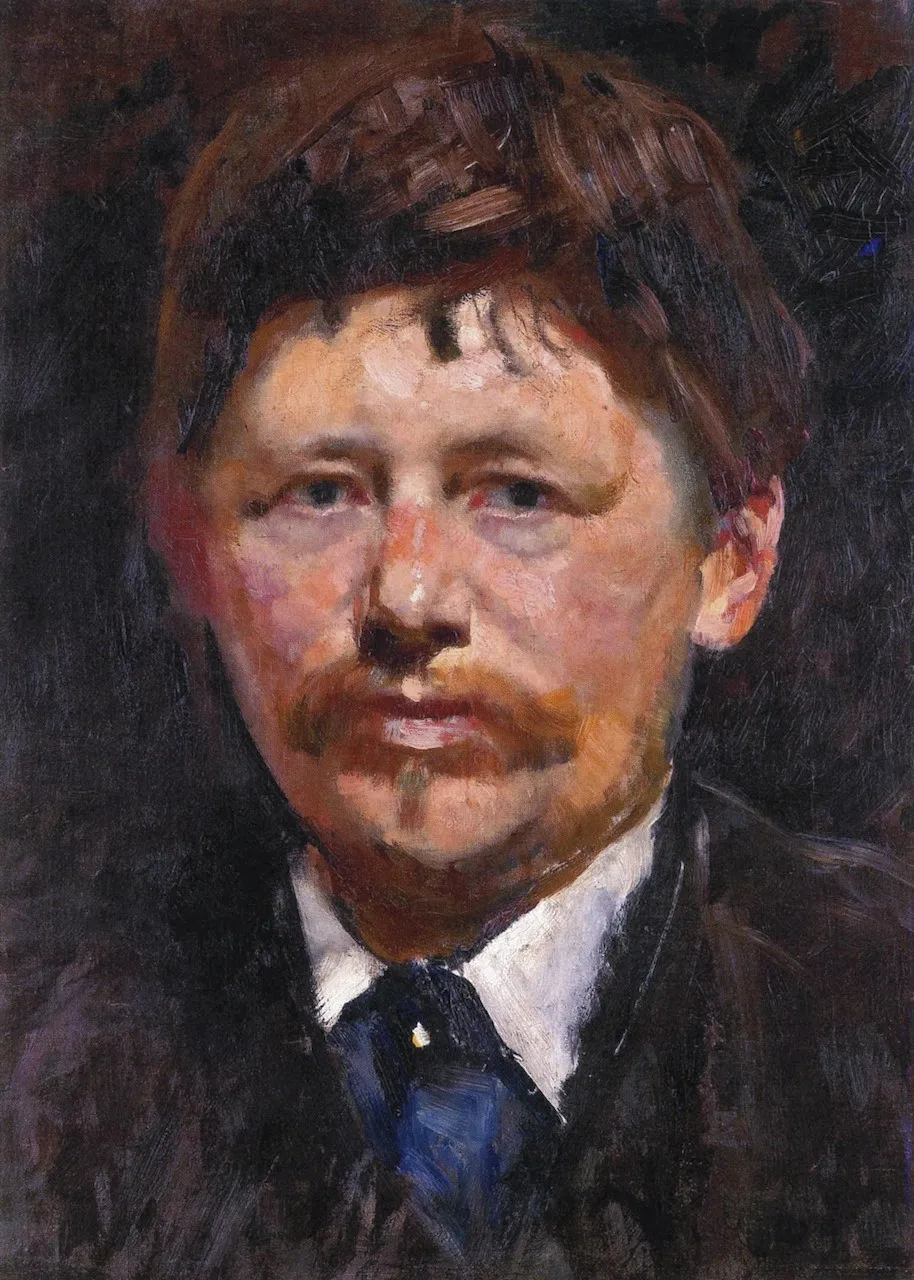
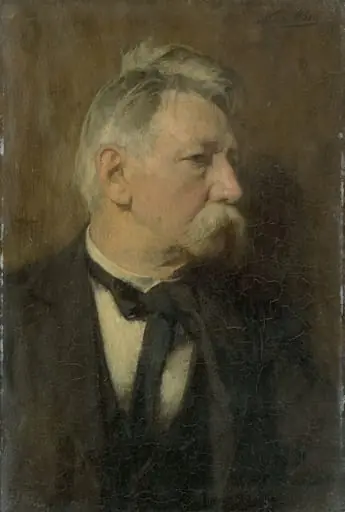
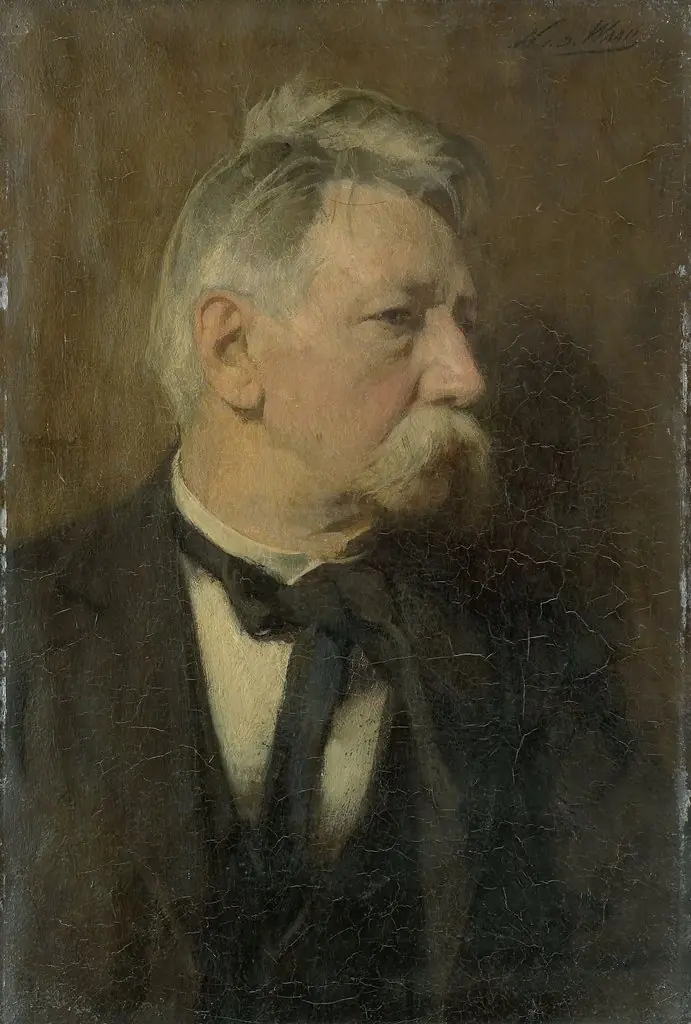
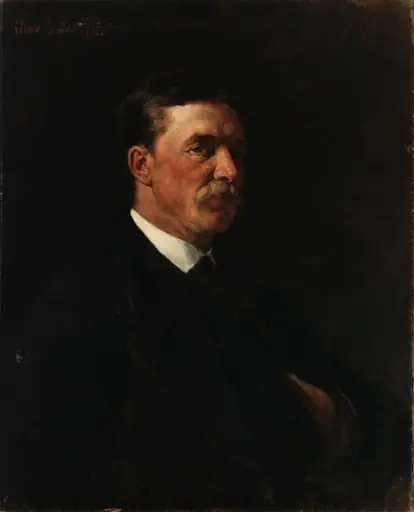
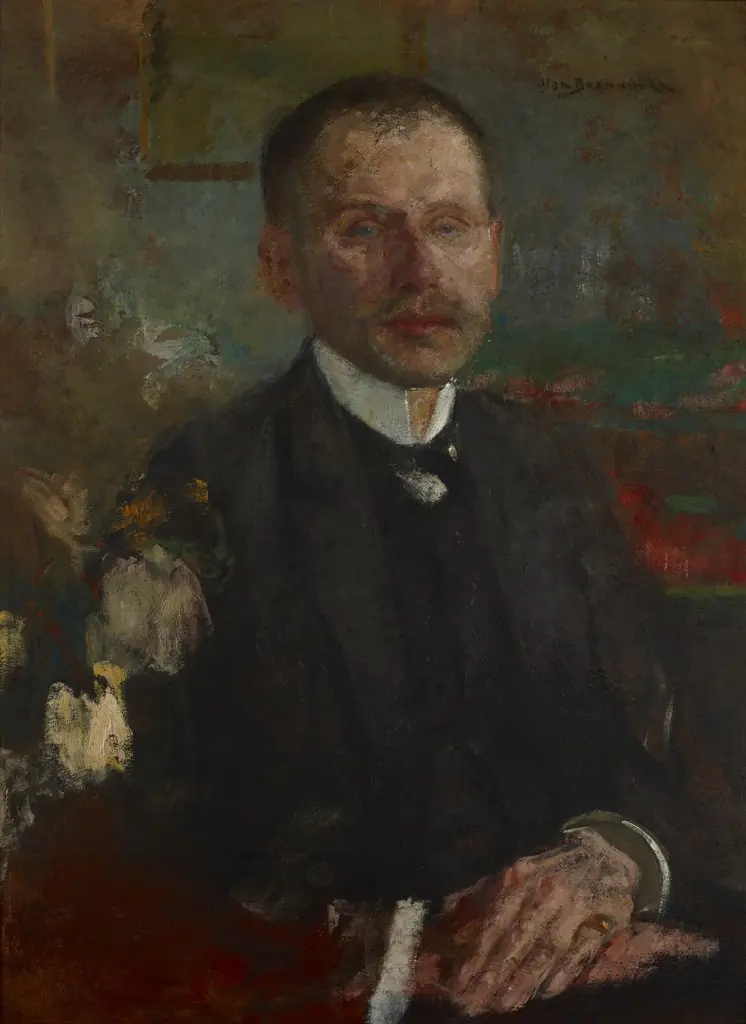
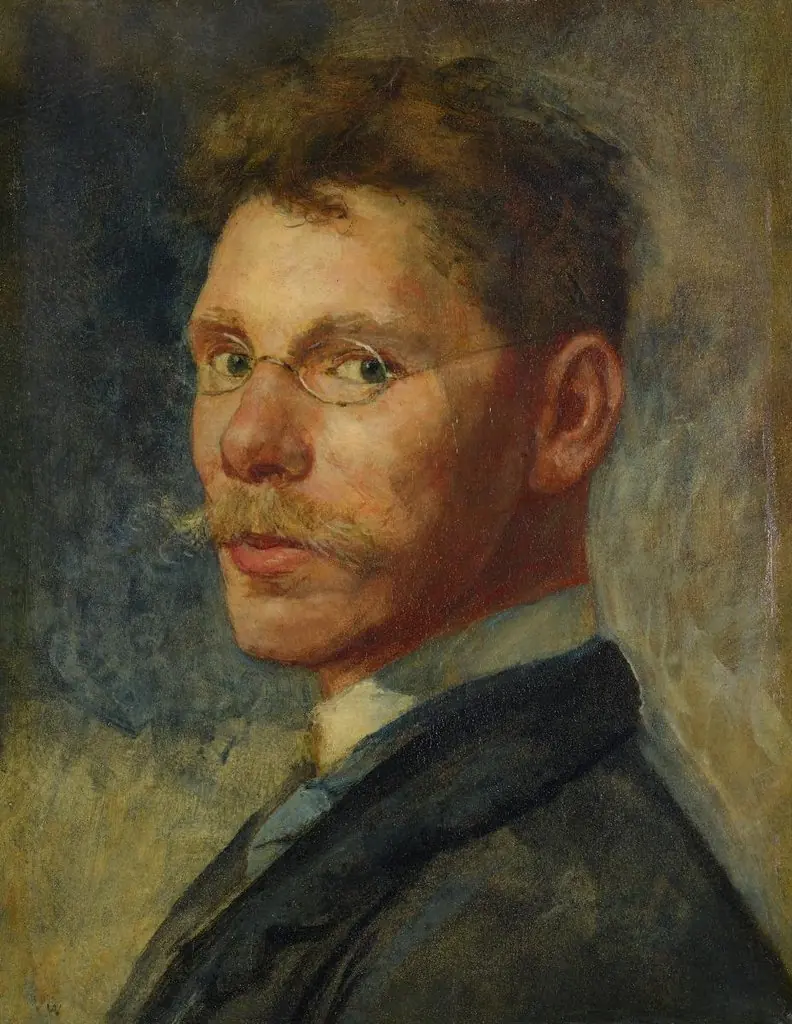
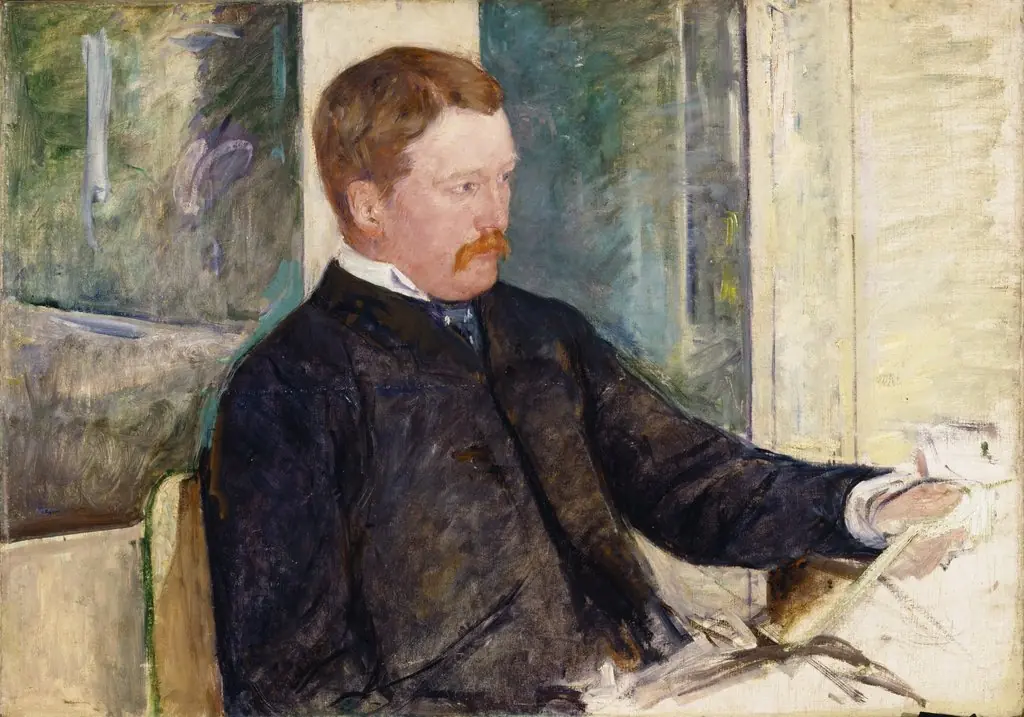
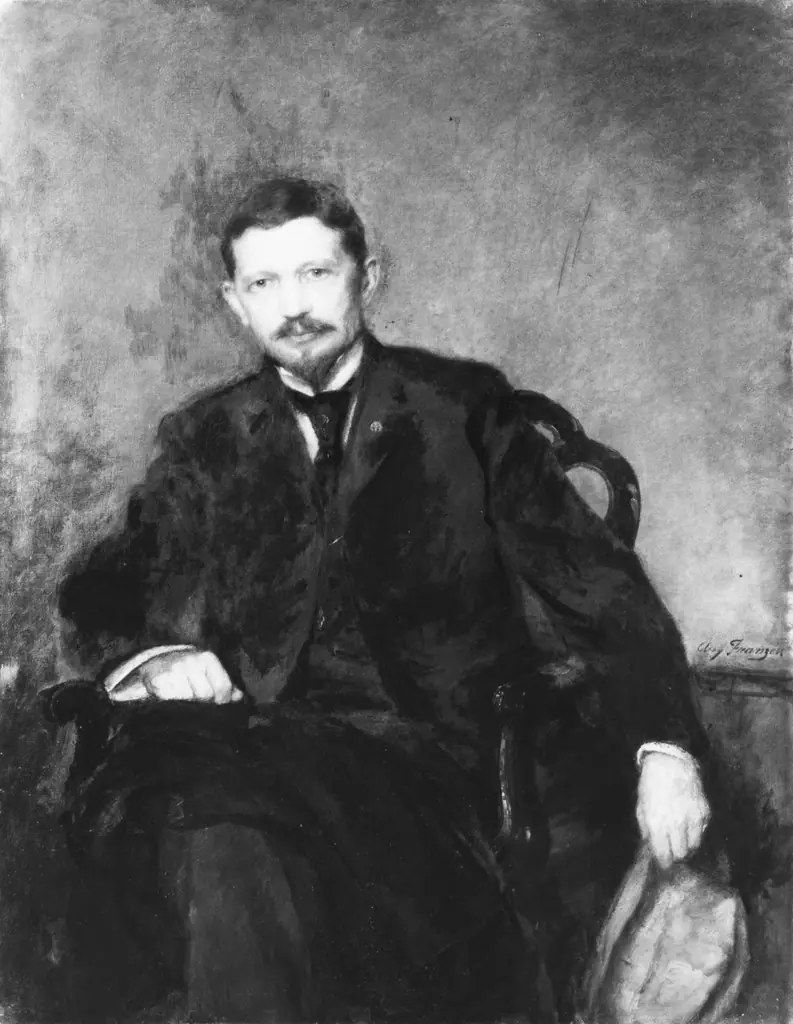
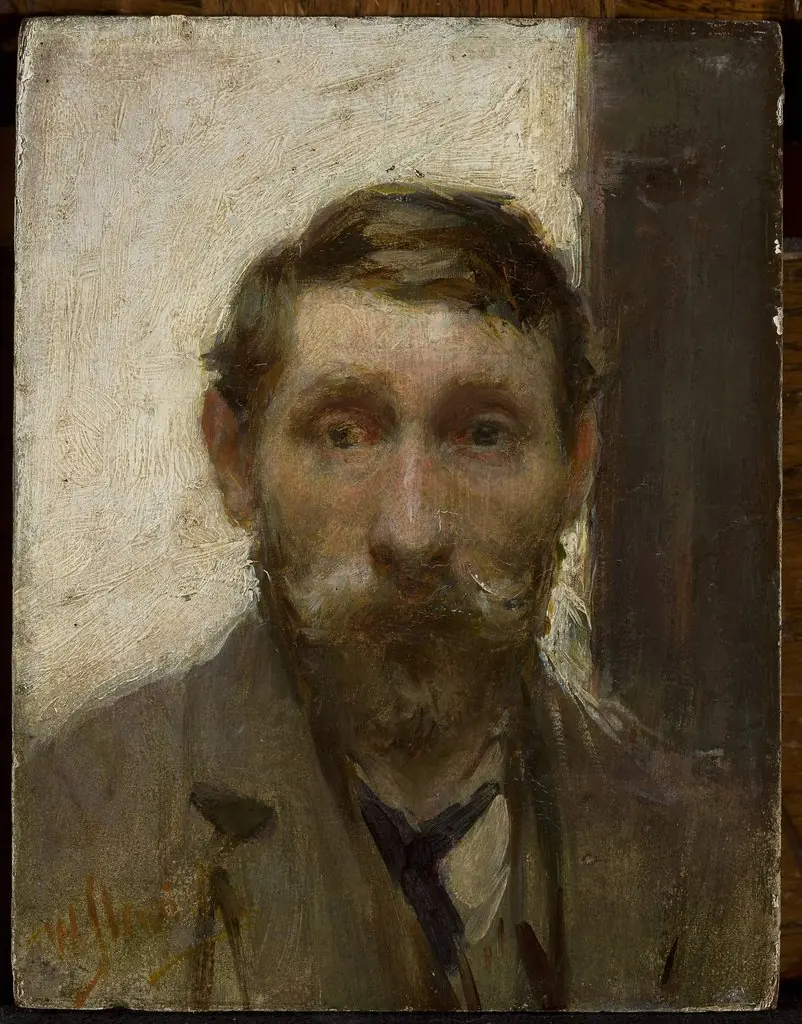
Andreas Singdahlsen is an oil painting by the Post-Impressionist artist Edvard Munch. It dates from 1892 and is held in the collection of the Munch Museum.
About this work
Overview
Edvard Munch painted Andreas Singdahlsen in 1892 using oil on canvas. The portrait is one of several from this period in which Munch turned his attention to individual psychology through direct, unidealized depictions. It resides in the Munch Museum’s collection, where it contributes to the broader understanding of his portraiture beyond his more widely known symbolic works.
Subject & Meaning
Andreas Singdahlsen, a Norwegian figure known to Munch, is portrayed with quiet intensity, meeting the viewer’s gaze without expression.
Andreas Singdahlsen, a Norwegian figure known to Munch, is portrayed with quiet intensity, meeting the viewer’s gaze without expression. The absence of narrative context or symbolic elements shifts focus to the sitter’s presence alone. Munch’s interest in inner life is evident not in gesture or setting, but in the stillness and directness of the gaze, suggesting psychological depth over external identity.
Technique & Style
Munch employed loose, visible brushwork to model the face, using warm tones against a dark, undefined background. The contrast between the illuminated features and the shadowed surroundings creates a chiaroscuro effect, enhancing the subject’s three-dimensionality. The texture of the paint and the deliberate lack of detail in the attire and background emphasize emotional immediacy over physical realism.
History & Provenance
The portrait was completed during Munch’s time in Kristiania, following his studies at the Royal School of Art and Design and his engagement with intellectual circles influenced by Hans Jæger. It remained in private hands before entering the Munch Museum’s collection, where it has been preserved as part of his early portraiture output, reflecting his evolving approach to human representation.
Context
In the early 1890s, Munch moved away from academic conventions toward a more personal visual language. Influenced by contemporary European trends and his own experiences with mortality and alienation, he sought to capture psychological states rather than social status. Singdahlsen reflects this shift—less a formal commission, more an intimate study of presence.
Legacy
Though less famous than Munch’s symbolic compositions, portraits like Singdahlsen reveal his consistent interest in the human psyche. The work demonstrates his ability to convey emotional weight through minimal means—facial expression, lighting, and brushwork. It remains a quiet but significant example of his contribution to modern portraiture.
Artist & collection
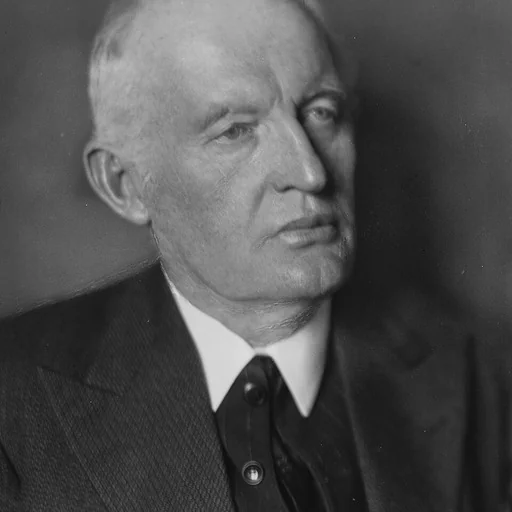
Artist
Edvard Munch ( MUUNK; Norwegian: ; 12 December 1863 – 23 January 1944) was a Norwegian painter.