Artwork
Chemistry
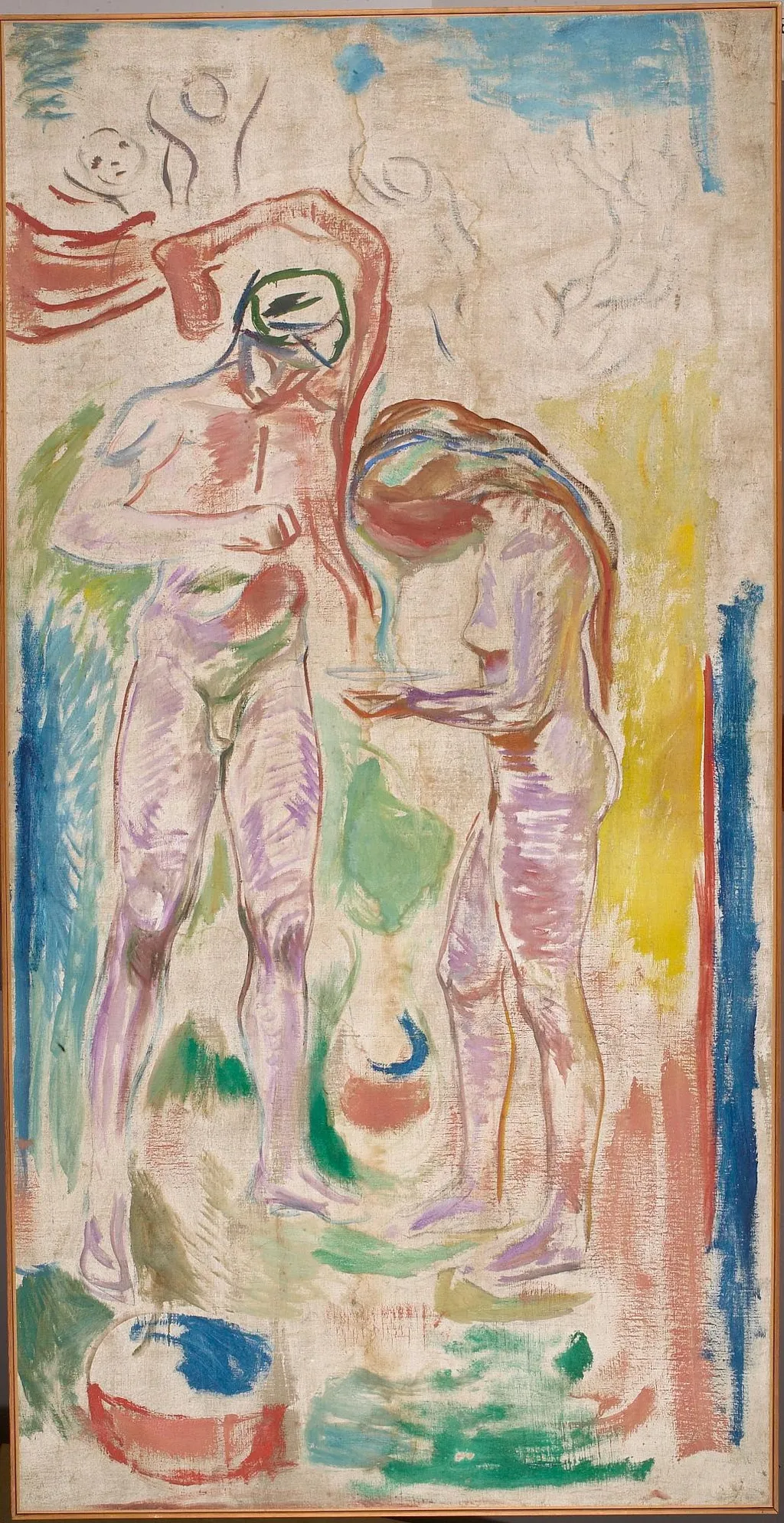
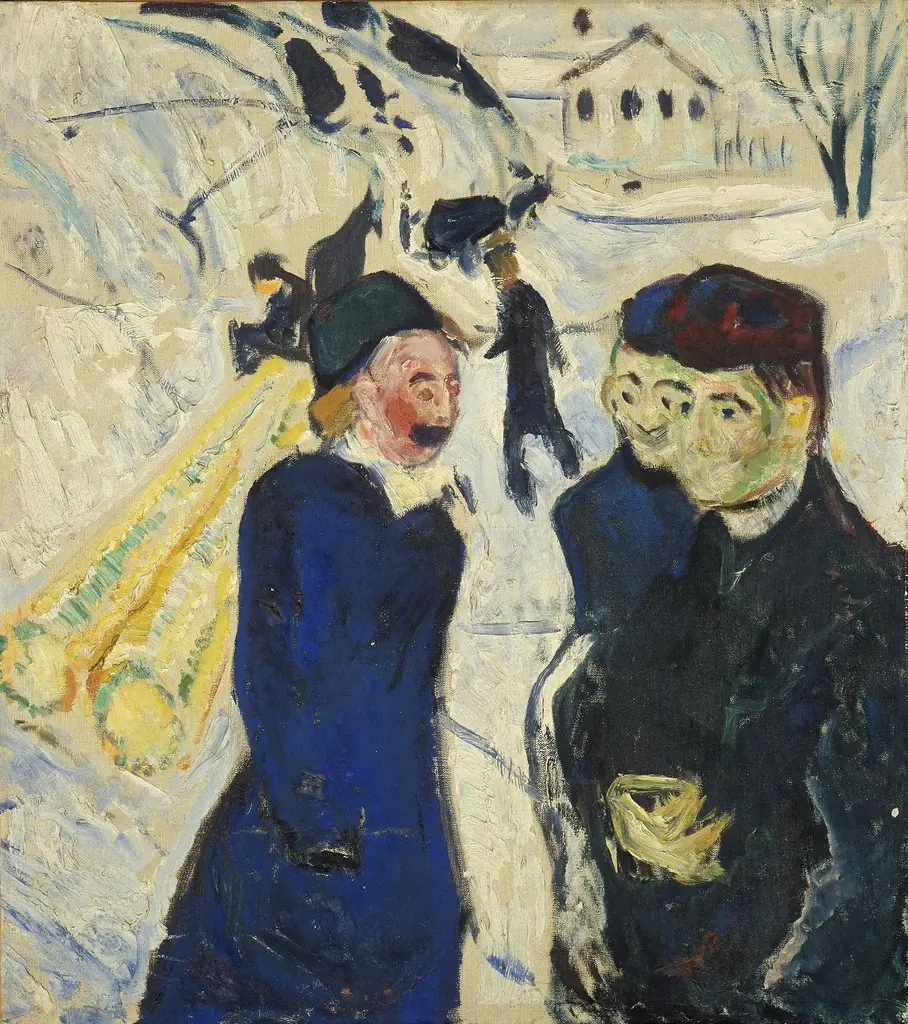
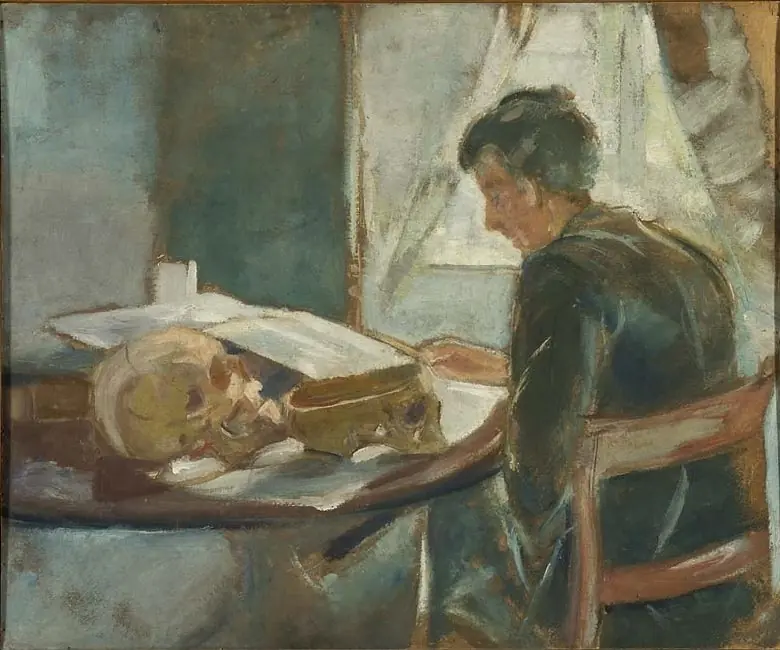
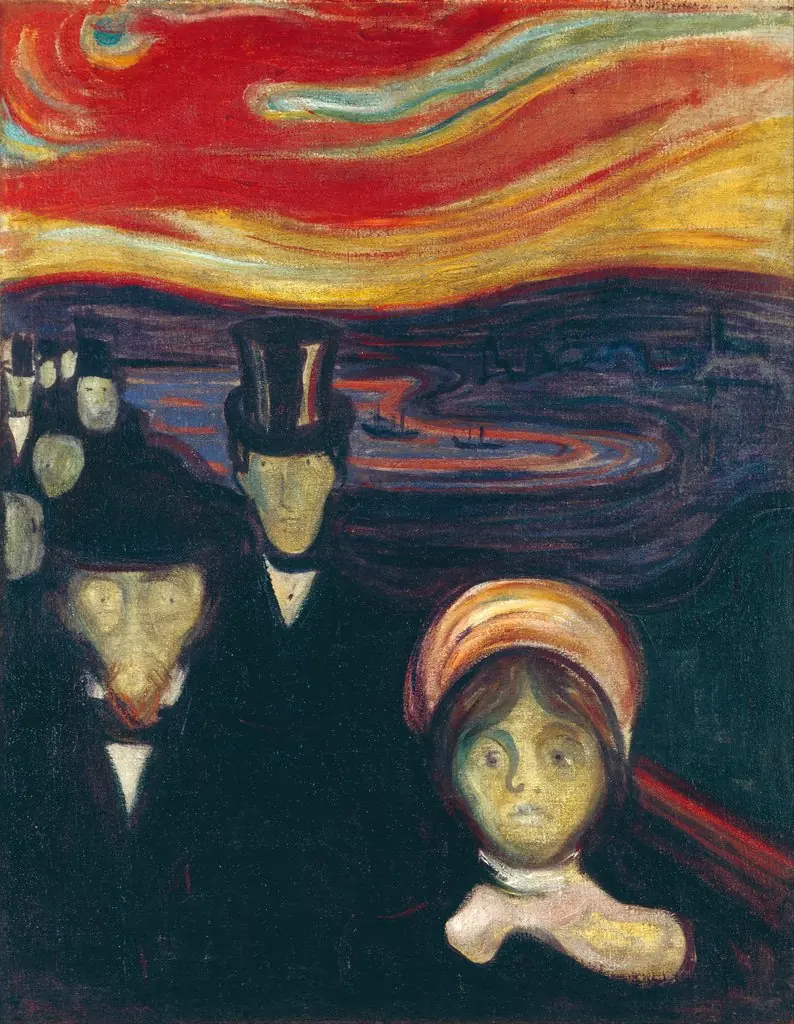
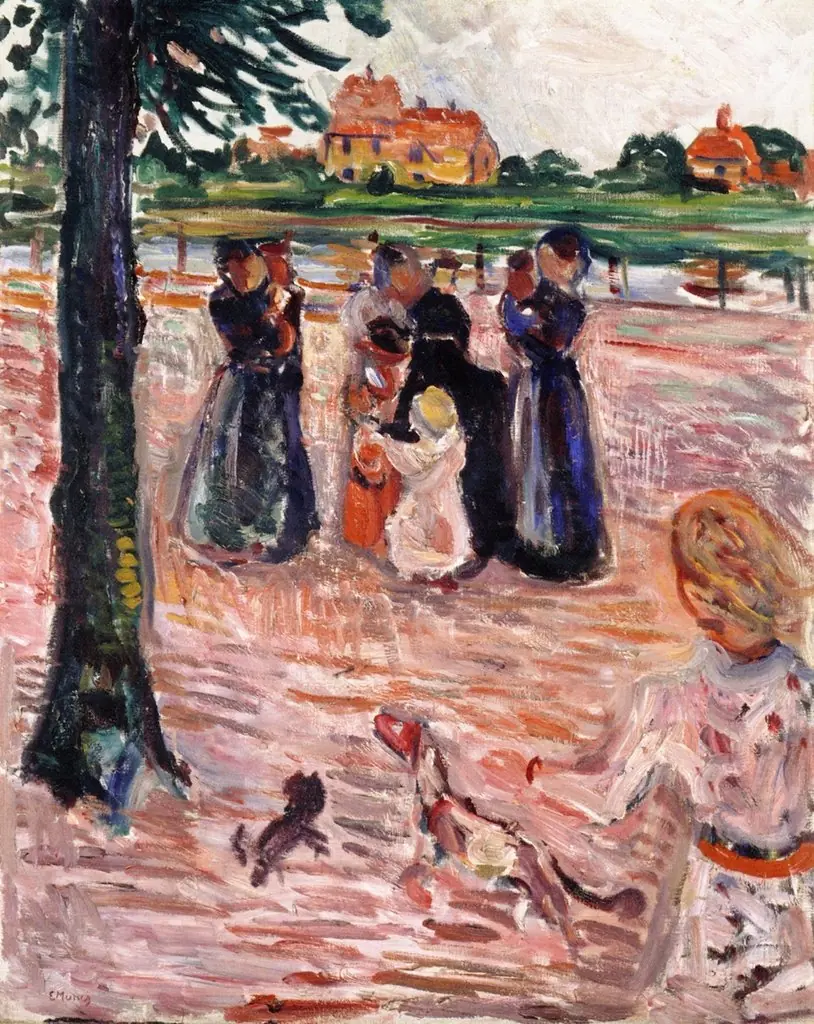
Chemistry is an oil painting by the Post-Impressionist artist Edvard Munch. It dates from 1912 and is held in the collection of the Munch Museum.
About this work
Overview
Painted in 1912, *Chemistry* is an oil work by Norwegian artist Edvard Munch, reflecting his enduring interest in human emotion and psychological tension.
Painted in 1912, *Chemistry* is an oil work by Norwegian artist Edvard Munch, reflecting his enduring interest in human emotion and psychological tension. Created during a period of mature artistic development, the piece departs from literal representation to convey inner states through color and form. It is part of the Munch Museum’s permanent collection, where it continues to be studied for its emotional intensity and stylistic innovation.
Subject & Meaning
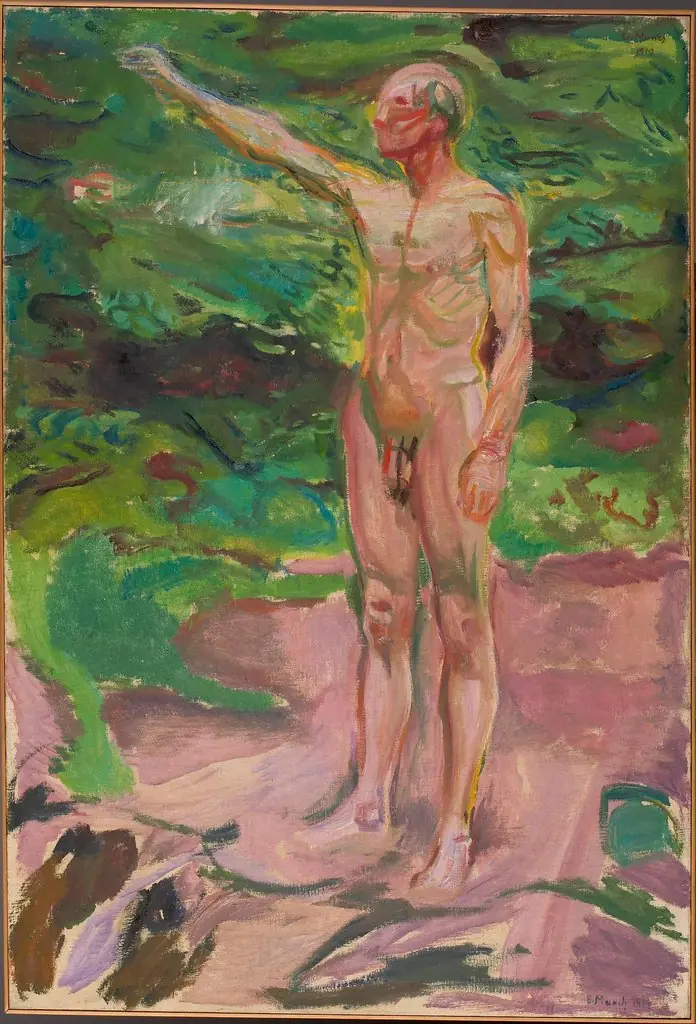
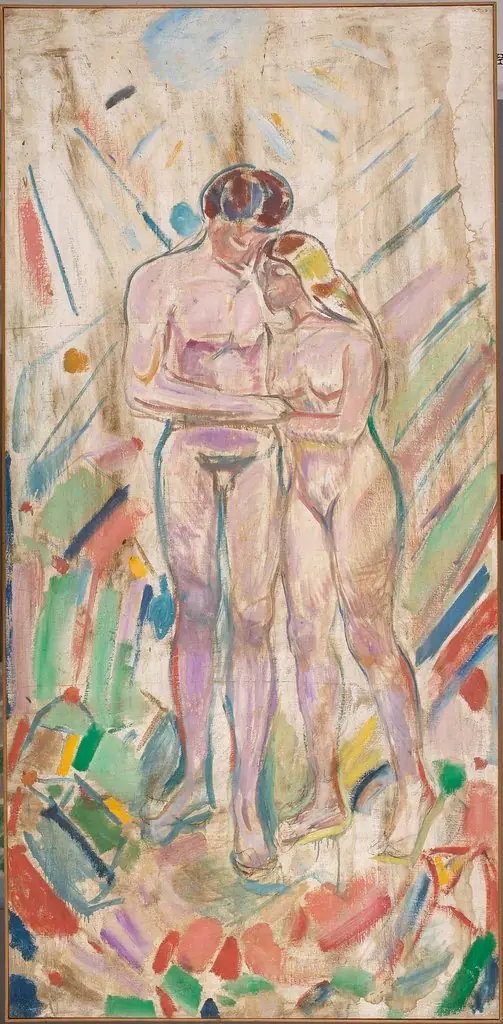
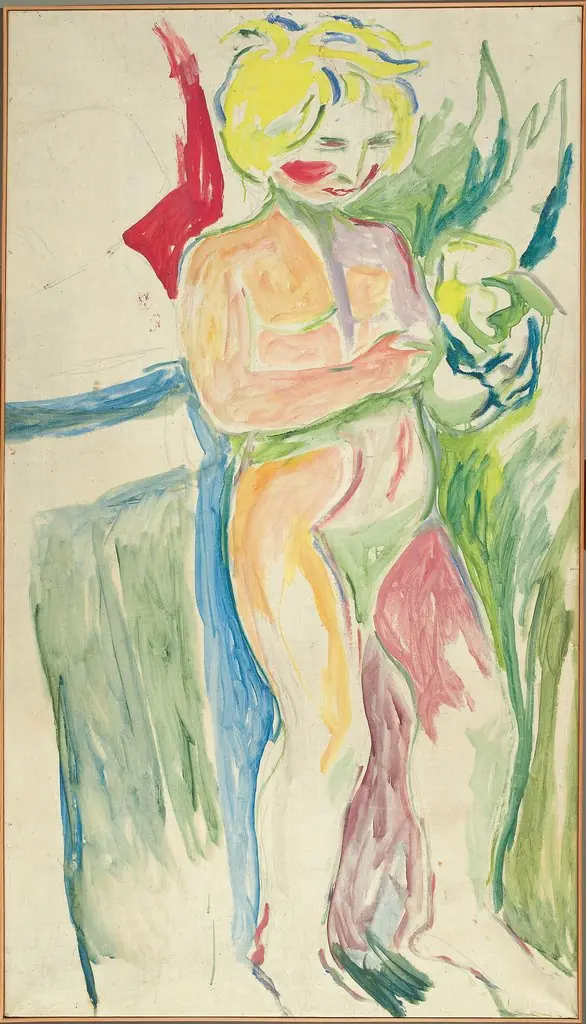
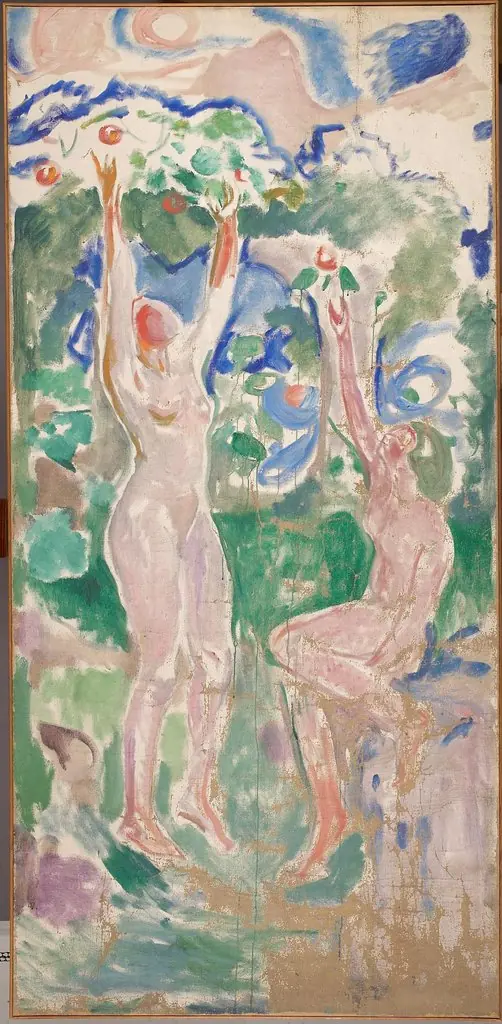
The painting depicts a clothed man and a nude woman in close proximity, their interaction ambiguous yet charged. The man, distinguished by a red scarf, appears detached, while the woman bends forward, clutching an indistinct object. The scene resists clear narrative, instead suggesting themes of intimacy, alienation, or the tension between physical and emotional presence—common concerns in Munch’s exploration of human relationships.
Technique & Style
Munch employed loose, energetic brushwork and non-naturalistic color to dissolve conventional form. The figures emerge from a swirling field of pigment, with contours suggested rather than defined. His use of bold, contrasting hues and visible strokes prioritizes emotional resonance over anatomical accuracy, aligning with post-impressionist tendencies to express inner experience through visual intensity rather than realism.
History & Provenance
Created in 1912, *Chemistry* entered the collection of the Munch Museum shortly after the artist’s death, as part of his extensive bequest of personal works. Munch retained many of his paintings throughout his life, and this piece remained in his possession until his estate was transferred to the museum in Oslo, ensuring its preservation and public accessibility as a key example of his later output.
Context
Munch painted *Chemistry* during a time when he was increasingly focused on psychological themes, influenced by personal losses and broader cultural shifts in early 20th-century Europe. While his earlier works like *The Scream* had established his reputation, this later piece reflects a continued preoccupation with the complexities of human connection, filtered through a more abstract and expressive visual language.
Legacy
Though less widely known than his symbolic masterpieces, *Chemistry* exemplifies Munch’s sustained commitment to translating emotional experience into paint. Its abstracted forms and psychological depth contributed to the evolution of modern expressionism, influencing later artists who sought to convey inner turmoil through non-traditional techniques and color symbolism.
Artist & collection
Artist
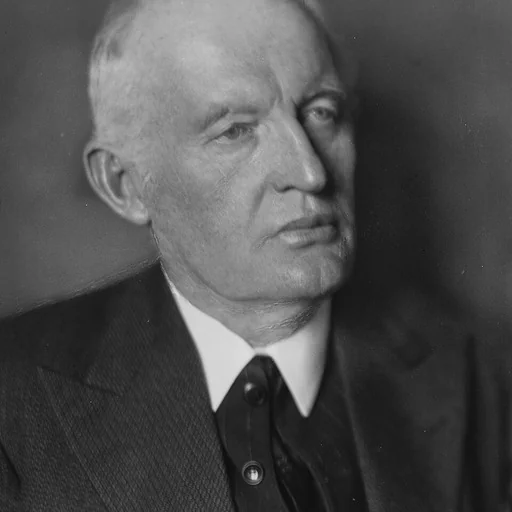
Edvard Munch ( MUUNK; Norwegian: ; 12 December 1863 – 23 January 1944) was a Norwegian painter.