Artwork
Hodman at Work on the Studio Building
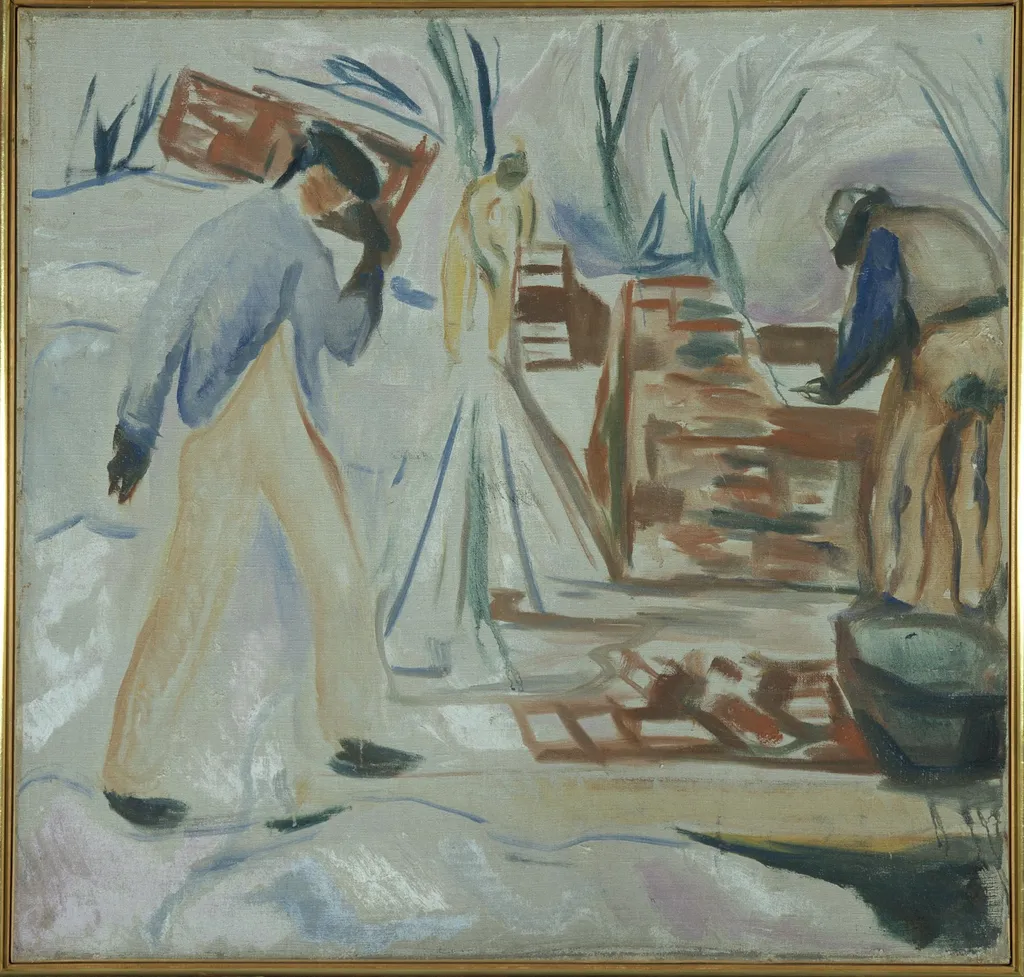
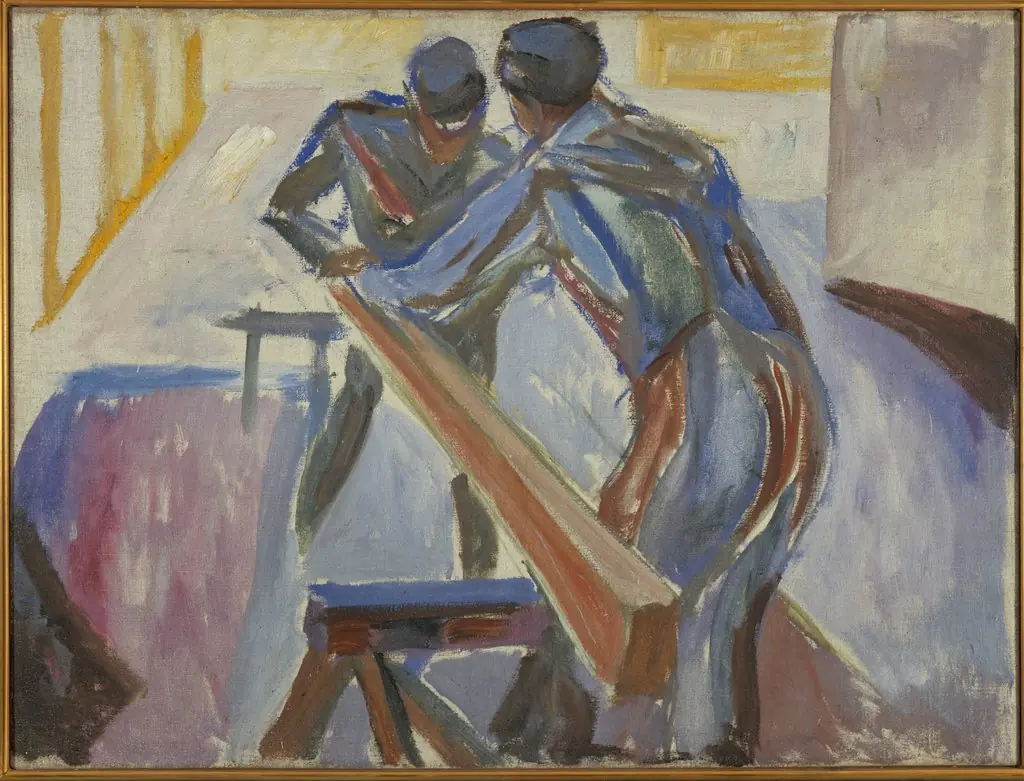
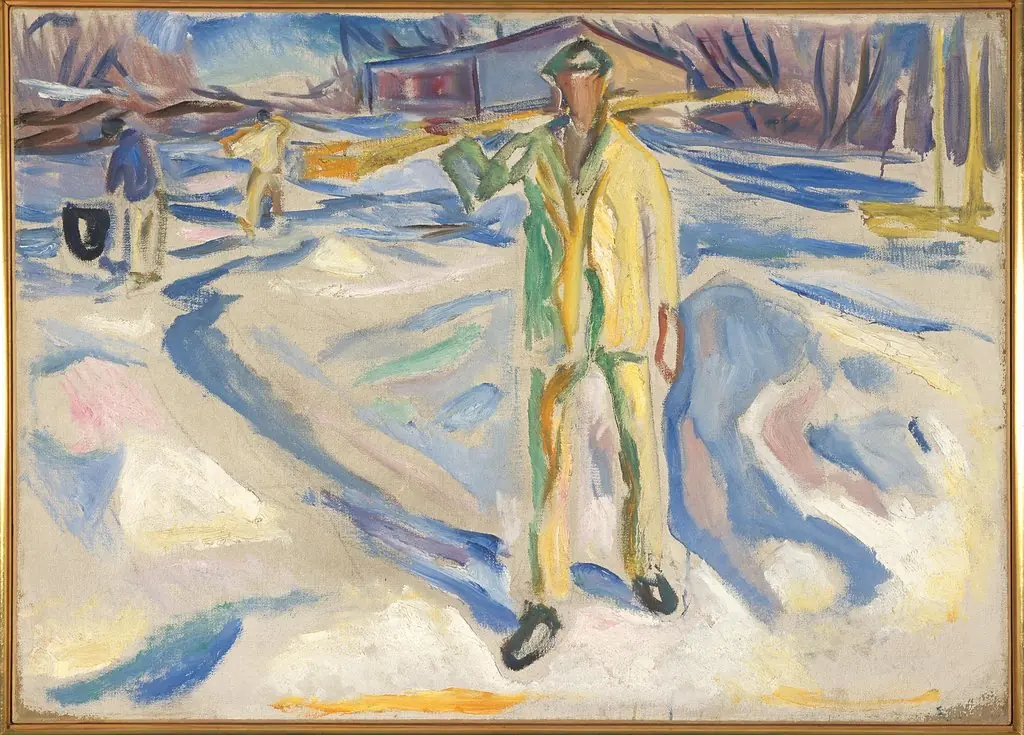
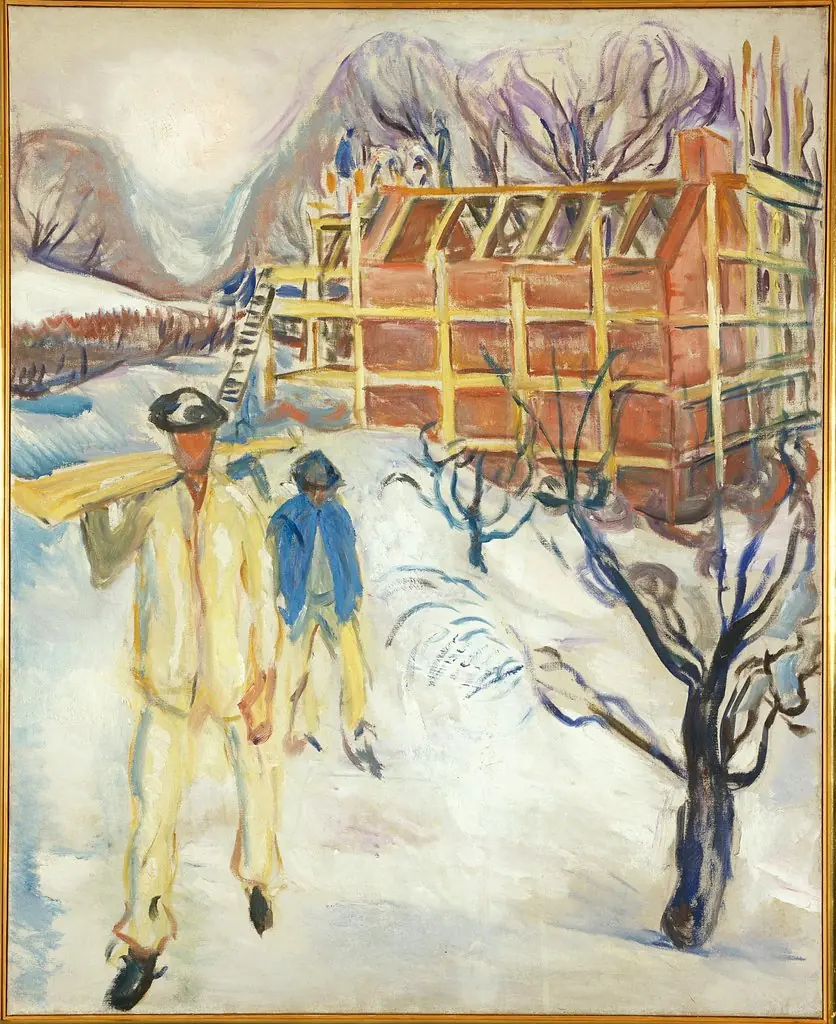
Hodman at Work on the Studio Building is an oil painting by the Post-Impressionist artist Edvard Munch. It dates from 1920 and is held in the collection of the Munch Museum.
About this work
Overview
The painting reflects Munch’s continued interest in everyday human activity, shifting from his earlier psychological themes toward more observational scenes.
Painted in 1920, *Hodman at Work on the Studio Building* is an oil on canvas work by Norwegian artist Edvard Munch. It depicts a laborer engaged in construction, rendered with loose, energetic brushwork. The painting reflects Munch’s continued interest in everyday human activity, shifting from his earlier psychological themes toward more observational scenes. Its composition and texture emphasize physical effort and the rhythm of manual labor.
Subject & Meaning
The central figure is a worker in a blue shirt and tan trousers, raising a red tool overhead, suggesting a moment of exertion. A faint second figure in the background adds depth without distraction. The scene avoids symbolism, focusing instead on the quiet dignity of labor. Munch, who had long explored inner turmoil, here turns his attention to the physical presence and routine of work, grounding his art in the tangible world.
Technique & Style
Munch employed thick, visible brushstrokes and a restrained palette of browns, grays, and muted reds to convey texture and movement. The paint is applied with urgency, capturing the worker’s motion without fine detail. This approach aligns with his post-impressionist tendencies, prioritizing emotional resonance over realism. The surface is tactile, with layers of pigment creating a sense of weight and immediacy.
History & Provenance
The painting was created during Munch’s later years, after he had settled in Ekely, his estate outside Oslo. It remained in his personal collection until his death in 1944, after which it was transferred to the Munch Museum, established to preserve his legacy. The work’s provenance is well-documented, with no significant gaps or transfers outside the artist’s estate.
Context
In the 1920s, Munch increasingly turned to scenes of rural life and labor, influenced by his surroundings and a desire to engage with the physical world. This period followed decades of introspective, symbolic works. The studio building itself was part of his own property, making this painting both a record of his environment and a quiet meditation on the act of building—both physical and artistic.
Legacy
While less known than his earlier works like *The Scream*, this painting illustrates Munch’s enduring commitment to capturing human experience through direct observation. Its inclusion in the Munch Museum’s permanent collection affirms its role in demonstrating the breadth of his artistic concerns. It stands as a testament to his later shift toward grounded, unembellished depictions of daily life.
Artist & collection
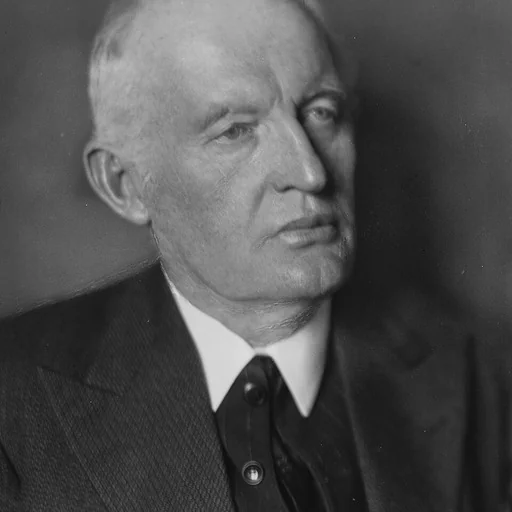
Artist
Edvard Munch ( MUUNK; Norwegian: ; 12 December 1863 – 23 January 1944) was a Norwegian painter.