Artwork
Irmgard Steinbart
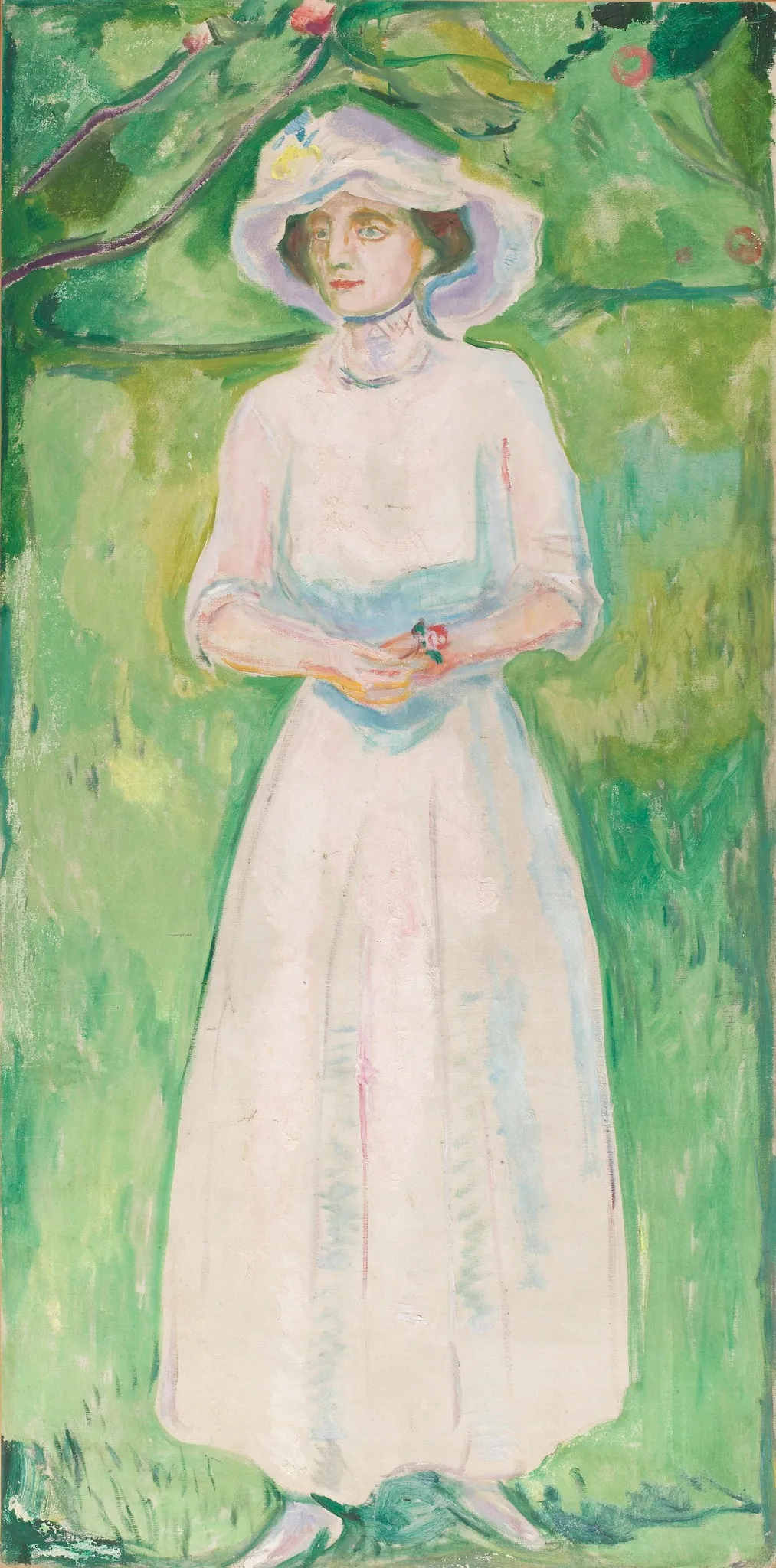
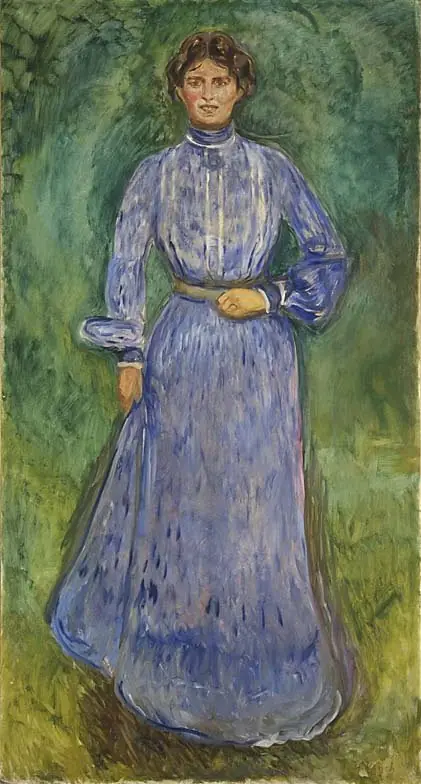
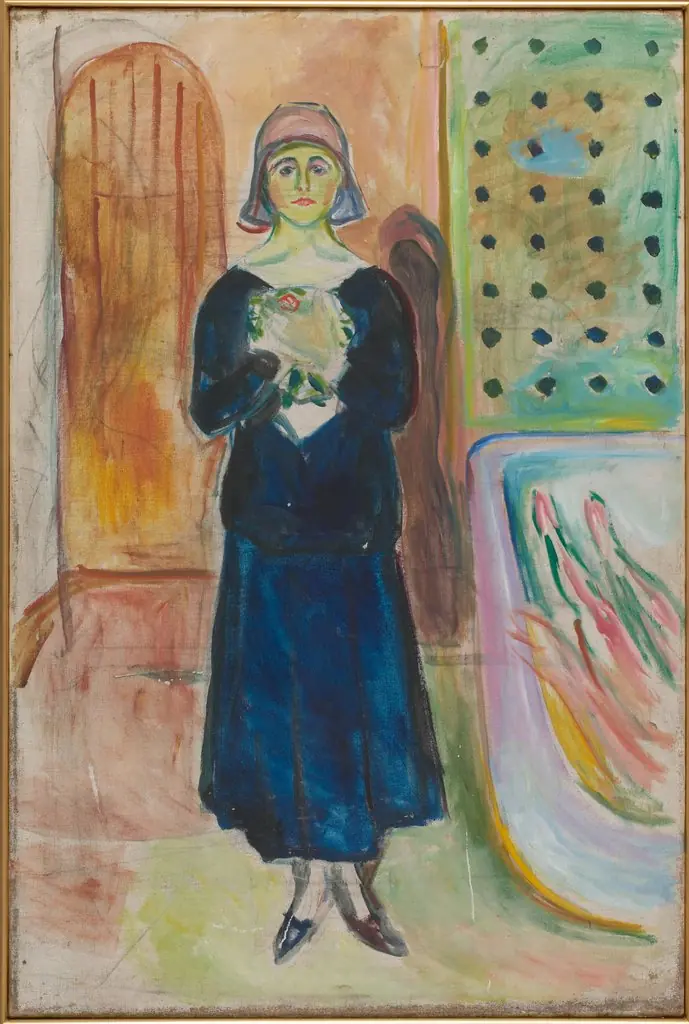
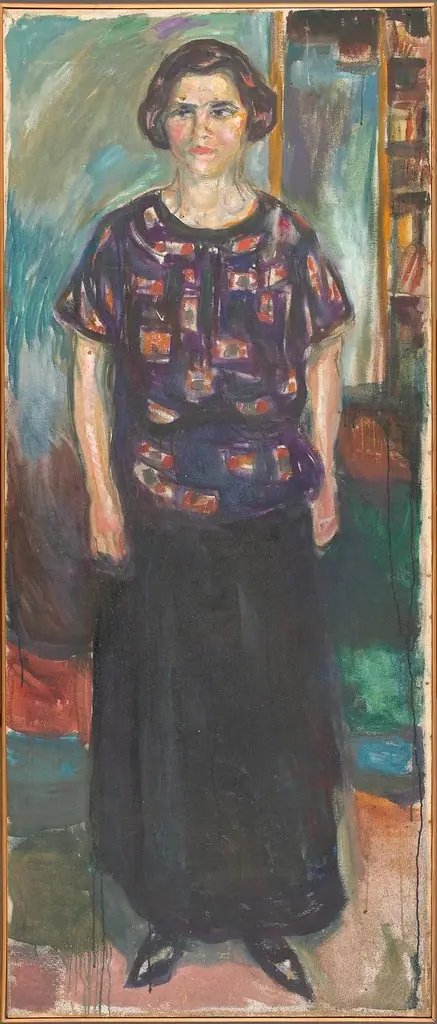
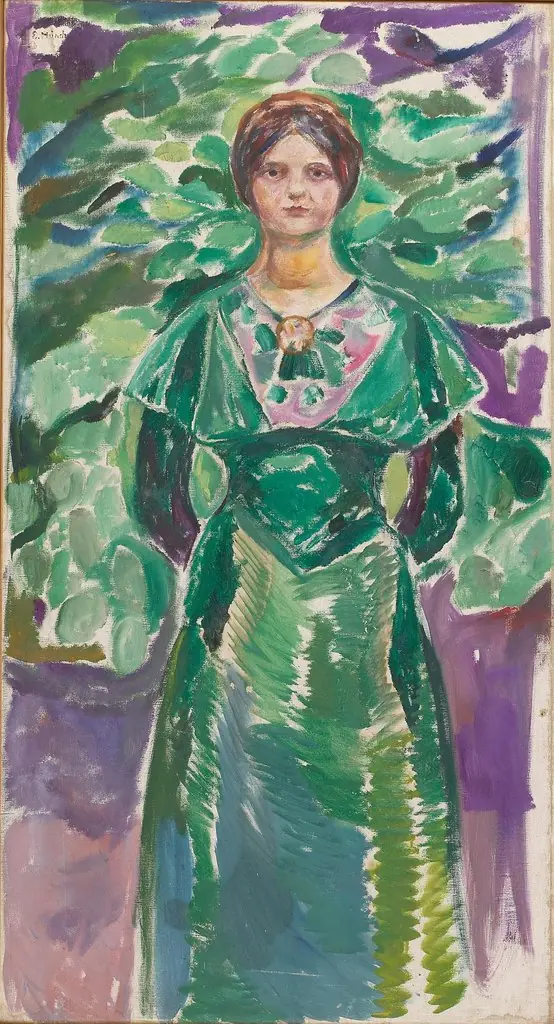
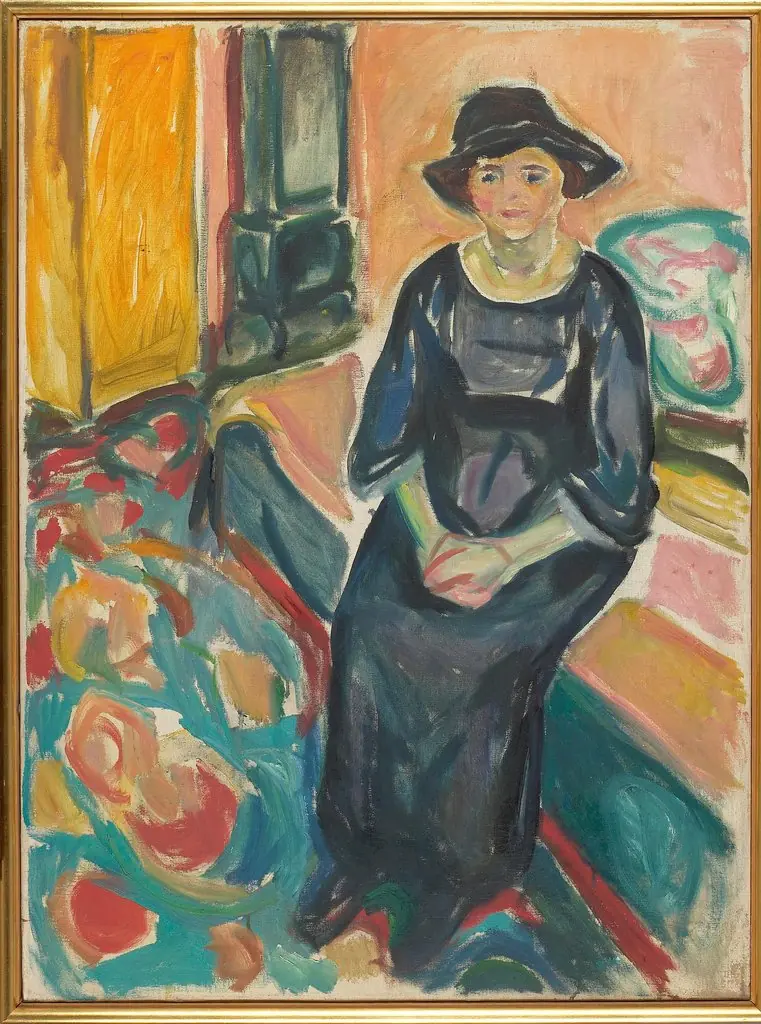
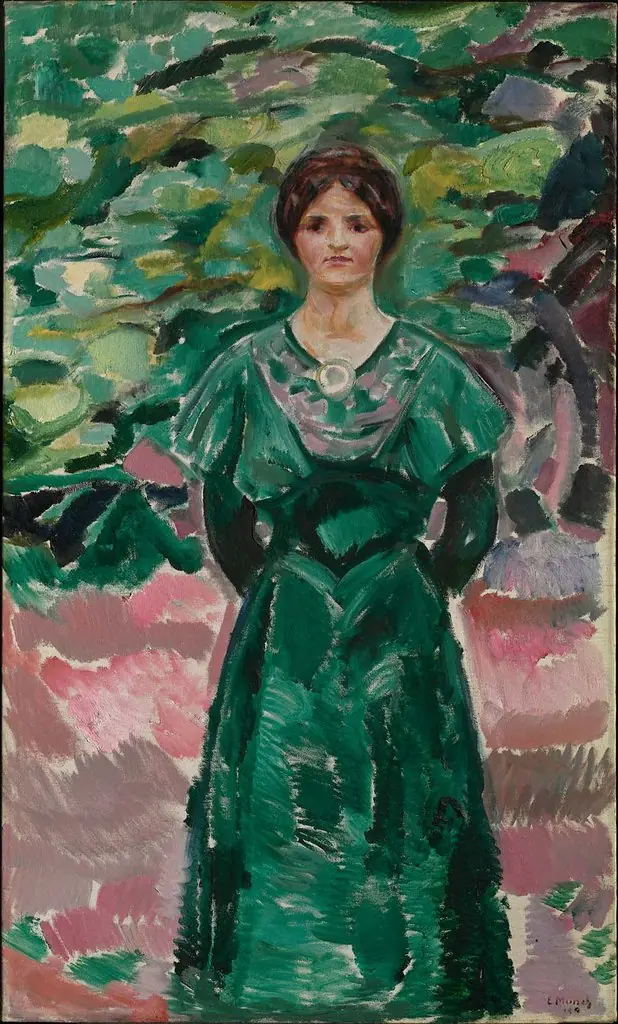
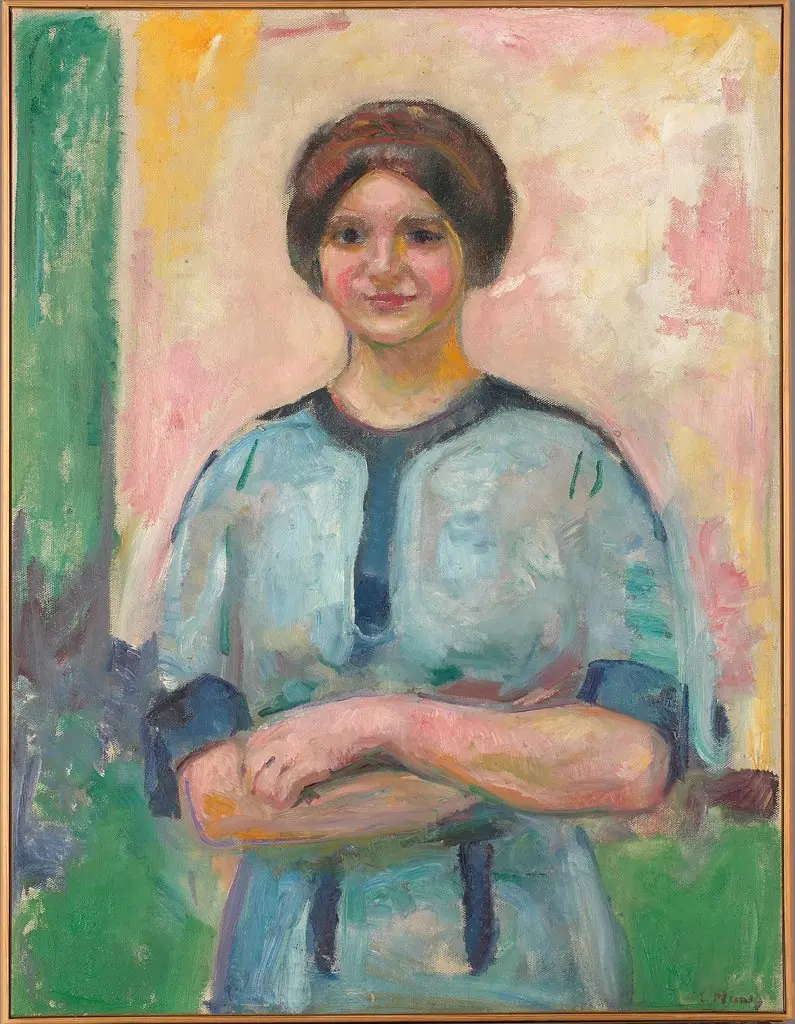
Irmgard Steinbart is an oil painting by the Post-Impressionist artist Edvard Munch. It dates from 1913 and is held in the collection of the Munch Museum.
About this work
Overview
The painting belongs to his later period, when his style had evolved beyond early expressionism into a more restrained, atmospheric mode.
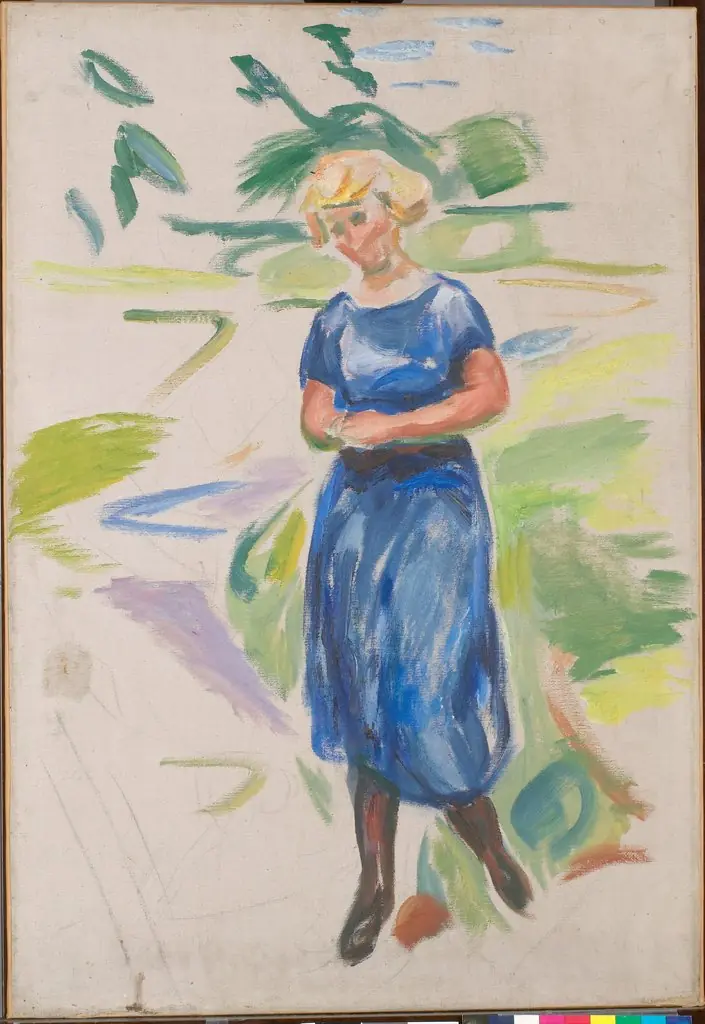
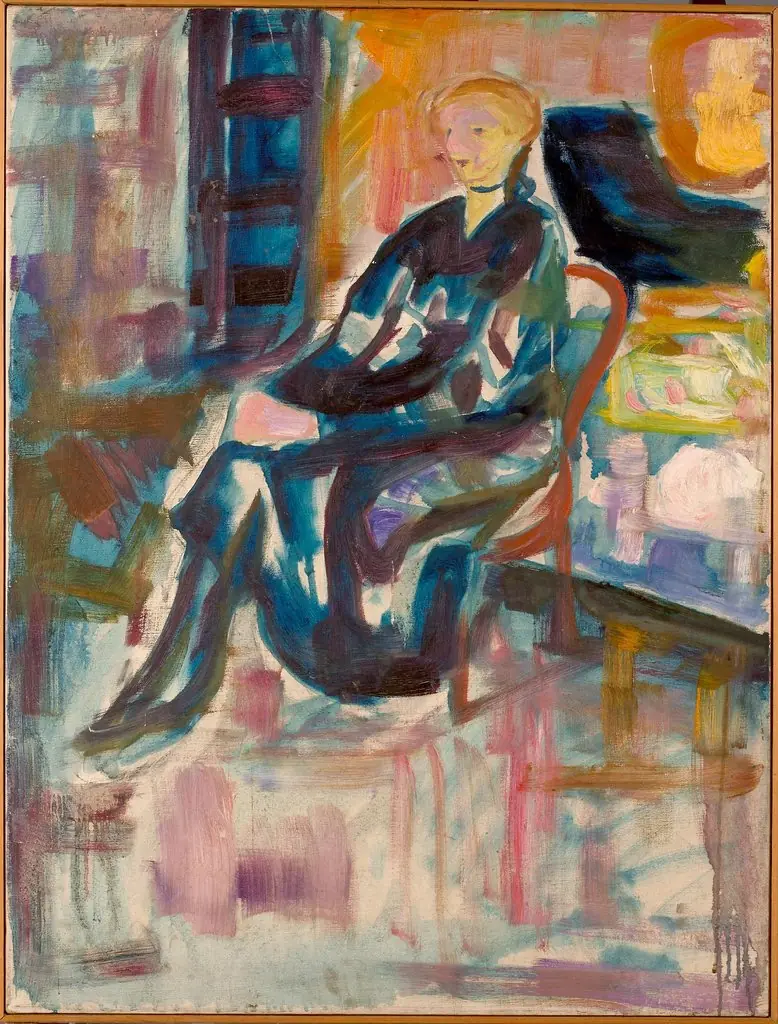
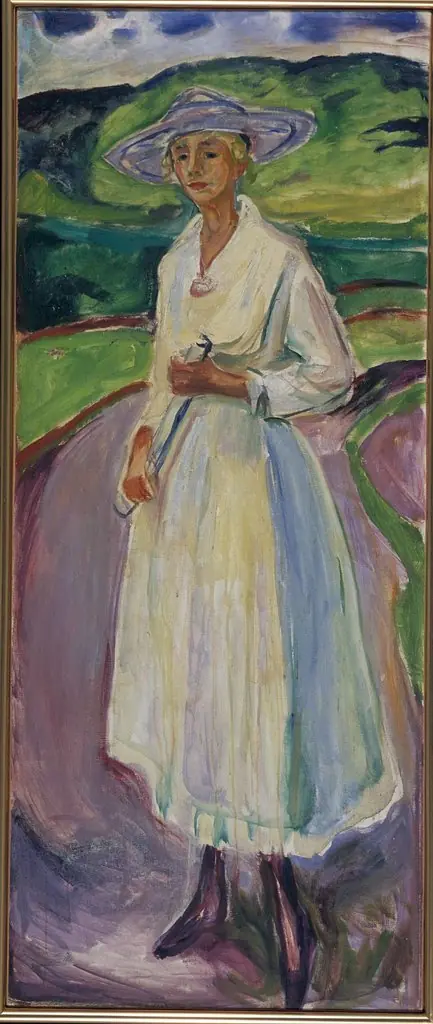
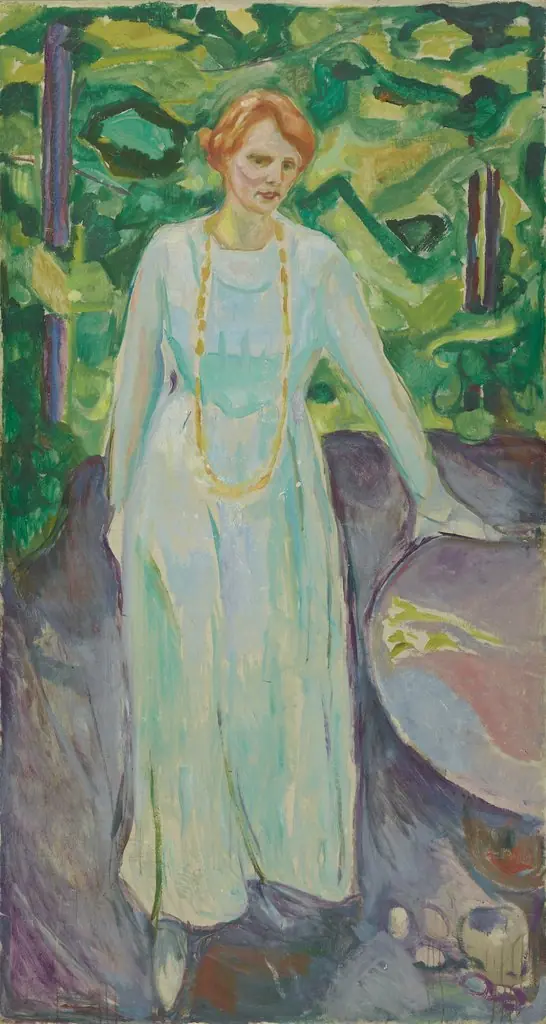
Edvard Munch painted Irmgard Steinbart in 1913 using oil on canvas. The work is part of the Munch Museum’s collection in Oslo. It portrays a woman in a natural setting, rendered with subdued tones and soft focus, reflecting Munch’s interest in emotional resonance over literal representation. The painting belongs to his later period, when his style had evolved beyond early expressionism into a more restrained, atmospheric mode.
Subject & Meaning
The subject, Irmgard Steinbart, is depicted standing alone in a verdant landscape, dressed in white with a wide-brimmed hat. Her face is indistinct, and her hands hold a small, ambiguous object, inviting quiet contemplation. The absence of clear narrative or facial expression shifts focus to mood—suggesting introspection, solitude, or a momentary pause in nature. Munch often used figures as vessels for psychological states rather than individual portraits.
Technique & Style
Munch employed loose brushwork and layered glazes to create a hazy, immersive atmosphere. Greens dominate the composition, blending into one another without sharp definition, while the figure emerges softly from the background. The blurred facial features and simplified forms reflect his move away from realism toward symbolic abstraction. Light is diffused, enhancing the painting’s tranquil, dreamlike quality.
History & Provenance
The painting was completed during Munch’s time in Norway, after years spent abroad. Irmgard Steinbart was likely a member of his social circle, though little is documented about their relationship. The work remained in Munch’s possession until his death, after which it entered the Munch Museum’s foundational collection, established according to his will to preserve his artistic legacy.
Context
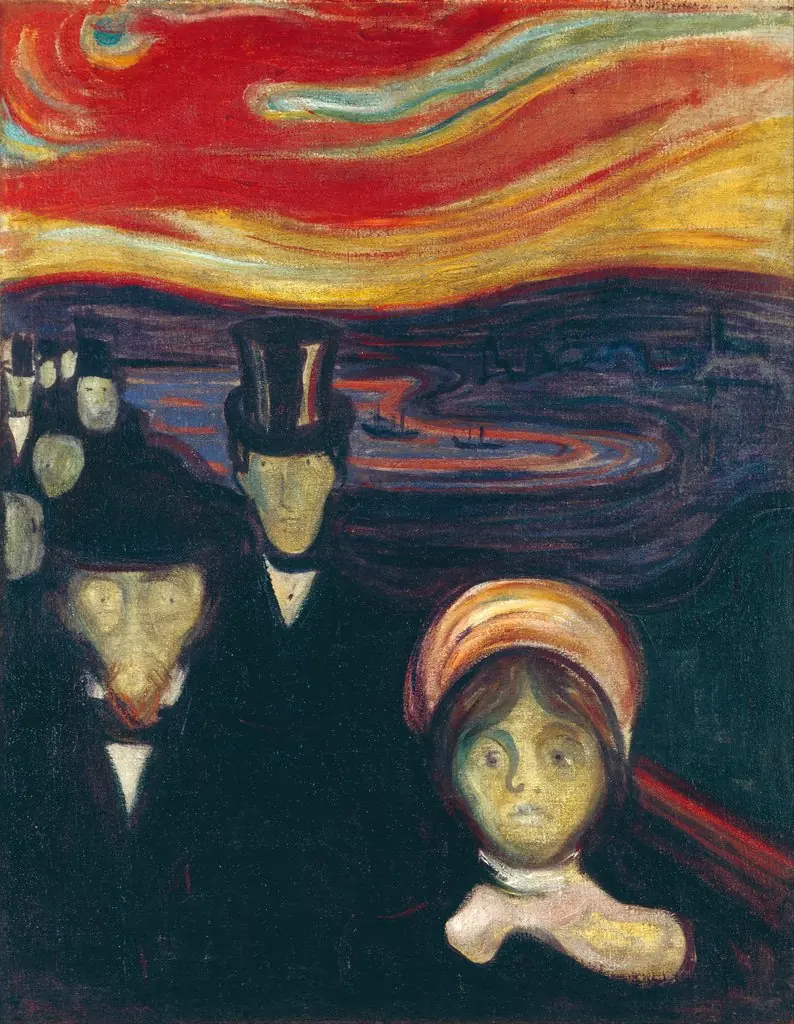
In 1913, Munch was refining a personal visual language shaped by decades of personal grief and philosophical inquiry. While European art was moving toward abstraction and cubism, he continued exploring inner life through nature and quiet figures. This painting aligns with his late interest in solitude, memory, and the emotional weight of everyday moments, distinct from the turmoil of his earlier works like The Scream.
Legacy
Irmgard Steinbart exemplifies Munch’s enduring focus on psychological depth over narrative clarity. Though less famous than his earlier pieces, it reveals his sustained commitment to evoking mood through atmosphere and form. The painting contributes to understanding his later career, where simplicity and restraint became tools for conveying complex inner states, influencing later generations of Nordic modernists.
Artist & collection
Artist
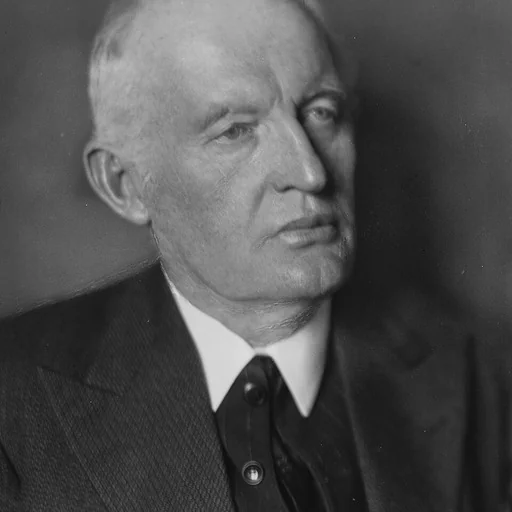
Edvard Munch ( MUUNK; Norwegian: ; 12 December 1863 – 23 January 1944) was a Norwegian painter.