Artwork
Model by the Wicker Chair
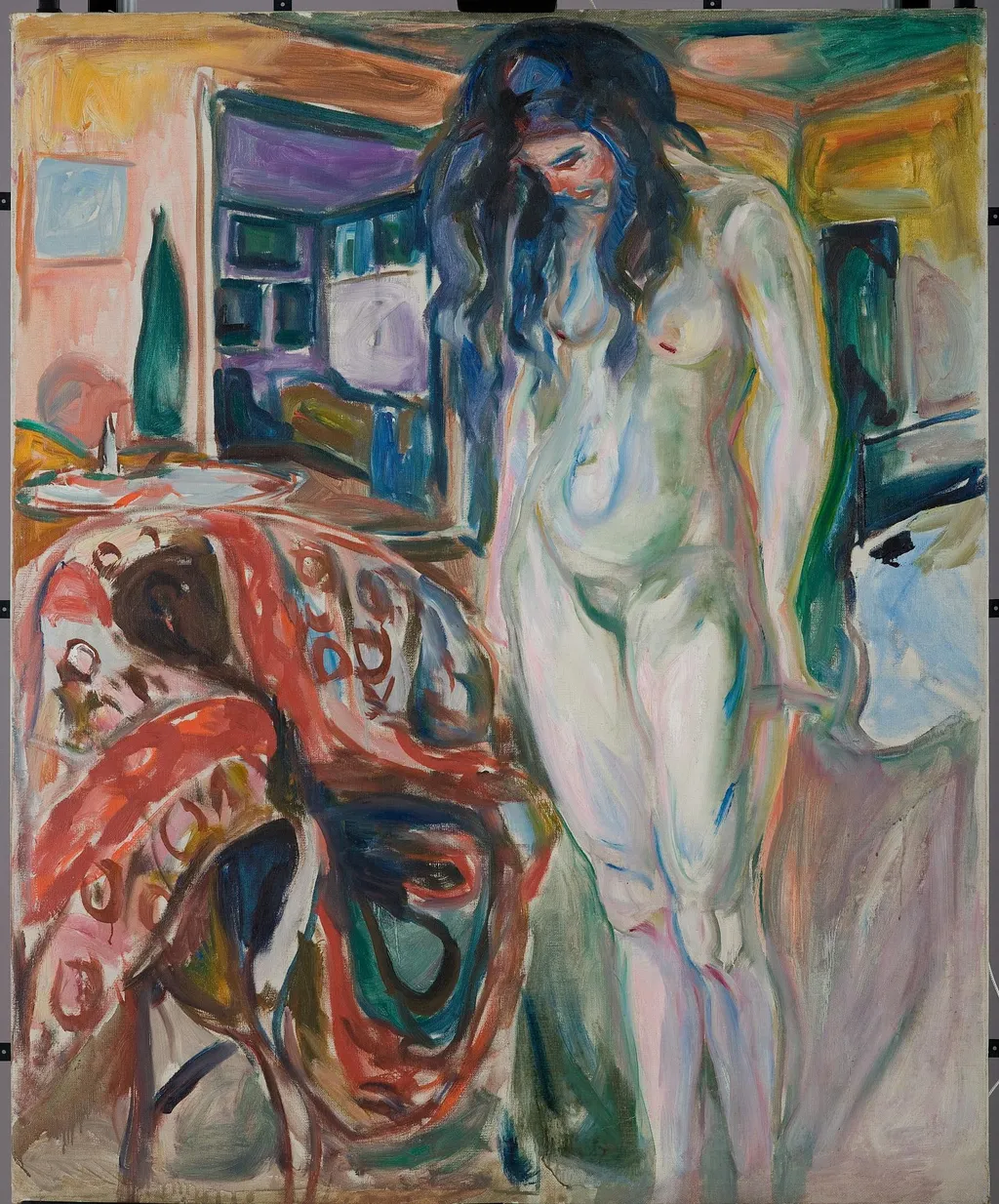
Model by the Wicker Chair is an oil painting by the Post-Impressionist artist Edvard Munch. It dates from 1919 and is held in the collection of the Munch Museum.
About this work
Overview
Painted between 1919 and 1921, Model by the Wicker Chair is an oil on canvas work by Norwegian artist Edvard Munch.
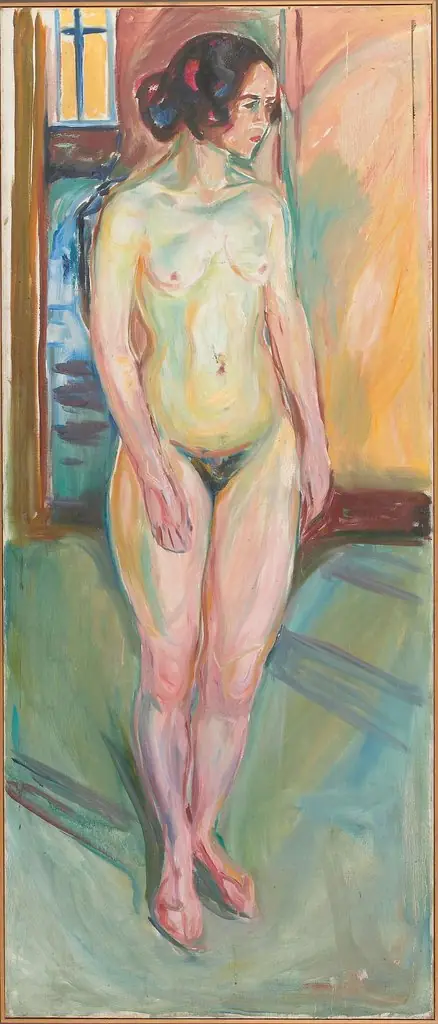
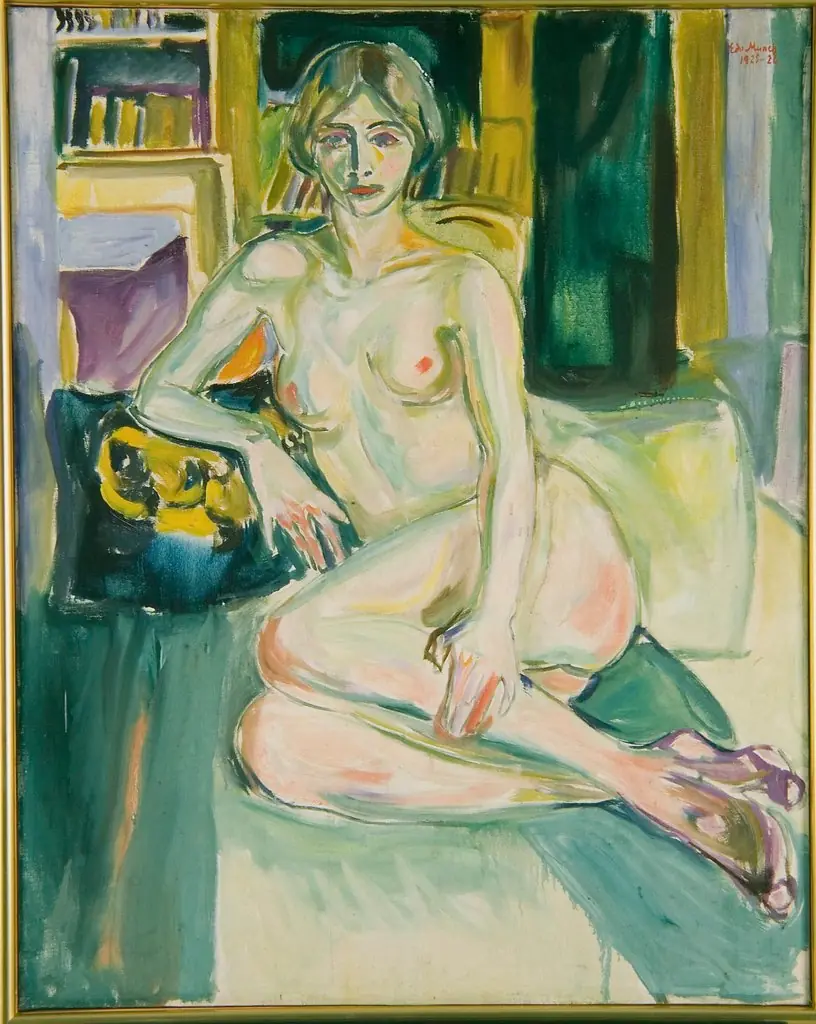
Painted between 1919 and 1921, Model by the Wicker Chair is an oil on canvas work by Norwegian artist Edvard Munch. It depicts a solitary nude woman standing near a wicker chair in an interior space. The painting resides in the Munch Museum in Oslo, while another version, part of the same series, has been held by the Metropolitan Museum of Art in New York since 1944, acquired through a bequest from the original collection.
Subject & Meaning
The figure, bare and still, occupies a quiet domestic space, her posture suggesting introspection rather than performance. The absence of narrative detail and the focus on the body in relation to ordinary objects—like the chair and blanket—shift attention to presence and solitude. Munch often explored psychological states through isolated figures; here, the model’s stillness evokes a sense of quiet vulnerability, free from theatricality or idealization.
Technique & Style
Munch applied oil paint with loose, expressive brushwork, emphasizing texture over fine detail. Warm yellows dominate the walls, contrasting with the vivid red of the blanket and the dark mass of the model’s hair. The palette is restrained yet emotionally charged, and the brushstrokes convey movement in stillness—each stroke contributing to a sense of lived space rather than polished finish. The composition avoids symmetry, reinforcing an informal, intimate atmosphere.
History & Provenance
The painting was created during Munch’s later years, a period marked by renewed focus on the human figure and domestic scenes. After his death, his estate donated numerous works to the Munch Museum in Oslo. A variant of this composition entered the Metropolitan Museum of Art’s collection in 1944 via a bequest tied to Munch’s legacy, ensuring its presence in a major international institution alongside its Oslo counterpart.
Context
In the early 20th century, Munch increasingly turned to intimate, non-dramatic subjects after his earlier symbolic works like The Scream. This painting reflects his evolving interest in everyday moments and the psychological weight of solitude. The wicker chair, a common household item, anchors the scene in realism, while the nude figure aligns with a broader European tradition of studio studies, stripped of classical ornamentation.
Legacy
Model by the Wicker Chair exemplifies Munch’s late style: emotionally resonant, formally simplified, and grounded in observation. It stands apart from his more famous expressionist works, offering a quieter meditation on the human form. Its presence in two major museums underscores its role as a bridge between his earlier psychological intensity and his later, more contemplative phase, influencing how modern artists approached the nude in domestic settings.
Own this work as a print
Artist & collection
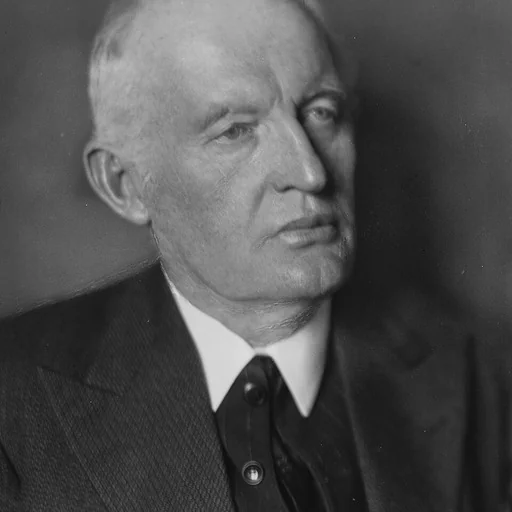
Artist
Edvard Munch ( MUUNK; Norwegian: ; 12 December 1863 – 23 January 1944) was a Norwegian painter.