Artwork
Moonlight on the Beach
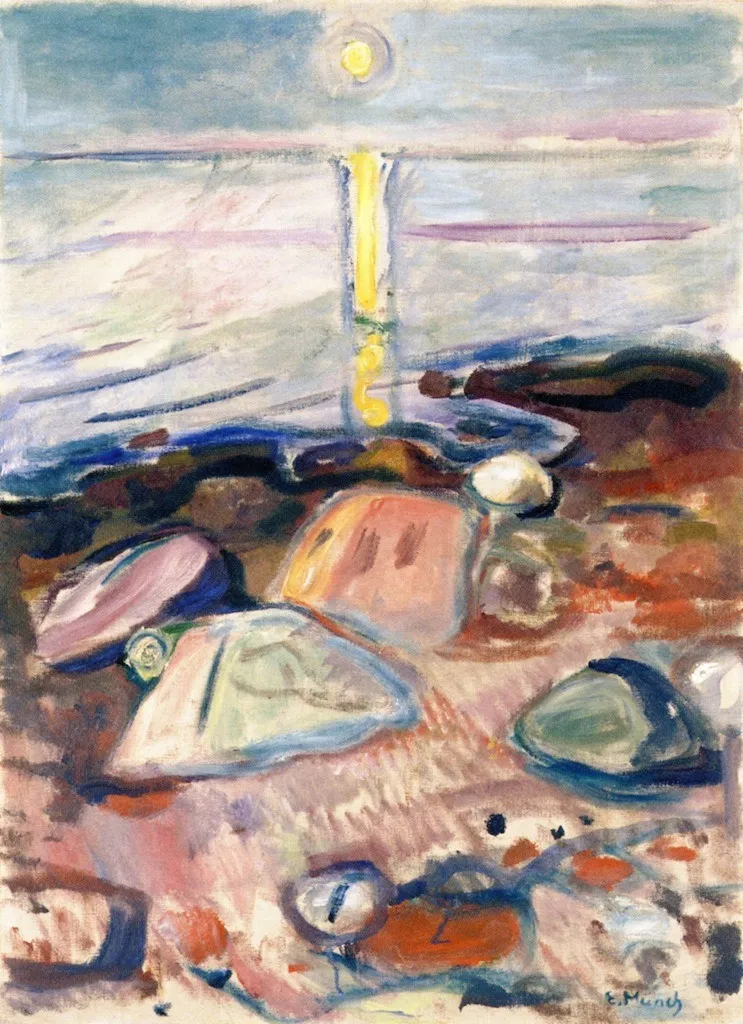
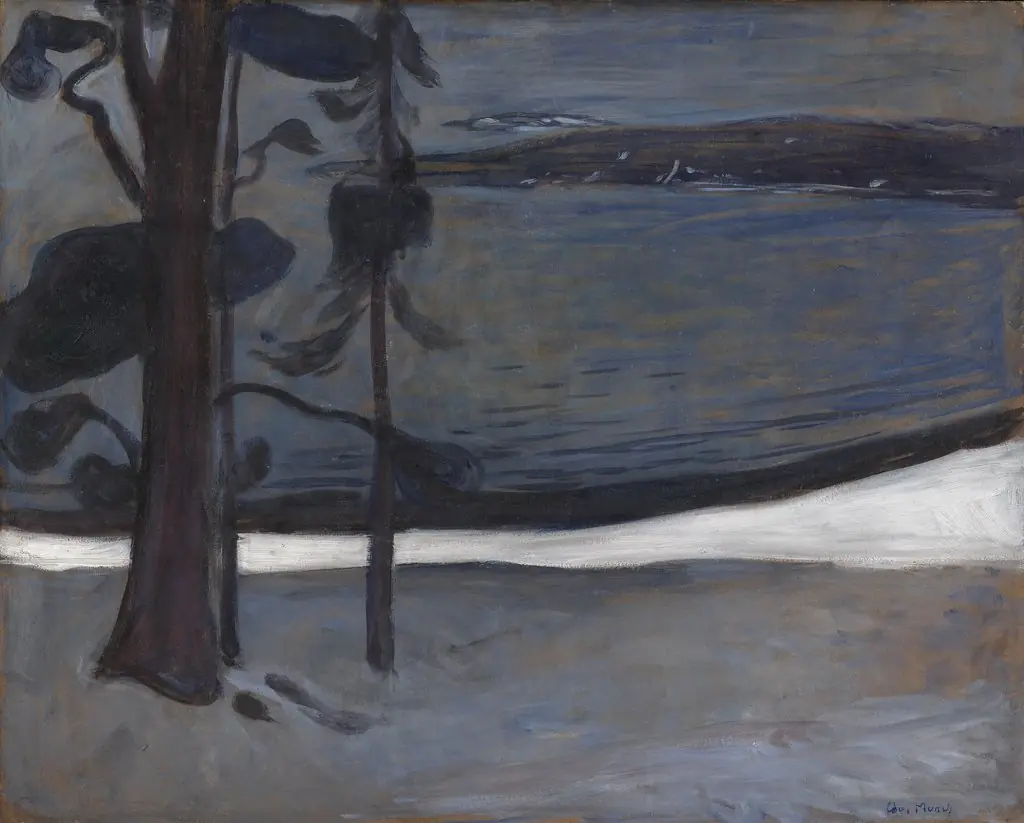
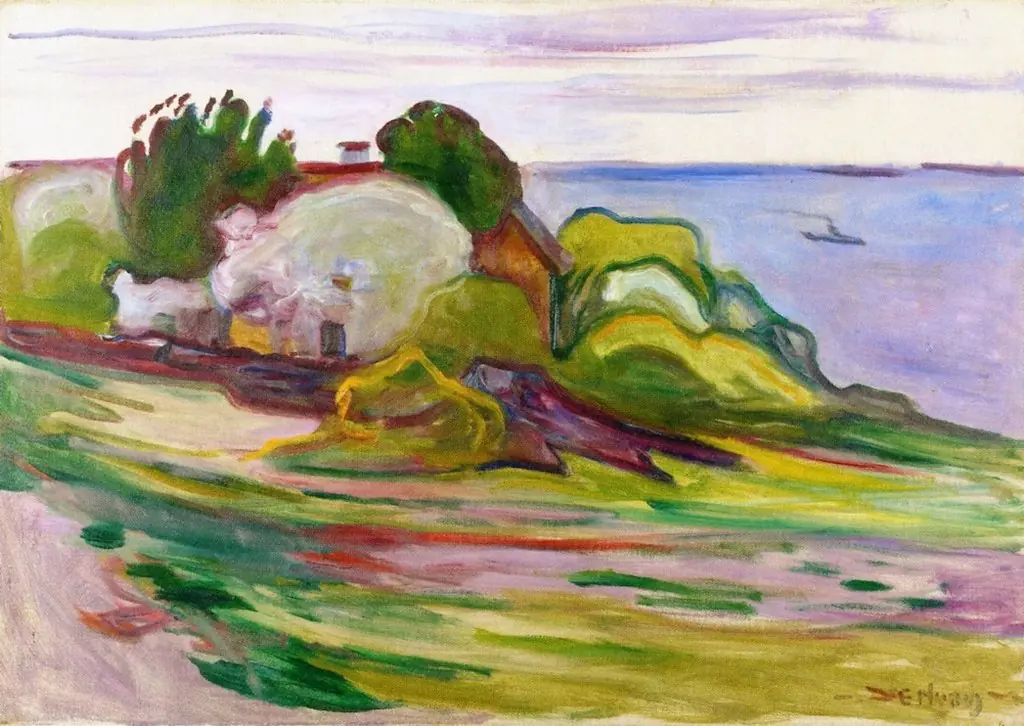
Moonlight on the Beach is an oil painting by the Post-Impressionist artist Edvard Munch. It dates from 1904 and is held in the collection of the Munch Museum.
About this work
Overview
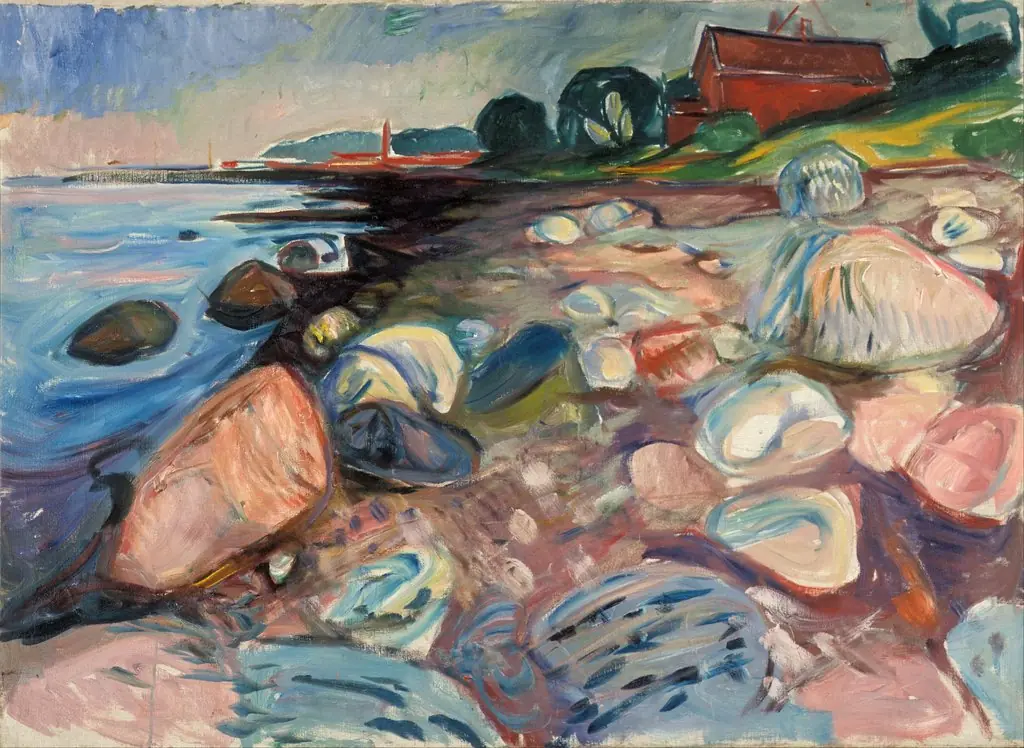
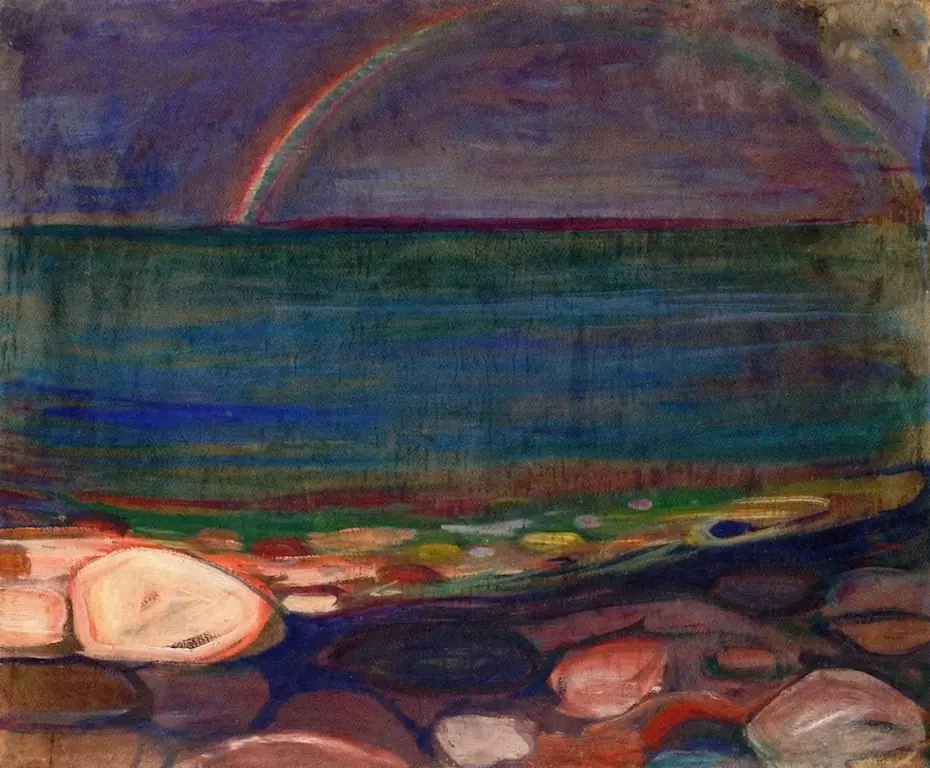
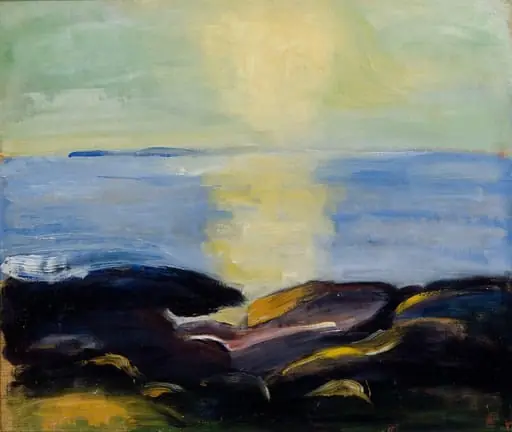
Painted in 1904, *Moonlight on the Beach* is an oil landscape by Norwegian artist Edvard Munch. It captures a quiet coastal scene under lunar illumination, focusing on the interplay of natural and artificial light. The work belongs to Munch’s broader exploration of atmosphere and emotional resonance in nature, moving beyond literal representation toward a more subjective rendering of nightfall.
Subject & Meaning
The painting depicts a solitary beach at night, with jagged rocks, uneven sand, and a distant pole bearing a glowing lamp. The light, though faint, becomes a focal point, suggesting human presence amid solitude. The absence of figures amplifies a sense of stillness and introspection, aligning with Munch’s recurring themes of isolation and the quiet tension between nature and civilization.
Technique & Style
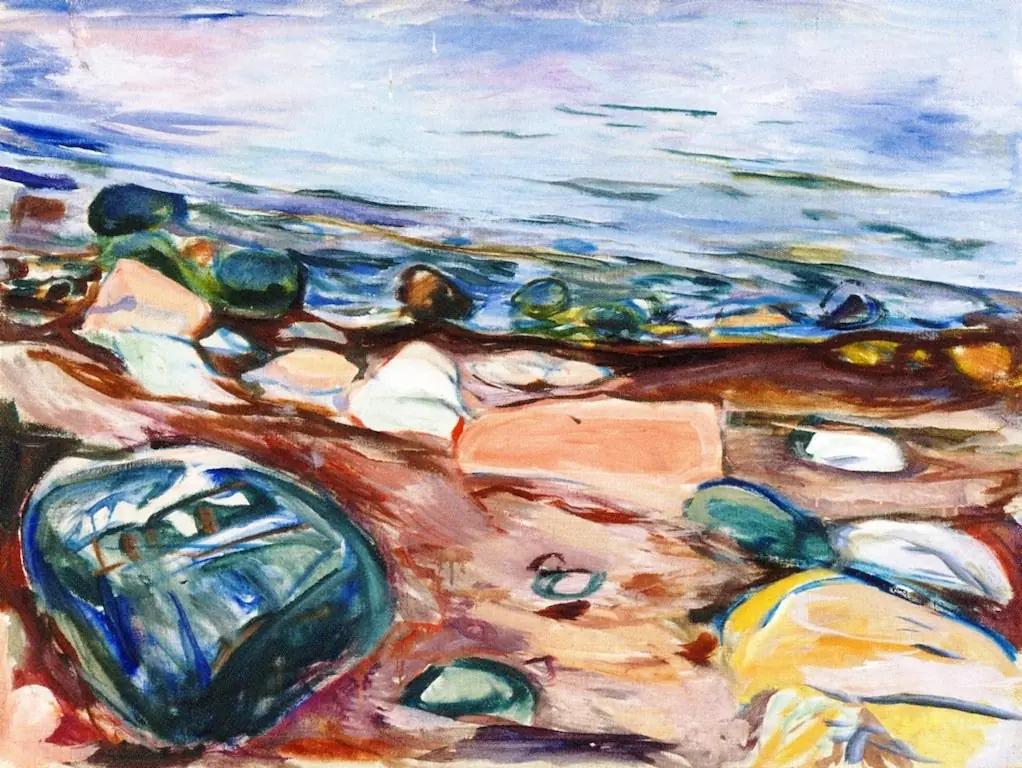
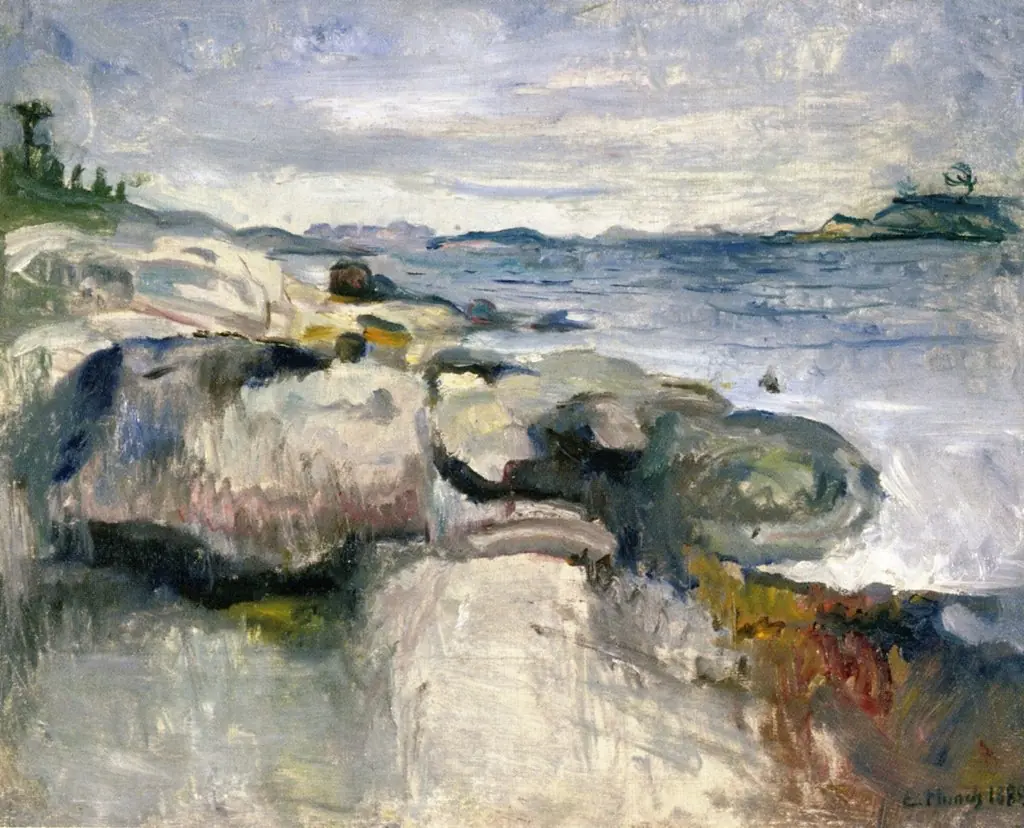
Colors are heightened but not naturalistic—rocks appear in vivid pinks and grays, while the sky dissolves into soft, blurred tones.
Munch employed loose, rapid brushwork to convey the texture of sand and the shimmer of moonlight. Colors are heightened but not naturalistic—rocks appear in vivid pinks and grays, while the sky dissolves into soft, blurred tones. The lamp’s yellow glow cuts through the darkness with deliberate contrast, emphasizing mood over realism. The technique reflects post-impressionist tendencies, prioritizing emotional effect over precise detail.
History & Provenance
Created during Munch’s mature period, the painting has remained within Norwegian institutional collections since its completion. It is now held by the Munch Museum in Oslo, which preserves the majority of the artist’s oeuvre. Its consistent presence in the museum’s holdings underscores its significance as part of his personal and artistic legacy, though it was never widely exhibited internationally.
Context
Painted after Munch’s most intense psychological works, *Moonlight on the Beach* reflects a shift toward calmer, more contemplative subjects. While still infused with emotional weight, it avoids overt symbolism, instead drawing on the Nordic landscape’s quiet drama. This period saw Munch increasingly drawn to the effects of light and atmosphere, influenced by both personal reflection and broader European trends in tonal painting.
Legacy
Though less known than his figures of anxiety or love, *Moonlight on the Beach* exemplifies Munch’s ability to convey inner states through landscape. Its restrained palette and atmospheric handling influenced later Nordic painters seeking to express emotion through environment rather than narrative. The work remains a quiet but persistent presence in studies of modernist landscape and the emotional potential of night.
Artist & collection

Artist
Edvard Munch ( MUUNK; Norwegian: ; 12 December 1863 – 23 January 1944) was a Norwegian painter.