Artwork
Nude
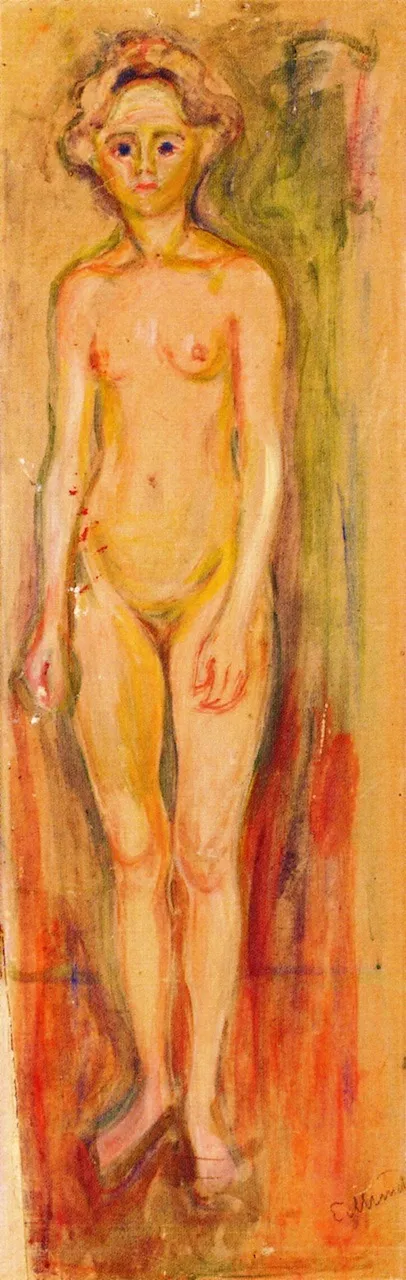
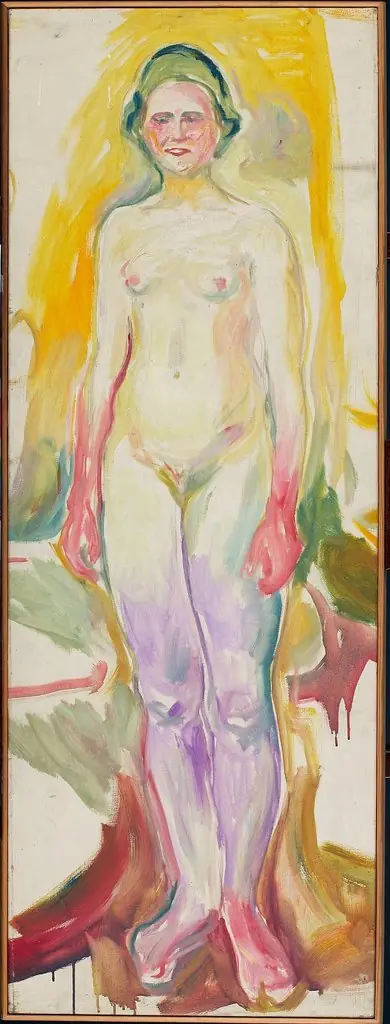
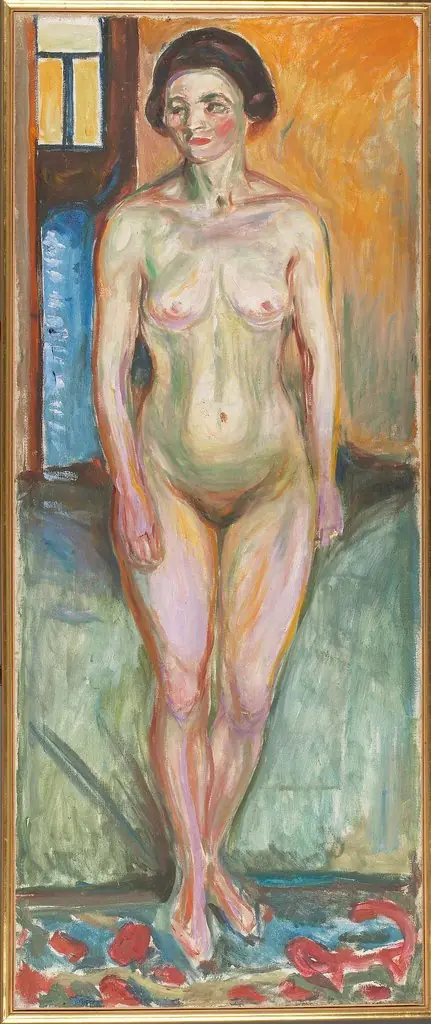
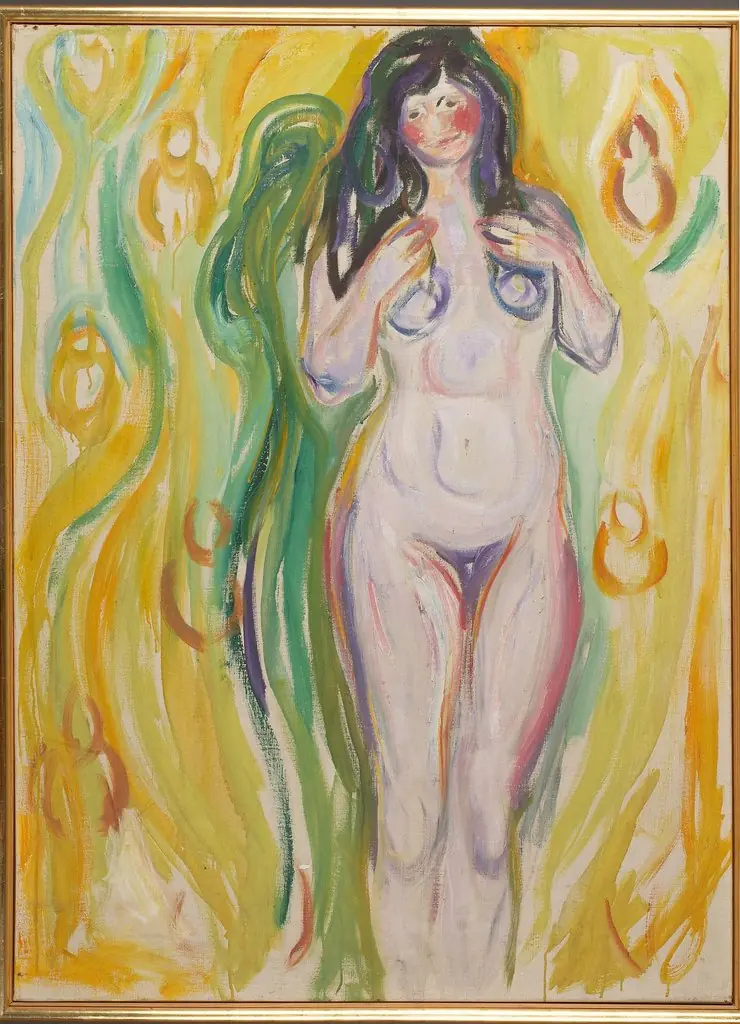
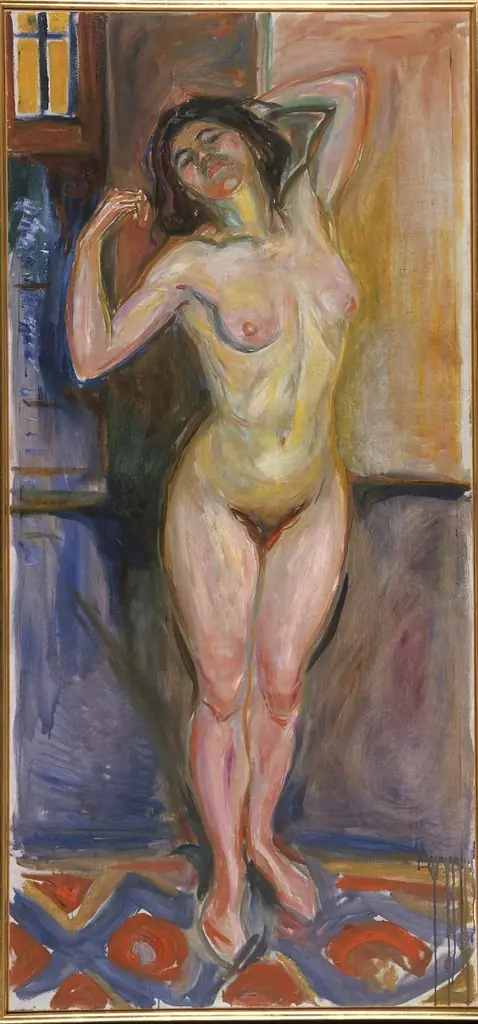
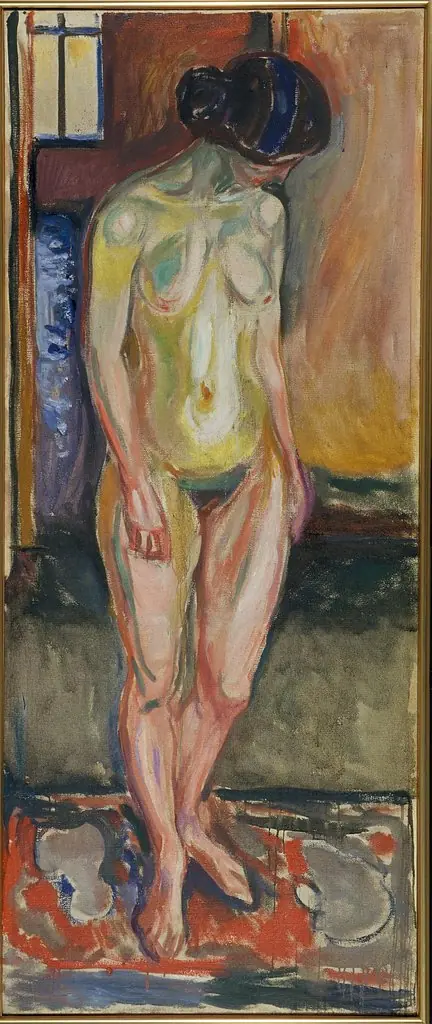
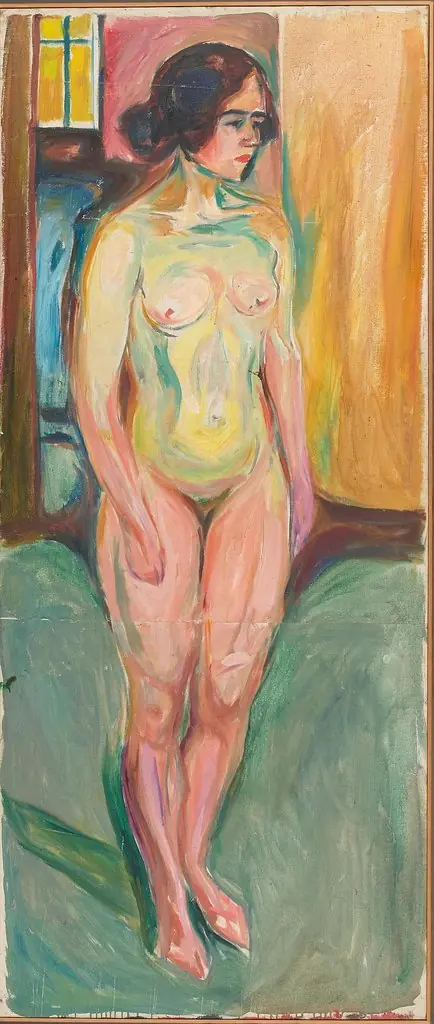
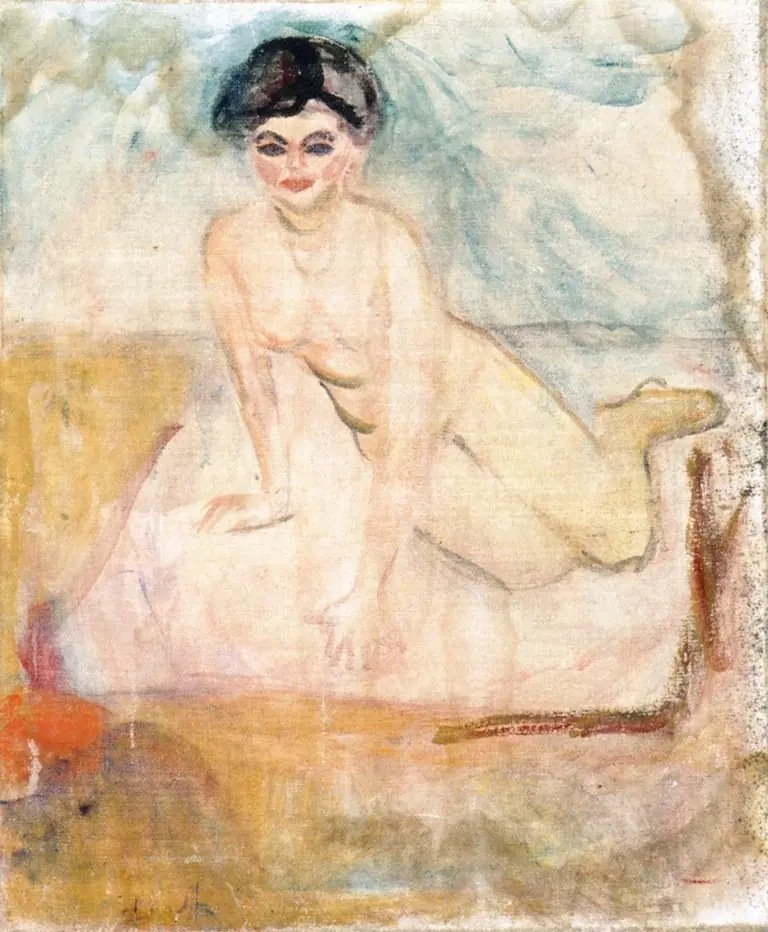
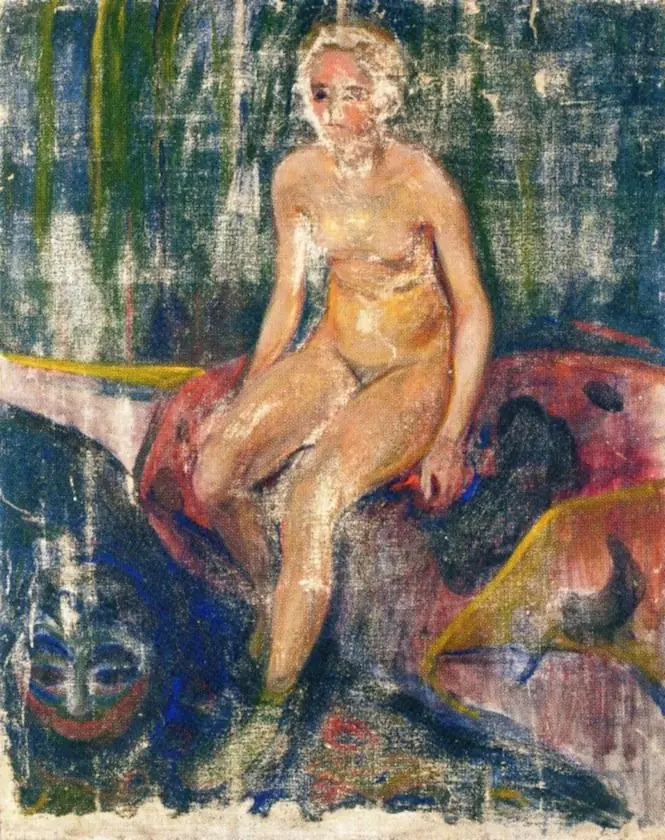
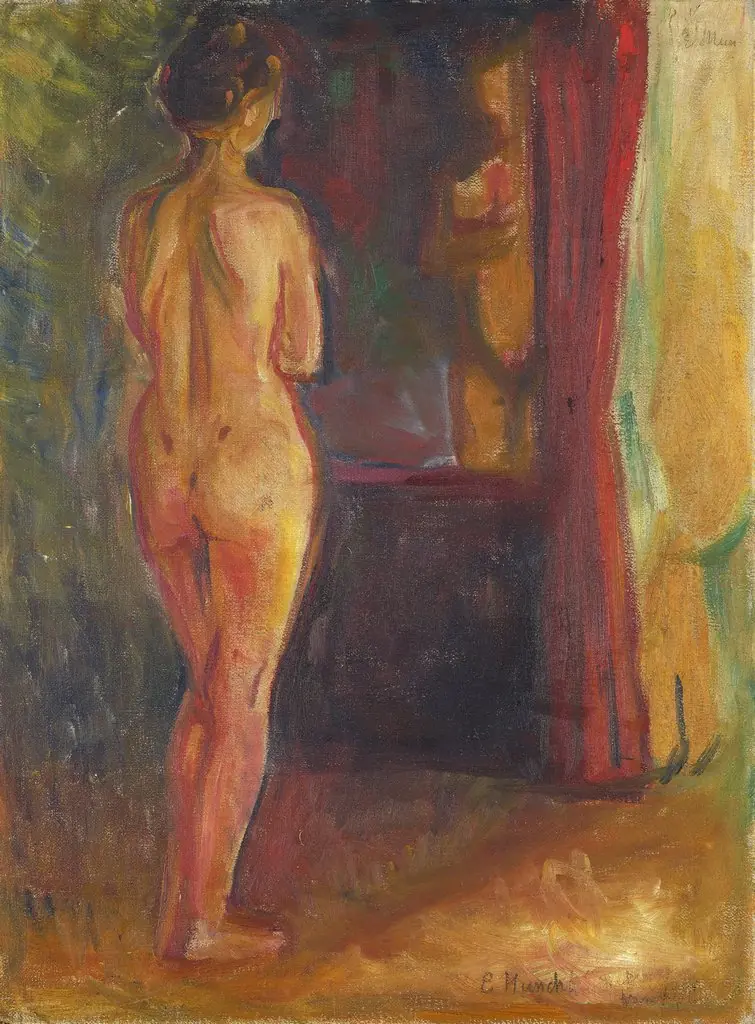
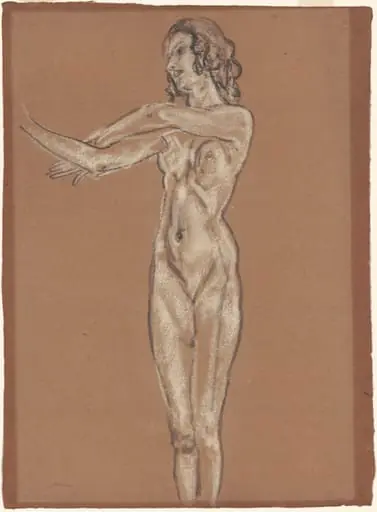
Nude is an oil painting by the Post-Impressionist artist Edvard Munch. It dates from 1900 and is held in the collection of the Munch Museum.
About this work
Overview
It resides in the Munch Museum’s collection, where it contributes to the understanding of his figurative output beyond his more famous symbolic works.
Painted in 1900, *Nude* is an oil on canvas work by Norwegian artist Edvard Munch. It presents a solitary female figure in a quiet, intimate setting, rendered with restrained color and soft modeling. The painting reflects Munch’s interest in psychological presence over narrative, aligning with his broader exploration of human vulnerability. It resides in the Munch Museum’s collection, where it contributes to the understanding of his figurative output beyond his more famous symbolic works.
Subject & Meaning
The subject is a woman standing alone, facing the viewer with a calm, unadorned gaze. Her posture is still, arms relaxed, one leg slightly bent, suggesting a moment of quiet self-possession. Munch avoids idealization or eroticism; instead, the figure appears grounded in physical reality, inviting contemplation of inner life rather than external beauty. The neutrality of her expression reinforces a sense of introspection, consistent with Munch’s focus on emotional authenticity.
Technique & Style
Munch employed muted, earthy tones to model the figure’s form with subtle gradations of light and shadow, avoiding sharp contours. The background, a warm greenish hue, merges softly with the skin tones, creating a unified spatial field. Brushwork is deliberate but unobtrusive, prioritizing atmospheric harmony over detail. This approach reflects a post-impressionist sensitivity to mood and structure, distancing the work from academic realism while retaining a sense of tangible presence.
History & Provenance
Created during Munch’s mature period, *Nude* emerged from a time when he was deeply engaged with themes of isolation and bodily awareness. The painting was likely produced in Oslo or Berlin, where he lived among artists and writers influenced by existential thought. It entered the Munch Museum’s holdings following the artist’s death in 1944, as part of his extensive bequest of personal works, ensuring its preservation within the context of his artistic legacy.
Context
Munch’s engagement with nihilist philosophy and his experiences with illness and grief shaped his artistic direction toward emotional truth. His time at the Royal School of Art and his association with the Kristiania bohemian circle, particularly Hans Jæger, encouraged a rejection of conventional aesthetics. *Nude* reflects this shift—prioritizing psychological depth over decorative form, aligning with broader European trends in late 19th- and early 20th-century art that valued inner experience.
Legacy
Though less widely known than *The Scream*, *Nude* exemplifies Munch’s consistent interest in the human figure as a vessel for psychological states. Its quiet intensity influenced later Nordic artists exploring intimacy and vulnerability. The painting remains a key reference in studies of modern figuration, illustrating how emotional resonance could be conveyed through restraint rather than drama, contributing to a broader redefinition of portraiture in modern art.
Artist & collection
Artist
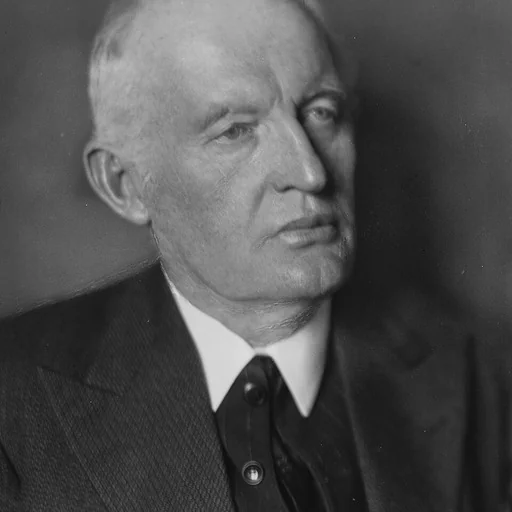
Edvard Munch ( MUUNK; Norwegian: ; 12 December 1863 – 23 January 1944) was a Norwegian painter.