Artwork
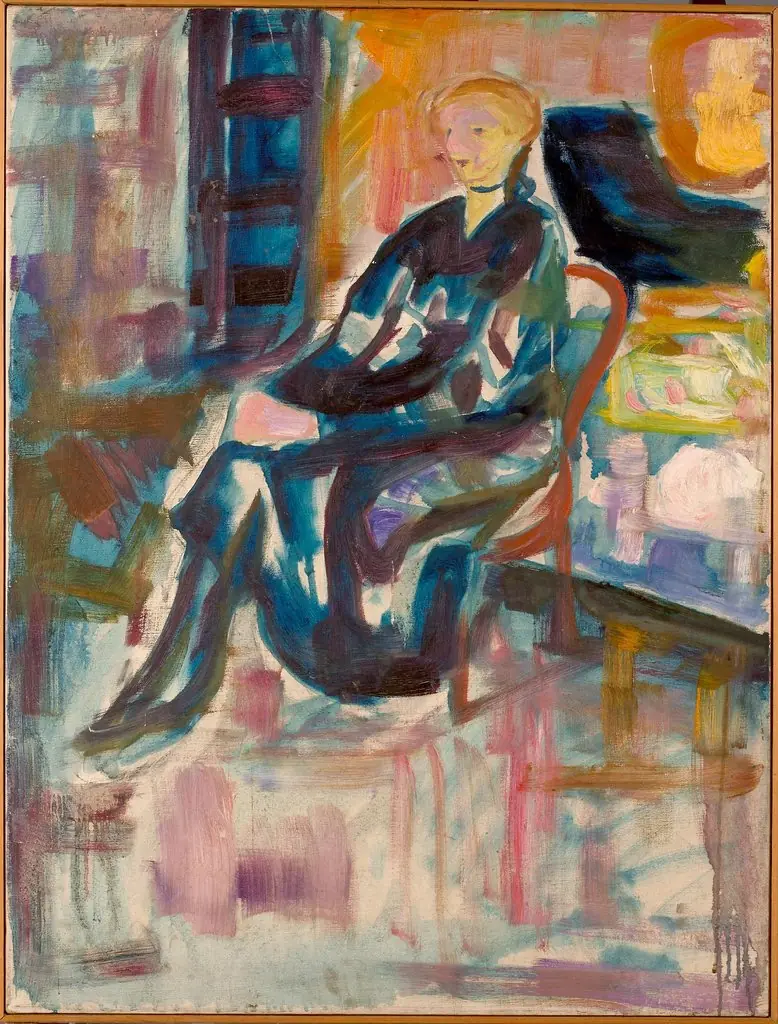
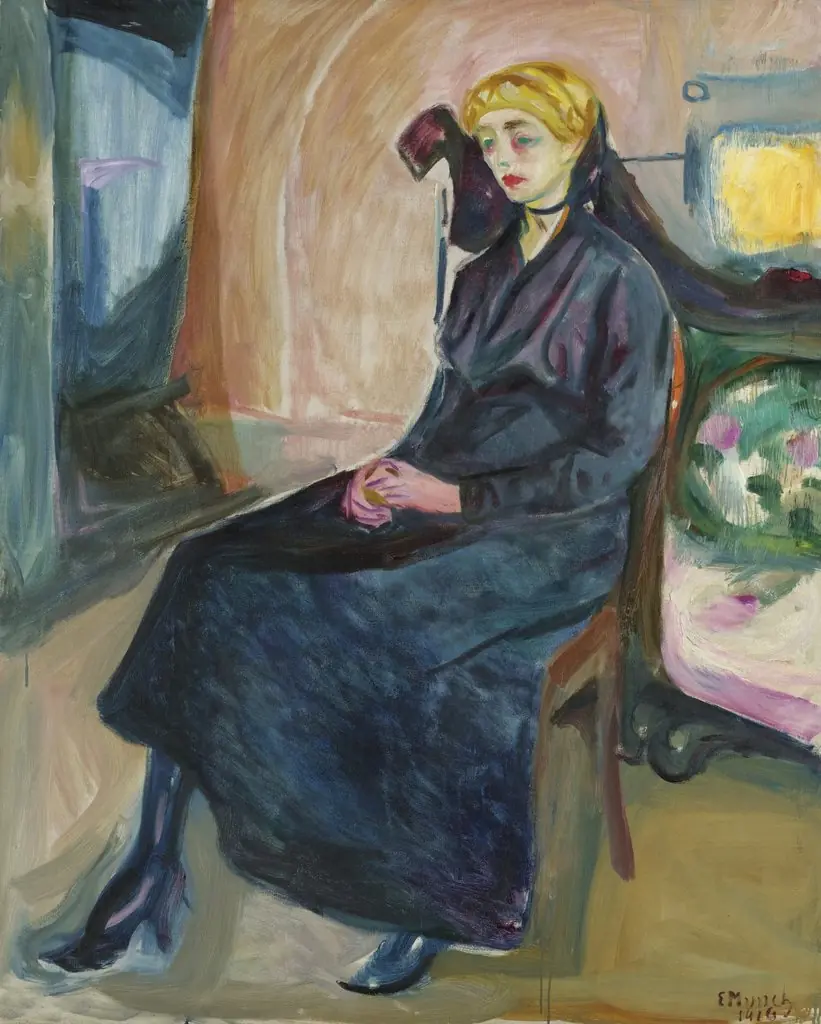
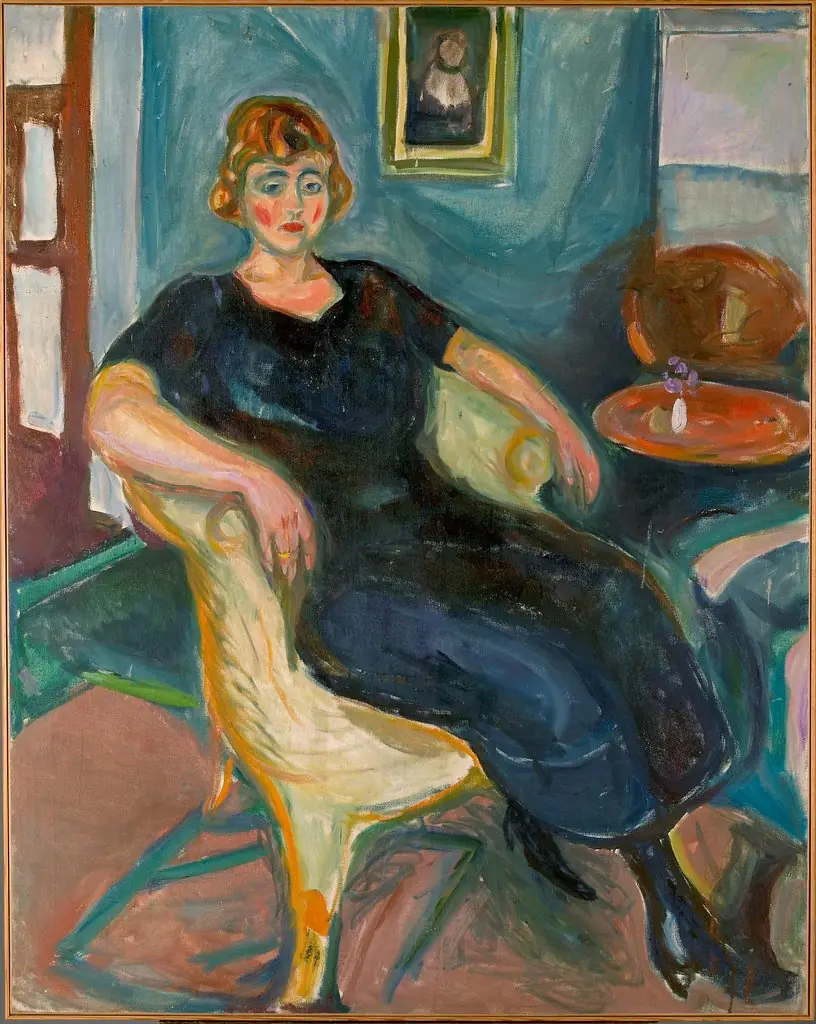
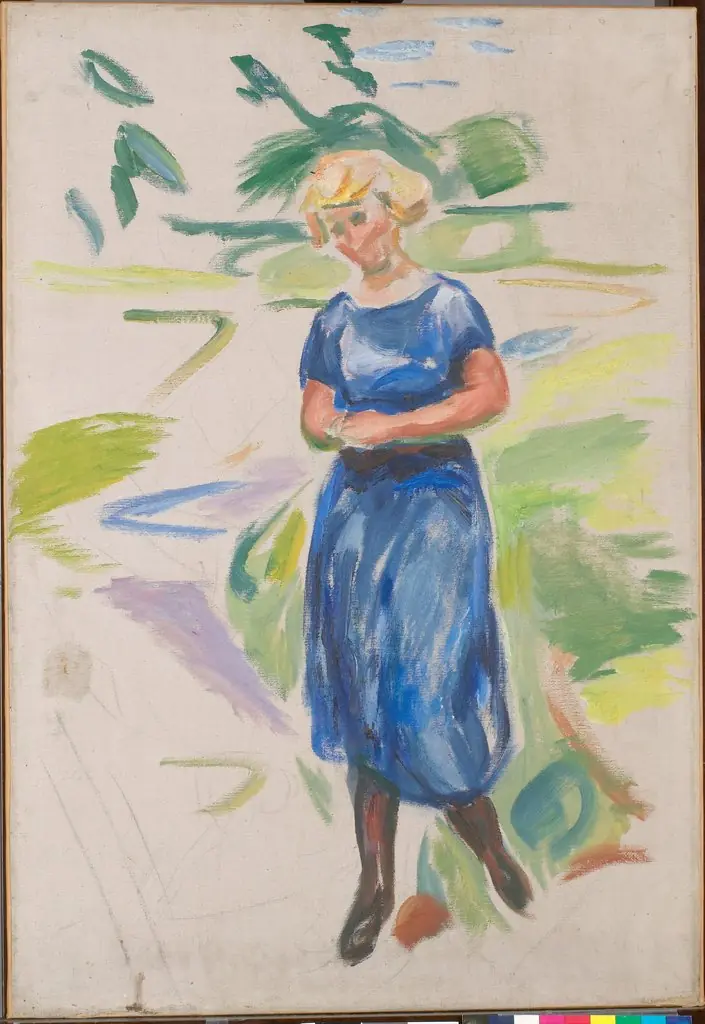
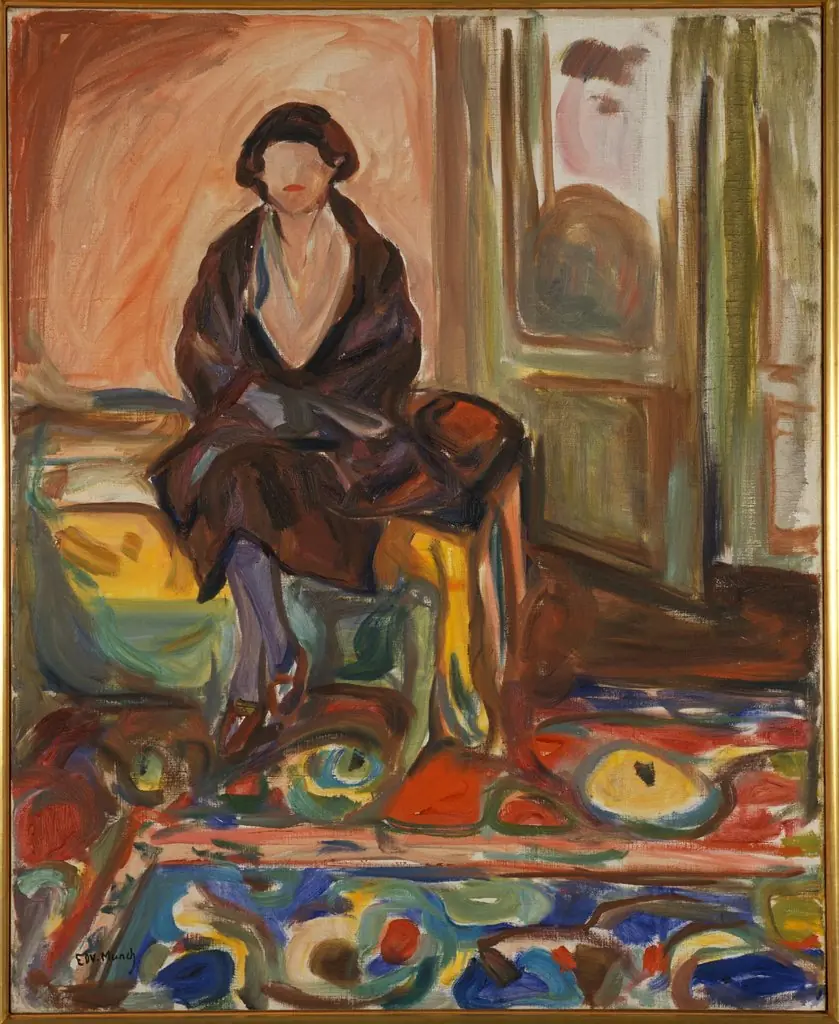
Seated on a Suitcase
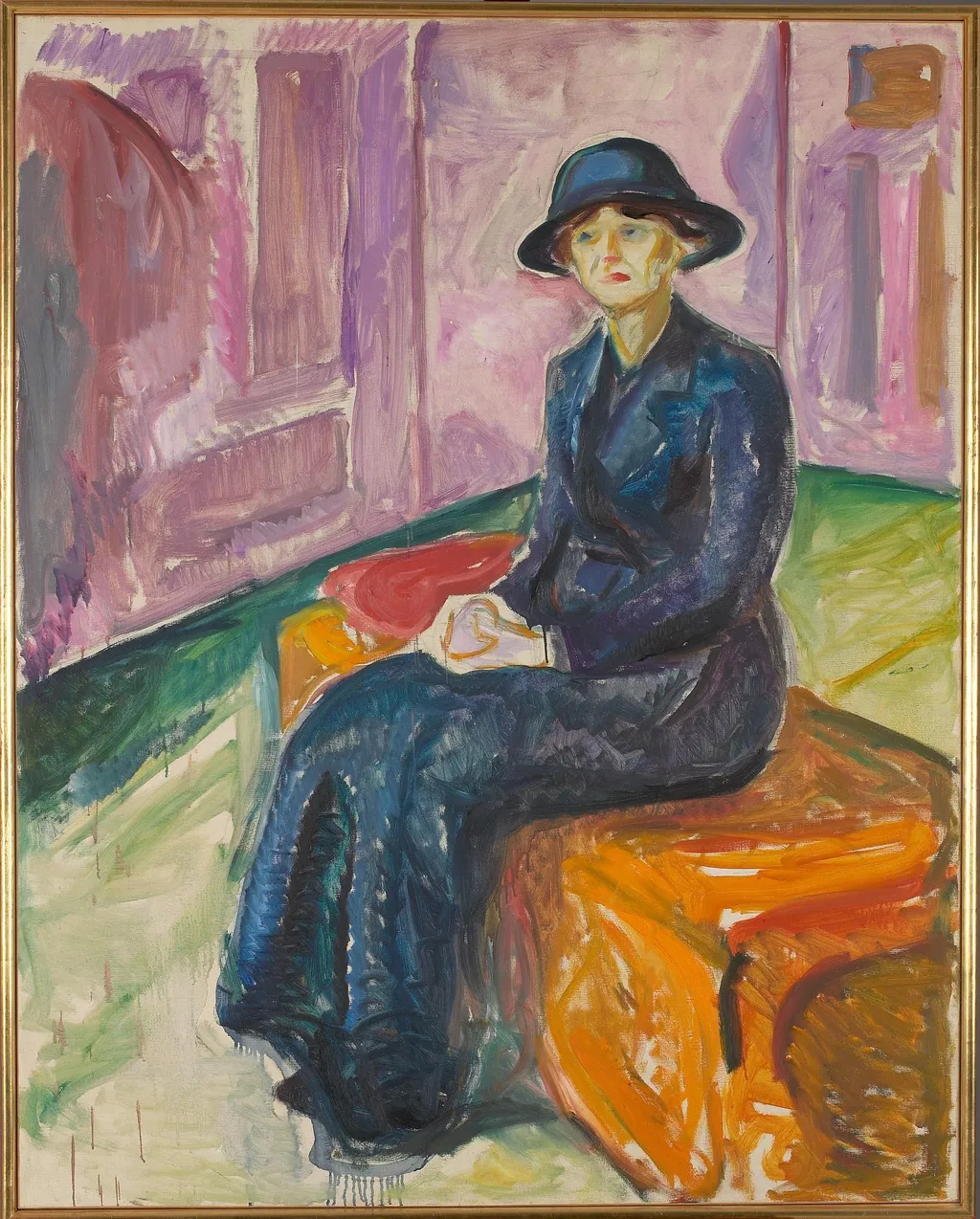
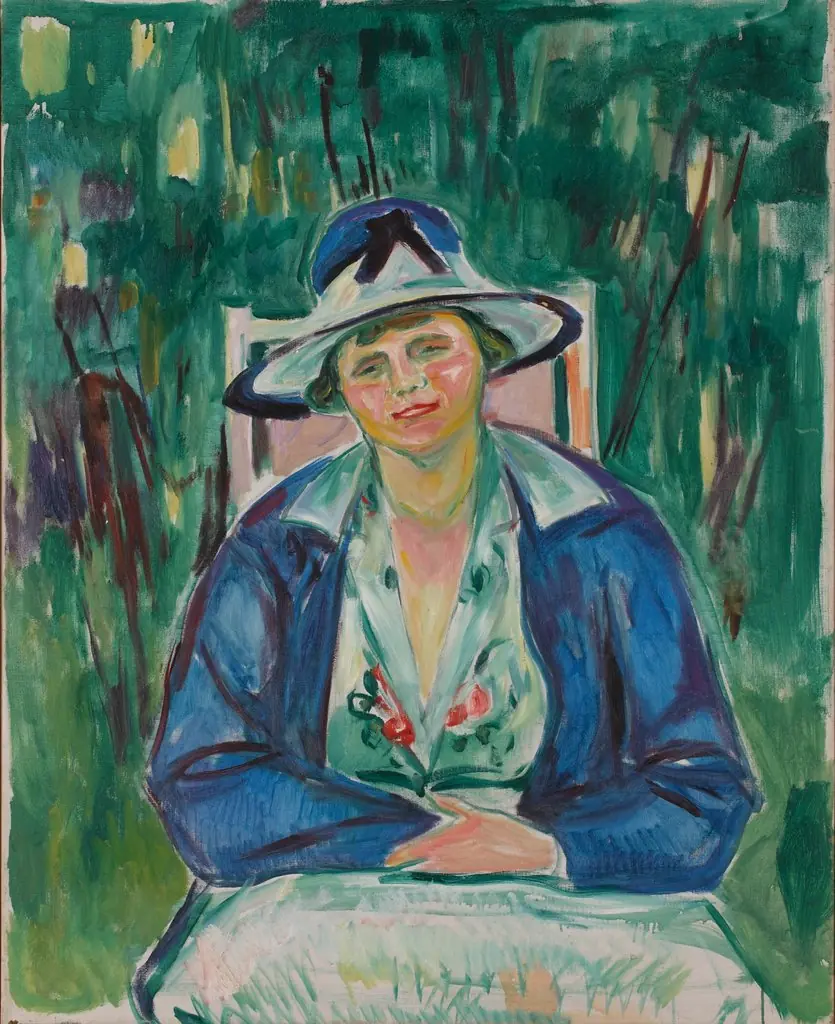
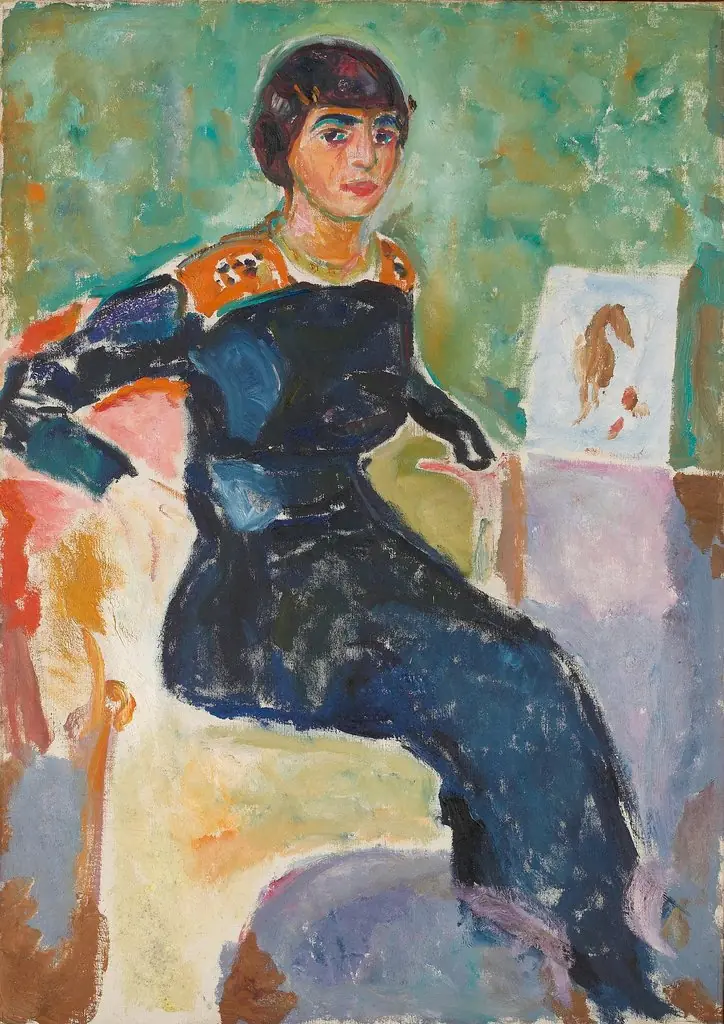
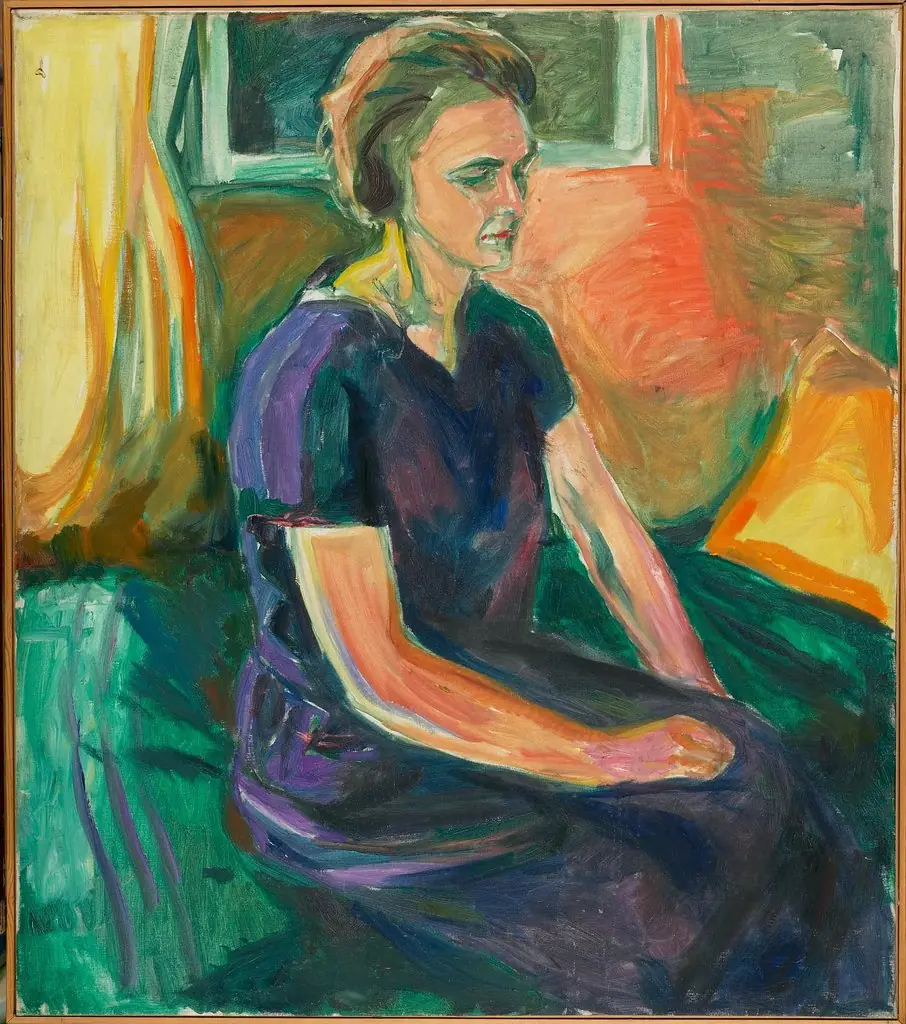
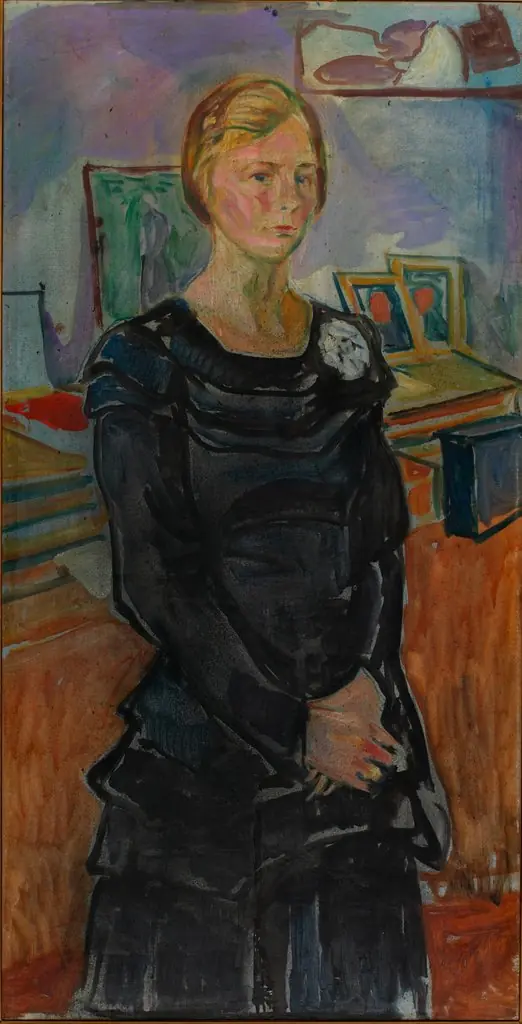
Seated on a Suitcase is an oil painting by the Post-Impressionist artist Edvard Munch. It dates from 1913 and is held in the collection of the Munch Museum.
About this work
Overview
It belongs to a body of work from his mature period, characterized by introspective figures and simplified forms.
Painted in 1913, *Seated on a Suitcase* is an oil-on-canvas portrait by Norwegian artist Edvard Munch. It belongs to a body of work from his mature period, characterized by introspective figures and simplified forms. The painting is part of the Munch Museum’s permanent collection, reflecting the artist’s enduring focus on psychological states rather than literal representation. Its quiet composition invites quiet observation rather than narrative interpretation.
Subject & Meaning
The painting portrays a woman seated on a suitcase, her posture still and inward-turned. Her face is indistinct, obscuring identity and emotion, while her hands clutch a small red object—its purpose ambiguous. The suitcase suggests transit or displacement, yet there is no indication of movement. The figure appears suspended in a moment of solitude, evoking themes of waiting, isolation, or internal reflection without explicit context.
Technique & Style
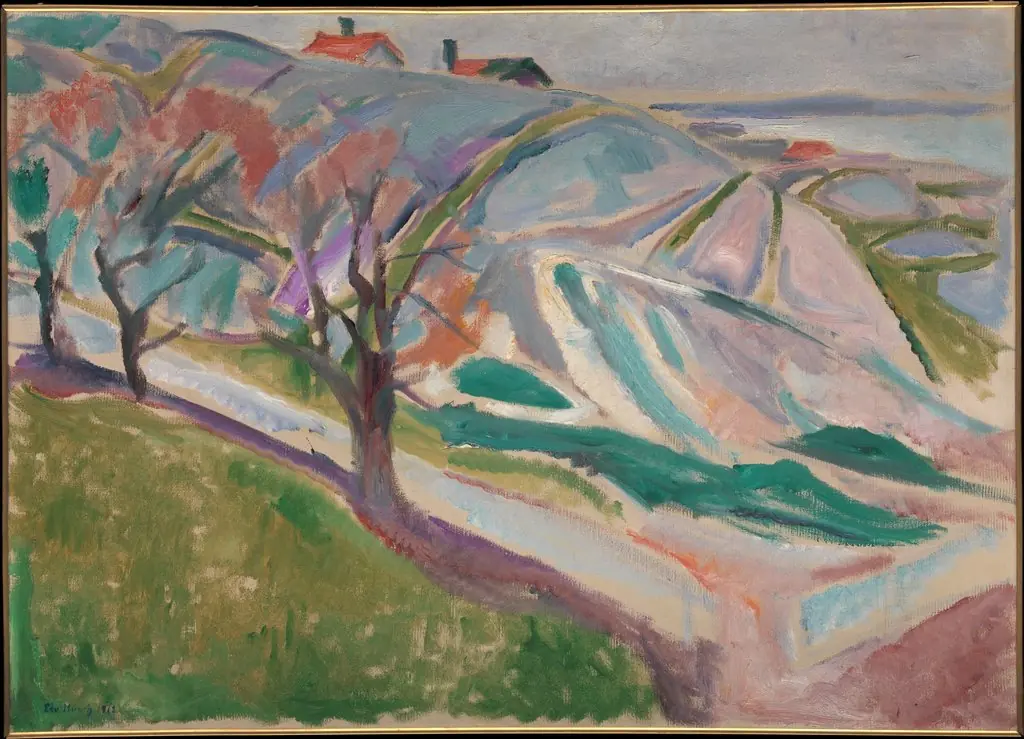
Munch employs loose, expressive brushwork and a non-naturalistic palette of pink, green, and purple to construct the background, creating an atmospheric rather than spatial environment. The woman’s form is rendered with soft edges and minimal detail, especially around the face, which dissolves into abstraction. This approach prioritizes emotional resonance over physical accuracy, aligning with his broader post-impressionist tendencies toward psychological expression.
History & Provenance
Created during Munch’s time in Oslo (then Kristiania), the painting emerged after his formal training at the Royal School of Art and Design. It entered the Munch Museum’s collection following the artist’s death in 1944, as part of his extensive bequest of personal works. The painting’s provenance is well-documented within the museum’s archives, reflecting its status as a personal, rather than commissioned, piece.
Context
In the early 20th century, Munch increasingly turned to intimate, solitary figures as subjects, moving away from the overt symbolism of his earlier works like *The Scream*. *Seated on a Suitcase* reflects a broader cultural shift toward interiority and psychological realism in Nordic art. The motif of travel and pause may also echo the era’s rising mobility and the quiet anxieties accompanying it.
Legacy
The painting contributes to Munch’s legacy as an artist who transformed personal and emotional experience into visual language. Its restrained composition and ambiguous narrative influenced later generations of expressionist and figurative painters seeking to convey inner states through minimal means. Though less known than his most famous works, it remains a quiet testament to his sustained interest in the human condition.
Artist & collection
Artist
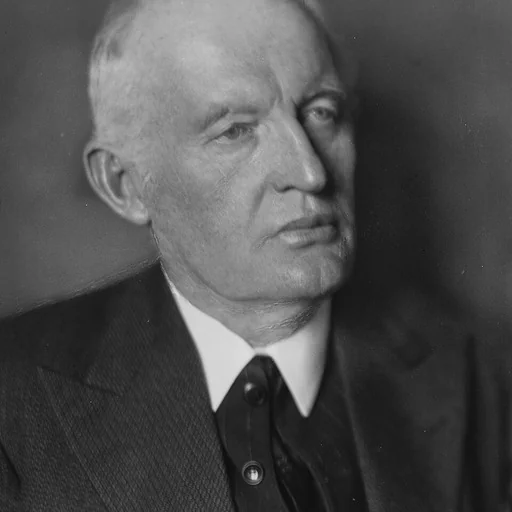
Edvard Munch ( MUUNK; Norwegian: ; 12 December 1863 – 23 January 1944) was a Norwegian painter.