Artwork
Set Design for Henrik Ibsen's "Ghosts"
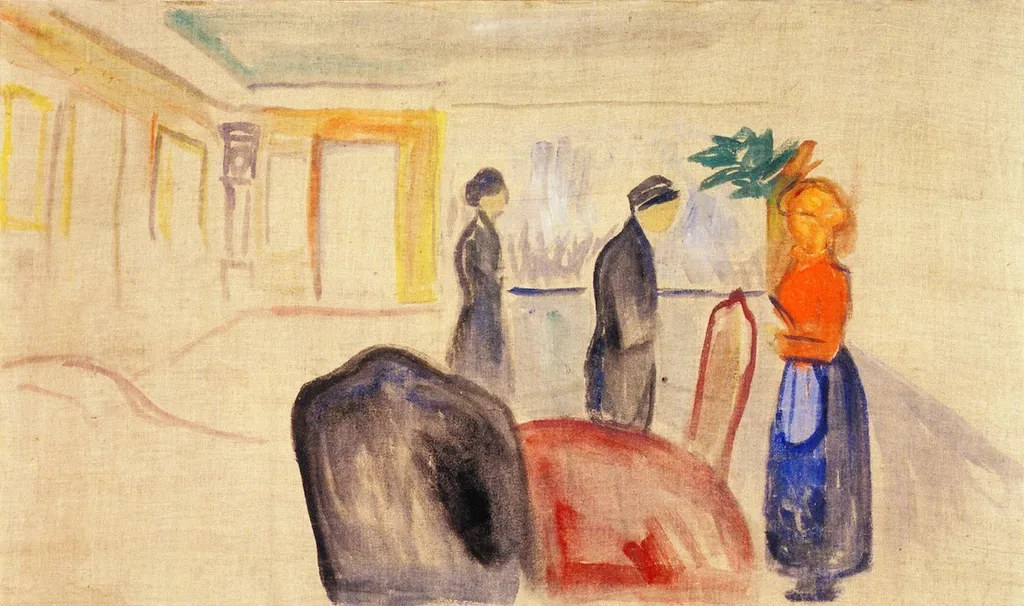
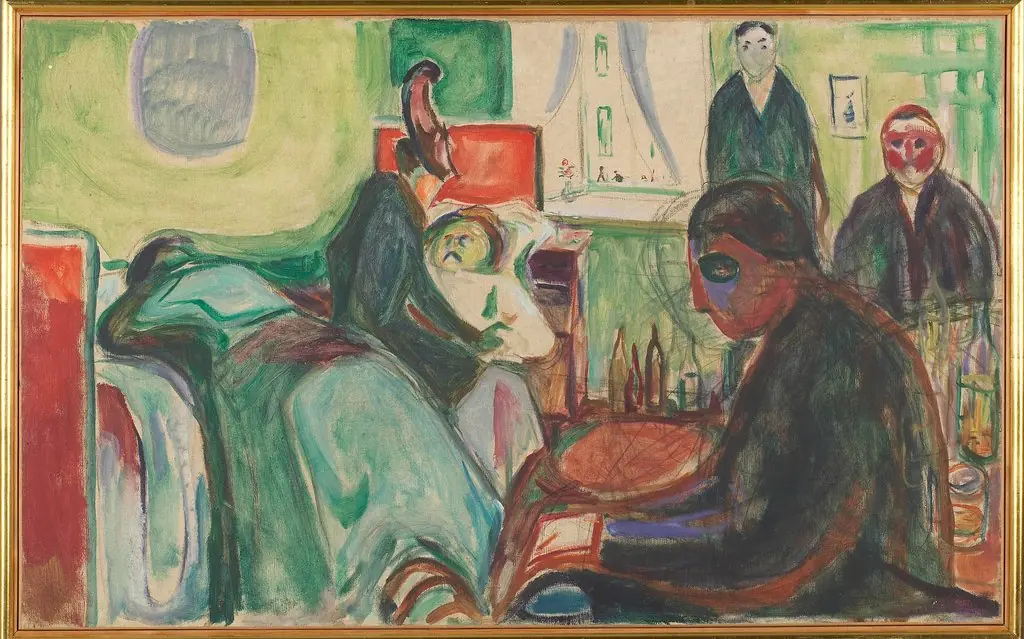
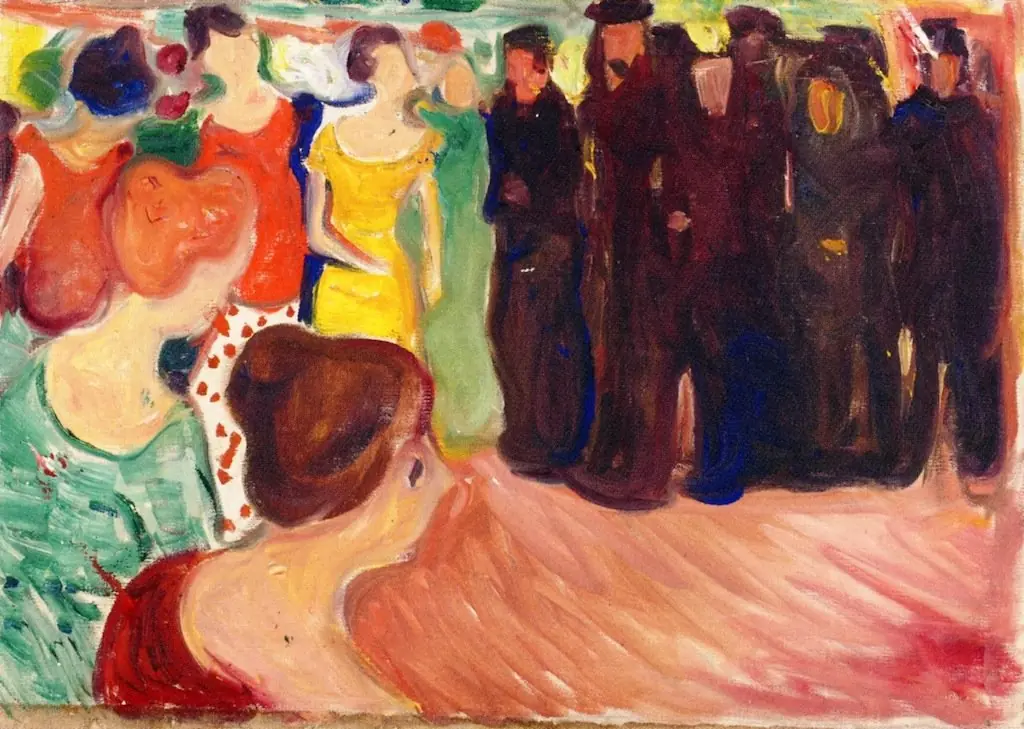
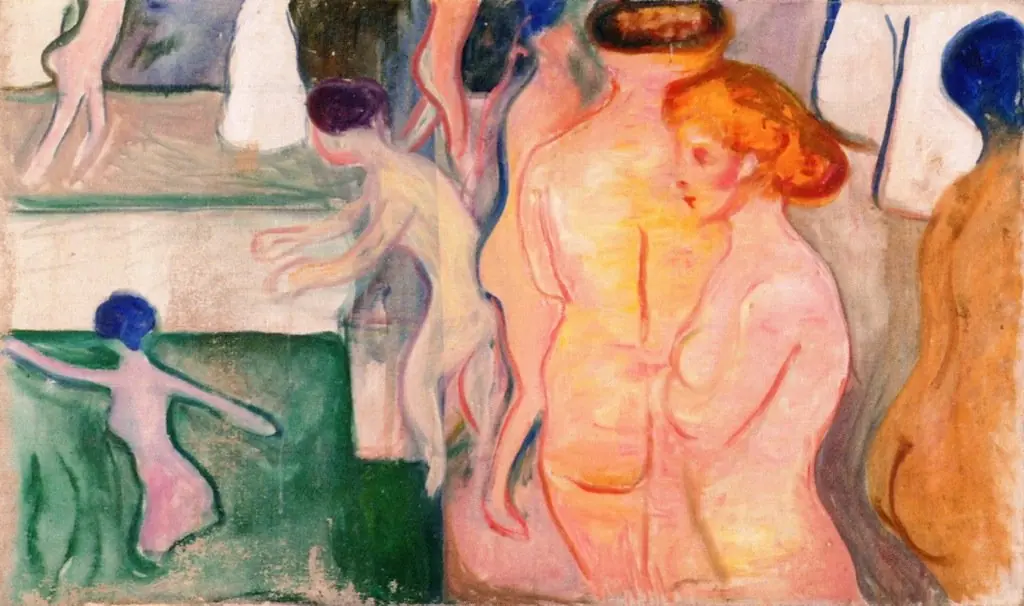
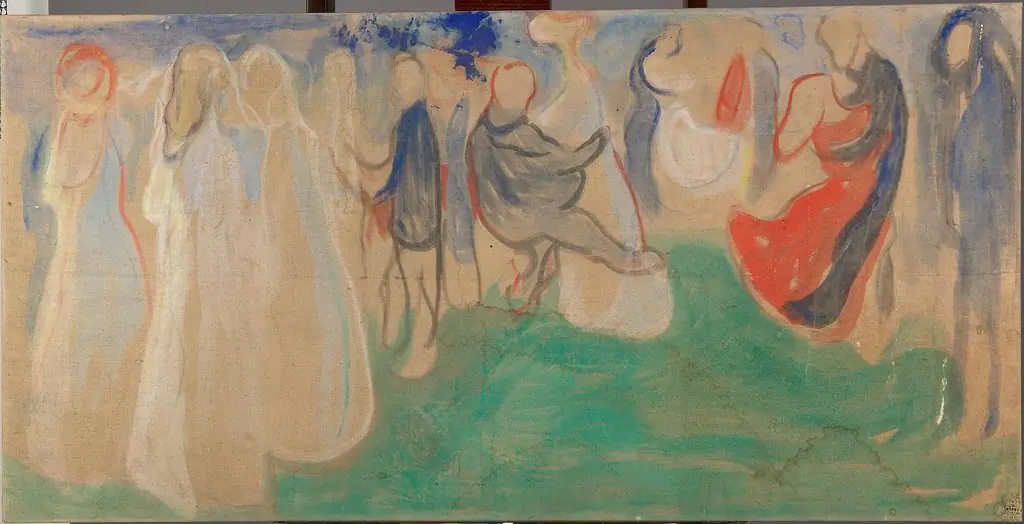
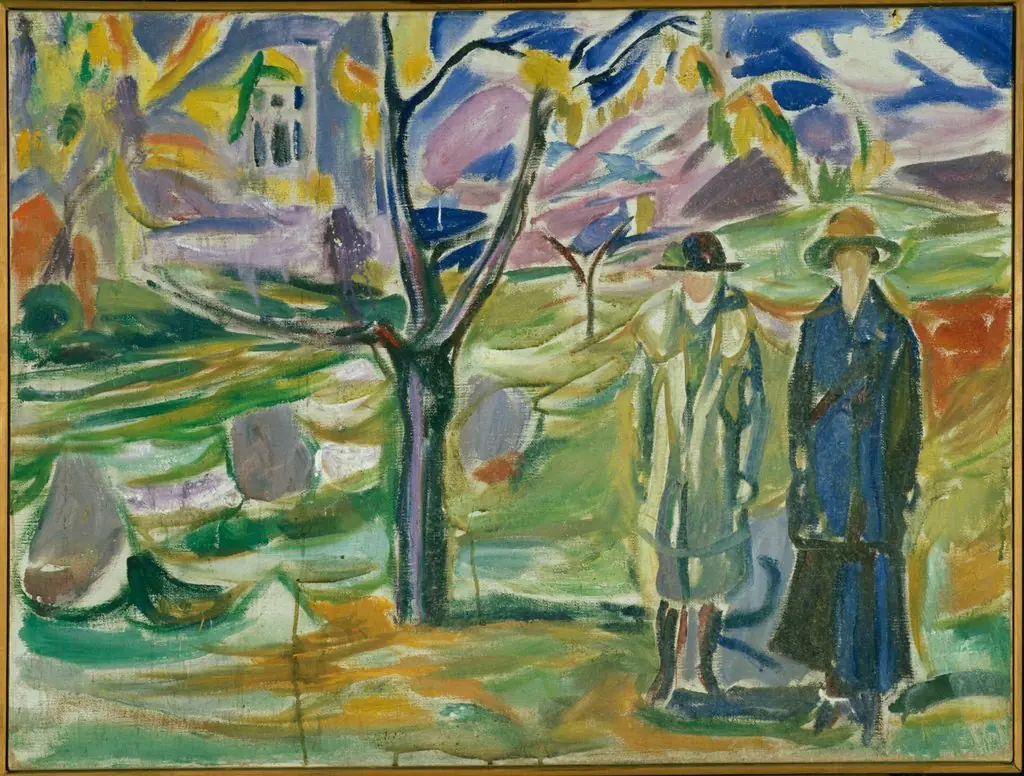
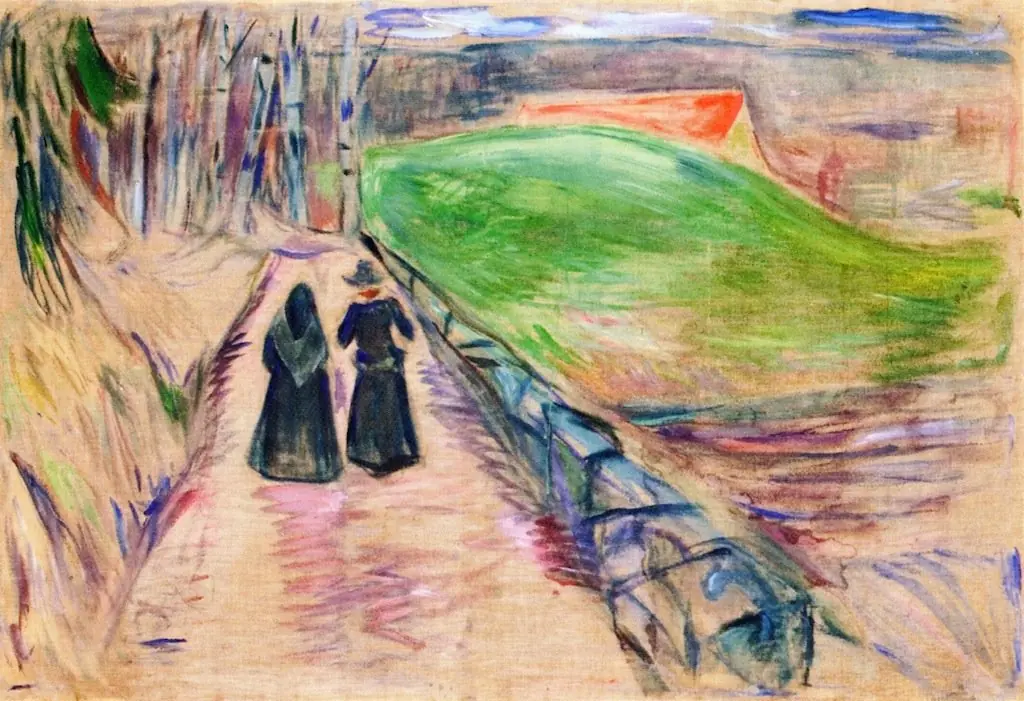
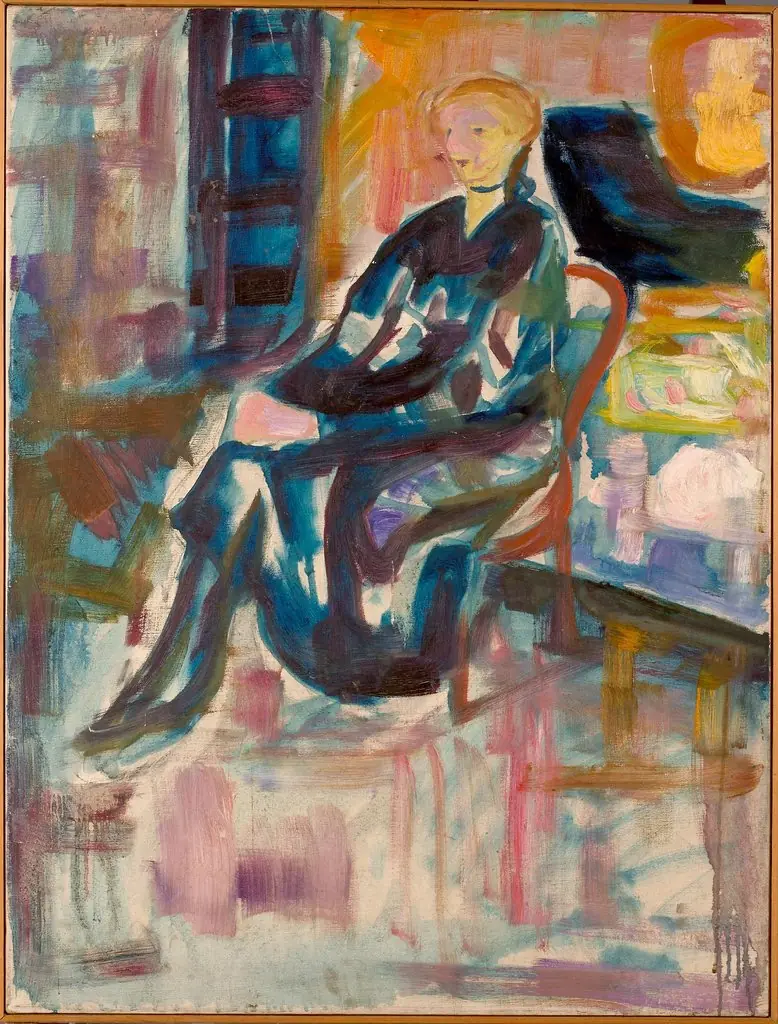
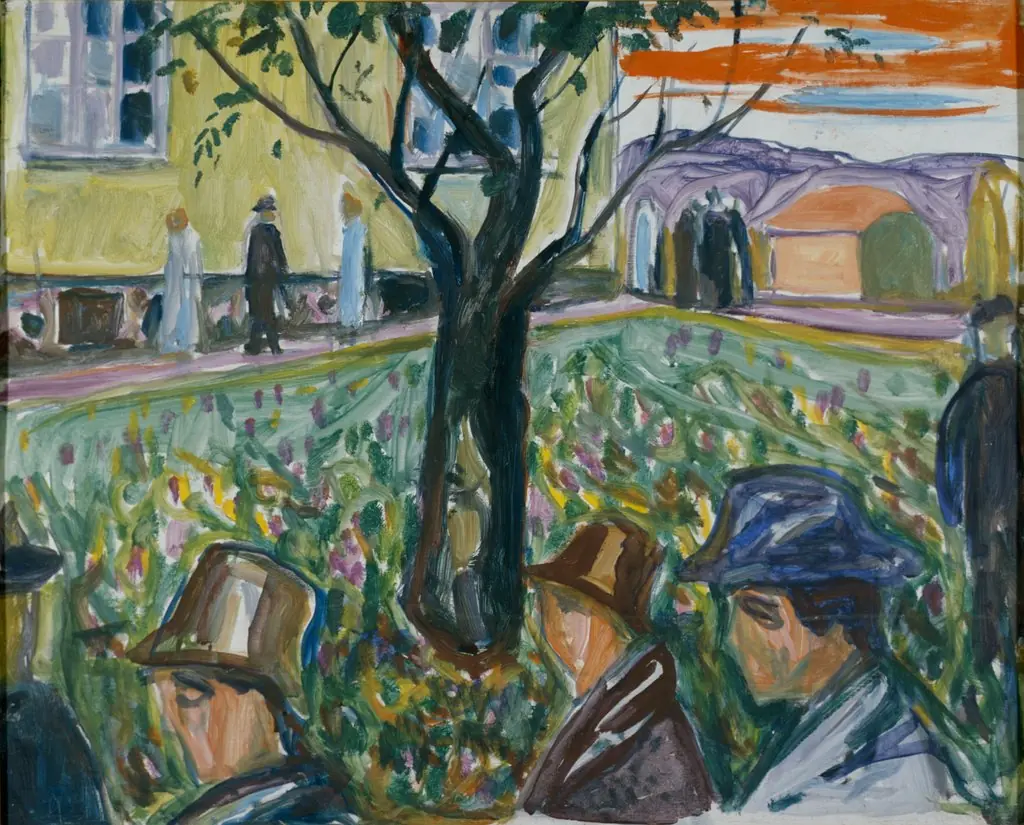
Set Design for Henrik Ibsen's "Ghosts" is a tempera painting by the Post-Impressionist artist Edvard Munch. It dates from 1906 and is held in the collection of the Munch Museum.
About this work
Overview
Though functional for theater, the piece stands as a self-contained composition, embodying Munch’s signature focus on emotional resonance.
In 1906, Edvard Munch produced a tempera painting as a stage design for Henrik Ibsen’s play Ghosts. Created during his mature period, the work reflects his longstanding interest in psychological atmosphere over literal representation. Though functional for theater, the piece stands as a self-contained composition, embodying Munch’s signature focus on emotional resonance. It remains part of the Munch Museum’s collection in Oslo.
Subject & Meaning
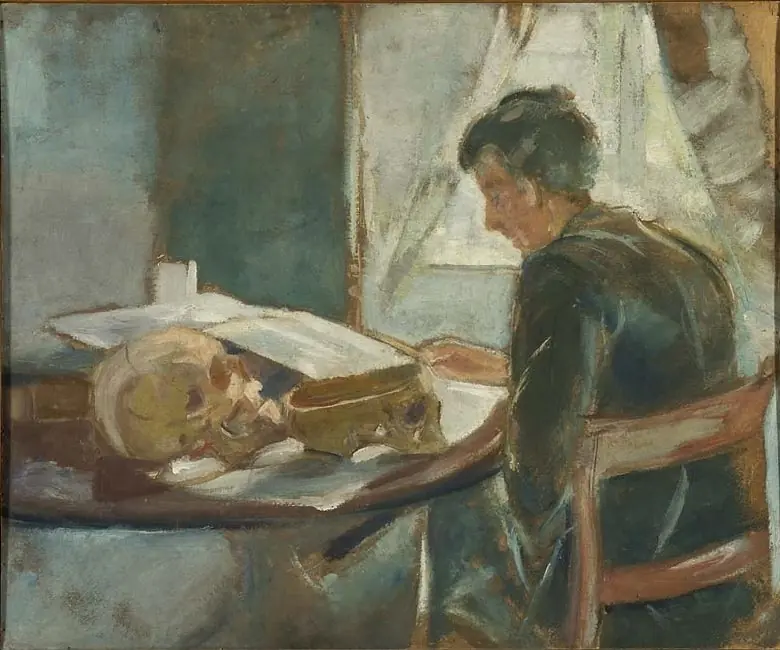
The design portrays a solitary figure in a sparse, dim interior, evoking the play’s themes of repressed guilt and inherited suffering. The figure’s stillness and dark attire suggest inner isolation, while the muted room—barely furnished, walls washed in gray—reinforces a sense of entrapment. Munch translates Ibsen’s narrative tension into visual silence, where emptiness becomes a metaphor for psychological burden.
Technique & Style
Munch employed tempera for its matte, opaque quality, enhancing the somber tone of the scene. Brushwork is restrained, with flat planes of color and minimal modeling, avoiding naturalistic detail. The composition is deliberately simplified: no decorative elements distract from the central figure. This reduction aligns with his post-impressionist tendency to prioritize emotional truth over physical accuracy.
History & Provenance
The design was created for a 1906 production of Ghosts in Oslo, part of Munch’s brief but significant engagement with theatrical set design. Unlike his exhibition paintings, this work was intended for temporary use, yet it was preserved due to its artistic merit. It entered the Munch Museum’s holdings early in its history, recognized as a key example of his interdisciplinary practice.
Context
Munch’s set design emerged during a period when Norwegian artists were redefining national identity through introspective art. Ibsen’s play, a critique of societal hypocrisy, resonated with Munch’s own preoccupations with illness, death, and inherited trauma. His visual interpretation aligned with broader European trends rejecting realism in favor of symbolic, internal landscapes.
Legacy
Though not widely exhibited as a standalone work, the design is cited in studies of Munch’s theatrical contributions and the intersection of visual art with modern drama. It illustrates how his aesthetic principles—emotional intensity, formal economy—transcended canvas to shape spatial narratives. The piece endures as a quiet testament to his ability to translate literary anguish into visual form.
Artist & collection

Artist
Edvard Munch ( MUUNK; Norwegian: ; 12 December 1863 – 23 January 1944) was a Norwegian painter.