Artwork
Summer Landscape
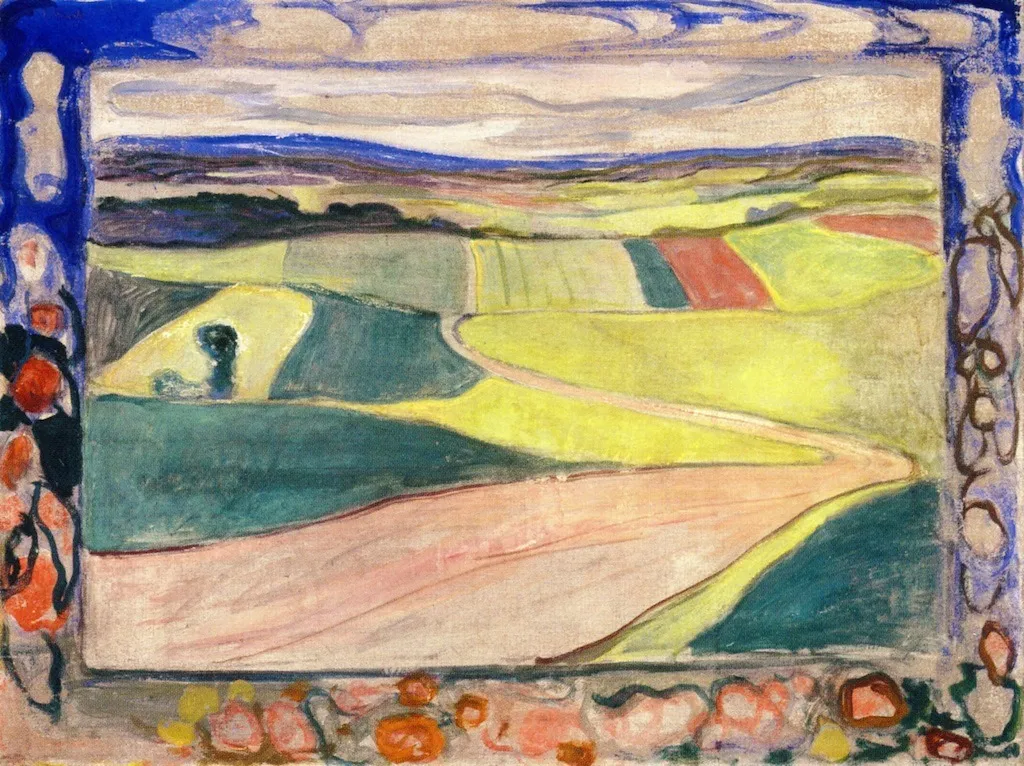
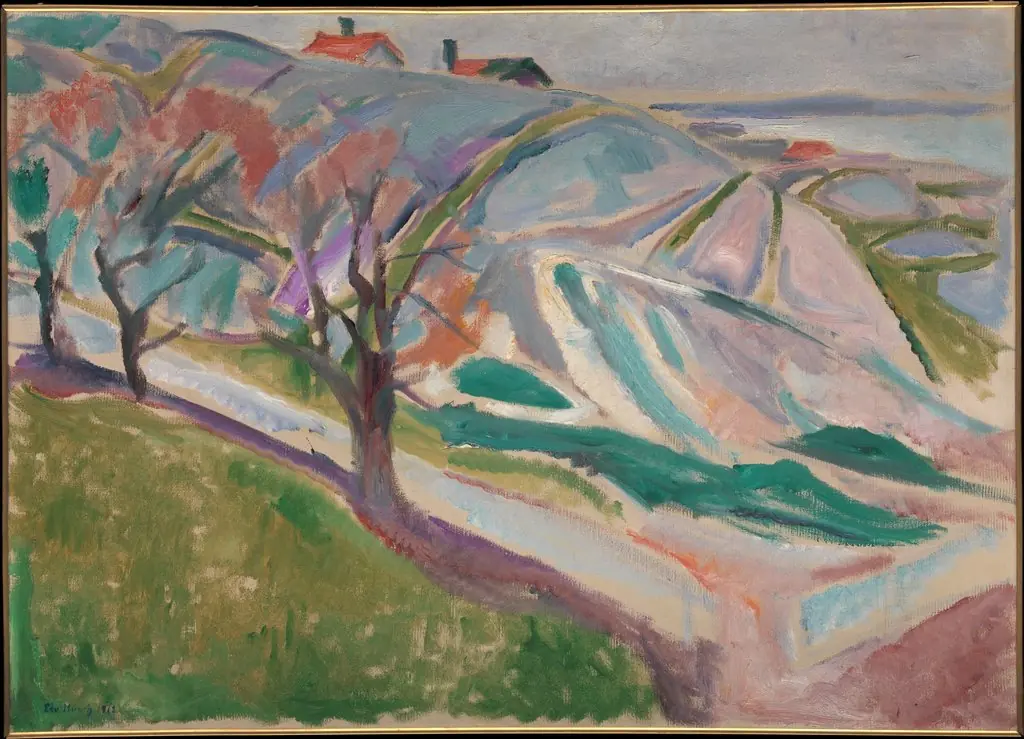
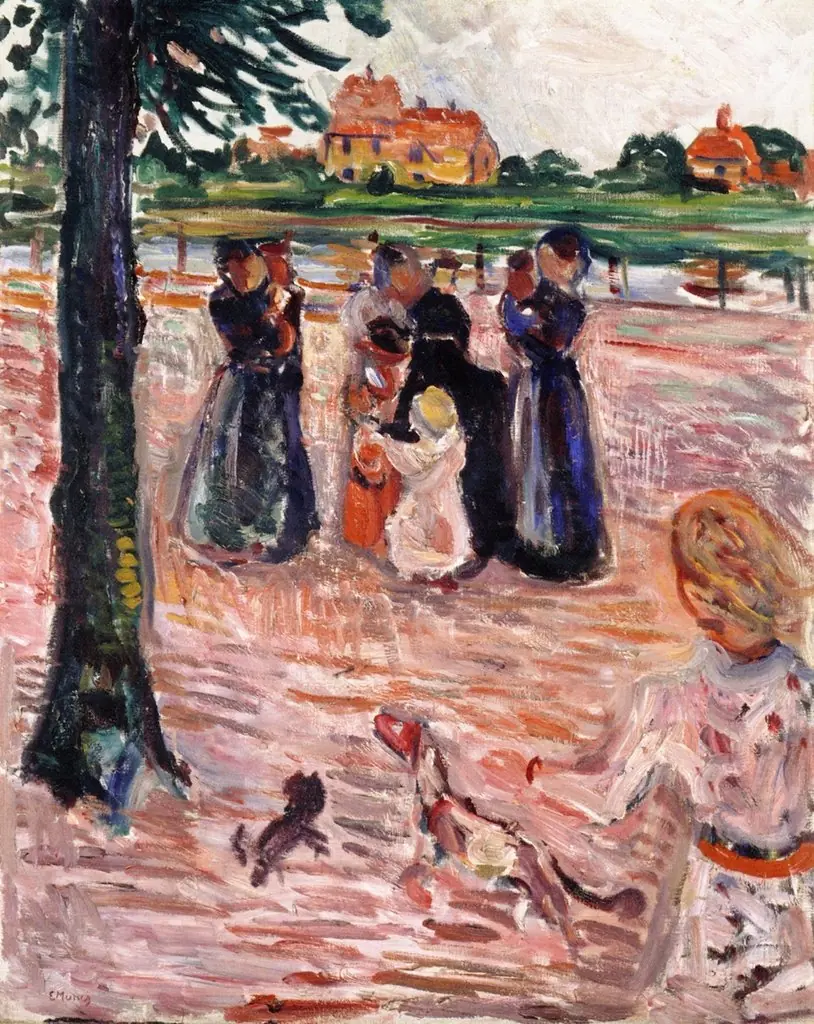
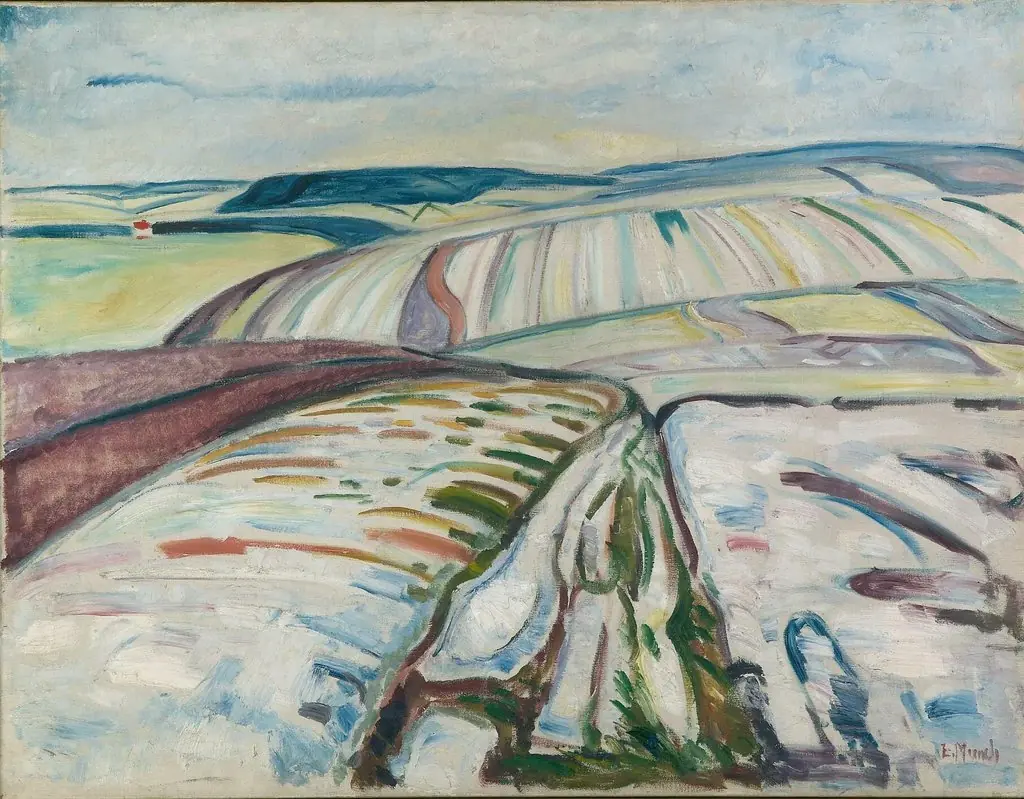
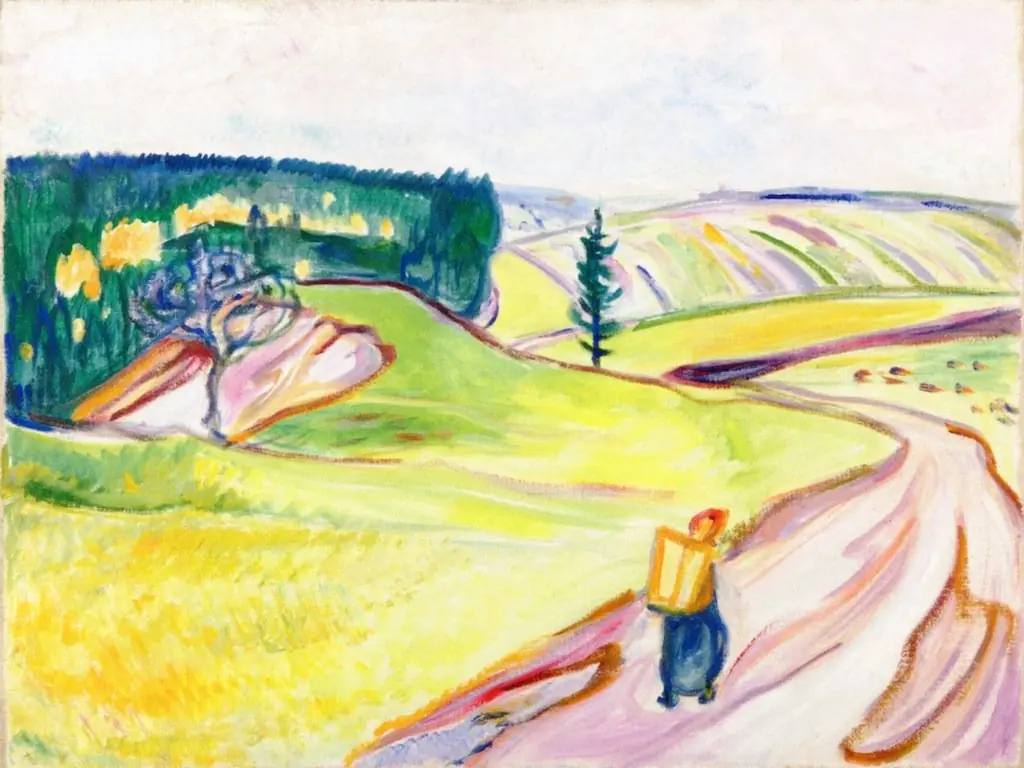
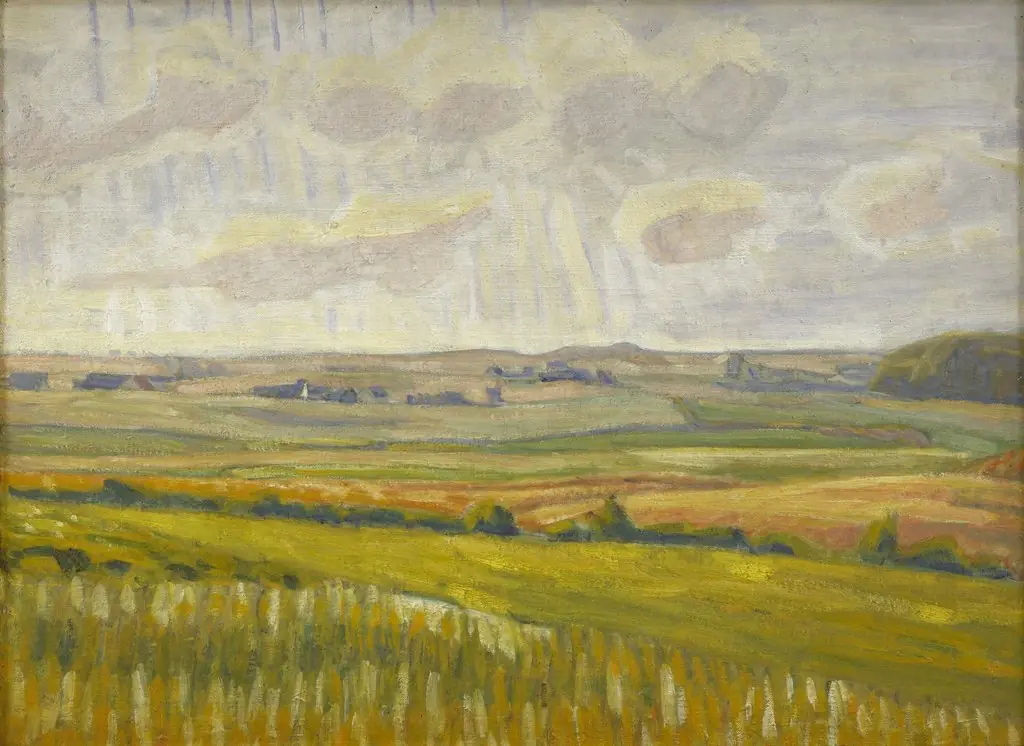
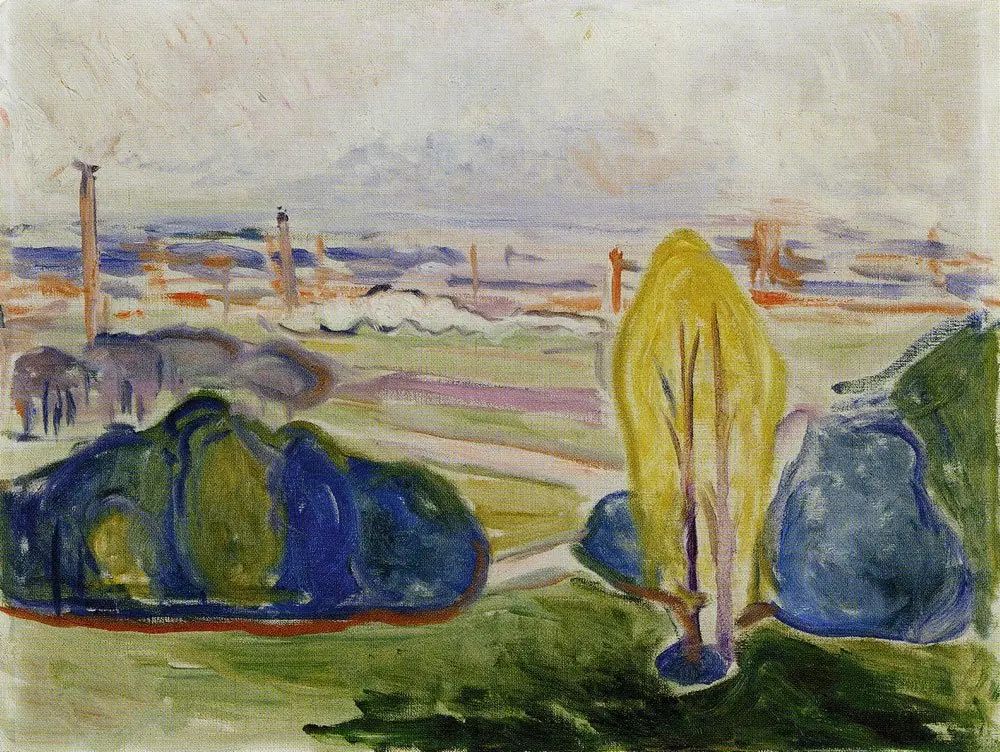
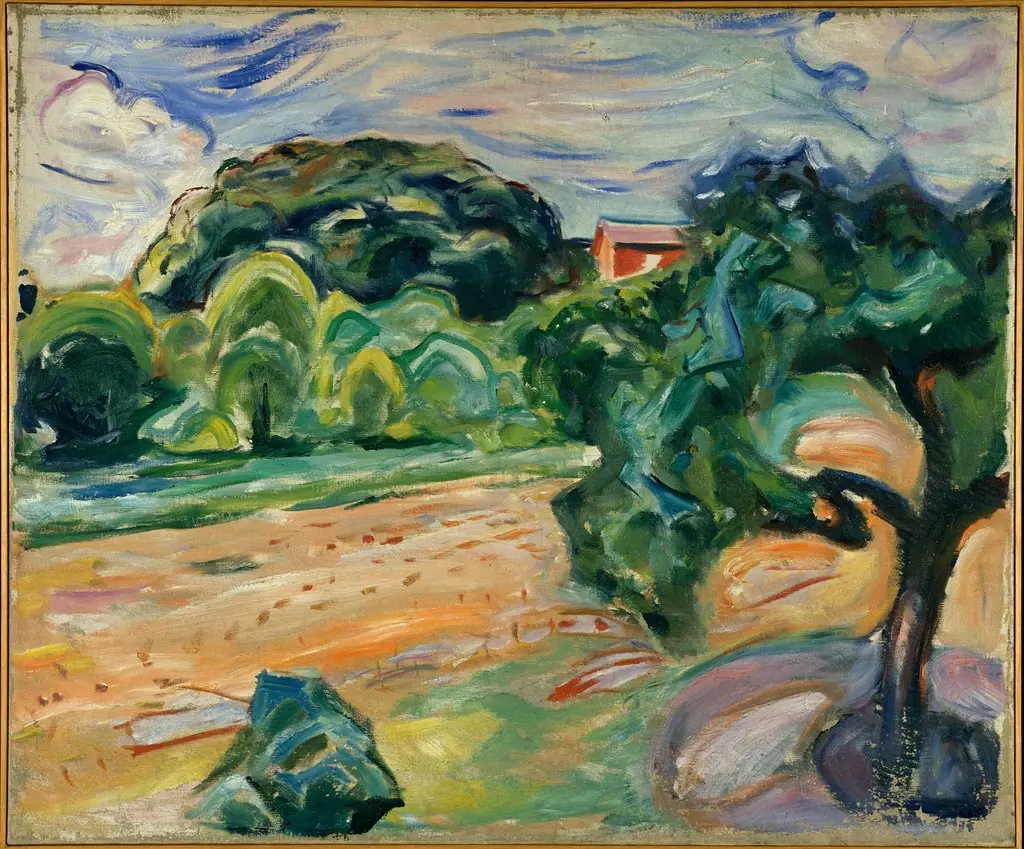
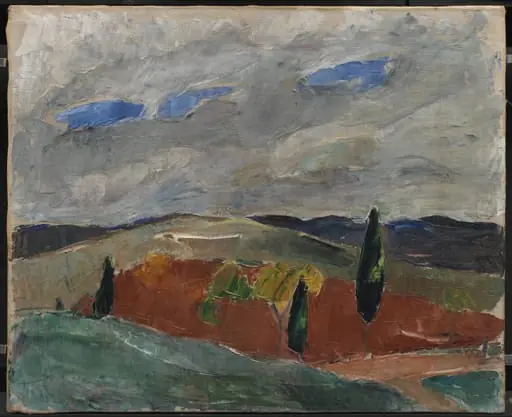
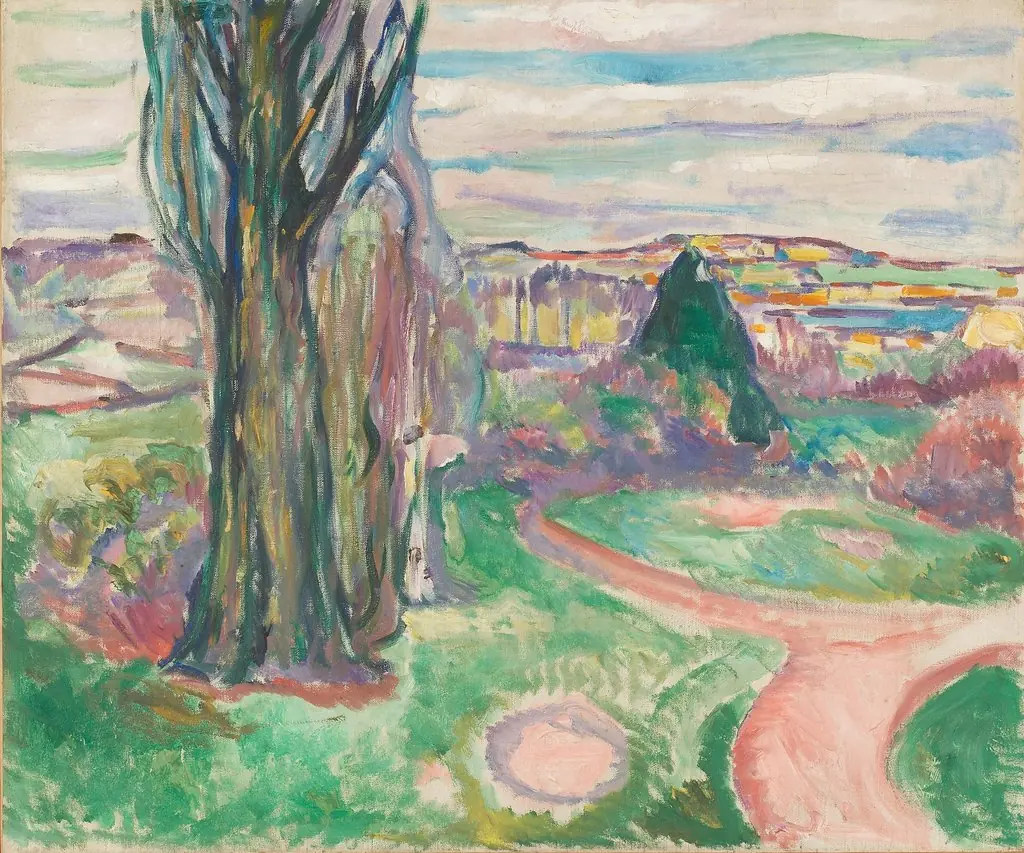
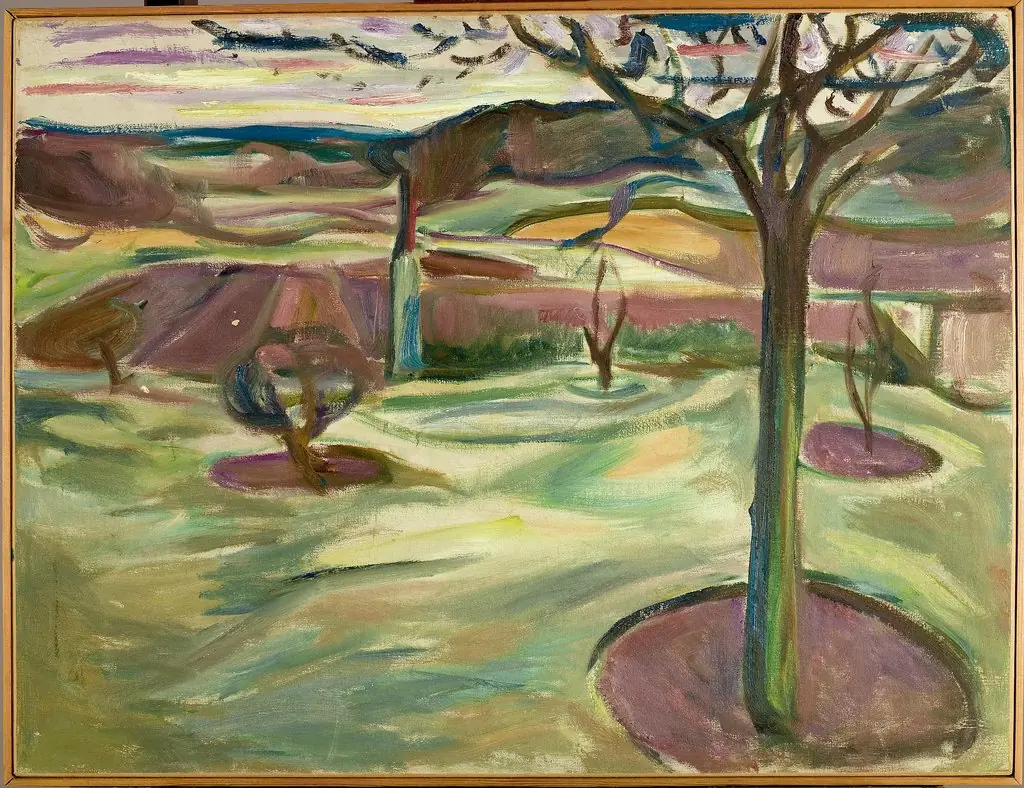
Summer Landscape is a tempera painting by the Post-Impressionist artist Edvard Munch. It dates from 1898 and is held in the collection of the Munch Museum.
About this work
Overview
The work is part of his broader exploration of nature during a period when he moved away from psychological intensity toward quieter, observational themes.
Edvard Munch painted *Summer Landscape* in 1898 using tempera on board, a medium that allowed for both precision and a matte, earthy surface. The work is part of his broader exploration of nature during a period when he moved away from psychological intensity toward quieter, observational themes. It resides in the Munch Museum in Oslo, where it is preserved as an example of his lesser-known, landscape-focused output.
Subject & Meaning
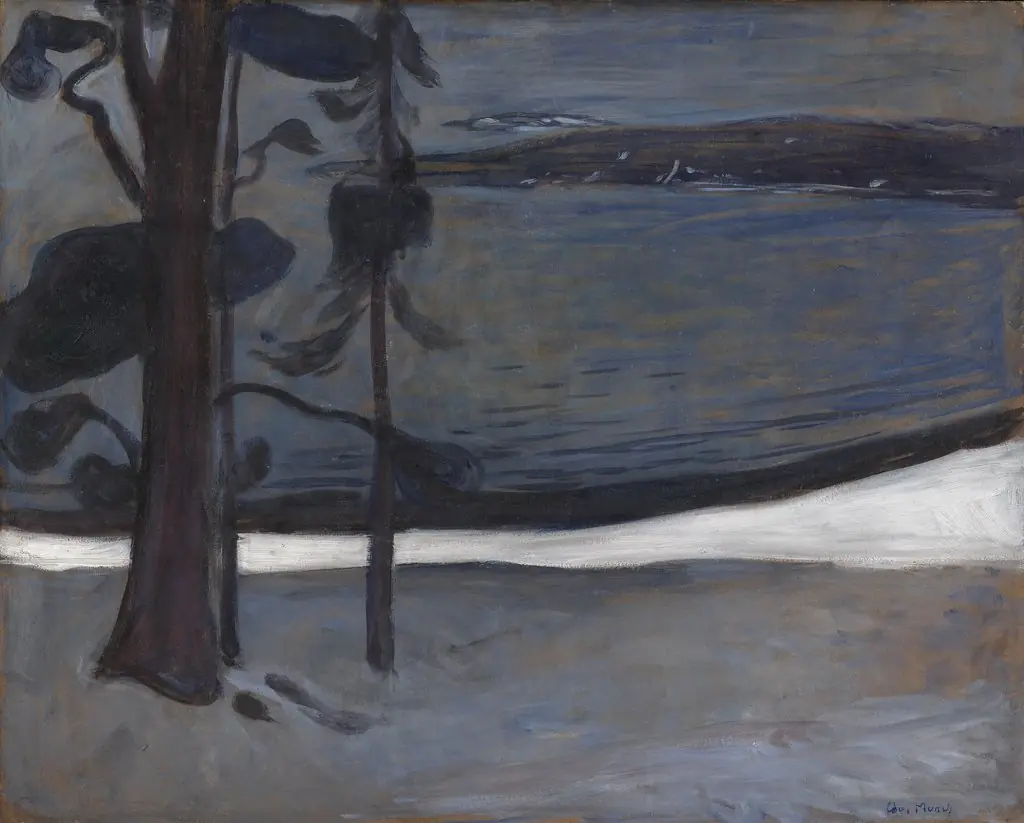
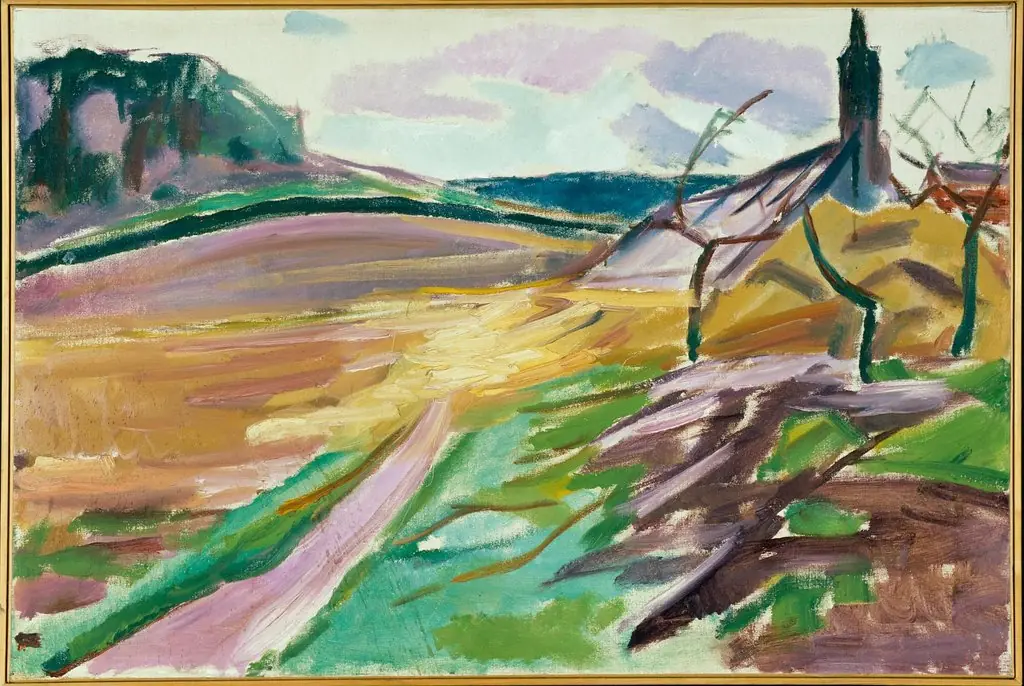
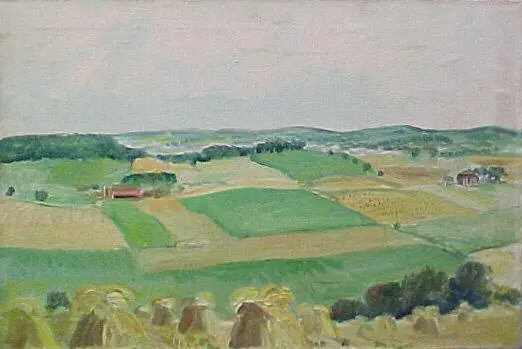
The painting presents a rural Norwegian scene—rolling fields, scattered trees, and a vast, shifting sky. Unlike Munch’s more emotionally charged works, this piece avoids narrative or symbolic weight. Instead, it captures a moment of atmospheric stillness, suggesting a contemplative engagement with the land. The absence of human figures reinforces a sense of solitude and natural rhythm.
Technique & Style
Munch applied tempera with visible, deliberate brushwork, building texture through layered strokes rather than smooth blending. Colors—greens, ochres, and muted reds—convey seasonal change without realism. The sky, rendered in soft grays and blues, contrasts with the warmer earth tones, creating subtle depth. The technique reflects post-impressionist interests in expressive form over optical accuracy.
History & Provenance
Created during Munch’s time in Norway after years abroad, *Summer Landscape* emerged from a phase of personal reflection and artistic recalibration. It remained in the artist’s possession until his death in 1944, after which it entered the collection of the Munch Museum, established to house his personal archive. Its provenance is well-documented, with no significant transfers outside the museum’s holdings.
Context
In the late 1890s, Munch was experimenting with landscape as a counterpoint to his earlier themes of anxiety and mortality. Influenced by Scandinavian naturalism and contemporary European trends, he sought to express mood through color and composition rather than figuration. This work aligns with a broader European shift toward emotional landscapes, distinct from Impressionist light studies.
Legacy
While not as widely recognized as *The Scream*, *Summer Landscape* illustrates Munch’s versatility and his sustained interest in nature as a vessel for emotional resonance. It contributes to scholarly understanding of his later career, revealing how his formal language evolved beyond psychological symbolism into more meditative, atmospheric expression.
Artist & collection
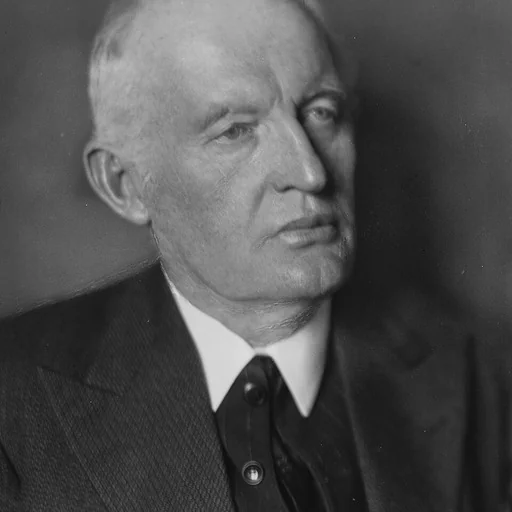
Artist
Edvard Munch ( MUUNK; Norwegian: ; 12 December 1863 – 23 January 1944) was a Norwegian painter.