Artwork
The Human Mountain: Sunrays
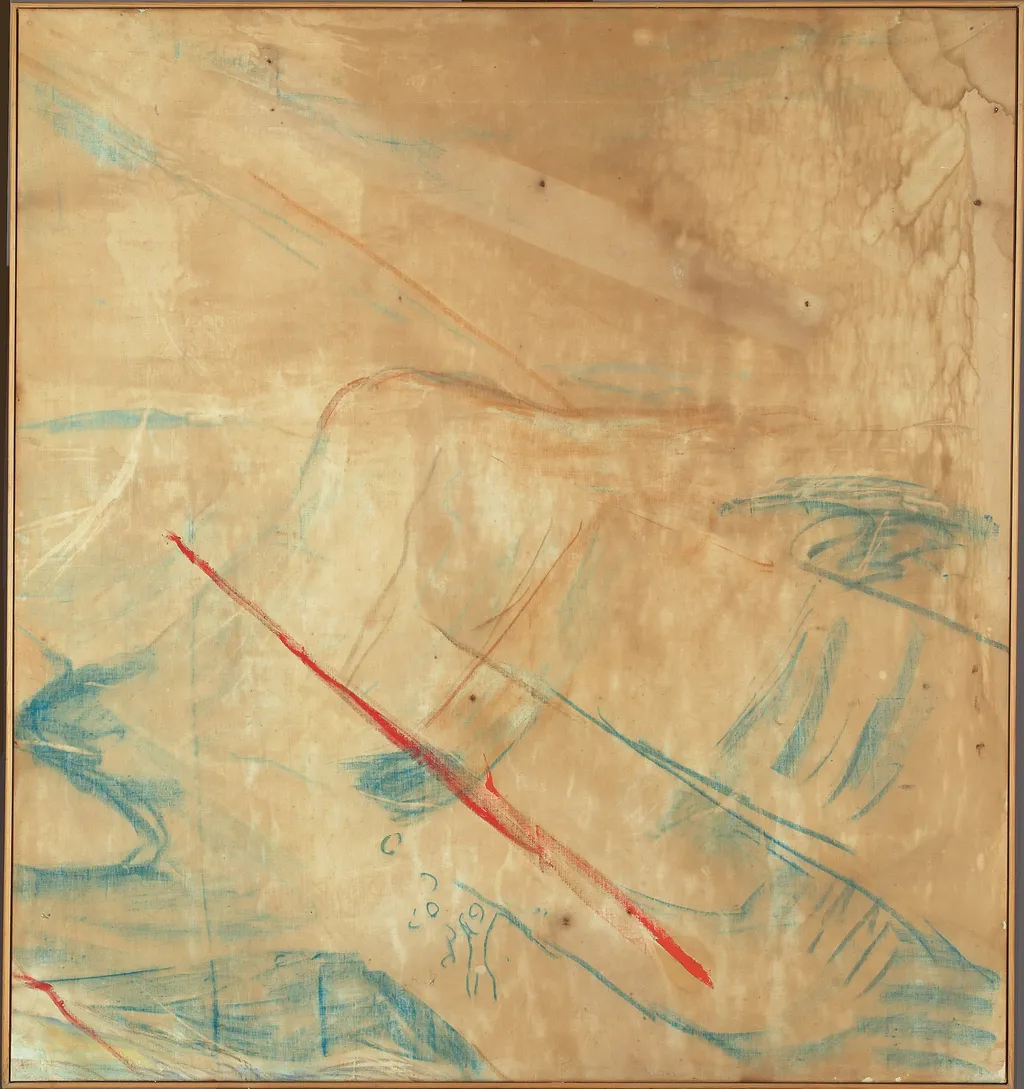
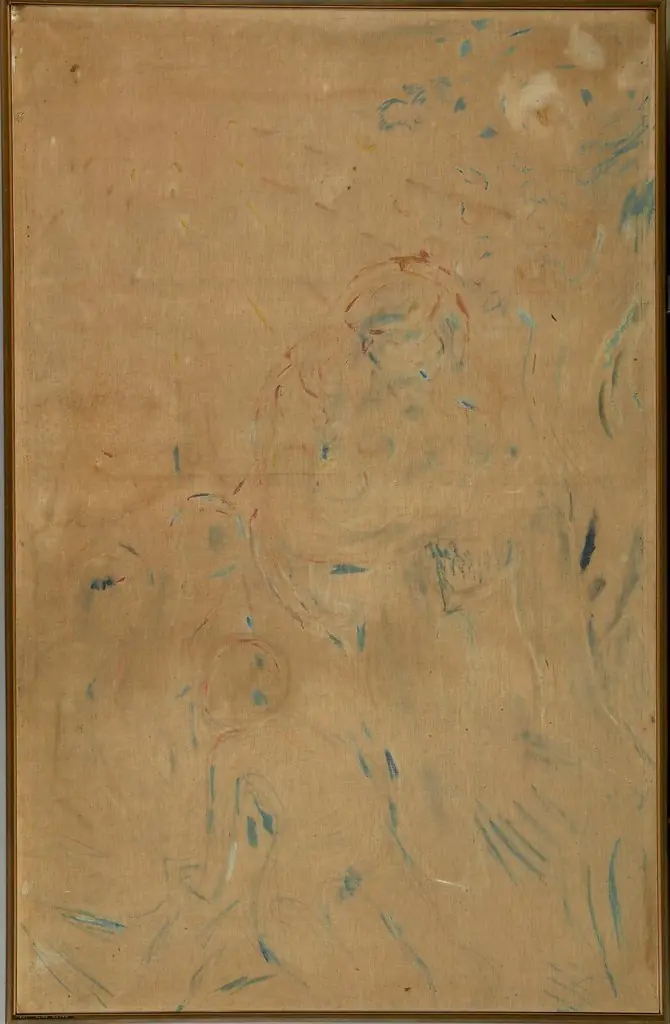
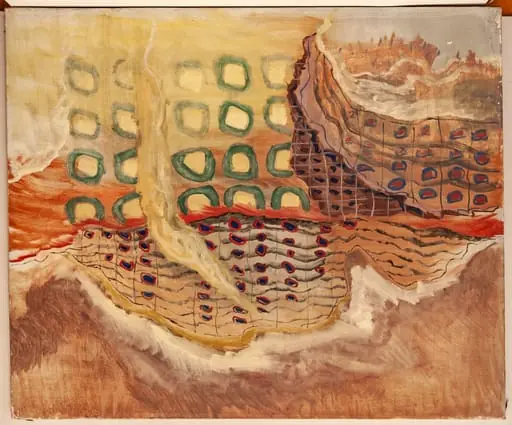
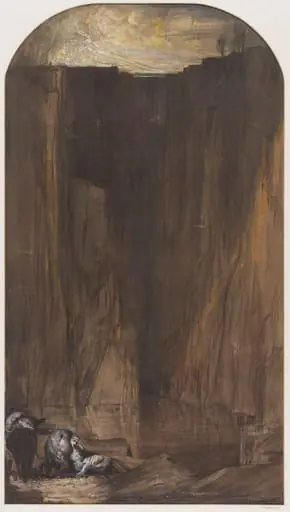
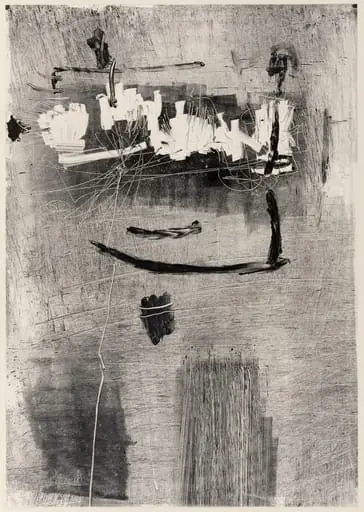
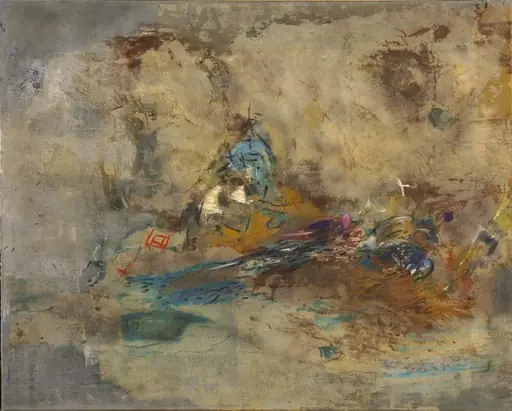
The Human Mountain: Sunrays is a crayon painting by the Post-Impressionist artist Edvard Munch. It dates from 1927 and is held in the collection of the Munch Museum.
About this work
Overview
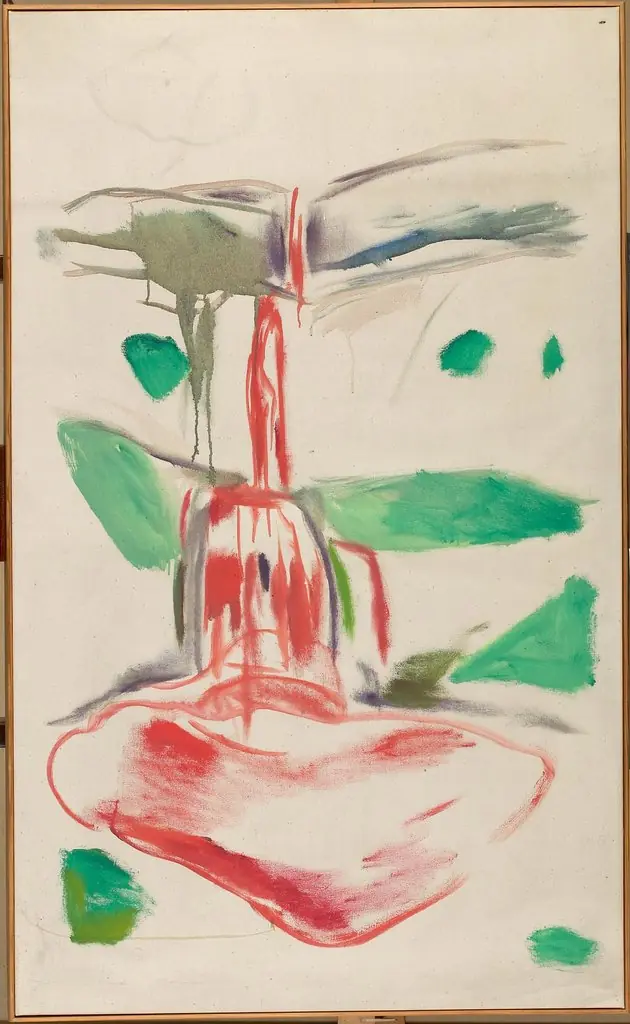
The Human Mountain: Sunrays is a 1927 wax crayon painting by Edvard Munch, characterized by a simple yet expressive depiction of a mountain under sunrays, rendered in a textured, subdued color palette.
Subject & Meaning
The work features a solitary figureless mountain enveloped by radiant sunrays, set against a blue mountain form and red sun rays, conveying a sense of calmness and serenity, diverging from Munch's typically emotionally charged themes.
Technique & Style
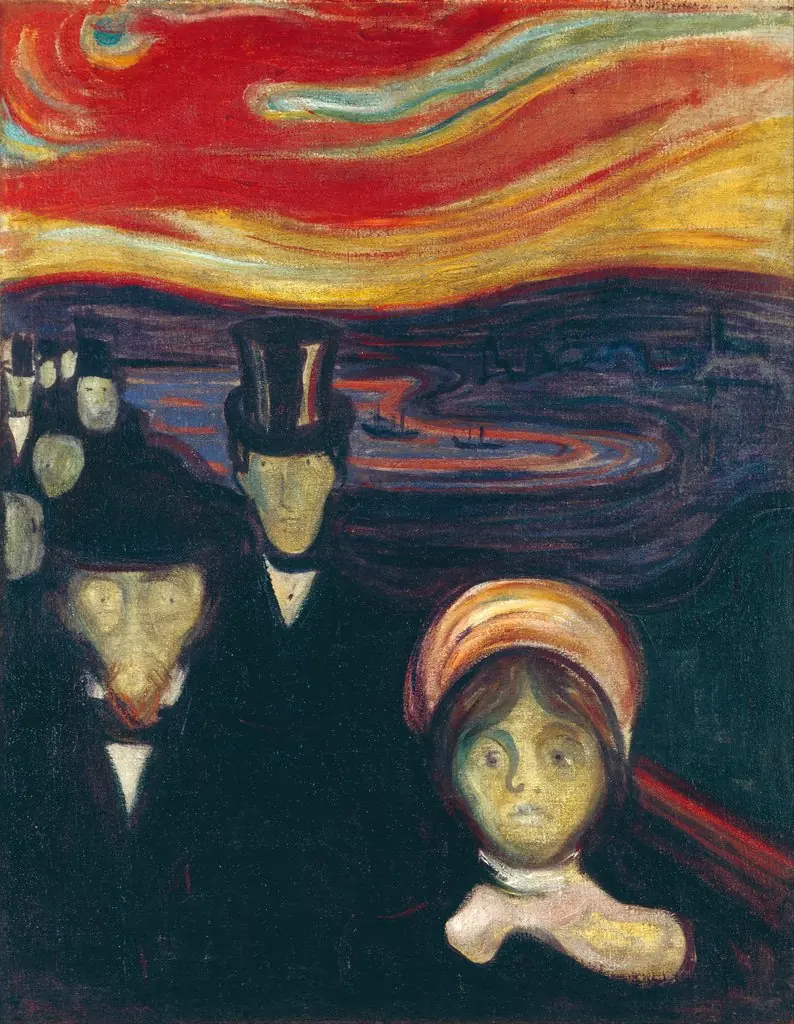
Executed in wax crayon, the piece exhibits a rough, textured quality. The restrained, non-vibrant color scheme (blue for the mountain, red for sunrays) and minimalist composition reflect a post-impressionist approach, distinct from Munch's more expressive works like The Scream.
History & Provenance
Created in 1927, The Human Mountain: Sunrays is part of the Munch Museum's collection. While Munch's early life and associations (Royal School of Art and Design in Kristiania, Hans Jæger) influenced his emotional expressionist style, this work's calmness suggests a departure or experimentation.
Context
Although differing in tone from Munch's renowned psychologically intense pieces, The Human Mountain: Sunrays (1927) aligns with post-impressionist tendencies of the time, emphasizing expressive form and color over realism.
Legacy
While not as widely recognized as The Scream, The Human Mountain: Sunrays contributes to the understanding of Munch's versatility and his capacity to explore serenity alongside his more angst-driven themes, appealing to those interested in the artist's lesser-known works.
Artist & collection

Artist
Edvard Munch ( MUUNK; Norwegian: ; 12 December 1863 – 23 January 1944) was a Norwegian painter.