Artwork
The Human Mountain: Utter Right Part
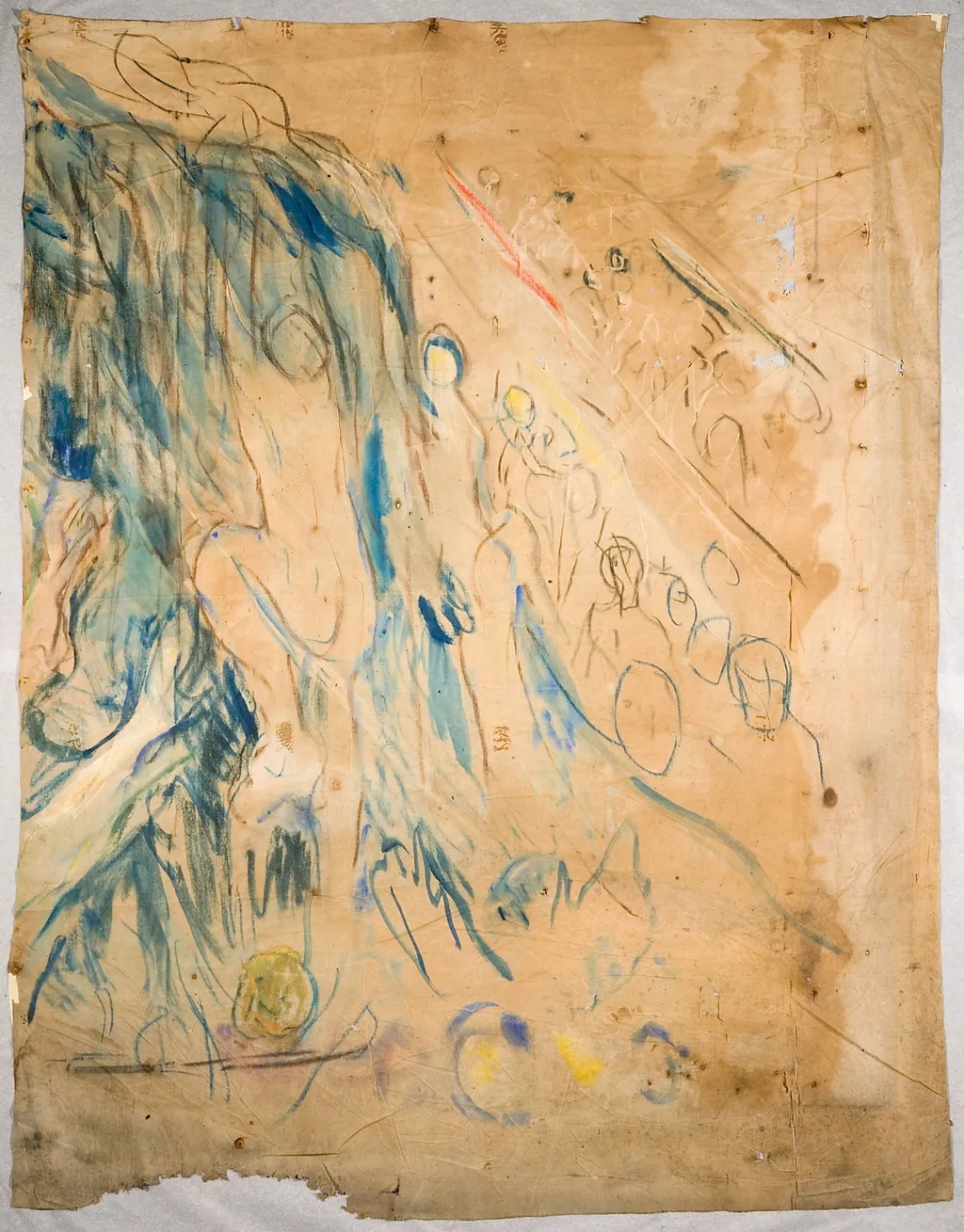
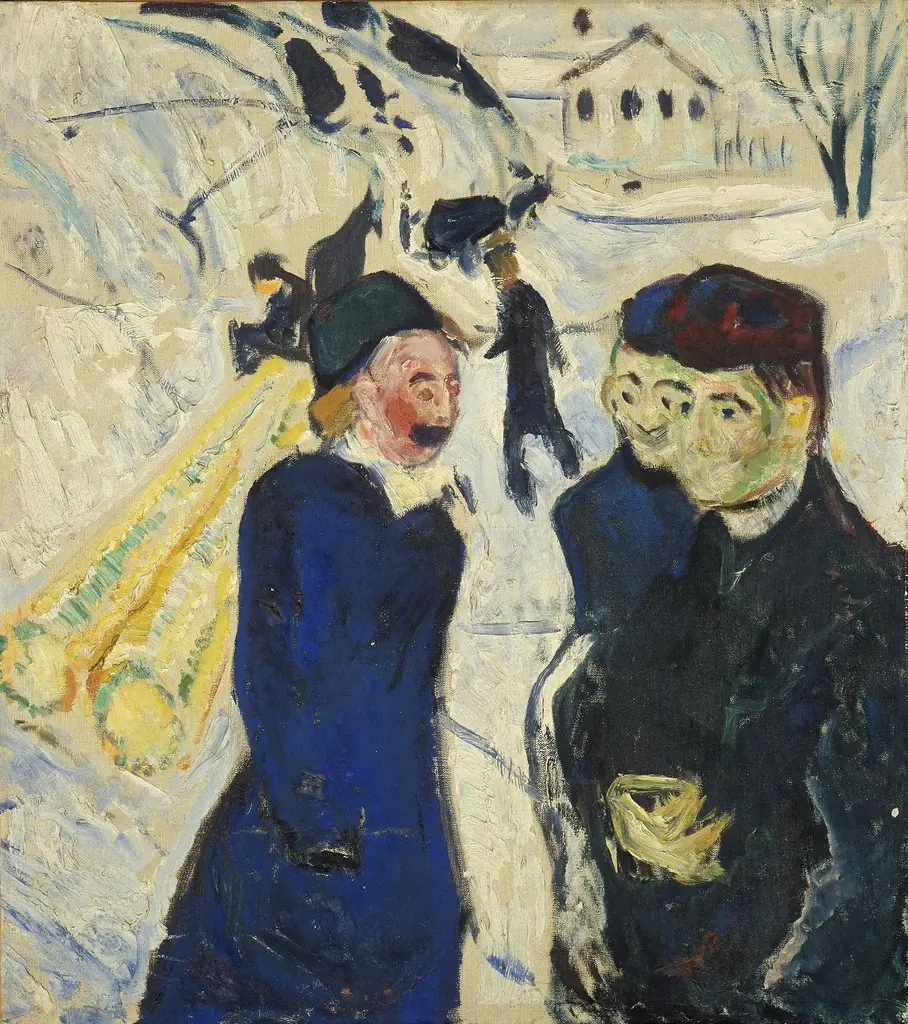
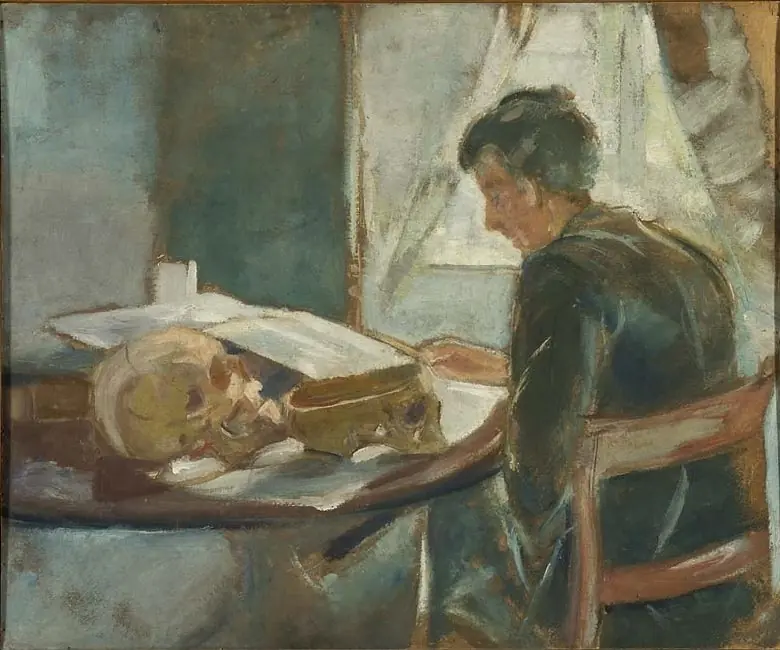
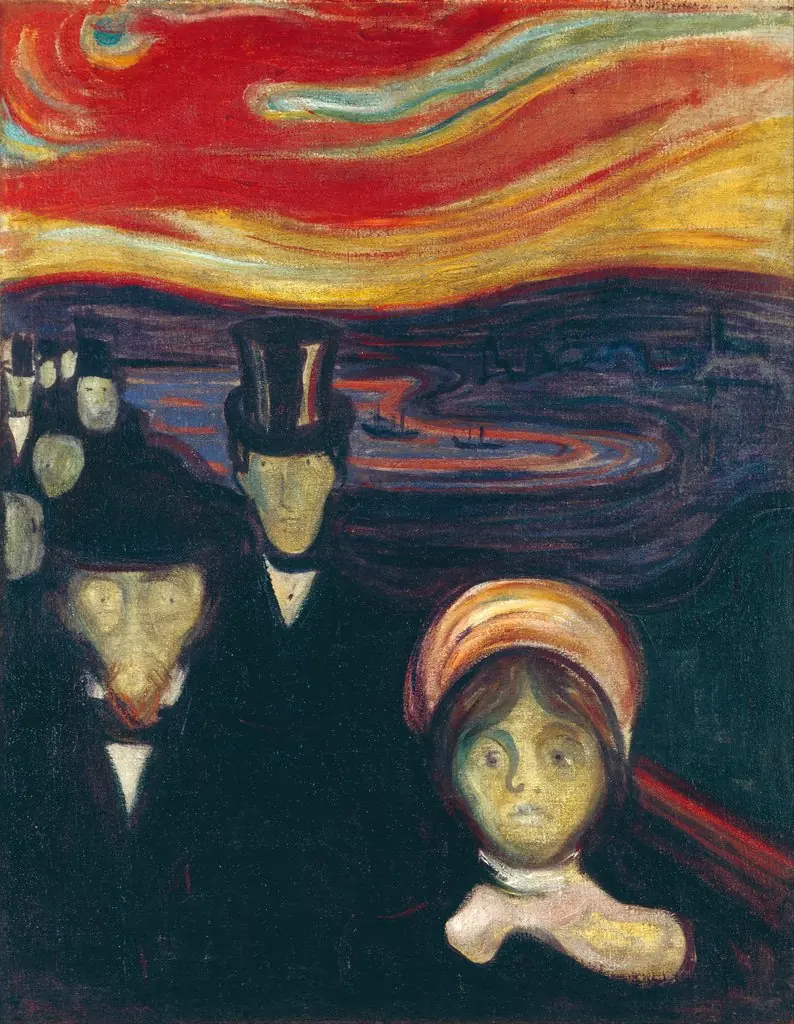
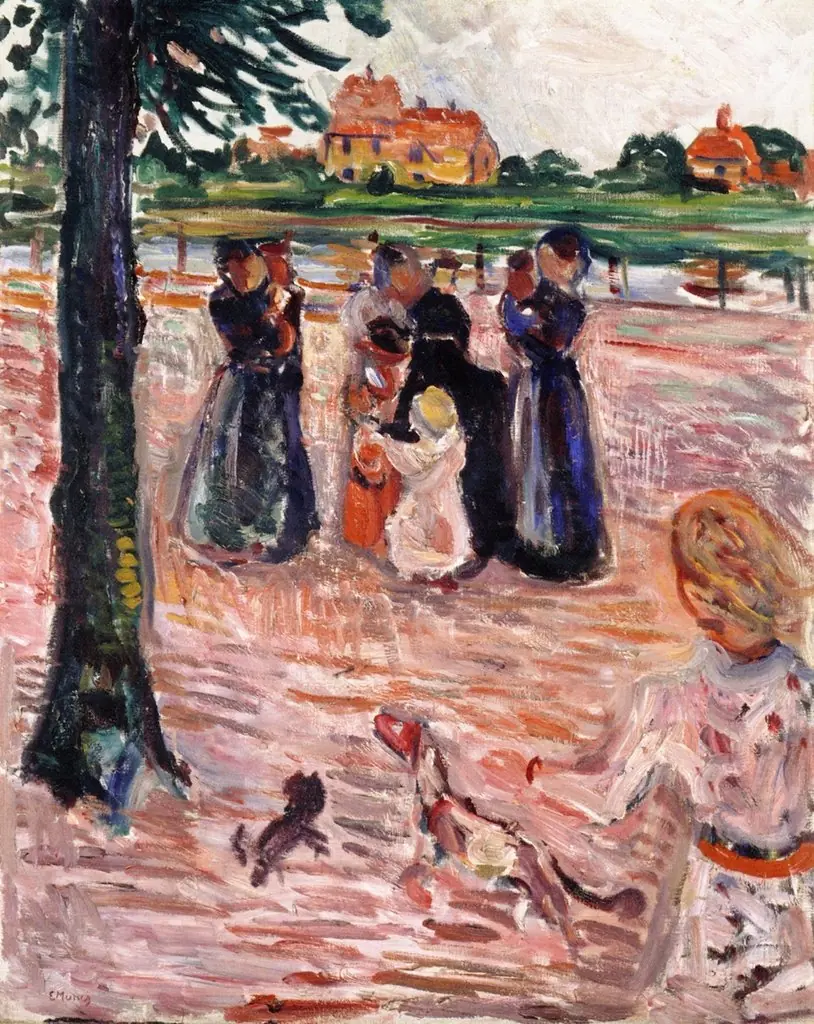
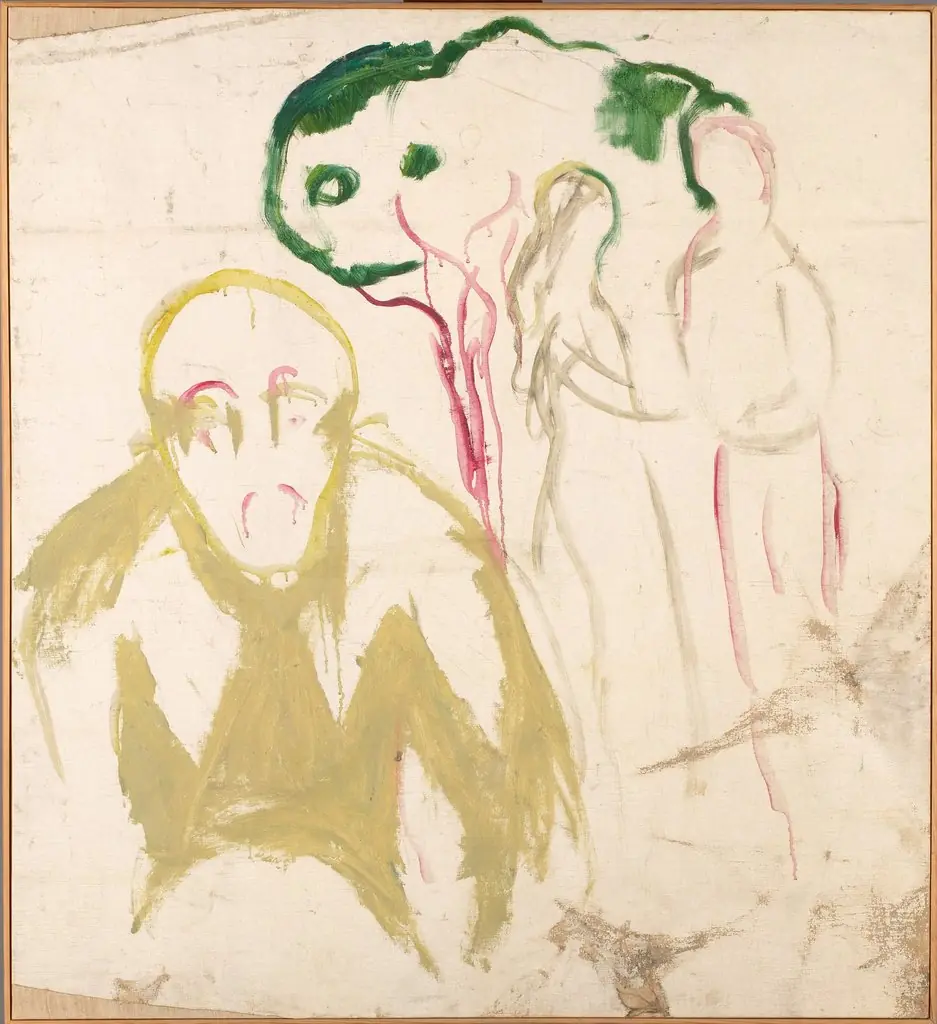
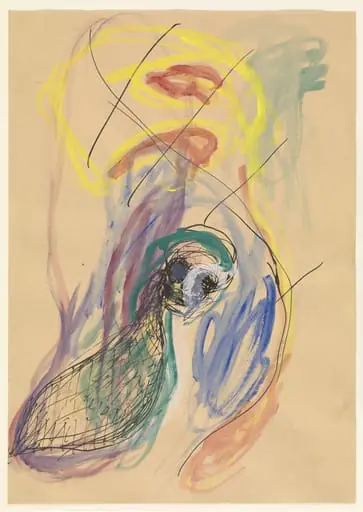
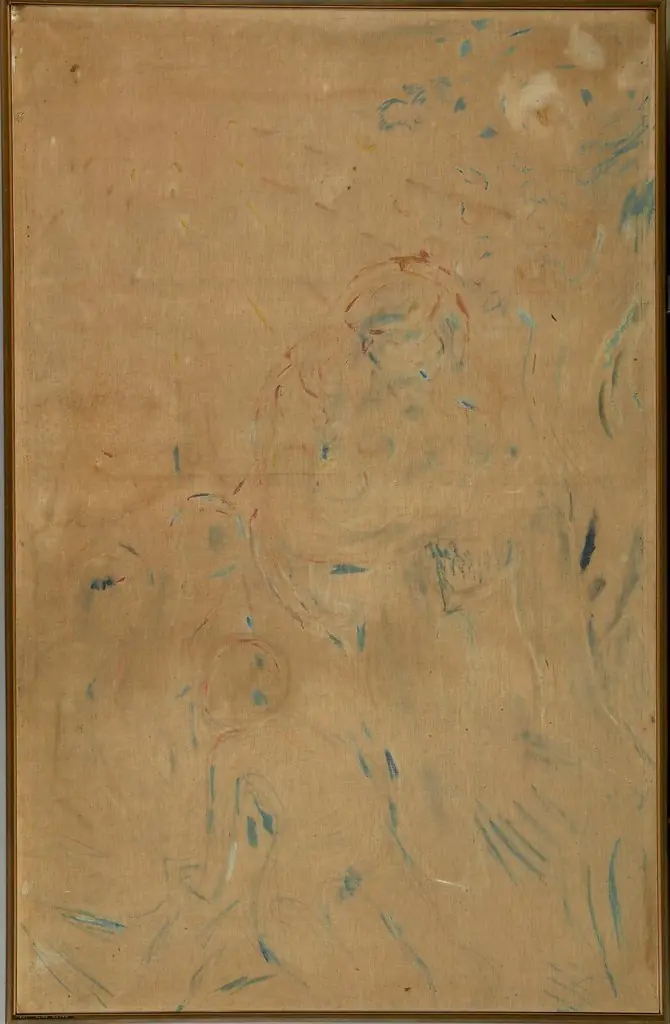
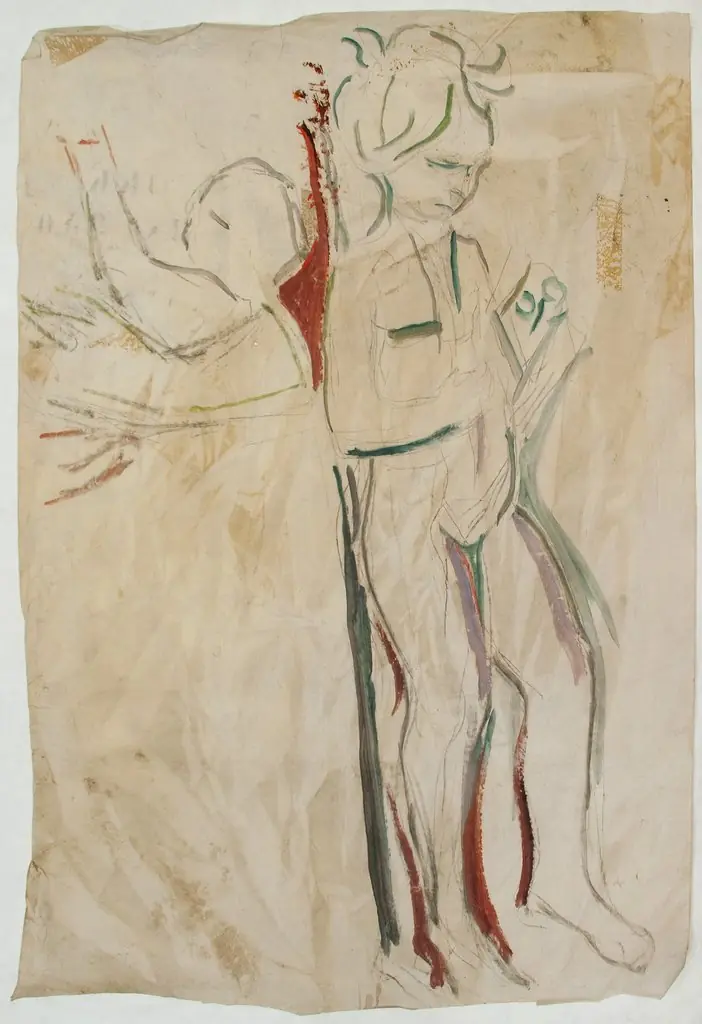
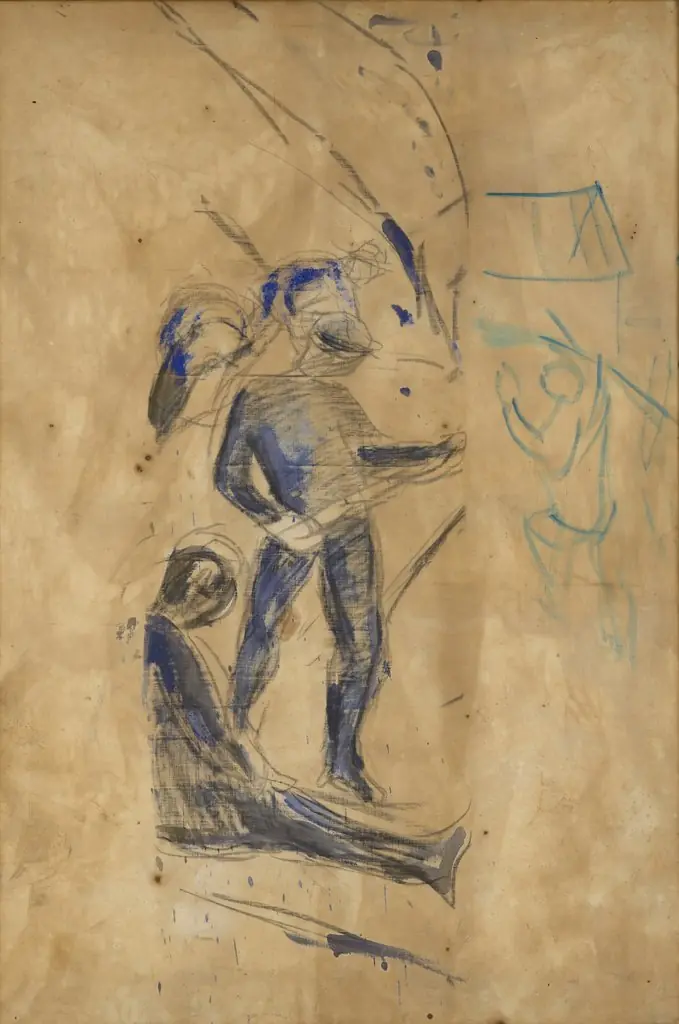
The Human Mountain: Utter Right Part is a charcoal painting by the Post-Impressionist artist Edvard Munch. It dates from 1926 and is held in the collection of the Munch Museum.
About this work
Overview
Created in 1926, *The Human Mountain: Utter Right Part* is an oil painting by Norwegian artist Edvard Munch. The work belongs to the collection of the Munch Museum in Oslo and exemplifies the painter’s later period, when he turned his focus toward the inner life of his subjects rather than external narrative.
Subject & Meaning
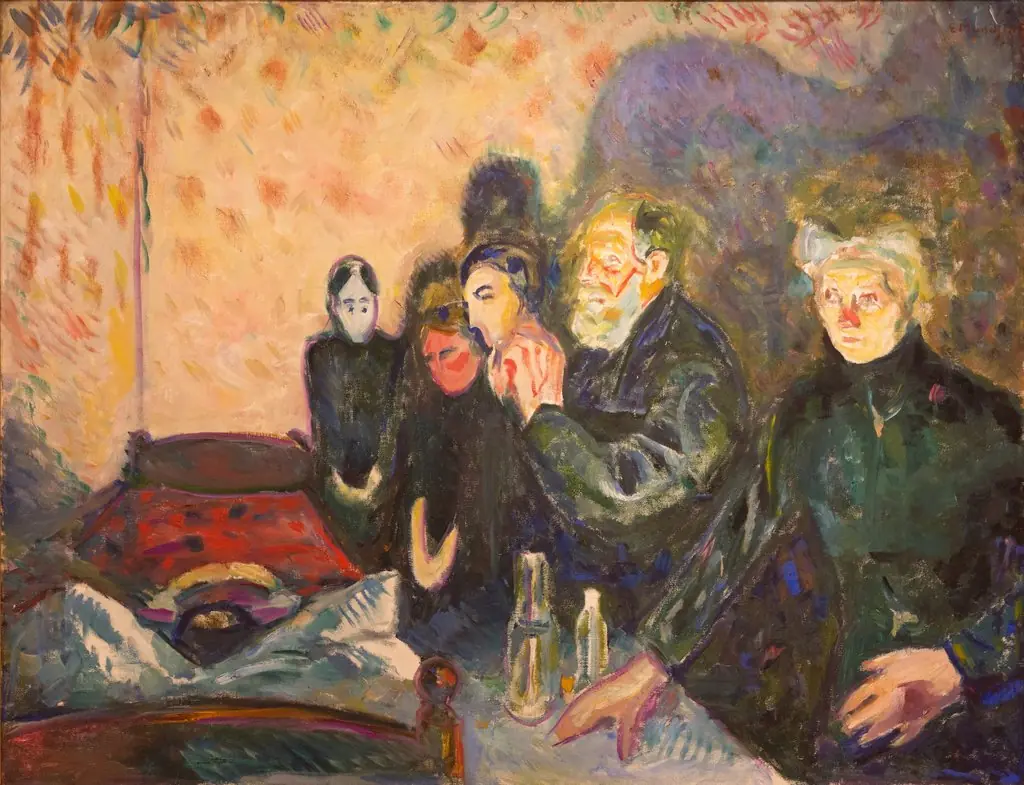
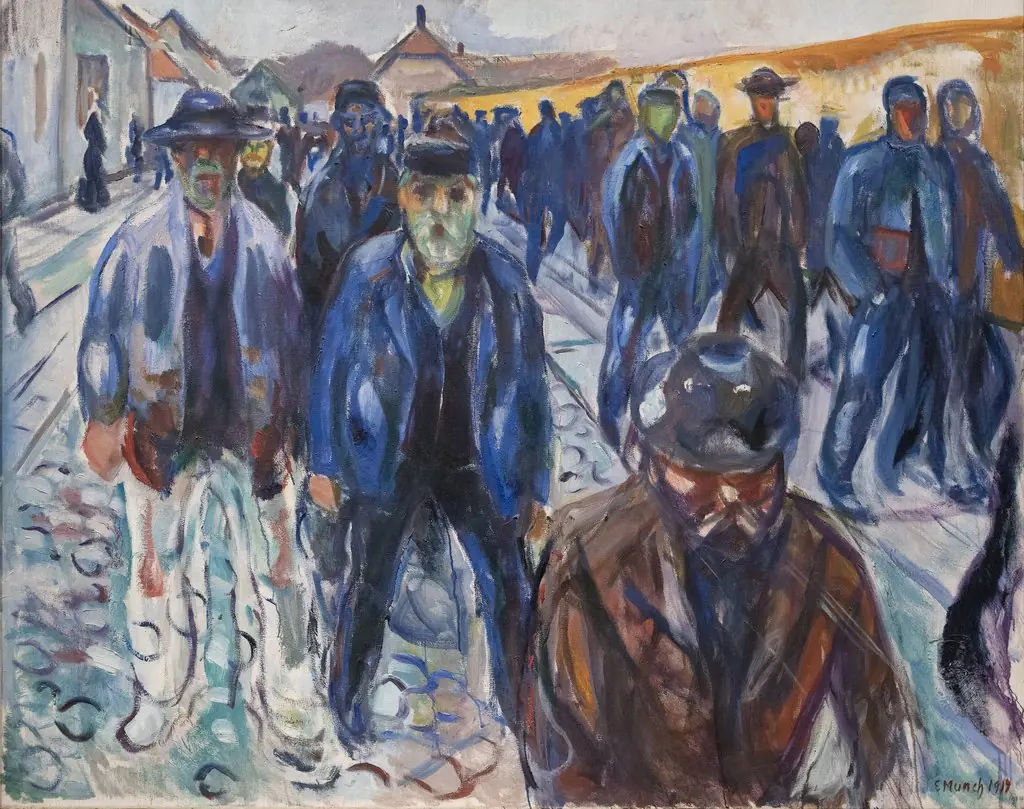
The canvas depicts a solitary figure whose head is tipped back, eyes directed upward, arms crossed over the chest, and a hat perched on the head. The ambiguous gaze and the surrounding darker shapes suggest a contemplation of forces beyond the visible realm, inviting viewers to consider the psychological tension that Munch often explored.
Technique & Style
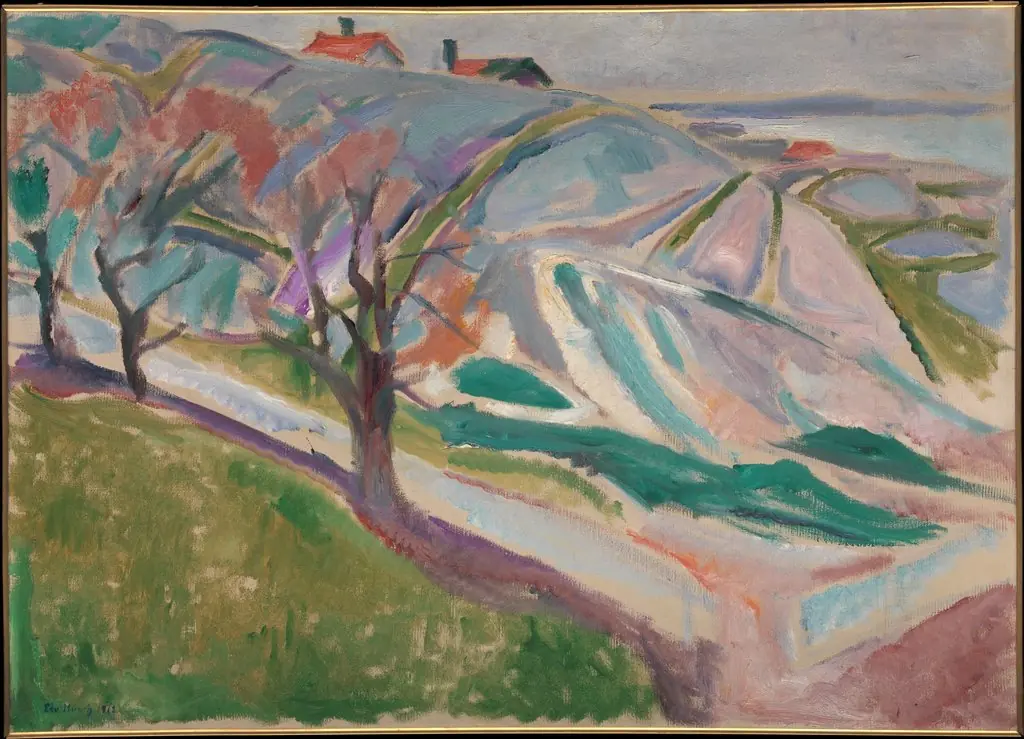
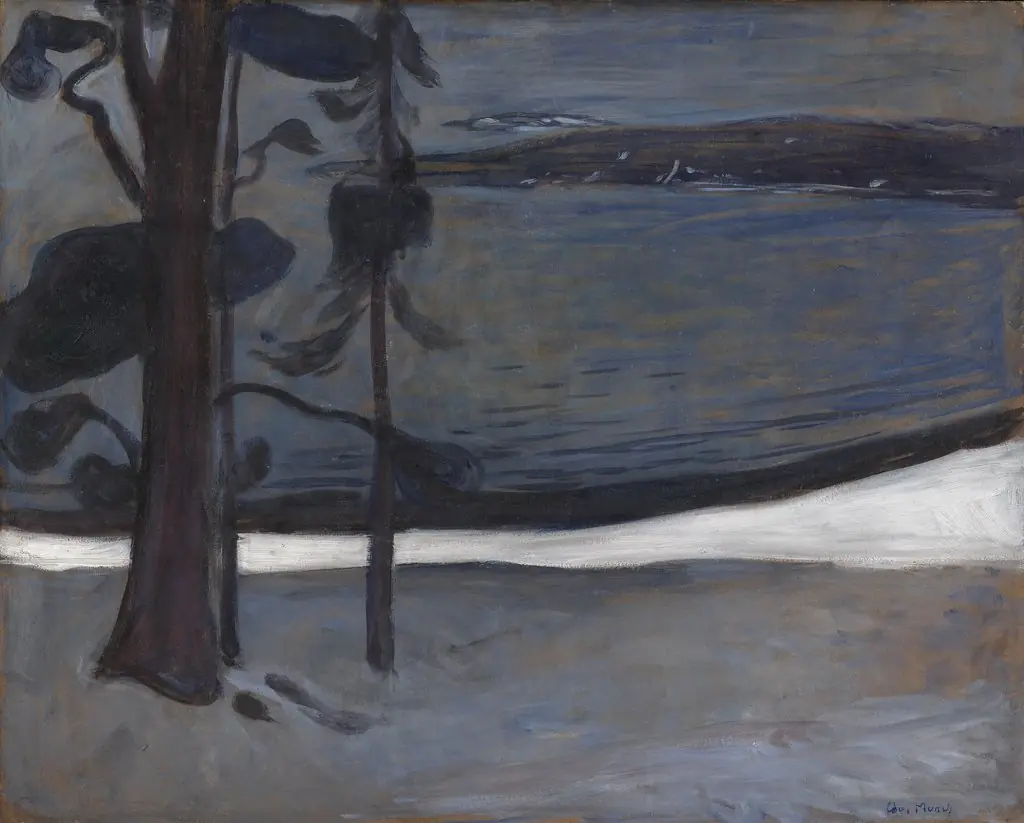
Executed in oil on canvas, the painting employs a palette dominated by deep, somber tones that contrast with a lighter background. Munch’s brushwork reflects a post‑impressionist sensibility, emphasizing expressive color and form to convey mood rather than precise detail, a method he refined after his studies at the Royal School of Art and Design in Oslo.
History & Provenance
After its completion, the work entered the holdings of the Munch Museum, where it remains on public display. Its acquisition aligns with the museum’s mission to preserve the artist’s output, particularly pieces that illustrate his shift toward introspective, emotionally charged imagery during the 1920s.
Artist & collection
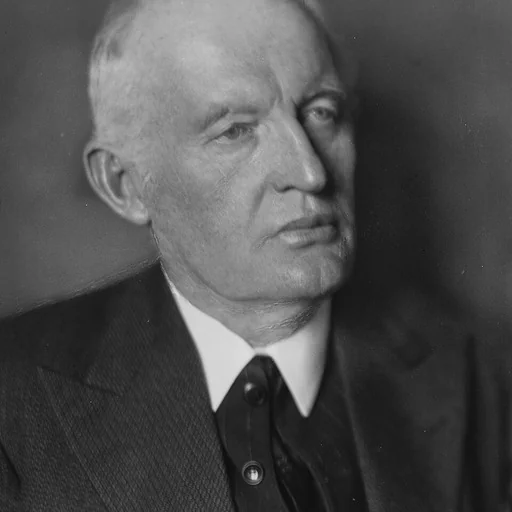
Artist
Edvard Munch ( MUUNK; Norwegian: ; 12 December 1863 – 23 January 1944) was a Norwegian painter.