Artwork
The Woman
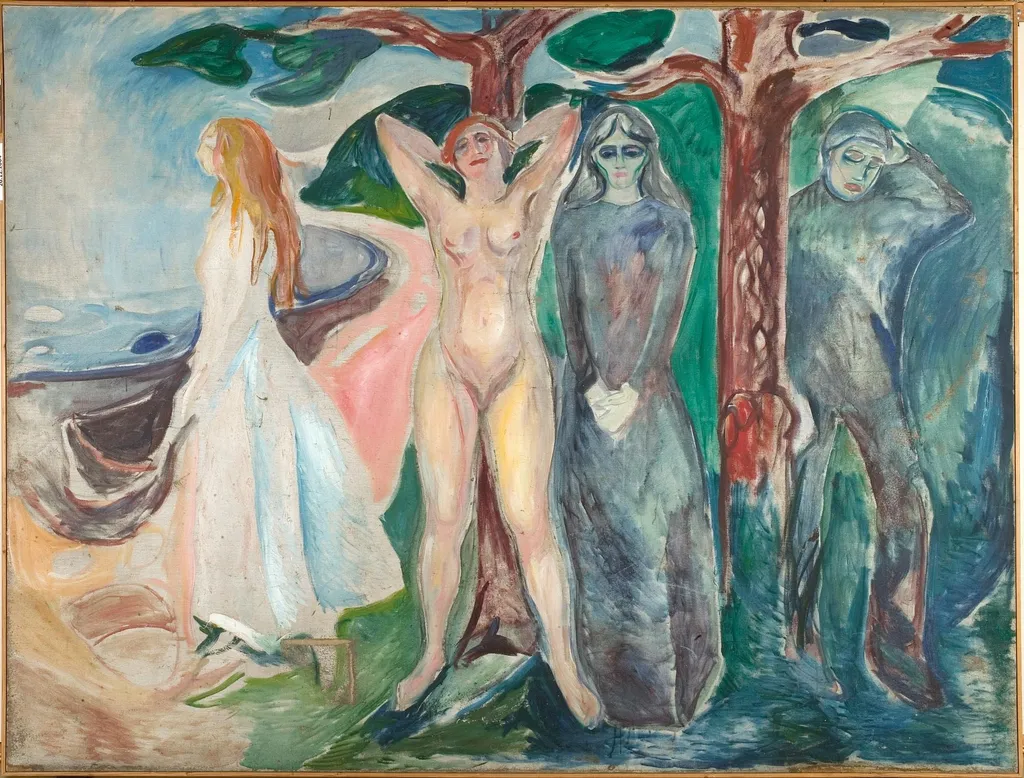
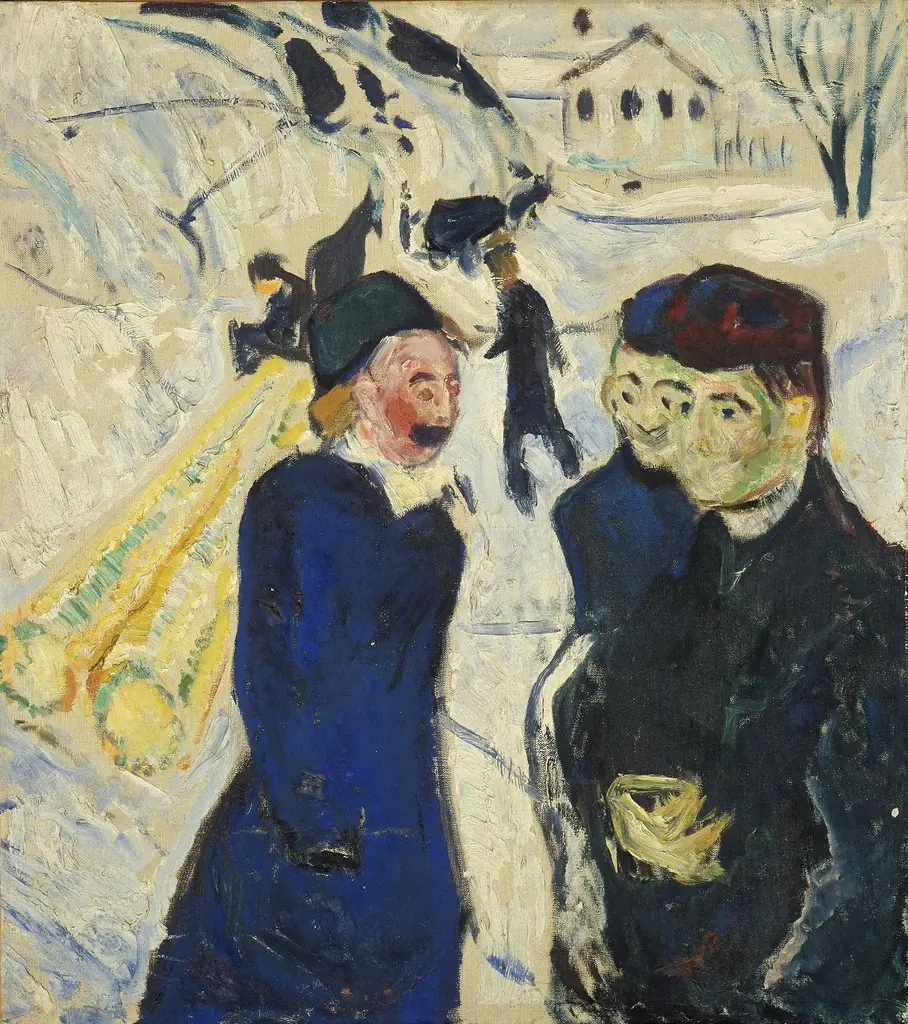
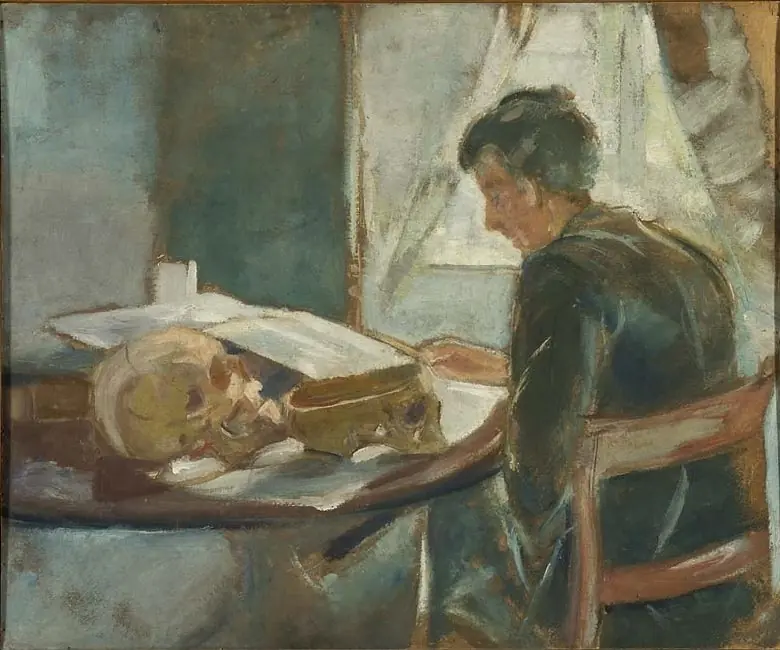
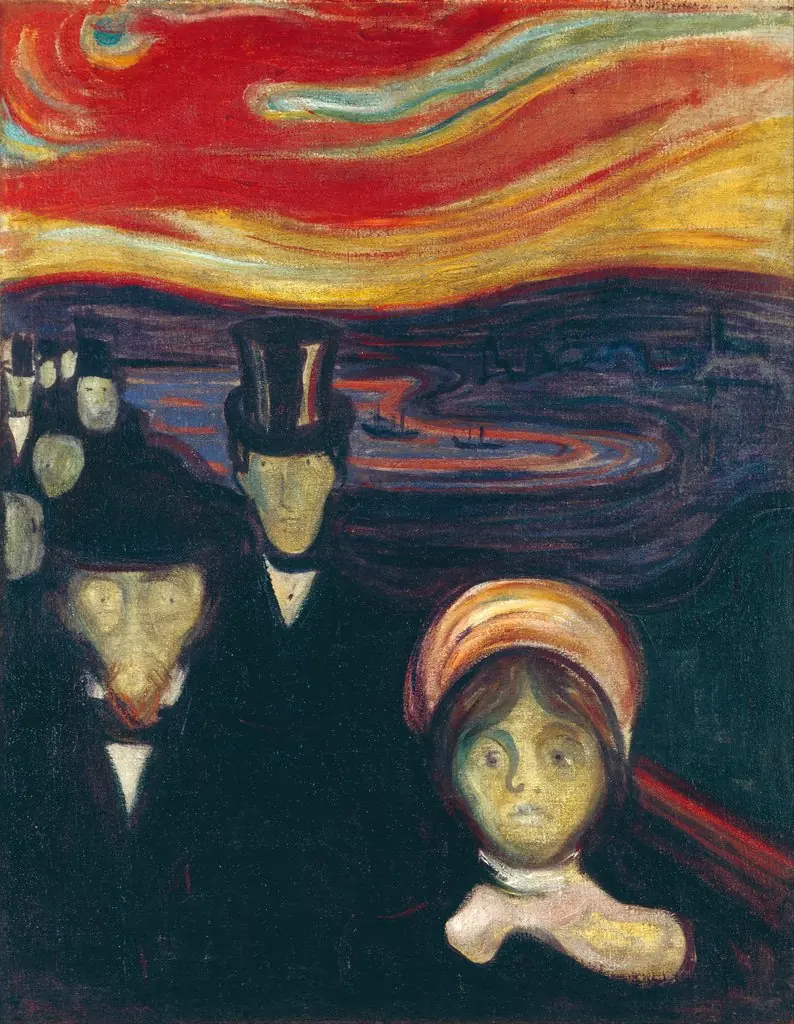
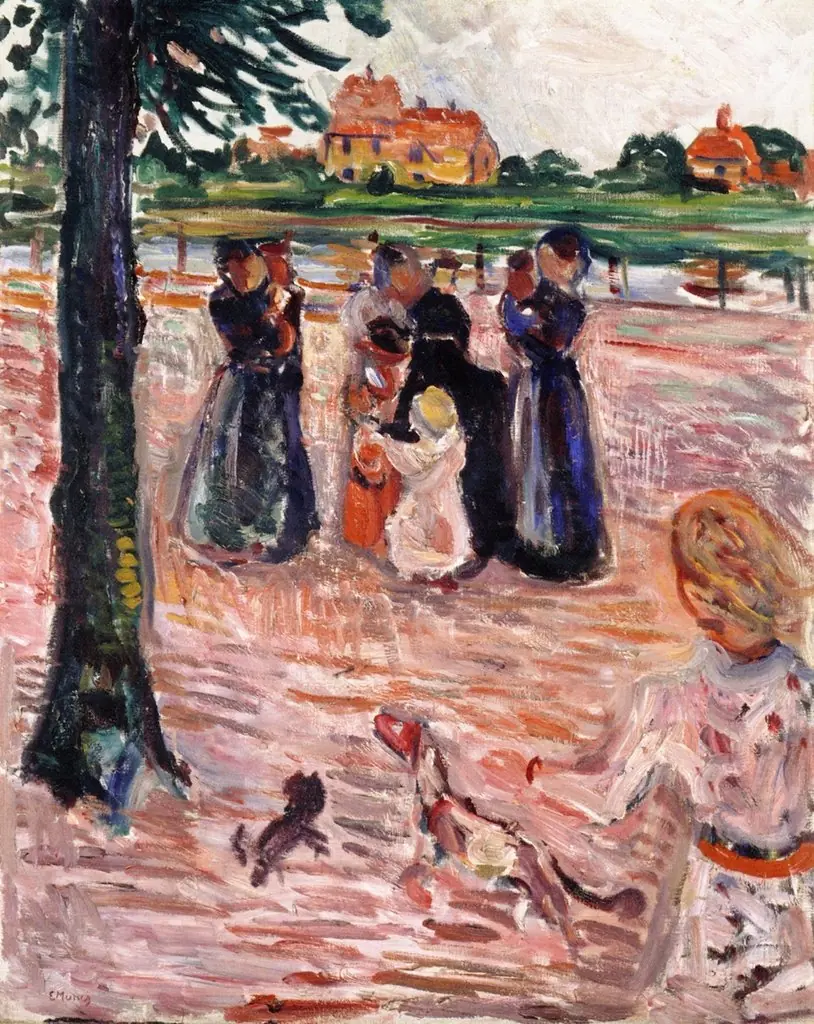
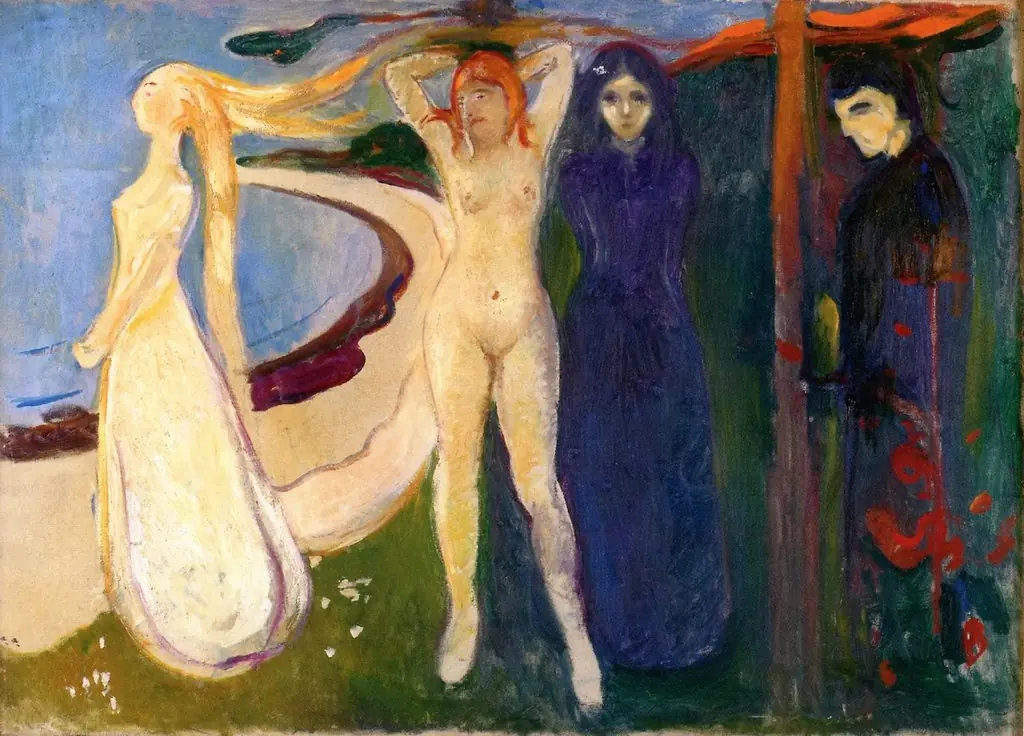
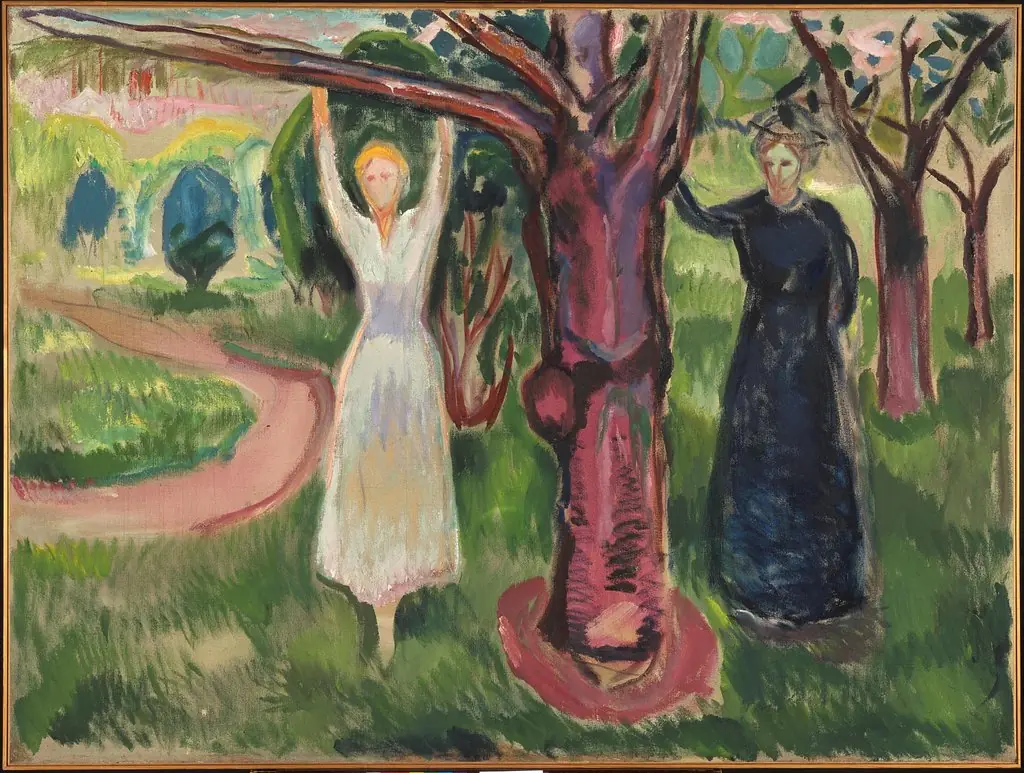
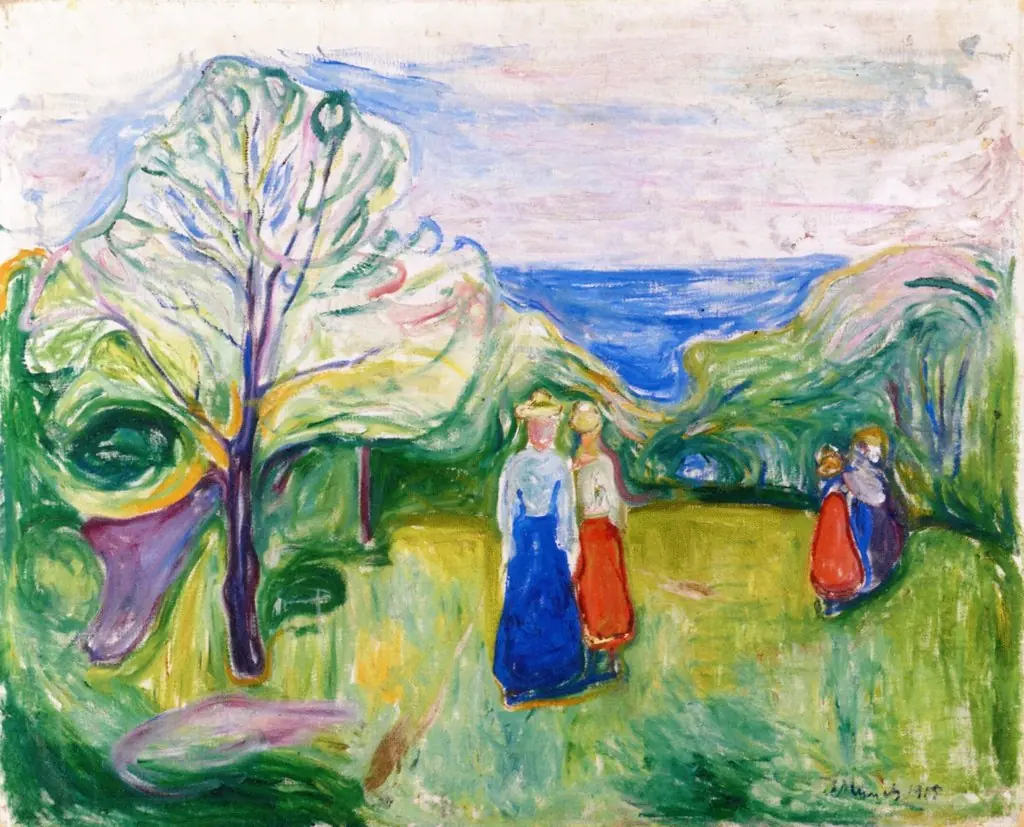
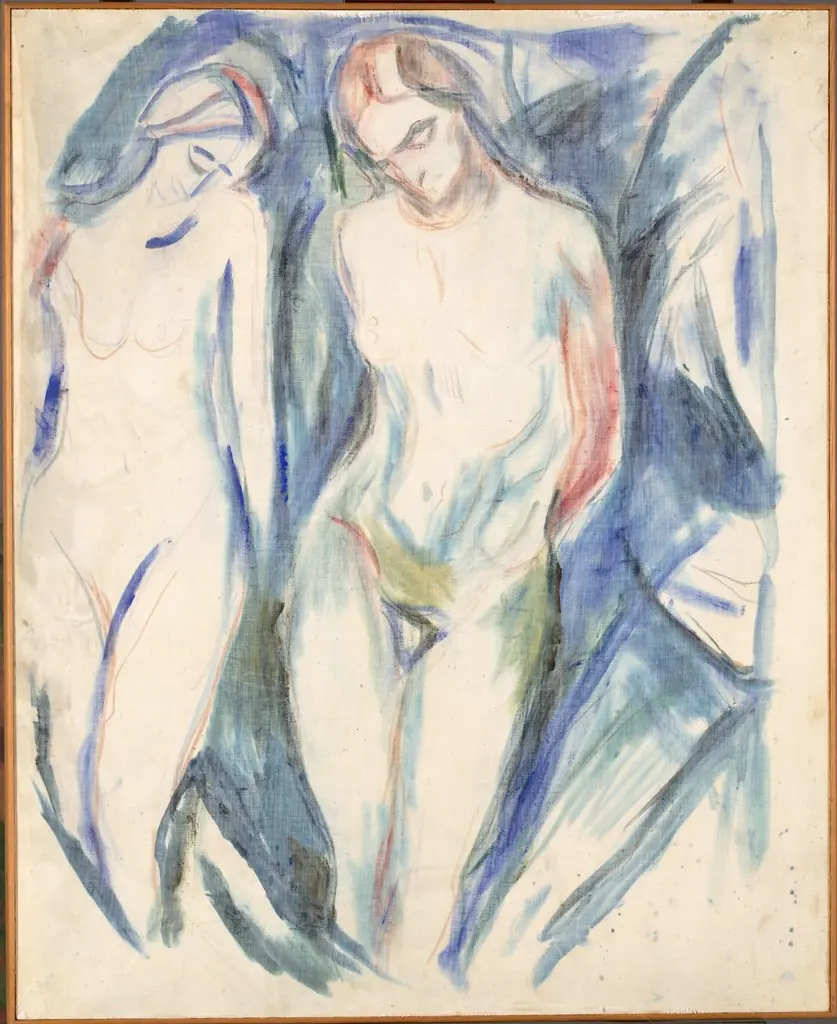
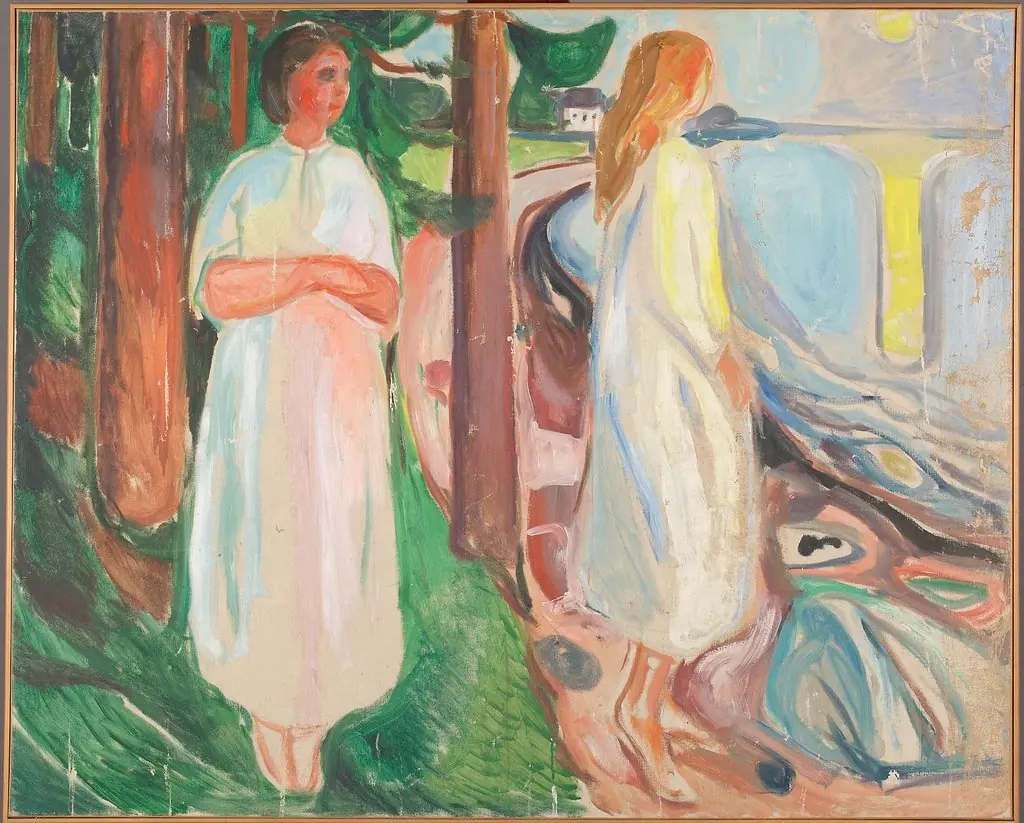
The Woman is an oil painting by the Post-Impressionist artist Edvard Munch. It dates from 1916 and is held in the collection of the Munch Museum.
About this work
Overview
It resides today in the Munch Museum in Oslo, where it is preserved as part of the artist’s comprehensive archive.
Painted in 1916 by Norwegian artist Edvard Munch, *The Woman* is an oil-on-canvas work that reflects his sustained interest in human emotion and existential themes. Created during a period of personal reflection following years of psychological turmoil, the piece belongs to a body of work that moves beyond Impressionism toward a more symbolic, emotionally charged style. It resides today in the Munch Museum in Oslo, where it is preserved as part of the artist’s comprehensive archive.
Subject & Meaning
The painting presents four figures in a quiet, open landscape. A central nude woman raises her arms, her posture suggesting vulnerability or invocation. Flanking her are two clothed women, one in dark fabric, another in white, while a man in formal attire stands apart on the right. Their arrangement implies a ritualistic or psychological dynamic, possibly representing internal states—desire, isolation, or memory—rather than a literal narrative.
Technique & Style
Munch employed bold, sweeping brushwork and saturated hues to convey emotional intensity. The figures are rendered with simplified forms, their contours softened yet defined by strong contrasts of light and shadow. Chiaroscuro is used not for realism but to sculpt mood, drawing attention to the central figure while the background sky, rendered in pale blues and whites, recedes with atmospheric ambiguity. The surface retains visible texture, emphasizing the physicality of paint as an expressive medium.
History & Provenance
Created in 1916, the painting emerged during Munch’s later years, after he had settled in Norway and begun to reassess his earlier themes. It was retained by the artist throughout his life and later entered the collection of the Munch Museum upon its founding in 1963. The work has remained in institutional custody since, with no record of public sale or private ownership outside the museum’s stewardship.
Context
In the years surrounding 1916, Munch was revisiting motifs from his earlier career—figures in nature, psychological tension, gendered symbolism—while distancing himself from the Expressionist label. *The Woman* aligns with his broader exploration of female figures as vessels of emotional complexity, a theme present in works like *Madonna* and *Jealousy*. The painting reflects a mature phase where symbolism is less overt, and mood is conveyed through composition and color alone.
Legacy
Though less widely known than *The Scream*, *The Woman* exemplifies Munch’s enduring commitment to translating inner experience into visual form. Its presence in the Munch Museum underscores its role in documenting the artist’s evolving relationship with emotion, the body, and nature. Scholars view it as a quiet but significant bridge between his early Symbolist works and his later, more introspective period.
Artist & collection
Artist
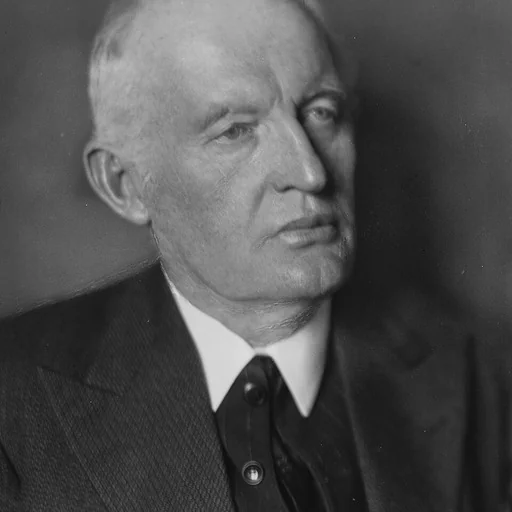
Edvard Munch ( MUUNK; Norwegian: ; 12 December 1863 – 23 January 1944) was a Norwegian painter.