Artwork
Two Women in the Garden
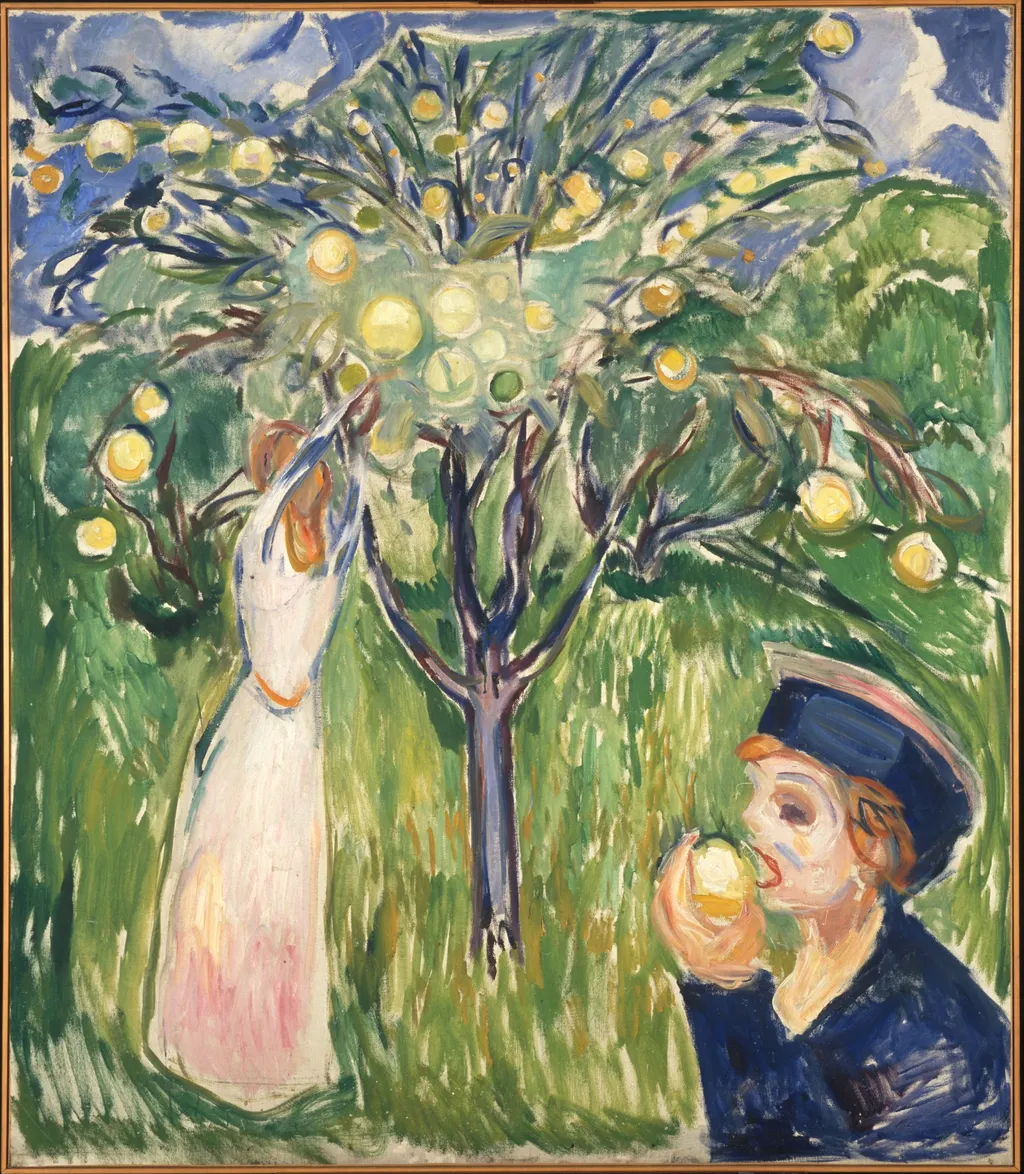
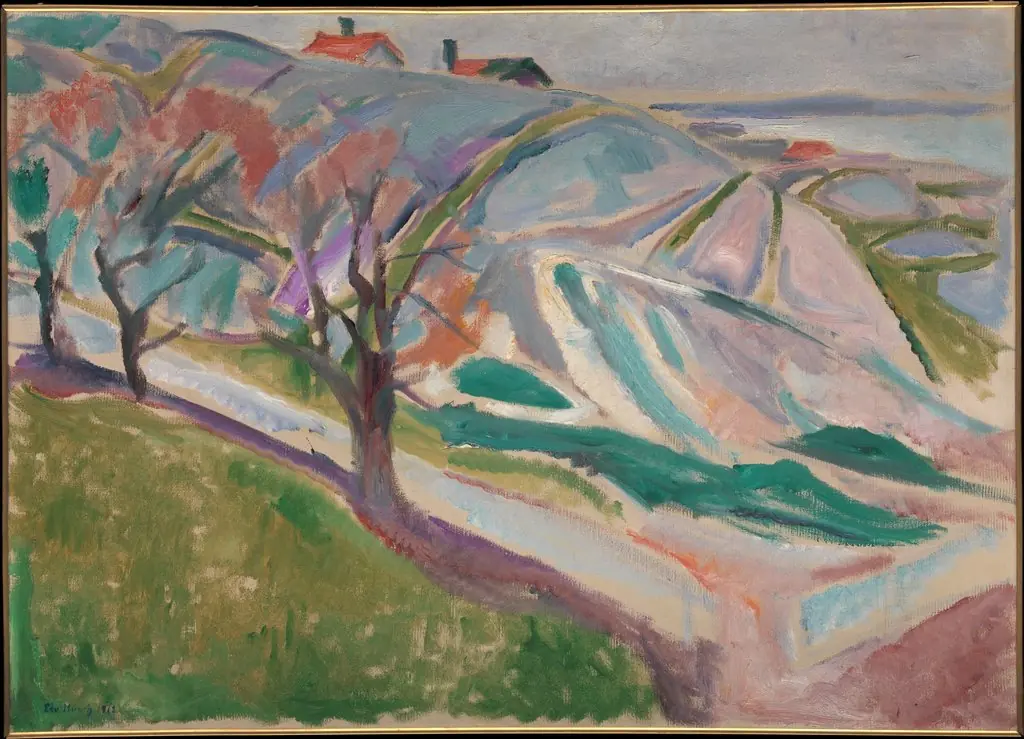
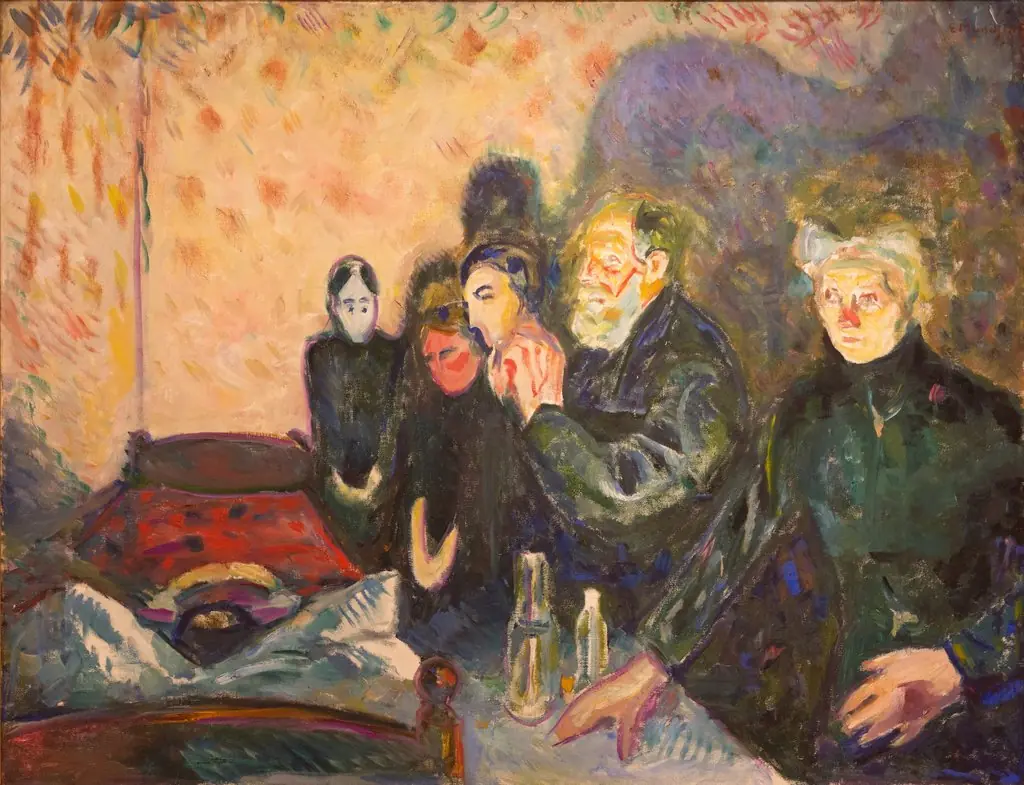
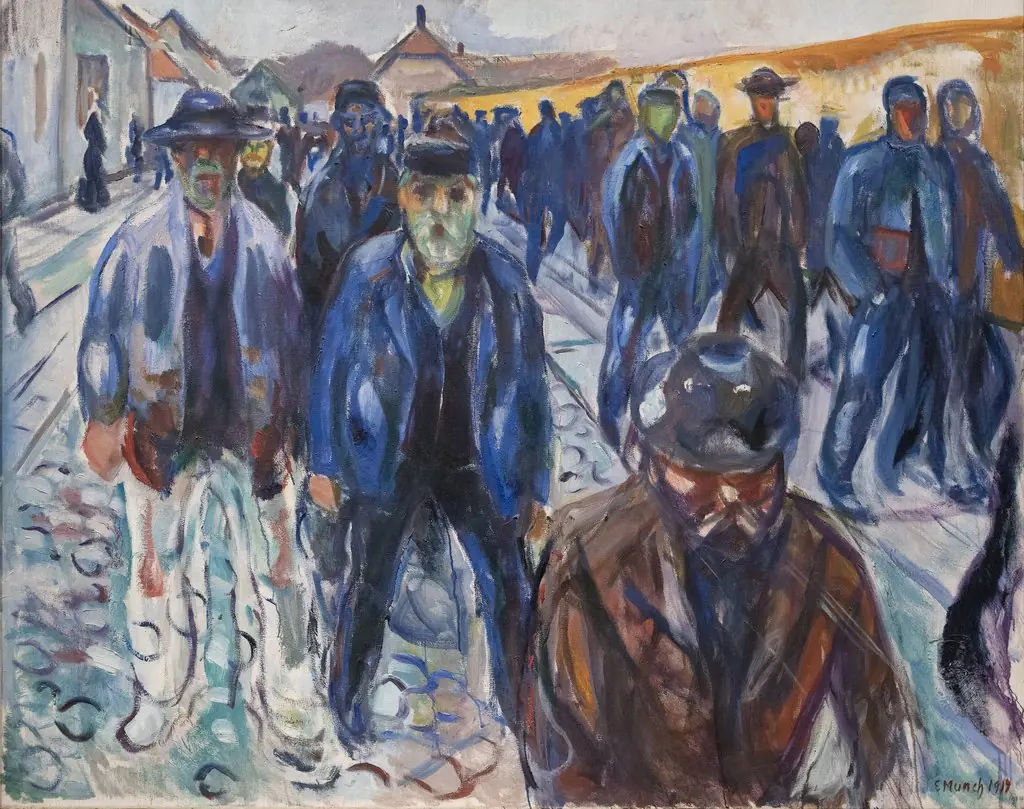
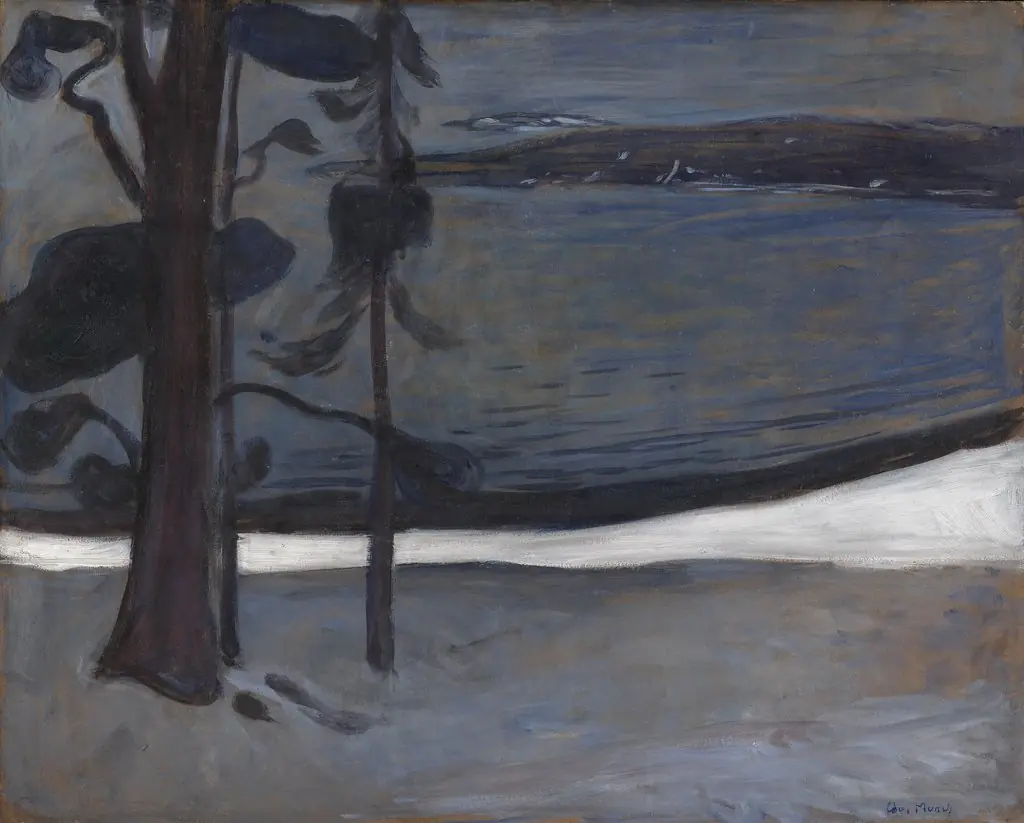
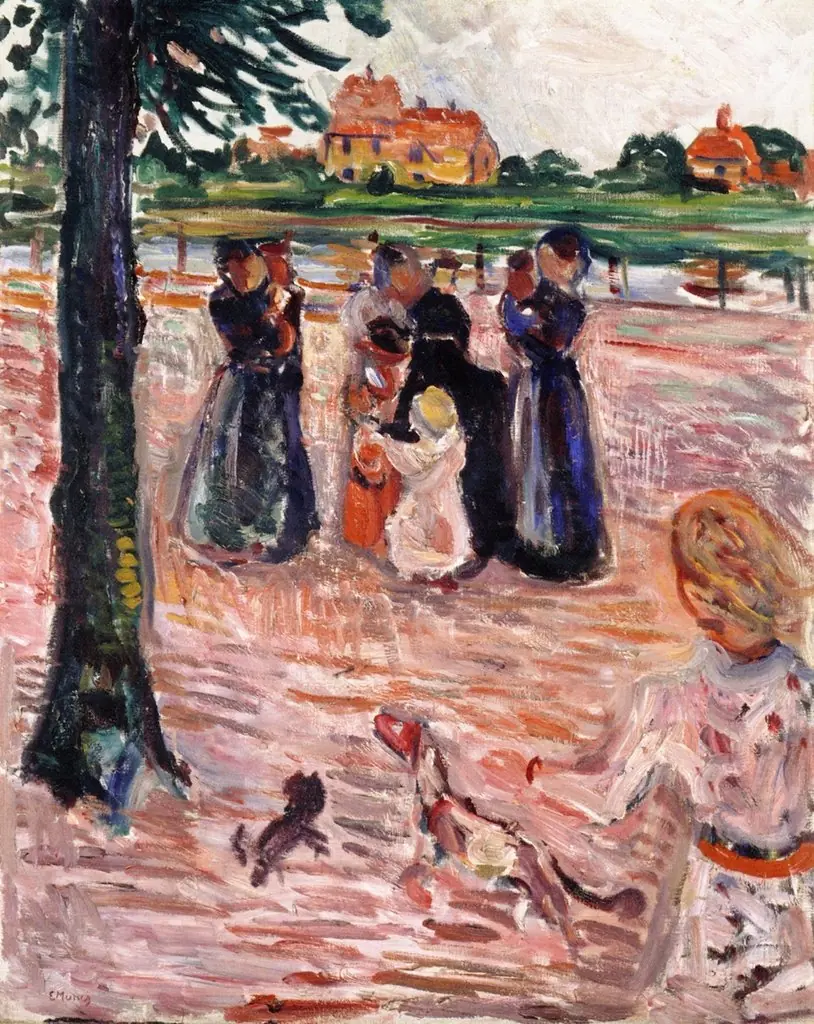
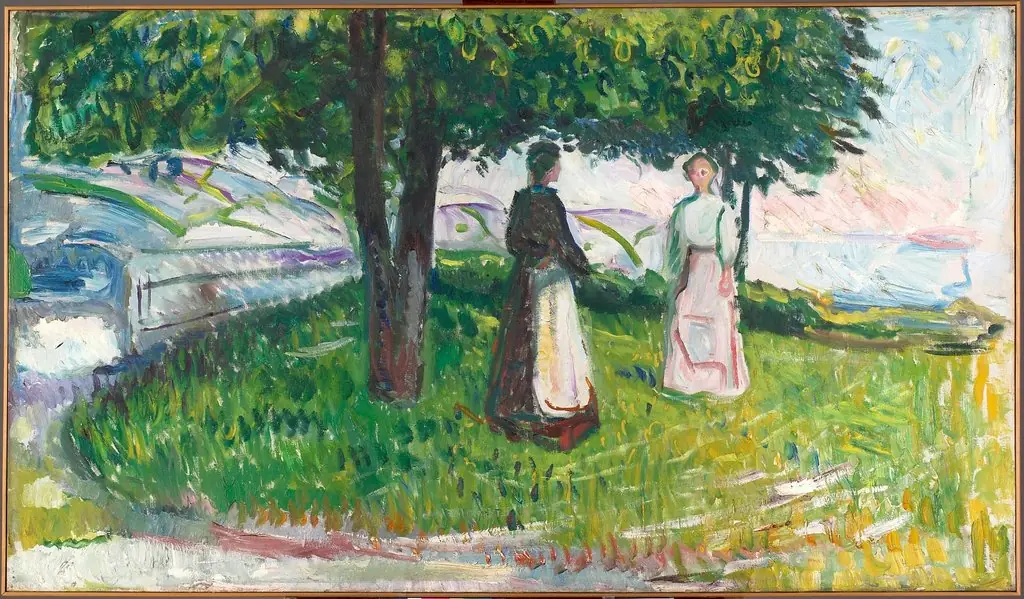
Two Women in the Garden is an oil painting by the Post-Impressionist artist Edvard Munch. It dates from 1919 and is held in the collection of the Munch Museum.
About this work
Overview
It reflects his mature style, blending observation with emotional resonance, and remains part of the permanent collection at the Munch Museum in Oslo.
Painted in 1919, *Two Women in the Garden* is an oil work by Norwegian artist Edvard Munch, created during a period of relative stability after years of personal turmoil. Though less overtly anxious than his earlier pieces, the painting retains his interest in human presence within nature. It reflects his mature style, blending observation with emotional resonance, and remains part of the permanent collection at the Munch Museum in Oslo.
Subject & Meaning
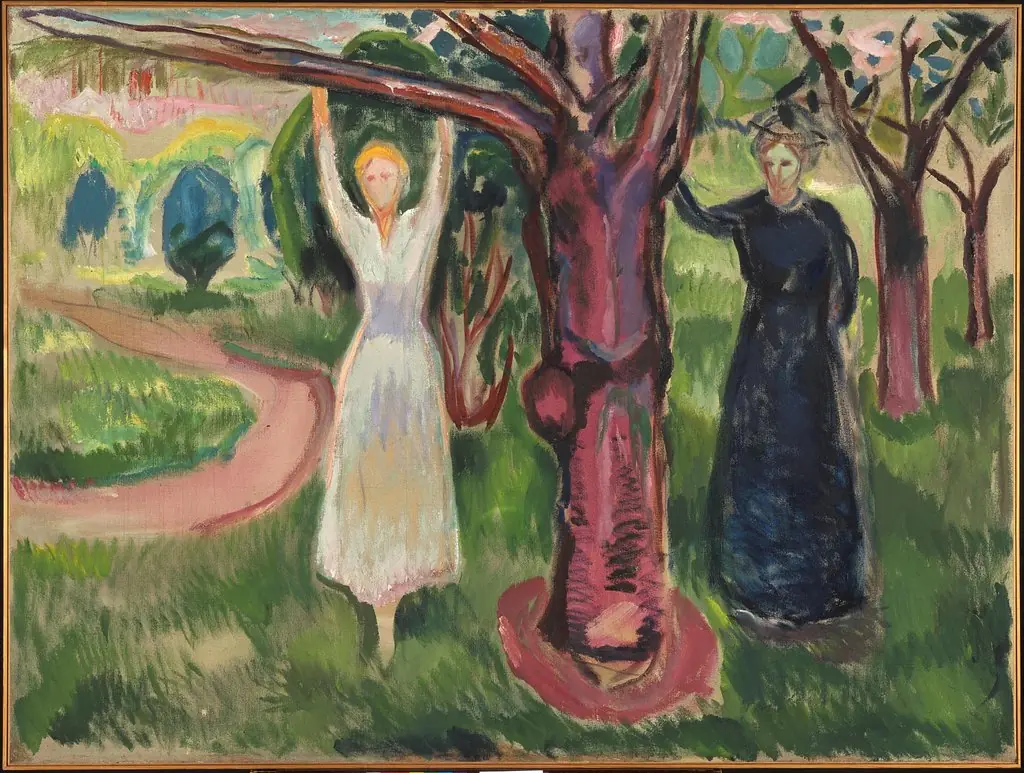
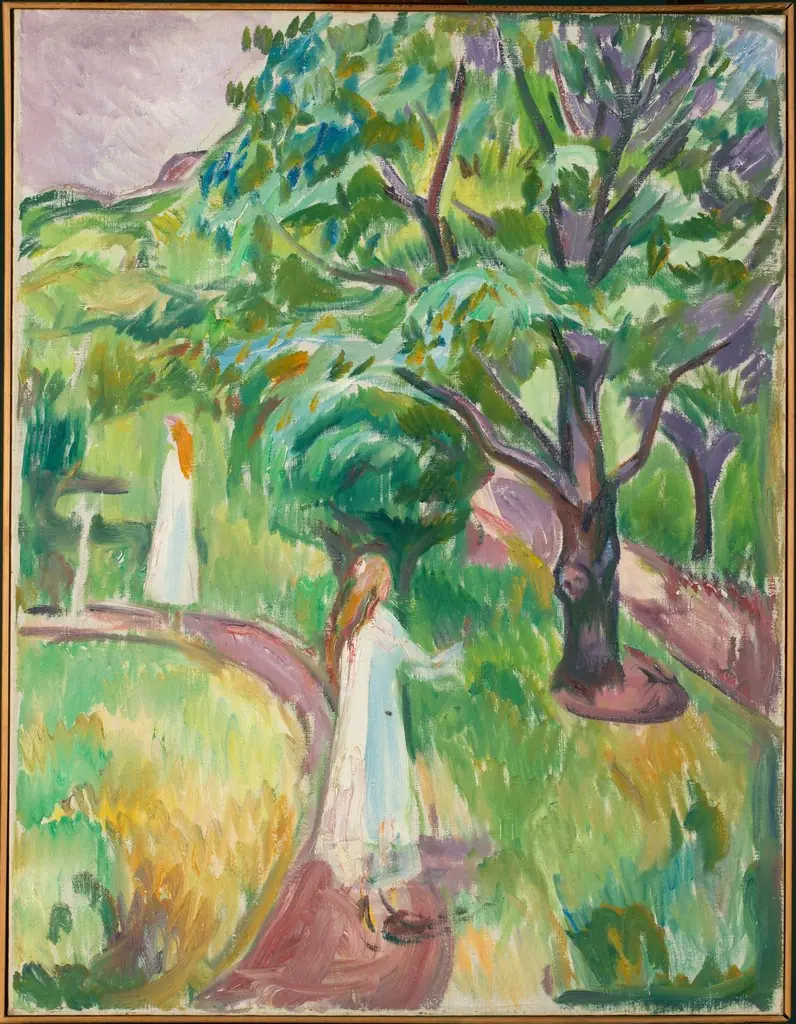
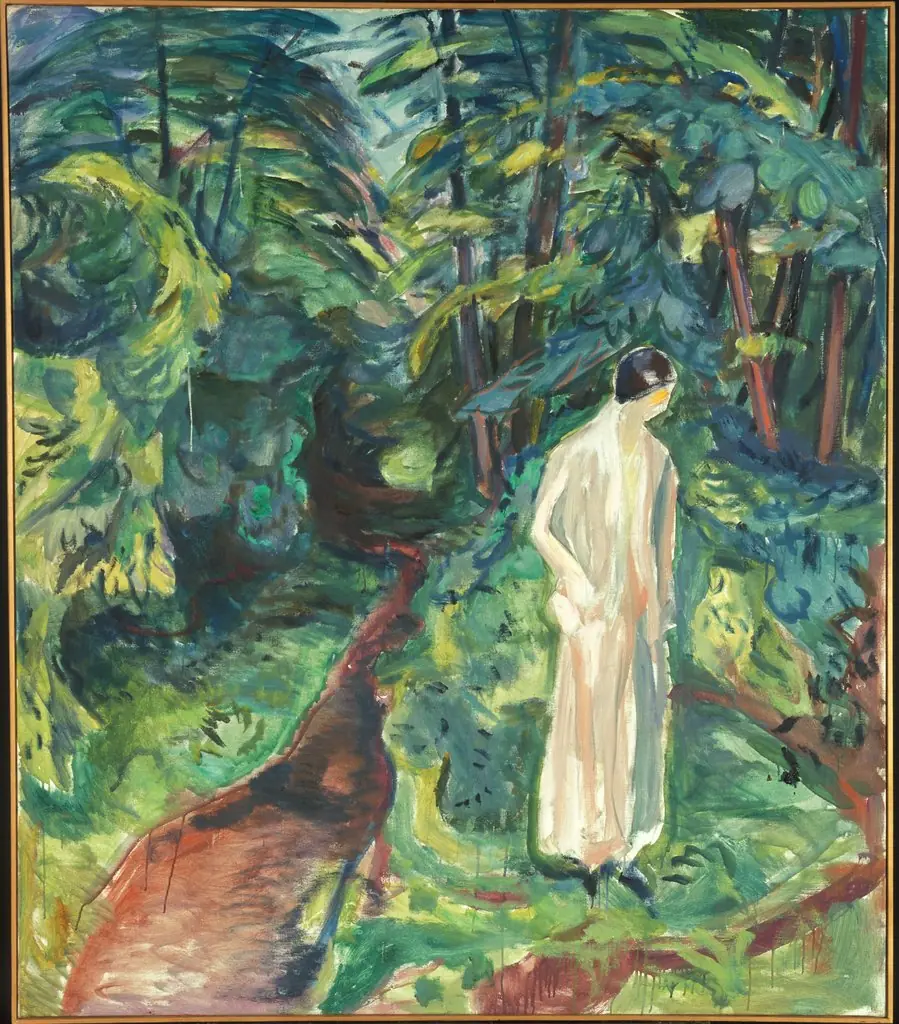
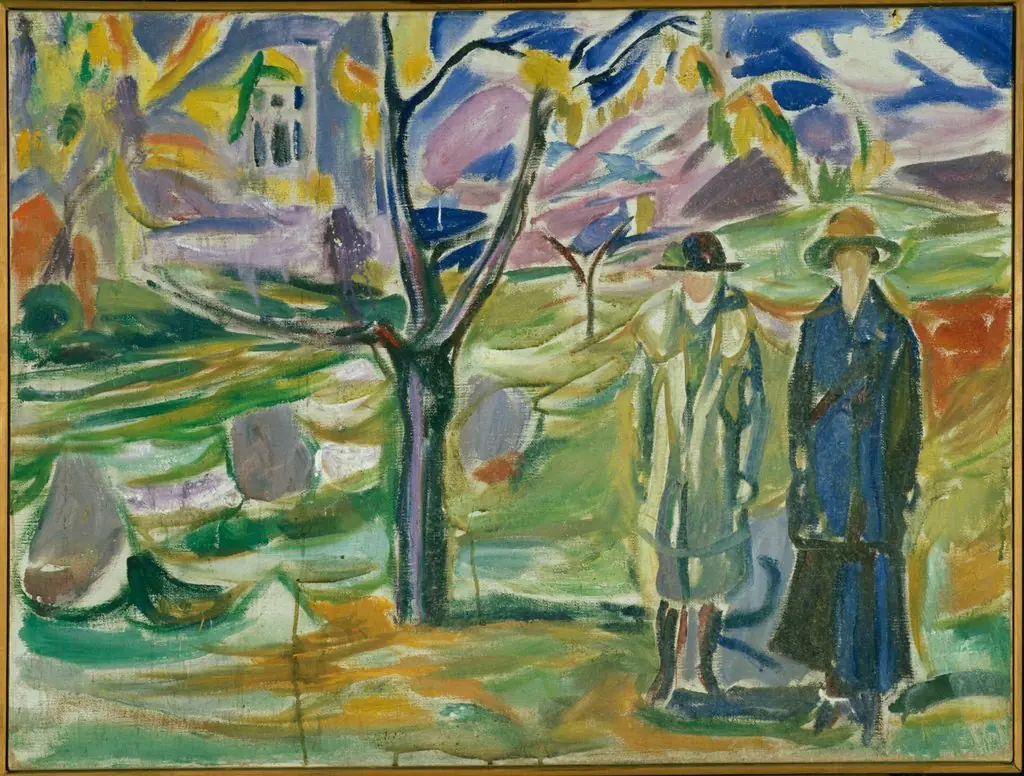
Two women occupy a quiet garden space—one standing, reaching toward tree branches; the other seated, cradling a yellow fruit. Their postures suggest contemplation rather than interaction, evoking solitude within companionship. The fruit may hint at themes of abundance or transience, while the lack of narrative detail invites open interpretation. Munch avoids drama, instead offering a subdued meditation on stillness and the passage of time.
Technique & Style
Munch employs loose, expressive brushwork to render foliage and skin, balancing vibrant greens and blues with softer, muted tones. The sky and leaves are built with rhythmic strokes that suggest movement, while the figures remain relatively still, creating a quiet tension. Color is used emotionally rather than naturally: warm light bathes the scene, enhancing intimacy without idealizing it. The composition feels spontaneous, rooted in direct observation yet filtered through inner feeling.
History & Provenance
Created in 1919, the painting was made after Munch had settled in Ekely, his estate outside Oslo, where he spent his final decades painting landscapes and figures in natural settings. It entered the collection of the Munch Museum upon its founding in 1963, having remained in the artist’s possession until his death in 1944. Its continuity within the museum’s holdings reflects its significance as a personal, late-career work rather than a public statement.
Context
In the years following World War I, Munch turned increasingly toward domestic and natural subjects, moving away from the psychological intensity of his youth. Though still influenced by his earlier associations with existential thinkers, this period reveals a quieter preoccupation with rhythm, light, and the quiet rituals of daily life. The garden setting aligns with broader European trends of returning to nature as a source of renewal after years of upheaval.
Legacy
While not as widely recognized as *The Scream*, *Two Women in the Garden* exemplifies Munch’s enduring ability to convey emotion through atmosphere rather than narrative. It demonstrates his evolution from symbolic expressionism toward a more lyrical, observational mode. The work continues to inform understandings of his late style, revealing how personal calm could coexist with deep psychological undercurrents in his art.
Artist & collection
Artist
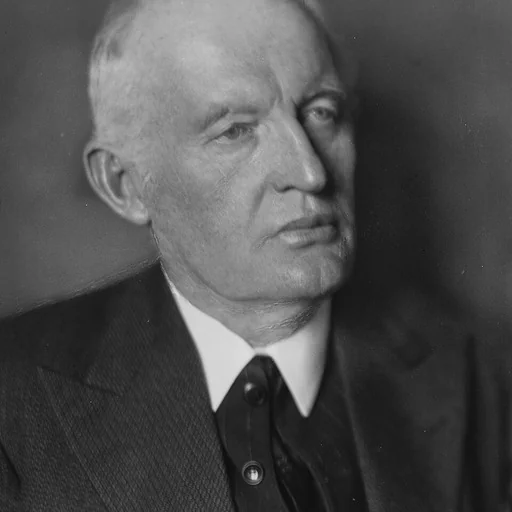
Edvard Munch ( MUUNK; Norwegian: ; 12 December 1863 – 23 January 1944) was a Norwegian painter.