Artwork
Winter in Kragerø
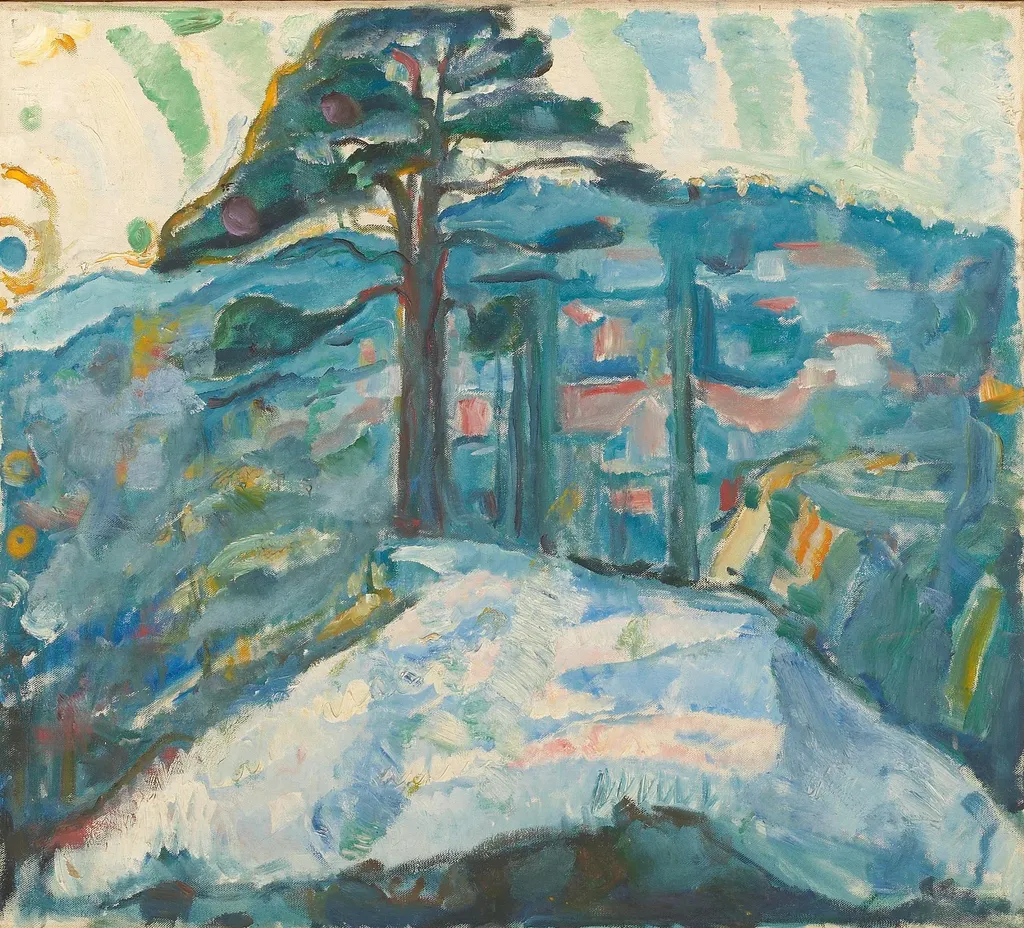
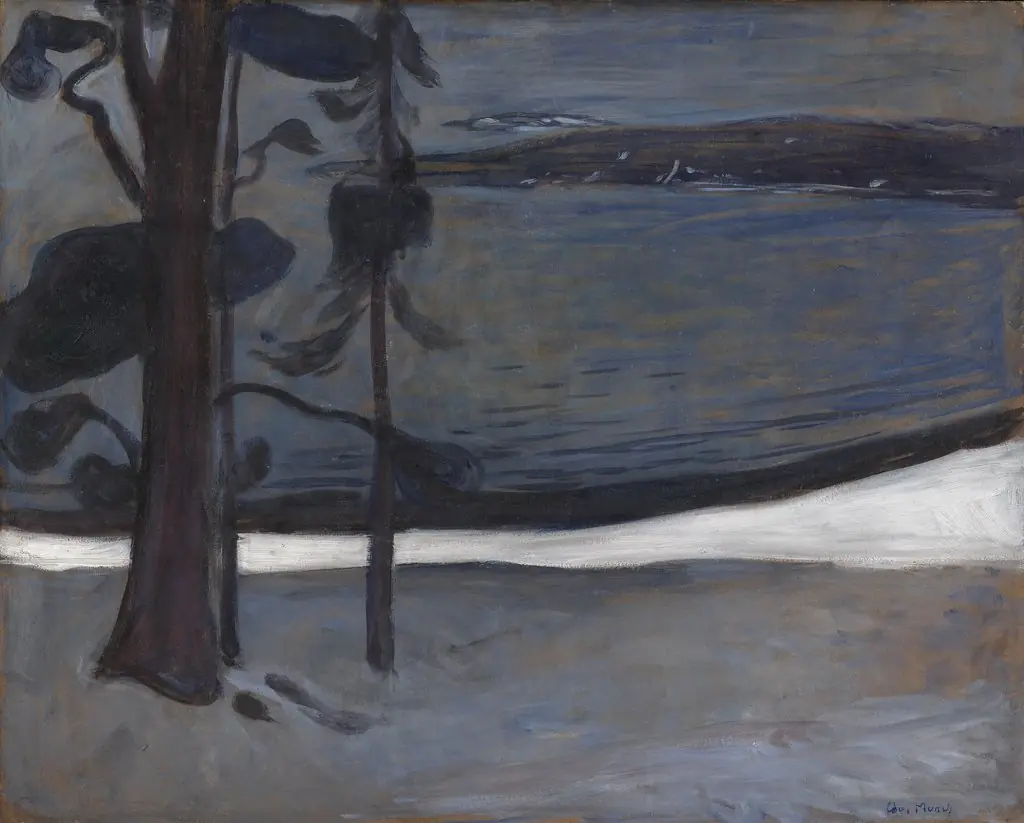
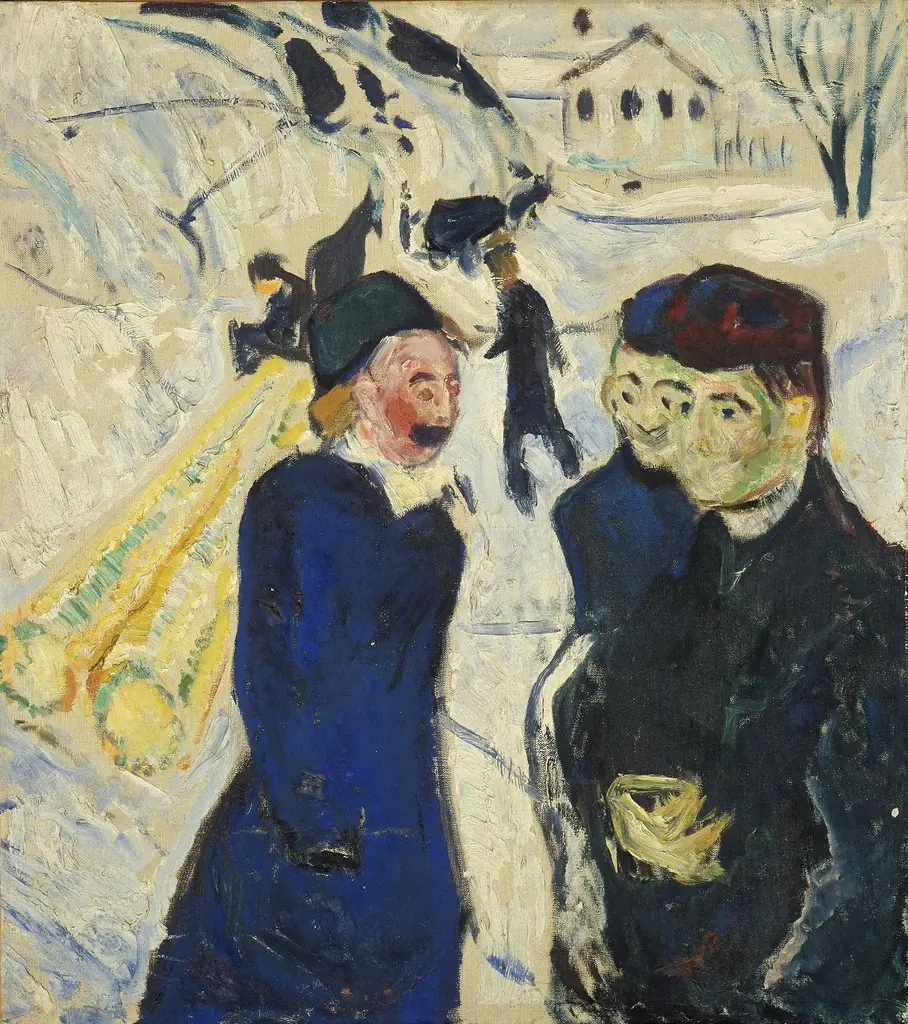
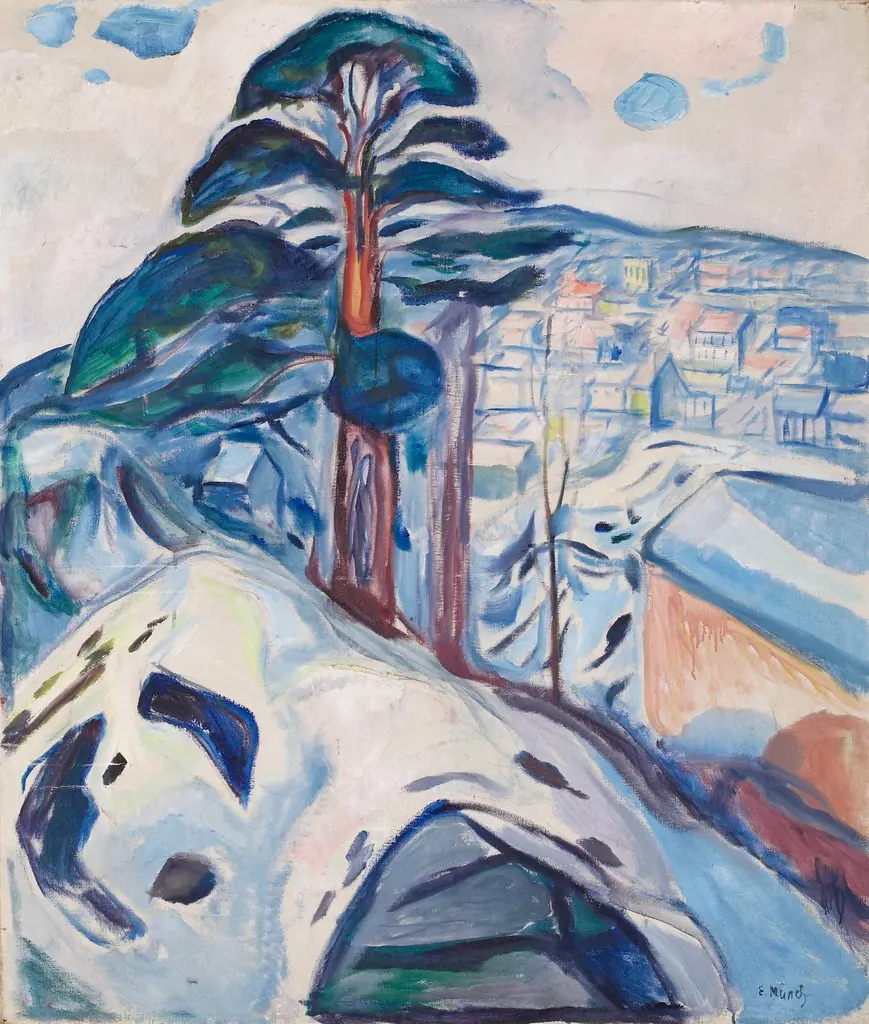
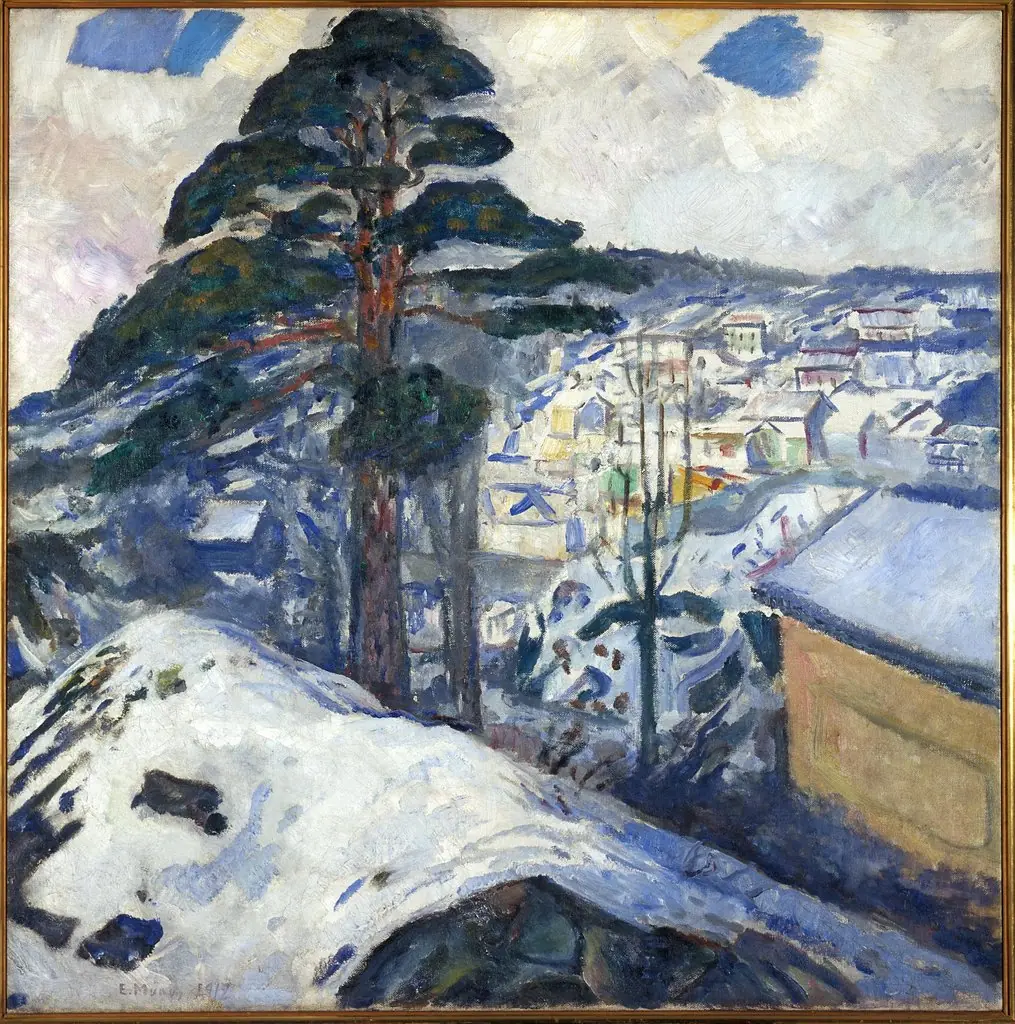
Winter in Kragerø is an oil painting by the Post-Impressionist artist Edvard Munch. It dates from 1910 and is held in the collection of the Munch Museum.
About this work
Overview
The work belongs to his broader series of Nordic landscapes, which reflect his interest in nature’s emotional resonance rather than topographical accuracy.
Painted in 1910, *Winter in Kragerø* is a landscape by Norwegian artist Edvard Munch, executed in oil on canvas. It captures a quiet winter scene near the coastal town of Kragerø, where Munch spent time during the early 20th century. The work belongs to his broader series of Nordic landscapes, which reflect his interest in nature’s emotional resonance rather than topographical accuracy. It is held in the Munch Museum in Oslo.
Subject & Meaning
The painting presents a subdued winter landscape: a gently sloping snow-covered hill in the foreground, framed by sparse, dark trees receding into the distance. The pale blue sky and soft clouds suggest a still, cold day. Unlike Munch’s more turbulent subjects, this scene conveys quietude, perhaps reflecting a moment of personal respite. The absence of human figures amplifies the sense of solitude, aligning with his recurring themes of isolation and introspection.
Technique & Style
Munch employed loose, textured brushwork to suggest the weight and texture of snow, using cool blues and whites with subtle gray undertones. The trees are rendered with darker, more defined strokes, creating contrast against the lighter sky and ground. He avoided sharp detail, instead building atmosphere through layered washes and varied brush pressure. The composition leads the eye from foreground to horizon, enhancing spatial depth without conventional perspective.
History & Provenance
Munch painted *Winter in Kragerø* during a period of relative stability, following years of personal hardship and artistic experimentation. He owned a house in Kragerø from 1909 and frequently painted its surroundings. The work remained in his possession until his death in 1944, after which it entered the collection of the Munch Museum, established to preserve his legacy. Its provenance is well-documented through museum archives and estate records.
Context
Created during Munch’s mature phase, the painting reflects his shift from symbolic expressionism toward a more restrained, observational style. While still emotionally charged, his landscapes of this period show a deepening engagement with the Norwegian environment. This work aligns with broader European trends in post-Impressionism, where artists sought to convey mood through color and form rather than narrative or realism.
Legacy
*Winter in Kragerø* exemplifies Munch’s later approach to nature—not as a backdrop for psychological drama, but as a quiet, enduring presence. It contributes to the understanding of his full artistic range beyond *The Scream*. The painting continues to be studied for its subtle emotional tone and technical restraint, offering insight into how personal history shaped his evolving relationship with the natural world.
Own this work as a print
Artist & collection
Artist
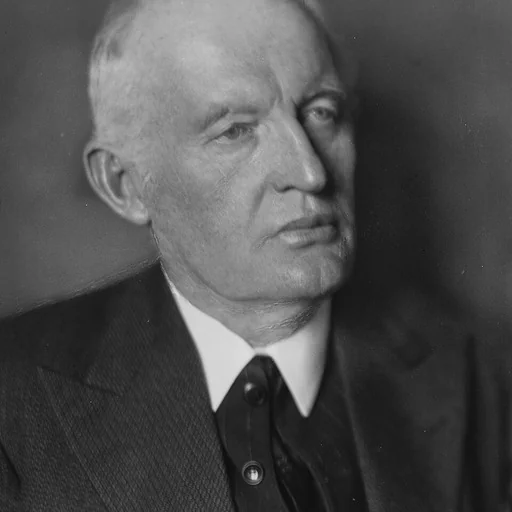
Edvard Munch ( MUUNK; Norwegian: ; 12 December 1863 – 23 January 1944) was a Norwegian painter.