Artwork
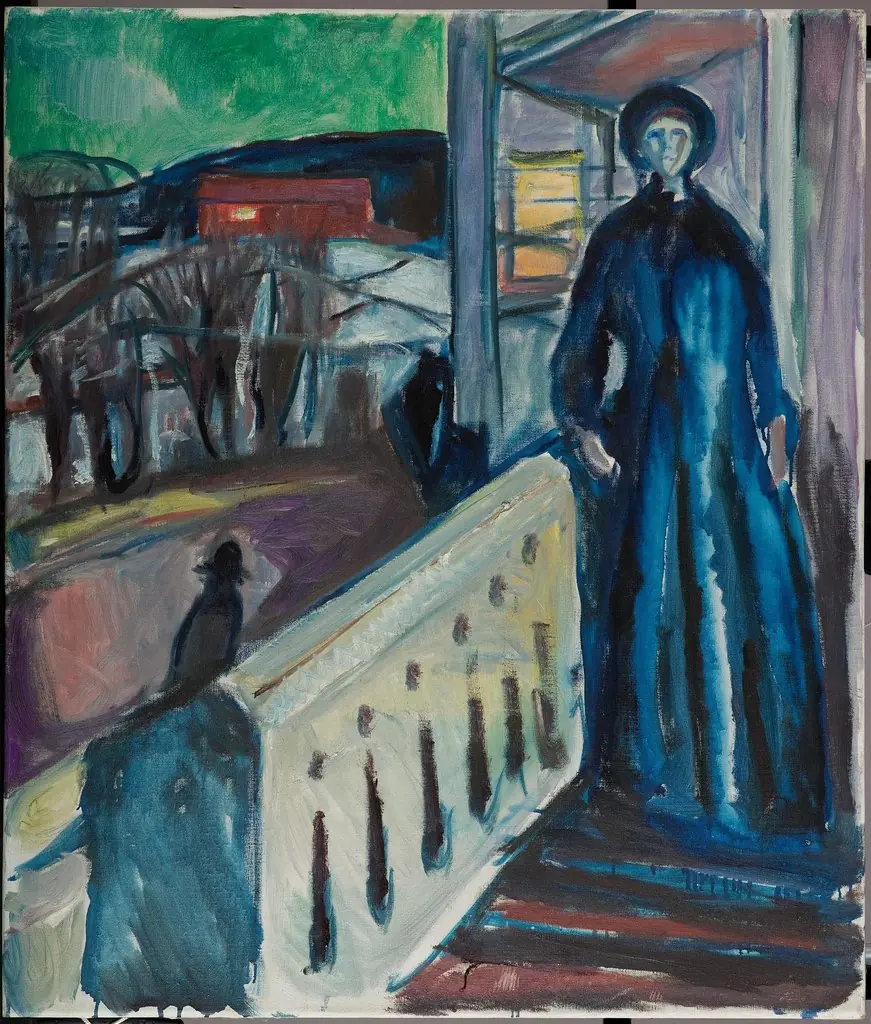
Woman by the House Corner
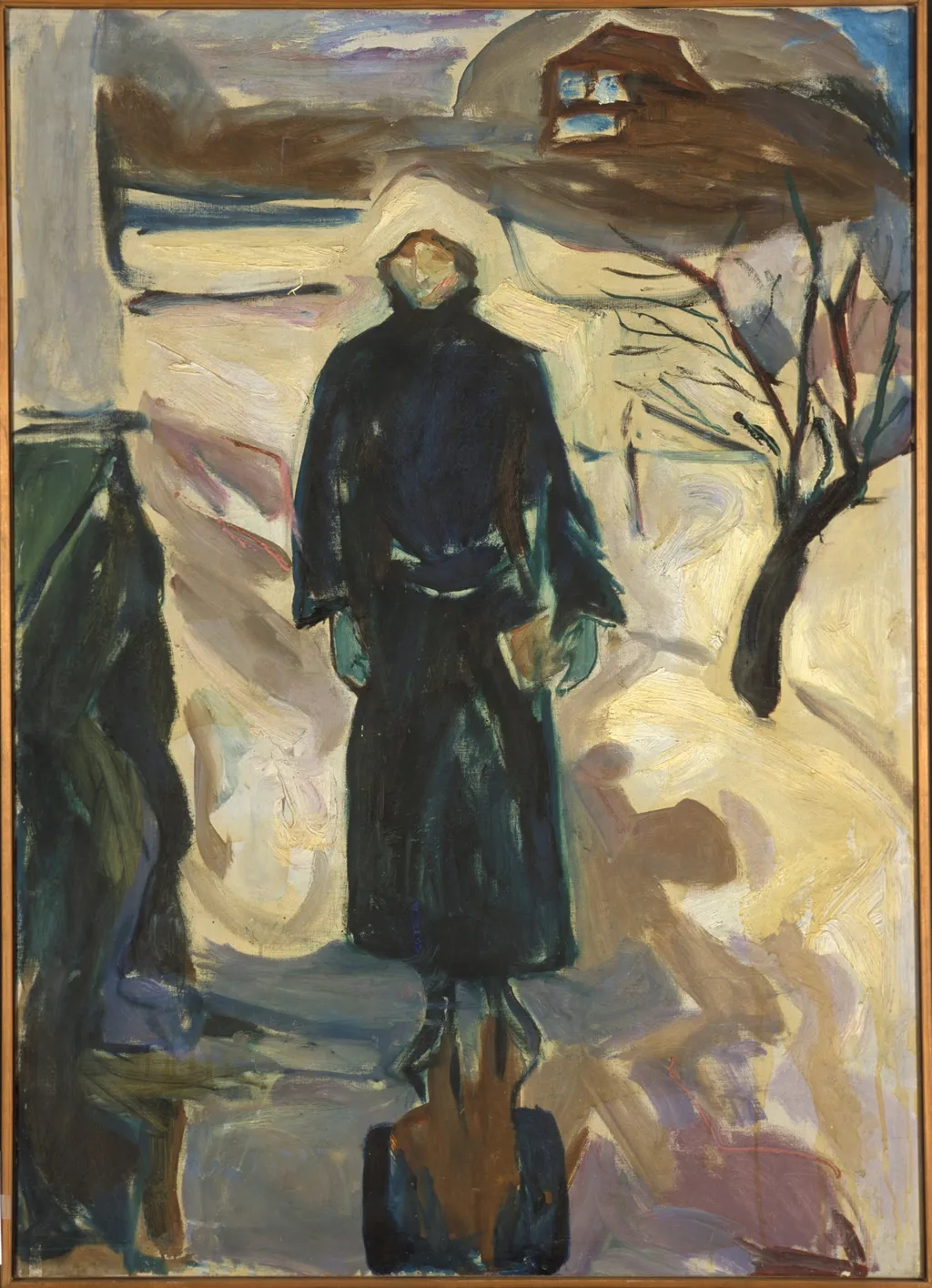
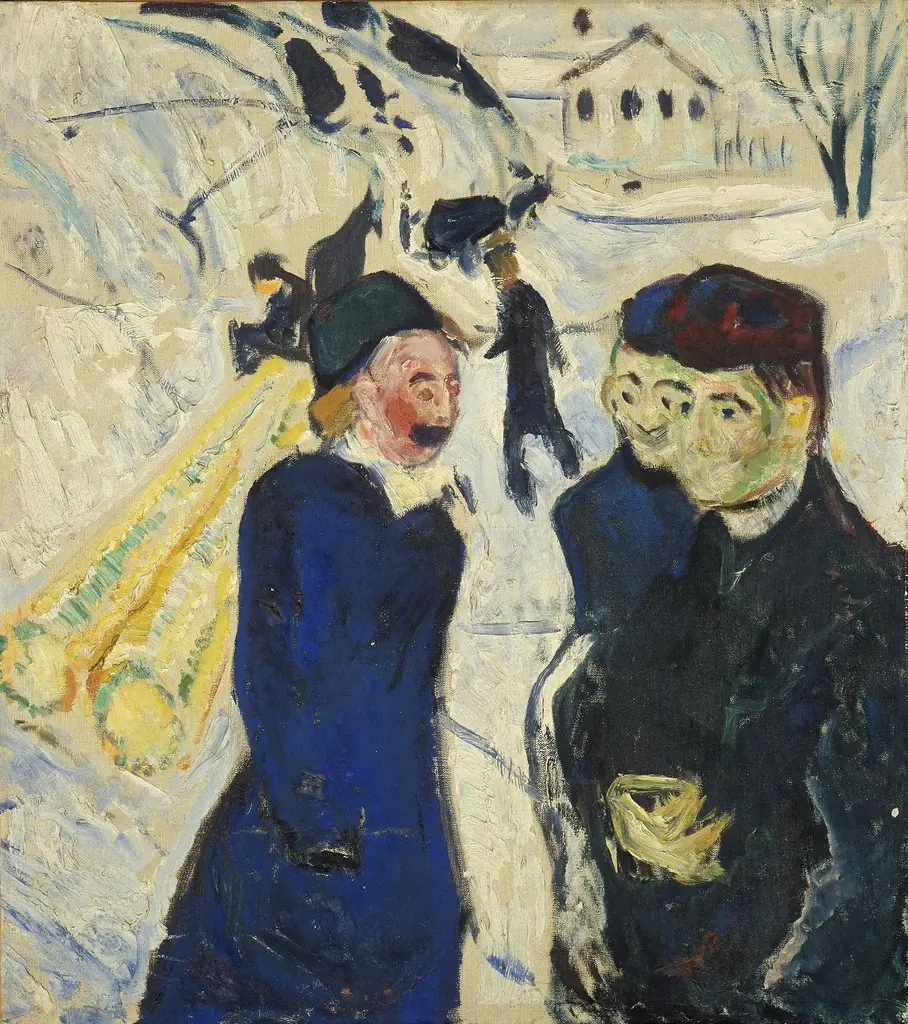
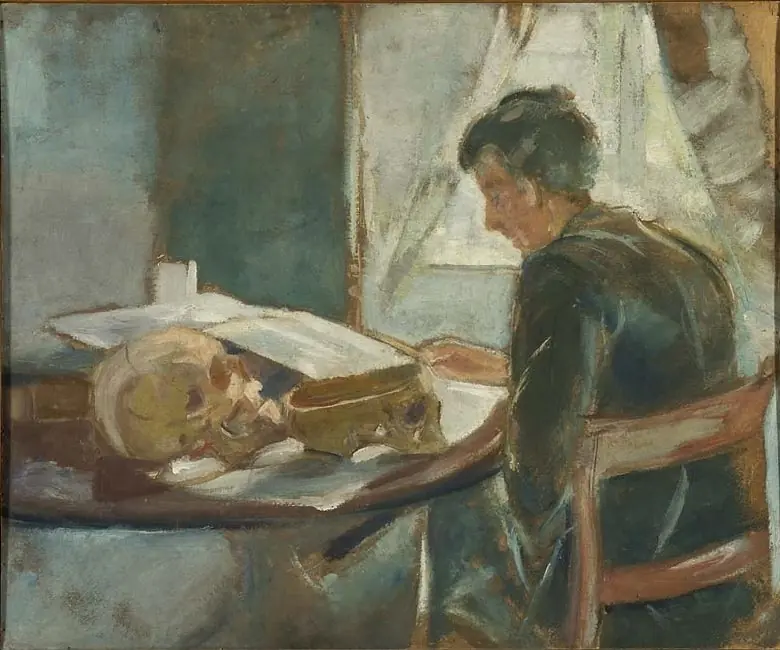
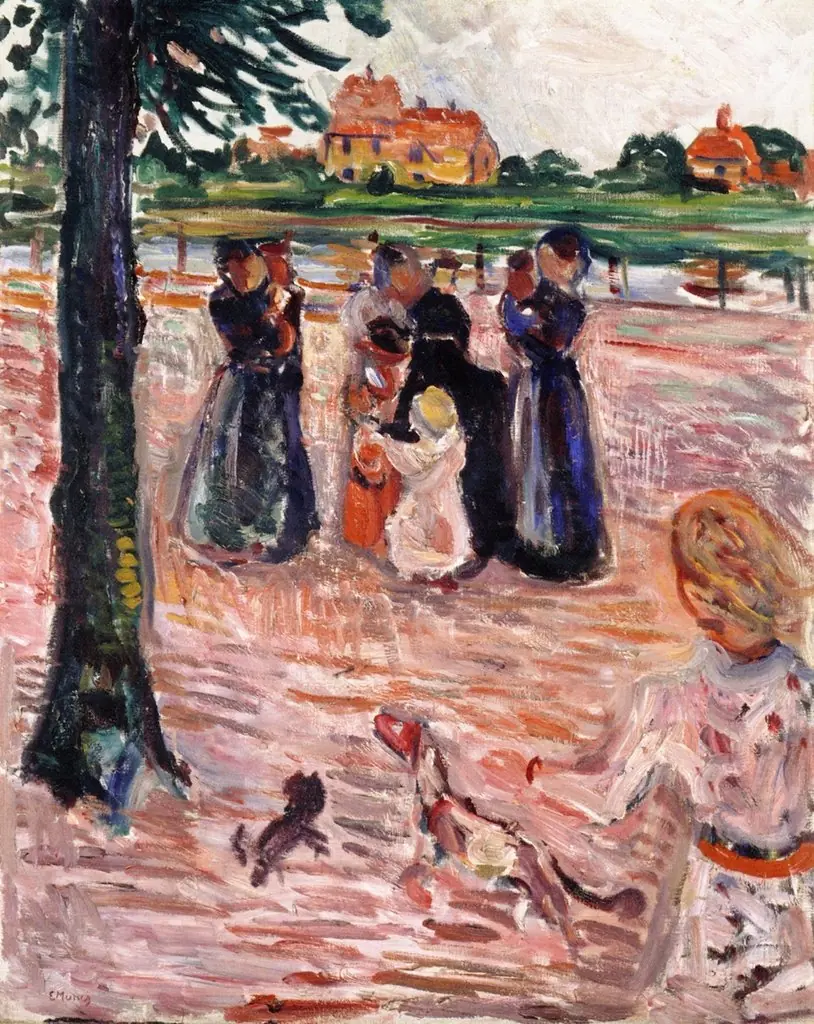
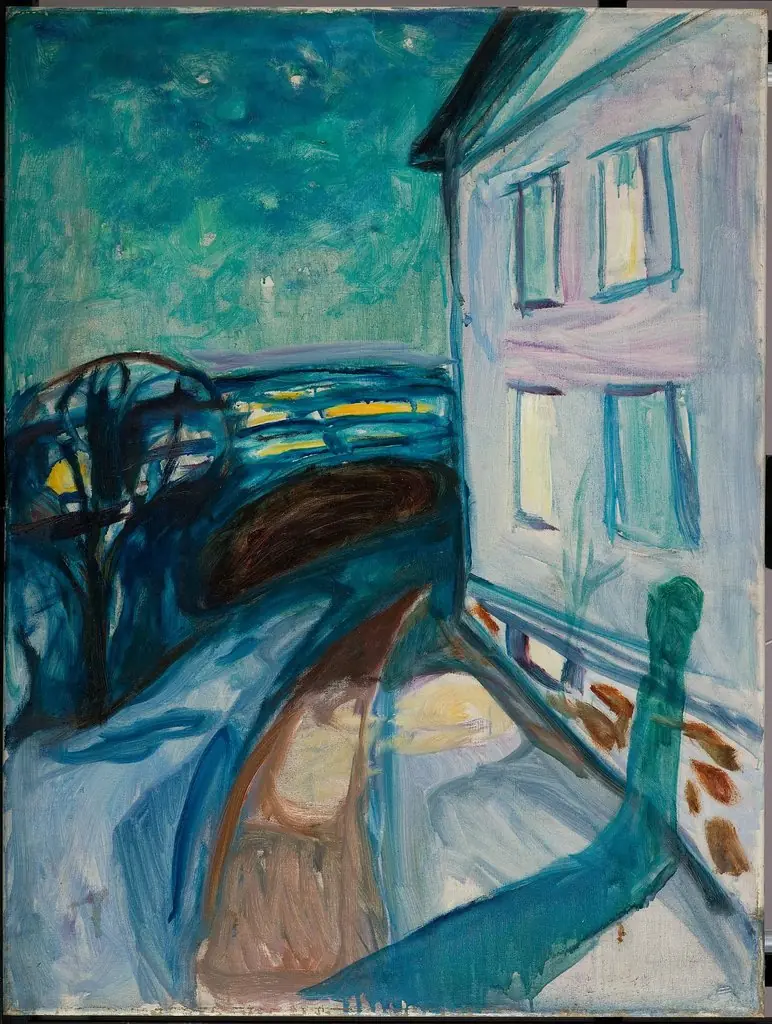
Woman by the House Corner is an oil painting by the Post-Impressionist artist Edvard Munch. It dates from 1922 and is held in the collection of the Munch Museum.
About this work
Overview
Painted in 1922, *Woman by the House Corner* is an oil work by Norwegian artist Edvard Munch, created late in his career.
Painted in 1922, *Woman by the House Corner* is an oil work by Norwegian artist Edvard Munch, created late in his career. It reflects his enduring interest in solitude and inner life, rendered through simplified forms and restrained color. The painting belongs to the collection of the Munch Museum in Oslo, where it stands as part of a broader body of work shaped by personal grief and psychological inquiry.
Subject & Meaning
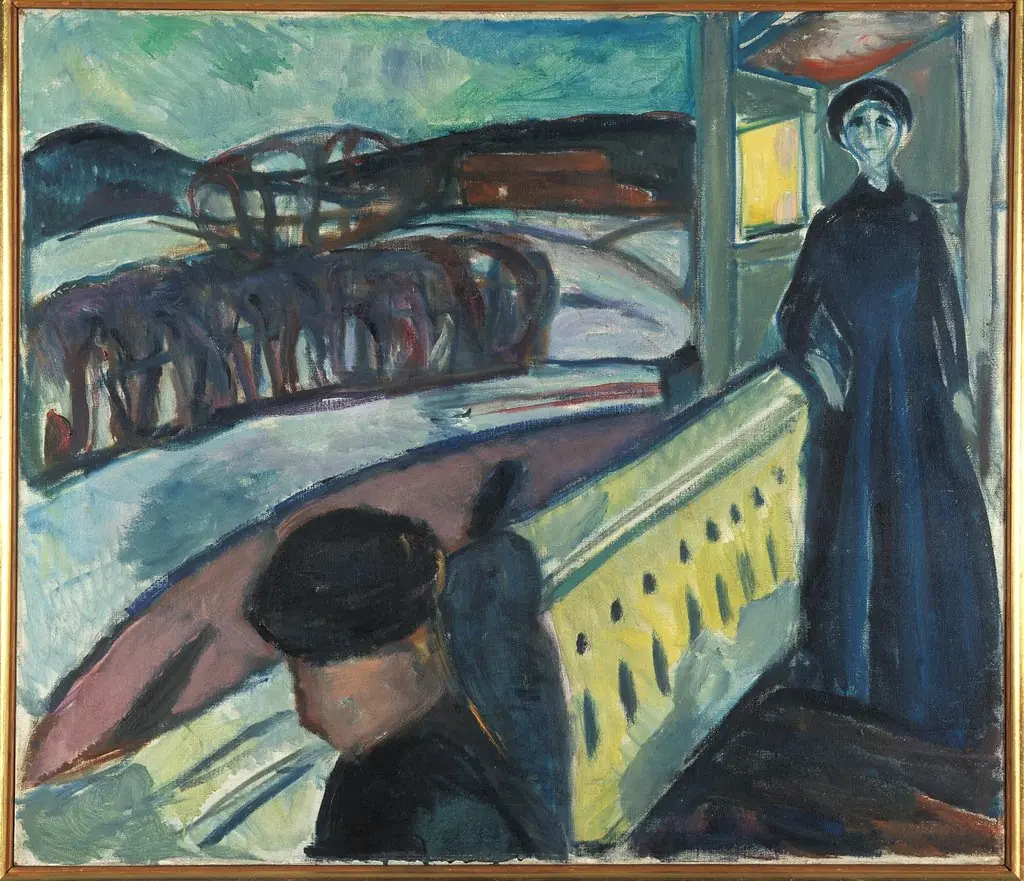
The figure is a woman standing motionless before a house, her back turned to the viewer, hands hanging loosely at her sides. Her posture suggests withdrawal, perhaps from an unseen presence or internal weight. The house, rendered without detail, functions less as architecture and more as an emblem of isolation or memory. The absence of facial expression invites contemplation of unspoken emotion, a recurring theme in Munch’s oeuvre.
Technique & Style
Munch employs loose, visible brushwork to define both figure and structure, favoring emotional resonance over realism. The palette is muted—grays, browns, and pale tones—creating a quiet, almost somber atmosphere. The woman’s dress and the house’s form are suggested rather than described, with broad strokes that dissolve boundaries between figure and environment, reinforcing a sense of psychological permeability.
History & Provenance
Created during Munch’s later years, the painting emerged after decades of artistic development shaped by personal loss and philosophical influences, including his association with the Norwegian nihilist Hans Jæger. It was retained by the artist until his death and later entered the Munch Museum’s collection, established to preserve his legacy. Its provenance remains unbroken, reflecting its significance within his personal archive.
Context
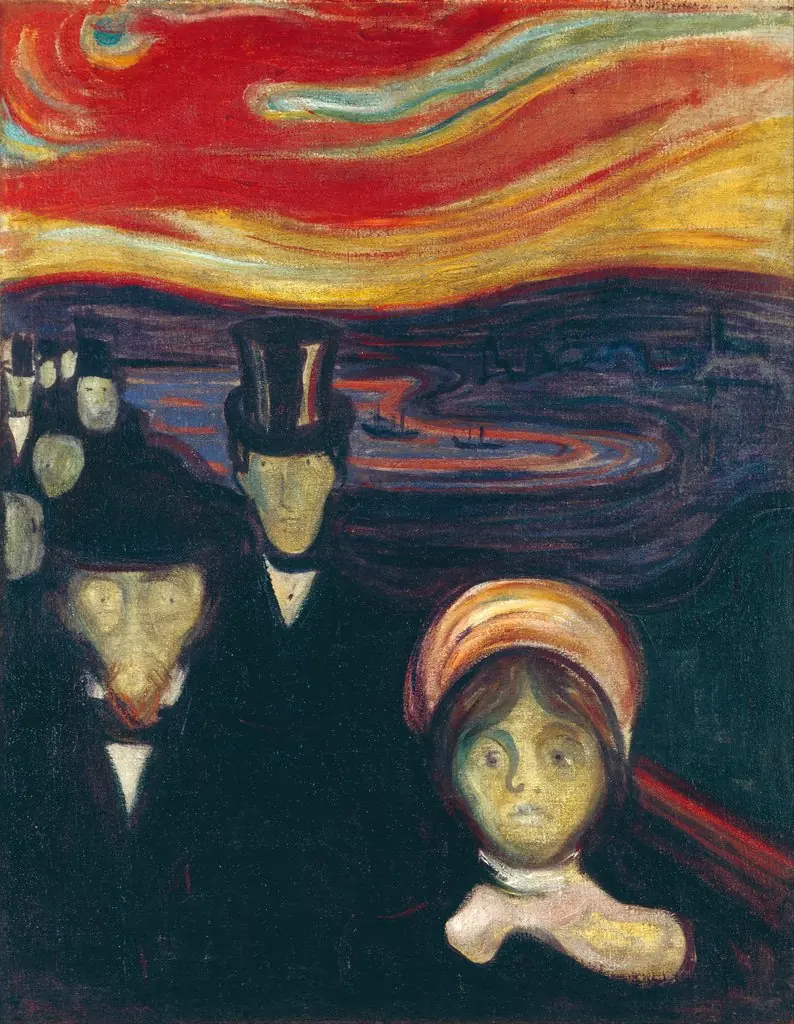
Painted in the early 1920s, the work reflects Munch’s continued engagement with themes of alienation and introspection, long after his breakthrough with *The Scream*. Though stylistically distinct from his earlier Symbolist phase, it retains his preoccupation with emotional states. The painting aligns with a broader trend in his late work: a reduction of form to evoke psychological presence rather than physical accuracy.
Legacy
*Woman by the House Corner* exemplifies Munch’s late-period approach, where emotional depth is conveyed through economy of form and tonal restraint. It contributes to the understanding of his artistic evolution, illustrating how his preoccupations with solitude and memory persisted across decades. The work remains a quiet but persistent presence in studies of modern Nordic art and psychological expressionism.
Artist & collection
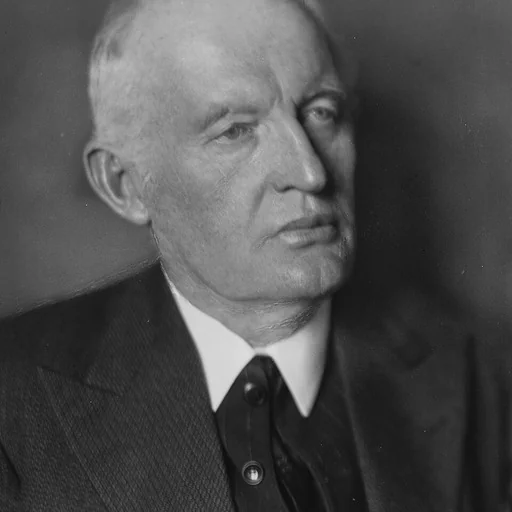
Artist
Edvard Munch ( MUUNK; Norwegian: ; 12 December 1863 – 23 January 1944) was a Norwegian painter.