Artwork
Study after Delacroix's "Dante og Vergil"
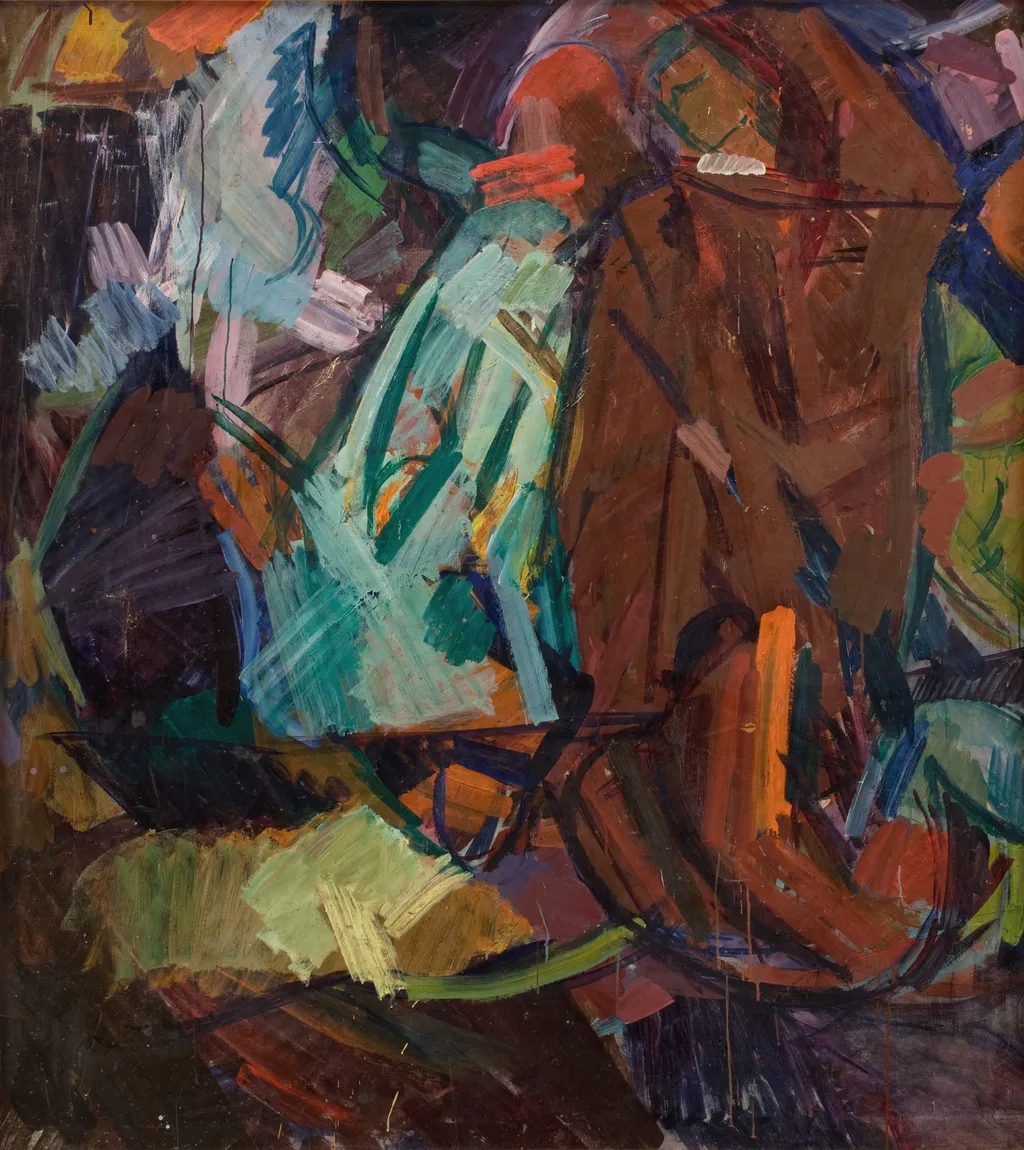
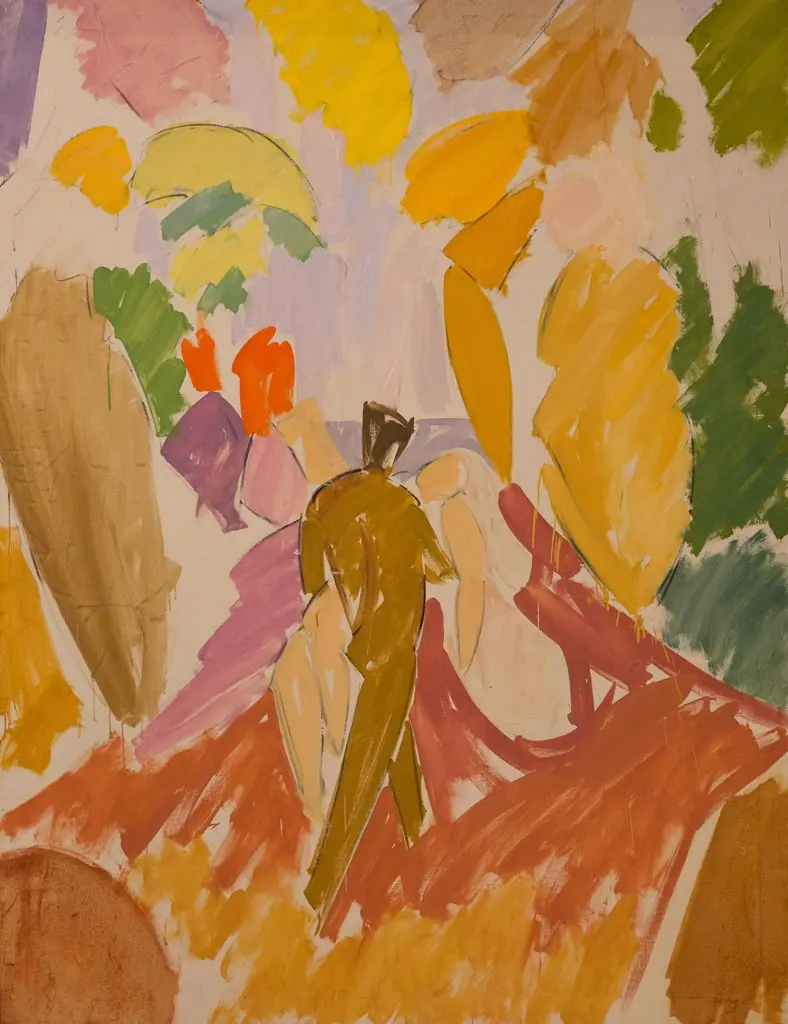
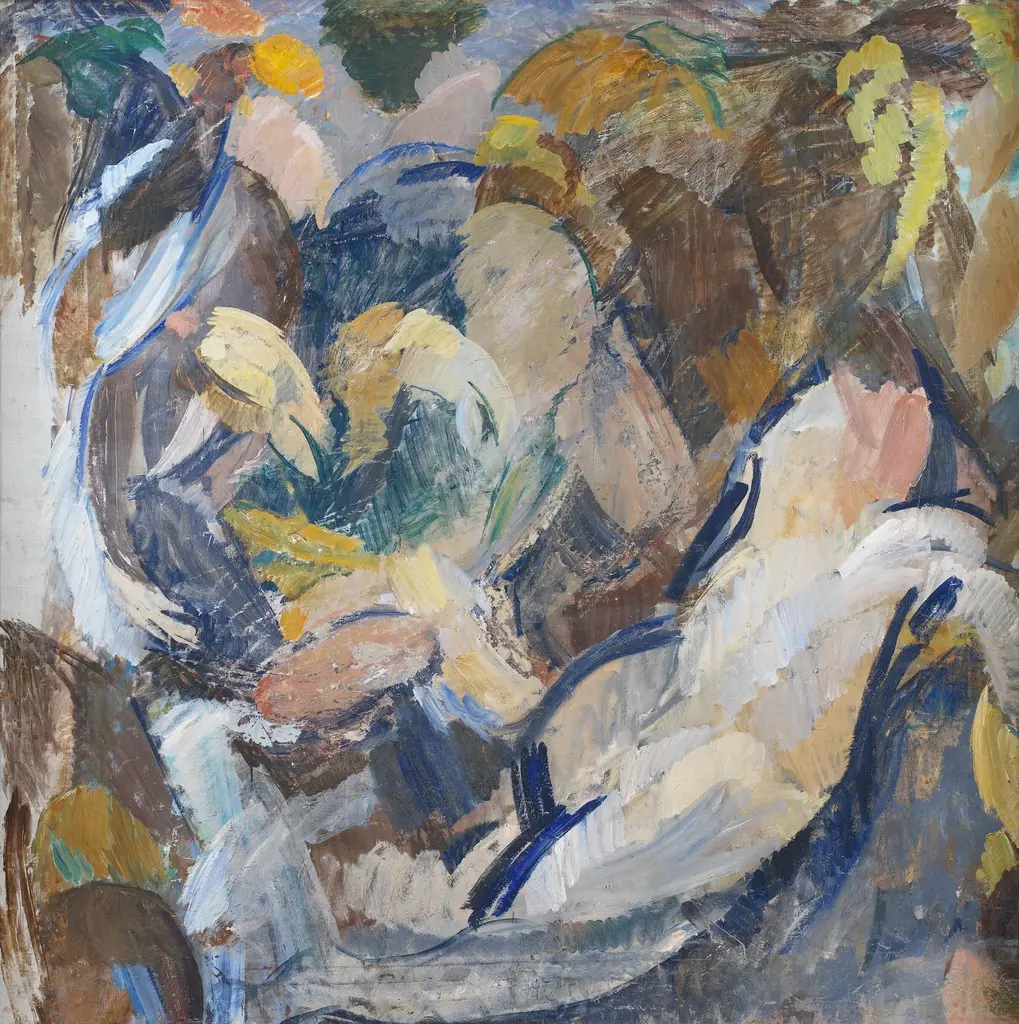
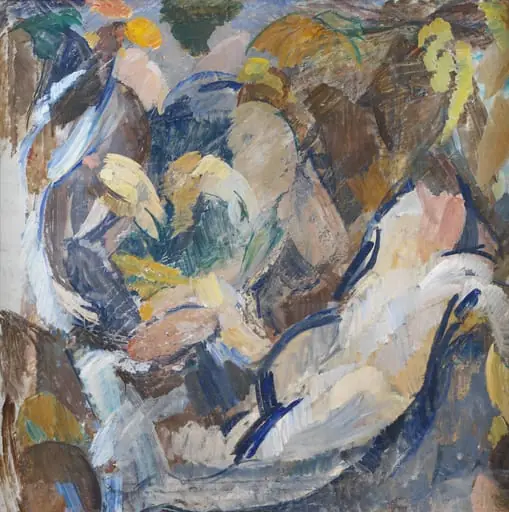
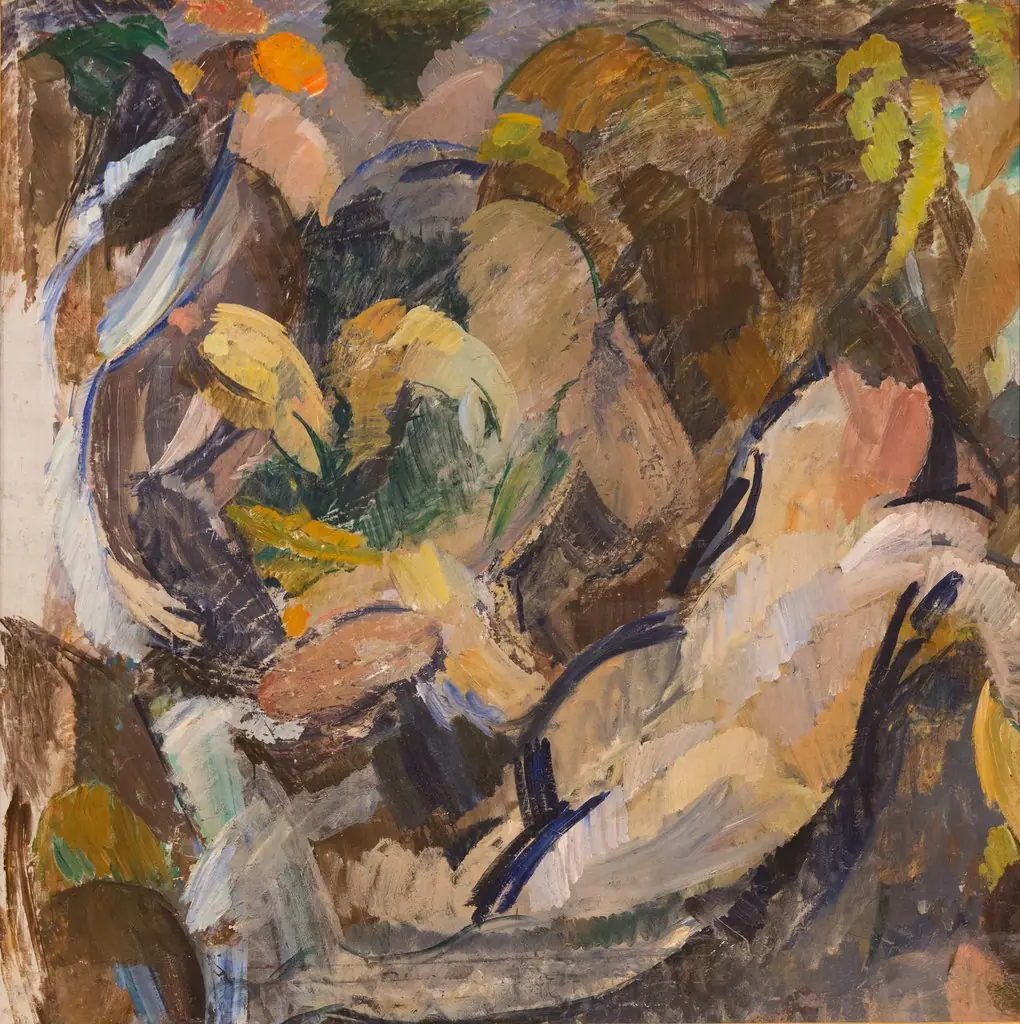
Study after Delacroix's "Dante og Vergil" is an oil painting by the Post-Impressionist artist Edvard Weie. It dates from 1925 and is held in the collection of the Statens Museum for Kunst.
About this work
A quiet detail is the way the light falls on the figures, making their faces and robes stand out from the darker background.
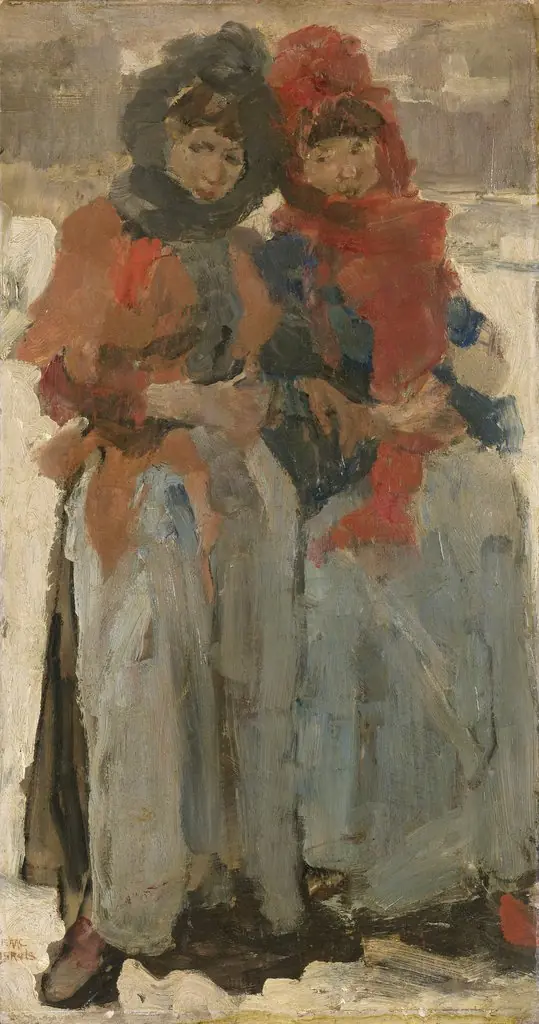
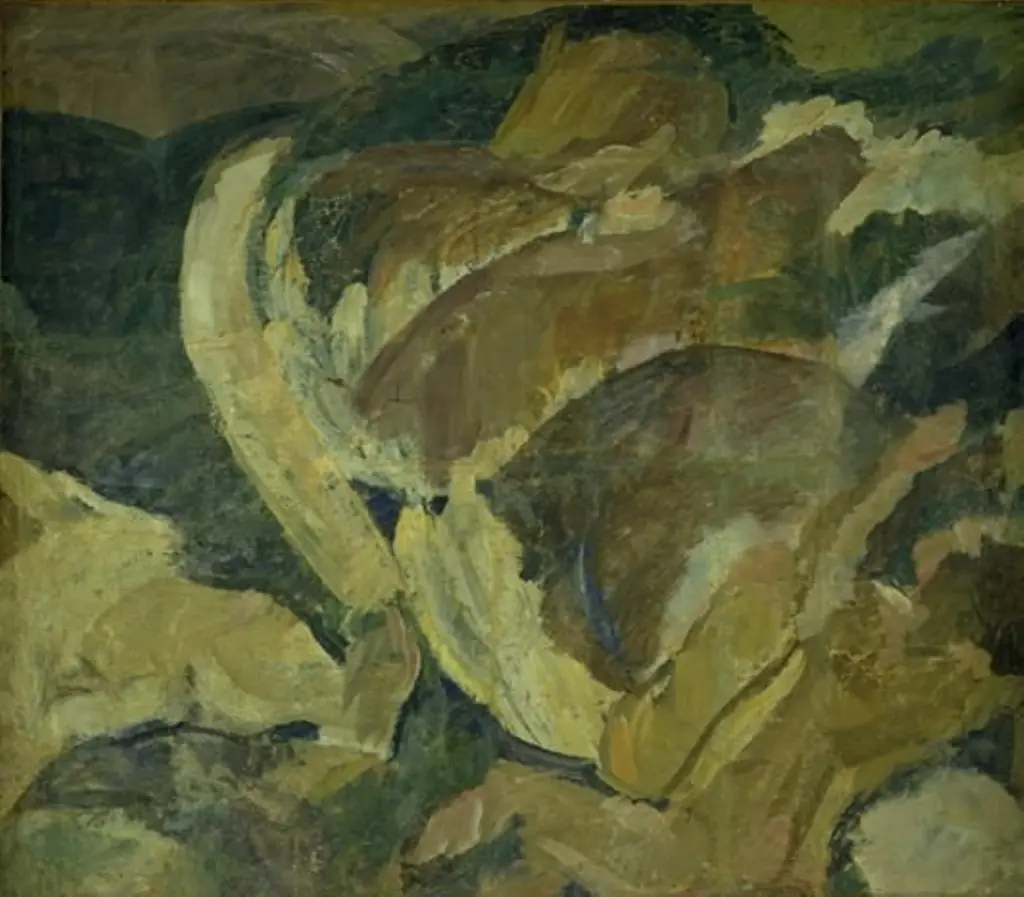
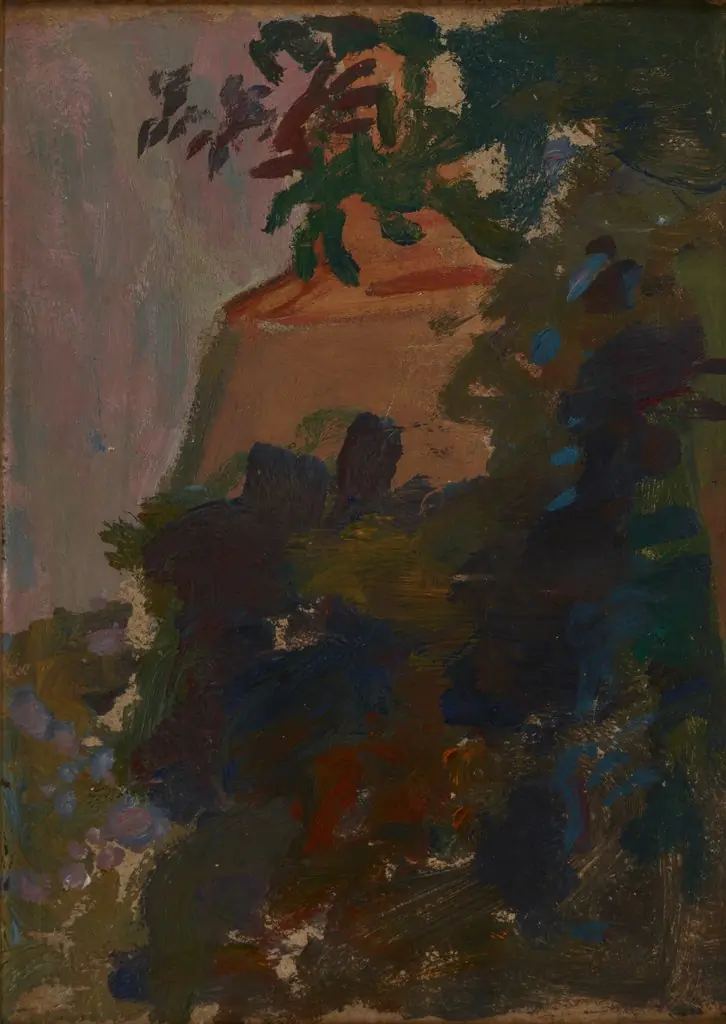
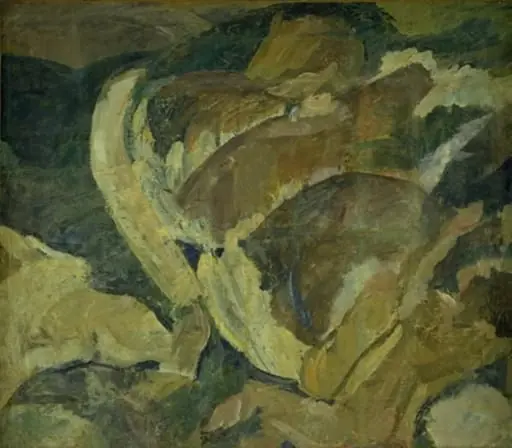
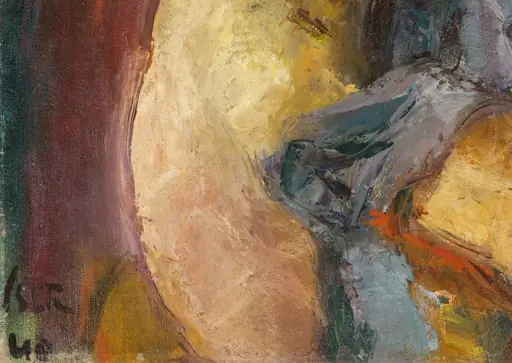
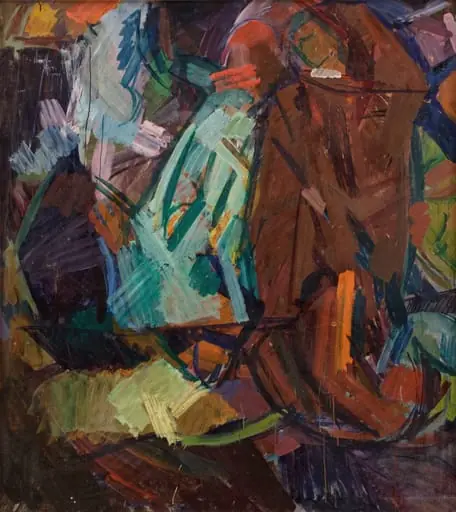
This painting is a study after Delacroix's "Dante og Vergil". It's an oil painting from 1925, done by Edvard Weie. The scene shows two figures, one with a red hat and the other in a green robe, walking together in a dimly lit space. The colors are mostly dark, with some lighter shades on the figures.
A quiet detail is the way the light falls on the figures, making their faces and robes stand out from the darker background. This use of light and dark gives the painting a sense of depth.
If you're interested in more art like this, check out the work of Edvard Weie.
Overview
Edvard Weie’s 1925 oil painting, titled *Study after Delacroix’s “Dante og Vergil,”* reinterprets the dramatic encounter originally rendered by Eugène Delacroix. Executed in a muted palette, the work depicts two travelers—a figure in a red hat and another in a green robe—moving through a shadowed interior, their forms illuminated by a focused light that separates them from the surrounding darkness.
Subject & Meaning
The composition references the moment in Dante’s *Divine Comedy* when the poet meets the Roman poet Virgil, a scene long associated with themes of guidance and revelation. By concentrating the light on the two figures, Weie underscores their dialogue and the intellectual journey they embody, while the subdued surroundings suggest an introspective, almost meditative atmosphere.
Technique & Style
Weie employs a Post‑Impressionist approach, using thick, expressive brushstrokes to model the figures and a limited tonal range to heighten contrast. The interplay of chiaroscuro—bright highlights against deep shadows—creates a sense of three‑dimensional depth, while the restrained color scheme reflects the modernist tendency toward simplification and emotional restraint.
History & Provenance
Created the same year Weie received the prestigious Eckersberg Medal, the painting entered the collection of Denmark’s Statens Museum for Kunst, where it remains on display. Weie continued to work in a modernist vein until his death in Frederiksberg in 1943, leaving a body of work that bridges late 19th‑century symbolism and early 20th‑century abstraction.
Own this work as a print
Artist & collection
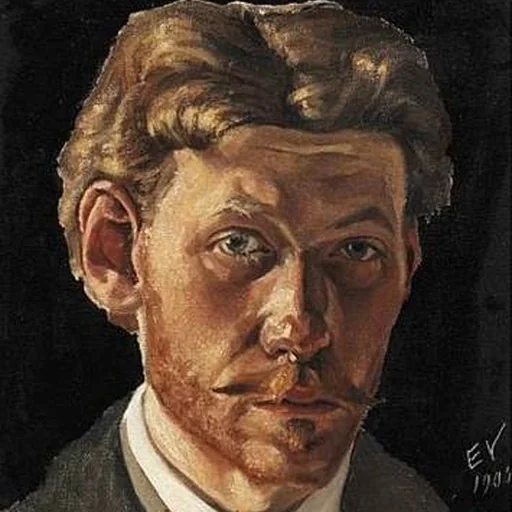
Artist
Viggo Thorvald Edvard Weie (18 November 1879 - 9 April 1943) was a Danish Modernist painter. He was a recipient of Eckersberg Medal in 1925. He died during 1943 in Frederiksberg.