Artwork
The 'Cleopatra' Cylinder Vessel
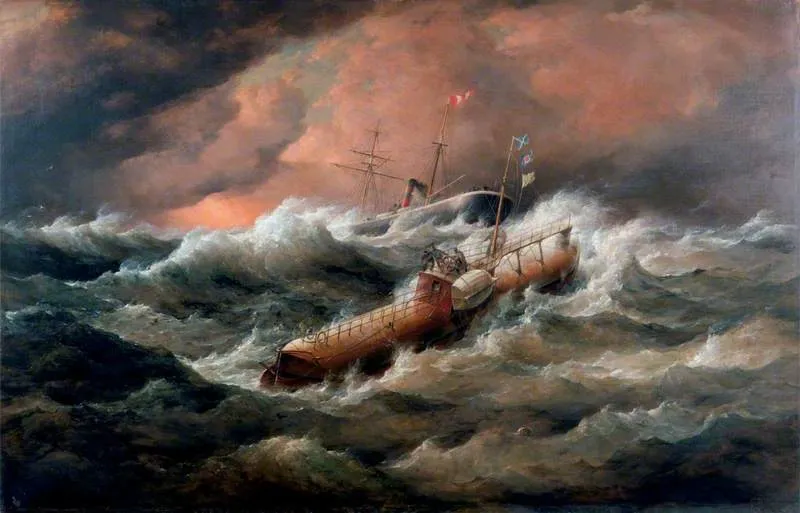
The 'Cleopatra' Cylinder Vessel is an oil painting by the Impressionist artist Edward William Cooke. It is held in the collection of the Victoria and Albert Museum.
About this work
Overview
It resides in the Victoria and Albert Museum’s collection, where it is classified as a marine painting rather than a functional object despite its name.
The 'Cleopatra' Cylinder Vessel is an 1890 oil painting by Edward William Cooke, depicting a lifeboat battling rough seas. Though titled after a vessel, the work is not a portrait of a ship but a dramatic seascape centered on human struggle against nature. It resides in the Victoria and Albert Museum’s collection, where it is classified as a marine painting rather than a functional object despite its name.
Subject & Meaning
The scene portrays a lifeboat in the midst of a violent storm, its occupants fighting to survive amid towering waves. In the distance, the silhouette of a larger vessel suggests possible rescue or distant indifference. The focus on vulnerability and endurance evokes themes of human fragility against elemental forces, without overt narrative or symbolic figures, grounding its emotional weight in physical realism.
Technique & Style
Cooke employed bold, energetic brushwork and thick impasto to convey the turbulence of the ocean. Chiaroscuro contrasts dark, churning waters with fleeting highlights on foam and spray, enhancing the sense of motion and depth. The paint surface is textured, with layered strokes that mimic the chaotic rhythm of waves, reflecting the artist’s commitment to capturing marine conditions with visceral immediacy.
History & Provenance
Painted in 1890, the work entered the Victoria and Albert Museum’s collection shortly after its completion. Cooke, known for his maritime studies, produced numerous seascapes informed by direct observation and nautical expertise. The painting’s title, referencing a vessel named Cleopatra, likely alludes to a real-life lifeboat or ship, though no documented rescue event is tied to this specific image.
Context
In late 19th-century Britain, marine art flourished amid growing public interest in naval history and coastal life. Cooke’s work aligns with a tradition of realistic seascapes that emphasized accuracy and emotional resonance over romantic idealism. This piece reflects broader societal awareness of maritime dangers and the evolving role of lifeboat services during the industrial era.
Legacy
The painting remains a representative example of Cooke’s later marine work, valued for its technical command and emotional restraint. While not widely exhibited, it contributes to the V&A’s holdings of 19th-century British maritime art, offering insight into how artists translated lived experience at sea into enduring visual records without theatrical embellishment.
Artist & collection

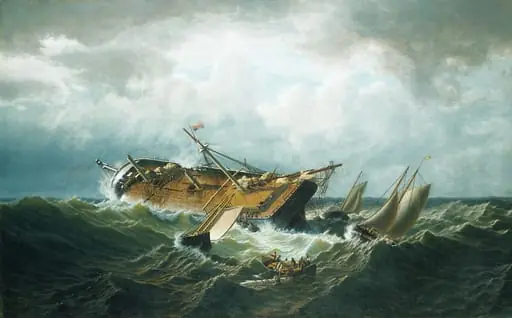 Shipwreck off Nantucket (Wreck off Nantucket after a Storm)
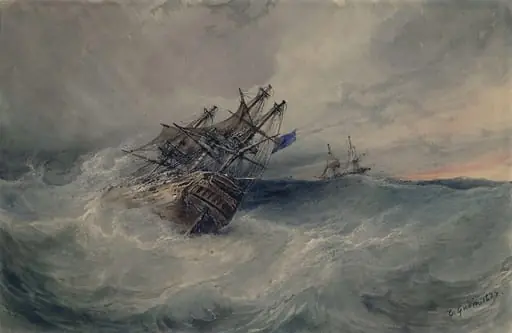 A Storm at Sea
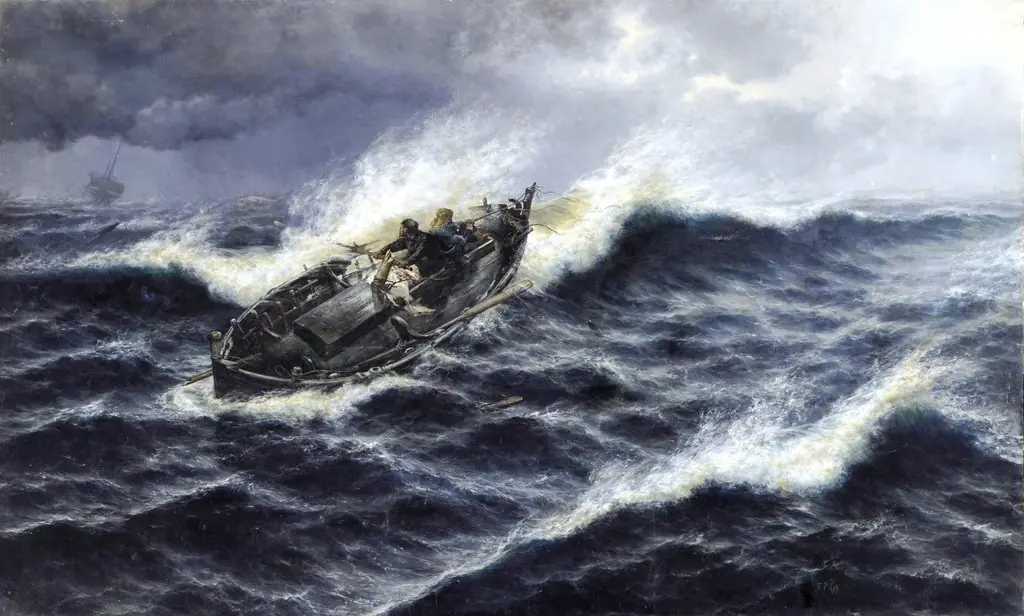 On the high seas
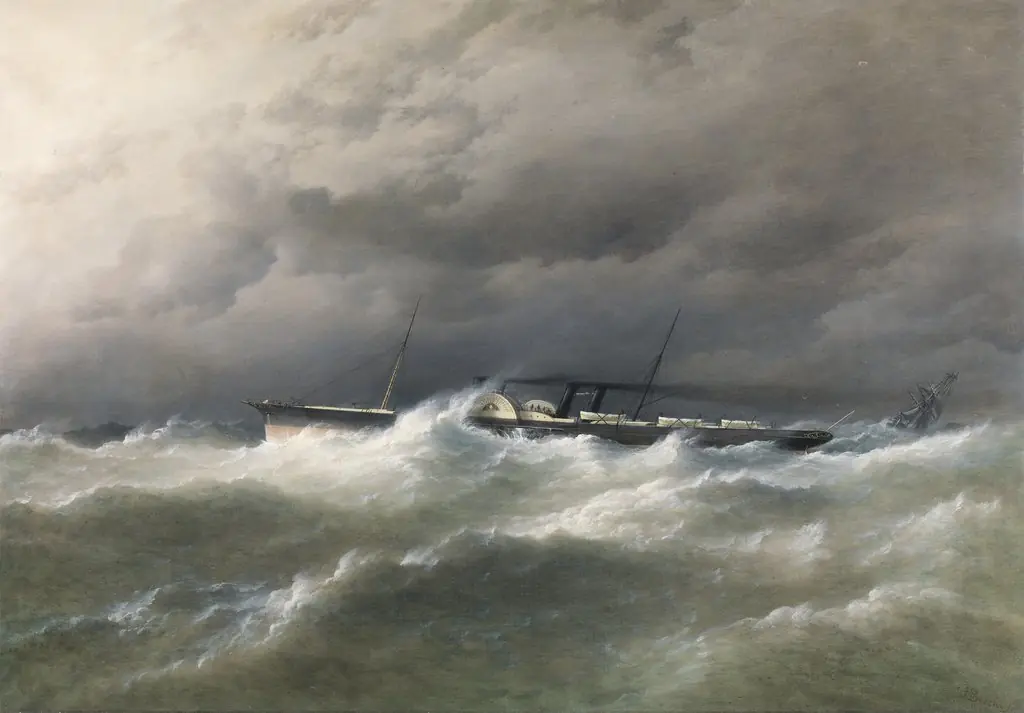 HM Mailboat Connaught
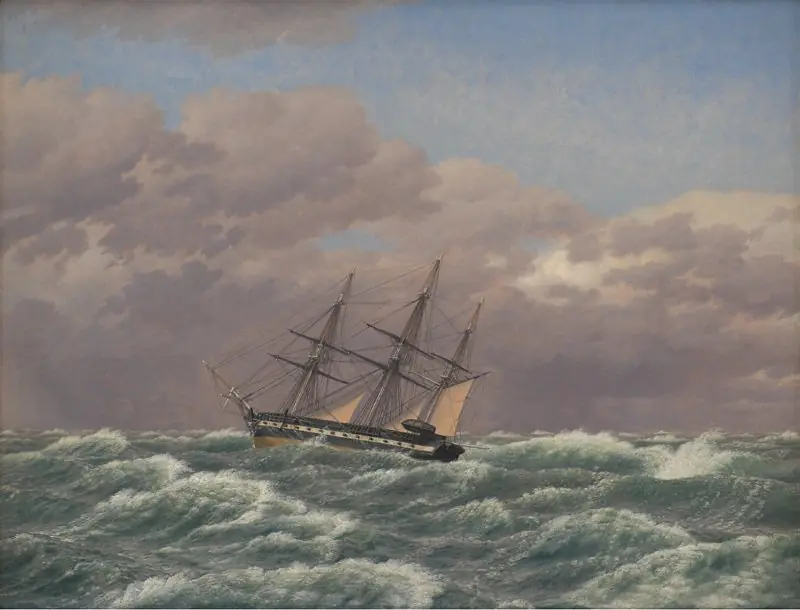 The Corvette "Galathea" in a Storm in the North Sea
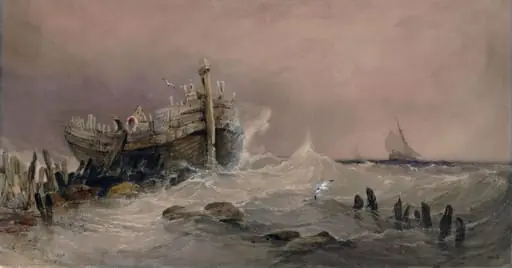 Old breakwater, coast of Essex
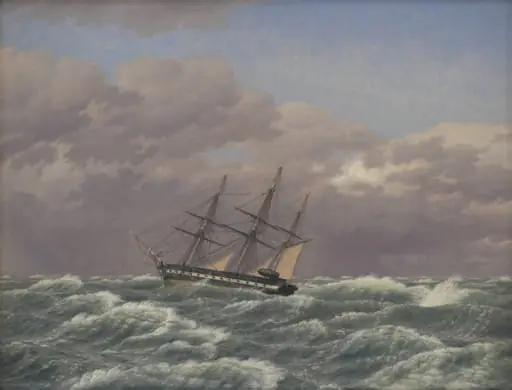 The Corvette "Galathea" in a Storm in the North Sea
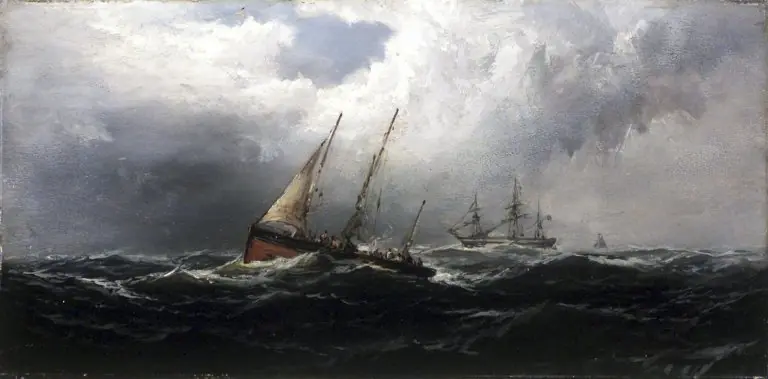 After a Gale--Wreckers
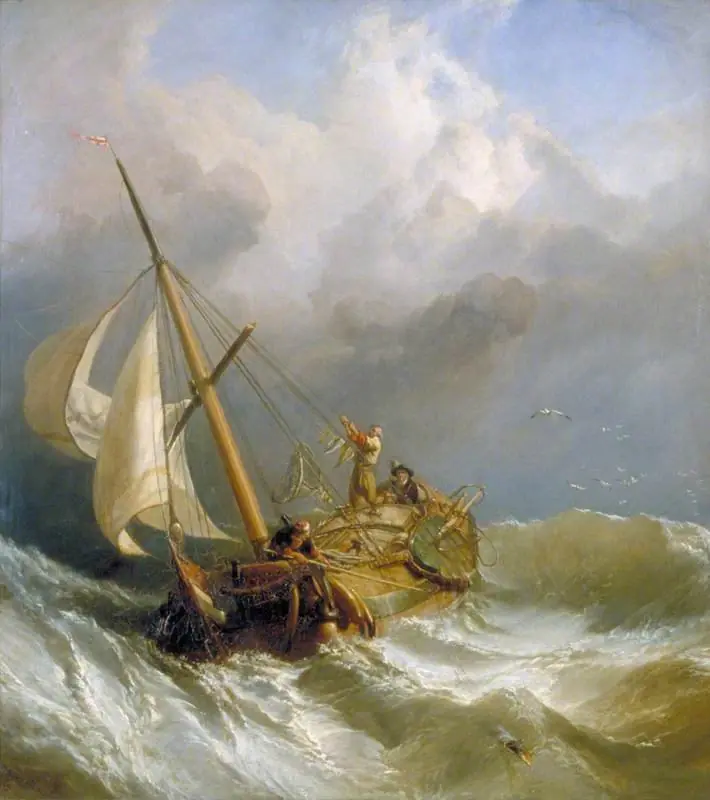 A Dutch Dogger Carrying away Her Sprit
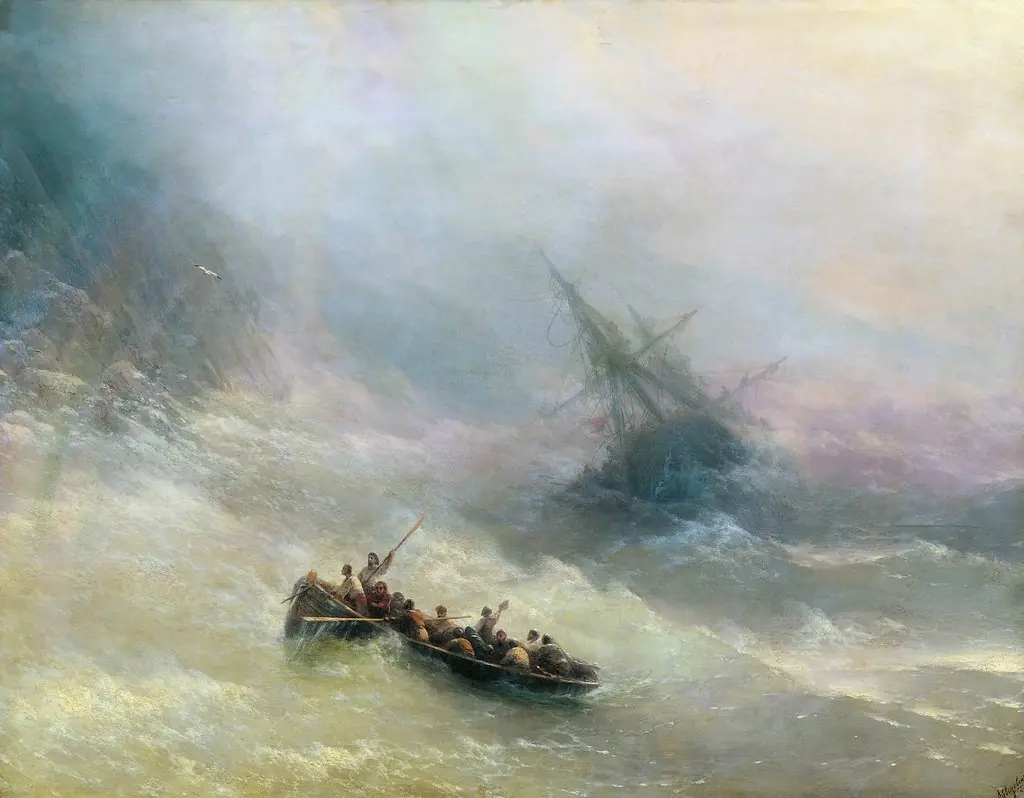 Rainbow
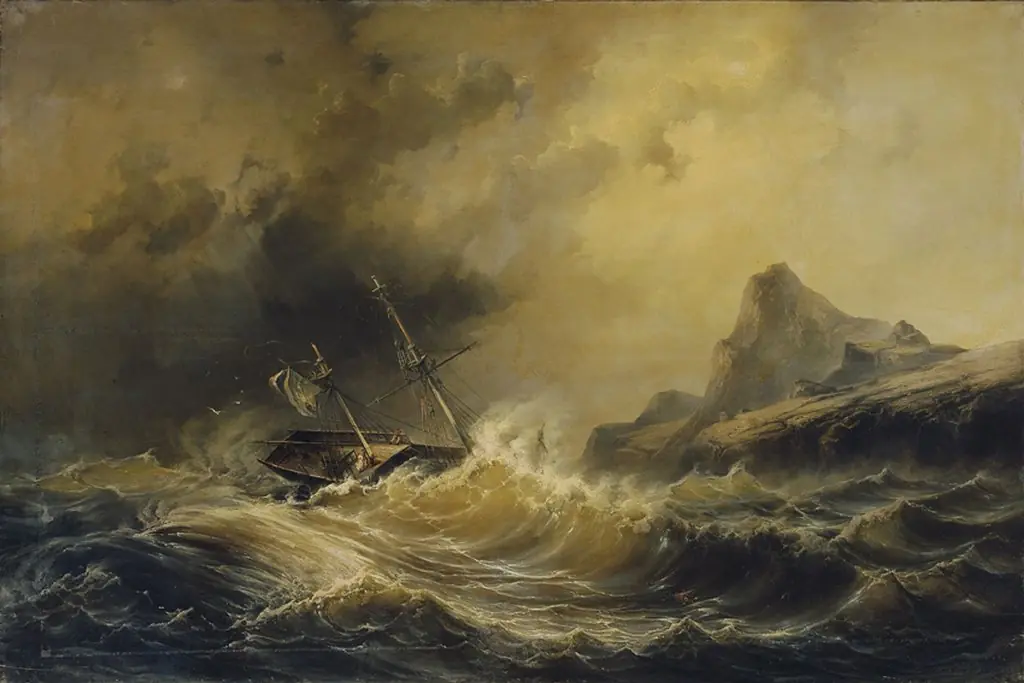 Schiffbruch bei Kap Hoorn
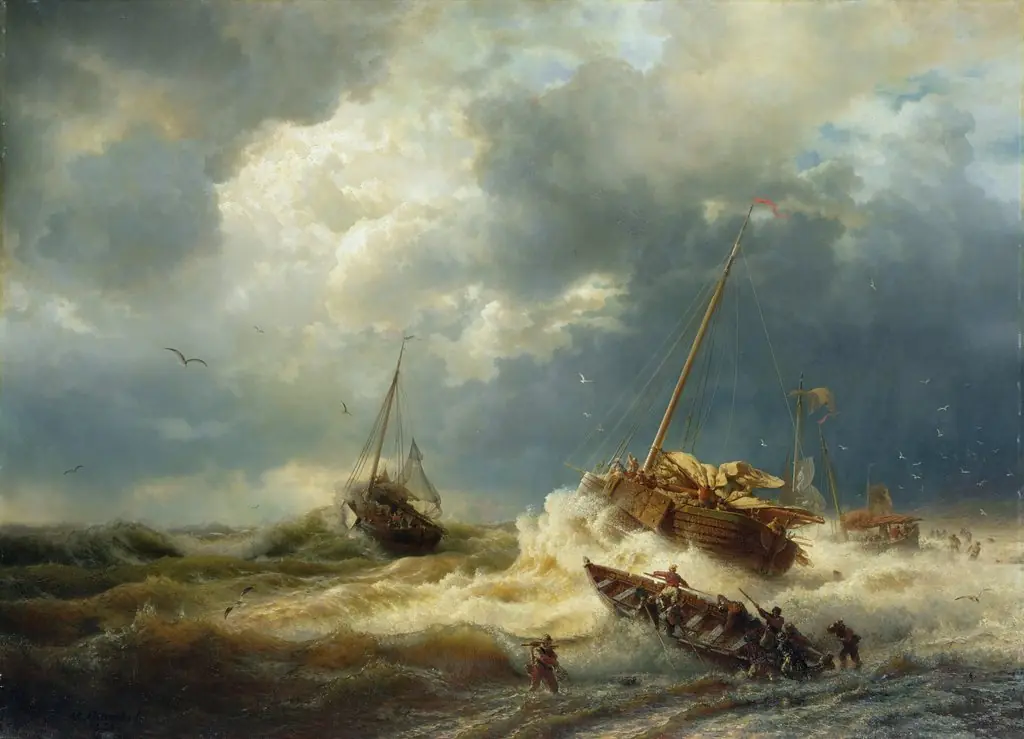 Ships in a storm on the Dutch coast