Artwork
Ecstasy of Saint Francis Receiving the Stigmata
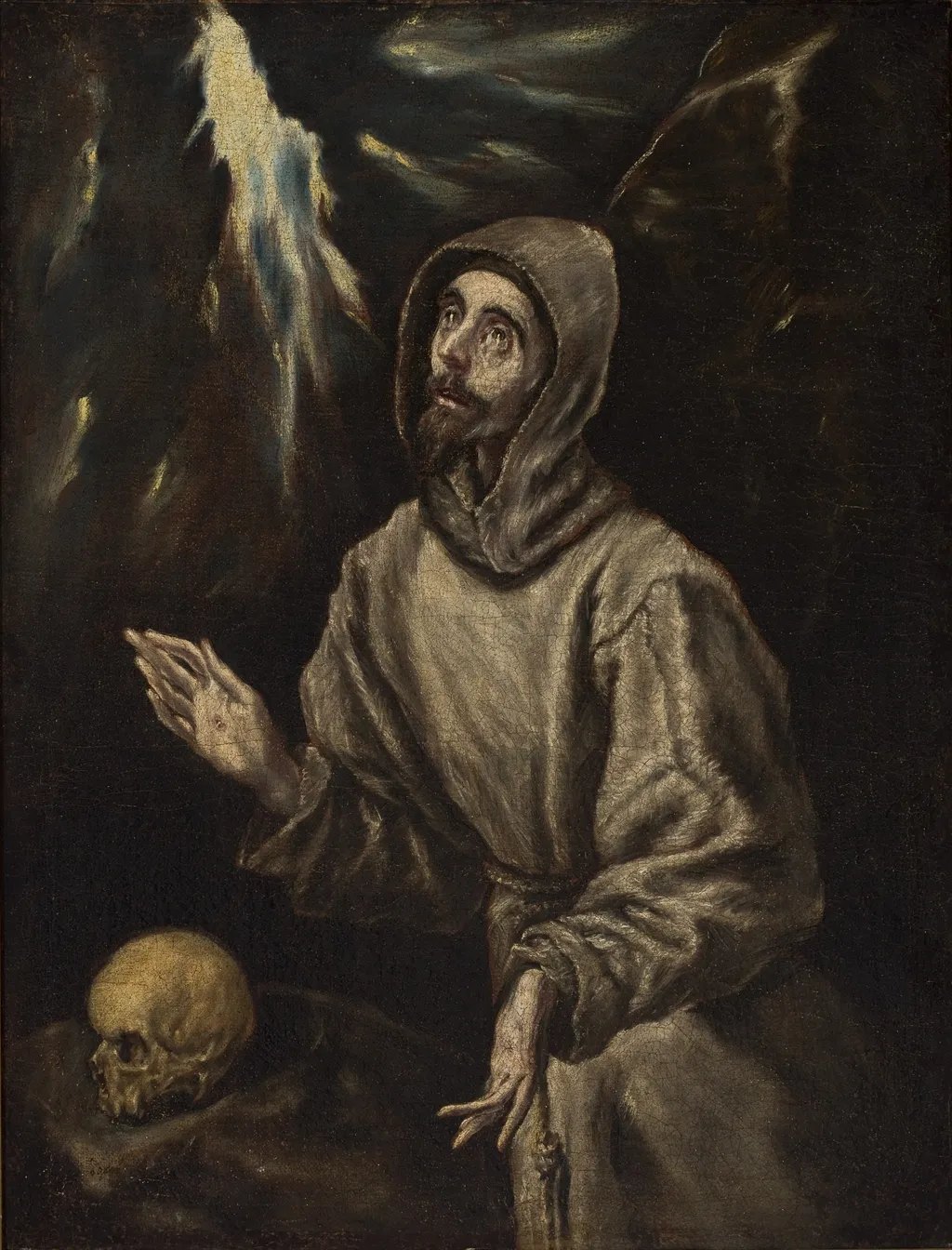
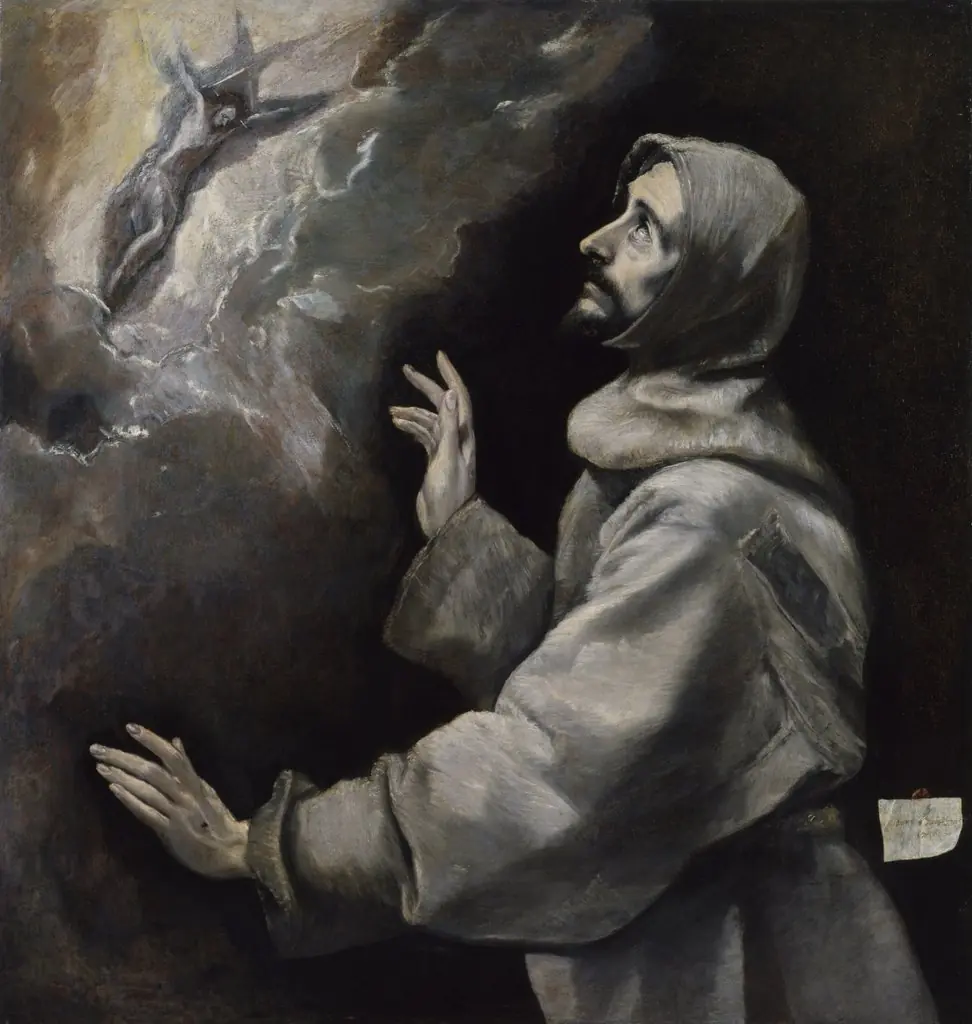
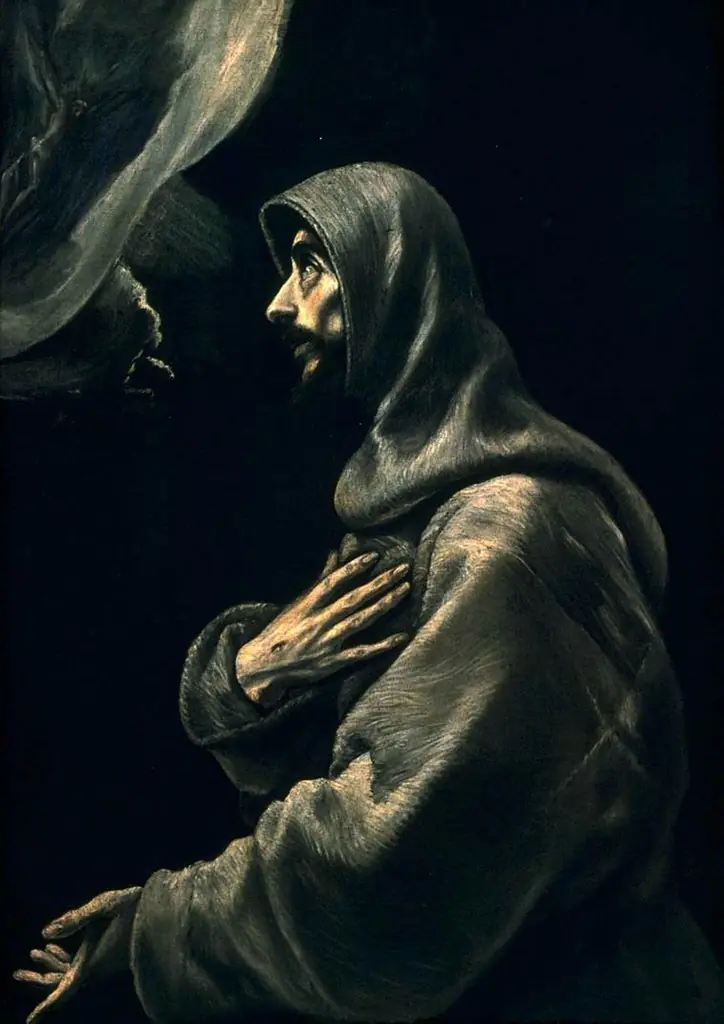
Ecstasy of Saint Francis Receiving the Stigmata is an oil painting by the Mannerist artist El Greco. It dates from 1600 and is held in the collection of the São Paulo Museum of Art.
About this work
Overview
The painting resides in the São Paulo Museum of Art, where it stands as one of the artist’s lesser-known devotional works.
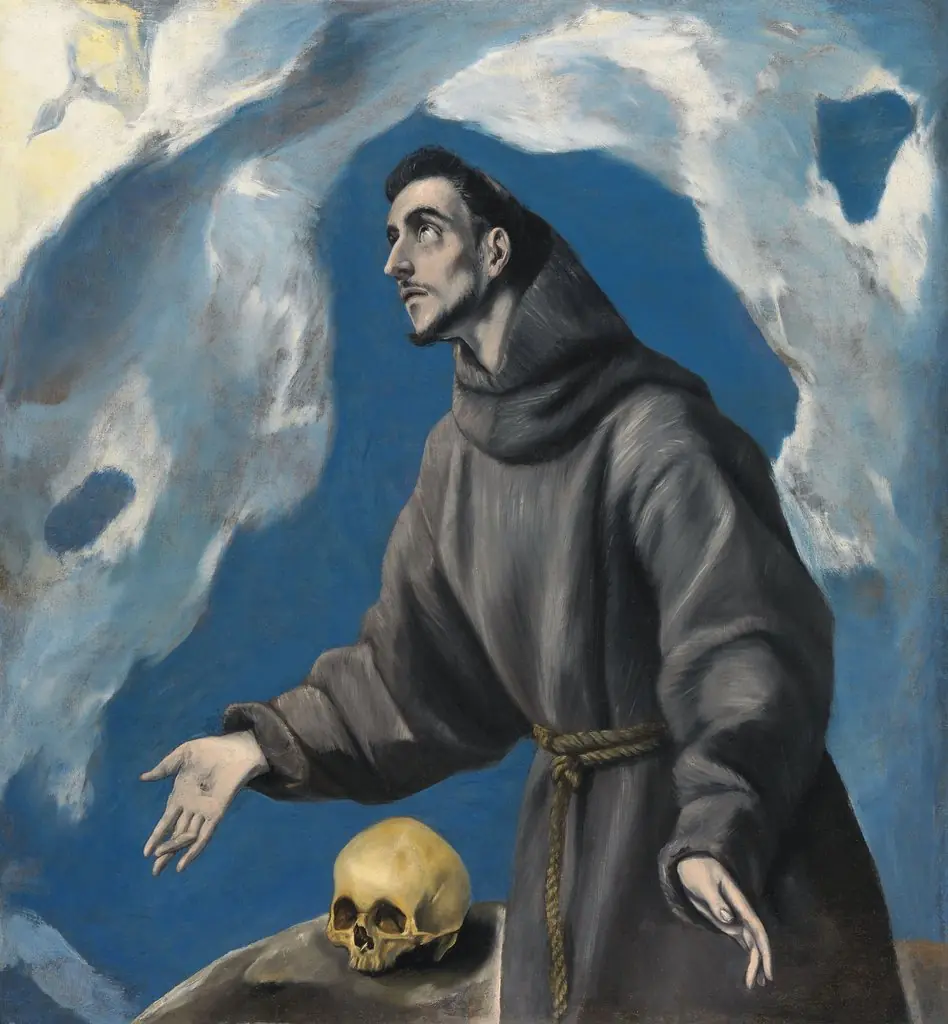
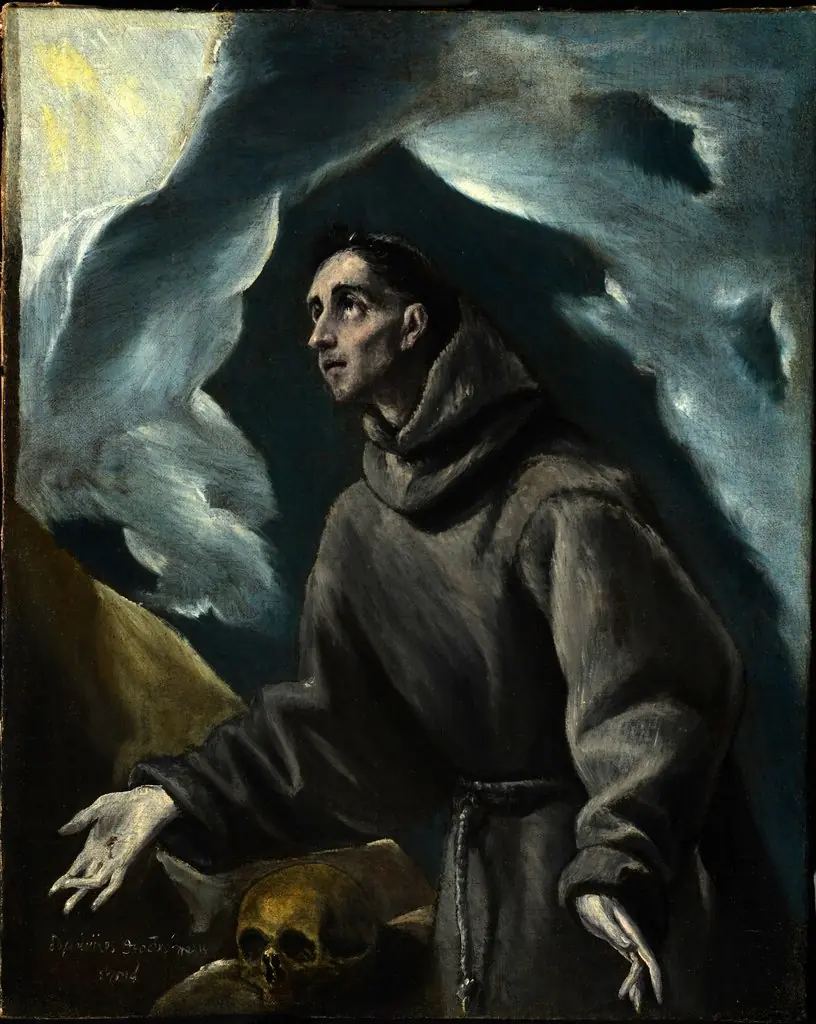
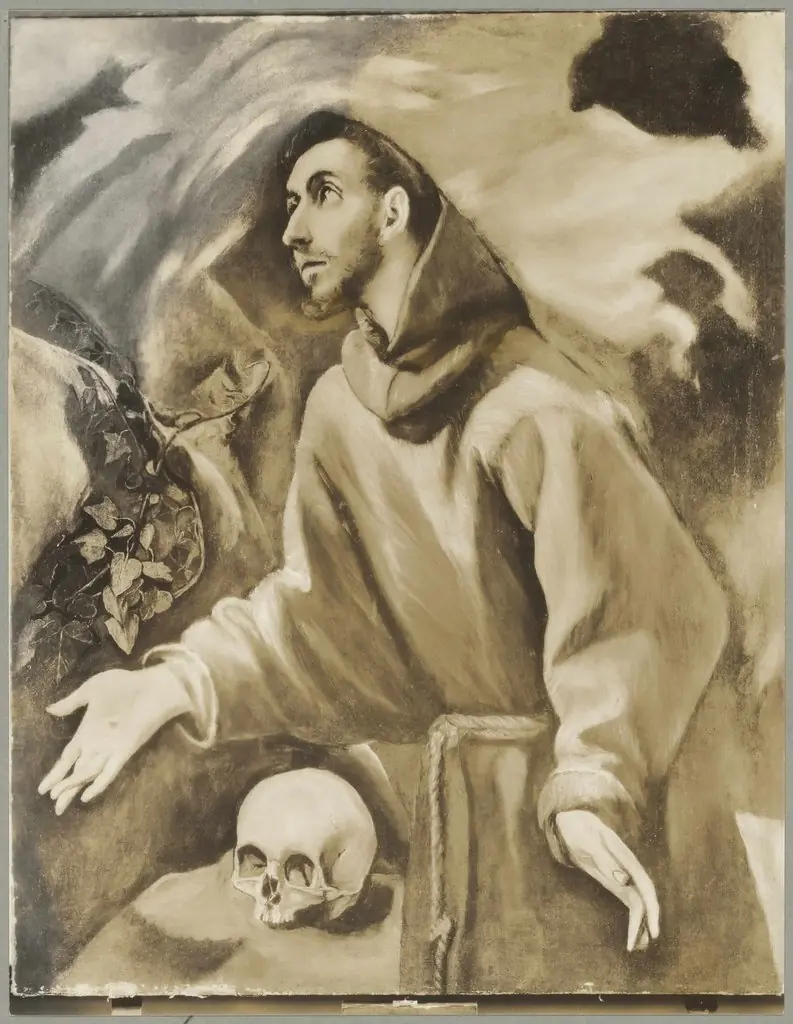
Painted around 1600, this oil work by El Greco portrays Saint Francis of Assisi in a moment of spiritual revelation. The composition centers on the saint’s upward gaze and outstretched hands, set against a deep, shadowed background. A skull rests in the lower left, reinforcing themes of mortality. The painting resides in the São Paulo Museum of Art, where it stands as one of the artist’s lesser-known devotional works.
Subject & Meaning
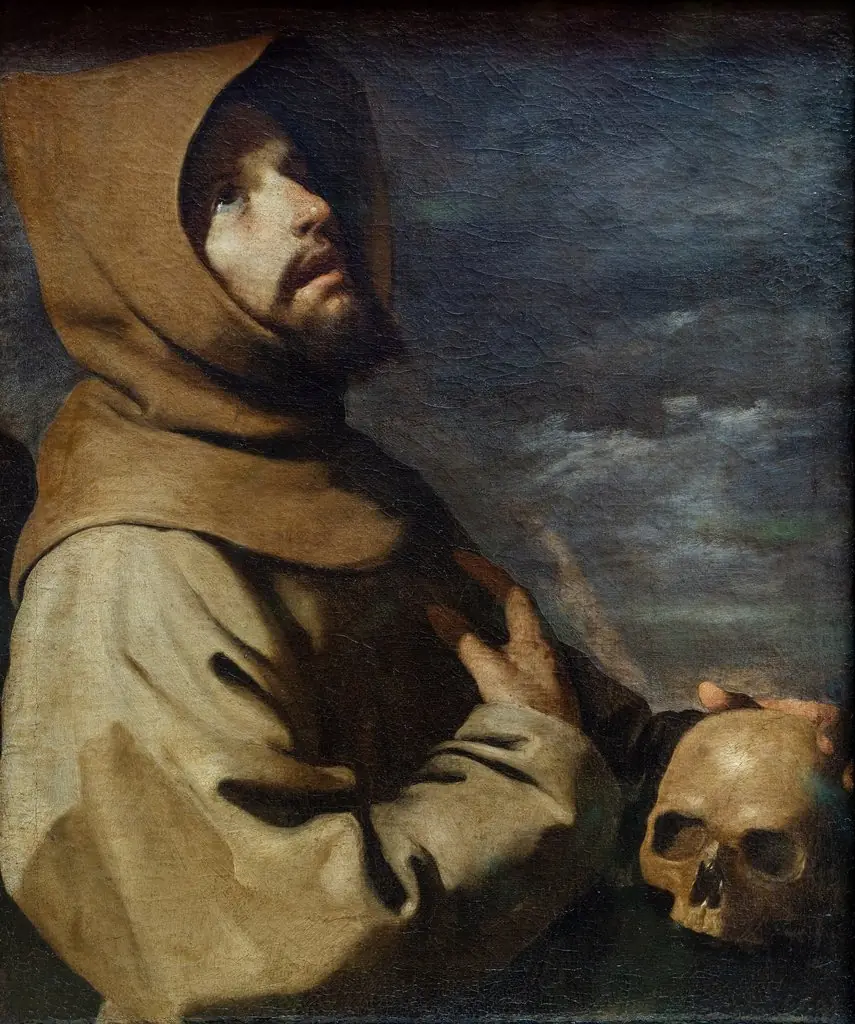
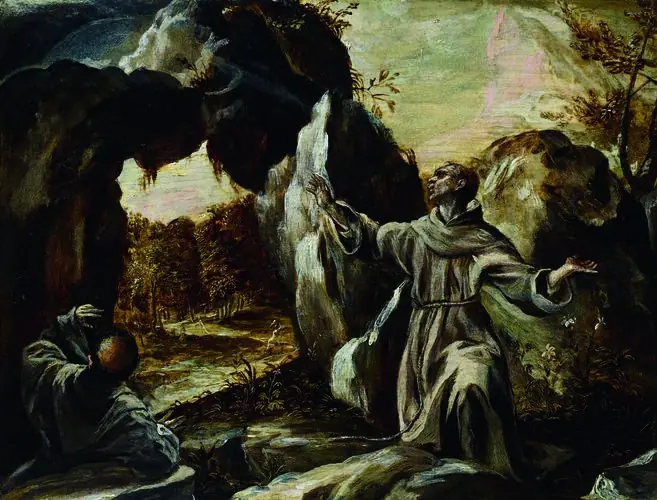
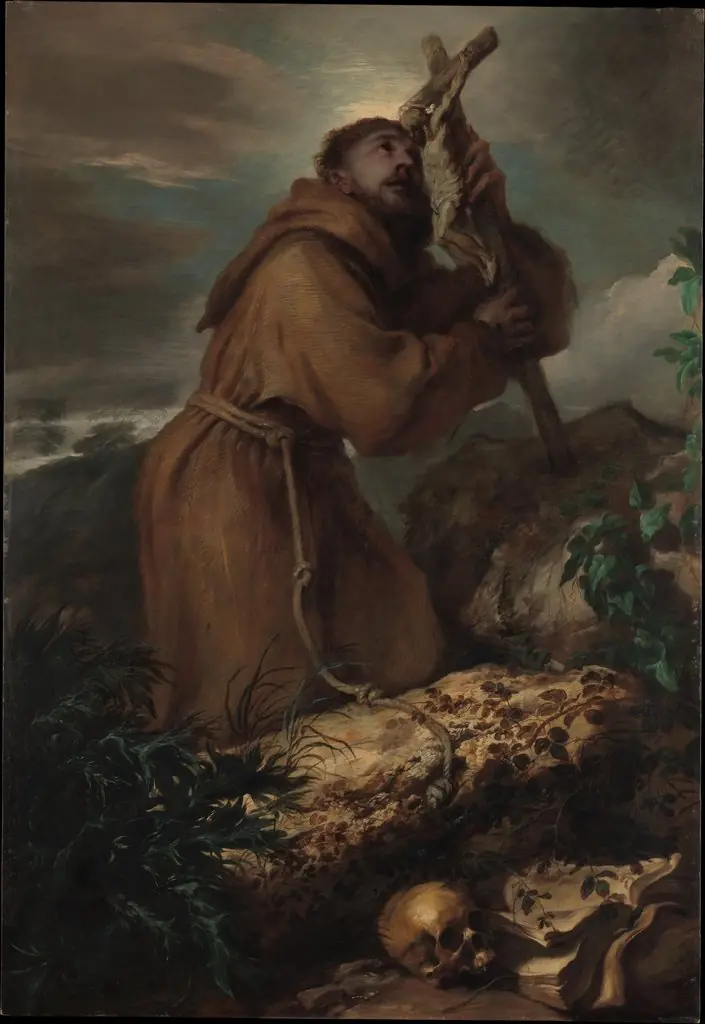
The scene captures Saint Francis at the moment he receives the stigmata—the wounds of Christ’s crucifixion—mirroring his profound identification with Christ’s suffering. His raised hands and solemn expression suggest inner turmoil and divine encounter. The skull, a traditional memento mori, underscores the transience of earthly life and the saint’s ascetic devotion, deepening the painting’s meditative tone.
Technique & Style
El Greco employs elongated forms and a restrained palette of pale robes against a dark, atmospheric ground. Brushwork is fluid yet controlled, with soft transitions between light and shadow that enhance the figure’s ethereal presence. The lack of detailed landscape or architectural elements focuses attention entirely on the saint’s internal state, characteristic of his mature spiritual style.
History & Provenance
The painting was likely commissioned for private devotion, though its early ownership remains undocumented. It entered the collection of the São Paulo Museum of Art in the 20th century, part of a broader acquisition of European Old Master works. Its presence in Brazil reflects the global dispersal of Spanish Renaissance art following centuries of private and institutional collecting.
Context
Created during El Greco’s later years in Toledo, the work aligns with a period when his art grew more introspective and less concerned with naturalism. Religious imagery of the time emphasized mystical experience, particularly among Franciscan circles. This painting reflects broader Counter-Reformation ideals, prioritizing personal communion with the divine over doctrinal illustration.
Legacy
Though not widely exhibited or reproduced, the painting contributes to understanding El Greco’s evolving spiritual vision. Its quiet intensity distinguishes it from more dramatic depictions of the stigmata, offering a subdued, psychologically nuanced interpretation. Scholars recognize it as a testament to his ability to convey transcendence through minimal means and emotional restraint.
Own this work as a print
Artist & collection
Artist
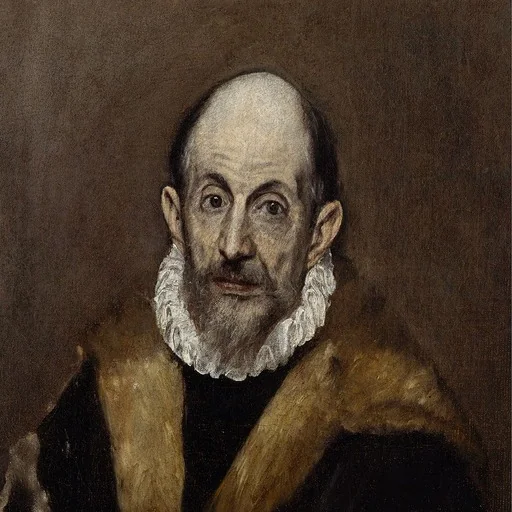
Doménikos Theotokópoulos was born in 1541 in Candia (modern Heraklion), the capital of Venetian-ruled Crete, where he was trained in the post-Byzantine tradition of icon painting.