Artwork
St. Francis receiving the Stigmata
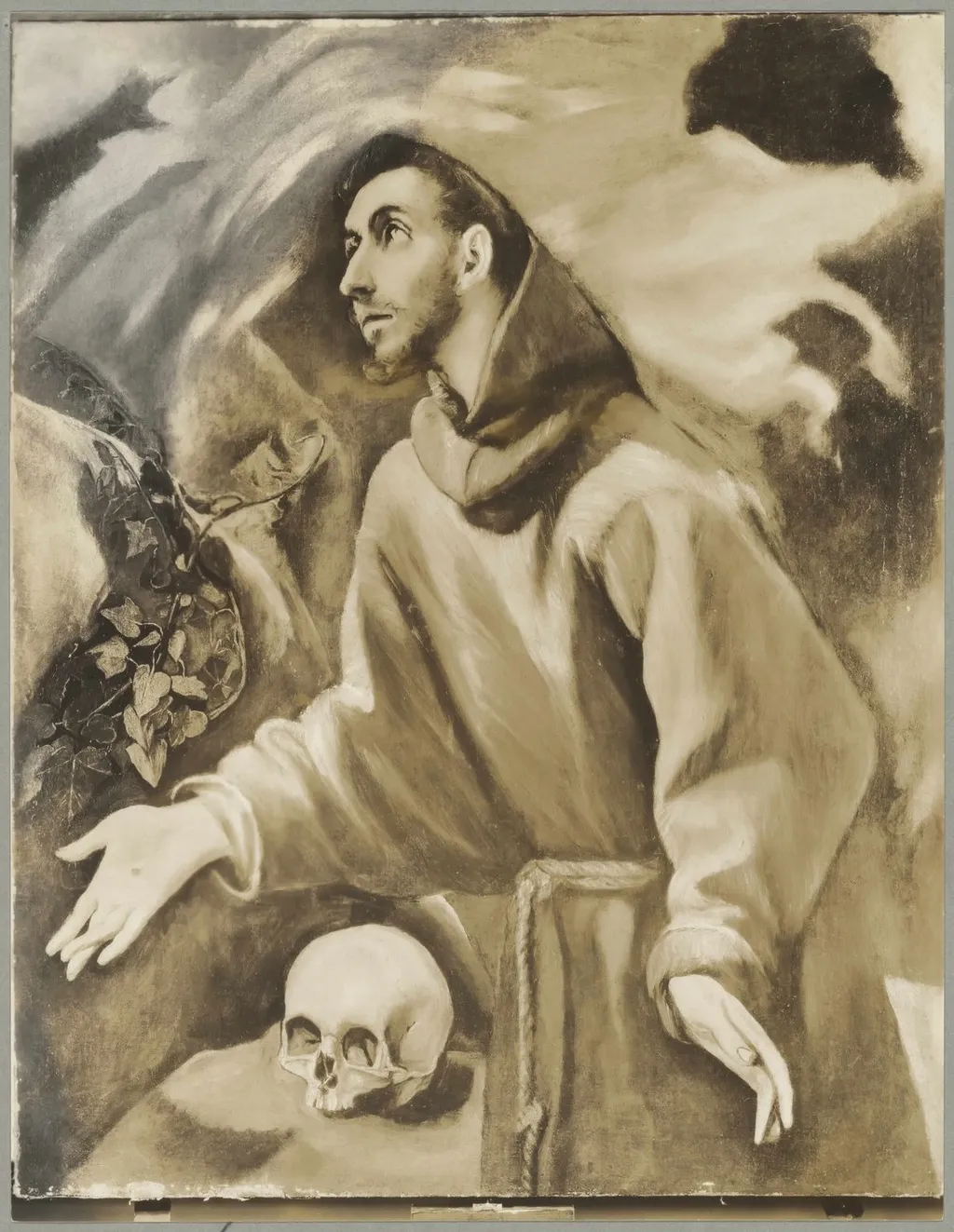
St. Francis receiving the Stigmata is an oil painting by the Mannerist artist El Greco. It dates from 1596 and is held in the collection of the Detroit Institute of Arts.
About this work
Overview
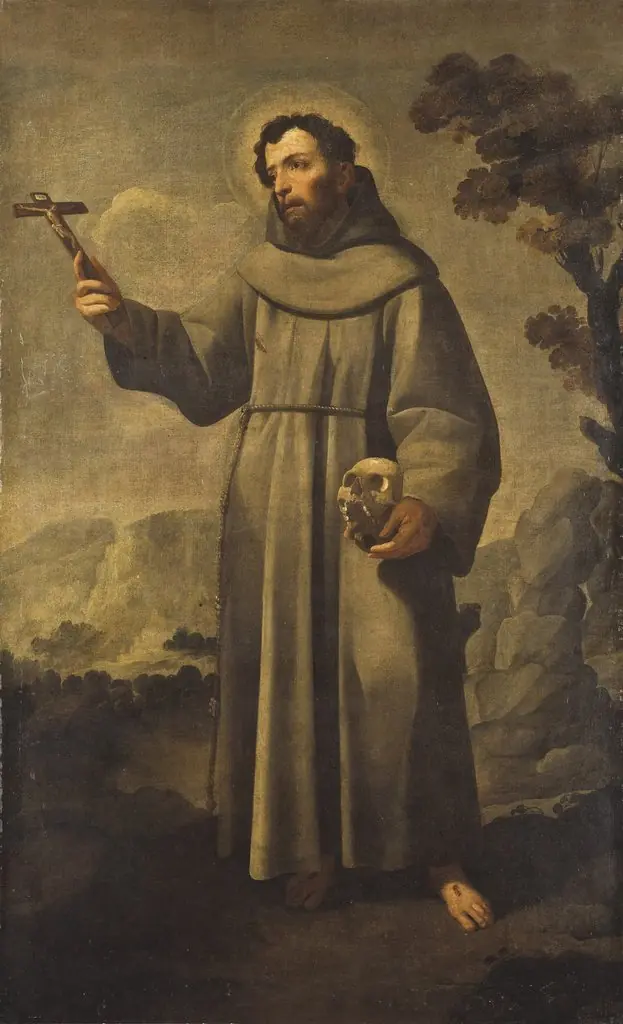
El Greco’s oil on canvas, dated 1596, portrays the moment Saint Francis of Assisi receives the stigmata. The composition centers on the saint in a humble brown habit, arms outstretched toward the heavens, while a faintly illuminated skull hovers before him. The work belongs to the collection of the Detroit Institute of Arts.
Subject & Meaning
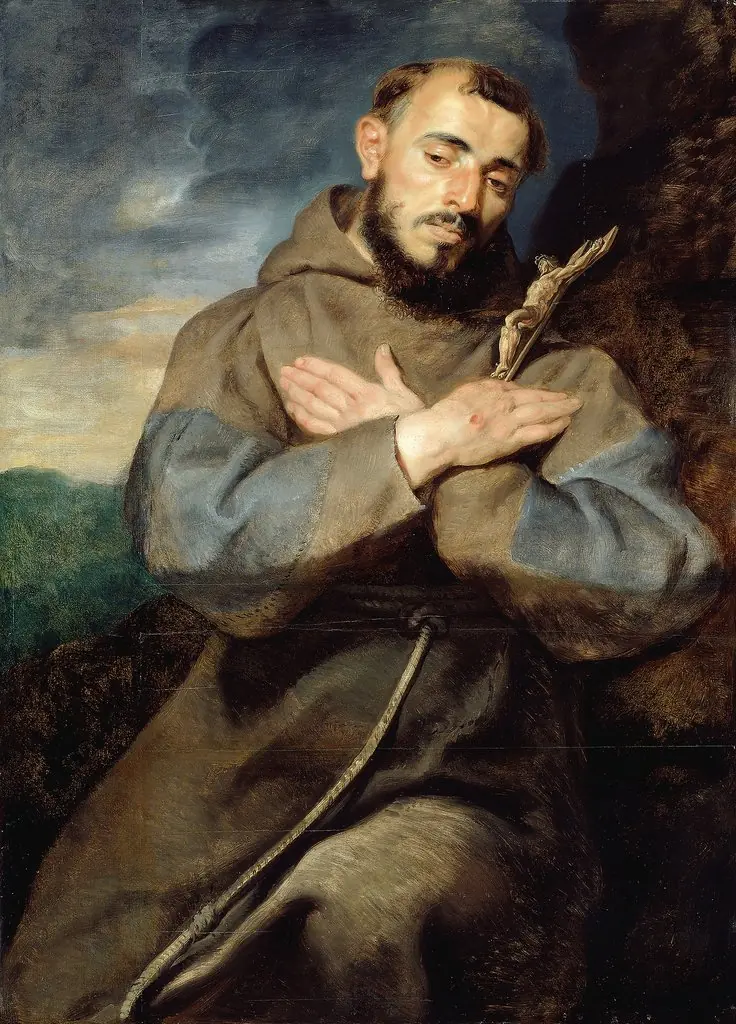
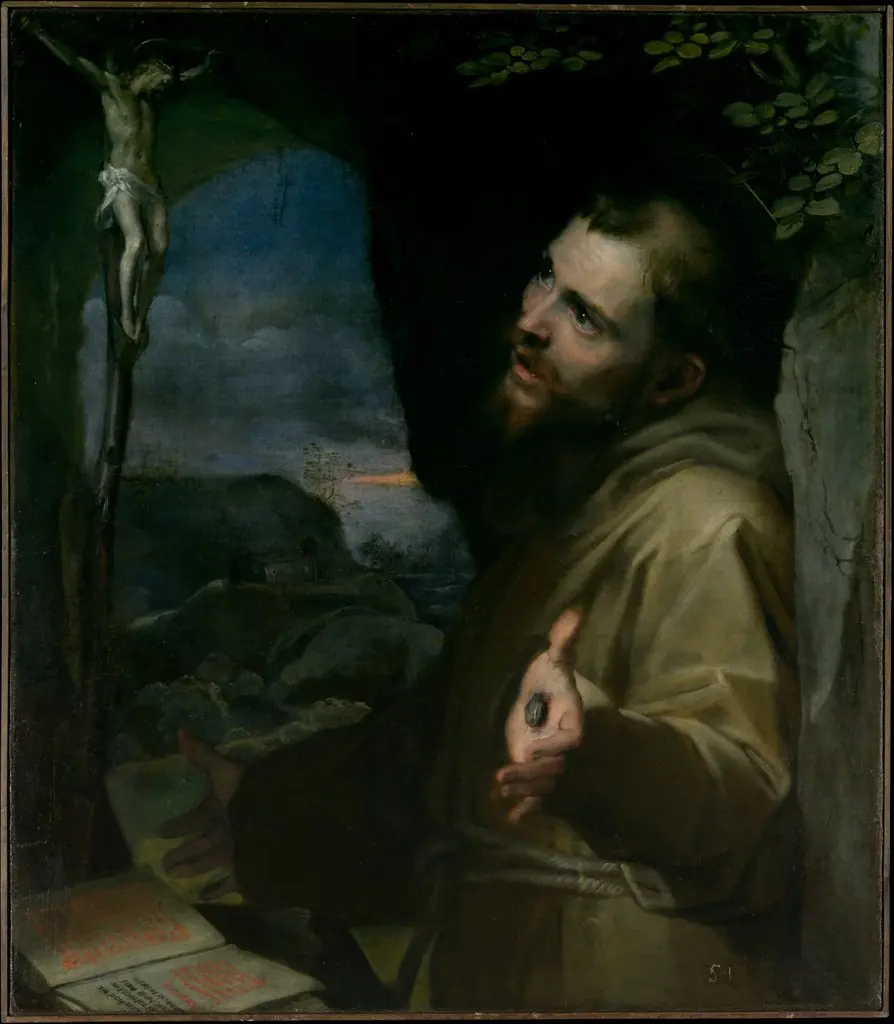
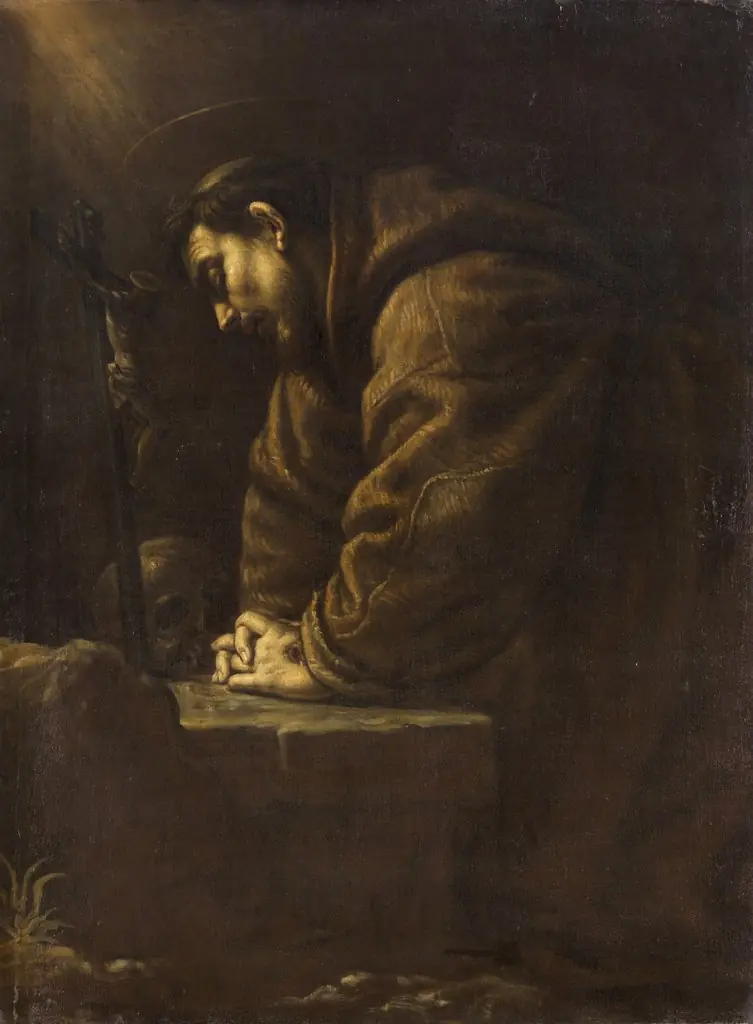
The painting captures the mystical episode in which Francis is marked with the wounds of Christ. The saint’s face is turned upward in prayer, his hands displaying fresh, bleeding marks that echo the crucifixion. The floating skull serves as a memento mori, underscoring the saint’s contemplation of mortality and divine suffering.
Technique & Style
El Greco employs dramatic chiaroscuro, juxtaposing the illuminated figure against a turbulent, dark sky. The stark contrast of light and shadow heightens the spiritual intensity, while the loose brushwork and elongated forms reflect the artist’s late‑Mannerist sensibility. A slender branch with tiny leaves, held in the saint’s hand, adds a subtle natural element.
History & Provenance
Executed in 1596, the canvas entered the Detroit Institute of Arts in the 20th century, where it remains on view. Its provenance traces a path from private collections in Spain to American acquisition, illustrating the work’s movement from its original religious context to a museum setting.
Context
Created during the latter phase of El Greco’s career, the painting aligns with his interest in mystical subjects and heightened emotional expression. The depiction of stigmata reflects Counter‑Reformation emphasis on personal piety and the emulation of Christ’s suffering, themes prevalent in late 16th‑century Spanish art.
Artist & collection
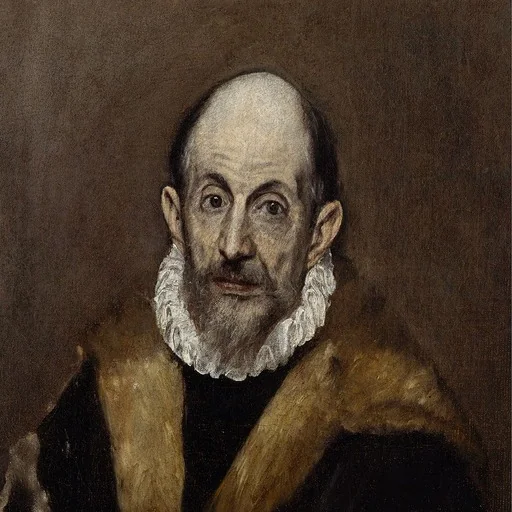
Artist
Doménikos Theotokópoulos was born in 1541 in Candia (modern Heraklion), the capital of Venetian-ruled Crete, where he was trained in the post-Byzantine tradition of icon painting.