Artwork
Saint Bernard
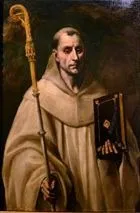
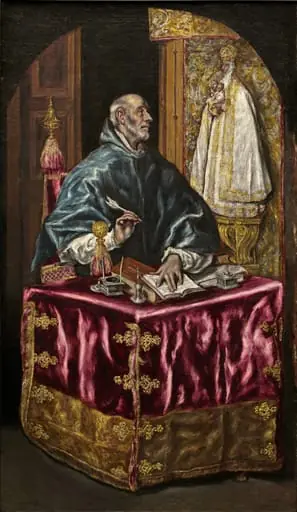
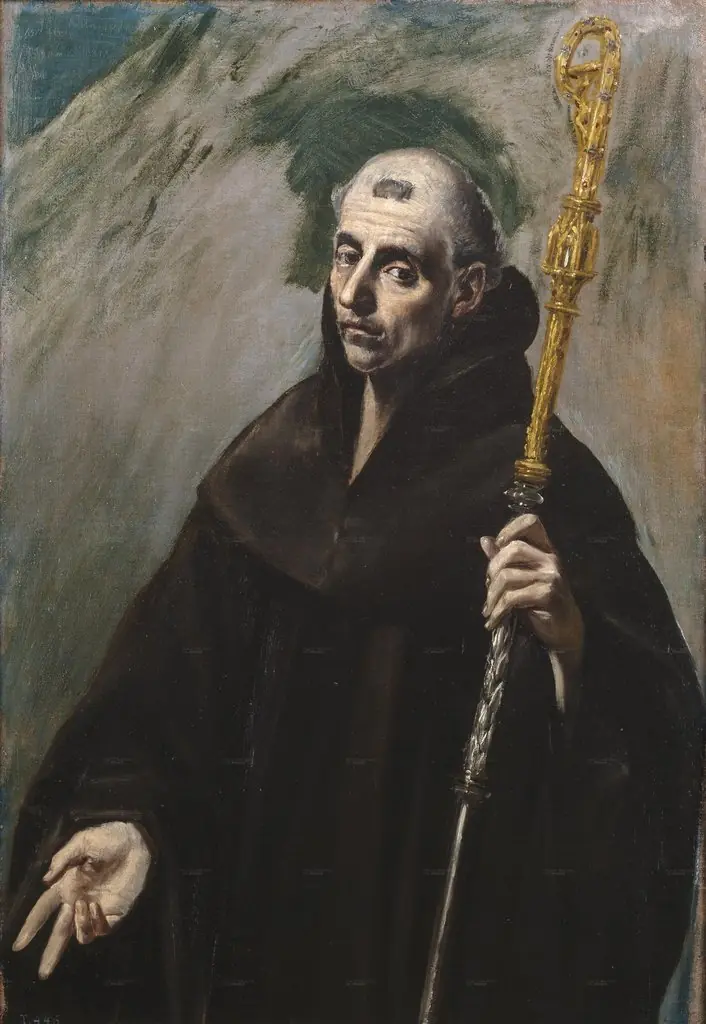
Saint Bernard is an oil painting by El Greco. It dates from 1589 and is held in the collection of the Hermitage Museum.
About this work
Overview
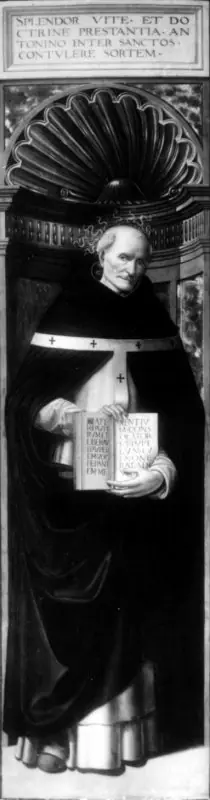
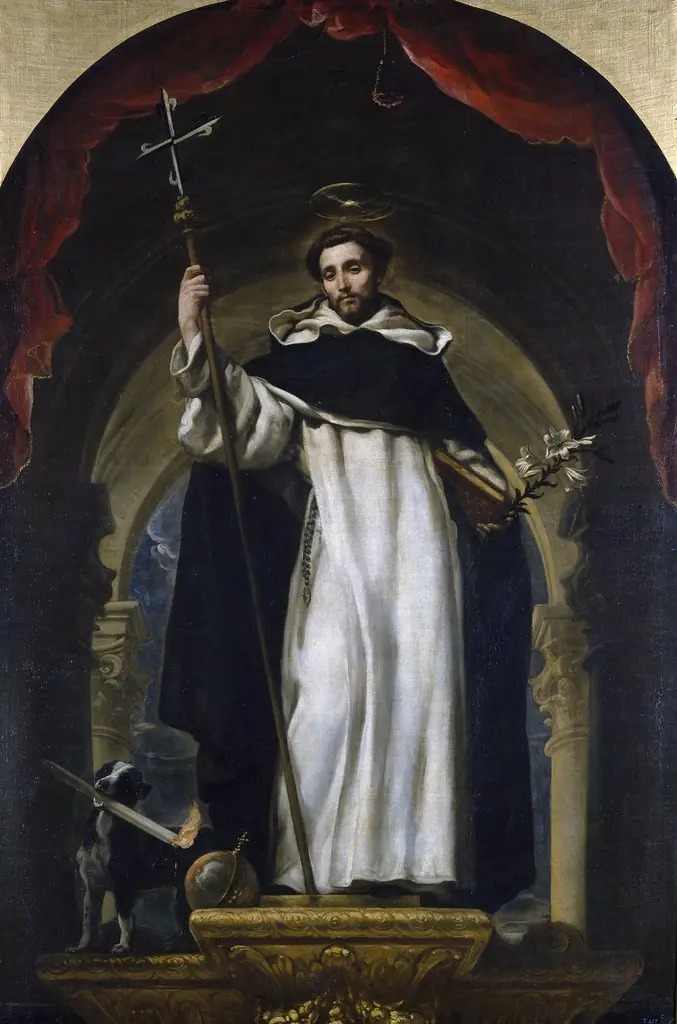
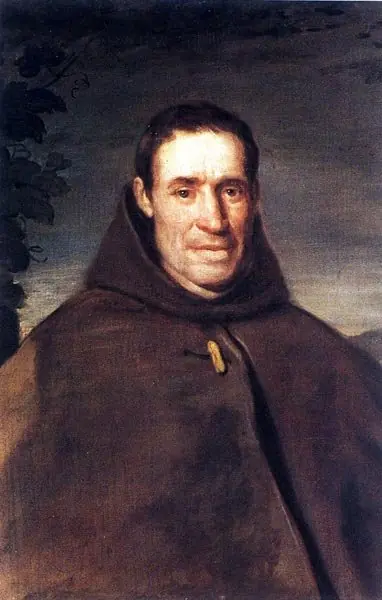
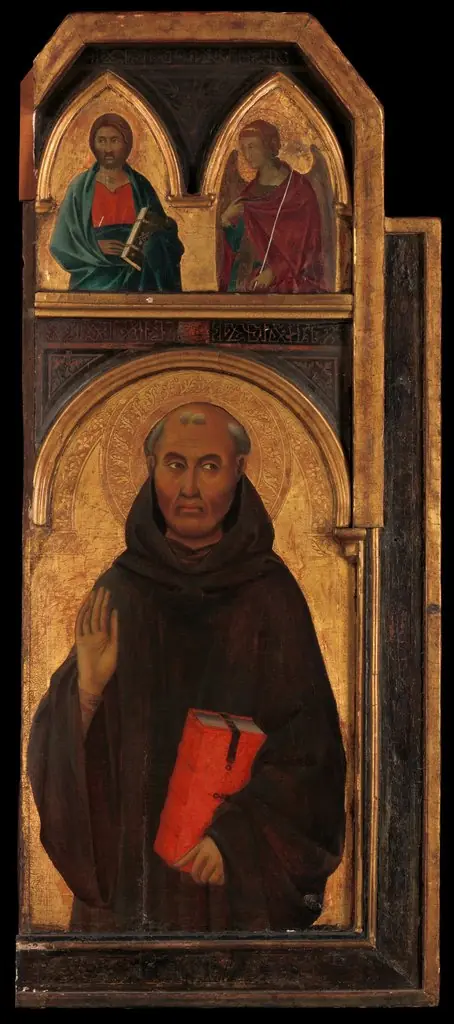
El Greco’s oil painting titled Saint Bernard was executed in 1589. The work portrays the 12th‑century Cistercian reformer Bernard of Clairvaux, rendered in a solemn pose against a darkened backdrop that isolates the figure. The canvas is part of the collection of the State Hermitage Museum in St. Petersburg.
Subject & Meaning
The central figure wears a simple, beige habit with a hood, holding a staff in his right hand and a book in his left. These attributes identify him as a monastic leader; the staff denotes ecclesiastical authority, while the book suggests theological scholarship. The serious expression and receding hairline convey the saint’s contemplative character.
Technique & Style
El Greco employs his characteristic elongation of form and dramatic chiaroscuro, allowing the illuminated monk to emerge from an almost black background. The oil medium provides a rich, velvety texture to the fabric and the flesh, while the limited palette focuses attention on the saint’s face and symbolic objects.
History & Provenance
Created toward the end of El Greco’s mature period, the painting entered the State Hermitage Museum’s holdings in the 20th century, where it remains on display. Its provenance traces back to Spanish collections before being acquired by the Russian imperial museum system, reflecting the artist’s growing reputation beyond his native Spain.
Artist & collection
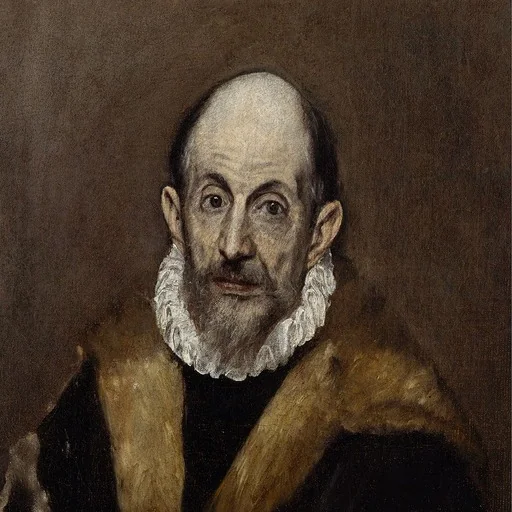
Artist
Doménikos Theotokópoulos was born in 1541 in Candia (modern Heraklion), the capital of Venetian-ruled Crete, where he was trained in the post-Byzantine tradition of icon painting.