Artwork
Saint Francis
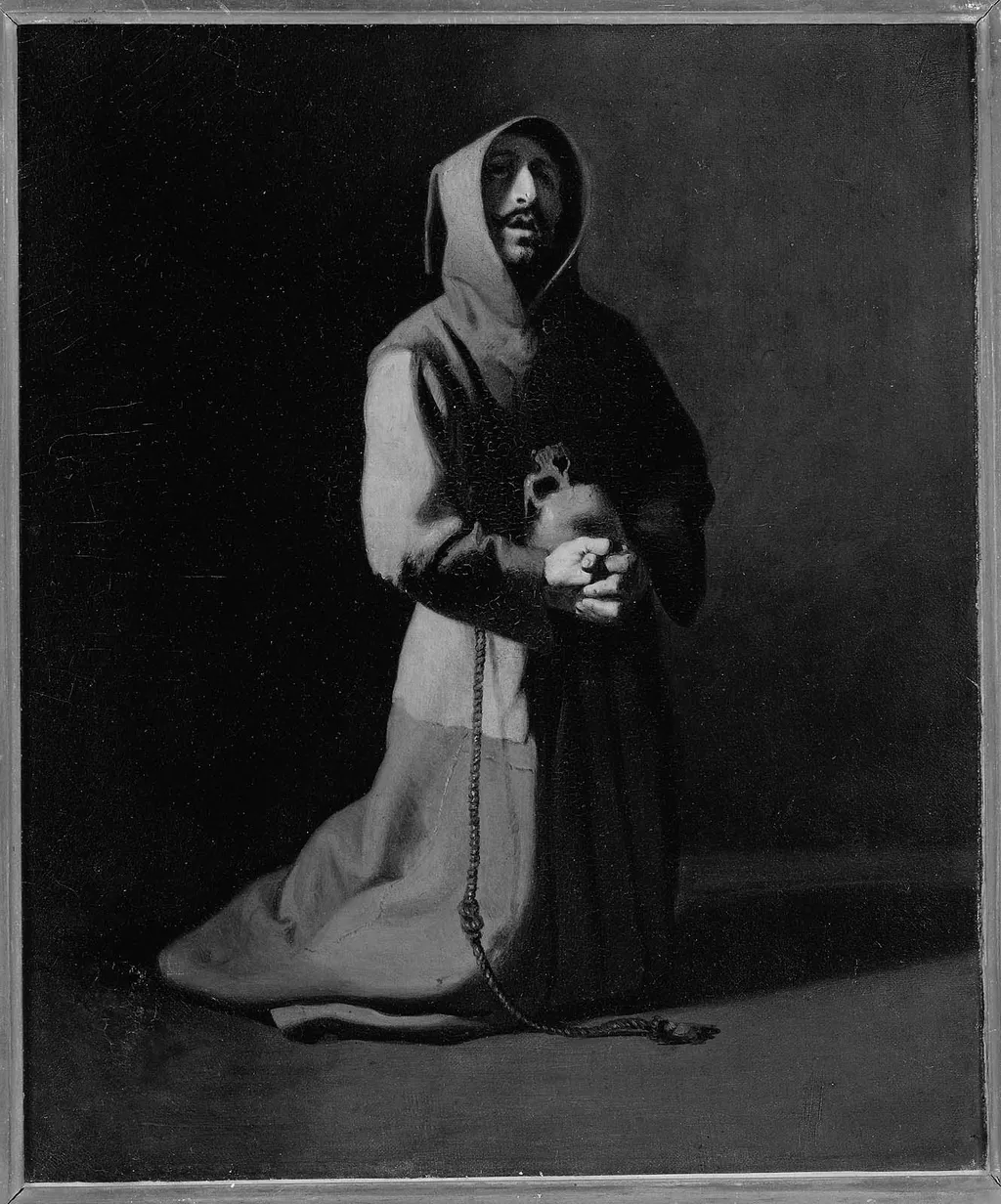
Saint Francis is an oil painting by Unknown. It is held in the collection of the Museum of Fine Arts Boston.
About this work
Overview
The subdued palette and directional lighting enhance the introspective mood, characteristic of devotional works from the early modern period.
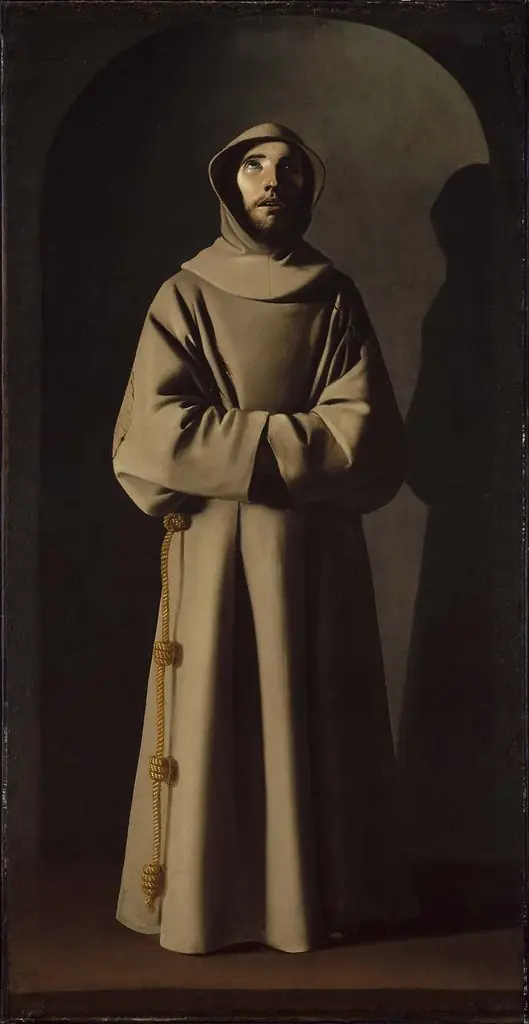
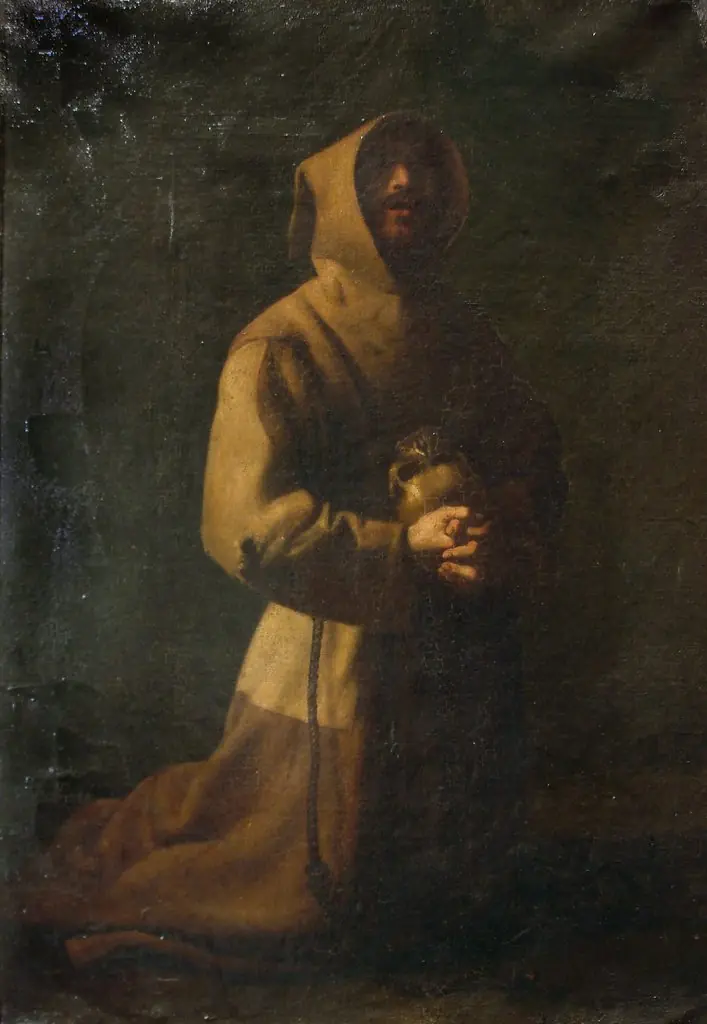
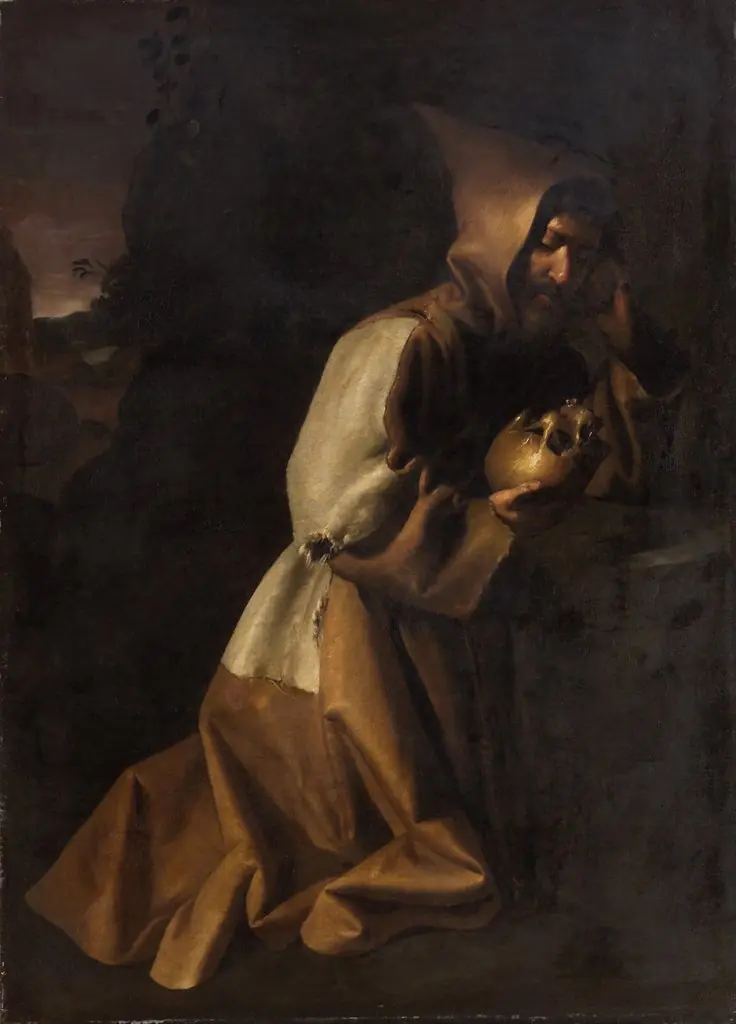
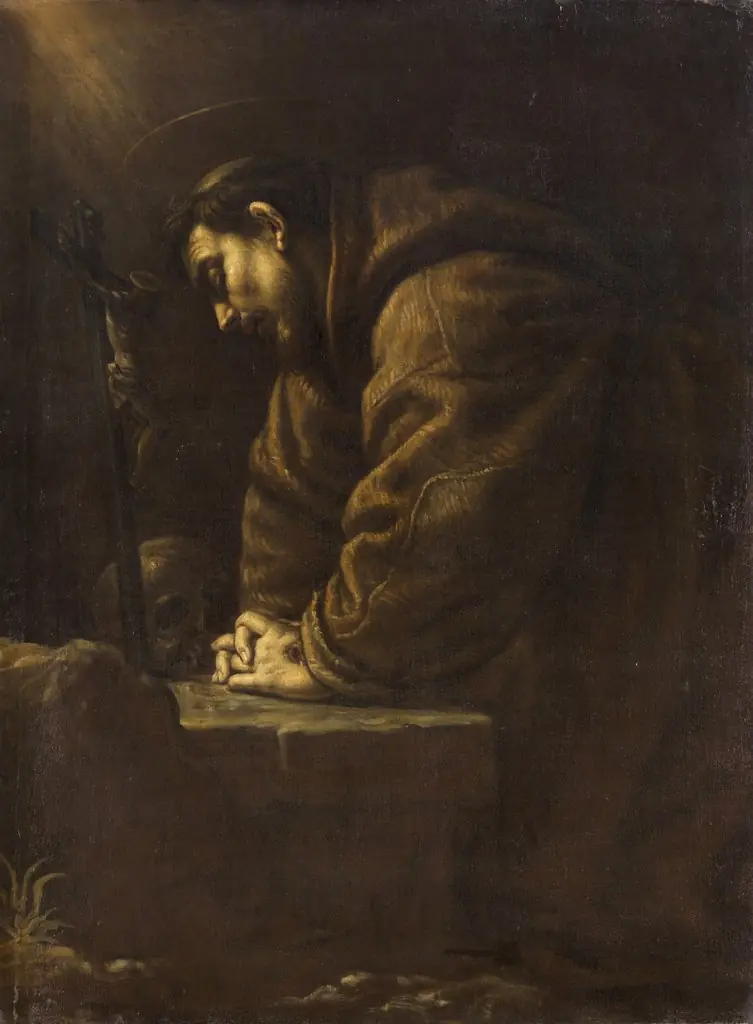
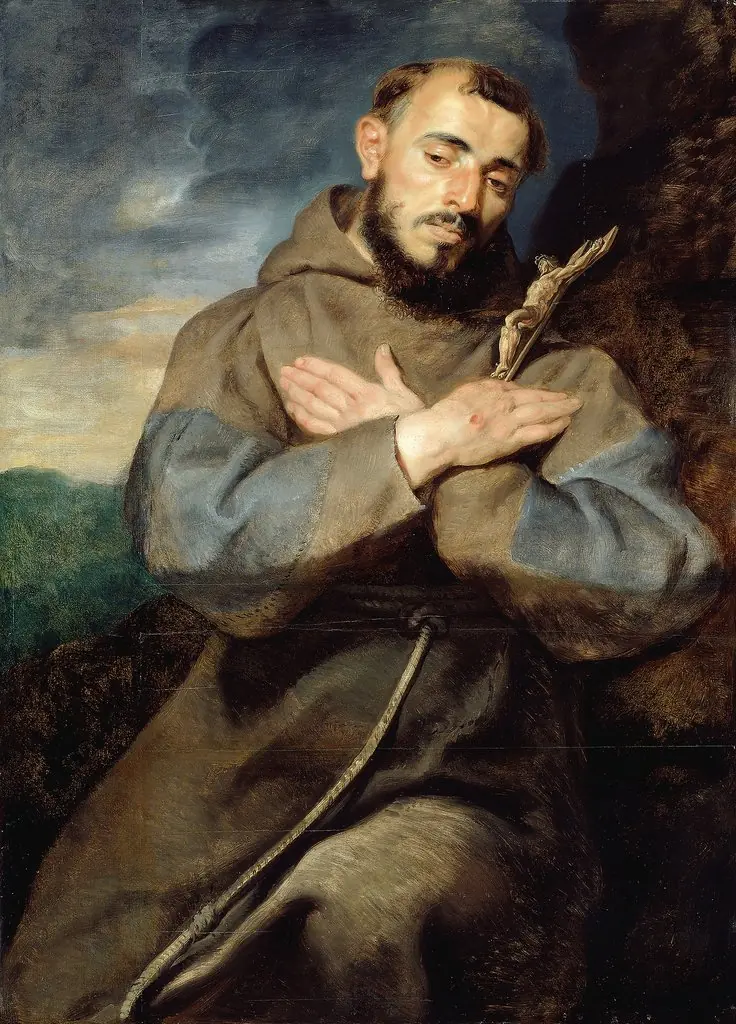
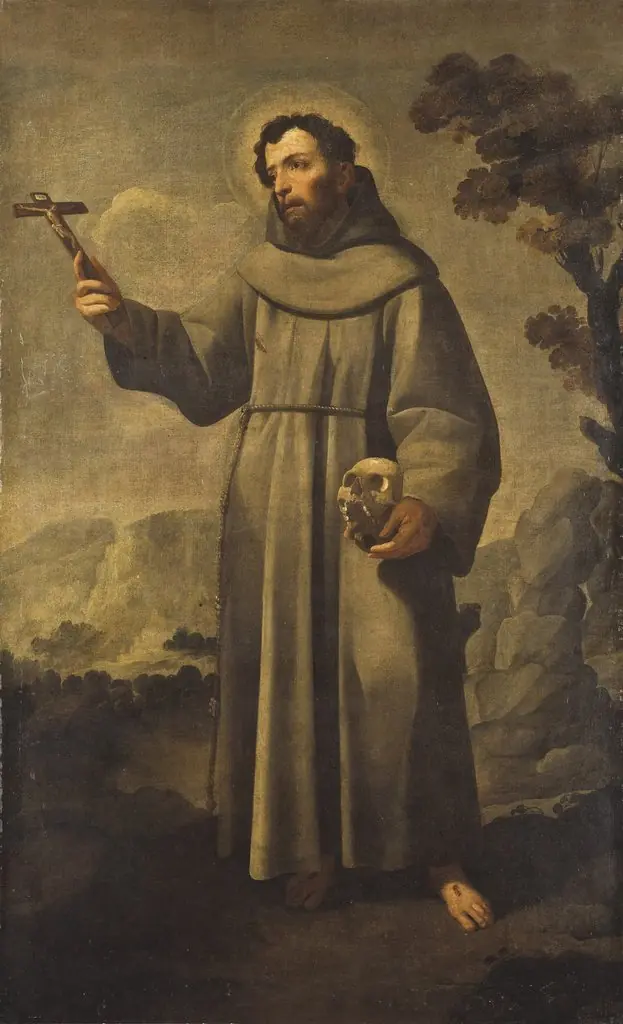
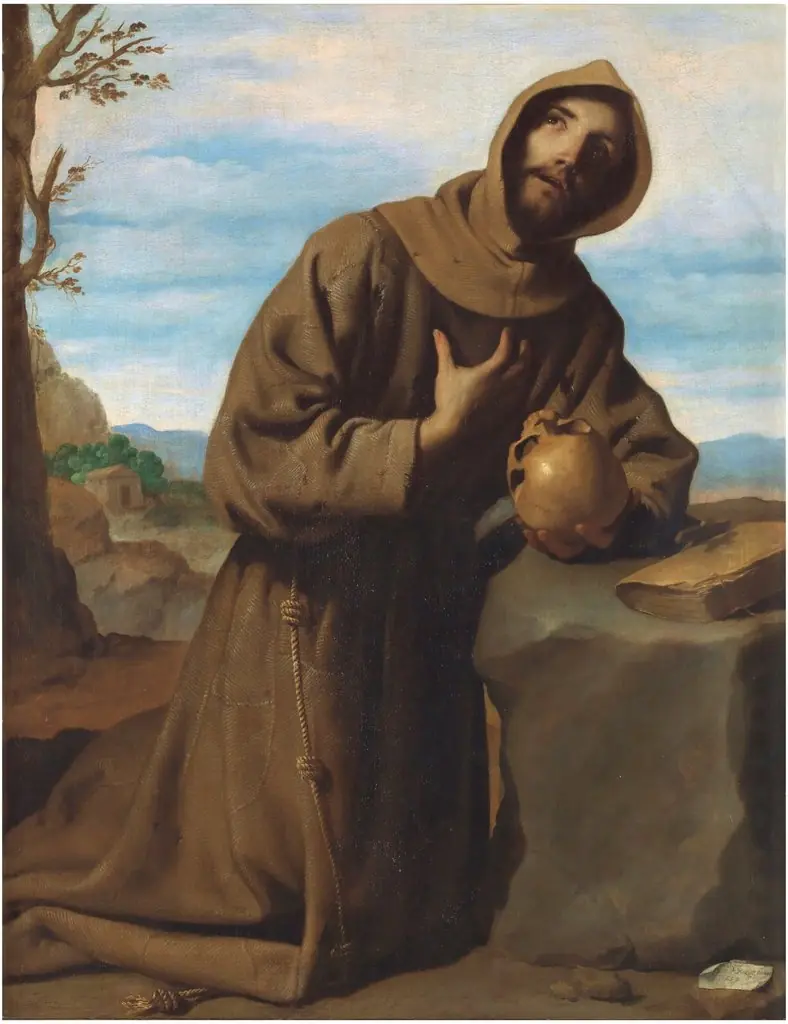
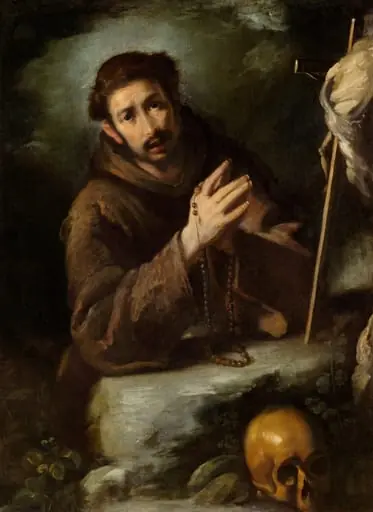
This oil painting portrays Saint Francis of Assisi in a moment of quiet devotion. Dressed in a simple hooded robe secured by a rope belt, he kneels on a bare floor, cradling a heart-shaped object. The composition is dominated by deep shadows and minimal background detail, focusing attention on the figure’s posture and expression. The subdued palette and directional lighting enhance the introspective mood, characteristic of devotional works from the early modern period.
Subject & Meaning
The figure is identified as Saint Francis, known for his renunciation of wealth and deep spiritual humility. The heart he holds likely symbolizes his devotion to Christ or the stigmata he bore, representing inner suffering and divine love. His hooded face, partially hidden, suggests withdrawal from the world and inward contemplation. The absence of narrative elements emphasizes personal piety over external spectacle.
Technique & Style
The artist employs chiaroscuro to model the figure with subtle gradations of light and shadow, lending volume and emotional weight. Oil paint is applied in thin, layered glazes to achieve a matte, somber texture. The background is nearly monochromatic, allowing the figure to emerge from darkness without distraction. Brushwork is restrained, favoring quiet precision over dramatic flourish, aligning with contemplative religious themes.
History & Provenance
The painting entered the collection of the Museum of Fine Arts, Boston, in the early 20th century. Its origins remain undocumented prior to acquisition, though stylistic analysis suggests it was produced in Italy or Spain during the late 16th or early 17th century. No definitive attribution to a known artist has been established, and it is generally regarded as the work of an anonymous follower of Caravaggisti traditions.
Context
Created during a period of Catholic renewal following the Council of Trent, the image reflects the Church’s emphasis on personal piety and emotional engagement with sacred figures. Saint Francis was a favored subject in Counter-Reformation art for his embodiment of humility and direct spiritual experience. This work aligns with a broader trend of intimate, psychologically grounded depictions meant to inspire private devotion among the faithful.
Legacy
Though not widely exhibited or reproduced, the painting contributes to the understanding of regional devotional art in early modern Europe. Its restrained aesthetic and focus on inner spirituality distinguish it from more theatrical portrayals of saints. As a preserved example of anonymous religious painting, it offers insight into the visual culture of quiet faith practiced beyond major artistic centers.
Artist & collection

 Domestic Scene
 Giacomo and Cardinal Marco, investing Andrea, Abbot of San Zeno, with his Benefice
 The Nymph of Fontainebleau
 Portrait of a Woman
 Madonna and Child with Saints in the Enclosed Garden
 Venus and Minerva
 Family Group of Four on Sofa
 Wall painting from Room H of the Villa of P. Fannius Synistor at Boscoreale