Artwork
Hino à Bandeira
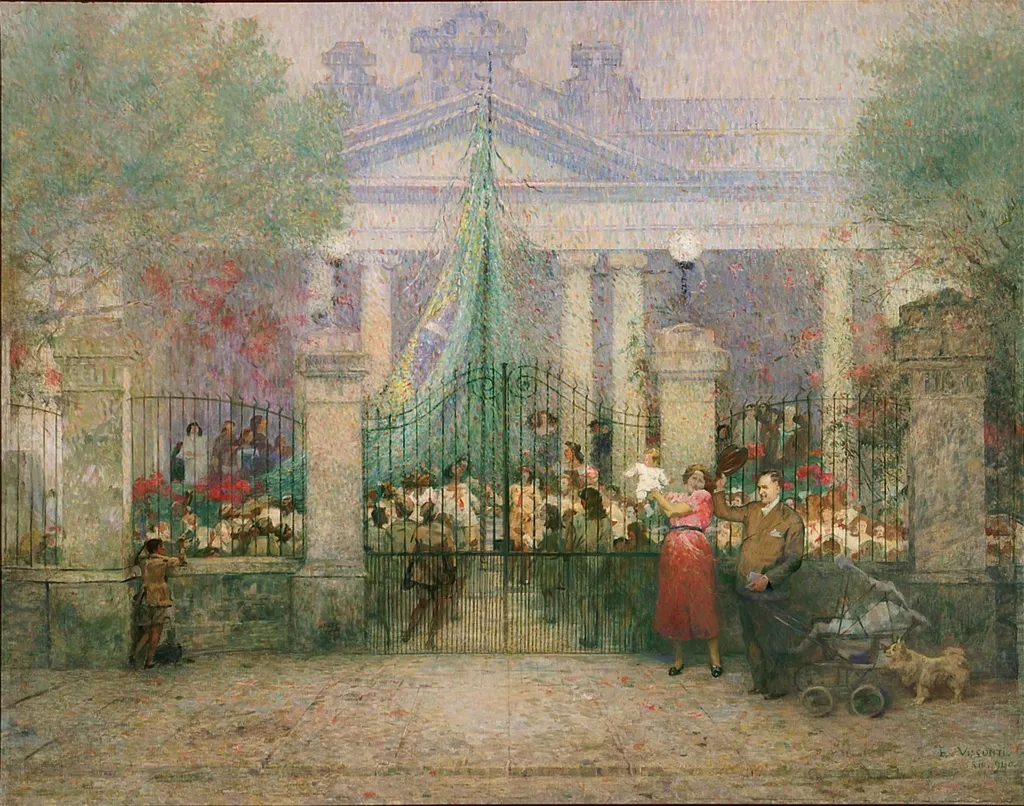
Hino à Bandeira is an oil painting by the Art Nouveau artist Eliseu Visconti. It dates from 1940 and is held in the collection of the Pinacoteca de São Paulo.
About this work
Overview
Eliseu Visconti’s 1940 oil painting *Hino à Bandeira* captures a bustling public gathering set before a gate. The composition is animated by figures in diverse clothing, some perched on a raised platform while others mingle on the ground, creating a sense of communal festivity.
Subject & Meaning
The scene portrays a celebratory crowd, highlighted by a woman in a vivid red dress and a gentleman pushing a baby carriage, accompanied by a dog. The varied attire and lively interactions suggest a national or civic ceremony, emphasizing collective joy and civic pride.
Technique & Style
Visconti employs a palette dominated by greens, blues, and reds, balancing warm and cool tones. Visible brushwork lends texture to the surface, while the overall handling reflects the fluidity and light effects associated with Impressionism, merged with decorative elements of Art Nouveau.
History & Provenance
The painting belongs to the collection of the Pinacoteca do Estado de São Paulo. It stands as a representative work of Visconti’s contribution to Brazil’s early 20th‑century art, linking his Italian training with the development of national artistic movements.
Context
Created during a period when Visconti was pioneering Art Nouveau in Brazil, the work also aligns with the limited number of Brazilian artists who embraced Impressionist techniques. Its subject matter resonates with contemporary civic celebrations, reflecting the cultural climate of 1940s Brazil.
Artist & collection
Artist
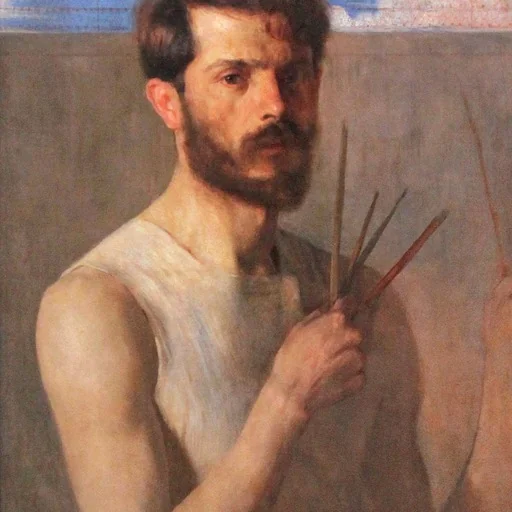
Eliseu Visconti, born Eliseo D'Angelo (30 July 1866 – 15 October 1944), was an Italian-born Brazilian painter, cartoonist, and teacher.





 Fête d'Après-Midi
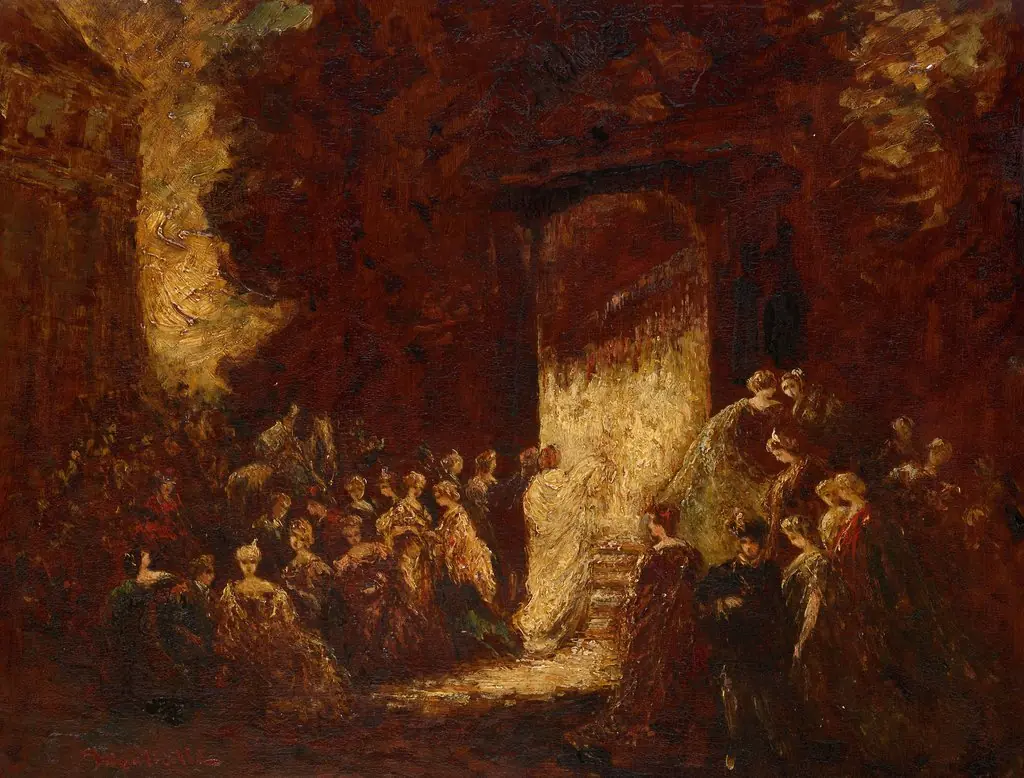 Fête d'Après-Midi
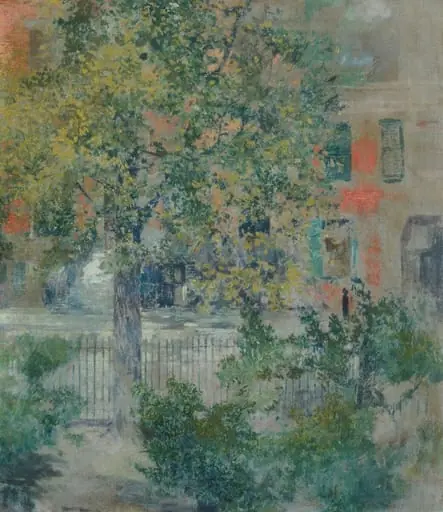 View from the Artist's Window, Grove Street
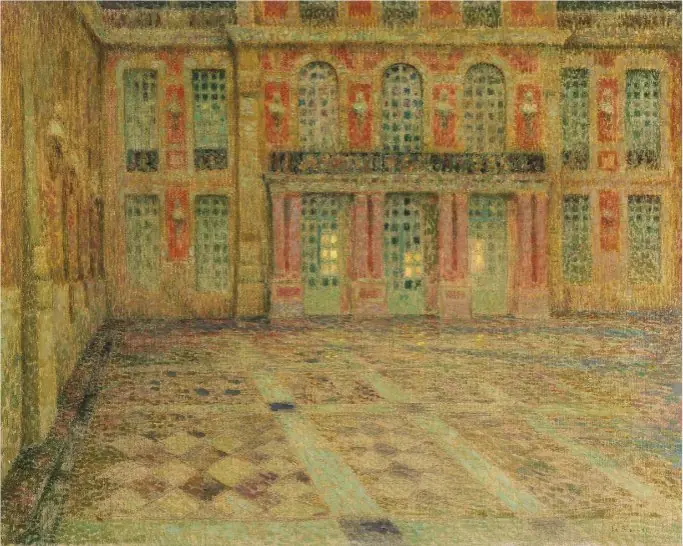 Versailles: Cour d'Honneur
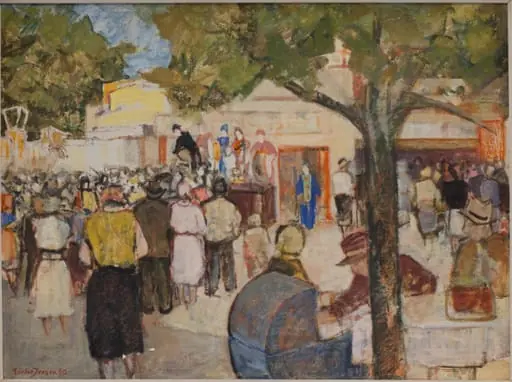 Resort in the Deerpark
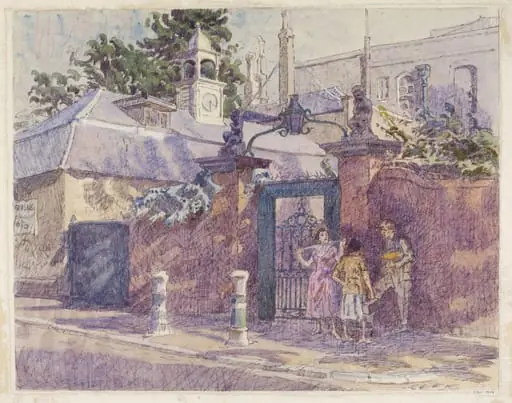 Entrance to Cannon Hall, Squire's Mount, Hampstead
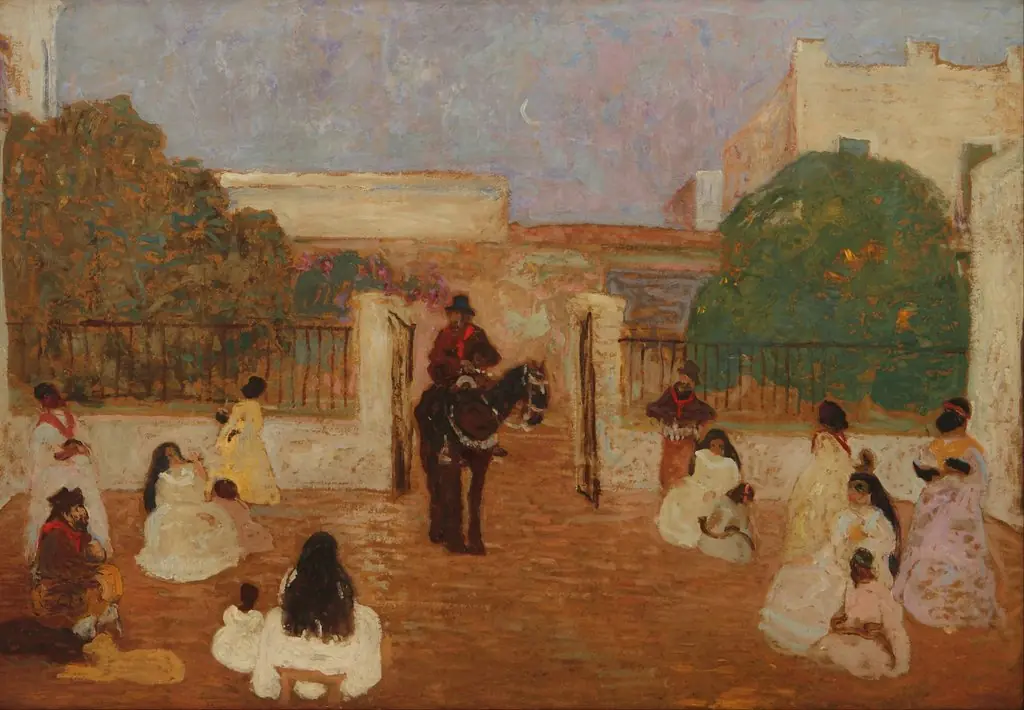 El gaucho Candioti
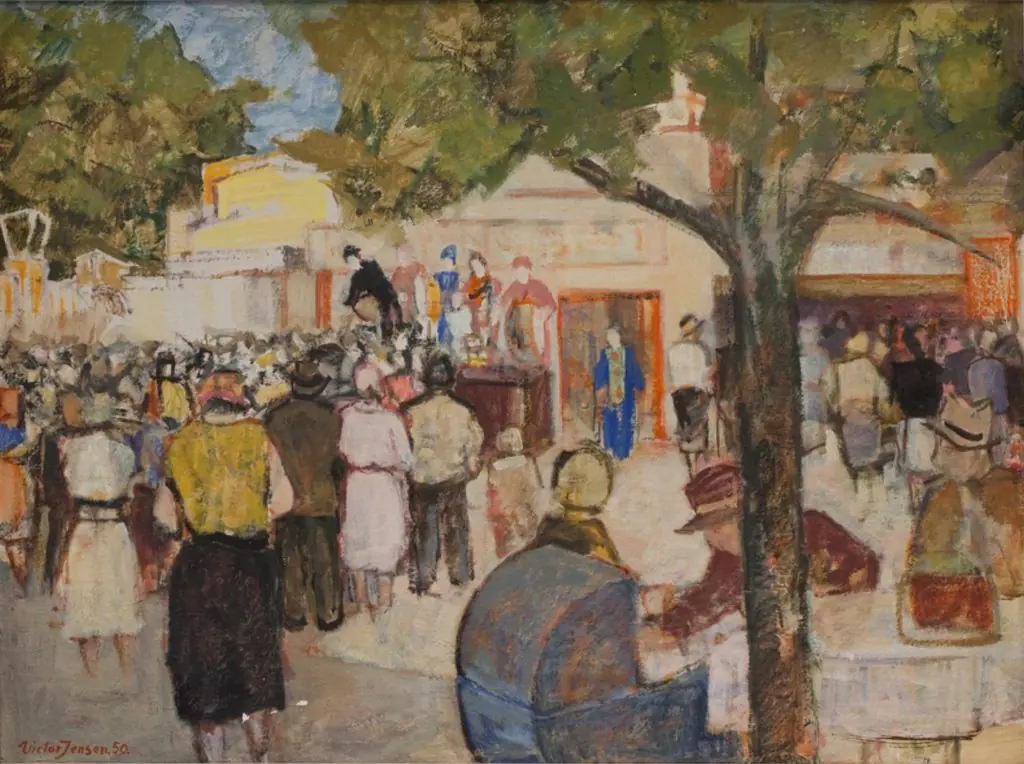 Resort in the Deerpark
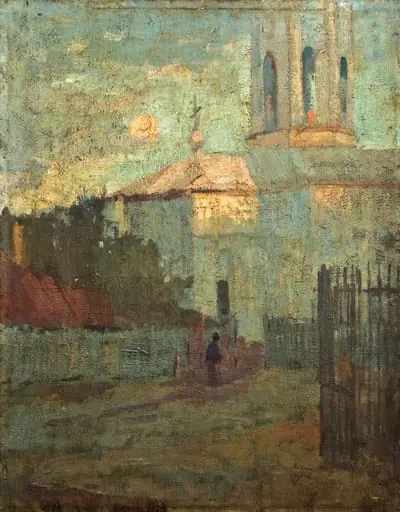 Bis(erica) Popa Tatu
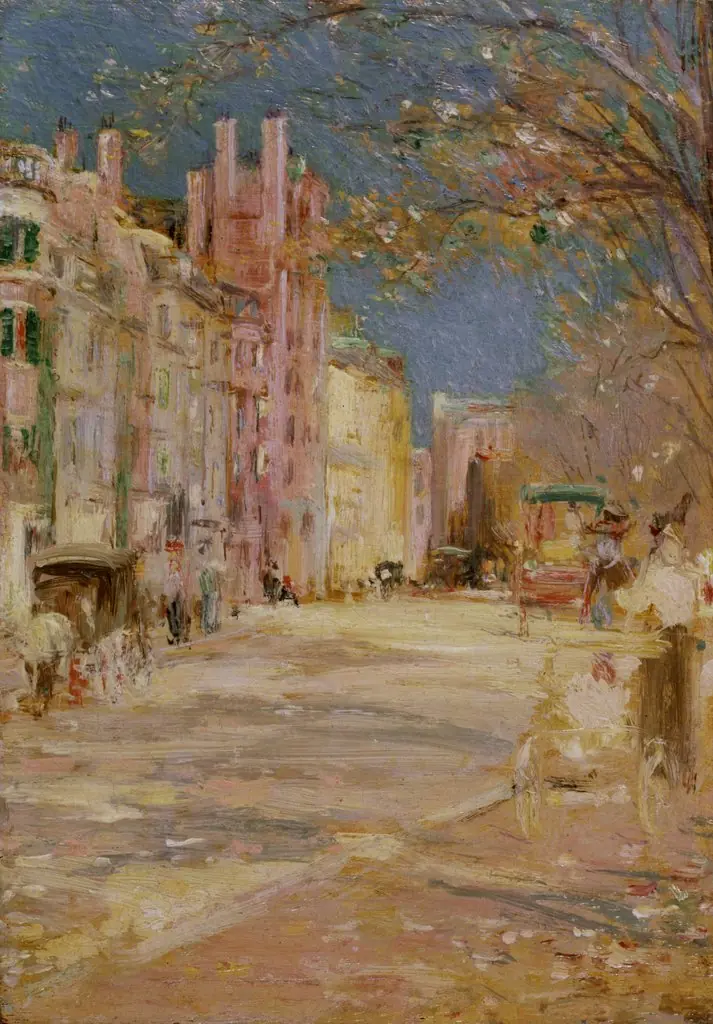 Boston Street Scene (Boston Common)
 Pelican Ponds, Zoological Gardens
 The Spanish Stairs, Rome