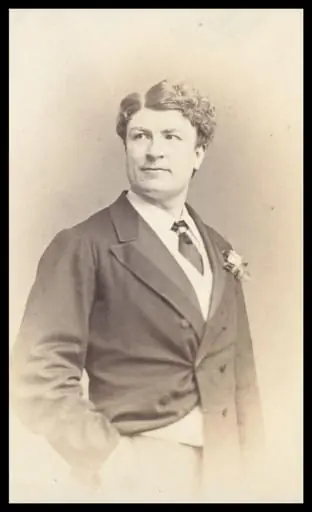
Artwork
Guy Little Theatrical Photograph
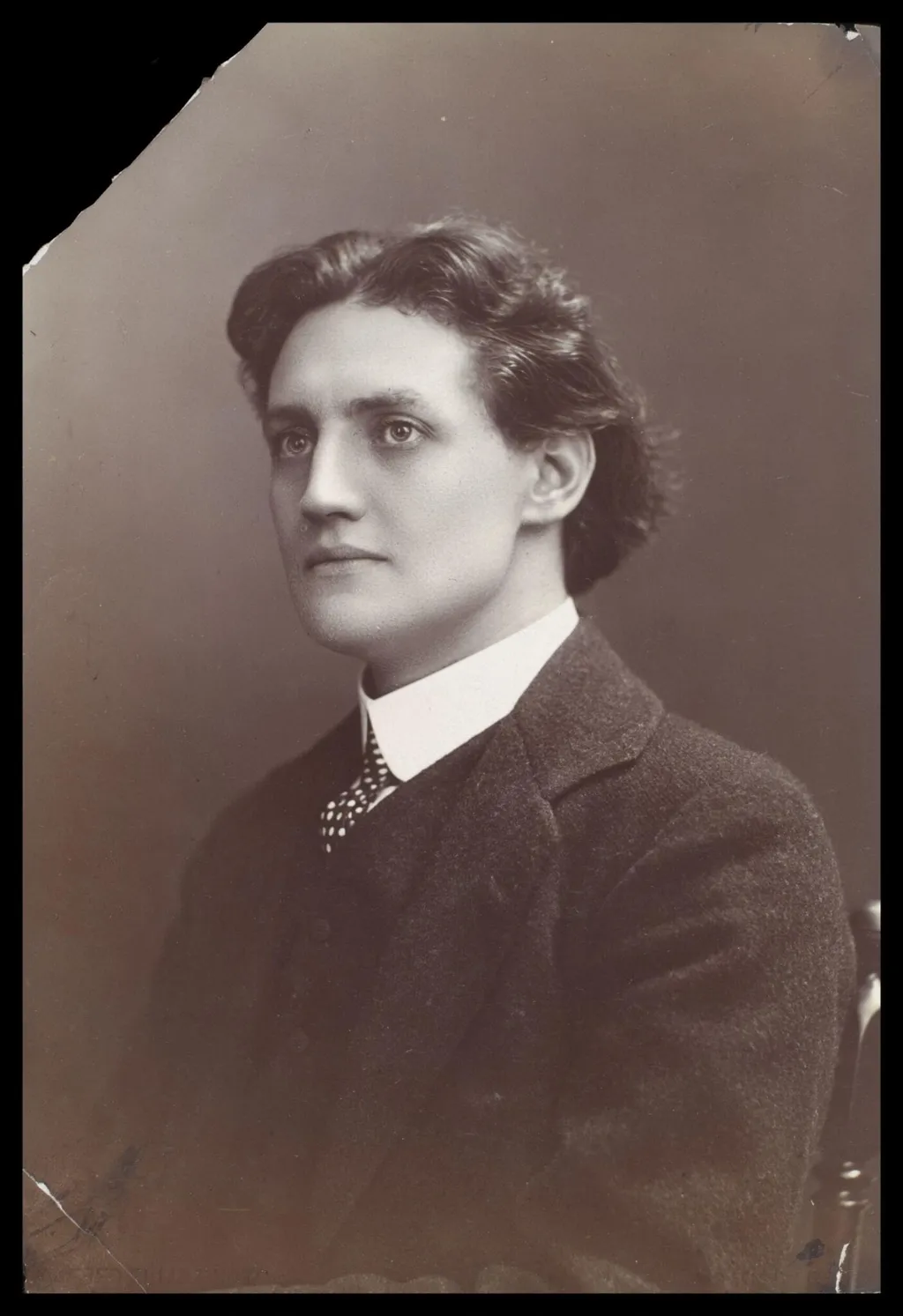
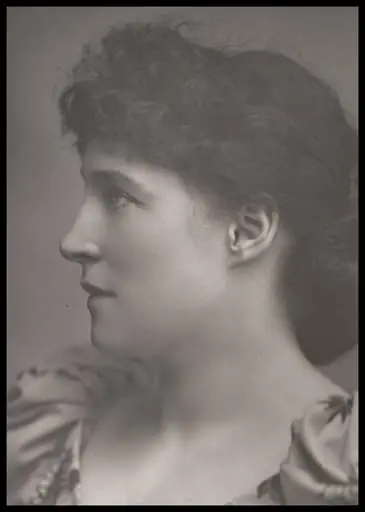
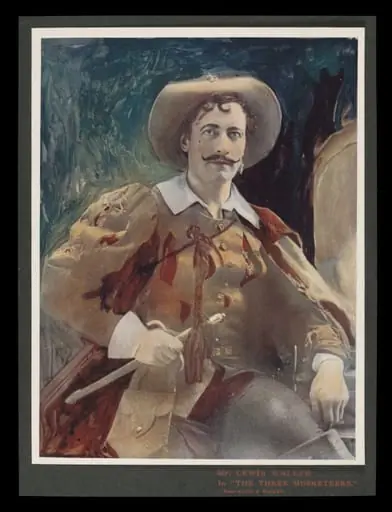
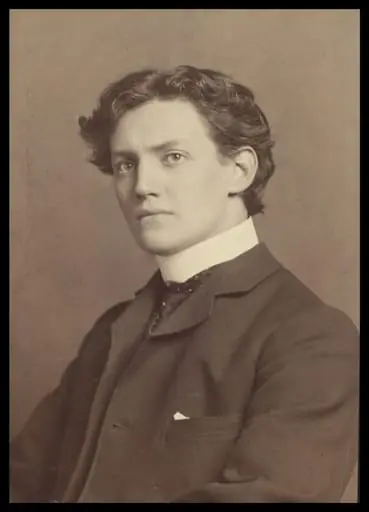
Guy Little Theatrical Photograph is a photographic photography by Ellis & Walery. It dates from 1850 and is held in the collection of the Victoria and Albert Museum. This photograph of actor Henry Ainley was taken by Guy Little, a dedicated collector of theatrical imagery.
About this work
Overview
It belongs to a curated archive of cartes de visite and cabinet cards, originally produced as affordable portrait prints in the 19th century.
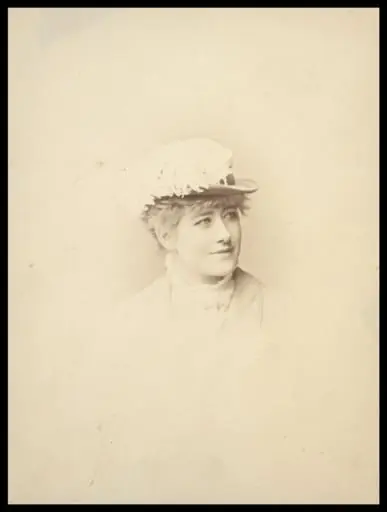
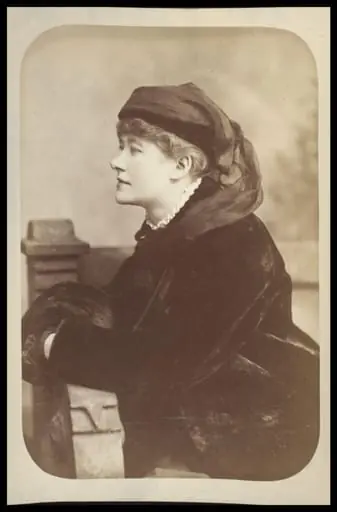
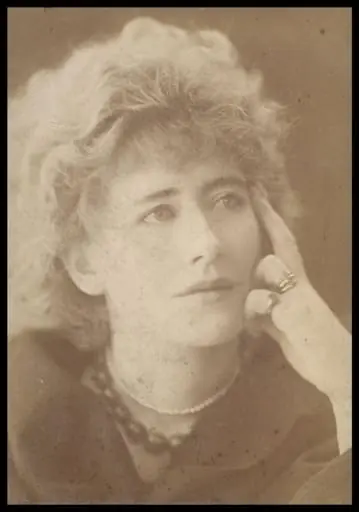
This photograph of actor Henry Ainley was taken by Guy Little, a dedicated collector of theatrical imagery. It belongs to a curated archive of cartes de visite and cabinet cards, originally produced as affordable portrait prints in the 19th century. Little removed these images from their original card mounts and organized them into albums, preserving them as part of a broader personal collection of visual ephemera. He later bequeathed the collection to the Victoria and Albert Museum.
Subject & Meaning
The image captures Henry Ainley, a prominent stage actor of the late 19th and early 20th centuries, likely in costume for a theatrical role. Such portraits served both as promotional tools and personal mementos, allowing audiences to connect with performers beyond the stage. The choice of attire suggests a specific character, reinforcing the link between theatrical identity and public perception during an era when live performance was the dominant form of entertainment.
Technique & Style
The photograph is an albumen print made from a glass negative, typical of 19th-century studio portraiture. It was originally mounted on stiff card—either as a carte de visite or cabinet card—bearing the photographer’s imprint. The format reflects standardized commercial practices of the time, emphasizing clarity and formal composition. Little’s decision to detach the images from their mounts altered their original presentation but preserved their visual integrity.
History & Provenance
The photograph was part of Guy Tristram Little’s personal collection, assembled over decades and later donated to the V&A. Little, a solicitor and executor of Gabrielle Enthoven’s estate, inherited her extensive theatrical archive. His own interest in visual memorabilia led him to systematically organize these photographs, ensuring their survival as historical records of performance culture in Britain.
Context
During the Victorian and Edwardian eras, cartes de visite and cabinet cards were ubiquitous, circulating widely as collectible items. Actors, like celebrities today, were frequent subjects, and their portraits were traded among fans. The shift from cartes to cabinet cards, and later to postcards, mirrors broader changes in consumer habits and photographic technology, reflecting the growing accessibility of image-making and the public’s appetite for personal connection with performers.
Legacy
Little’s collection, now held by the V&A, provides a rare, intact record of theatrical portraiture from a period when few institutions systematically preserved such materials. His curation helped safeguard images that might otherwise have been lost, offering researchers insight into performance styles, costume design, and the social rituals surrounding celebrity in the 19th century.
Artist & collection
Artist
Ellis & Walery were the go-to photographers for London’s theatre crowd in the late 1800s, printing poses of actors mid-scowl or mid-song on cabinet cards you could buy at the stage door.