Artwork
Guy Little Theatrical Photographs
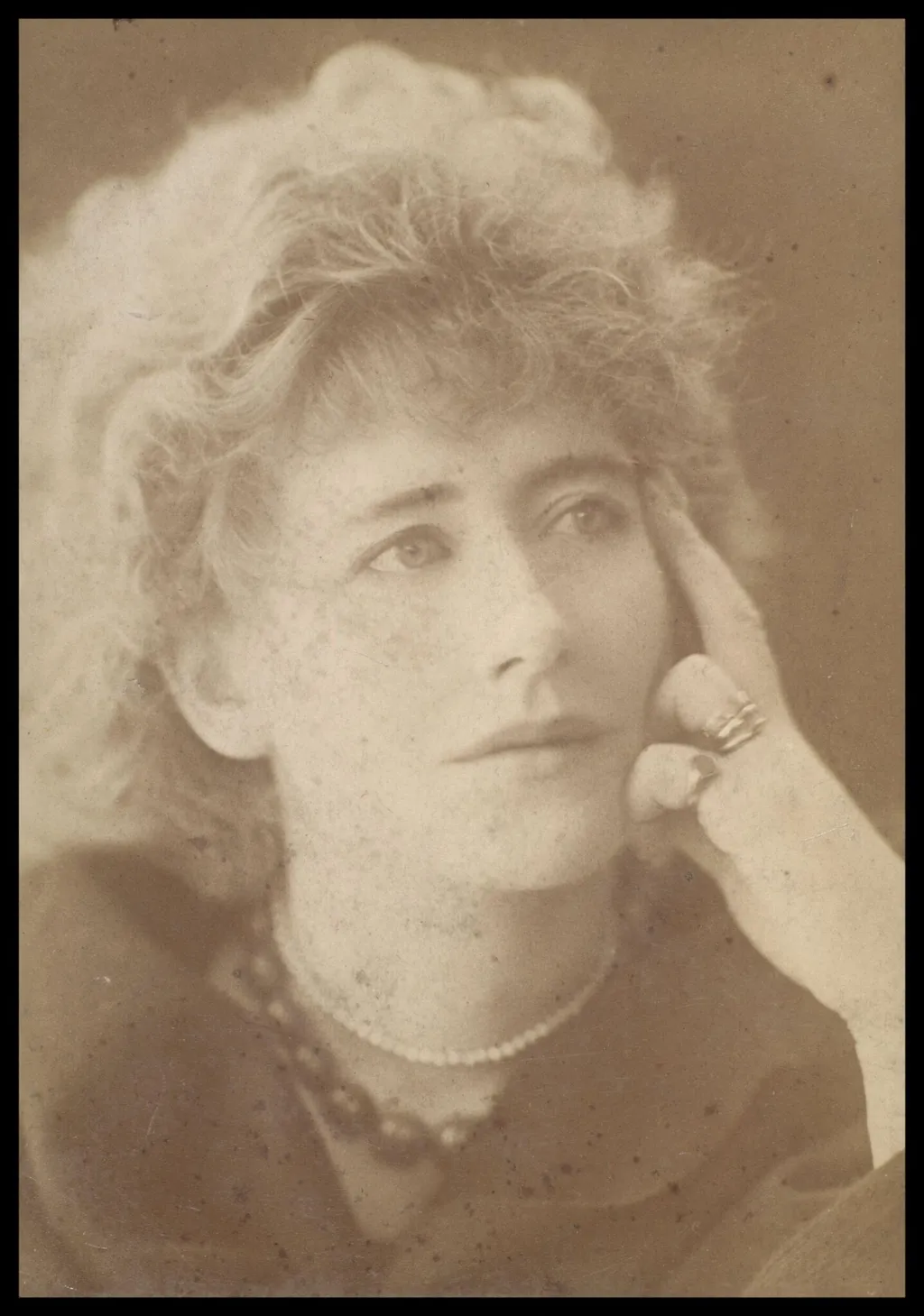
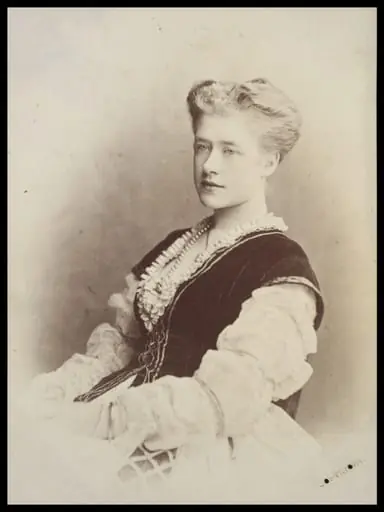
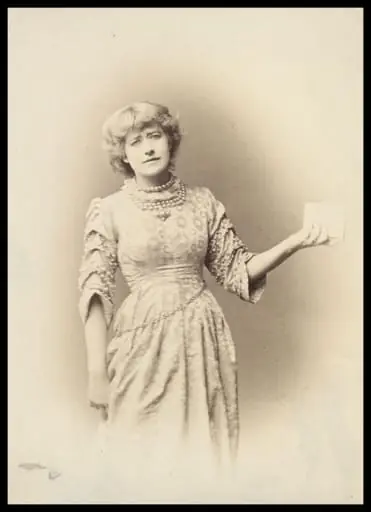
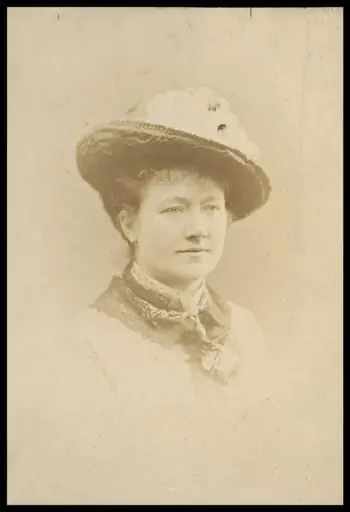
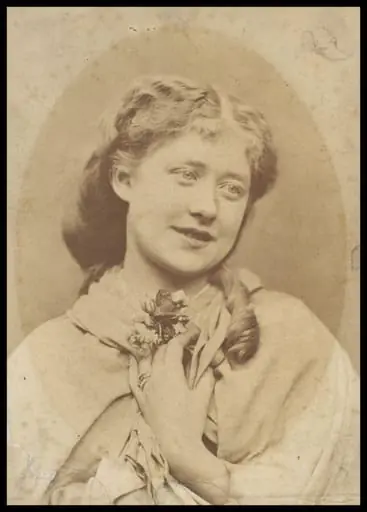
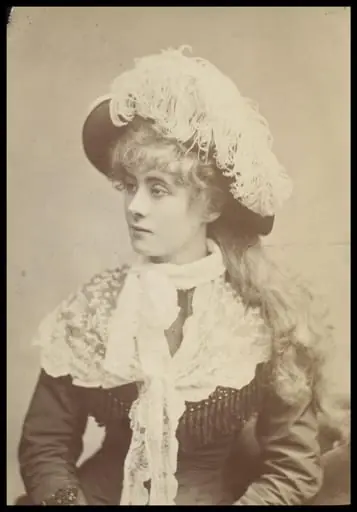
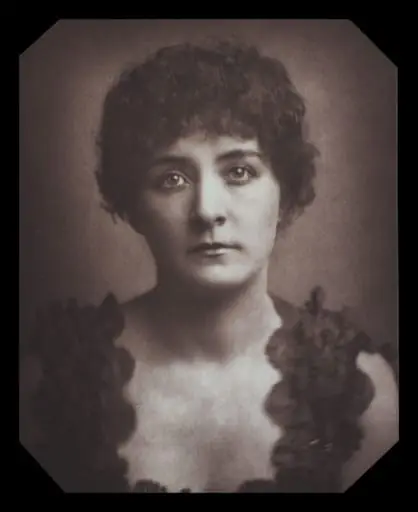
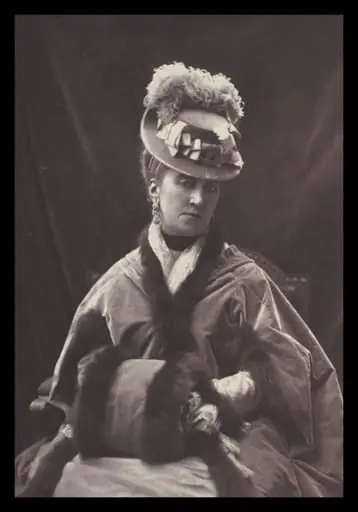
Guy Little Theatrical Photographs is a photographic photography by Hayman Selig Mendelssohn. It dates from 1850 and is held in the collection of the Victoria and Albert Museum. This photograph is part of a private collection assembled by Guy Tristram Little, a London solicitor and avid collector of visual ephemera.
About this work
Overview
This photograph is part of a private collection assembled by Guy Tristram Little, a London solicitor and avid collector of visual ephemera.
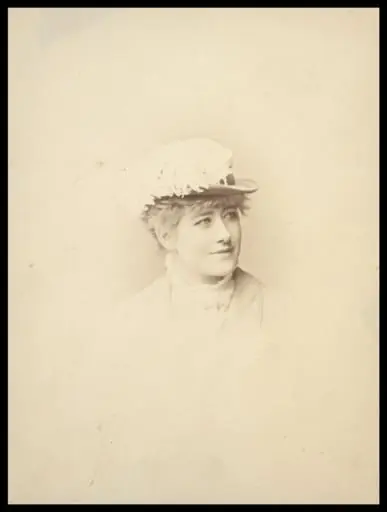
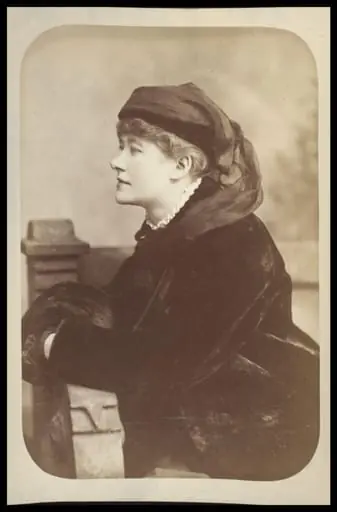
This photograph is part of a private collection assembled by Guy Tristram Little, a London solicitor and avid collector of visual ephemera. The image, produced by Hayman Selig Mendelssohn, belongs to a broader archive of theatrical portraits originally issued as commercial cartes de visite and cabinet cards. Little removed these from their original mounts and bound them into albums, preserving them as a curated record of Victorian stage culture rather than as disposable souvenirs.
Subject & Meaning
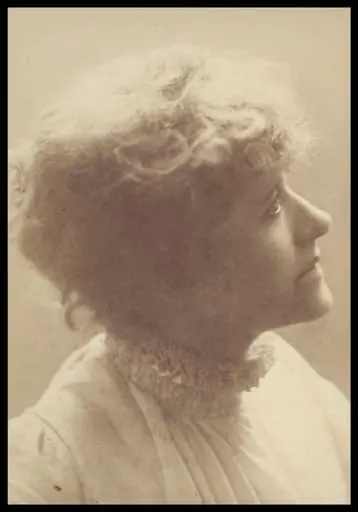
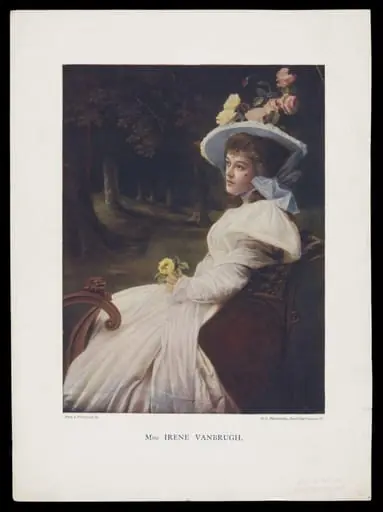
The portrait depicts a theatre performer, likely in costume or staged attire, intended for public consumption by admirers. These images served as both promotional tools for actors and collectible tokens for fans, bridging the gap between performance and personal fandom. Their widespread circulation allowed audiences to maintain a tangible connection to performers they might never see live, transforming the stage into a presence within domestic spaces.
Technique & Style
The image is an albumen print on card stock, a standard photographic process of the mid-to-late 19th century. Made from glass negatives, the prints were coated with egg white to enhance detail and gloss, then affixed to thick paper backing bearing the photographer’s imprint. The format—either petite carte de visite or larger cabinet card—dictated its use and market, with sizing reflecting evolving consumer tastes and printing technologies.
History & Provenance
The photograph was originally produced for commercial sale, as were thousands of similar portraits during the height of the carte de visite craze (1860s–1870s). It entered the V&A’s holdings through Guy Little’s bequest, who inherited and expanded the theatrical collection of Gabrielle Enthoven. His meticulous mounting and preservation of these images ensured their survival beyond their intended ephemeral life as traded memorabilia.
Context
During the Victorian era, photography became a democratized medium, and theatrical portraits were among its most popular subjects. The rise of celebrity culture, combined with affordable printing, turned actors into household names. Collecting these images was a social activity, akin to exchanging trading cards, and reflected a growing public fascination with performance, identity, and the emerging cult of the performer.
Legacy
Little’s assembled albums represent one of the most comprehensive private holdings of theatrical photography from the period. Their transfer to the V&A preserved a unique record of stage history, offering scholars insight into costume, pose, and the visual marketing of performers. These photographs, once mass-produced and discarded, now serve as vital artifacts of 19th-century cultural practice.
Artist & collection
Artist
This guy snapped pictures of actors mid-performance when long exposures still made crowds look like ghosts.