Artwork
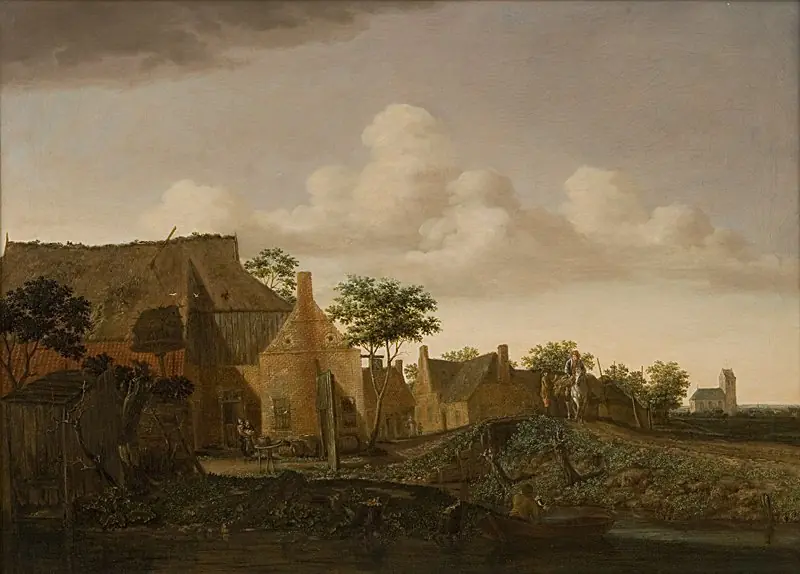
Holländisches Dorf am Wasser
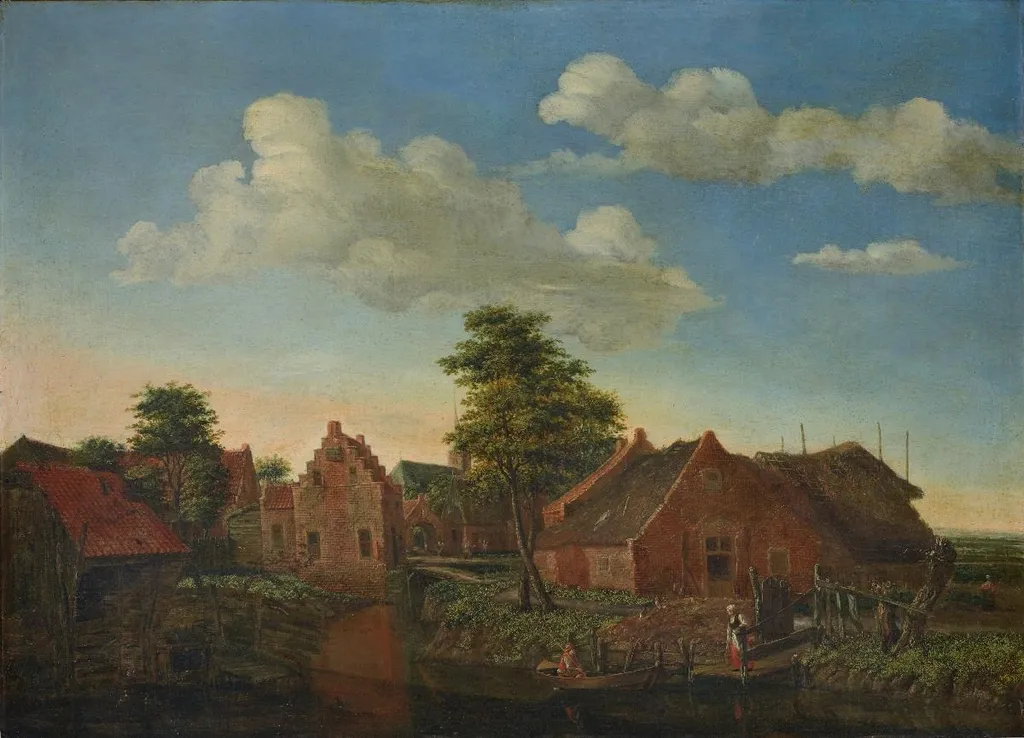
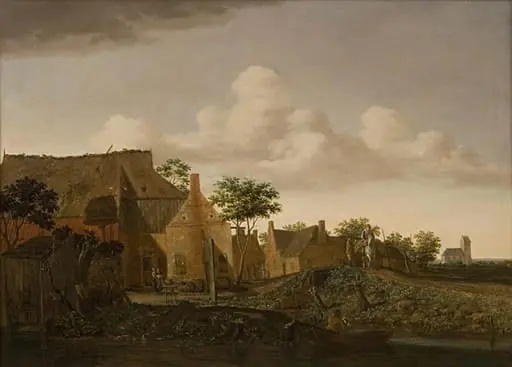
Holländisches Dorf am Wasser is an oil painting by the Dutch Golden Age artist Emanuel Murant. It dates from 1671 and is held in the collection of the Kunsthaus Zürich.
About this work
Overview
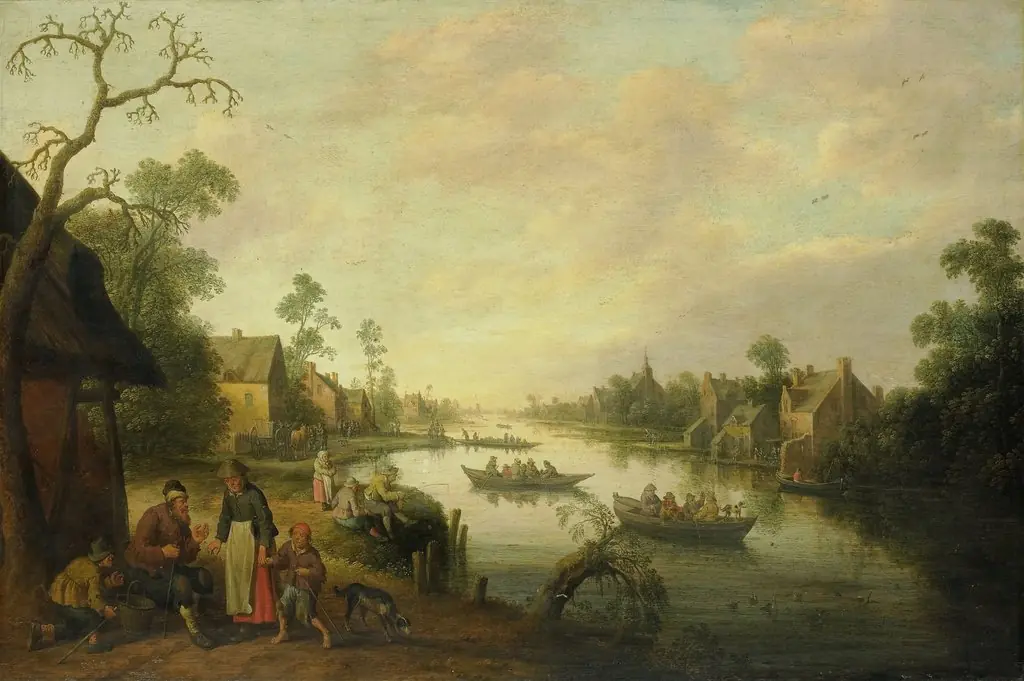
Emanuel Murant’s oil on canvas, painted in 1671, depicts a quiet Dutch riverside settlement. The work is part of the collection of the Kunsthaus Zürich and presents a tranquil scene of everyday life, rendered with careful attention to light and atmosphere.
Subject & Meaning
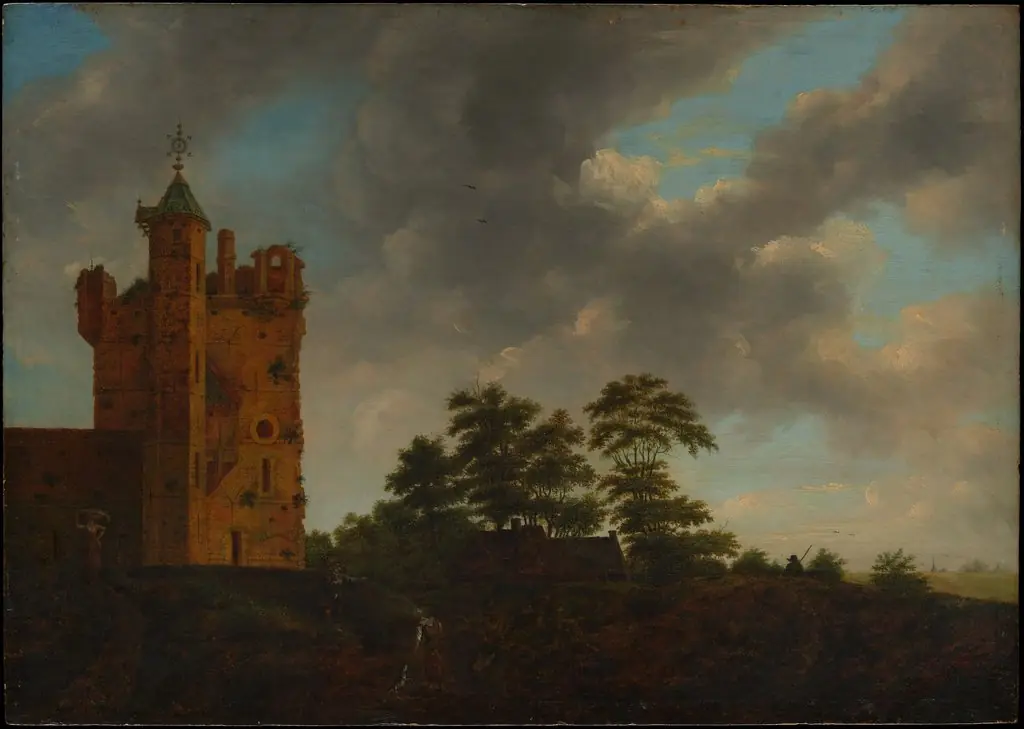
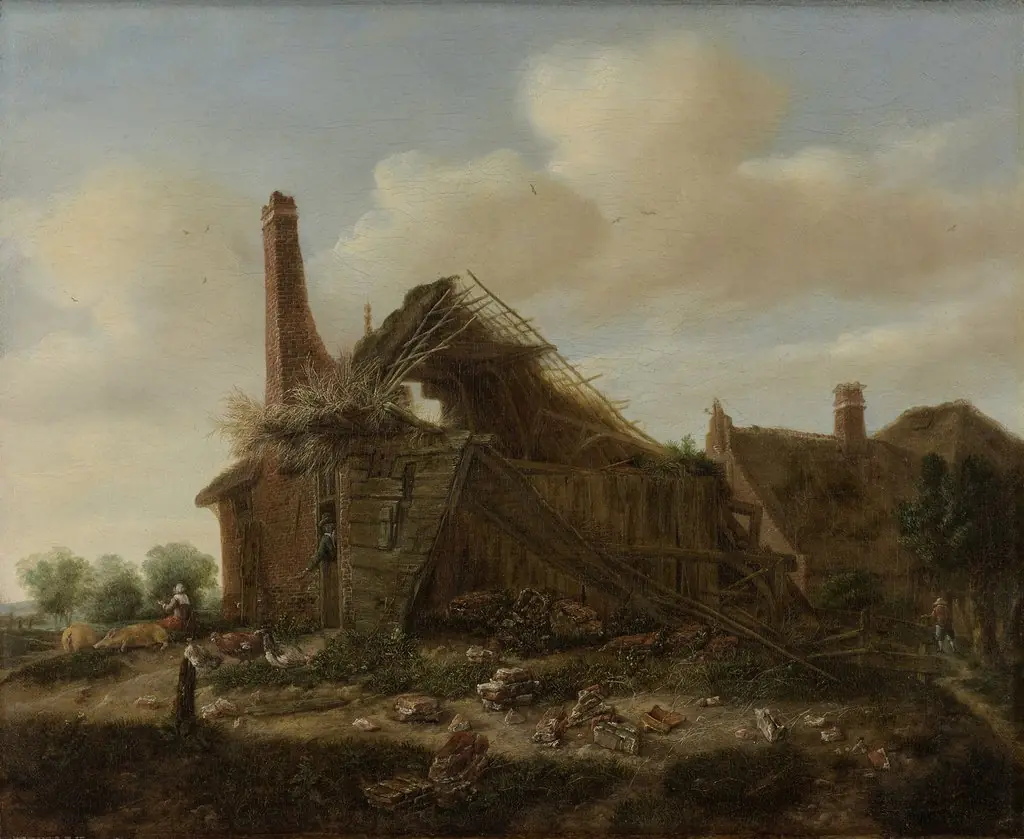
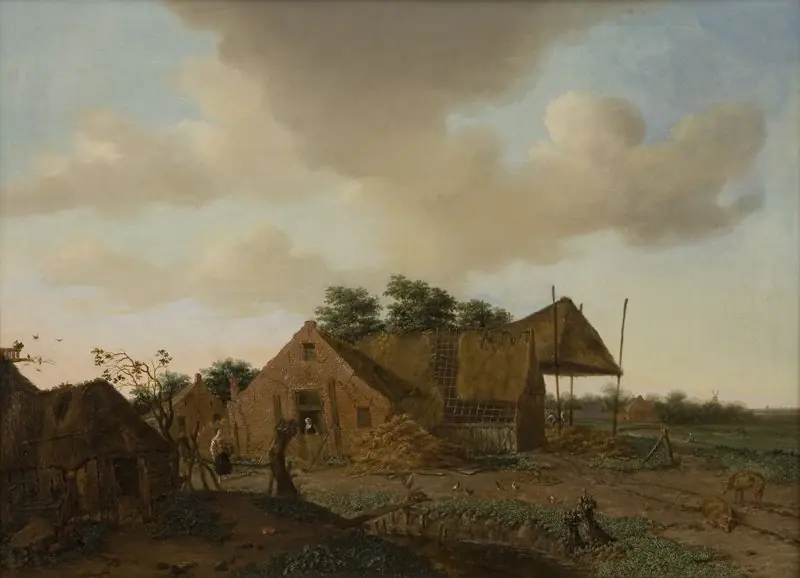
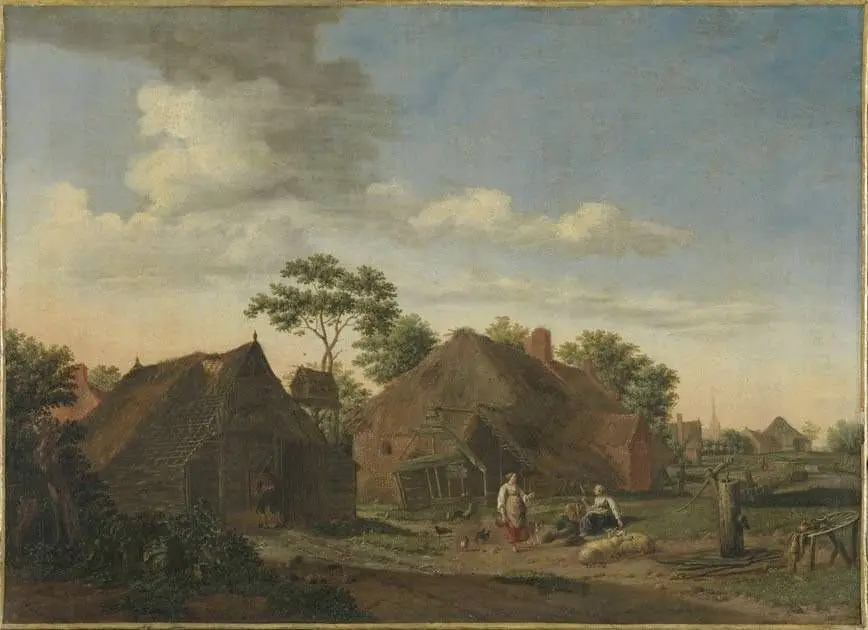
The composition centers on a modest village beside water, featuring a prominent thatched-roof house and a smaller red-tiled dwelling. Figures stand at the water’s edge, while a distant boat suggests routine river traffic, conveying a sense of peaceful rural routine.
Technique & Style
Murant employs chiaroscuro, contrasting illuminated areas with deeper shadows to model forms and suggest depth. The handling of sky, clouds, and foliage demonstrates a restrained palette and a balanced distribution of light that enhances the three‑dimensionality of the architecture and landscape.
History & Provenance
Created in the late seventeenth century, the painting entered the holdings of the Kunsthaus Zürich, where it remains on display. Its provenance prior to acquisition by the museum is not extensively documented, reflecting the typical gaps in records for many Dutch genre works of the period.
Context
The work belongs to the Dutch Golden Age tradition of genre painting, where artists often portrayed everyday scenes with meticulous detail. Murant, known for his topographical views, captures the characteristic flat horizon and calm waterways that typify the visual language of 17th‑century Holland.
Artist & collection