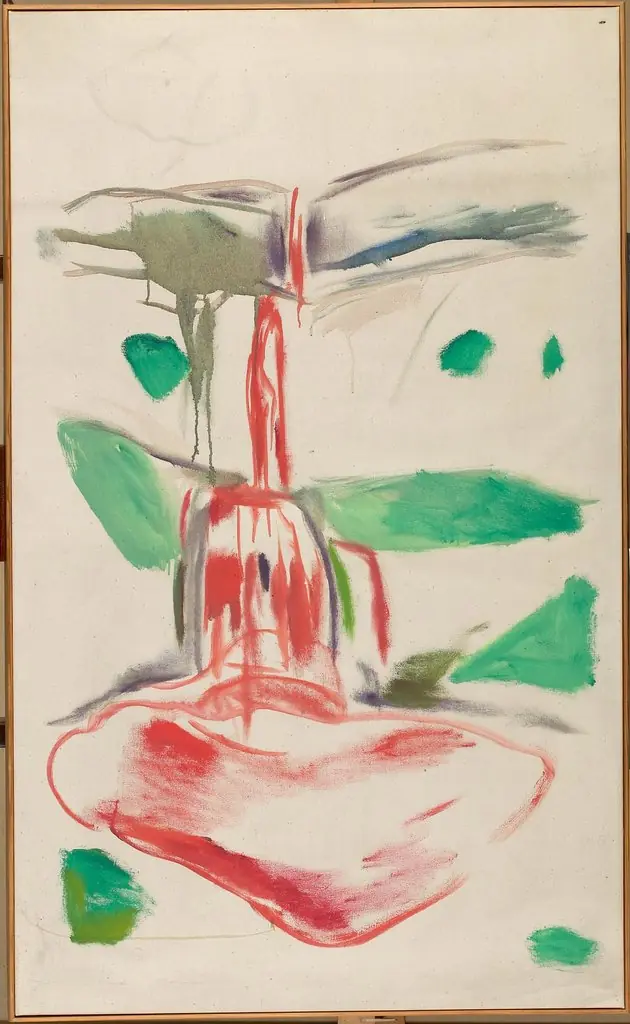
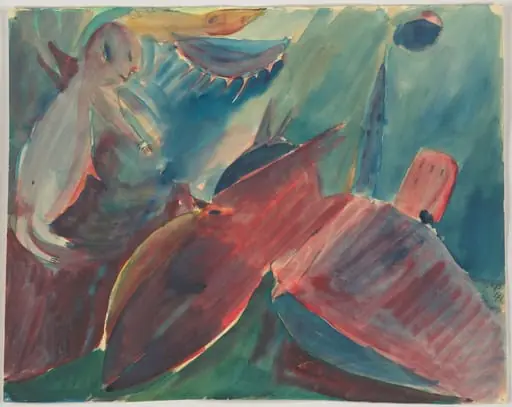
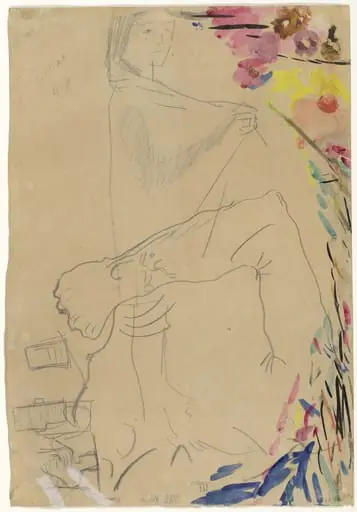
Artwork
Χωρίς τίτλο
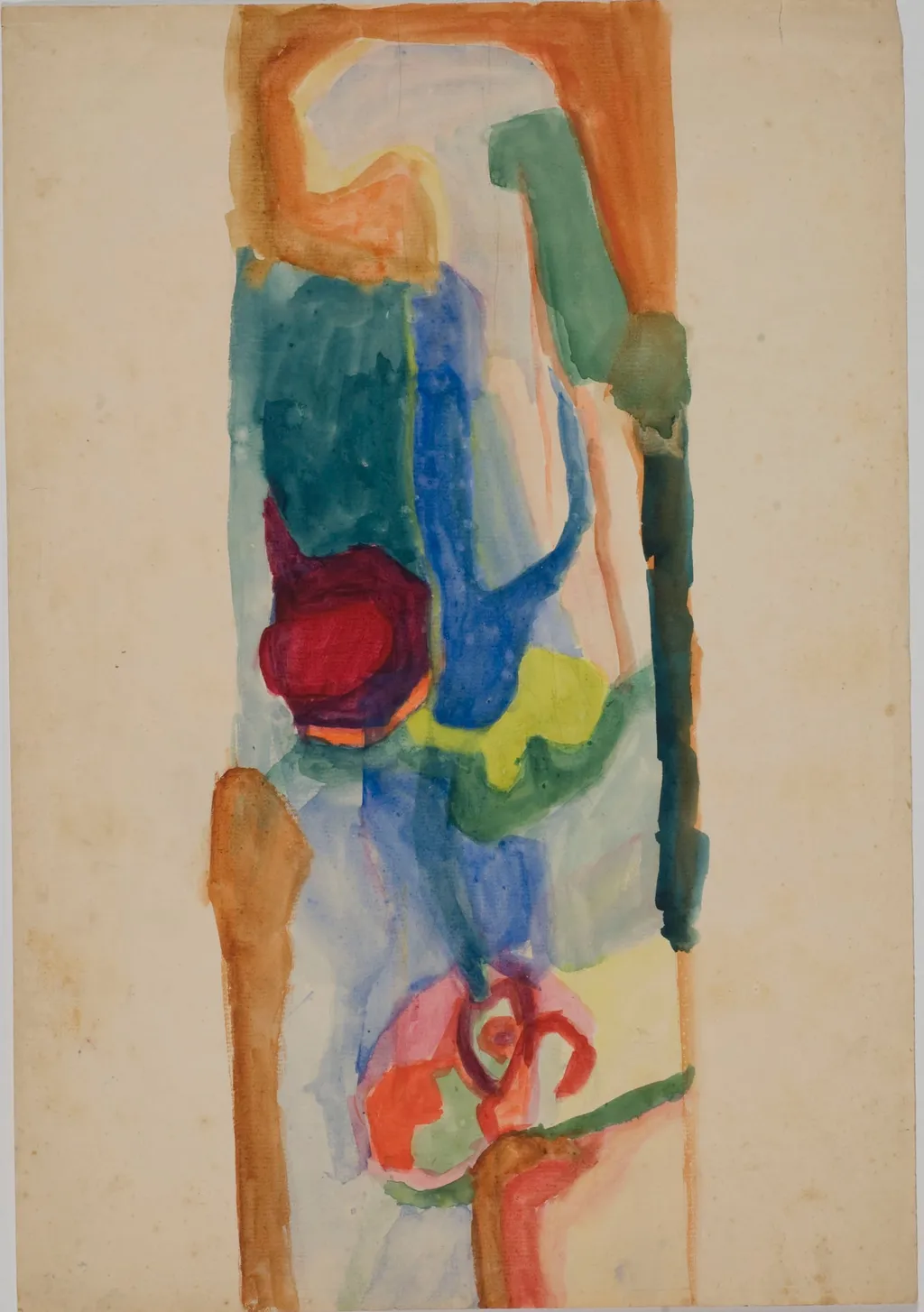
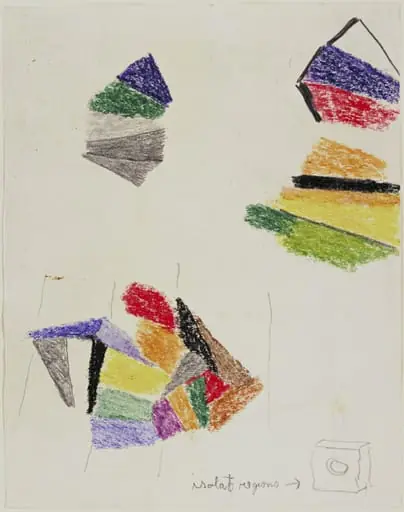
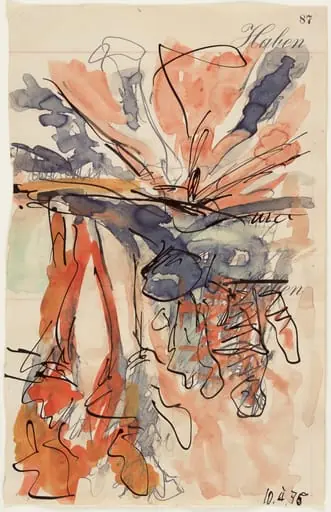
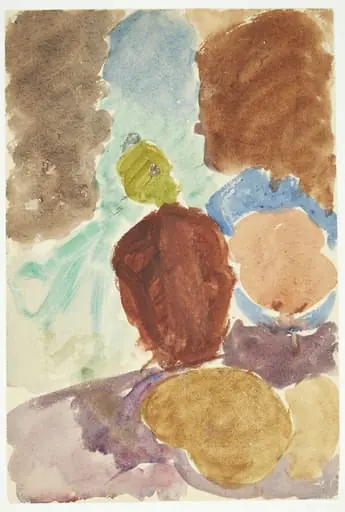
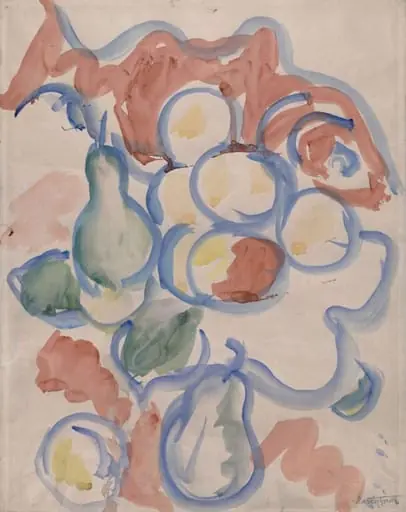
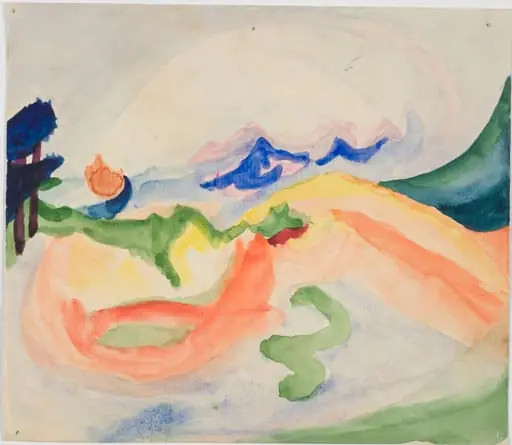
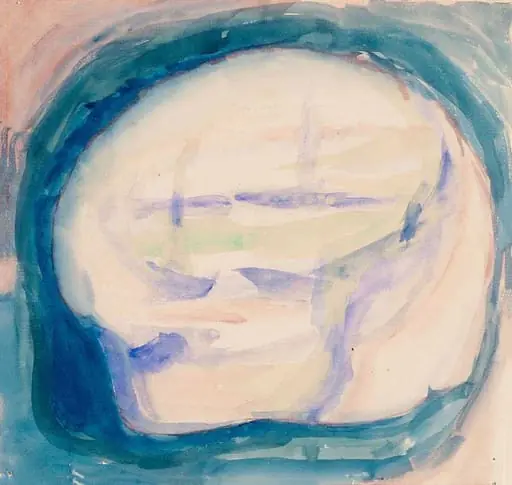
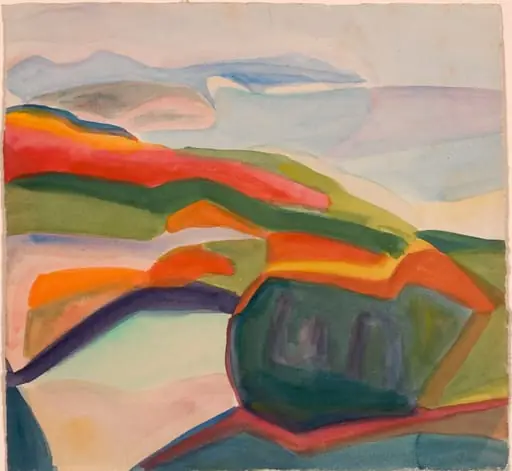
Χωρίς τίτλο is an unspecified painting by Maria Ender. It dates from 1922 and is held in the collection of the Metropolitan Organisation of Museums of Visual Arts of Thessaloniki – MOMus.
About this work
Maria Ender painted this in 1922 while studying with Matiushin, a teacher who believed colors could be mixed like music notes.
You see a grid of colored squares—reds, blues, greens—stacked like a patchwork quilt.
Maria Ender painted this in 1922 while studying with Matiushin, a teacher who believed colors could be mixed like music notes. His 1932 color manual taught artists to pair opposite hues to make them feel brighter. This painting is one of those exercises: no people, no story, just color doing the talking.
Look up *impasto* to see how thick paint can make colors pop even more.
Overview
Created in 1922 by Maria Ender, this abstract composition consists of a grid of colored squares arranged in a structured yet dynamic pattern. It emerged from her studies under Mikhail Matiushin, who treated color as a system governed by perceptual laws rather than decorative convention. The work is not a representation but an investigation—each hue placed to test visual relationships, not to depict anything external.
Subject & Meaning
The painting has no figurative subject. Its focus is the interaction of pure color—red, blue, green, and their intermediates—arranged to explore how adjacent and complementary tones influence one another. Ender’s goal was not narrative or emotion, but the observation of optical effects: how colors intensify, mute, or shift when placed in proximity, reflecting Matiushin’s belief that perception could be trained through disciplined study.
Technique & Style
The work employs flat, even application of pigment, avoiding impasto or brushwork that draws attention to the hand. Colors are carefully selected and placed within a rigid grid, emphasizing systematic comparison over expressive gesture. This method aligns with Matiushin’s pedagogical approach: color was treated like a scientific variable, manipulated under controlled conditions to reveal underlying visual principles.
History & Provenance
Painted during Ender’s time at the Vkhutemas art school in Moscow, the piece originated in a laboratory-like environment where color theory was tested daily through repetitive, timed exercises. These studies were presented publicly in annual exhibitions, treated as scholarly contributions rather than artworks. The painting’s survival reflects its role in a broader institutional effort to formalize color as a discipline for industrial and design applications.
Context
In early 1920s Russia, avant-garde artists and educators sought to align art with social transformation. Institutions like Vkhutemas encouraged collaboration between artists, scientists, and engineers. Matiushin’s color system was part of this movement—intended to standardize visual language for mass production, from textiles to architecture. Ender’s work embodies this fusion of artistic inquiry and utilitarian ambition.
Legacy
Though Matiushin’s 1932 color manual became a reference for Soviet design, Ender’s early studies remain as quiet testaments to a rigorous, almost scientific approach to color. Her grid paintings, like this one, influenced later generations interested in perceptual art and structural abstraction. They stand as artifacts of a moment when art was seen as a form of visual experimentation, not merely expression.
Own this work as a print
Artist & collection
Museum
Metropolitan Organisation of Museums of Visual Arts of Thessaloniki – MOMus
Continue through works from the same source collection.
 Χωρίς τίτλο
 Μεταγραφή ήχου
 Ο «Χωρικός Ρεαλισμός» είναι αποτέλεσμα της καλλιτεχνικής και επιστημονικής έρευνας του Mikhail Matiushin από το 1914 ως το 1929. Ο Matiushin, με τον όρο Χωρικό Ρεαλισμό αντιτίθεται στην αφαιρετικότητα που παρουσιάζουν οι σπουδές των «ρώσων κυβιστών» και προτείνει τη ζωγραφική που αντανακλά τη ζωή. Εάν οι «κυβιστές» και «οι σουπρεματιστές» έφτιαξαν τις μη-παραστατικές συνθέσεις τους σύμφωνα με τους νόμους της φορμαλιστικής ανάλυσης της πρόσφατης γαλλικής ζωγραφικής, ο Matiushin και η ομάδα του προτίμησαν να χρησιμοποιήσουν από το γαλλικό κυβισμό και τον Ιμπρεσιονισμό, την ιδιαίτερη προσοχή στη λειτουργία του ματιού – «διευρυμένη όραση», στην άμεση αίσθηση, τη διαίσθηση, κ.λπ.. Μελέτησαν την τοπιογραφία και τη νεκρή φύση, θεωρώντας αυτά τα στοιχεία απαραίτητα για τις πιο επαρκείς συνθήκες ανάπτυξης της διευρυμένης όρασης. Τα ζητήματα που μελέτησαν ήταν τα εξής: Αν το χρώμα και το σχήμα αλλοιώνονται όταν η φόρμα αλλάζει θέση ή από διάφορες φυσιολογικές οπτικές συνθήκες. Τι ρόλο παίζει η κίνηση στην οπτική αντίληψη, ποιες οι σχέσεις μεταξύ χρώματος και φόρμας κ.ά.
Η Σχολή του Matiushin έδωσε τα καλύτερα αποτελέσματά της τη δεκαετία του 1920. Οι μη-αντικειμενικές αρχές και ιδιότητες της θεωρίας του, τόσο διαφορετικές από εκείνες του Σουπρεματισμού, πήραν μορφή μέσα από τα έργα των Enders και του ίδιου. Η καμπύλη γραμμή, και όχι η ευθεία, έγινε η βάση της εικαστικής δομής του έργου του, ενώ το χρώμα χρησιμοποιήθηκε σύμφωνα με τους οργανικούς νόμους της φύσης. Οι γραμμές αυτές αποτελούσαν το πρότυπο της δημιουργίας του, η οποία δεν αποσκοπούσε στο να αντιγράψει τη φύση, αλλά στο να αποδώσει με τη βοήθεια των εικαστικών μέσων τις «χειρονομίες» της φύσης πάνω στον καμβά. Για τον Matiushin η ζωγραφική επιφάνεια αποτελεί τμήμα της φύσης, και τα στοιχεία που τη συνθέτουν –υφή, χρώμα, σχέδιο- λειτουργούν σύμφωνα με τους κανόνες που τη διέπουν.
Ο «Χωρικός Ρεαλισμός» είναι αποτέλεσμα της καλλιτεχνικής και επιστημονικής έρευνας του Mikhail Matiushin από το 1914 ως το 1929. Ο Matiushin, με τον όρο Χωρικό Ρεαλισμό αντιτίθεται στην αφαιρετικότητα που παρουσιάζουν οι σπουδές των «ρώσων κυβιστών» και προτείνει τη ζωγραφική που αντανακλά τη ζωή. Εάν οι «κυβιστές» και «οι σουπρεματιστές» έφτιαξαν τις μη-παραστατικές συνθέσεις τους σύμφωνα με τους νόμους της φορμαλιστικής ανάλυσης της πρόσφατης γαλλικής ζωγραφικής, ο Matiushin και η ομάδα του προτίμησαν να χρησιμοποιήσουν από το γαλλικό κυβισμό και τον Ιμπρεσιονισμό, την ιδιαίτερη προσοχή στη λειτουργία του ματιού – «διευρυμένη όραση», στην άμεση αίσθηση, τη διαίσθηση, κ.λπ.. Μελέτησαν την τοπιογραφία και τη νεκρή φύση, θεωρώντας αυτά τα στοιχεία απαραίτητα για τις πιο επαρκείς συνθήκες ανάπτυξης της διευρυμένης όρασης. Τα ζητήματα που μελέτησαν ήταν τα εξής: Αν το χρώμα και το σχήμα αλλοιώνονται όταν η φόρμα αλλάζει θέση ή από διάφορες φυσιολογικές οπτικές συνθήκες. Τι ρόλο παίζει η κίνηση στην οπτική αντίληψη, ποιες οι σχέσεις μεταξύ χρώματος και φόρμας κ.ά.
Η Σχολή του Matiushin έδωσε τα καλύτερα αποτελέσματά της τη δεκαετία του 1920. Οι μη-αντικειμενικές αρχές και ιδιότητες της θεωρίας του, τόσο διαφορετικές από εκείνες του Σουπρεματισμού, πήραν μορφή μέσα από τα έργα των Enders και του ίδιου. Η καμπύλη γραμμή, και όχι η ευθεία, έγινε η βάση της εικαστικής δομής του έργου του, ενώ το χρώμα χρησιμοποιήθηκε σύμφωνα με τους οργανικούς νόμους της φύσης. Οι γραμμές αυτές αποτελούσαν το πρότυπο της δημιουργίας του, η οποία δεν αποσκοπούσε στο να αντιγράψει τη φύση, αλλά στο να αποδώσει με τη βοήθεια των εικαστικών μέσων τις «χειρονομίες» της φύσης πάνω στον καμβά. Για τον Matiushin η ζωγραφική επιφάνεια αποτελεί τμήμα της φύσης, και τα στοιχεία που τη συνθέτουν –υφή, χρώμα, σχέδιο- λειτουργούν σύμφωνα με τους κανόνες που τη διέπουν.