Artwork
Paul Sinebrychoff vanhempi
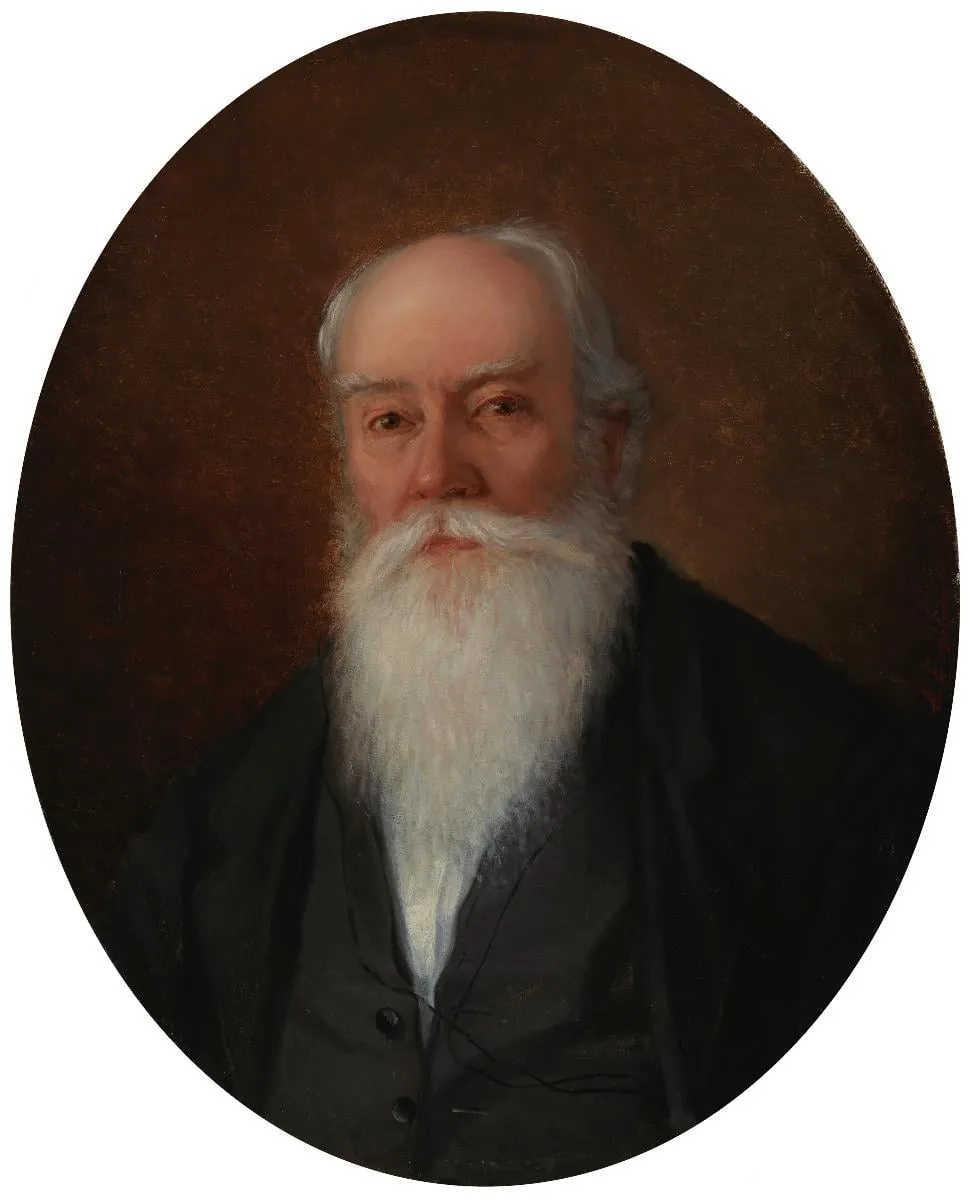
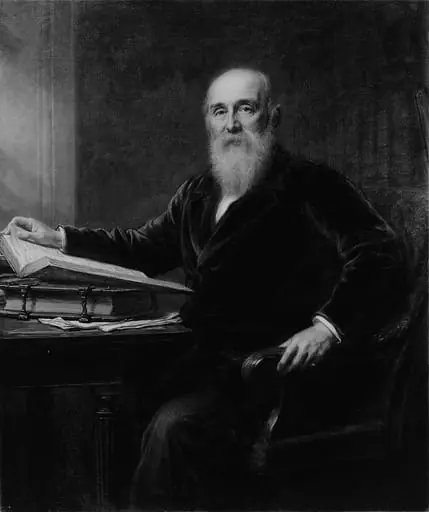
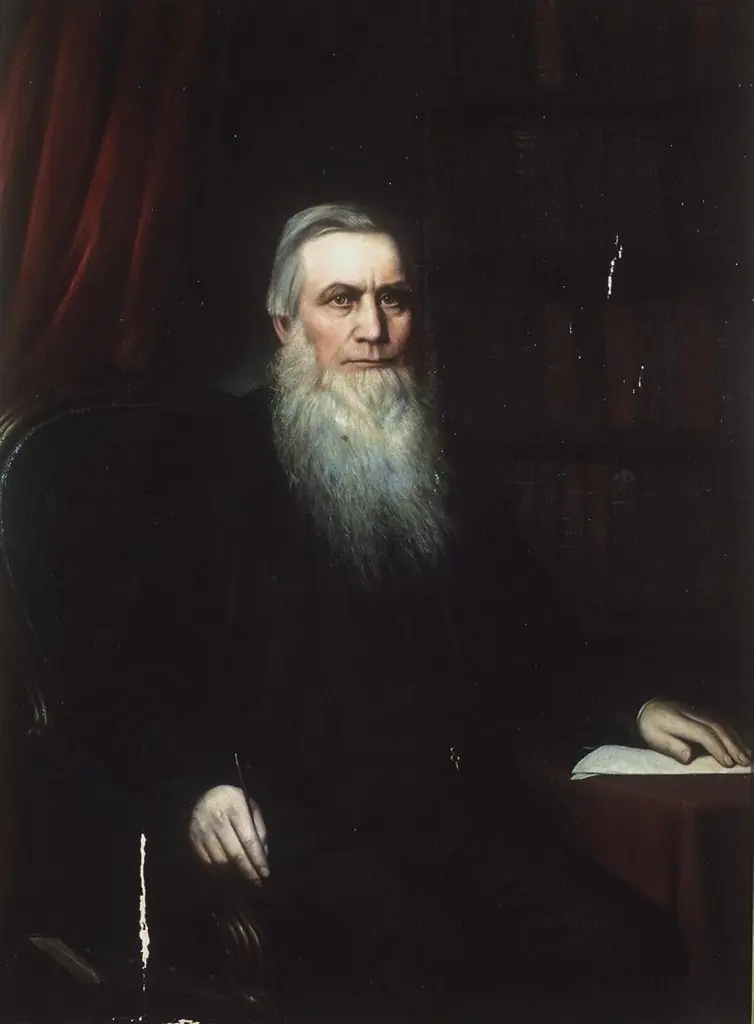
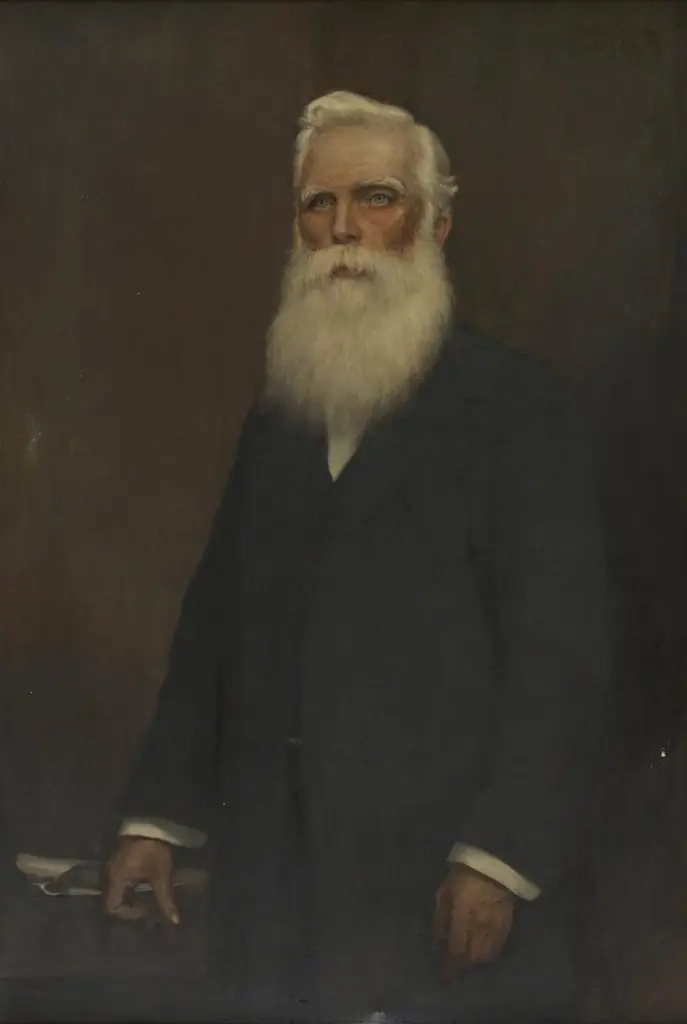
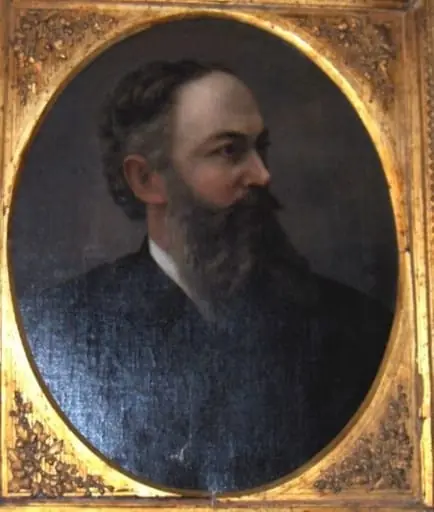
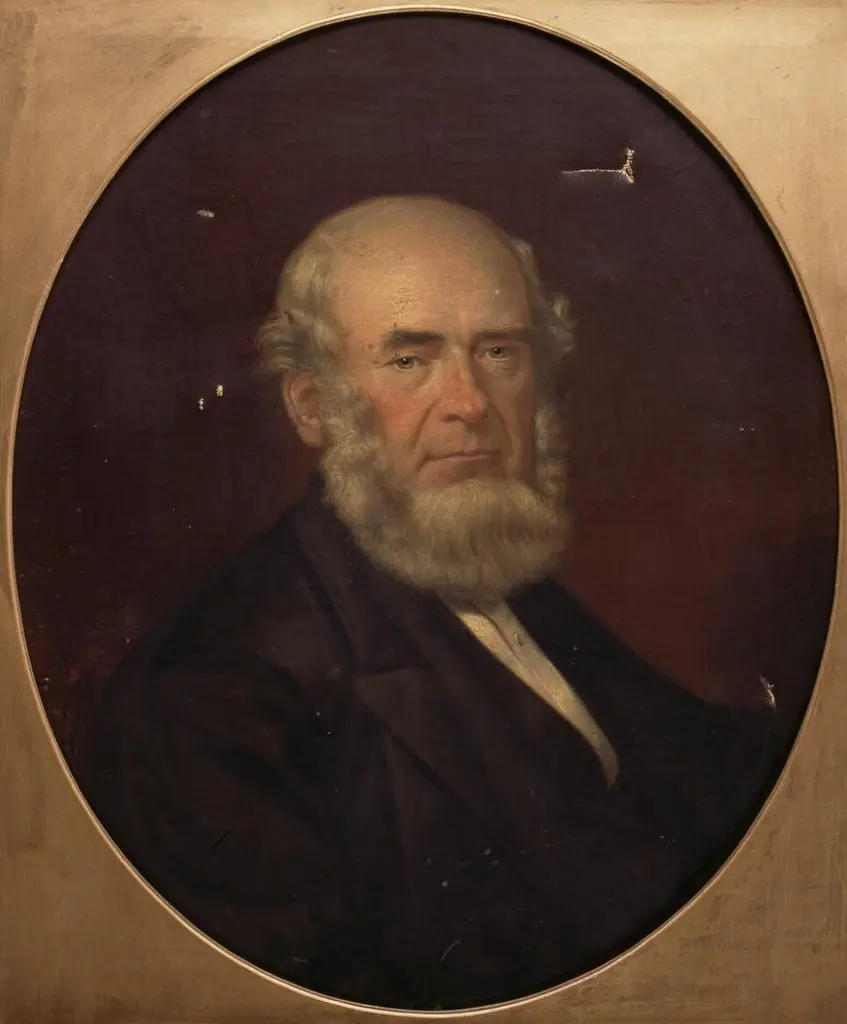
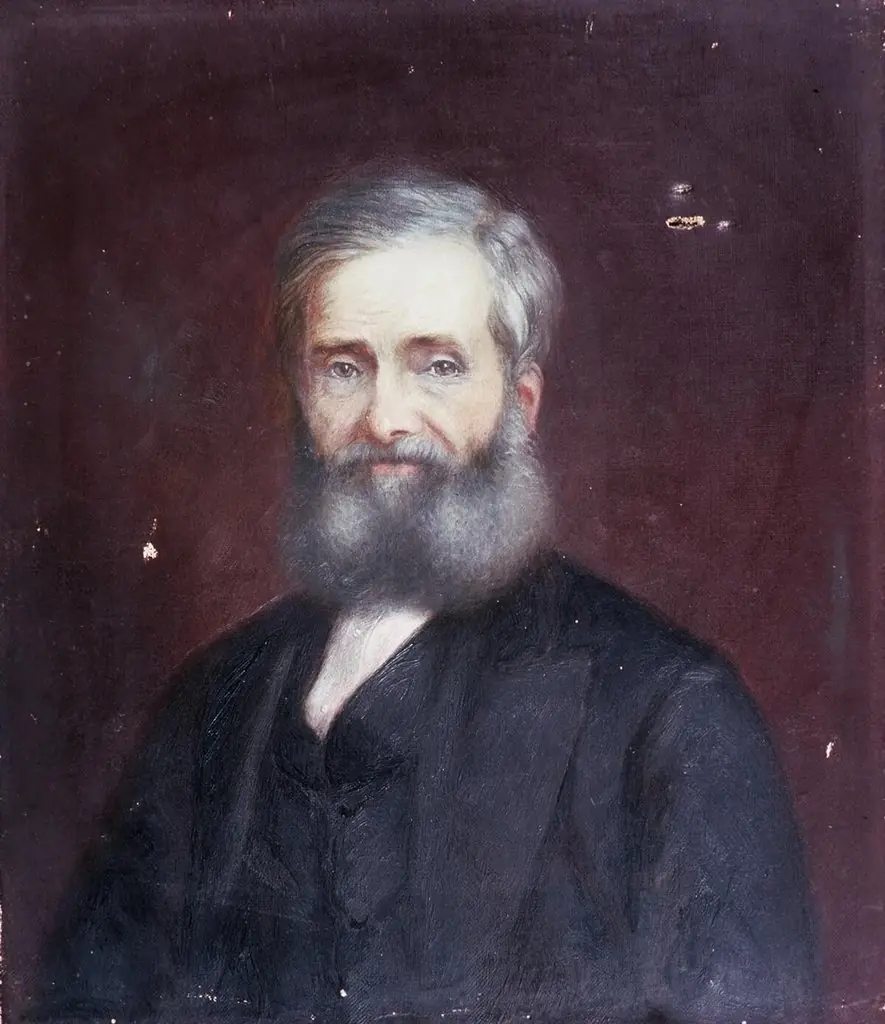
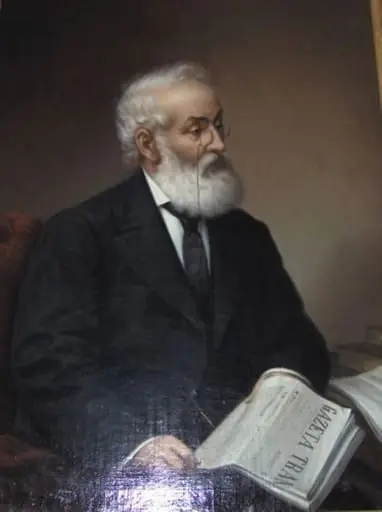
Paul Sinebrychoff vanhempi is an unspecified painting by Alma Engblom. It is held in the collection of the Finnish National Gallery. This portrait depicts Paul Sinebrychoff the Elder, a Finnish industrialist and art collector, rendered in a detailed, realistic style.
About this work
Overview
The lighting emphasizes volume and texture, particularly in the folds of his clothing and the contours of his face, suggesting a quiet, contemplative presence.
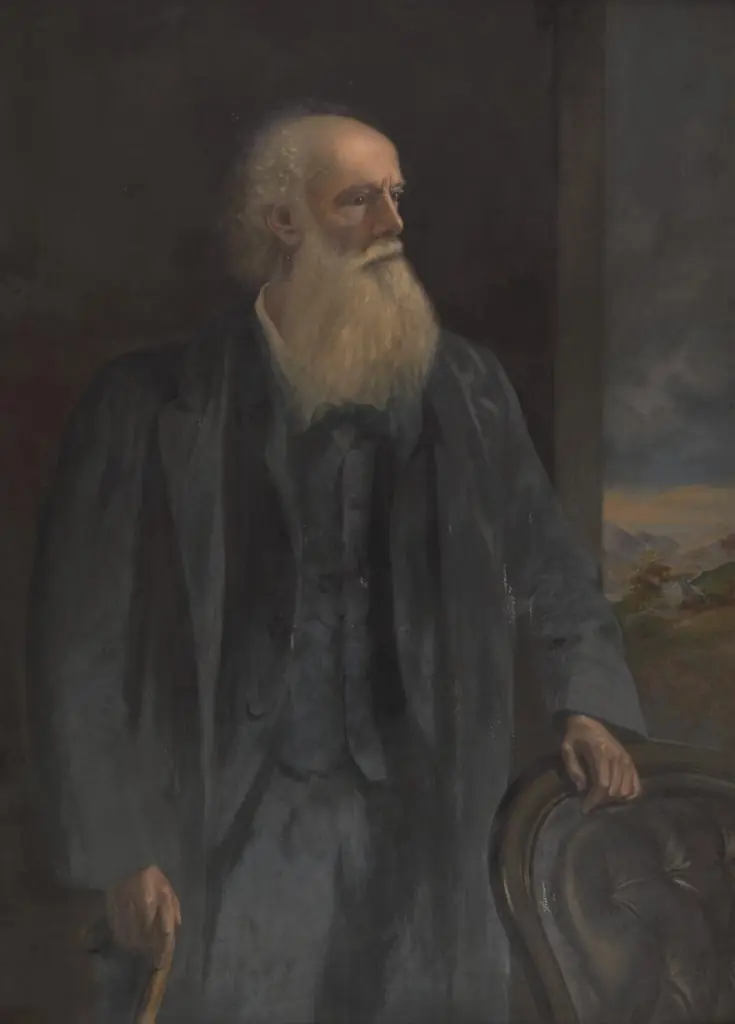
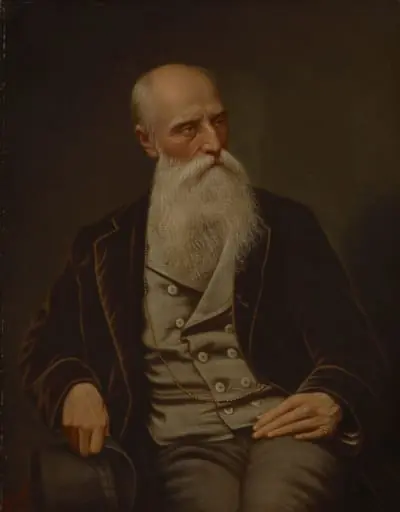
This portrait depicts Paul Sinebrychoff the Elder, a Finnish industrialist and art collector, rendered in a detailed, realistic style. The composition centers on his face and upper torso, set against a muted brown background that enhances the focus on his features. The lighting emphasizes volume and texture, particularly in the folds of his clothing and the contours of his face, suggesting a quiet, contemplative presence.
Subject & Meaning
Paul Sinebrychoff the Elder was a prominent figure in 19th-century Finnish commerce and cultural patronage. His stern expression and direct gaze convey authority and introspection, typical of portraiture meant to reflect social standing and personal gravitas. The absence of symbolic objects or elaborate settings directs attention to his character, emphasizing dignity rather than status markers.
Technique & Style
The artist employs chiaroscuro to model the face and fabric with subtle gradations of light and shadow, lending three-dimensionality to the figure. Brushwork is precise, especially in rendering the texture of the beard, the sheen of the jacket, and the fine lines around the eyes. The palette is restrained, dominated by earth tones, reinforcing the portrait’s solemn tone and classical approach to realism.
History & Provenance
The portrait was likely commissioned during Sinebrychoff’s lifetime, possibly as part of a family collection that later formed the core of the Sinebrychoff Art Museum in Helsinki. Its preservation within the family’s holdings ensured its survival into the modern era, where it now serves as a historical record of Finland’s emerging cultural elite in the 1800s.
Context
In mid-19th-century Finland, portraiture was a means for the merchant class to assert identity and legacy. Artists often adopted techniques from European academic traditions, blending realism with restrained elegance. This work reflects that trend, aligning with broader Northern European conventions while avoiding overt theatricality, favoring quiet dignity instead.
Legacy
The portrait remains a key artifact in understanding the visual culture of Finland’s bourgeois class during its national awakening. Though not widely exhibited outside specialized collections, it contributes to the historical narrative of Finnish art patronage and the role of portraiture in documenting private lives within a public-facing cultural framework.
Artist & collection
Artist
Alma Engblom painted portraits in early 20th-century Helsinki. Her brush captured Emil Kjöllerfeldt in a three-quarter pose and Paul Sinebrychoff vanhempi in half-length view, both dressed in dark suits against neutral…