Artwork
Portrait of a Merchant
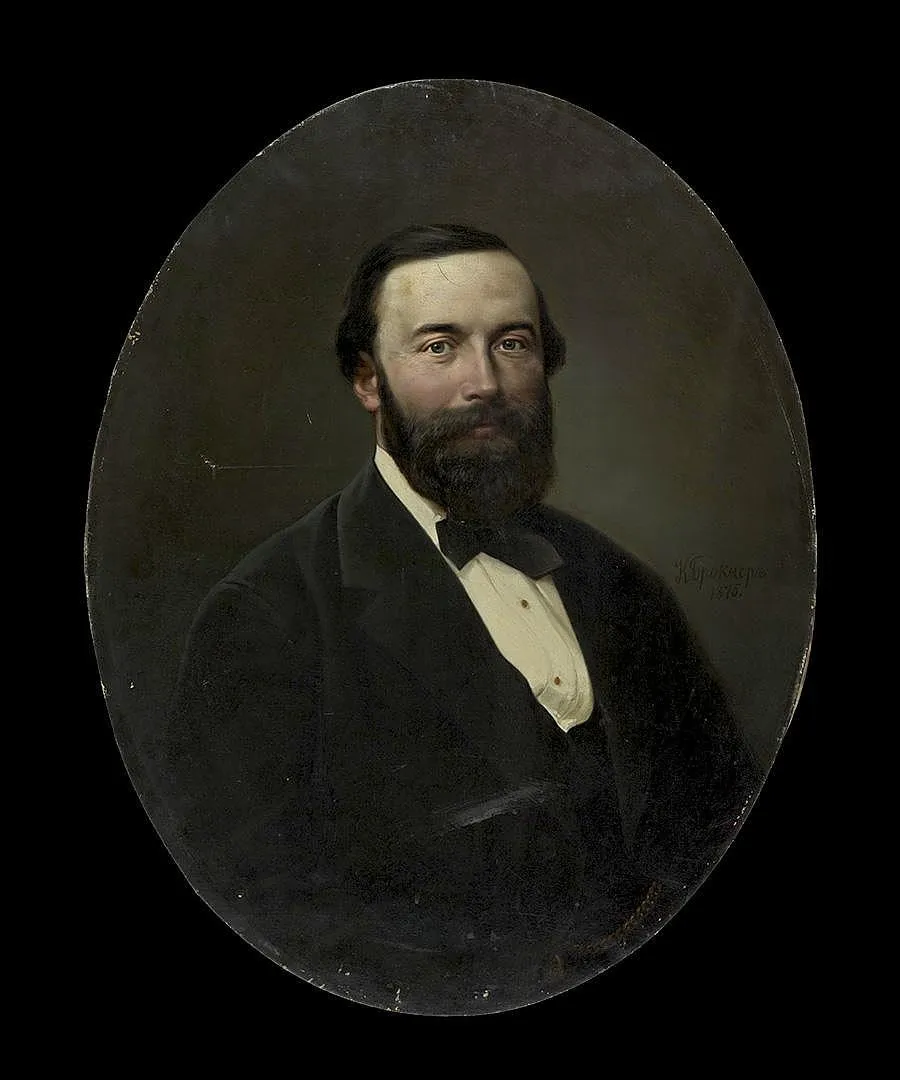
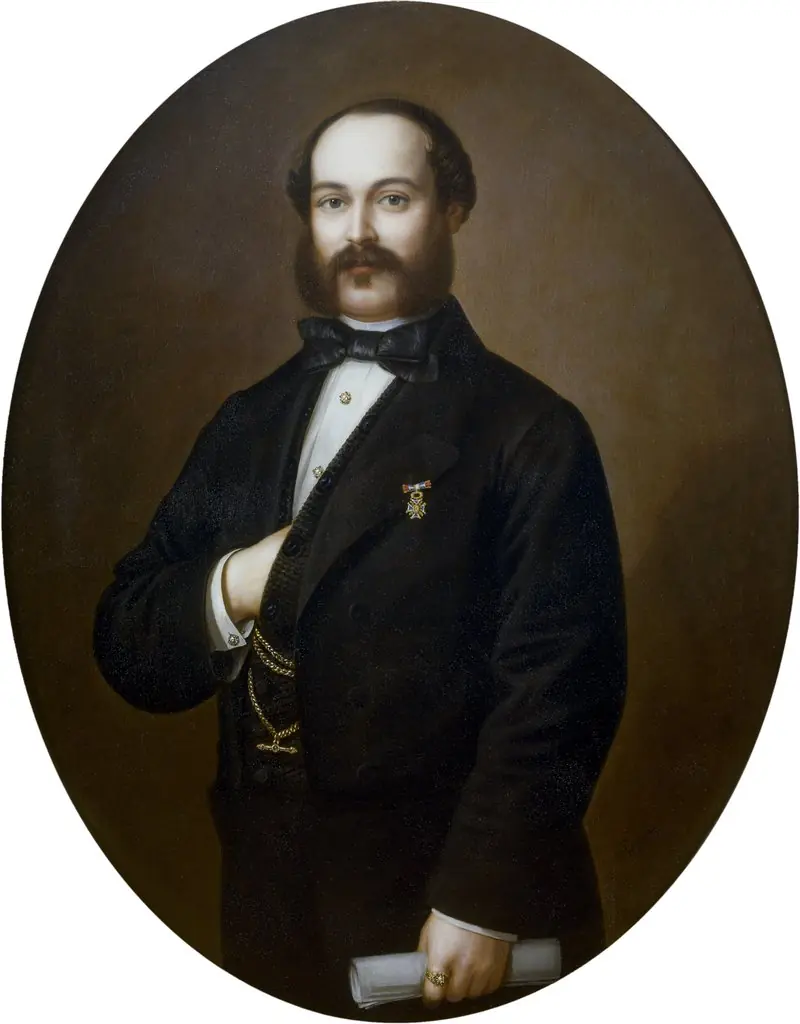
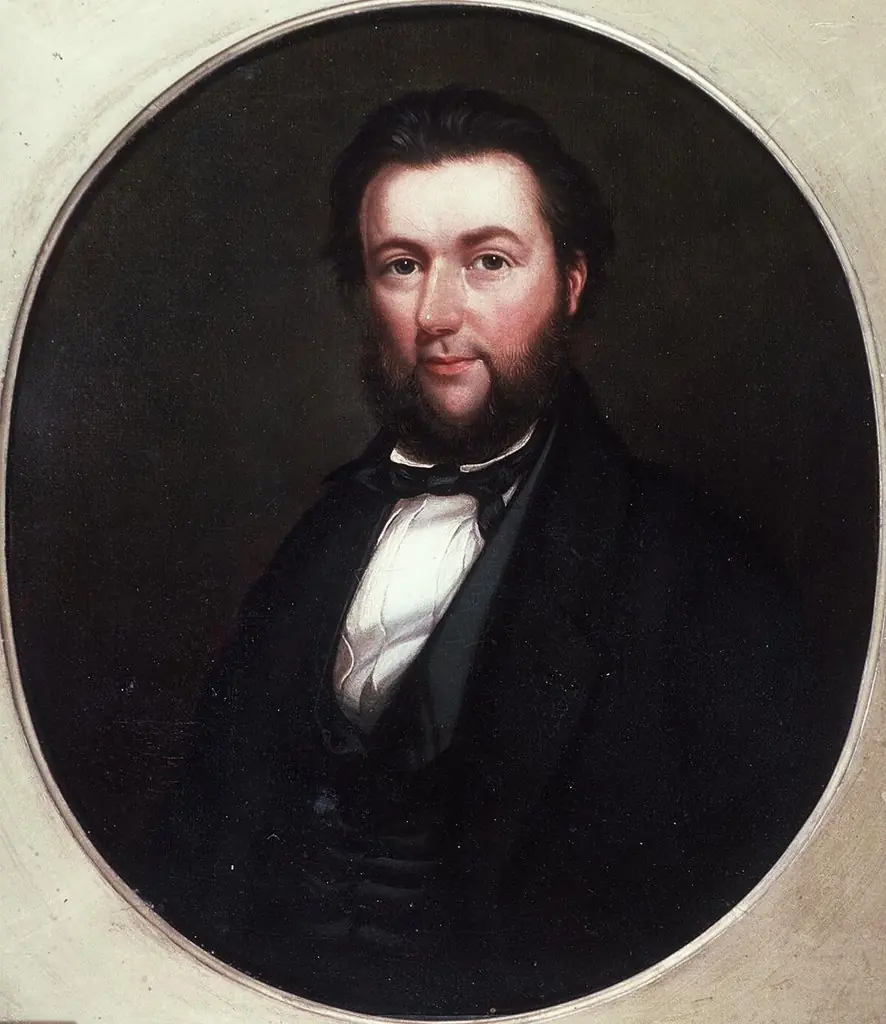
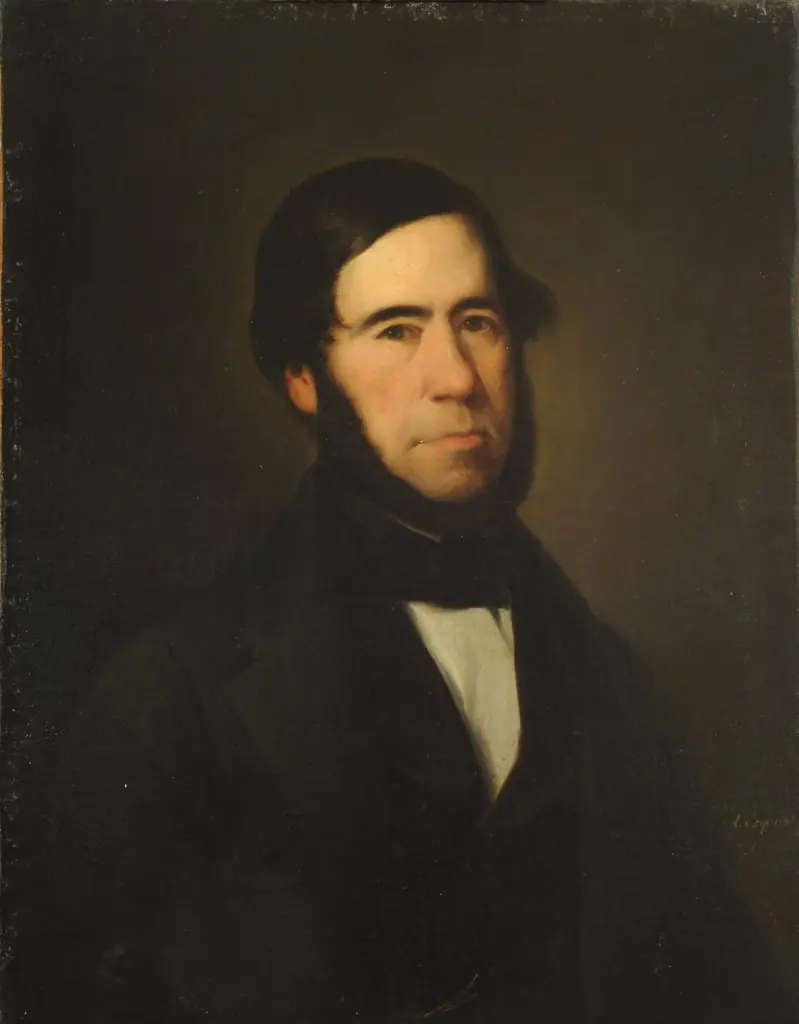
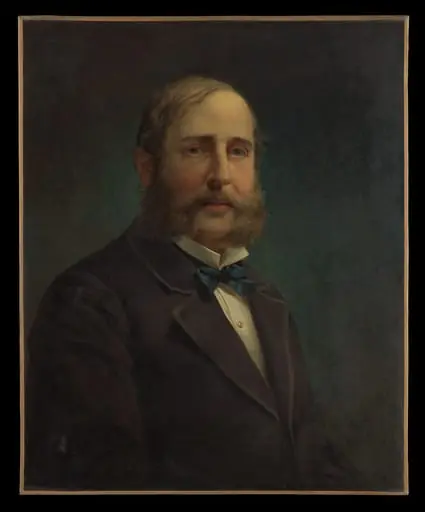
Portrait of a Merchant is an oil painting by the Impressionist artist Q60836382. It dates from 1875 and is held in the collection of the Hermitage Museum. This oil painting depicts a man in formal 19th-century attire, rendered with careful attention to detail.
About this work
To learn more about the techniques used in this painting, such as chiaroscuro, impasto, and glazing, you can explore the work of artist Q60836382.
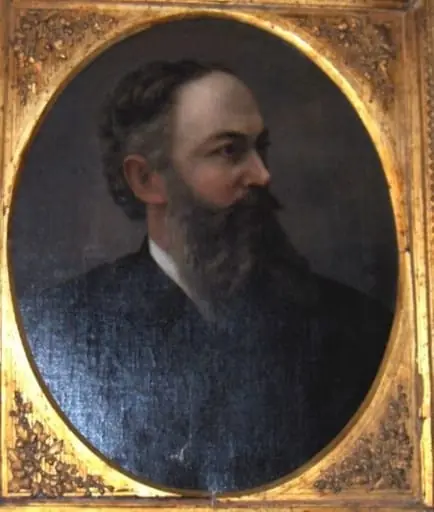
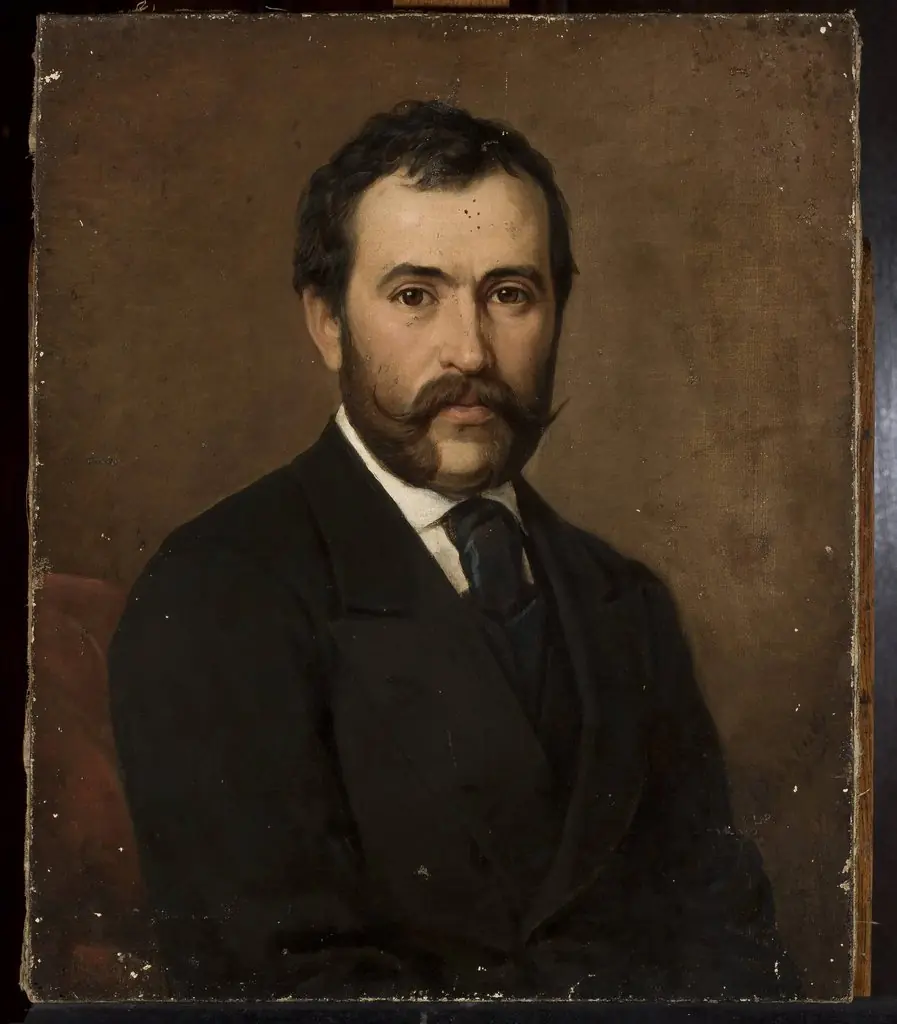
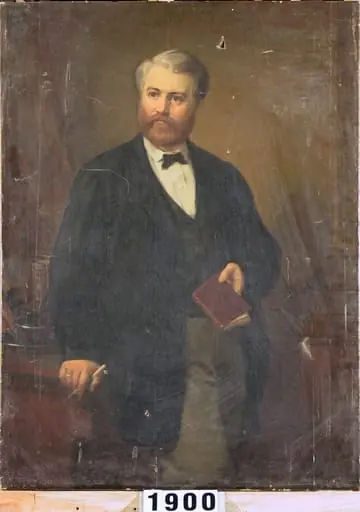
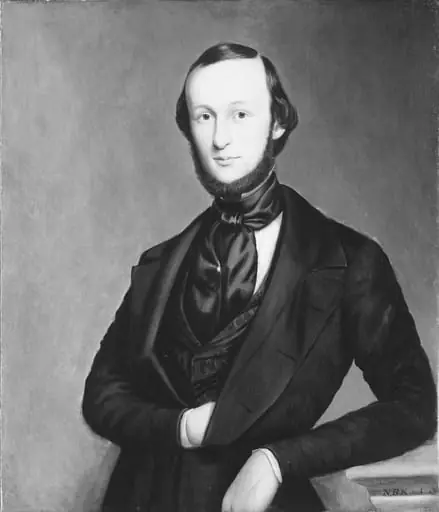
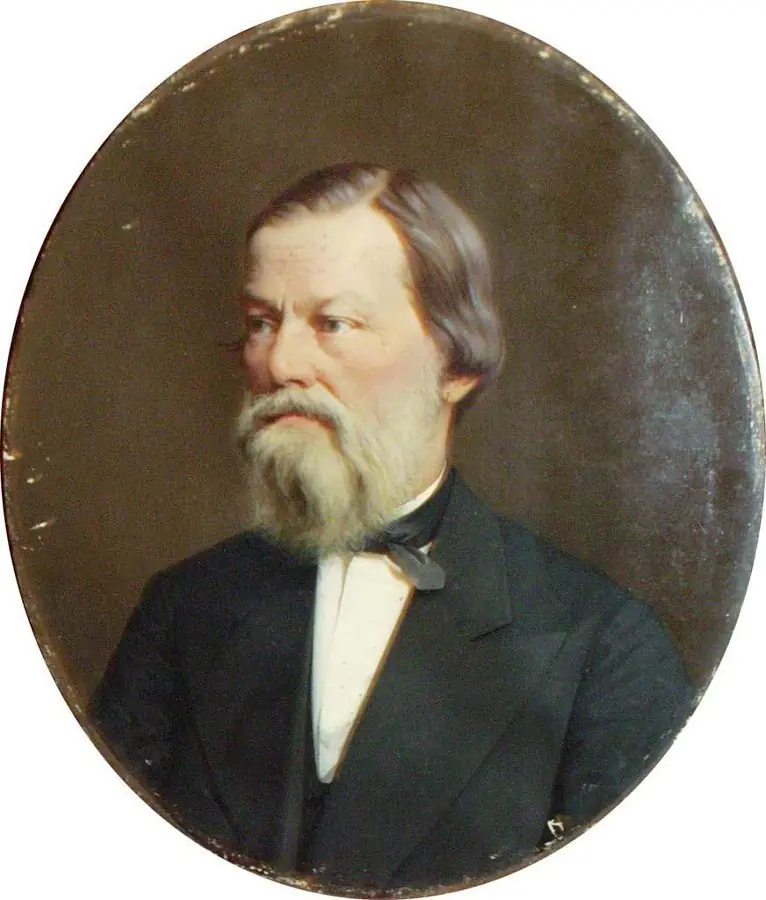
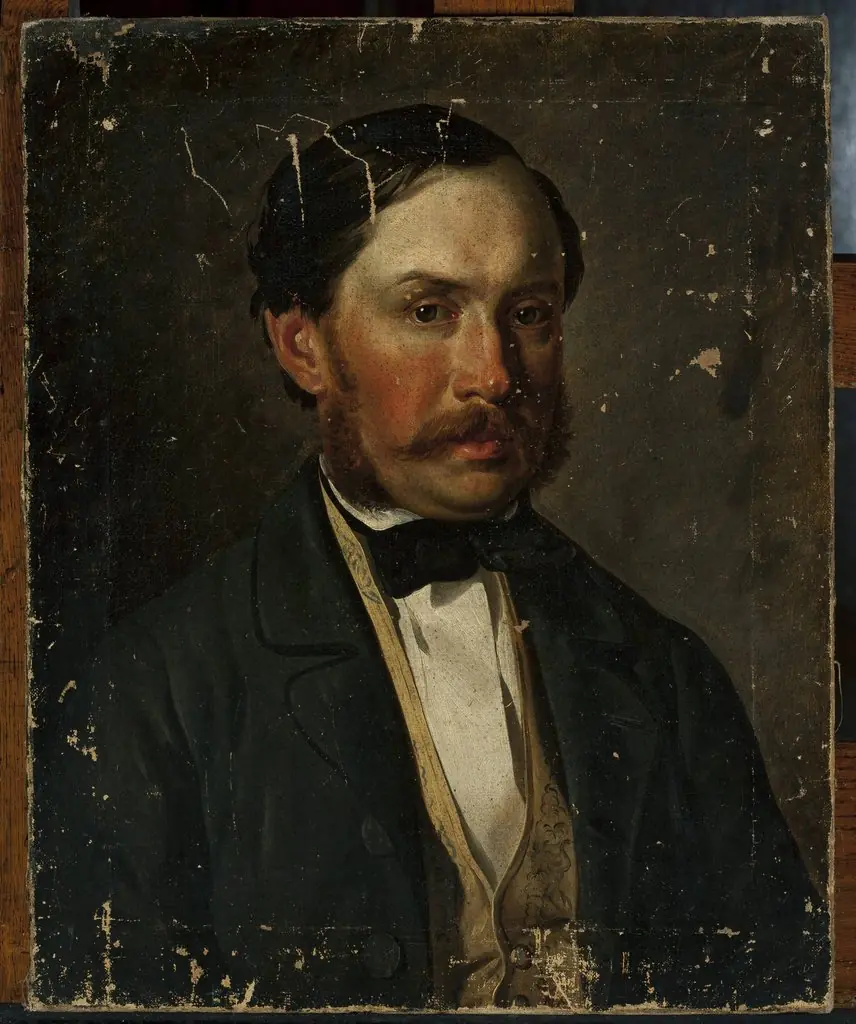
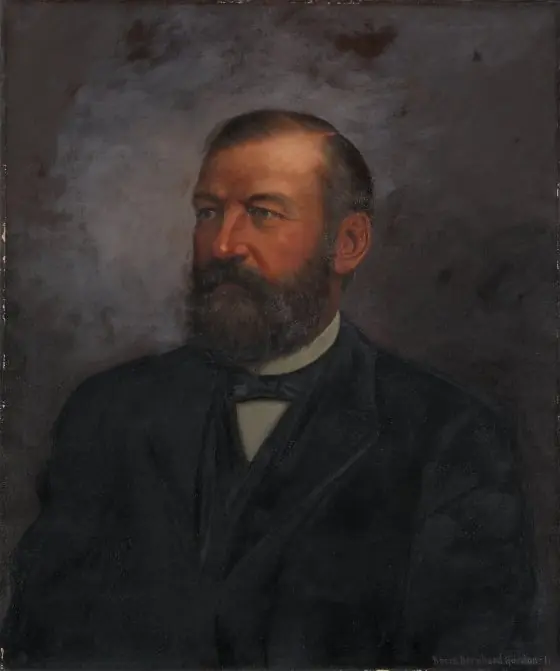
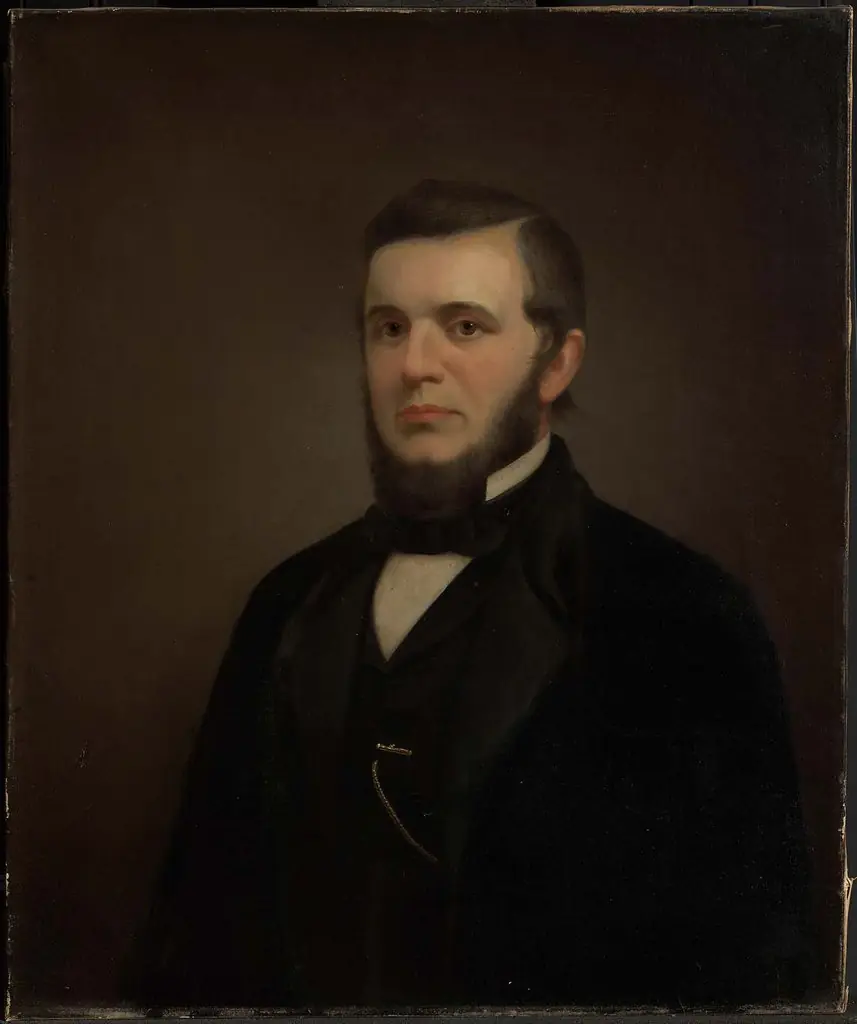
This painting features a man with dark hair and a beard, dressed in a black jacket over a white shirt and black bow tie. He is set against a dark background.
The man's attire and the style of the painting suggest a formal portrait from the 19th century. The artist has used oil paint to create a detailed and realistic image of the subject.
To learn more about the techniques used in this painting, such as chiaroscuro, impasto, and glazing, you can explore the work of artist Q60836382.
Overview
This oil painting depicts a man in formal 19th-century attire, rendered with careful attention to detail. The subject is shown in three-quarter view against a dark, unobtrusive background, emphasizing his presence without distraction. The use of oil paint allows for subtle transitions in tone and texture, characteristic of portraiture from this period. The composition is restrained, focusing attention on the sitter’s expression and clothing.
Subject & Meaning
The man’s dark suit, white shirt, and black bow tie indicate a professional or merchant class identity, common in urban portraiture of the 1800s. His beard and serious gaze suggest dignity and gravitas, traits often associated with economic responsibility and social standing. The portrait likely served to affirm his status, not as a public figure but as a respected member of his community, captured in the quiet authority of everyday life.
Technique & Style
The artist employed oil paint to achieve a lifelike texture in fabric and skin, using glazing to deepen shadows and impasto in highlights to suggest light catching the collar and tie. Chiaroscuro defines the contours of the face and shoulders, creating volume without dramatic contrast. The brushwork is controlled, avoiding overt flourish, aligning with the period’s preference for restrained realism over romanticized expression.
History & Provenance
The painting’s origin and early ownership are undocumented. It lacks inscriptions or markings that would link it to a specific artist or commission. Its survival suggests it remained in private hands, possibly within the subject’s family or local circle. No exhibition history or catalog record is known, indicating it was not widely circulated or publicly recognized during its early years.
Context
In the 19th century, merchant class portraiture flourished as industrialization expanded urban economies. Unlike aristocratic portraits, these works emphasized modesty and competence over heraldic symbols. Artists often worked in regional studios, catering to local patrons. This painting reflects that trend: unadorned, intimate, and grounded in the visual language of bourgeois respectability.
Legacy
The portrait endures as an example of quiet, unassuming realism from a period rich in social transformation. It offers insight into how non-elite individuals wished to be seen—dignified, composed, and grounded in their professional identity. Though not attributed to a major artist, it contributes to the broader understanding of 19th-century portraiture beyond the celebrated names of the era.
Artist & collection
Artist
This 19th-century painter made formal oil portraits of well-off city-dwellers in the 1870s, leaving us two small-scale works: Portrait of a Merchant’s Wife and Portrait of a Merchant.