Artwork
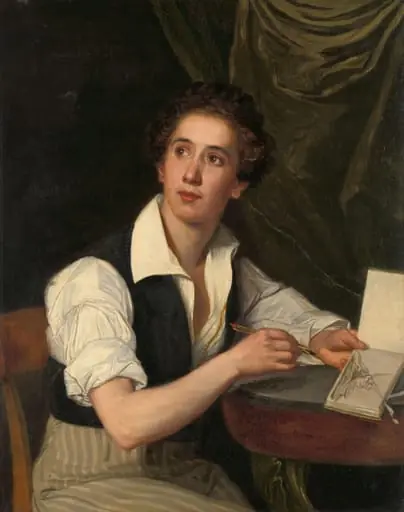
Self portrait, Erik Wahlbergson (1808-1865), artist
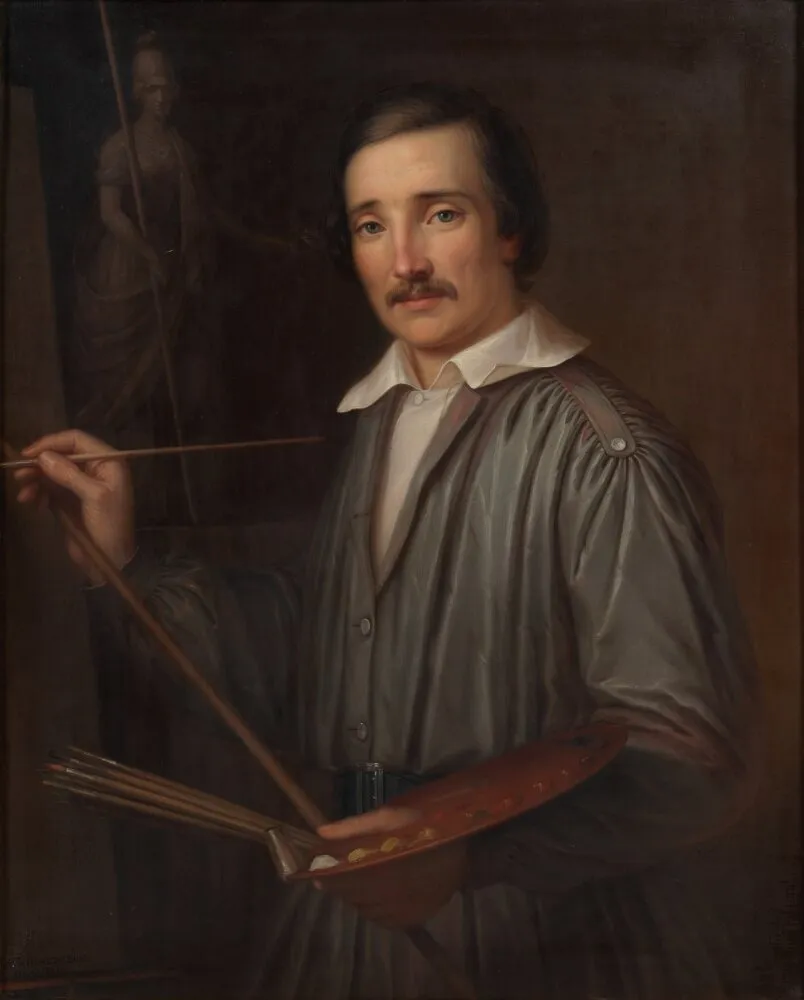
Self portrait, Erik Wahlbergson (1808-1865), artist is an oil painting by the Biedermeier artist Erik Wahlbergson. It dates from 1851 and is held in the collection of the Nationalmuseum.
About this work
Overview
Erik Wahlbergson’s self‑portrait, executed in oil in 1851, presents the artist at work in a modest interior. The canvas is part of the Nationalmuseum’s collection, where it is displayed among other 19th‑century Swedish works. The composition centers on a solitary figure in a dark, buttoned jacket, illuminated by a soft, directional light that emphasizes his face and hands.
Subject & Meaning
A secondary, shadowed figure behind him grips a long tool, perhaps a mahlstick, suggesting the presence of an assistant or a studio aide.
The painting portrays Wahlbergson himself, holding a wooden palette and a bundle of brushes, symbols of his profession. A secondary, shadowed figure behind him grips a long tool, perhaps a mahlstick, suggesting the presence of an assistant or a studio aide. The juxtaposition of the illuminated artist and the obscured companion may reflect the solitary nature of creation contrasted with the support of the studio environment.
Technique & Style
Wahlbergson employs a chiaroscuro scheme, using strong contrasts between light and dark to model form and convey depth. The subdued palette of the surrounding room accentuates the warm glow on the artist’s face and the reflective surfaces of the palette and brushes. Brushwork is controlled, rendering the textures of fabric and wood with a realistic yet restrained hand typical of mid‑19th‑century Swedish portraiture.
History & Provenance
Created in 1851, the work remained in private hands before entering the Nationalmuseum’s holdings, where it has been conserved as part of the museum’s representation of Swedish art. Documentation indicates the painting was acquired by the museum in the early 20th century, aligning with a broader effort to collect works by national artists of the period.
Context
At the time of its creation, Wahlbergson was an established painter working within the academic traditions of Sweden, where portraiture often served both personal and professional purposes. The self‑portrait aligns with a European trend among artists to depict themselves in the act of painting, reinforcing their identity as craftsmen and asserting their place within the artistic community.
Artist & collection
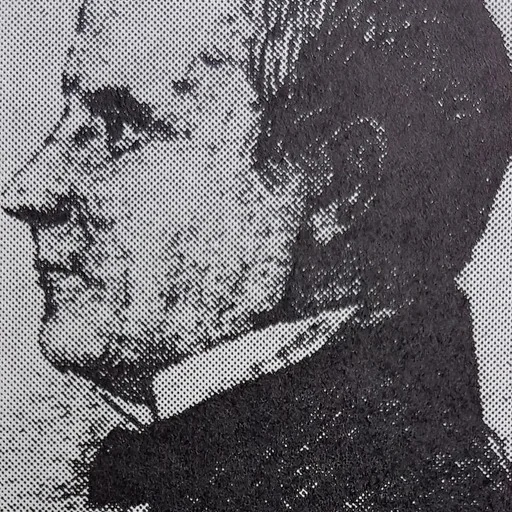

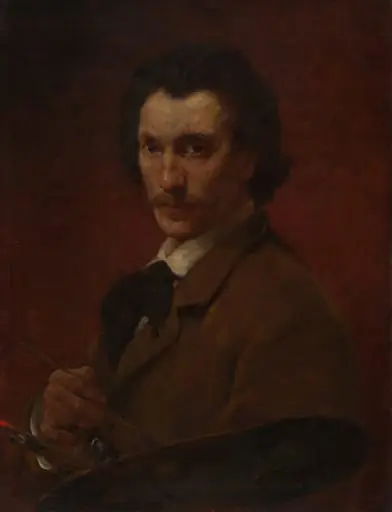 Self-Portrait
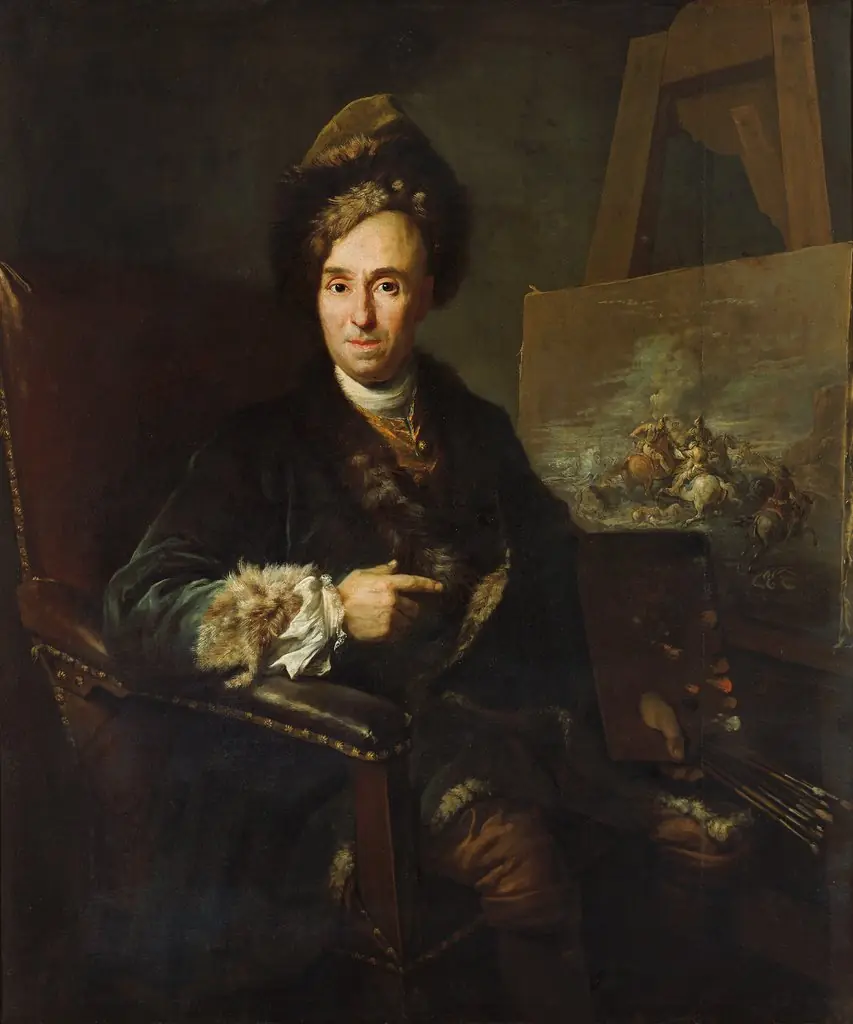 Portrait of the battle-painter Ignace-Jacques Parrocel
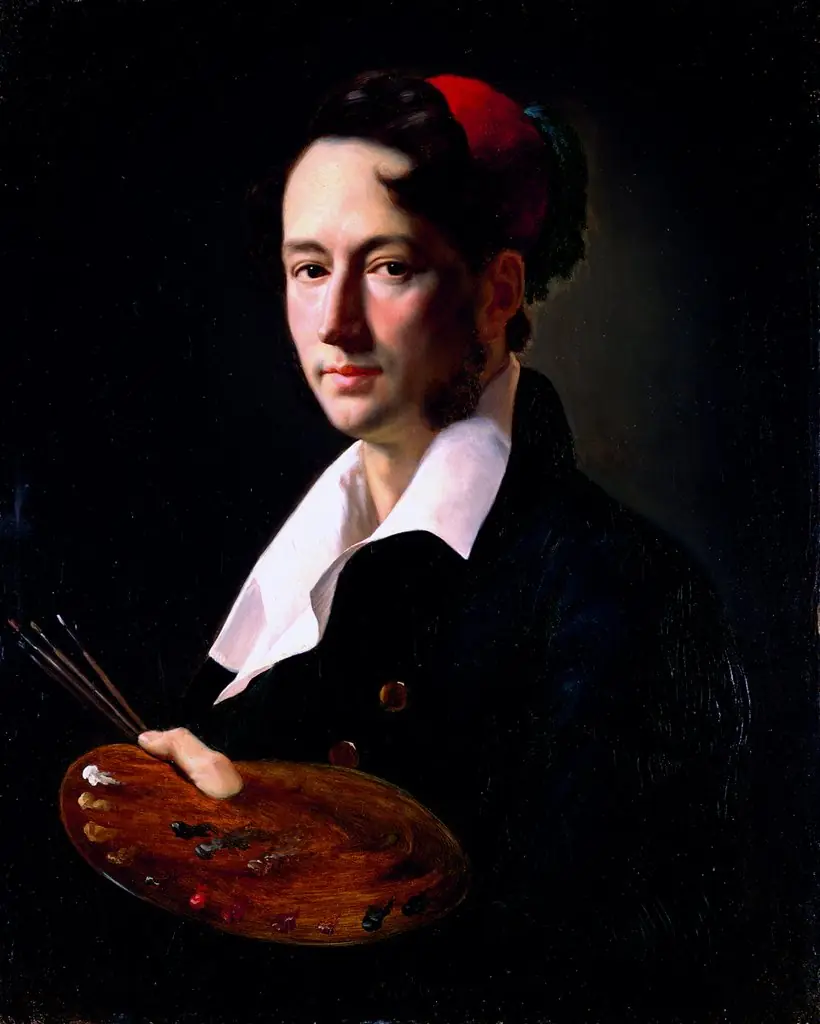 The painter Jean-Claude Bonnefond
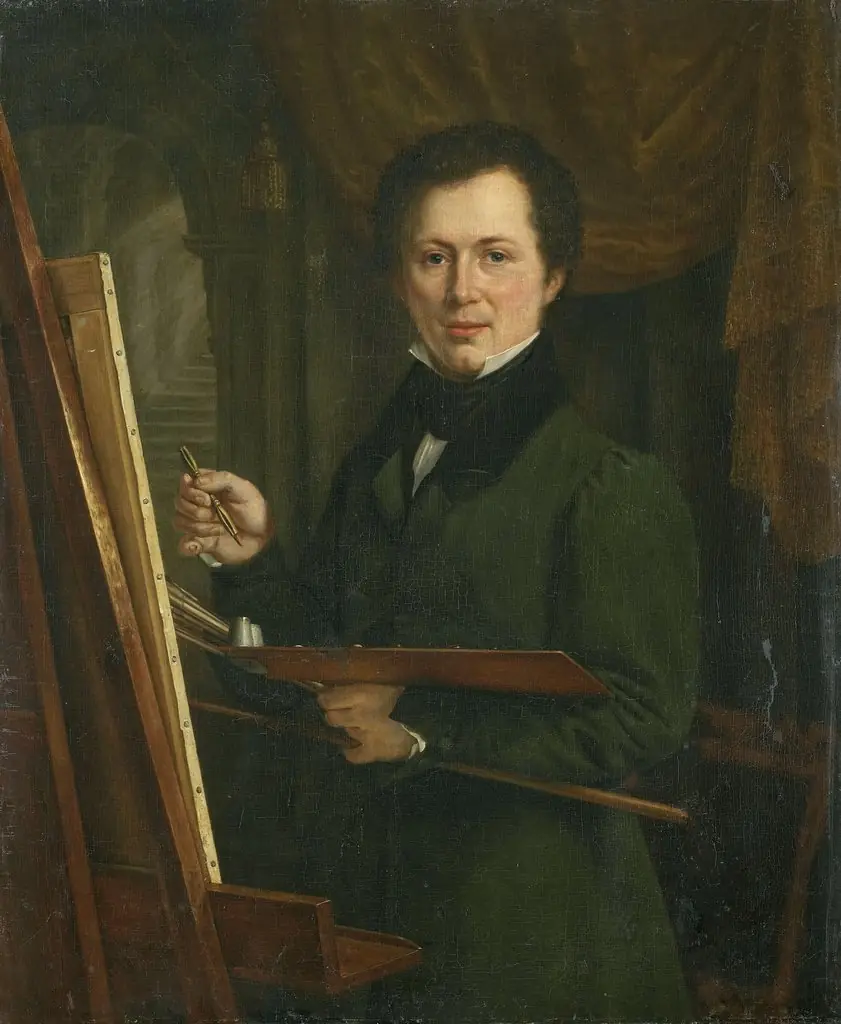 Portrait of a Painter
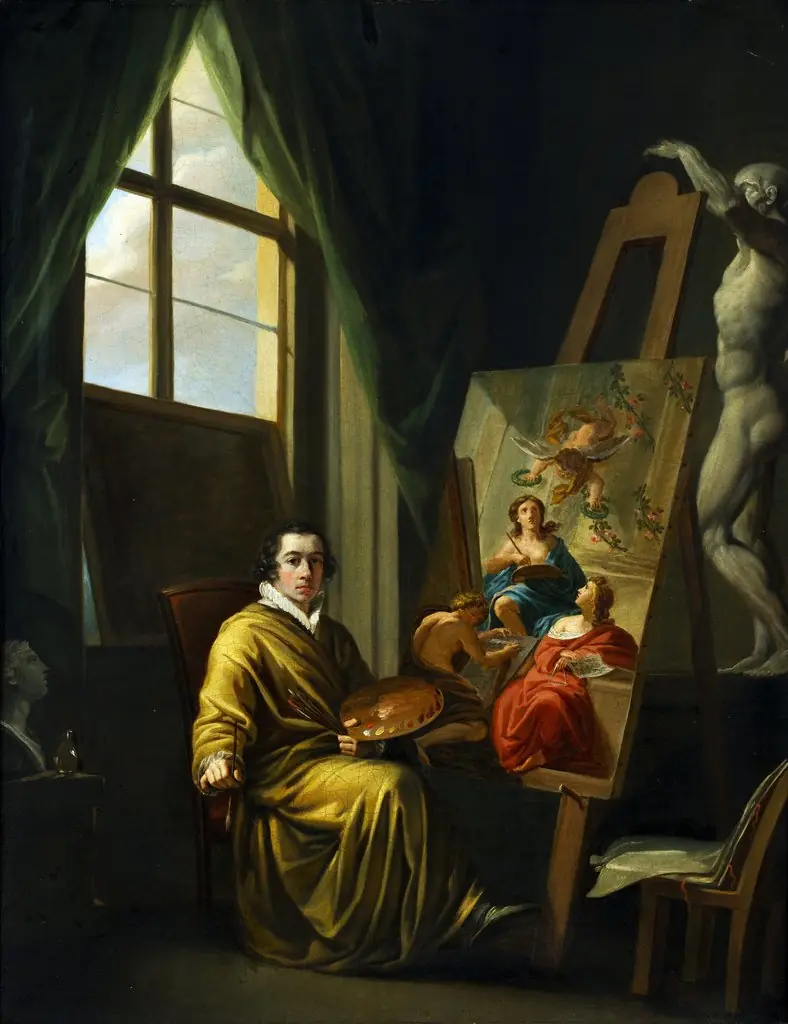 Self-Portrait in the Studio
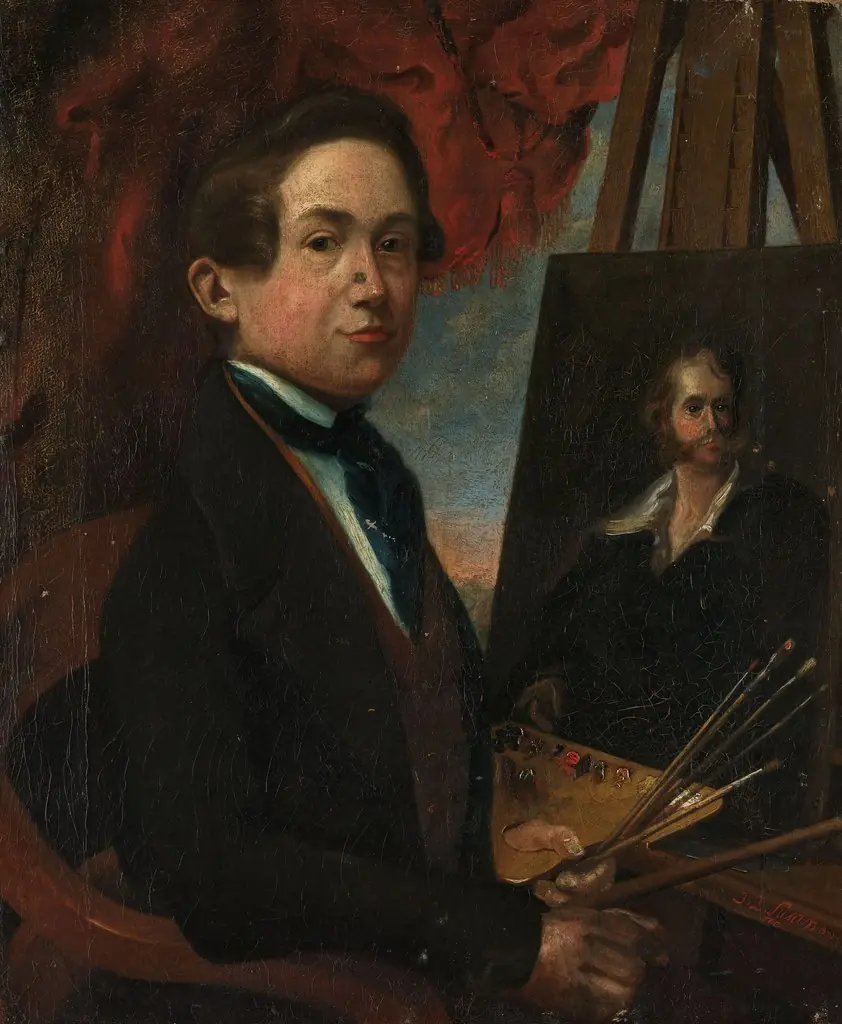 Self-Portrait
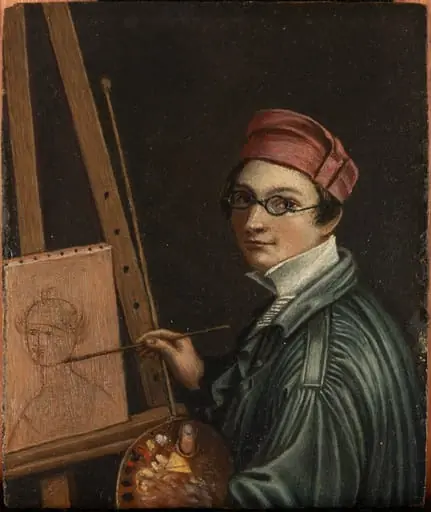 Selbstbildnis des Malers Anton Meier vor der Staffelei
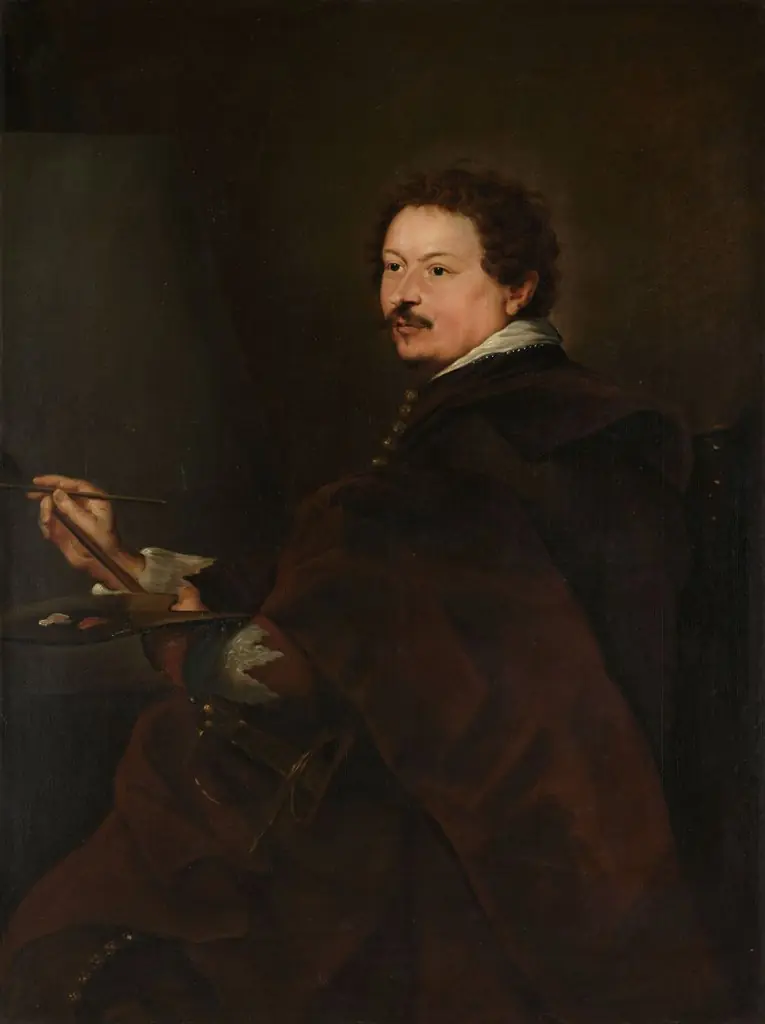 Andries van Eertvelt, Painter
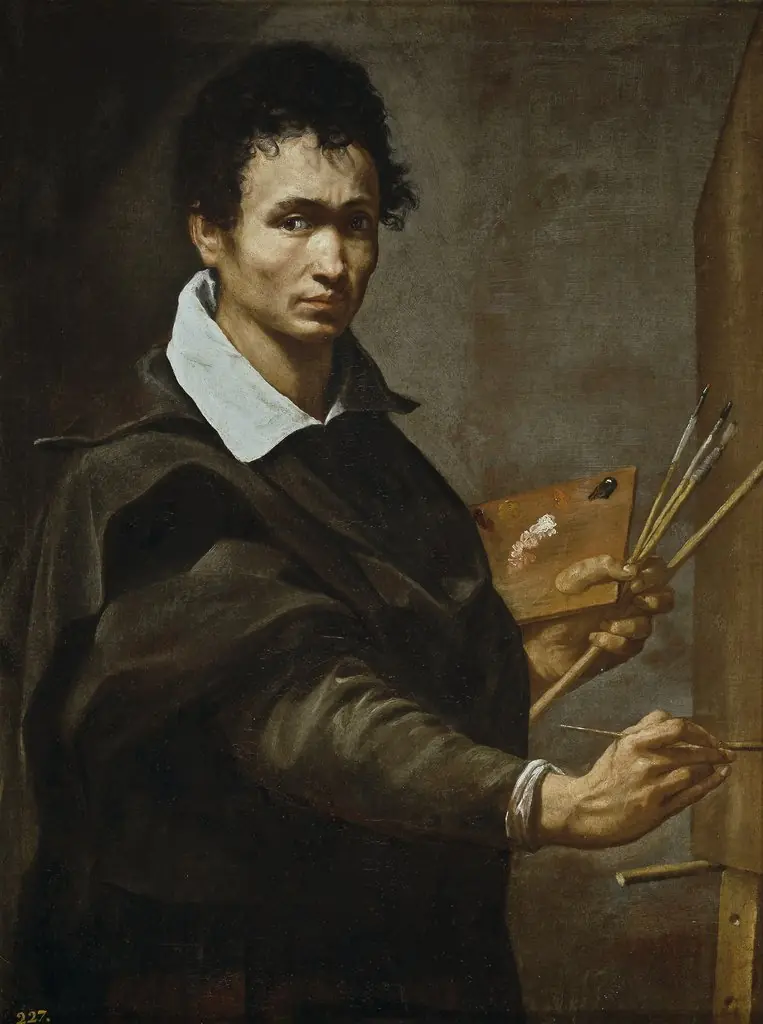 Self-Portrait (¿?)
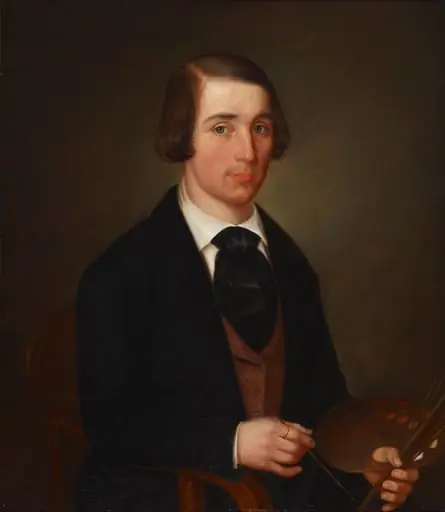 Omakuva
 Self-Portrait
 Portrait of a Painter, probably a Self Portrait